
Last updated: Apr 19, 2026
In this part of Rockland County, cold winters bring real snow and ice that hammer roofs with repeated freezing and thawing. Water seeps into joints, vents, and fastener locations, then freezes again, prying apart shingles, underlayment, and flashing. The result is micro-leaks that can grow into visible drips after a heavy freeze. This is the primary stress you'll feel on older suburban homes with traditional attic access and mid-range roof lines. If you ignore small ice dam formation or neglected valleys, the next thaw can push damage from cosmetic to structural before you notice it from the ground. Plan around the fact that the worst days are not the depth of snow but the repeated freeze-thaw cycles that run through a January or February cold snap.
Replacement timing in this area is strongly seasonal, with spring and fall generally preferred. Winter conditions delay tear-offs and complicate asphalt installation, so you want to avoid a mid-winter roof project unless an emergency dictates it. In practice, this means scheduling a tear-off and re-roof during dry, moderate days in late spring or early fall when the slate of tasks-stripping, flashing updates, and shingle installation-can proceed without the added risk of cold-curing materials or sudden storms. When you lose time to bad weather, you end up with longer exposure to meltwater and opportunistic ice dam formation. A well-timed project also lets crews finish ahead of the first significant snowpack, reducing the chance of redoing work due to winter moisture intrusion. If you must address an emergency mid-winter, prioritize leaks and ensure temporary waterproofing is in place to buy days for a proper spring install.
Autumn leaf drop from mature trees around many homes creates a hidden problem: leaves can hold moisture at roof edges and in valleys as winter approaches. That moisture can freeze, freeze again, and form stubborn ice dams where water backs up under shingles. Valleys, gutters, and step-flashings are especially at risk because they collect melting snow and rely on clear drainage paths. In practice, you'll want to keep valleys clean after leaf fall, ensure gutter downspouts drain away from the fascia, and inspect edge details before the first freeze. Blocked drainage lets water linger at eaves and in rakes, accelerating freeze-thaw damage and increasing the likelihood of leaks when cold snaps hit.
Before winter sets in, walk the roof with a flashlight to spot damaged flashing, loose shingles, or exposed underlayment at ridges and wall lines. Pay special attention to attic ventilation, because poor airflow can worsen ice dam formation by allowing attic ice to back up into the roof deck. If leaks appear after a thaw, focus on sealing penetrations around vents and chimneys with code-appropriate materials and address any overhanging branches that shed wet leaves onto the roof. Establish a plan to stage minor repairs in the shoulder seasons-late spring and early fall-so you don't face a race against weather when a storm hits and freezing temperatures follow. In short, treat freeze-thaw risk as a year-round neighborly obligation: protect the roof edge, maintain drainage paths, and schedule major work in windows that resist winter delay.
Asphalt shingles are the dominant roofing material in this area, and they're well-suited to the typical suburban rooflines found around older Rockland County neighborhoods. In practice, durability here rides on two realities: the winter freeze-thaw cycles that stress sealant bonding and the hot, humid summers that accelerate aging. For you, that means prioritizing a shingle line with good granule retention and a solid sealant system. When choosing, look for a product with a thicker asphalt layer and a polymer-modified sealant that remains flexible in cold weather. In winter, consider an extra-wide drip edge and a well-sealed valley to minimize meltwater backing up under shingles during rapid thaw events. Regular inspections after heavy snow or ice dam events help catch compromised seals early, preventing slow leaks that can hide behind siding or trim.
Metal roofing stands out as a meaningful local upgrade path if snow shedding and long-term resilience are priorities. The winter climate in this area rewards metal's ability to shed snow more predictably and reduce ice buildup along eaves. For Nanuet homes, a standing-seam metal system often provides the best performance because its panels are less prone to wind uplift and its concealed fasteners minimize leak paths. If you opt for metal, focus on accurate flashing details around chimneys, skylights, and roof-to-wall transitions. A well-sealed and corrosion-resistant coating matters in the salty-spray pockets near seasoned trees and in shaded pockets where ice lingers longer. Proper underlayment remains essential, especially over older roof decks, to accommodate the inevitable freeze-thaw movement without a leak.
Older Rockland County houses might carry existing dormers, valleys, or parapets that were originally finished with slate, clay tile, wood shakes, or fiber cement. Each of these brings a distinct maintenance mindset. Slate and clay tile handle freeze-thaw cycles well but demand careful structural assessment and flashing planning when retrofitting on a non-traditional roof frame. Wood shakes offer a classic look but require rigorous upkeep against moisture and insect exposure, with a higher susceptibility to fire codes and air-drying needs in shaded, mature-tree canopies. Fiber cement presents a durable, lower-maintenance option that mimics many traditional looks while resisting rot and insects; however, fastening details and substrate readiness matter for older roofs to prevent delamination in cold snaps. In any of these cases, confirm that the roof framing and flashing are adequate for the chosen material, as older homes may require reinforcement or precise integration with existing parapets and dormers to manage water flow and ice buildup effectively.
Nanuet has a distinctive mix of snow, ice, and variable spring weather that can push roof replacement timing and pricing beyond the quiet seasons. Local cost expectations span the provided ranges, from asphalt shingles at 360 to 750 USD per square up to slate at 1200 to 2300 USD per square. In winter, you'll notice prices shifting upward as crews balance post-storm demand with clogged schedules and tighter windows for material delivery. That means a typical project can start with a higher initial bid after a heavy snow, ice, wind, or rain event that compresses contractor calendars across Clarkstown and nearby Rockland communities.
Material choice drives the bulk of the price here, but so does the common home profile. Many houses in the area feature chimneys, dormers, skylights, steeper suburban rooflines, or heavier materials such as slate or tile rather than a simpler low-complexity roof. If your home mixes asphalt with a skylight or has a chimney chase that penetrates multiple roof planes, expect additional flashing, proper sealing around penetrations, and possibly a longer installation timeline. All of these factors push the cost from the base range toward the higher end of the spectrum, particularly on older homes that require careful preservation of architectural details.
Winter ice and freeze-thaw cycles have a practical impact on replacement timing and approach. If an unexpected thaw exposes shingle granules or reveals underlying decking damage, a planned replacement can quickly morph into a longer project. Spring demand spikes after storms frequently tighten scheduling and push up labor rates, especially for premium materials like slate or clay tile. If you're balancing leak concerns with a fixed budget, a phased approach can be worth considering: address high-risk areas first and stage the remainder after winter, when crews have more flexibility. When winter damage is evident, you may see expedited bids, but beware of rushed decisions. It's better to confirm deck condition, underlayment integrity, and flashings before committing to a material change.
Choosing material at the outset influences long-term performance in this climate. Asphalt shingles provide solid all-around durability at a lower upfront cost, while metal roofs offer excellent ice-shedding properties and long life at a mid-to-high price. For those with historic homes or preference for a traditional look, clay tile, slate, or fiber cement can align with aesthetic goals but require careful structural assessment due to weight and installation needs. If your roof deck shows signs of water infiltration after freezes, ensure the replacement plan prioritizes a robust underlayment, proper attic ventilation, and targeted insulation to minimize future freeze-thaw stress.

CUNIN Construction
(800) 803-0968 www.cuninny.com
176 NY-304 2 Fl, Nanuet, New York
5.0 from 100 reviews
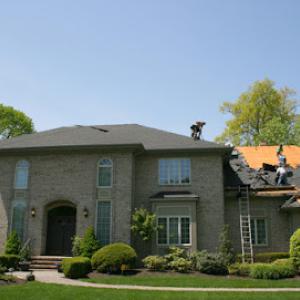
CUNIN Construction is a trusted roofing contractor in Nanuet, NY, proudly serving Rockland County and surrounding areas. We specialize in roof replacement, roof repair, siding, gutters, chimney work, and exterior home improvements. Family-owned and operated, we offer free inspections, honest estimates, and quality workmanship. Call today for reliable roofing services near you.
A & J Reliable
50 Second Ave Suite A, Nanuet, New York
4.9 from 255 reviews
At A & J Reliable we have some of the best and most experienced roofing specialists in New York, New Jersey and Connecticut. From the design phase to the installation phase, all of our team members work together in a spirit of collaboration to tackle all the challenges of your construction project. We are highly trained in all aspects of our business – commercial roofing and residential roofing; from gutter cleaning to installing rubber roofing. We are knowledgeable about our products, and installed products such as Gutter Topper and Deck Bottom USA, and are professional in our approach.
M. Anthony's Roofing
(845) 714-0587 www.m-anthonys-roofing.com
18 Ludvigh Rd, Nanuet, New York
4.8 from 84 reviews
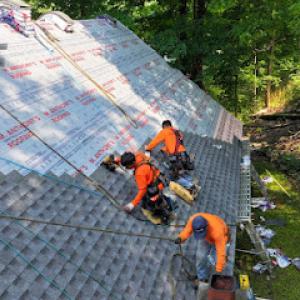
Established in 2000, M. Anthony’s Roofing is a premier, family-owned roofing contractor dedicated to serving the Bardonia community. We are passionate about providing personalized service and meticulous craftsmanship for every project. Our experienced team offers a full spectrum of roofing solutions, ensuring your home is protected with quality materials and expert installation. We pride ourselves on being a trusted local business committed to excellence.
On Time Contracting
(914) 704-6669 rooferscontracting.com
Nanuet, New York
4.8 from 13 reviews
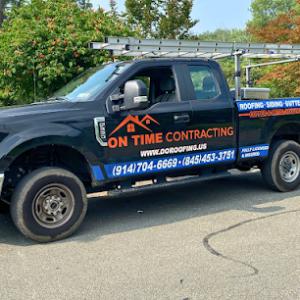
On Time Contracting, with over 20 years of experience, specializes in high-quality roofing solutions including leak repairs, metal and copper roofing, chimney flashing, gutters, and siding services in Westchester County, NY. Our team of professionals is committed to delivering unparalleled workmanship and customer satisfaction. We use only top-quality materials to ensure the durability and beauty of your home or business. Whether you need emergency repairs or are looking to upgrade your exterior, we offer reliable, timely, and efficient services tailored to meet your specific needs. Trust us to protect and enhance your property.
Gikas Roofing
(845) 441-7663 gikasroofing.com
Serving
5.0 from 167 reviews
Founded in 1982, Gikas Roofing has built a reputation for excellence through decades of dedicated service. As an Owens Corning Preferred Contractor, we bring industry-leading materials, expert craftsmanship, and a commitment to customer satisfaction to every project we take on. We specialize in roofing and gutter services, offering both residential and light commercial solutions throughout Rockland County, Westchester County, and Northern New Jersey. Based in Pearl River, NY, our team is known for reliability, clear communication, and delivering quality that stands the test of time.
Muicela's Roofing
(845) 290-7219 muicelasroofing.com
Serving
5.0 from 18 reviews
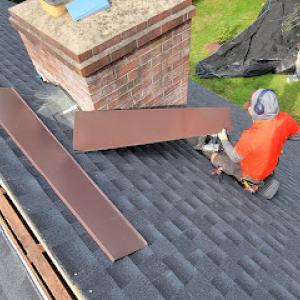
Muicela's Roofing is your trusted partner for all your roofing needs, serving homeowners with high-quality roofing solutions. We specialize in roof installations, repairs, and maintenance, ensuring your home is protected with durable and reliable materials. In addition to our expert roofing services, we offer professional gutter installations and chimney repairs, keeping your home safe from top to bottom. Our skilled team is committed to doing every job the right way, delivering exceptional workmanship and customer satisfaction. At Muicela's Roofing, we treat every home as if it were our own. Contact us today for a free quote and experience roofing done right.

Emerald Roofing & Siding
(845) 377-5255 emeraldroofingusa.com
Serving
5.0 from 263 reviews
Emerald Roofing and Siding has been serving Rockland County and the entire state of new jersey for years with one goal in mind; to provide superior customer service and the highest level of quality workmanship. Emerald Roofing has been providing custom options and solutions to fit any style and budget. From residential and commercial roofing systems to siding, gutters and more. From new construction to repairs, re-roofs and exterior maintenance. Emerald Roofing and Siding is here to work with you!

Power Exteriors
(914) 506-2545 powerexteriorscorp.com
Serving
5.0 from 25 reviews
Power Exteriors . When it comes to protecting your home from Rockland county, Orange county, and Westchester County, you can trust we have the expertise. Our strategically sized operation enables us to give you the personal relationship you deserve and the quality workmanship that you require. Power Exteriors, specializes in commercial & residential, roofing, Siding, Windows, Seamless gutters, Skylights, and more. From our initial visit we will always give you an honest opinion
Gomez Construction & Roofing
(914) 906-0845 www.gomezconstructioninc.com
Serving
4.8 from 31 reviews
When you’re looking for top quality roofing & remodeling services, Gomez construction inc ,is here to help. Our team of professionals is available to provide a wide range of customizable options, all guaranteed to meet and exceed expectations. Contact our office today to learn more about this and our other available services. From start to finish, our team will work with you to ensure your satisfaction every step of the way. offers an array of services for your home renovation needs. From kitchen and bathroom renovations to whole-house makeovers – we have you covered! Our experts do all work with years of experience in all types of projects, including quality brands.
Impact General Construction
(845) 494-2399 impactgeneralconstruction.com
Serving
5.0 from 20 reviews
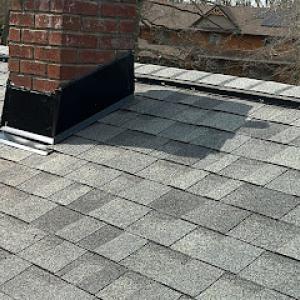
Our company's goal is to do the project correctly and provide a seamless procedure between our customers and contractors. We take great pride in each job we work on and hope to make a lasting impression on your house.
Cuenca Home Improvement
(845) 945-0473 www.roofingsidingcontractorny.com
Serving
5.0 from 35 reviews
Cuenca Roofing & Siding Reliable and Affordable Roofing Solutions! We specialize in residential and commercial roofing services, including repairs, installations, inspections, and maintenance. Our team uses top-quality materials and expert craftsmanship to protect your property from the elements. Whether you need a new roof, emergency repairs, or regular upkeep, we’ve got you covered. Contact us today for a free estimate! Serving New York and surrounding areas.

JCL Home Improvement 2
(845) 608-3620 www.jclhomeimprovement2inc.com
Serving
5.0 from 24 reviews
JCL Home Improvement 2 Inc was built with the commitment to ensure cost-effectiveness and high-quality in every home improvement project we are hired to work on for the community of Spring Valley, NY, and the surrounding areas. Our company was founded under the great values of: Professionalism Commitment Diligence Cost-Effectiveness Contact our team today and get a free estimate for any of the services that we offer. We are more than ready to start working on your projects, our goal is to exceed your expectations and always provide you with the best quality. Contact our professional and reliable company today to save time and money on your upcoming home improvement project!
A full roof replacement in this area typically runs through the Clarkstown Building Department rather than being handled informally by the contractor alone. The local climate, with freeze-thaw cycles and heavy snow, makes a proper permit process more than a formality-it helps ensure the work follows town standards that affect durability, ventilation, and moisture management. Skipping the permit or mishandling the approvals can mean delays, required corrections, or even a stop-work order if an inspector shows up mid-project. In Clarkstown, taking the time to align with the permitting process saves you from costly setbacks when winter storms arrive.
Clarkstown reviews roofing plans and conducts inspections at key milestones, followed by a final inspection when the project is complete. Typical milestones include after framing, once underlayment and ventilation are in place, and at closeout with the final roof installation. Each step is an opportunity to confirm that ice dam protection, attic ventilation, vapor barriers, and proper sealing around penetrations are up to code. If any element is out of spec, you'll need to address it before moving forward, which can prevent leak-prone installations that fail under freeze-thaw stress.
Because a homeowner in this hamlet must verify requirements with the town building office rather than a separate city permitting authority, your first move should be a quick call or visit to the Clarkstown Building Department to outline your project and required permits. Expect to provide project scope, material selections, and timeline. Miscommunication here can cascade into inspections that don't pass or permit holds. Keep all documentation organized, including manufacturer specifications for roof vents, ice-and-water shield, and flashing details, so you're ready when inspectors arrive. A well-timed submission reduces the risk of winter weather halting progress and ensures you're protected under local rules.
In the Nanuet area, insurers generally still write roofing coverage, but claims often depend on detailed roof condition reports, before-and-after photographs, and professional estimates. A claim that survives scrutiny usually starts with clear evidence of what happened during the event and what the roof looked like beforehand. Don't rely on memory alone after a storm; gather documentation while the scene is fresh. If a wind or hail event whips through your block, expect adjusters to ask for targeted details about the roof's current condition, surrounding trees, and any interior signs of leaks that correspond to specific roof sections.
Wind- and hail-related claims may require stronger documentation from adjusters, which makes prompt post-storm inspection especially important after spring wind events or winter weather damage. Scheduling a professional inspection within days of a storm can prevent questions about preexisting issues from clouding the claim. Focus on identifying visible damage, such as lifted shingles, dented flashings, or granule loss, and document where these elements sit relative to eaves, valleys, and roof penetrations like vent stacks. If damage is concentrated on one slope or near tree lines, note that pattern for the adjuster.
Because freeze-thaw wear can resemble storm damage, homeowners need clear documentation separating sudden loss from long-term deterioration. In this climate, repeated freeze-thaw cycles create micro-cracks, hairline splits, and gradual granule shedding that can look like storm effects when photographed after a windy day. To avoid misinterpretation, compare current images to older photos from a recent year or season, and have a licensed professional assess whether observed issues are consistent with long-term wear or point to an acute event. Clear labeling of dates and conditions in photos helps the adjuster see the distinction quickly.
Start with a careful exterior scan after a storm, focusing on shingles, flashing around chimneys and vent pipes, soffits, and gutters. If you find water stains on ceilings or attic condensation, document with timestamped photos and note the corresponding roof area. Contact your insurer promptly to initiate the claim, and request a written estimate from a reputable roofing contractor who can translate field observations into a scope of work. Keep a simple log: dates of storms, inspections, communications, and any temporary measures like tarping or water intrusion mitigation. This, more than anything, helps bring the process to a timely and fair resolution.
Connect with contractors who help homeowners navigate the claims process from damage assessment to final approval.
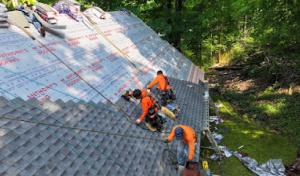
M. Anthony's Roofing
(845) 714-0587 www.m-anthonys-roofing.com
18 Ludvigh Rd, Nanuet, New York
4.8 from 84 reviews
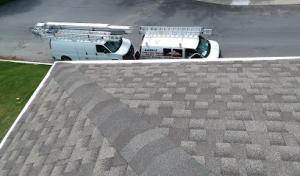
Gomez Construction & Roofing
(914) 906-0845 www.gomezconstructioninc.com
Serving
4.8 from 31 reviews
Older suburban homes in the area often have masonry chimneys that tie into asphalt or clay tile roofs. The most leak-prone spots are where flashing meets brick or stone and where mortar joints have settled. Start with a careful inspection after heavy freezes; look for hairline cracks in mortar, loose flashing, or rust stains on the surrounding shingles. If you notice efflorescence or salt stains on interior ceilings near a chimney chase, that's usually a sign of uphill water intrusion. When a pro reseals, they should use proper counter-flashing and sealant that remains flexible in freeze-thaw cycles. In Nanuet, you'll want a contractor who understands how brickwork expands with cold temperatures and who can integrate moisture barriers without trapping water behind the chimney base. Schedule repairs before mid-winter to reduce the risk of repeated freeze-thaw damage.
Skylights in this market see more repair work than average, as glazing units interrupt the regular shingle field and create potential valley drainage corners. Check for dried or brittle sealant around the skylight curb, and inspect the flashing where the curb meets the roof deck. If condensation appears inside the glass or if you notice peeling interior paint near the skylight, plan a sealant refresh or a full unit replacement. When evaluating replacement, choose insulated glazing with a tight curb installation and compatible flashing to minimize ice dam risk. Be mindful of snow buildup above skylights; consider adding a snow guard or revising surrounding shingles to improve drainage paths during heavy winter storms.
Flat and low-slope roofs show up in additions, porches, and garages, often tying into mixed-roofline homes. These areas tend to trap water, so ensure proper drainage and edge termination. Inspect the membrane edges for wrinkling or punctures after snowmelt, and verify that any ballast, gravel, or cap sheets have not shifted. In Nanuet, where freeze-thaw cycles are intense, prioritize heat-trace considerations for gutter and valley intersections to reduce ice buildup. When a repair is needed, verify compatibility with existing roof assemblies so that transitional areas remain seamless and watertight through winter.
Find contractors experienced in skylight installation, flashing, and leak repairs to bring natural light into your home.
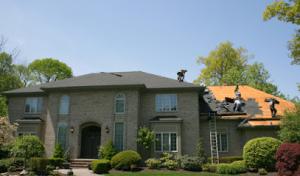
A & J Reliable
50 Second Ave Suite A, Nanuet, New York
4.9 from 255 reviews
M. Anthony's Roofing
(845) 714-0587 www.m-anthonys-roofing.com
18 Ludvigh Rd, Nanuet, New York
4.8 from 84 reviews
In this part of the Hudson Valley, timing a roof project around the winter freeze-thaw cycle is a practical move. The goal is to minimize exposure to snow and ice while staying ahead of spring storms and autumn debris. For homes with mature trees nearby, a careful calendar helps prevent winter leaks and long delays from weather windows that simply won't cooperate. In Nanuet, spring and fall emerge as the most reliable seasons to plan a full roof replacement or major repairs, provided the schedule accounts for local weather quirks and the pace of work on aging suburban roofs.
Spring in this area can bring heavy rain and gusty winds that disrupt tear-off schedules and expose open roofs if planning isn't tight. If a tear-off is part of the plan, aim to start after the late-wrost winter snows have melted and before peak spring rainstorms begin to roll in. A well-timed project will include weather-ready staging, such as tarping exposed sections and coordinating with crews to address wind-prone days. Leaf-free gutters and accessible attic ventilation should be anticipated so moisture doesn't linger and invite ice-dam risks later in the season.
Autumn scheduling should account for both wind and leaf accumulation, since debris can hide drainage issues right before winter weather arrives. Leaves piling up in valleys and along roof lines can conceal nascent leaks or clogged vents, which complicate post-install inspections. Plan for a window when winds are steadier and trees have shed enough foliage to keep the job site visible and safe. A late-season start also gives a buffer if a chilly spell or early snowfall interrupts progress, allowing crews to complete critical flashing and insulation upgrades before temperatures drop.
Between late spring and early fall, use shoulder periods to stage materials and coordinate access without peak heat stress on asphalt shingles or other heat-sensitive products. In these windows, cool mornings and moderate afternoons help maintain adhesive performance and roof seal integrity. For homes with complex rooflines, a staggered approach can reduce on-site dust, glare, and disruption to occupants, while still hitting the annual maintenance rhythm that minimizes leak risk through the freeze-thaw cycle.
The local market strongly favors re-roofing and residential work, so expect many contractors to emphasize replacement projects rather than new construction. This isn't a bad thing if you're replacing aging shingles or upgrading to a tougher winter system; it simply means you'll have options that are tuned to the climate, common roof angles, and suburban home layouts you see around town. Look for a contractor who can discuss what has withstood the Hudson Valley freeze-thaw cycles and where families have had durable results year after year.
Winter leak calls are a routine concern here, and occupied-home tear-offs are a common scenario for you and your neighbors. A practical contractor in this market will offer a clear response window for emergencies and a defined plan to protect interior spaces during work. Ask about a dedicated project supervisor, on-site crew size, and a written cleanup protocol that includes tarping, debris containment, and post-job trash removal. You want minimal disruption and a tidy job site every day, especially when the snow line keeps changing.
Long-established, family-owned firms with licenses, insurance, and manufacturer certifications have a visible presence in this area. That visibility matters because it's a signal of ongoing support, reliable supply chains, and a willingness to stand behind workmanship. Compare companies on how they describe their warranty philosophy-what parts are covered, for how long, and who handles service items if a future issue arises. A contractor with a demonstrable local track record is more likely to respond promptly if a leak surfaces after a heavy thaw.
Nanuet homes range from modest caps on older suburban builds to more elaborate, multi-angled rooflines. Focus on contractors who can walk you through a strategy tailored to your specific roof geometry, tree cover exposure, and likely winter snowfall patterns. Ask for before-and-after photos of similar homes and references from neighbors with similar roof types. The right partner will explain how they plan to protect eaves, vents, and flashing to minimize ice dam risk and leaks during peak winter months.