
Last updated: Apr 19, 2026
In this part of Bergen County, the roof endures a relentless cycle: winter freeze-thaw movement can crack sealants and loosen fasteners, spring Nor'easters hammer through with driving rain and gusts, summer humidity invites condensation and algae near roof edges, and autumn wind events tear at flashing and shingles. That combination means a failure in one season often sets up a cascade-an early wind-driven leak in fall or a midwinter freeze that makes a single vulnerable seam into a larger problem. You're not just fighting leaks; you're fighting the way the weather stacks stress on every seam, edge, and penetration from chimney to vent pipe.
Spring to early fall is the window to plan and execute a major roof replacement. Cold-weather sealing on shingles can be unreliable, and a project that starts in late fall or runs into early winter risks the material not setting or sealing properly as temperatures drop. In Paramus, where Nor'easters can arrive with little warning, a stalled crew can leave underlayment exposed or misaligned, increasing exposure to wind-driven rain. If you suspect you need a full roof replacement, aim for a dry, moderate-temperature stretch in spring or early autumn and coordinate with a crew that guards heat, ice, and wind risk on the jobsite. The goal is to finish before winter's first freeze and before spring storms can rearrange a partially completed deck.
The local contractor market reflects a high demand for emergency repair after wind and rain events. After a Nor'easter or a strong gust front, a small aperture can become a major leak quickly. Homes with aging underlayment, degraded flashing, or sun-bleached shingles are especially susceptible. In the week following a storm, you should scrutinize attic ventilation, chimney and flashing joints, vent collars, and any discoloration on ceilings or walls that hints at hidden leaks. Timely response matters: even a single day of delay after a strong wind event can allow moisture to travel along rafter bays or down into insulation, multiplying damage and repair complexity.
During winter or shoulder seasons, keep an eye on ice dams forming at eaves, which can force water back under shingles and into the attic. Look for loose or curling shingles, blistering on flat roof sections, or rusting on metal flashing around chimneys and vents. After a storm, inspect accessible roof edges and gutters for displaced granules or torn flashing tape. If you notice damp spots on the ceiling or excessive attic air leakage, treat it as a primer alert for a leak that may worsen with the next freeze-thaw cycle. The aim is to intercept early-address small breaches before they become expensive, roof-wide failures when winter returns.
Asphalt shingles remain the dominant practical choice in Paramus, favored for their balance of price, ease of replacement, and broad availability from local suppliers and crews. In the storm-driven mix of Nor'easters and wind-driven rain, a quality impact-resistant shingle paired with a solid underlayment and proper ventilation performs well for the typical Paramus roof profile. When you inspect for leaks around the chimney or at intersections with dormers, look for loose or missing flashing and seam failure, since those are common flashpoint areas for asphalt installations. A common upgrade is reinforced underlayment at critical edges and ensuring nails are clearly penetrating solid sheathing rather than into weak spots. For freeze-thaw cycles, ensure your roof has a continuous drip edge and ice barrier at eaves to reduce ice dam risks during heavy snow melt.
Metal roofing shows up on a growing share of Bergen County homes and is especially common on higher-end rebuilds or additions. It offers excellent wind resistance and rapid shedding of snow, which helps in Nor'easter conditions. Paramus homeowners with metal roofs should pay attention to the transition points where the metal meets traditional materials-flashing around chimneys, skylights, and vent stacks must be carefully sealed to prevent wind-driven leaks. The lightweight nature of most metal systems also means the attic structure needs to be assessed for adequate support and insulation to prevent condensation issues. If a taller peak with limited overhangs is present, consider a standing-seam configuration that can reduce exposed fasteners and streamline flashing at intersections with masonry.
Slate is a hallmark of larger, established homes in Paramus's premium neighborhoods. It remains a durable, long-lasting option capable of withstanding heavy Nor'easter winds, but it requires substantial roof framing and precise installation. Slate roofs demand experienced crews, especially at chimney transitions and near masonry tie-ins, because the weight and fragility of the material make flashing and mortar joints critical failure points. Expect more rigorous maintenance around flashings and skylight abutments, and plan for periodic inspection after major storms to catch cracked slates or loose fasteners before moisture penetrates the deck.
Clay tile brings classic curb appeal to larger Paramus homes and offers excellent durability in wet, windy winters. However, clay tile is heavy and hinges on a structurally sound roof deck with sufficient support. If a clay tile installation is pursued, ensure the attic has proper venting and that the deck framing is rated for the weight. Chimney detailing becomes essential here because flashing and mortar joints at the intersection of tile, brick, and metal flashing can be a chronic leak source if not correctly integrated. Use continuous sealant and appropriate backer rod where gaps exist, and verify that tile overlaps maintain a reliable barrier against wind-driven rain.
Concrete tile provides a costlier but robust alternative to clay tile, with similar weight and loading considerations. It performs well in freeze-thaw cycles and Nor'easter exposure, yet the heavier profile means a careful structural assessment is needed for the roof framing and a strong connection to chimneys and masonry walls. Chimney flashings should be integrated with the concrete tile's geometry to avoid voids where water can collect, and ensure proper drainage paths at rake edges.
Chimney-related detailing matters across all higher-end and mixed-material installations in this area. Work with a contractor who prioritizes flashing integrity, masonry intersection sealing, and periodic storm-season inspections so that leak-prone nubs and joints stay protected as winter winds and spring rains arrive.
In this area, roofing costs are best understood by per-square pricing. Asphalt shingles run roughly from 350 to 750 USD per square, a common choice for mid-sized Paramus homes facing frequent Nor'easters and winter freeze-thaw cycles. Metal roofing sits higher, about 700 to 1200 USD per square, and is worth considering where you want maximum wind resistance and durability against heavy storms. If clay or concrete tiles are on the table, expect 900 to 1700 USD per square for clay and 850 to 1400 USD per square for concrete. Wood shingles or shakes typically fall in the 700 to 1200 USD per square range, while slate, the premium option, ranges from 1200 to 2500 USD per square. Local pricing should be framed around these ranges, with asphalt at 350 to 750, metal at 700 to 1200, clay at 900 to 1700, concrete at 850 to 1400, wood at 700 to 1200, and slate at 1200 to 2500.
Costs in Paramus can rise on larger Bergen County homes, on roofs with multiple chimney and flashing details, and during storm-driven demand spikes when emergency work competes with planned replacements. A sprawling roof with many hips, valleys, or skylights will push labor time and material waste higher, so budgeting toward the upper end of the ranges is prudent if the home features complex geometry or substantial flashing. If a roof sits atop a two-story mass with steep pitches near commercial corridors, logistics-and the associated fuel, access, and dumpster coordination-can push the project day count and price upward.
Contractor logistics can be less efficient in Paramus than in quieter suburbs because the borough's major commercial corridors and heavy traffic can affect crew movement, delivery timing, and dumpster placement planning. Allow extra buffer for material deliveries, especially during Nor'easter recovery periods when supply chains tighten and storm cleanup crews demand priority access. If you have existing chimneys and extensive flashing, discuss sequencing with the contractor to minimize re-entry passes and waste handling on tight street frontages.
The timing of replacement matters. If a leak is imminent or weather windows are narrow, you may encounter emergency scheduling that carries a premium. Conversely, aiming for dry, temperate weeks outside peak Nor'easter season can yield better labor availability and steadier pricing. In any case, a precise written scope helps keep substitution or upgrade decisions aligned with the budget, especially when dealing with multiple roof features common to Paramus homes.
First Rate Roof Repair & Installation
(800) 941-8147 firstrateroof.com
777 Decker Pl, Paramus, New Jersey
4.9 from 89 reviews
With more than 25 years of experience, we at First Rate One Construction (also known as First Rate Roofing & Chimney) are the leading roofing, siding, masonry, and chimney service provider in Northern New Jersey. Founded in 1995, we are a locally-owned and fully-licensed, registered, & insured family enterprise based in Paramus, NJ. What started as a roofing installation company operating from a small workshop slowly expanded through the years. We cater to commercial & residential clients for roofing & home exterior needs.
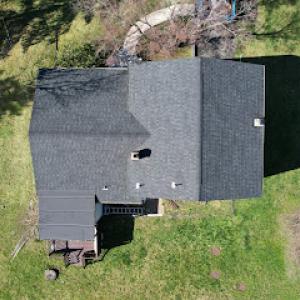
ProTech Roof Repair & Replacement
(201) 881-2431 protechroofingnj.com
140 E Ridgewood Ave Suite 415, Paramus, New Jersey
4.9 from 54 reviews
ProTech Roofing and Exterior is a licensed residential and commercial roofing contractor serving North Jersey, including Bergen County, Passaic County, Essex County, Morris County, Hudson County, and Union County. We specialize in roof inspections, roof repairs, emergency leak repairs, storm damage restoration, and full roof replacements. Our team installs asphalt shingle roofing, TPO, PVC, EPDM rubber roofing, slate roofs, and modified bitumen systems. We also provide chimney repairs, skylights, siding, gutters, fascia, and exterior waterproofing. If you’re searching for a reliable roofing contractor near you, ProTech delivers durable, code-compliant results with honest pricing.
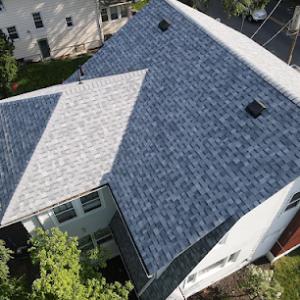
All Craft Roofing & Chimney
(201) 220-0761 allcraftroofers.com
3 Short Way, Paramus, New Jersey
4.9 from 58 reviews
At All Craft Roofing, we take pride in helping New Jersey residents with their commercial and residential improvements. Our team of local roofers, siders, and masonry experts is ready to handle your toughest projects. Whether you need a new shingle roof, emergency roof leak repair, or a full roof replacement, you can rely on our NJ roofing services. We also offer chimney repair, chimney re-pointing, siding installation, gutter installation, and more. Trust our general contractors to provide expert home repair services that will enhance the look and durability of your home or business.
JLL Painting & Home Improvements
(201) 398-3482 www.jllpaintings.com
Paramus, New Jersey
5.0 from 21 reviews
For all your roofing needs, JLL Painting & Home Improvements, Inc in Englewood, NJ, delivers unmatched artistry and craftsmanship. Our experienced roofers will meticulously install, restore, or replace your roof, leaving it looking like a masterpiece. With JLL's dedication to precision and top-quality materials, you can trust that your home will remain securely sheltered for years to come.
Pro Core Construction
(201) 835-3643 www.procoreconstruction.net
Paramus, New Jersey
4.9 from 28 reviews
Here at Pro Core Construction, we provide comprehensive roof installation, roof repair, chimney install & repair, chimney inspection & sweep, chimney liners, siding, gutters, retaining walls, fire pits, outdoor kitchens services for homeowners and business owners across Bergen County, New Jersey and the surrounding communities. We are experts in our field and are dedicated to providing superior workmanship and customer support. With over 30 years of professional experience, customer satisfaction is always our top priority.
Father & Sons Home Improvements
(973) 855-9360 www.fatherandsonsnj.com
28 Columbine Rd 1st Floor, Paramus, New Jersey
4.7 from 43 reviews
Father and Sons Home Improvement, LLC is a local family owned business. We have over two decades of experience in the area of roofing and home improvements and renovations. We started as a roofing company in 1972 with the best roofing products and the best services. Soon after, we expanded to siding, gutters, masonry, windows, and insulation for a more complete customer experience. We are based in Paramus. We Serve the Following Locations Bergen County Morris County Passaic County Essex County Hudson County Union County
Classic Remodeling
(201) 487-1666 www.classicremodeling-nj.com
484 NJ-17, Paramus, New Jersey
4.5 from 55 reviews
Classic Remodeling is a trusted roofing and siding contractor in Paramus, NJ, serving Northern New Jersey for over 50 years. We specialize in home siding, residential roofing, replacement vinyl windows, French doors, entry doors, and gutters, but our expertise extends far beyond home improvement. As a reliable home improvement company, we focus on quality craftsmanship and customer satisfaction. Contact us today to discuss your next project and experience the difference.
Top All State Construction
(551) 230-2888 www.topallstate.com
Serving
4.9 from 147 reviews
We understand the importance of dependable contracting work as a means of improving the livelihood of an entire community. Our fair prices and impeccable service have earned us many happy customers. Our products are meant to enhance the value of your home and the enjoyment you have from living in your home. We only work with the best suppliers to ensure you receive the highest quality products on-time and in perfect condition. We are the company most trusted to protect homeowners' most treasured investment; their home. Our professional contractors take pride in providing excellent workmanship and complete each project with keen attention to detail for 100% customer satisfaction.
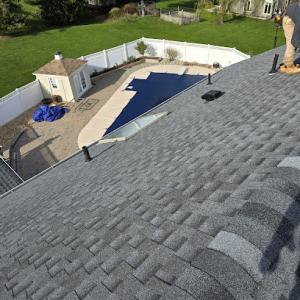
SPLENDOR Roofing & Gutters
(201) 693-7788 splendorsidingandroofing.com
Serving
5.0 from 717 reviews
We are a licensed, bonded, and locally-owned (Fair Lawn NJ) professional roofing company providing high-quality service at an affordable price. In addition to roof repairs, roof inspections, and total roof replacements, we replace residential siding and gutters. Splendor Roofing and Gutters offers roofing services in the following New Jersey counties: Bergen County, Somerset County, Middlesex County, Monmouth County, Hudson County, Passaic County, Essex County Warren County, Union County, Hunterdon County and Morris County. Contact us today. Discover why we have a reputation for treating all of our customers with respect and providing exceptional prices.
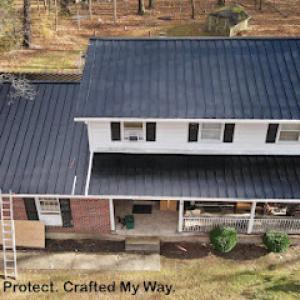
My Way Construction
(201) 889-5810 mywayconstructionnj.com
Serving
4.9 from 109 reviews
North Jersey’s Top Roofing Contractor. Specializing in New Roof Installations & Full Roof Replacements in Bergen County. Premium materials, expert craftsmanship, and guaranteed reliability. Trusted by homeowners across New Jersey for durable, high quality roofing built to protect your home, because your home deserves the best, done My Way.
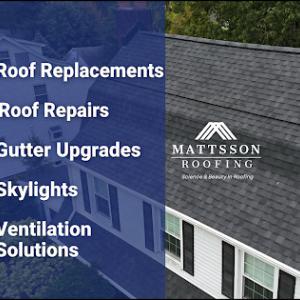
Mattsson Roofing
(201) 925-9709 www.mattssonroofing.com
Serving
5.0 from 327 reviews
Mattsson Roofing is a residential roofing company based in Glen Rock, NJ serving homeowners across Bergen County, Passaic County, and surrounding areas. We specialize in roof replacements, roof repairs, attic ventilation, gutter systems, skylights, and fascia and soffit work. Our approach focuses on understanding the entire roofing system—drainage, airflow, and flashing—so problems are solved at the source. Mattsson Roofing is known for educational inspections, clear communication, and long-term roofing solutions designed to protect homes throughout Northern New Jersey.
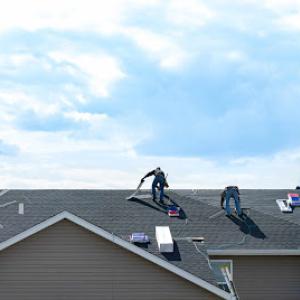
Planet Roofing & Exteriors S-Corp.
(201) 694-8141 planetroofingcompany.com
Serving
5.0 from 115 reviews
Planet Roofing is a trusted roofing contractor serving homeowners and businesses throughout North Jersey. We specialize in roof replacements, roof repairs, asphalt shingle roofs, flat roofing, leak repairs, and storm damage restoration. Our experienced team delivers high-quality workmanship using durable materials designed to withstand New Jersey weather. From small roof repairs to full roof replacements, we handle every project with professionalism, clear communication, and attention to detail. We proudly serve Bergen, Essex, Morris, Passaic, Union, and surrounding counties. Planet Roofing is committed to reliable service, competitive pricing, and on-time project completion. Free inspections and estimates available for residential and comm
A full roof replacement in Paramus requires a building permit submitted to the local building department with the project scope, property location, and material details. The department will want a clear outline of what is being removed, what is being installed, and how the project interfaces with the existing structure-particularly in areas with dense housing where neighbors are close and wind exposure can influence flashing and venting details. Ensure the submission includes a concise plan for wind-resistant measures, including underlayment choices, attic ventilation, and any venting or chimney flashing updates. The permit packet should also reflect the exact address, lot and block information, and any disclosures about work in proximity to shared property lines or setback requirements.
Inspections occur during construction and again after completion, with attention to installation quality, flashing, and wind-resistant features rather than only a final sign-off. During the tear-off and replacement phase, inspectors will look for adherence to the approved plan, material compatibility with existing roof geometry, and the integrity of critical junctions such as eaves, rake edges, valleys, and around dormers if present. In neighborhoods where snow and Nor'easters drive seasonal stress, inspectors emphasize continuous underlayment coverage, secure fasteners, and proper alignment of shingles or panels to mitigate uplift. If a roof uses metal, clay, or concrete tiles, expect additional scrutiny of substrate preparation, waterproofing underlayment, and corrective measures if any moisture intrusion risks are identified in crawl spaces or attic voids. After completion, the final inspection confirms that all components meet code requirements and that no gaps exist where wind-driven rain could penetrate.
Because permit review is tied to the borough's local building department process, homeowners should confirm scheduling and inspection timing before tear-off so weather exposure does not outpace approvals. In Paramus, winter freeze-thaw cycles and early spring Nor'easters can compress the window between permit approval and actual work onset. Coordinate with the contractor to align permit issuance, material deliveries, and crew availability so the roof is not left exposed longer than necessary. Some parts of the process may require supplemental information or revisions to the scope, so maintain proactive communication with the building department to prevent delays that could extend a project into harsher weather. If a delay arises, discuss temporary protective measures with the contractor to minimize moisture intrusion and further weather-related risks.
Keep a centralized file of all permit paperwork, inspection notices, and any change orders related to the project. After the final inspection, obtain a signed approval or certificate of completion and verify that any required weatherproofing details, such as flashing terminations and wind-rated fasteners, meet the inspector's notes. Should there be any discrepancy noted during the post-completion review, address it promptly with the contractor and the building department to bring the installation fully into compliance and ensure long-term performance against Paramus's seasonal patterns.
In Bergen County's dense suburban streets, insurers see wind, hail, and storm losses come in steady waves rather than a constant catastrophe pulse. That means a wind-driven leak after a Nor'easter can trigger a routine claim just like a typical mid-winter storm, but it also means the response cadence from adjusters and contractors can hinge on the season and nearby claims volume. For a Paramus home, the lesson is plain: storms leave telltale signs, and those signs matter when the insurer is reviewing the file years from now. The more you can show what happened and when, the clearer the trajectory of the claim will be.
Damage tends to be noticed after the skies clear and the rain stops, yet the window to report is sharper than you might expect. Quick reporting, with dated photos taken as soon as safe access is possible, sets a solid foundation for the claim. Adjusters in this market expect records that are ready to circulate-clear images that show the exact location of leaks, accompanying interior moisture, and any preexisting vulnerabilities. In Paramus, where homes sit shoulder-to-shoulder, a well-documented sequence can prevent a back-and-forth that drags into the spring storm season.
Some policies that affect Paramus homes will scrutinize the roof's current condition and wind-uplift-related installation details before approving a full replacement. That scrutiny is not a simple formality; it reflects a careful review of how the roof stood up to previous events. Clear, organized documentation of the roof's age, prior repairs, and the specific storm damage you're claiming can influence what steps the insurer approves next. Having a record trail that includes prior maintenance, vendor notes, and inspection outcomes helps the adjuster see the full picture rather than isolated incidents.
When a storm arrives and damage is confirmed, coordinating with the adjuster and a reputable local contractor becomes critical. In Paramus, weather cycles can interfere with access, traffic during peak hours can slow response, and the timing of Nor'easters can create tight windows for temporary protections. A practical approach is to establish a single point of contact for all communications, compile a concise damage log, and keep copies of every report, photo, and estimate. This evidence-forward strategy helps move the process steadily toward a repair plan that addresses both the immediate leak and long-term roof performance.
Connect with contractors who help homeowners navigate the claims process from damage assessment to final approval.
ProTech Roof Repair & Replacement
(201) 881-2431 protechroofingnj.com
140 E Ridgewood Ave Suite 415, Paramus, New Jersey
4.9 from 54 reviews
Classic Remodeling
(201) 487-1666 www.classicremodeling-nj.com
484 NJ-17, Paramus, New Jersey
4.5 from 55 reviews
Top Pro Roofing & Construction
(551) 248-2579 www.topproconstructionllc.com
Serving
4.5 from 139 reviews
Chimney intersections deserve special attention in Paramus because chimney-related services are one of the strongest contractor signals in this market, suggesting frequent flashing and masonry transition problems. When inspecting a roof with a brick or siding-backed chimney, start by the base where masonry meets the roofing underlayment. Look for hairline cracks, spalling, or missing flashing bend, especially along the sides where wind-driven rain can pool. In winter, freeze-thaw cycles aggravate any gaps, so plan targeted checks after storms and before heavy snow. If flashing appears compromised, consider a dedicated flashing kit or professional re-flashing before a full roof replacement. For any chimney cap or crown, check for spalling mortar or loose cap stones, which can channel water back toward the decking if neglected.
Skylight work is notably active in Paramus, so leak diagnosis here often needs to separate field shingle failure from curb, flashing, or glazing-adjacent water entry. Begin with the curb flashing-look for kissed nails, lifted edges, or deteriorated sealant. Inspect the glazing around the unit for cracked panes or failed glazing compound, which can mimic a roof leak but require a different fix. During freeze-thaw transitions, sealants can fail, allowing seepage at the curb line even with otherwise solid shingles. If shingles are wind-lifted near the skylight, address that first, since proper curb integrity keeps the skylight from becoming a rain funnel.
Flat and low-slope roof expertise is relevant in Paramus not because the whole town is flat-roofed, but because the local contractor market shows meaningful demand for these systems on additions, porches, and some commercial-adjacent structures. When evaluating a low-slope area, prioritize edge detailing and drain placement to avoid ponding that freezes and expands. Check for membrane gaps at transitions to steep-roof sections and around parapet walls. For additions, ensure that the new envelope ties smoothly into the existing roof, with continuous sealant backing and proper drainage connections to prevent chronic leaks during Nor'easters.
Find contractors experienced in skylight installation, flashing, and leak repairs to bring natural light into your home.
ProTech Roof Repair & Replacement
(201) 881-2431 protechroofingnj.com
140 E Ridgewood Ave Suite 415, Paramus, New Jersey
4.9 from 54 reviews
All Craft Roofing & Chimney
(201) 220-0761 allcraftroofers.com
3 Short Way, Paramus, New Jersey
4.9 from 58 reviews
Father & Sons Home Improvements
(973) 855-9360 www.fatherandsonsnj.com
28 Columbine Rd 1st Floor, Paramus, New Jersey
4.7 from 43 reviews
In Paramus, homeowners expect contractors to move fast when leaks happen and to leave the property clean and safe. The area's winter freeze-thaw cycles and Nor'easter seasons mean drainage and flashing issues can escalate quickly. Your screen should prioritize a contractor's ability to respond within a day or two after notice, provide clear containment and tarping plans, and finish each site with thorough debris removal. A swift cleanup isn't just etiquette; it reduces the chance of secondary damage in a snowstorm or rainfall event.
The local signal mix skews toward replacement work rather than brand-new roof builds. When screening, favor firms with a solid track record of re-roofs on typical Paramus housing stock-set of gable and hip roofs, chimney chases, and complex flashing around skylights. Ask for project galleries that show multiple seasons of weather exposure, not just builder showpieces. A contractor who demonstrates practical problem-solving on existing homes will translate into fewer callbacks and tighter schedules during spring Nor'easter ramps.
Established, family-owned, residential-focused contractors have visible presence, but verification matters. Look for licensing and general liability coverage, and confirm the crew's experience with chimney transitions, vent stacks, and flashing-heavy rooflines common in the borough. Discuss who handles cleanup, attic access during work, and onsite protection for landscaping and driveways. A familiar, neighborhood-oriented crew tends to communicate more consistently when weather changes threaten timelines or staging constraints.
During interviews, request references from Paramus projects with similar roof types. Arrange an on-site assessment to discuss leak history, expected storm-related risks, and a realistic work sequence that minimizes exposure to winter conditions. Confirm a clear plan for tarps, temporary heat if needed, waste containment, and a responsible disposal approach. Ensure the contractor will coordinate with existing chimney or skylight components and deliver a tidy, weather-secure finish before the next cycle of heavy rain.