
Last updated: Apr 19, 2026
Port Jefferson Station's cold, humid maritime climate creates repeated freeze-thaw stress that can open shingle seals and flashing joints over winter. When ice forms at the eaves and in roof valleys, it can press against the sealant and fasteners, prying tiny gaps wide enough for moisture to sneak in as soon as a sun-eye thaws the roof. This means the first warm spell after a heavy freeze often reveals leaks that were quietly growing under the shingles for weeks. If the attic or ceiling shows damp spots after a thaw, treat it as a warning sign rather than a curious drip, because the next cycle can drive more water in than the last.
Spring thaw combined with heavy rainfall raises the local risk of leaks showing up after winter rather than during the initial snow event. Snowmelt on a roof with aging seals and corroded flashings sits on top of saturated underlayment, pushing moisture toward vulnerable joints. If gutters and downspouts are clogged, that standing water pools and backflows under edge details, seeping around fasteners and into soffit spaces. In this climate, a leak is less about a single storm and more about a sequence: freeze, thicken, thaw, rain. When the thaw hits, test for damp spots near roof edges, around chimneys, and at peak flashings, especially where small cracks can hide behind mold and granule wear.
North Shore coastal exposure means wind-driven rain and salt air can worsen edge-detail failures and corrosion at fasteners even though the hamlet is not directly oceanfront. Salt-spray along the windward sides accelerates corrosion on metal flashings and loosens asphalt seals that rely on calcium-rich compounds to seal properly. The resulting micro-gaps at eaves, rake boards, and vent flashing are start points for moisture intrusion when a nor'easter rolls through or a stray gust drives rain under the cap shingles. Pay special attention to ridge vents and chimney skirts where wind pressure can peel back the top layer if the underlayment beneath is aged or damaged.
You should routinely inspect attic insulation and ventilation to ensure smooth ice dam drainage. Make sure soffit vents are clear so warm attic air doesn't back up under the roof deck and melt snow unevenly. From the exterior, look for cracked or lifted shingles, loose or missing nails, torn flashing around chimneys or vent stacks, and any rust on edge-fasteners. In winter, monitor for ice dams and redress promptly-ice near the gutters is not just an aesthetic issue, it's a moisture funnel. In spring, recheck all edge-fasteners and sealants after heavy rains; small gaps that seem minor can become major leak pathways once saturated with salt-laden rain.
Develop a quick seasonal inspection routine that pairs with your thaw cycles. After a harsh winter, reflash any suspect joints and reseal edges before the spring downpour arrives. Keep the eaves clean and free of debris so meltwater can depart the roof quickly rather than pool and back up under the shingles. If you notice persistent dampness along the eave line after a storm, consider temporary mitigation like tightening exposed fasteners and replacing damaged edge metal. For persistent leaks that trace to a specific seam or flashing, don't delay: address the failed detail before the next freeze, because freeze-thaw cycles compound existing damage and shorten the roof's life.
For a Port Jefferson Station property, full re-roofs fall under Brookhaven Town permitting, so scheduling must account for municipal processing before tear-off begins. The inland North Shore exposure means moisture control has to be built into the schedule from the outset. Cold snaps can freeze new flashing, and spring thaws can trap moisture under decking if installation slips into rainier periods. Planning around a predictable window helps ensure the new roof seals up before next winter's freeze-thaw cycle.
Late spring through early fall is the preferred local replacement window because dry conditions reduce moisture intrusion risk during installation. In practical terms, that means starting after the last hard freeze and finishing before nights consistently dip toward winter temperatures. Dry, sunny stretches are essential for sealants, underlayment, and fasteners to set properly in this coastal climate. If a roof must begin late in the shoulder seasons, expect tighter weather coordination and more contingency days to protect against rain, wind-driven spray, and sudden temperature swings.
A 1-3 week permit processing period is typical in Brookhaven Town, with delays more likely when submitted plans or project details are incomplete. Build a buffer into the schedule so you can accommodate approvals without pushing tear-off into a wet period. In practice, that means aiming to have plans submitted well ahead of the window you intend to work, and keeping communication open with the contractor about approval milestones. If a delay occurs, use the extra time to prepare the site: clear gutters, secure loose debris, and confirm access for equipment and material deliveries.
Coastal wind-driven rain can complicate both tear-off and reinstallation, especially on aging re-roofs with existing flashing and penetrations. Use the timing window to align material deliveries with favorable weather forecasts, and arrange for staging area and debris containment ahead of day one. If a storm system moves through during the window, you may need to shift to a dry-day plan or postpone the initial tear-off until conditions stabilize. The goal is to complete the roof in a continuous, controlled sequence rather than pausing mid-srough work, which can invite moisture ingress and flashing setbacks.
Before work begins, confirm the start date aligns with a dry forecast, then reserve a front-load block of several days to complete the tear-off and flashing installation. Ensure crews have ready access to attic and interior penetrations for any required underlayment inspection points. Finally, synchronize post-install completion with a period of stable, dry weather to keep seams and fasteners from being stressed by early-season moisture and wind.
Get a clear picture of your project costs upfront - no commitment required.
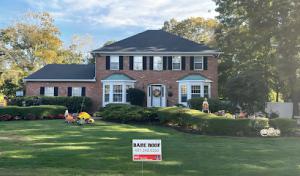
Babe Roof
4515 Nesconset Hwy, Port Jefferson Station, New York
4.6 from 53 reviews
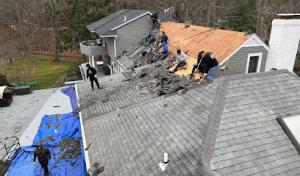
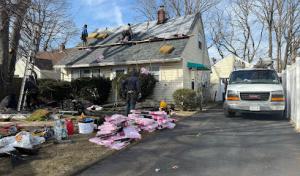
Rapid Roofing
(631) 817-4670 www.rapidrestoreny.com
17 Kennedy Rd, Port Jefferson Station, New York
4.9 from 552 reviews
At Rapid Restore Roofing, we are your trusted local roofing contractor proudly serving Port Jefferson, Long Island, Wantagh . Whether you need local roofing repair, roof replacement, or roof coating, our expert team ensures quality craftsmanship and lasting results. As a roofing contractor near me, we specialize in both residential and local commercial roofing repair, including skylight and window services. Our local commercial roofing contractors are dedicated to delivering reliable, affordable solutions backed by integrity and expertise. Choose the roofing contractor Port Jefferson, Long Island that homeowners and businesses trust Rapid Restore Roofing. We protect your property with durable, weather-resistant roofing built to last.
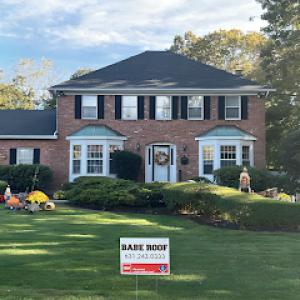
Babe Roof
4515 Nesconset Hwy, Port Jefferson Station, New York
4.6 from 53 reviews
Babe Roof provides expert roof installation, roof repair, and full roof replacement for homes and businesses across Long Island. We specialize in shingle roofing, flat roofs, metal roofing, skylight installation, roof leak repair, storm damage restoration, gutter installation, attic ventilation, and more. Whether it’s a small residential repair or a large commercial roofing project, no job is too big or too small for our licensed professionals. We offer FREE estimates, fast service, and honest pricing. With over 20 years of experience, Babe Roof is Long Island’s trusted name in roofing.
MVP Home Services
7 Tulip Dr, Port Jefferson Station, New York
4.6 from 29 reviews
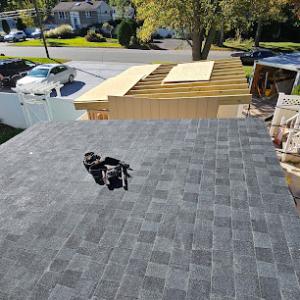
At MVP Home Services,we believe that the foundation of exceptional service is unwavering integrity.We are committed to upholding the highest standards of honesty and dedication in every aspect of our business.We understand that inviting us into your home is a gesture of trust,and we honor that trust by ensuring that every service we provide is meant to exceed expectations and for a deep respect for your space.Whether it’s a few minor repairs or large home improvements you can count on MVP Home Services to deliver quality workmanship without compromise.Our promise to you is simple:we’ll treat your home as if it were our own, with the care and integrity it deserves.We’re not just building a business we’re building lasting relationships!
All Pro Remodeling
(631) 928-0688 www.allproli.com
Serving
4.7 from 106 reviews
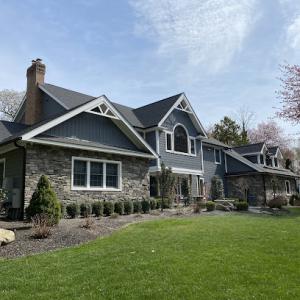
Established in 1987, All Pro Remodeling has mastered the art of home transformations across Long Island. This family-owned business proudly offers a full spectrum of remodeling services, encompassing siding, windows, decks, kitchens, and more. With an unwavering commitment to quality craftsmanship and personalized service, All Pro Remodeling has earned a steadfast reputation for excellence. Whether you envision subtle enhancements or a transformative renovation, their expertise and dedication ensure your dream home becomes a beautiful reality.
LIT Construction
(631) 404-9022 www.litaylorconstruction.com
Serving
5.0 from 86 reviews
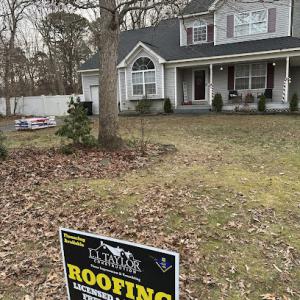
LIT Construction is your trusted expert for Commercial Roofing, Asphalt Shingle Roofing, Flat Roofing, Siding Services, and Windows & Door Installation. Owner-operated by David, who has 5+ years of experience, we take pride in delivering high-quality craftsmanship and reliable service. Whether you need a durable commercial roof, aesthetic and protective siding, or energy-efficient windows and doors, we ensure every project meets the highest standards. At LIT Construction, we focus on quality, affordability, and customer satisfaction, making us the go-to choice for homeowners and businesses alike. From new installations to repairs and upgrades, we handle it all with professionalism and attention to detail.
Creative Exteriors
(631) 696-3430 creativeexteriorsinc.com
Serving
5.0 from 32 reviews
Let us help create your dream home. Give us a call anytime, and our team will be there to bring new life to your home with ease.
Universal Roofing & Chimney Of Li
(917) 744-7943 www.universalroofingny.com
Serving
4.9 from 372 reviews
Universal Roofing & Chimney can provide you with the long-lasting roof that your home needs for proper protection from the wind, rain, or snow. Proper roofing is essential for each homeowner to establish a strong, healthy home. We are here to provide you with the high quality workmanship that your house deserves. We can help you with anything from a roof repair to a new roof installation and Chimney or Siding needs. We have been helping people for over 20+ years and have references available upon request.

GY Construction INC Roofing & Siding
(631) 452-6584 gyconstructioninc.com
Serving
5.0 from 45 reviews
Gy Construction INC was founded on the principles of integrity, excellence, and customer satisfaction. With 12 years of experience in the construction industry, we have built a reputation for delivering exceptional results that speak for themselves. Our journey began in Central Islip, NY, where we recognized the need for reliable and high-quality construction services. Over the years, we have expanded our reach, serving a growing number of clients who trust us with their most important projects. Our team comprises seasoned professionals who bring a wealth of knowledge and expertise to every job, ensuring that we consistently exceed our clients' expectations.
Chief Cornerstone Roofing
(516) 273-6428 chiefcornerstonecontractorsinc.com
Serving
5.0 from 80 reviews
Chief Cornerstone has had the same goal and vision...to be the best roofing business on Long Island it can be while serving its customers and clients at the highest level. Our goal is to provide an incredible experience to our Long Island employees, customers and friends. From the buying process to the installation and completion, we guarantee quality and friendliness along the entire way. Thank you to the community, Nassau County and Suffolk County, and to our customers for helping us grow into a company we are today. From foundational work to home inspections and roofing, Chief Cornerstone has you covered..
Eagle Roofing & Gutters
(631) 882-2121 www.eagleroofingandgutters.com
Serving
5.0 from 47 reviews
A long island based company that focuses on repairing roofs, replacement of roofs, and gutters.
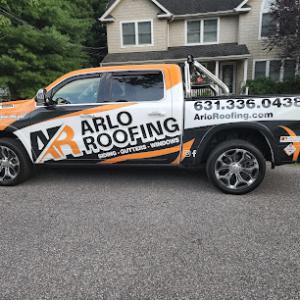
Arlo Roofing
(631) 336-0438 www.arloroofing.com
Serving
5.0 from 139 reviews
Arlo Roofing "The Best you can Get" we are family-owned Roofing Company who has a priority give our customers highest quality of work with best practices and highest customer service. We specialize in Roofing, Siding, Gutters, Windows, Bathroom and Kitchens only. Our mission is to build relationships with our clients and communities for a long term. We know how hard and difficult is to find the right contractor who does quality work at an affordable prices that's why we are here to help our customers right away and solves their questions.If you need a roofing contractor in Suffolk county, Nassau county , East Hampton, South Hampton and NYC who will go above and beyond for you,Call us at 631-336-0438.
Skyline roofing & siding
Serving
5.0 from 103 reviews
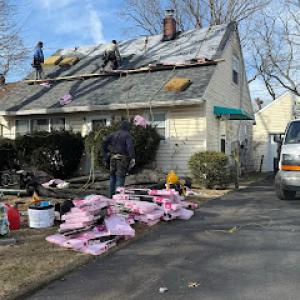
We are in roofing and siding business for 15 years we offer roof replacement and repair, we offer siding replacement and repair ,we offer decking replacement and repair , focus on exterior jobs ,affordable price good quality
Asphalt shingles remain the dominant practical choice for local homes, offering a balance of cost, ease of installation, and repairability. In this climate, summer heat and humidity can accelerate aging, especially if attic ventilation and underlayment are weak. A well-vented roof system slows deterioration, helps keep dew point moisture out of the decking, and reduces premature granule loss. When re-roofing, give extra attention to proper underlayment, ridge and hip ventilation, and attic air sealing. Poor moisture management invites repeated leak cycles as winter ice damming and spring thaw interact with coastal moisture.
Metal roofing can be a durable option, yet coastal air brings unique challenges. In Port Jefferson Station, salt-air-exposed fasteners and edge metals deserve careful attention because corrosion resistance can be affected over time. Choose coatings and fasteners rated for salt spray exposure, and insist on a continuous, corrosion-resistant through-fastener system with high-quality sealants at panels and penetrations. Edge metals should be flashed properly to defend against wind-driven rain, especially on exposed ridges and eaves where spray can lap upward. Regular inspections after coastal storms help prevent unseen corrosion from becoming larger issues.
Clay and concrete tiles provide durable, long-lasting options, but their heavier weight requires confirmation that existing structure can carry the load. In a region with freeze-thaw cycles, proper installation must account for expansion and contraction to avoid cracking and water intrusion. Wood shakes and certain synthetic products bring a different moisture profile; wood is inherently sensitive to humidity and can warp if ventilation is inadequate or if moisture barriers fail. When considering these options, verify structural compatibility, accurate nailing patterns, and appropriate underlayment to manage condensation and wind-driven rain.
Regardless of material choice, the central goal is preventing leak cycles that start with winter ice damming, continue through spring thaw, and finish with coastal wind-driven rain. This means prioritizing continuous underlayment, effective attic ventilation, and tight deck-to-underlayment transitions. Pay attention to penetration areas-vents, chimneys, and skylights-where salt air and storm exposure can chip sealants if left unchecked. A well-designed roof system here anticipates the seasonal shifts and coordinates ventilation, insulation, and moisture barriers to keep interior spaces dry and energy efficient.
Brookhaven Town requires a building permit for a full re-roof in this area. The process is not something to skip or treat as an afterthought, because the town expects it to be in place before any tear-off or shingle delivery happens. The roofing contractor typically submits the permit application with project details to the town before work proceeds, so coordinate with the contractor early to ensure the paperwork is ready on schedule. Verify that the permit lists the correct scope, the exact address, and the type of roofing material chosen for the project. If any accessory work is planned, such as updated vents, flashing, or insulation improvements, make sure those items are reflected in the permit package to avoid delays later on. In this climate, where moisture control and wind-driven rain are ongoing concerns, having a complete permit helps protect both the homeowner and the neighborhood from unexpected code changes or inspection holds.
As the project moves from planning to execution, keep a copy of the permit number and the approved drawings readily accessible on site. The contractor should post the permit on the job site per town requirements, and an address placard might be needed for inspection visits. Prior to any roof work starting, confirm that the permit also covers the planned ventilation, underlayment, and ice-dam mitigation measures, since those details are critical for winter resilience. If a change to materials or detailing is proposed after the permit is issued, those changes typically require an amendment or new approval, so lock in the intended plan early and document any deviations in writing. This minimizes back-and-forth with inspectors and reduces the chance of a work stoppage mid-project.
Brookhaven inspections occur during and after the job, including rough and final inspections. The rough inspection typically occurs after the deck and underlayment are installed and before shingles go on, giving the inspector a chance to confirm proper substrate, flashing, drainage, and venting details. The final inspection is required to close out the permit and validate that the installation meets current codes, moisture management standards, and wind-resistance expectations for the coastal area. Schedule these inspections with the town and the contractor to align with the project timeline, and anticipate potential minor corrections noted by the inspector. Being responsive to inspection requests helps keep the project on track and reduces the risk of delays that could affect winter-water management and leak prevention cycles.
After a successful final inspection, obtain the signed final approval and retain the closing documents with your homeowner files. Confirm that all permit-required items are reflected in the project record, including any amendments that occurred during work. If you have a property deed or HOA documentation, keep the permit closeout letter handy for future reference, especially when evaluating maintenance or future re-roofing projects. Good recordkeeping supports smoother future permit reviews and provides a clear history of how moisture-control and storm-ready detailing were addressed in the roof replacement.
In this market, asphalt shingles are typically the entry point for a re-roof, with installed costs near the lower end of the range. If you're replacing a roof after winter damage or a coastal storm, expect bids to move up quickly, especially for quick-turn leak response or accelerated scheduling. Metal, clay tile, and concrete tile sit well above asphalt once labor and flashing details are added, reflecting the extra material heft and the specialized installation those options demand. Local pricing tends to skew higher when aging roofs meet sudden replacement demand, so you'll often see a premium during spring thaw periods and post-storm windows.
The inland North Shore exposure brings humid summers and freeze-thaw cycles that stress roof decks and flashing. Clay and concrete tiles resist coastal moisture well but require careful weight handling and accessory detailing to manage wind-driven rain and ice dam cycles. Metal roofing borrows strength from wind and water resistance, but its cost climbs due to metalwork, underlayment choices, and corrosion considerations in salt-influenced air. Synthetic or composite shingles offer a middle ground, balancing durability with installation simplicity, yet still confront higher labor costs in this market when schedules tighten. Asphalt remains the most economical entry point, but its long-term performance in a salt-tinged climate depends on proper attic ventilation and drip edge setup to handle winter moisture.
Costs in this area can rise when replacement demand spikes after winter damage or coastal storm events. A rapid-response re-roof job, especially one aimed at stopping leaks before further interior damage, often carries a premium for expedited scheduling, after-hours work, and additional temporary protection. Budgets should include potential overtime or additional crew requirements if weather windows narrow or crews get booked up. When storms create a backlog, some contractors may prioritize larger, riskier jobs, which can push phase-by-phase pricing or add-on flashing work into the final tally.
Asphalt shingles generally anchor the lower end of the spectrum, with the other options climbing in order of installed cost per square, influenced by material weight, complexity of chimney flashing, and coastline resistance requirements. In concrete tile or clay tile scenarios, plan for higher costs due to heavier decks, crane needs for placement, and the added coordination with chimneys and vents. Metal roofing pushes toward the higher end thanks to specialty fasteners, trims, and the longer-lasting underlayment system that coastal winds demand. Synthetic shingles land between asphalt and higher-end composites, balancing initial spend with a tempered long-term expectancy in this market.
Don't let upfront costs delay a critical repair - these contractors offer payment plans to fit your budget.
Rapid Roofing
(631) 817-4670 www.rapidrestoreny.com
17 Kennedy Rd, Port Jefferson Station, New York
4.9 from 552 reviews
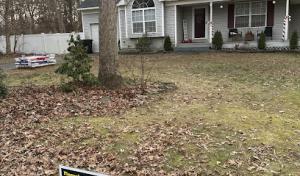
In Brookhaven's inland North Shore climate, a roof loss story often starts before any storm hits: aging re-roofs, salt-influenced winds, and freeze-thaw cycles wear materials differently than elsewhere. After a loss, adjusters in Port Jefferson Station commonly inspect not just the visible damage, but how the roof aged and what caused the harm-was it a sudden wind event or slow deterioration from seasons past? Understanding that nuance helps you navigate the claim with fewer surprises.
Post-storm reviews tend to zero in on roof age and material type, which can tilt the outcome if the damage sits at the boundary between wear and a covered event. In this climate, wind-driven debris and spring thaw leaks can blur the line between preexisting wear and storm-caused damage. If dew points and salt-laden air have already stressed a seam or flashing, that preconditions a claim's interpretation. Expect questions about whether a loss can be traced to an isolated storm incident or to cumulative stress from freeze-thaw cycles.
Locally, timing matters. When a storm season rotates into a brisk thaw, leaks may appear days or weeks after the event, complicating the claim trail. The best approach is to photograph damage promptly, note date and conditions, and keep a clear record of when the roof showed signs of trouble. If a portion of the roof was already near the end of its life, be ready for questions about prior condition and how long the issue has been present before the storm.
Keep a simple, consistent record set: recent photos, a dated log of when leaks were first noticed, and a concise narrative tying the observed damage to the storm event. When dealing with a Brookhaven adjuster, emphasize whether the roof's condition could have influenced the incident, and be prepared to explain how wind-driven rain, snow load, and coastal exposure interact on aging materials. The goal is a clear, defensible timeline that supports a fair assessment of what the loss entails.
Connect with contractors who help homeowners navigate the claims process from damage assessment to final approval.
GY Construction INC Roofing & Siding
(631) 452-6584 gyconstructioninc.com
Serving
5.0 from 45 reviews
Right Angle Roofing & Siding
(631) 849-8988 www.rightangleroofingandsiding.com
Serving
5.0 from 893 reviews
In Port Jefferson Station, chimney-related roof work is notably common, making counterflashing, cricket transitions, and masonry-to-roof joints a frequent leak source for homes. The combination of inland North Shore winds, salt exposure, and freeze-thaw cycles means these joints age out faster than the rest of the roof. When inspecting, focus on every change of plane where bricks meet shingles, and pay close attention to any mortar deterioration that may push moisture under the flashing.
Crickets and properly integrated counterflashing are essential at chimneys to direct water away from the joint lines. If flashing penetrates masonry with deteriorated mortar, you may see dampness or staining spreading from the chimney onto the roof deck. Locally, stuccoed or masonry faces can conceal corrosion of metal parts, so a careful, hands-on inspection is key after heavy rains or winter thaws. Look for loose shingles tucked under flashing, gaps at the chimney toe, and any movement in the joint when pressed with a tool.
Skylight penetrations are a meaningful specialty locally, and they are vulnerable during freeze-thaw cycles and wind-driven rain if curb and flashing details age out. If the curb shows hairline cracking or the sealant around the base has shrunk, water can travel a long distance before dripping. In aging installations, the flashing may have been installed with suboptimal transitions to the surrounding roof plane, creating a path for ice damming and wind-driven leakage. Regularly test the sealant joints and inspect the flashing at the curb and along the flange, especially after winter storms.
Flat and low-slope sections exist in the local contractor mix and need different drainage and membrane attention than the dominant pitched asphalt re-roof projects. On these areas, check for ponding water after rain or melt, and verify the condition of the edge drains and termination bars. Membrane integrity matters; cracks, punctures, or aging seams can propagate leaks across the flat plane and travel to interior ceilings during thaw cycles. When a low-slope roof is present, ensure that transitions to vertical penetrations-pipes, vents, and skylights-are continuously sealed with compatible materials that tolerate the local winter humidity and salt spray.
Due to the coastal influence, moisture management hinges on timely attention to flashing, joints, and transitions around chimneys, skylights, and low-slope areas. After heavy storms, perform a focused review of all protrusions and edge details, then address any softened sealant, loose flashing, or degraded curb components promptly. This targeted vigilance helps minimize leak cycles during winter ice damming, spring thaw, and coastal wind events.
Find contractors experienced in skylight installation, flashing, and leak repairs to bring natural light into your home.
Rapid Roofing
(631) 817-4670 www.rapidrestoreny.com
17 Kennedy Rd, Port Jefferson Station, New York
4.9 from 552 reviews
Babe Roof
4515 Nesconset Hwy, Port Jefferson Station, New York
4.6 from 53 reviews

Universal Roofing & Chimney Of Li
(917) 744-7943 www.universalroofingny.com
Serving
4.9 from 372 reviews
In this market, it pays to compare contractors on how they manage a full re-roofing project rather than on repair prices alone. Look for a crew that lines up a clear start-to-finish workflow, including on-site protection for landscaping and driveways, tarping doors and windows, and a predictable sequence for tear-off, install, and cleanup. A well-planned process reduces the chance of leaks during thaw cycles and wind-driven rains.
Quick reaction to a leak is a priority in this area, especially as winter ice damming shifts to spring thaw. The right roofer should offer prompt staging, secure temporary measures if needed, and a concrete plan for stabilizing any active leaks while the main work is being mobilized. Cleanup should be decisive and complete, leaving the property with no loose debris or stray nails after tear-off and re-roofing.
Homes common to this market face inland Nor'easter winds and salt-influenced gusts that stress flashing, drip edge, and underlayment. A sound strategy blends high-quality underlayment, proper venting, and wind-rated details for hips and ridges. Ask for a detailed moisture-management plan that addresses potential freeze-thaw cycles, ensuring the roofline remains resilient through multiple seasons.
The area hosts many long-established, family-owned, residential-focused companies. Local familiarity matters, since crews best understand typical attic ventilation patterns, deck-to-soffit transitions, and how Brookhaven slope and shade impact a given home. Look for a contractor with visible community ties and consistent, accountable workmanship across similar Port Jefferson Station homes.
Verify who handles inspections and final closeout, and confirm that the contractor has a straightforward process for documenting work, warranties, and consequential repairs. A clear point of contact for questions during the project helps keep timelines steady and reduces the risk of miscommunication as the season shifts.