
Last updated: Apr 19, 2026
Cold winters bring snow and repeated freeze-thaw cycles that hammer shingles, move flashing, and quietly widen gaps where leaks start. In this neighborhood, shingles age fast when ice damming isn't fully controlled, and the salt-influenced air from the South Shore accelerates corrosion on metal flashings and fasteners. Every thaw-followed-by-freeze can push granules loose, bend edge metal, and pry up shingles just enough to invite seepage. The result is the telltale drip near a chimney chase, vent, or roof edge that seems to appear after a heavy thaw rather than at a clean, predictable age. If a leak sneaks in during a storm event, it often travels along sheathing lines and shows up inside walls or ceilings where you'd least expect it.
Look for shingles that have lifted or sheared at the edges where warm days meet freezing nights. In Medford, flashing around skylights, chimneys, and roof-to-wall transitions is especially vulnerable to movement when ice expands behind it. A typical indicator is water staining that follows rafter lines or stains around penetrations, not just directly under the leak source. The strongest warning is recurring damp spots that appear after multiple freeze-thaw cycles, even if the attic feels dry. Valleys and gutters deserve extra scrutiny: ice dams form upstream where insulation and ventilation are inadequate, pushing melted water toward seams and under shingles. Pay attention to attic vents that feel cold to the touch in winter; uneven pressure from snow loads can pull flashing away and create a pathway for moisture to reach the interior.
Re-roof scheduling often clusters in spring and fall because winter snow conditions and summer heat both complicate installation quality and crew access. In spring, lingering meltwater can obscure underlying deck damage, so a leak diagnosis might reveal more than what's visible on the surface. In fall, optimal weather windows help crews set proper underlayment and flashing, reducing the chance of follow-up leaks when the first storms arrive. The pattern here is clear: act before a harsh season, not after a leak becomes active and threatening to drywall, insulation, or personal belongings. Delays tend to compound the damage as moisture works its way into the attic and between joists.
Inspect near penetrations after storms, especially around chimneys, vents, and skylights. If a drip is noticed inside after a thaw, don't simply seal it from the interior; assess whether flashing has shifted or shingles have lifted. Schedule a tactile area check after a heavy freeze-thaw cycle, focusing on the roof edge, valleys, and any vent boots. Ensure attic insulation stops warm, moist air from meeting cold roof surfaces; upgraded ventilation reduces ice dam risk and slows the progression of wear. When multiple cycles have happened, plan for a full assessment of the roof line, not just a patch repair, because the telltale damage often extends beyond what is immediately visible from the ground.
Respond quickly to recurring leaks rather than waiting for obvious age-based deterioration. In this climate, the fastest path from warning signs to durable repair involves a targeted inspection of flashing movement, shingle lift, and ice dam indicators after a sequence of freeze-thaw events. A proactive approach now reduces the chance of a larger, more disruptive failure during a heavy storm.
Asphalt shingles remain the dominant practical choice for homes in this market, aligning with the strongest material-specific contractor presence in the local landscape. For most Medford houses, a standard asphalt system provides reliable weather resistance for the freeze-thaw cycles that define inland Long Island winters. When selecting this option, aim for a product with good granule retention and a wind rating that matches local expectations. The installation approach should emphasize a solid underlayment, properly sealed valleys, and robust attic ventilation to reduce the risk of ice damming and leaks after a bitter cold snap. Local crews familiar with the area's typical roof pitches and eaves details can help ensure flashing around chimneys, vents, and skylights holds up to the salt-influenced air from the South Shore corridor.
Metal roofing is present in Medford, but it requires careful evaluation of coating durability. The coastal-influenced humidity can accelerate corrosion on exposed metal components compared with drier inland markets, especially on coastal-facing elevations and unprotected fasteners. If metal is chosen, prioritize coatings designed for humid environments and confirm the system includes corrosion-resistant fasteners, a sealed edge detail, and a properly engineered substrate. Panel profiles should be selected with consideration for attic heat gain and wind uplift, as higher exposure areas can magnify wear if coatings degrade. A thoughtful maintenance plan for exposed seams and penetrations will help sustain performance through multiple winters and salt-laced storms.
Slate, clay tile, wood shakes, and synthetic products appear in the market, but their suitability hinges on structural capacity and installer experience. In this area, these materials tend to require more substantial roof framing, reinforced flashing details, and careful attention to dry-in methods. The pool of qualified installers for these options is smaller, and that dynamic matters when planning a reroof. For slate or clay, confirm true compatibility with the existing decking and a plan for occasional expansion or movement due to temperature swings. Wood shakes demand a meticulous maintenance routine to prevent moisture absorption and insect damage, especially where coastal humidity is high. Synthetic products can offer a lighter load and easier maintenance, yet still require skilled installation to manage flashing continuity and edge treatments. In practice, success with these materials hinges on choosing a contractor who has completed projects of similar scale and climate exposure.
The climate profile-freeze-thaw cycles, salt-tinged air, and the local permitting rhythm-shapes the best material pairing for each home. For typical houses, asphalt shingles deliver predictable performance and broad local support. If metal is appealing, invest in a durable coating system and plan for rigorous annual inspections of seams and fasteners. For high-end materials, be prepared for a more involved installation and a longer learning curve among local crews, with emphasis on structural compatibility and meticulous flashing. In all cases, the most durable outcomes come from a roof system that integrates sound ventilation, effective underlayment, and careful detailing around penetrations-the kind of coordination that seasoned Medford crews routinely provide.
In Medford, insurers commonly require documentation tying roof damage to a specific wind or hail event before approving replacement-related claim payments. That means when a storm hits, the clock starts ticking on gathering evidence that can be traced to that event rather than general wear. If a report cites an older leak without a clearly linked storm, the claim can stall or be denied. Understanding this nuance helps you avoid mismatched expectations during the claim process and reduces the frustration of unclear scope decisions later on.
Homeowners in this area should expect adjuster site visits or photo-based review requests, making date-stamped exterior and interior leak evidence especially important after storms. A practical approach is to photograph the roof from multiple angles soon after a storm, focusing on obvious shingle damage, granule loss, flashing failures, and any penetrations around vents and chimneys. Interior photos of stains, sagging ceilings, or repeated patch repairs can reinforce a link between the leak and a specific event. Keep a weather log noting wind speeds, hail size if observed, and the storm's date. This kind of meticulous record-keeping often translates into a clearer path for the adjuster to quantify the scope of replacement needs.
The local contractor market includes a meaningful storm-damage and insurance-claims segment, reflecting real homeowner demand for help navigating claim paperwork and scope disputes. Expect an adjuster to request access for a thorough roof inspection, sometimes accompanied by a second review of interior water intrusion. If the roof was already near the end of its useful life, the adjuster may scrutinize prior maintenance records to determine preexisting conditions. Being prepared with a concise history of the roof's performance, prior repairs, and the storm's damage indicators can streamline these visits and reduce back-and-forth about what constitutes a covered upgrade versus maintenance.
With the prevalence of storm-related claims in this area, a nearby contractor who understands local weather patterns can be a critical ally. A reputable contractor can help organize inspection reports, photograph sequences, and a coherent narrative tying the damage to the event in question. They can also assist in documenting discrete damage that might otherwise be overlooked during a single-site visit. While it is tempting to rely on a quick patch after a storm, the reality is that documented, event-specific damage is what ultimately supports a solid, defensible claim and a scope that accurately reflects needed repairs.
Connect with contractors who help homeowners navigate the claims process from damage assessment to final approval.
Right Angle Roofing & Siding
(631) 849-8988 www.rightangleroofingandsiding.com
Serving
5.0 from 893 reviews
GY Construction INC Roofing & Siding
(631) 452-6584 gyconstructioninc.com
Serving
5.0 from 45 reviews
Skyline roofing & siding
90 A Fairmont Ave, Medford, New York
5.0 from 103 reviews
We are in roofing and siding business for 15 years we offer roof replacement and repair, we offer siding replacement and repair ,we offer decking replacement and repair , focus on exterior jobs ,affordable price good quality
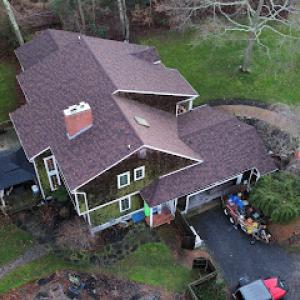
Precision Home Construction | Roofing, Siding, Chimney, Deck, Gutter
(631) 644-9411 www.precisionroofingny.com
90 Fairmont Ave, Medford, New York
4.9 from 95 reviews
Precision Home Construction is a trusted expert for all your home's exterior needs. Since 2000, they have provided lasting strength and beauty to properties across the region. Their skilled team offers comprehensive solutions, from durable roofing and siding installations to essential chimney and gutter services. With a focus on quality craftsmanship, they also specialize in custom deck construction and skylight installations, ensuring your home is both secure and stylish. Discover why homeowners have relied on Precision Home Construction for nearly a quarter-century to protect and enhance their most valuable asset.
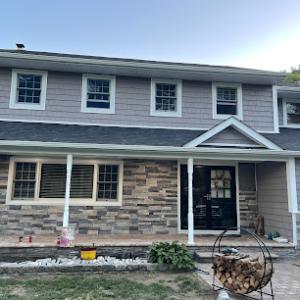
J & J Fernandez Roofing
(631) 984-0094 jjfernandezroofing.com
74 White Pine Way, Medford, New York
5.0 from 18 reviews
J&J Fernandez Roofing is a trusted roofer in Long Island, proudly serving Suffolk and Nassau Counties, including Huntington, Islip, Smithtown, Babylon, Brookhaven, Hempstead, and Oyster Bay. We provide expert roof installation, repair, and replacement, as well as gutter, drip edge, fascia, siding, and deck repair services. With over 15 years of experience, our licensed team delivers high-quality, weather-resistant workmanship homeowners rely on. So, if you’re searching for a roofing company near you that combines reliability, neat finishes, and honest service, J&J Fernandez Roofing is your local choice for durable results built to last.
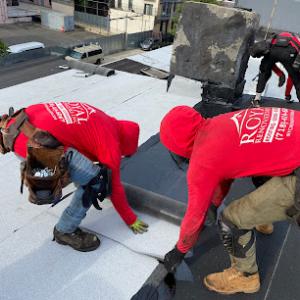
Royal Roofing Queens
(718) 489-4009 www.kingsqueensroofing.com
Serving
4.9 from 119 reviews
Royal Roofing Queens is a trusted roofing contractor in Flushing Queens, serving homeowners and businesses throughout Queens. We specialize in flat roof repairs and roof replacements for both residential and commercial properties. Since 1988, our family-owned, licensed and insured team is BBB A+ Accredited and GAF Master Elite certified, working with flat and shingle roofing systems built to last. We are famous for one-day roof replacements. We also provide professional siding, masonry, and gutter services. Clients choose us for honest, reliable roofing that withstands New York’s toughest weather. We offer emergency services for urgent leaks and storm damage. Contact us today for a free estimate.
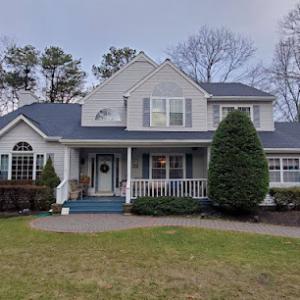
Right Angle Roofing & Siding
(631) 849-8988 www.rightangleroofingandsiding.com
Serving
5.0 from 893 reviews
We are a fully licensed and insured GAF Master Elite Roofing contractor specializing in the steep roof and low slope applications. We have an A+ rating with BBB, no complaints with the department of consumer affairs, and have the best google rated/reviewed roofing company on long island. With a decade of experience in this industry comes extensive experience and knowledge of homeowner insurance claims and we will facilitate the entire claim process from initiating a claim to meeting with the adjuster, reviewing the claim, finding additional money owed to the homeowner, and facilitating payout... at no charge to our customer!
Precision Home Care
(631) 560-8525 precisionhomecareservices.com
Serving
5.0 from 47 reviews
Our goal is to provide detailed information about any/all of our services so that customers can fully understand the job at hand. If you are looking for quality work at reasonable prices we provide free estimates with no obligation. Our services range from small repairs and maintenance to full restoration and installs. With over 20 years of experience and servicing all of Long Island, we know what it is like to deal with certain contractors and our goal is to provide a breath of fresh air and a stress-free experience.
Payless Roofing & Gutters 24/7 Roof Leak Repair
(631) 988-2800 www.paylessroofingandgutters.com
Serving
5.0 from 17 reviews
Payless Roofing and Gutters offers a range of professional services in the fields of Roofing, Gutters, Chimneys, and Siding. These services encompass roof repair, siding installation, gutter installation, and chimney repair. Payless Roofing and Gutters is available 24 hours a day, seven days a week, for emergency roof repair, catering to commercial and residential clients. This emergency service includes roof leak repair and roof tarp installation. Our team of experts is dedicated to providing prompt, professional, and reliable service to all our clients, ensuring that their roofing, gutter, chimney, and siding requirements are fulfilled seamlessly.
Bumble Roofing of Suffolk County
(631) 944-8122 bumbleroofing.com
Serving
5.0 from 51 reviews
Bumble Roofing of Suffolk County is a top-rated roofing contractor serving Yaphank, NY, and the surrounding areas. Specializing in roof repair for storm damage, roof shingles, and leak repairs. Our experienced team is dedicated to providing high-quality residential and commercial roofing services. From roof inspections and estimates to gutter installation and claim assistance, we are your go-to roofing company in Suffolk County, NY. Contact us today for all your roofing needs. Proudly serving greater Long Island, NY, including Brookhaven, Islip, Babylon, Huntington, Smithtown, South Hampton, Riverhead, East Hampton, Southold, Shelter Island, and surrounding areas.
Suffolk County Gutters
(631) 805-8400 suffolkcountygutters.com
Serving
5.0 from 66 reviews
Suffolk County Gutters, Inc. is a Gutter Cleaning Service located in Holtsville, NY. We offer Gutter Installation, Residential Gutter Installation, Commercial Gutter Installation, Rain Gutters, Leaf Protection, Copper Seamless Gutters, and other Gutter Cleaning Services. Contact us today for more information and services or to schedule an appointment! Suffolk County Lic# HI-70336
Roofing & Chimney Omega Quality
(934) 852-0025 www.omegaqualityinc.com
Serving
5.0 from 25 reviews
Dreaming of a home exterior that wows? Since 2018, Omega Quality Roofing & Chimney has been transforming Long Island homes and businesses with expert craftsmanship and meticulous attention to detail. More than just a roofing company, they are your partners in creating a beautiful and durable exterior, offering roofing, skylight, siding and gutter services. With over a decade of experience, Omega Quality delivers professional, high-quality results you can depend on. Whether it's a new roof installation, a much-needed repair, or simply a gutter cleaning, trust Omega Quality to elevate your property. Fully licensed and insured for your peace of mind.
Ji Roofing & Exteriors Suffolk County
Serving
5.0 from 107 reviews
We Work On All Types Of Roofs In Long Island. New Roof Install or Repairs. Asphalt Roof, Gutters & Downspouts, Flat Roof, Cedar Wood Roof, Metal Roof, Custom Copper Roof, Slate Roof & Composite Roof. We Are A Locally Owned & Operated Roofing Company That Values Honesty & Integrity & Treats Your Home As If It Were Our Own. We Offer A Variety Of Roofing Contractor Services That Are Customizable To Each Individual Project. You Will Find Us To Be Competitively Priced, On Time & On Budget. We Guarantee Your Satisfaction. All Work Is Licensed And Insured. We Use The Best Roofing Materials Available Including: GAF, CertainTeed, James Hardie, Owens Corning, Leaf Guard. We Serve All of Suffolk County, NY. QX9C+4J Patchogue, New York
Universal Roofing & Chimney Of Li
(917) 744-7943 www.universalroofingny.com
Serving
4.9 from 372 reviews
Universal Roofing & Chimney can provide you with the long-lasting roof that your home needs for proper protection from the wind, rain, or snow. Proper roofing is essential for each homeowner to establish a strong, healthy home. We are here to provide you with the high quality workmanship that your house deserves. We can help you with anything from a roof repair to a new roof installation and Chimney or Siding needs. We have been helping people for over 20+ years and have references available upon request.
For a full reroof, a building permit through the Town of Brookhaven is typically required rather than handling the job as an informal contractor-only project. This is a common expectation with many homes in the neighborhood, where the scope includes removing and replacing the entire roof decking or underlying materials. The permit process helps ensure that the work plan aligns with local codes, fire safety, and structural integrity. If a project seems limited to surface work, double-check: Brookhaven sometimes still requires a formal permit when roof system components are being replaced or upgraded in a way that affects the structure or drainage.
In many Medford reroof projects, the contractor takes on the responsibility of submitting the permit application to Brookhaven. The town typically reviews the application before any work proceeds. This review can cover material types, ventilation, decking integrity, and drainage considerations that influence wet seasons and freeze-thaw cycles. Expect a back-and-forth period where the town may request clarifications or additional details about the proposed roof system, underlayment, and any related flashing or chimney work. Coordinating this step early helps prevent delays once weather windows open.
Brookhaven inspections for reroofs are usually performed during and after the work, with a final inspection needed to close the permit. During the project, inspectors may verify that anchor points, ventilation baffles, and proper nailing patterns meet code standards, given the local freeze-thaw exposure. After the material install, a mid-project check can confirm flashing around vents, skylights, and chimneys is properly integrated with the new roof proper. If any structural changes are undertaken, site plans or notices may be updated to reflect the altered loading paths or roof geometry. Be prepared to provide access for a final walkthrough to demonstrate that the completed roof matches the approved plan and adheres to Brookhaven's requirements.
When you're budgeting a roof project, you'll notice asphalt shingles are the most common in the area, with typical Medford pricing ranging from 450 to 900 USD per square for asphalt shingles. For metal roofs, plan on 900 to 1800 USD per square. Clay tile projects sit higher, commonly 1400 to 3200 USD per square, while wood shingles or shakes run roughly 700 to 1200 USD per square. Synthetic or composite shingles fall in the 600 to 1100 USD per square range, and slate is a premium option at 1800 to 3200 USD per square. These ranges reflect stock in local supply chains, labor teams familiar with coastal-style homes, and the mix of aging homes with varied roof pitches found around town.
Costs in Medford can rise when spring storm backlogs or winter damage create sudden demand spikes in the local reroofing market. If a handful of homes in your neighborhood line up for replacement after a big Nor'easter or a record freeze-thaw cycle, crews and material suppliers can tighten up, driving up both material and labor quotes. If you're considering a roof project soon after a severe weather event, expect some lead-time and potential price upticks as crews catch up and supply chains retool. Planning ahead for shoulder seasons can help you lock in more predictable pricing and avoid last-minute surges.
The material you pick drives not just the upfront per-square cost but also long-term durability in Medford's freeze-thaw winters and salt-influenced air. Clay tile and slate offer longevity and a distinct aesthetic but come with higher installed costs and heavier structural considerations. Metal roofs deliver strong hail and wind performance with a broader price range, while composites and asphalt shingles balance cost with ease of installation. If a roof has multiple layers, irregular pitches, or complex detailing around dormers and chimneys, expect higher per-square labor and potential added costs for fasteners, underlayment, and drip edges. A practical approach is to align material choice with your home's setback from the street, roof complexity, and long-term maintenance expectations to optimize value.
Start with a conservative estimate by selecting a mid-point within your preferred material's price range, then add a buffer for seasonal demand and any anticipated structural adjustments. Factor in the typical local ranges for the square footage you need, and quantify how roof shape and penetrations (vents, skylights, chimneys) may affect labor time. If you can schedule in late spring or early fall, you often reduce the risk of weather-driven price spikes while still getting solid material availability. Keep in mind that shorter project windows may also affect staging and access, slightly nudging daily crew costs.
Get a clear picture of your project costs upfront - no commitment required.
Skyline roofing & siding
90 A Fairmont Ave, Medford, New York
5.0 from 103 reviews
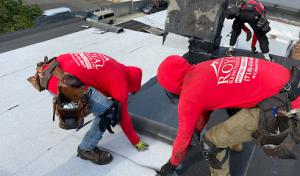
In Medford, skylight work is a significant specialty among local contractors, and leak-prone skylight flashing is a common homeowner concern. When planning a project or repair, expect coordinated flashing around the skylight perimeter, not just new shingles. Before any replacement, review the entire skylight assembly: curb, flashing boots, and the seal between the skylight and roof deck. If the skylight is older or shows signs of seepage, plan for flashing upgrades and possible resealing at the same time as shingle work to avoid a second disruption on the same roof line. Weather is merciless during freeze-thaw cycles, so ensure the contractor prioritizes wind-driven water protection and uses compatible sealants that resist cracking in cold snaps. When replacing a skylight, align new flashing with existing ridge and valley details to prevent small gaps from turning into bigger leaks after a cold snap.
Chimney-related roofing work is highly prevalent locally, which matters because flashing transitions around masonry are vulnerable during Long Island freeze-thaw cycles. Expect extra attention to step flashing along brick or block joints, and to the apron and counter-flashing where the chimney intersects the roof plane. Inspect the flashing at the base for mortar deterioration, as loose or crumbling joints create a direct path for water. If the chimney has a metal crown, check for cracking that can channel water inward; address crown cracking or ice dam risk during the same service window as roof repairs. Do not overlook vent pipes or cricket/ saddle details that shed water away from the chimney; ensure these components survive winter conditions without compromising the flashing.
On homes with older penetrations, reroof decisions often need to address surrounding flashing details rather than only replacing field shingles. In practice, this means staging work to reflash around penetrations first, then install shingles in a way that integrates flashing with the rest of the roof line. If you notice any damp spots around skylights or chimneys after frost cycles, plan a targeted inspection of the flashing transitions and surrounding decking. A measured, coordinated approach minimizes the chance of revisiting leaks after a harsh winter.
Find contractors experienced in skylight installation, flashing, and leak repairs to bring natural light into your home.
Skyline roofing & siding
90 A Fairmont Ave, Medford, New York
5.0 from 103 reviews
Precision Home Construction | Roofing, Siding, Chimney, Deck, Gutter
(631) 644-9411 www.precisionroofingny.com
90 Fairmont Ave, Medford, New York
4.9 from 95 reviews
Right Angle Roofing & Siding
(631) 849-8988 www.rightangleroofingandsiding.com
Serving
5.0 from 893 reviews
Although Medford is largely a pitched-roof residential market, the contractor signal base shows meaningful local demand for flat and low-slope roof work. This means that, in practice, you'll encounter flat sections on porches, additions, garages, and mixed-use structures that sit alongside standard shingles. These areas act differently in freeze-thaw cycles and in our humid, salt-influenced air, so treating them as an afterthought can lead to leaks even when the main roof looks solid. Understanding where these sections sit on your property and how they drain is the first step toward a durable, low-maintenance solution.
Low-slope sections over porches, additions, garages, and mixed-use structures require attention to drainage and membrane details that aren't the same as the main shingle roof. In Medford's climate, freeze-thaw cycles push water toward seams, penetrations, and transitions. A robust approach uses a continuous, properly bonded membrane with reinforced edges at parapets, skylight collars, and vent penetrations. Pay close attention to transitions where the low-slope surface meets vertical walls or raised planters, as these junctions are common leakage points. Proper fall, usually a minimum percentage that matches the slope class, helps water shed away quickly and reduces ponding on cold mornings.
Metal flashings should be secured with corrosion-resistant fasteners and backed by a compatible membrane system. If the low-slope area shares drainage with the main roof, ensure the primary drainage is not relied upon as the sole outlet for the flat section; add secondary scuppers or internal drains as needed. For materials, choose a membrane system that tolerates temperature swings and salt exposure without becoming brittle. InMedford's coastal-influenced air can accelerate wear on certain substrates, so compatibility and UV resistance matter. Seams, corners, and terminations deserve extra attention during installation and annual checks.
Spring rain and winter snow can expose drainage weaknesses on these low-slope areas even when the main roof covering still appears serviceable. Keep drains clear of leaves and debris, verify that snow guards and edge channels stay in place, and inspect for micro-cracks or punctures after storms. Regular, targeted inspections of porches and additions-especially around parapets and planter boxes-help catch problems before they migrate into the primary roof plane. A proactive approach minimizes the risk of interior leaks and costly repairs later.
Find specialists in TPO, EPDM, and built-up flat roofing systems for residential and commercial properties.
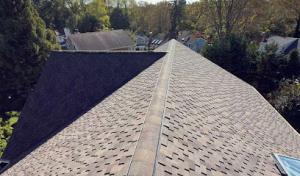
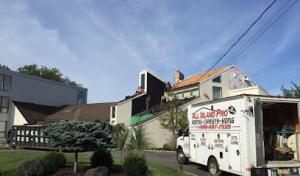
In Medford, a manufacturer-backed warranty does show up, but it's not the dominant signal buyers rely on. The market leans more heavily on quick emergency response and the ability to complete a reroof quickly, so the workmanship you're getting matters just as much as any brand promise. If a contractors' crew can be on site fast after a leak or wind event, that matters more than a glossy label in the brochure. Expect the strongest protection when the installer's work is backed by solid field performance, not only by a manufacturer's promise you may never see realized.
Cleanup-included and rapid-response signals are especially strong in this area, and local homeowners often weigh jobsite control and turnaround as heavily as brand names. That means you should scrutinize how the crew manages debris containment, tear-off disposal, and protecting landscaping during a stormy season. A crew that keeps the yard clean and the driveway clear reduces post-project headaches and potential liability for you. If you notice reflective promises without visible accountability on the ground, dig deeper before signing.
The Medford market includes licensed, insured, and manufacturer-certified firms, but those signals aren't universal. Before you commit to a reroof, demand clear documentation: current insurance certificates, contractor license details, and proof of any manufacturer certifications tied to the materials you're considering. Ask for a written outline of the project team's roles, the exact scope of work, and the warranty transfer process. If a contract skips those details or can't provide verifiable documentation, that's a red flag you shouldn't ignore. You deserve to know who is accountable, how long the workmanship warranty lasts, and what conditions might void it.