Last updated: Apr 19, 2026
Centereach winters regularly bring snow followed by temperature swings that create repeated freeze-thaw stress at eaves, flashing lines, and shingle tabs. That means meltwater can refreeze exactly where you don't want it-along the drip edge, around roof penetrations, and at vent stacks-forming ice dams that push meltwater back under shingles. In a suburban roof with attic access and standard attic insulation, the risk isn't a dramatic mountain snow buildup; it's heat escaping into the attic, meeting those cold edge conditions, and charging the eaves with ice that inches forward and damages gutters, fascia, and even roof decking. When a storm rolls in the next day, the process repeats: warmth melts, ice dams reform, and the cycle grinds away at the roof's edge and flashing. This isn't cosmetic-water intrusion and wood rot can hide behind soffits and ceilings, waiting to show up as stains or warped finishes once the thaw hits.
The local risk is less about huge snow piles and more about attic heat loss refreezing meltwater at roof edges and around penetrations. If your attic is poorly vented or inadequately insulated, heat climbs, softens the roof deck near the eaves, and creates reservoirs of meltwater that freeze at the line where the roof meets the overhang. Over time, that constant freeze-thaw cycle can loosen shingles, lift tabs, and corrode underlayment. In practice, the most durable roof in Centereach isn't defined by shingle color or tile choice alone; it's defined by a balanced attic system: continuous insulation where possible, intake vents that keep the attic near exterior temperatures, and exhaust vents that move air efficiently without drawing warm attic air into the cool zones outside. When moisture sits in the attic, it condenses on cold sheathing, promoting mold growth and wood decay. The net effect is a roof that ages faster, leaks sooner after a heavy thaw, and costs more to repair than a properly ventilated, moisture-controlled system.
The local pattern concentrates risk at edges and around penetrations: chimney flashings, plumbing vents, skylights, and satellite dish brackets. Ice dams form where warm air meets cold roof, but the damage often becomes visible at the eave line first. Look for staining along fascia boards, gaps between flashing and shingles, or any mortar-like buildup of ice at the roof edge. Pay special attention to metal flashings around valleys and dormers, where freeze-thaw cycles can pry away sealants and expose underlayment. A roof in steady decline due to moisture and heat buildup will show separate signs: curled shingles, blistering, or widened gaps at nail lines. These are not just cosmetic flags; they indicate longer-term water intrusion risk and potential for decayed decking beneath the surface.
Begin with a focused moisture and ventilation check. Ensure soffit vents are unobstructed and that attic baffles provide clear pathways for cold air to reach the roof edge. Verify insulation depth under the entire roof plane-gaps near the eaves act like warm funnels that drive meltwater upward rather than outward. If you notice damp spots on ceiling joists or darkened roof sheathing in the attic after a thaw, treat this as a red flag and arrange a moisture assessment promptly. Review the condition of flashing around chimneys and roof penetrations; if sealant is cracked or metal is lifting, plan timely resealing or flashing replacement before next freeze-thaw cycle. When you replace or reseal, choose materials that tolerate freeze-thaw exposure and provide robust flashing compatibility with adjacent surfaces. For vulnerable edges, consider upgrading to thicker drip edges and corrosion-resistant flashing that can endure seasonal temperature swings without warping.
If inspections show recurring ice dam formation, damp attic conditions, or visible water marks after storms, don't delay. Centereach homes often need reroof decisions tied to ventilation and moisture control, not just surface shingle age. A nearby roofing professional can test attic ventilation effectiveness, measure insulation integrity, and evaluate whether a broader moisture-control retrofit is warranted alongside any shingle replacement. In many cases, the fastest, most durable fix is a combined approach: correct attic ventilation, add or replace insulation where needed, and address edge flashings and penetrations with materials suited to our climate. Acting now protects the roof deck, preserves interior finishes, and reduces the chance of a costly, disruptive failure during a brutal winter thaw.
Autumn winds in Centereach bring sudden gusts that haul debris straight onto rooflines, especially along ridge caps and where older shingles meet transitions around mature tree coverage. The pattern is clear: high wind events push branches, leaves, and small limbs against roof edges, loosening fasteners and dislodging shingles before a seal can seal again. Inland exposure means water entry comes from wind-driven leaks rather than salt spray, so a fast, targeted response matters more than cosmetic fixes.
After a storm, inspect the ridge line first. Lifted or curling shingles along the peak signal vulnerable underlayment and potential water pathways. Look at valleys and along vent collars, where wind-driven debris can create narrow punctures. If you notice damp patches or pinkish staining on attic sheathing, treat it as a leak risk even if the surface appears dry. Near mature trees, you may see accelerated wear on shaded roof sectors where moisture lingers, increasing the chance of ice dam formation as temperatures swing.
When a roof is compromised, a prompt tarping can prevent a cascade of interior damage. Place a sturdy, weighted tarp over the affected area, anchoring edges to roof decking or gutters. Securely fasten with screws and weathered fasteners to resist shifting in gusts. If shingles show exposed underlayment or flashing has pulled away from the roof edge, prioritize temporary sealing around the most penetrations-vents, skylights, and fireplaces-before interior moisture spreads. If you can safely access the attic, capture photos of damaged sections and moisture streaks to share with a contractor during the first post-storm call.
Ridge caps bear the brunt of autumn winds, especially where older shingles already show wear. Debris impact not only damages the cap but can fracture the surrounding shingles, creating a domino effect that invites leaks during the next rain. Storm debris near mature trees is a telltale indicator that you should allocate immediate inspection time to areas under those canopies, as leaf and twig accumulations act like chafing sandpaper on edges.
Keep a charged flashlight, a ladder rated for the height of your home, and a basic tarp kit ready for quick deployment. Conduct a quick exterior walk after every substantial wind event, focusing on ridge lines, edging, and transitions to gutters. Schedule a professional assessment within 24 to 48 hours of a major windstorm, prioritizing attention to any signs of moisture entry, dented flashing, or displaced shingles. A proactive check now can stop a small wind incident from becoming a costly interior repair.
Find local contractors experienced in assessing and restoring roofs after hail, wind, and severe weather events.
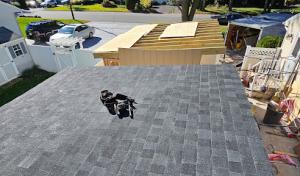

GY Construction INC Roofing & Siding
(631) 452-6584 gyconstructioninc.com
1454 Middle Country Rd, Centereach, New York
5.0 from 45 reviews
Gy Construction INC was founded on the principles of integrity, excellence, and customer satisfaction. With 12 years of experience in the construction industry, we have built a reputation for delivering exceptional results that speak for themselves. Our journey began in Central Islip, NY, where we recognized the need for reliable and high-quality construction services. Over the years, we have expanded our reach, serving a growing number of clients who trust us with their most important projects. Our team comprises seasoned professionals who bring a wealth of knowledge and expertise to every job, ensuring that we consistently exceed our clients' expectations.
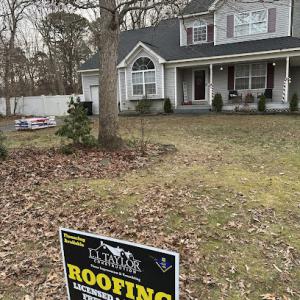
LIT Construction
(631) 404-9022 www.litaylorconstruction.com
Serving
5.0 from 86 reviews
LIT Construction is your trusted expert for Commercial Roofing, Asphalt Shingle Roofing, Flat Roofing, Siding Services, and Windows & Door Installation. Owner-operated by David, who has 5+ years of experience, we take pride in delivering high-quality craftsmanship and reliable service. Whether you need a durable commercial roof, aesthetic and protective siding, or energy-efficient windows and doors, we ensure every project meets the highest standards. At LIT Construction, we focus on quality, affordability, and customer satisfaction, making us the go-to choice for homeowners and businesses alike. From new installations to repairs and upgrades, we handle it all with professionalism and attention to detail.
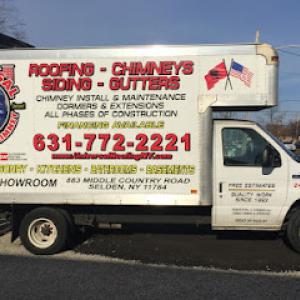
Universal Roofing & Chimney Of Li
(917) 744-7943 www.universalroofingny.com
Serving
4.9 from 372 reviews
Universal Roofing & Chimney can provide you with the long-lasting roof that your home needs for proper protection from the wind, rain, or snow. Proper roofing is essential for each homeowner to establish a strong, healthy home. We are here to provide you with the high quality workmanship that your house deserves. We can help you with anything from a roof repair to a new roof installation and Chimney or Siding needs. We have been helping people for over 20+ years and have references available upon request.
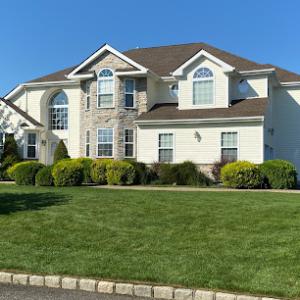
Chief Cornerstone Roofing
(516) 273-6428 chiefcornerstonecontractorsinc.com
Serving
5.0 from 80 reviews
Chief Cornerstone has had the same goal and vision...to be the best roofing business on Long Island it can be while serving its customers and clients at the highest level. Our goal is to provide an incredible experience to our Long Island employees, customers and friends. From the buying process to the installation and completion, we guarantee quality and friendliness along the entire way. Thank you to the community, Nassau County and Suffolk County, and to our customers for helping us grow into a company we are today. From foundational work to home inspections and roofing, Chief Cornerstone has you covered..
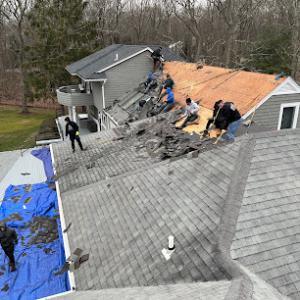
Eagle Roofing & Gutters
(631) 882-2121 www.eagleroofingandgutters.com
Serving
5.0 from 47 reviews
A long island based company that focuses on repairing roofs, replacement of roofs, and gutters.
Arlo Roofing
(631) 336-0438 www.arloroofing.com
Serving
5.0 from 139 reviews
Arlo Roofing "The Best you can Get" we are family-owned Roofing Company who has a priority give our customers highest quality of work with best practices and highest customer service. We specialize in Roofing, Siding, Gutters, Windows, Bathroom and Kitchens only. Our mission is to build relationships with our clients and communities for a long term. We know how hard and difficult is to find the right contractor who does quality work at an affordable prices that's why we are here to help our customers right away and solves their questions.If you need a roofing contractor in Suffolk county, Nassau county , East Hampton, South Hampton and NYC who will go above and beyond for you,Call us at 631-336-0438.
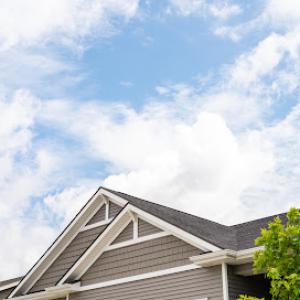
Creative Exteriors
(631) 696-3430 creativeexteriorsinc.com
Serving
5.0 from 32 reviews
Let us help create your dream home. Give us a call anytime, and our team will be there to bring new life to your home with ease.
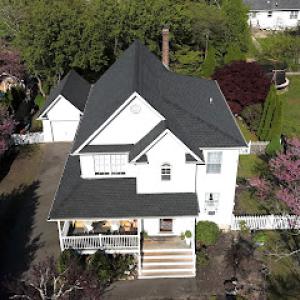
Roofing & Chimney Omega Quality
(934) 852-0025 www.omegaqualityinc.com
Serving
5.0 from 25 reviews
Dreaming of a home exterior that wows? Since 2018, Omega Quality Roofing & Chimney has been transforming Long Island homes and businesses with expert craftsmanship and meticulous attention to detail. More than just a roofing company, they are your partners in creating a beautiful and durable exterior, offering roofing, skylight, siding and gutter services. With over a decade of experience, Omega Quality delivers professional, high-quality results you can depend on. Whether it's a new roof installation, a much-needed repair, or simply a gutter cleaning, trust Omega Quality to elevate your property. Fully licensed and insured for your peace of mind.
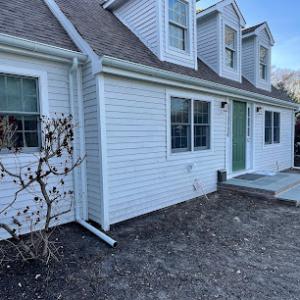
Suffolk County Gutters
(631) 805-8400 suffolkcountygutters.com
Serving
5.0 from 66 reviews
Suffolk County Gutters, Inc. is a Gutter Cleaning Service located in Holtsville, NY. We offer Gutter Installation, Residential Gutter Installation, Commercial Gutter Installation, Rain Gutters, Leaf Protection, Copper Seamless Gutters, and other Gutter Cleaning Services. Contact us today for more information and services or to schedule an appointment! Suffolk County Lic# HI-70336
Rapid Roofing
(631) 817-4670 www.rapidrestoreny.com
Serving
4.9 from 552 reviews
At Rapid Restore Roofing, we are your trusted local roofing contractor proudly serving Port Jefferson, Long Island, Wantagh . Whether you need local roofing repair, roof replacement, or roof coating, our expert team ensures quality craftsmanship and lasting results. As a roofing contractor near me, we specialize in both residential and local commercial roofing repair, including skylight and window services. Our local commercial roofing contractors are dedicated to delivering reliable, affordable solutions backed by integrity and expertise. Choose the roofing contractor Port Jefferson, Long Island that homeowners and businesses trust Rapid Restore Roofing. We protect your property with durable, weather-resistant roofing built to last.
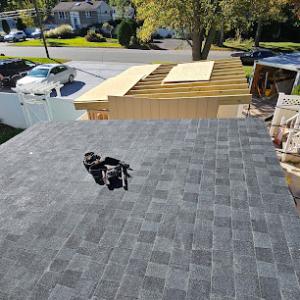
MVP Home Services
Serving
4.6 from 29 reviews
At MVP Home Services,we believe that the foundation of exceptional service is unwavering integrity.We are committed to upholding the highest standards of honesty and dedication in every aspect of our business.We understand that inviting us into your home is a gesture of trust,and we honor that trust by ensuring that every service we provide is meant to exceed expectations and for a deep respect for your space.Whether it’s a few minor repairs or large home improvements you can count on MVP Home Services to deliver quality workmanship without compromise.Our promise to you is simple:we’ll treat your home as if it were our own, with the care and integrity it deserves.We’re not just building a business we’re building lasting relationships!
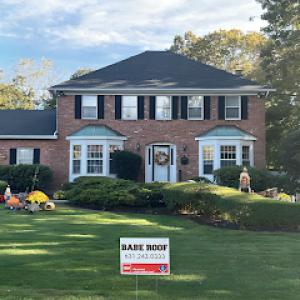
Babe Roof
Serving
4.6 from 53 reviews
Babe Roof provides expert roof installation, roof repair, and full roof replacement for homes and businesses across Long Island. We specialize in shingle roofing, flat roofs, metal roofing, skylight installation, roof leak repair, storm damage restoration, gutter installation, attic ventilation, and more. Whether it’s a small residential repair or a large commercial roofing project, no job is too big or too small for our licensed professionals. We offer FREE estimates, fast service, and honest pricing. With over 20 years of experience, Babe Roof is Long Island’s trusted name in roofing.
Asphalt shingles dominate replacements in this area because they fit the suburban housing stock common across Centereach and handle routine re-roofing budgets better than slate or tile. They are familiar to local crews, and their repair footprint lines up with the typical roof lines and attics found on many ranch and colonial-style homes. Metal roofing shows up here and there as a specialty option for tighter-kissed modern builds or for homes with strong overhangs, yet it remains a smaller niche compared to asphalt. Clay tile and slate sit at the high end of the spectrum and require structure-aware planning on homes not originally built for them. If you have a long-term plan to upgrade, these demand careful consideration of attic ventilation, roof weight, and underlayment compatibility before undertaking the project.
A key factor in this area is the freeze-thaw cycle and humidity during humid summers. Asphalt shingles perform well against the cycle when installed with proper underlayment and ventilation, and they tolerate the mid-Atlantic moisture profile without getting brittle. Metal can shed snow quickly, which helps with ice dam avoidance on steep pitches, but installation details matter: correct sealing at seams and appropriate insulation in late-season days prevent condensation and corrosion. Clay tile and slate resist the elements superbly when the structure handles their weight and stiffness, but in practice they are not ideal on homes with standard rafters and older decking without reinforcement. For wood shakes and synthetic products, humidity exposure during hot summers and moisture cycling in winter tests them differently than fiberglass or asphalt. Wood can warp or cup if ventilation is inadequate, while many synthetic options resist rot and mold but need a careful pairing with a breathable gap and proper flashing to handle the Long Island humidity. In short, the neighborhood climate makes moisture control and attic venting more than a bonus-it's a requirement for longer life.
Your decision should align with roof structure, attic condition, and maintenance willingness. If the goal is straightforward replacement with minimal structural changes and solid durability against ice dams and wind, asphalt shingles are the reliable, predictable choice that fits most homes. For a homeowner who wants a longer service life and has reinforced framing or a contemporary design, metal offers a lighter footprint and distinct aesthetic-though it comes with tighter installation requirements. If glamour and a specific architectural statement drive your choice, clay tile or slate demand professional evaluation on the existing framework, as retrofitting can escalate months of work and planning. Wood shakes and synthetics require careful assessment of moisture exposure and seasonal cycling to avoid wear or warping in the high-summer humidity and winter conditions typical of this area.
In Centereach, roof project quotes are structured per square (100 square feet) and priced within a clear range by material. Asphalt shingles start at the entry point, while slate sits at the higher end. Practical total costs reflect the full replacement scope, including tear-off and disposal when applicable and the local market's seasonal labor demand. For you, think in per-square terms: asphalt shingles commonly sit around the lower end of the range, with premium materials climbing toward the top end.
These ranges give a practical ladder for budgeting. In Centereach, the choice often centers on balancing freeze-thaw durability with storm resistance and the desire for a manageable replacement timeline. If you're weighing costs, a typical asphalt option will keep you closer to the entry range, while slate will push toward the top end, especially on roofs with complex geometry.
Brookhaven-style project management tends to influence price in two key ways: the number of penetrations and the need for precise flashing around chimneys, dormers, and vent stacks. Suburban roof geometry in this area frequently adds flashing labor, and that value shows up in the per-square price, especially on otherwise large, multi-penetration roofs. Tear-off and disposal are common line items on full replacements, contributing noticeably to total costs.
Spring and early fall are popular windows, but in Centereach this can tighten contractor availability due to competing regional demand after winter damage and storm events. If you can align for midweek starts or shoulder-season work, you may find more flexibility and potentially steadier pricing. When planning, assume material delivery and crew ramp-up will factor into the overall schedule and, by extension, the cost estimate.
1) Gather per-square quotes by material, confirming whether tear-off and disposal are included. 2) Add a line item for flashing labor given the common presence of chimneys and dormers. 3) Choose a material that aligns with your priorities for durability, aesthetics, and budget, then apply the per-square rate to your roof's square count. 4) Build in a modest contingency for weather-driven delays, especially in spring. 5) Compare quotes that reflect the same scope to ensure a fair apples-to-apples estimate.
Get a clear picture of your project costs upfront - no commitment required.
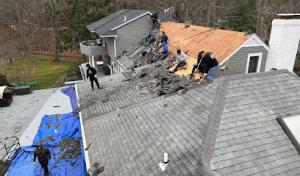
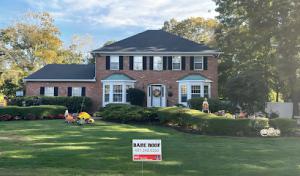
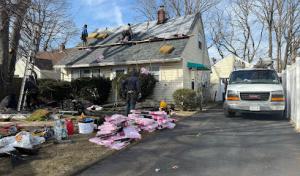
In this area, permits for roof work are handled through the Town of Brookhaven Building Department rather than a separate village or city office. For full roof replacements, a permit is usually required, and the local process centers on municipal approval before any shingle lashes or underlayment start. Before work begins, you should verify with the contractor that the permit application is submitted and that the project plan clearly shows material choices, venting strategies, and any roof penetrations for exhausts or attic fans. That upfront alignment helps avoid delays when inspectors come through.
The Brookhaven review focuses on safety, wind resistance, and proper drainage, which matters in the mix of freeze-thaw cycles and summer humidity here. Expect the town to check structural considerations if the existing roof is older or has known water intrusion. Your contractor should provide drawings or specifications that demonstrate proper attic ventilation and insulation integration with the new system. It's helpful to have a site plan showing roof access, material weight, and temporary protection for the interior during the project. The approval timeline can hinge on how thoroughly the plan addresses moisture control and ice-dam prevention, both critical in our winters.
Upon completion, a final inspection is commonly scheduled to confirm installed materials meet code, ventilation is correctly integrated, and overall code compliance is achieved. Homeowners should be aware that the permit is not considered closed until the contractor or permit holder formally closes it out after the inspector signs off. Expect the inspector to review attic ventilation, proper eave and ridge venting, and any flashing details around chimneys or skylights. If any deficiencies are noted, correction work may be required before final approval is granted and the permit closed.
Coordinate with a licensed contractor who routinely handles Brookhaven permits, so paperwork aligns with the project timeline. Keep copies of the permit, inspection reports, and any addenda from the contractor in a single file for easy reference. If a change in materials or roof layout occurs during the job, update the permit to reflect the modifications and schedule a re-inspection if necessary. Remember, the final closeout proves the project met Brookhaven standards and helps ensure long-term performance against freeze-thaw wear and moisture challenges.
New York insurers remain active, but homeowners should expect detailed roof-condition documentation before and after a loss. In practice, that means having clear photos that show the roof's condition from multiple angles, timestamps on the images, and notes that describe visible wear, missing shingles, or signs of moisture intrusion. A well-organized file helps adjusters move through the review more quickly and reduces back-and-forth requests that can drag the process out.
Adjusters may request photo records, condition notes, and for larger or high-end roofs, engineering or cost-estimation support. If you've lived with Centereach winters, you know freeze-thaw cycles leave hairline gaps that can look minor up front but become a problem after a storm. Be prepared to supply repairs or replacement estimates, and consider third-party roof reports that pinpoint potential failure points. The goal is to translate what you see into a precise, documented picture for the insurer.
In Centereach, claim strength often depends on documenting storm-created openings or sudden damage separately from long-term freeze-thaw wear and aging. Storm impacts can be easier to justify, but aging and moisture-driven wear can blur lines if not photographed promptly. Keep a dated log after events, noting wind directions, hail, and any interior signs of leakage. Clear separation between acute damage and chronic wear supports a fair assessment and helps you avoid disputes down the line.
Ice dam risk in this area grows when flashing around chimneys and skylights end up as the weak link between roof deck and interior. Freeze-thaw cycling in central Suffolk County makes those transitions especially vulnerable to seasonal leaks. A roof that keeps field shingles dry can still drip inside if a skylight curb or chimney cricket shifts with temperature swings. Local contractor demand strongly points to skylight and chimney-related roof work as recurring homeowner concerns in Centereach. The pattern is simple: moisture finds the path where flashing, step flashing, or counterflashing has settled into minor misalignments or degraded sealants.
Skylights sit on or near horizontal planes, so water tends to funnel toward their curb lines. Look for hairline gaps at the metal flashing where it meets the roofing material, especially on older installations. If the skylight field is tight but the curb shows staining or soft wood around its perimeter, that's a red flag. In reroof projects, ensure the flashing is continuous, with properly taped joints and adequate sealant at the transitions. Remember that even a small drip at a skylight can indicate a larger attic condensation or venting issue, compounded by cold-season cycling.
Chimneys create two critical transitions: the chimney-to-roof and the wall-to-roof planes. In Centereach homes, those joints endure more daily expansion and contraction than the rest of the roof. Check counterflashing height and the integrity of the left-and-right side flashings. If mortar deterioration around the chimney is present, it can push the flashing out of position and lift shingles along the crown line during a thaw. On reroofs, install a continuous flashing saddle or cricket where appropriate, and ensure sealant at all penetrations remains flexible enough to accommodate movement.
During a follow-up inspection, test for staining along the skylight curb and chimney base after a light freeze-thaw cycle. Push gently on the flashing to detect loose edges, and look for wind-driven granule loss around these areas. If a leak trace points to a penetrations-and-wall-intersection issue rather than a field shingle fault, prioritize flashing upgrades and proper sealing over broad shingle changes. This targeted approach helps address the typical Centereach leak pattern without overhauling the whole roof.
Find contractors experienced in skylight installation, flashing, and leak repairs to bring natural light into your home.
GY Construction INC Roofing & Siding
(631) 452-6584 gyconstructioninc.com
1454 Middle Country Rd, Centereach, New York
5.0 from 45 reviews
Universal Roofing & Chimney Of Li
(917) 744-7943 www.universalroofingny.com
Serving
4.9 from 372 reviews
Flat-roof specialization is active locally even though the area is primarily a pitched-roof market, which means many homes have porches, extensions, garages, or rear additions with low-slope sections. These pieces catch spring rain and thaw cycles differently than the main roof, and drainage, seam integrity, and edge detailing become the dominant concerns over shingle wear. Understanding that dynamic helps you plan a more reliable, storm-ready envelope.
In a typical Centereach home, the low-slope area should be evaluated for how well water moves toward outlets after cycles of thaw. Check for standing water after a rain, and inspect seams and flashings where the low-slope roof meets walls, parapets, or taller additions. If you notice water pooling or damp insulation near transitions, treat those symptoms as early warning signs, even if the shingled roof looks fine. A dedicated water control plan keeps interior moisture from finding routes through fastener penetrations or compromised sealant.
Choose materials with reliable seam durability and consistent drainage performance for the low-slope portions. In practice, this means prioritizing systems with proven seam integrity and effective edge detailing, particularly around parapets and wall penetrations. For builders and installers, emphasis should be on proper slope, secure flashing, and compatible coatings that resist freeze-thaw cycles, so spring thaw does not compromise the connection points to the main roof.
Homeowners should separate the lifespan and repair strategy of low-slope sections from the main shingled roof when budgeting replacement. Treat these areas as a distinct subsystem: plan schedules, warranties, and maintenance routines that reflect their harsher drainage exposure. Regular inspections after major melt events help catch early failures before interior damage develops.
Find specialists in TPO, EPDM, and built-up flat roofing systems for residential and commercial properties.