Last updated: Apr 19, 2026
Selden roofs face both winter freeze-thaw cycling and spring storm winds typical of central Long Island, a combination that commonly turns small shingle or flashing defects into active leaks. When warm days melt followed by night-time freezes, hairline cracks open and daylight can reveal gaps where water can intrude. In this climate, even a minor edge delamination, a lifted shingle tab, or a nicked flashing corner can become a sustained leak after a mid-sized wind gust or a heavy rain event. The risk isn't just after a blizzard-it's any time the wind howls and temps swing. If you notice a revealing patch of daylight in the attic, a damp ceiling, or staining near vents and chimneys after a storm, treat it as urgent. Don't wait for a visible drip to escalate; assume fast-moving water can travel along roof lines and down into walls before a stain appears on the ceiling.
Hail risk on Long Island is most relevant in spring, so Selden homeowners need post-storm photo documentation before granule loss and impact marks become harder to distinguish from prior wear. After a storm, grab fresh photos of the roof's surface, focusing on flashing around chimneys, vents, skylights, and splice joints where water tends to enter first. If granules show up in gutter debris or on driveways, that's a sign a shingle surface may be compromised. In the attic, snap photos of any dark spots, moisture trails, or insulation dampness near rafter bays. These images become critical evidence when scheduling a quick assessment and help you calibrate urgency for repairs. Delay invites more damage-wind-driven water can saturate soffits and underlayment quickly during a spring wind cycle.
Snow and ice in winter can add structural stress and make roof access harder in Selden, which is why leak response timing matters more here than in milder coastal climates. Ice dams can push water under shingles at the eave, and weight from snow can sag weaker decking or bent metal. When you're dealing with a leak during or after a thaw, prioritize safe access: clear a safe path on the ground, avoid traversing a softened roof, and consider professional help if ice is present near gutters or driveways. If a leak appears while temperatures are near or below freezing, act quickly but cautiously-using heat sources or hot water near the attic is not advised; instead, inventory the persistent leak and prepare for a temporary tarp or cover to limit further intrusion until a contractor can seal the source.
After a storm, perform a focused triage. Start at the most vulnerable points: valleys, chimney flashing, vent pipes, and edge details where wind-driven rain penetrates. Look for lifted shingles, damaged gutters, and any gaps along the underlayment line. If you can safely access the attic, check for damp insulation or stains along the rafters. Document every finding with timestamped photos. If a leak is actively dripping, place a bucket and protect distractions below with towels or waterproof tarps to limit interior damage while you coordinate repairs. In Selden's climate, a fast, documented response is the difference between a quick patch and a full re-roof expense.
Keep a simple storm-response kit: a durable flashlight, camera or phone for photos, a spare tarp, and a list of trusted roofing contractors. After storms, minimize walking on the roof-bleeding-edge shingles and splayed flashing can fail with a heavy step. Prioritize addressing active leaks first; secondary leaks can be staged for later, but any active ingress should be stopped as soon as safely possible. Maintain a record of storm dates, observed damage, and the start of any leaks to help contractors pinpoint the best fix quickly and prevent recurring damage through the next freeze-thaw cycle.
In Selden, asphalt shingles remain the practical workhorse for most re-roofs, especially on typical residential stock. Long Island summers bring heat, humidity, and strong UV exposure that can accelerate aging of both shingle layers and underlayment. A standard asphalt system, installed with proper ventilation and a solid underlayment, tends to balance cost, ease of repair, and familiar performance when spring winds and freeze-thaw cycles hit.
Asphalt shingles tolerate the coastal climate well when paired with an appropriate underlayment and a well-sealed ridge line. The local pattern of warm days followed by sudden cool nights can stress shingle granules and the underlayment, so attention to attic ventilation becomes a daily concern during re-roof projects. Look for shingles with good UV stability and a durable granule layer, and verify that the underlayment choices meet the local expectations for moisture control and breathability. In homes with existing bundles of misfit vents or aging soffit details, expect the ventilation to be a focal point of the replacement plan. The practicality of asphalt lies in its straightforward installation and easier field repairs after spring storms.
Metal roofs are a smaller but active specialty in the local market, and they're often evaluated for wind resistance and long-term performance under the seasonal weather swings. When choosing metal, consider profiles that shed wind well and minimize seam exposure to salt-saturated air and humidity. The approach to underlayment changes with metal: a properly installed continuous underlayment and careful flashing become crucial to prevent leaks during spring gusts. Metal can excel in harsh sun and damp conditions, but installers must ensure precise panel alignment and secure fastening to resist freeze-thaw movement over the decades. If you lean toward metal, plan for a detailed wind-load assessment and confirm that the fasteners, coatings, and coatings' color stability suit the local sun exposure.
Heavier materials listed for the market such as clay tile, concrete tile, and slate require closer structural consideration on existing homes than standard asphalt re-roofs. In this area, irregular roof geometry, older framing, or limited attic clearance can complicate installation and long-term performance. Before committing to a heavy system, have a structural assessment performed and verify compatibility with existing members, spacing, and load paths. If the goal is to maximize wind resistance and lifespan, heavier options demand meticulous up-front evaluation and a robust fastening plan.
1) Assess attic ventilation and underlayment compatibility with your chosen roof type. 2) Evaluate the current roof's wind exposure and potential leak paths from spring storms. 3) If considering metal, review panel profiles, coatings, and fastener configurations for local sun and humidity. 4) For heavier materials, obtain a structural check and confirm the home's framing can bear the load. 5) Align the final choice with long-term maintenance expectations and the home's existing stock.
Selden falls under the Town of Brookhaven, where full roof re-roofs typically require a permit rather than being treated as informal maintenance. That distinction isn't cosmetic: a permit signals the project will be reviewed for safety, code compliance, and long-term durability. In Brookhaven, the process tends to emphasize following a clear roofing plan and specifying materials accurately. If the permit office sees gaps or ambiguities, they'll pause the review and push back on plan details, which can cascade into weather-driven delays when spring winds or late-wall repairs are underway. Getting the permit right from the outset reduces the chance of a mid-project hold, especially when the season stacks up with storm-related repairs.
Brookhaven inspections commonly verify underlayment quality and ventilation configuration before granting final approval. In practical terms, that means your roofing plan should spell out the exact ventilated ridge, soffit intake, and any mechanical or soffit-driven exhaust you intend to use. Underlayment type, thickness, and attachment method must match the approved plan, and any deviations can trigger a re-review or a hold on the final sign-off. This is not a mere formality; improper underlayment or venting can amplify moisture intrusion after winter freeze-thaw cycles or during sudden spring wind events. Your chosen materials should align with the plan and be compatible with the existing roofing structure, especially if a re-roof involves replacing deck boards or nailing patterns. Clear documentation helps the inspector confirm steadiness and longevity before the project moves to final occupancy or approval.
Before final approval, inspections commonly verify underlayment continuity, fastener schedules, flashing details, and proper ventilation pathways. Expect an inspector to walk the roof or use a roof access point to visually confirm proper overlaps, edge protection, and secure sealant work around chimneys and vent pipes. In practice, this means you should not skip pre-inspection touch-ups on the high-wind edges or around dormers, since a small lapse can require rework that costs time during a busy season. The emphasis on ventilation is deliberate: without adequate airflow, freeze-thaw damage becomes more likely and spring gusts can expose weak points. Being prepared with a complete, correctly installed underlayment and venting plan helps the inspector move quickly from review to approval.
Start notifications and inspector access are typically needed in Brookhaven, and incomplete plans can delay roofing schedules during busy weather-repair periods. The timing of permit submittals matters: if the report isn't fully filled out or the site hasn't been prepared to accommodate an on-site inspection, the project can stall just as temperatures begin to swing or after a late-winter thaw. Coordinate with the contractor to ensure a designated entry path, clean workspace, and safe access around the home. If winter storms linger into early spring, the window for permit processing tightens; avoid starting without confirmed inspection dates and a complete plan. In practice, keeping communication open with the permitting office and the contractor minimizes the risk of surprise holds, and helps you navigate the spring wind cycle with fewer disruptions.
In these inland Central Long Island conditions, material costs in Selden align with a clear tier: asphalt shingles sit at the lower end of the market, while slate and tile sit at the top. For a typical full replacement, you'll see asphalt shingles ranging from about 350 to 750 USD per square, with metal from 550 to 1100, clay tile 900 to 1800, concrete tile 800 to 1500, synthetic or composite shingles 450 to 900, and slate from 1200 to 2300 USD per square. This spread matters because the spring wind and occasional hail events can quickly tilt a project from planned to urgent, especially when storm demand spikes across Long Island.
Spring wind cycles and hail episodes tighten labor availability and shrink scheduling windows. When a cluster of roofs needs attention after a storm, price pressure can push project totals higher, particularly for larger or more complex replacements. If you're weighing options in this cycle, expect material costs to stay within the published ranges, but anticipate longer lead times for crews and product delivery. In practice, that means budgeting for a modest bump in labor-related line items during peak demand, and building in a couple of weeks of flexibility for the crew to fit your job in between other storm-tide replacements.
Selden homes with older Long Island stock often show added complexity: tear-off work can be more labor-intensive, and ventilation corrections flagged during inspection can influence the final total. If your attic is tight or has unusual ventilation needs, a project may require additional materials and labor to ensure proper underlayment, intake and exhaust balance, and wind-driven ventilation performance. Expect the lower end of asphalt projects to drift upward if a tear-off reveals additional deck repair or extensive underlayment replacement. Conversely, a straightforward re-roof with modern underlayment and good ventilation can stay closer to mid-range pricing for the same material.
When planning, anchor your budget to the per-square ranges for the chosen material, then add a contingency for weather-driven scheduling and potential tear-off complexity. If the project leans toward slate or clay, plan for longer timelines and higher labor intensity, which translates into higher totals even before storm-driven pricing shifts. For asphalt, you typically gain value and speed, but hard-won improvements to ventilation and deck preparation can still push the final figure upward if the existing structure hasn't been upgraded in some time. In all cases, set aside a modest cushion for unexpected repairs discovered during tear-off and any necessary framing or flashing work after heavy spring winds.
Get a clear picture of your project costs upfront - no commitment required.
Universal Roofing & Chimney Of Li
(917) 744-7943 www.universalroofingny.com
883 Middle Country Rd, Selden, New York
4.9 from 372 reviews
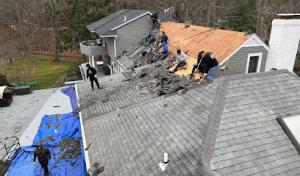
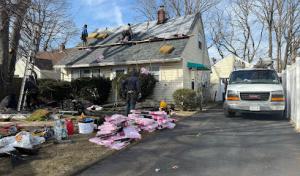
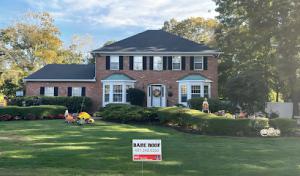
Universal Roofing & Chimney can provide you with the long-lasting roof that your home needs for proper protection from the wind, rain, or snow. Proper roofing is essential for each homeowner to establish a strong, healthy home. We are here to provide you with the high quality workmanship that your house deserves. We can help you with anything from a roof repair to a new roof installation and Chimney or Siding needs. We have been helping people for over 20+ years and have references available upon request.
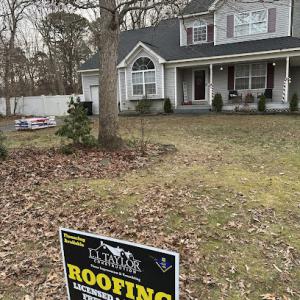
LIT Construction
(631) 404-9022 www.litaylorconstruction.com
70 Riviera Dr, Selden, New York
5.0 from 86 reviews
LIT Construction is your trusted expert for Commercial Roofing, Asphalt Shingle Roofing, Flat Roofing, Siding Services, and Windows & Door Installation. Owner-operated by David, who has 5+ years of experience, we take pride in delivering high-quality craftsmanship and reliable service. Whether you need a durable commercial roof, aesthetic and protective siding, or energy-efficient windows and doors, we ensure every project meets the highest standards. At LIT Construction, we focus on quality, affordability, and customer satisfaction, making us the go-to choice for homeowners and businesses alike. From new installations to repairs and upgrades, we handle it all with professionalism and attention to detail.
Creative Exteriors
(631) 696-3430 creativeexteriorsinc.com
Selden, New York
5.0 from 32 reviews
Let us help create your dream home. Give us a call anytime, and our team will be there to bring new life to your home with ease.

GY Construction INC Roofing & Siding
(631) 452-6584 gyconstructioninc.com
Serving
5.0 from 45 reviews
Gy Construction INC was founded on the principles of integrity, excellence, and customer satisfaction. With 12 years of experience in the construction industry, we have built a reputation for delivering exceptional results that speak for themselves. Our journey began in Central Islip, NY, where we recognized the need for reliable and high-quality construction services. Over the years, we have expanded our reach, serving a growing number of clients who trust us with their most important projects. Our team comprises seasoned professionals who bring a wealth of knowledge and expertise to every job, ensuring that we consistently exceed our clients' expectations.
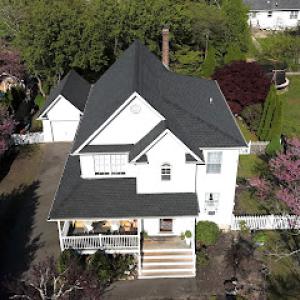
Roofing & Chimney Omega Quality
(934) 852-0025 www.omegaqualityinc.com
Serving
5.0 from 25 reviews
Dreaming of a home exterior that wows? Since 2018, Omega Quality Roofing & Chimney has been transforming Long Island homes and businesses with expert craftsmanship and meticulous attention to detail. More than just a roofing company, they are your partners in creating a beautiful and durable exterior, offering roofing, skylight, siding and gutter services. With over a decade of experience, Omega Quality delivers professional, high-quality results you can depend on. Whether it's a new roof installation, a much-needed repair, or simply a gutter cleaning, trust Omega Quality to elevate your property. Fully licensed and insured for your peace of mind.
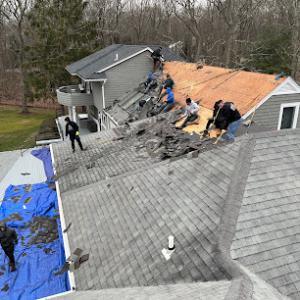
Eagle Roofing & Gutters
(631) 882-2121 www.eagleroofingandgutters.com
Serving
5.0 from 47 reviews
A long island based company that focuses on repairing roofs, replacement of roofs, and gutters.
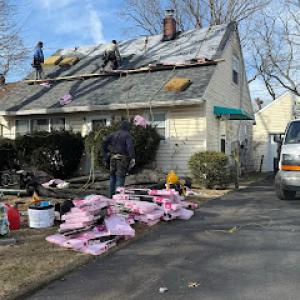
Skyline roofing & siding
Serving
5.0 from 103 reviews
We are in roofing and siding business for 15 years we offer roof replacement and repair, we offer siding replacement and repair ,we offer decking replacement and repair , focus on exterior jobs ,affordable price good quality
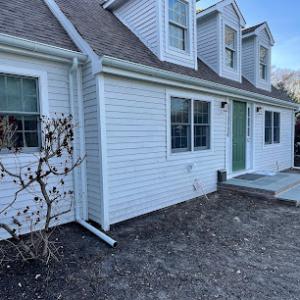
Suffolk County Gutters
(631) 805-8400 suffolkcountygutters.com
Serving
5.0 from 66 reviews
Suffolk County Gutters, Inc. is a Gutter Cleaning Service located in Holtsville, NY. We offer Gutter Installation, Residential Gutter Installation, Commercial Gutter Installation, Rain Gutters, Leaf Protection, Copper Seamless Gutters, and other Gutter Cleaning Services. Contact us today for more information and services or to schedule an appointment! Suffolk County Lic# HI-70336
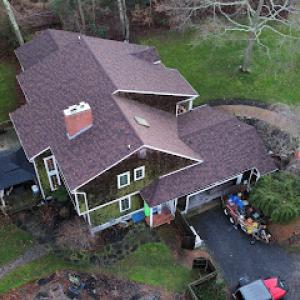
Precision Home Construction | Roofing, Siding, Chimney, Deck, Gutter
(631) 644-9411 www.precisionroofingny.com
Serving
4.9 from 95 reviews
Precision Home Construction is a trusted expert for all your home's exterior needs. Since 2000, they have provided lasting strength and beauty to properties across the region. Their skilled team offers comprehensive solutions, from durable roofing and siding installations to essential chimney and gutter services. With a focus on quality craftsmanship, they also specialize in custom deck construction and skylight installations, ensuring your home is both secure and stylish. Discover why homeowners have relied on Precision Home Construction for nearly a quarter-century to protect and enhance their most valuable asset.
Arlo Roofing
(631) 336-0438 www.arloroofing.com
Serving
5.0 from 139 reviews
Arlo Roofing "The Best you can Get" we are family-owned Roofing Company who has a priority give our customers highest quality of work with best practices and highest customer service. We specialize in Roofing, Siding, Gutters, Windows, Bathroom and Kitchens only. Our mission is to build relationships with our clients and communities for a long term. We know how hard and difficult is to find the right contractor who does quality work at an affordable prices that's why we are here to help our customers right away and solves their questions.If you need a roofing contractor in Suffolk county, Nassau county , East Hampton, South Hampton and NYC who will go above and beyond for you,Call us at 631-336-0438.
Exteriors Only
(516) 818-7158 www.exteriorsonlyinc.com
Serving
5.0 from 18 reviews
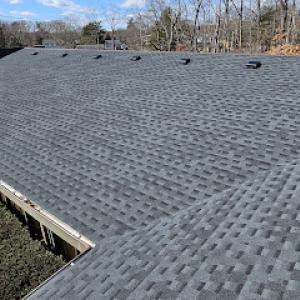
When it comes to protecting your home, choosing a trusted roofing company makes all the difference. Our expert team provides reliable roofing services in Farmingville, NY, with quality work you can count on. We focus on durable results and customer satisfaction for every project. Exteriors Only is known for honest service, skilled workmanship, and affordable solutions. From repairs to complete roof installations, we handle it all with care. Whether you need asphalt, shingle, or flat roofing, we have the right solution for your home. We also offer residential roofing services in Farmingville, NY, to keep your property safe. Call today to schedule your service and let our professionals deliver lasting protection and peace of mind.
Chief Cornerstone Roofing
(516) 273-6428 chiefcornerstonecontractorsinc.com
Serving
5.0 from 80 reviews
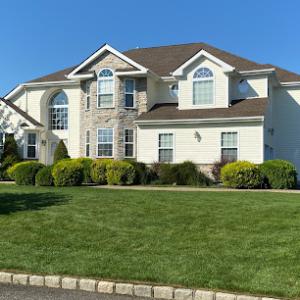
Chief Cornerstone has had the same goal and vision...to be the best roofing business on Long Island it can be while serving its customers and clients at the highest level. Our goal is to provide an incredible experience to our Long Island employees, customers and friends. From the buying process to the installation and completion, we guarantee quality and friendliness along the entire way. Thank you to the community, Nassau County and Suffolk County, and to our customers for helping us grow into a company we are today. From foundational work to home inspections and roofing, Chief Cornerstone has you covered..
In the Selden market, insurers commonly request the prior roof age, storm-date photos, and a contractor estimate when homeowners file weather-related roof claims. That means you should be prepared with a clear timeline of when wear began and when the storm events occurred. Adjusters on Long Island often inspect for both recent storm damage and pre-existing wear, which matters in Selden where freeze-thaw aging and summer deterioration can overlap with covered events. If your roof has seen a harsh winter followed by a windy spring, expect questions about how each cycle contributed to leaks or shingle loosening.
Your best defense is organization, not guesswork. Gather records of the roof's age, service history, and any previous repairs before a claim is filed. Take time-stamped photos from multiple angles after a storm, especially of areas around vents, chimneys, and transitions between roofing materials. Because adjusters often compare current damage to known pre-existing conditions, clear, dated images can help separate new hail or wind impacts from long-standing wear. In this climate, where the freeze-thaw cycle can create hairline failures in underlayment and decking, a meticulous photo log matters just as much as a good contractor note.
Material choice can affect underwriting scrutiny, with some carriers reviewing wind-resistance characteristics when Selden homeowners replace older roofs. A well-prepared contractor estimate should distinguish immediate emergency repair needs from longer-term remediation, including underlayment and ventilation considerations that are tightly reviewed by brokers or adjusters. When you receive an adjuster's assessment, compare it to the contractor's estimate and the storm-date photos to confirm that the scope aligns with observed conditions. If there's a discrepancy, request a reinspect or a written explanation-clear documentation reduces delays and avoids post-claim disputes when the weather-brutal seasons resume.
Ventilation is not just a performance issue in this area; it is specifically relevant because Brookhaven inspections commonly confirm ventilation details on full re-roofs. When you're planning to replace the roof, the way air moves through the attic affects moisture control, shingle life, and energy efficiency. In the long idle months and the spring wind cycles, good attic venting helps prevent condensation and ice damming that can start beneath the underlayment. You want a system that pairs soffit and ridge or dormer vents with a balanced airflow, not a cluster of tiny vents that look right but act wrong under load. During the re-roof, a thorough attic vent assessment should be documented so the town inspector sees the intended function rather than a guess.
Underlayment quality matters more here because Long Island's humid summers and winter freeze-thaw cycles can expose weaknesses faster than in drier regions. A robust, properly installed underlayment acts as the first line of defense against wind-driven rain and seasonal moisture swings. Look for a breathable yet water-tight membrane that can accommodate temperature shifts without wrinkling or gaps. The choice matters because a poor underlayment can mask leaks or allow slow moisture intrusion to spread through sheathing between inspection visits.
When a roof replacement uncovers deck or moisture issues, correcting them before inspection helps avoid repeat visits and schedule delays with the town. If you see cupping, soft spots, or staining on the deck, address it before the underlayment goes down. Similarly, verify that any moisture signatures detected in the attic or along interior walls are resolved with proper drying and ventilation improvements. Telling the inspector you've proactively corrected deck or moisture problems reduces back-and-forth and keeps the project on track.
Skylight work is a meaningful specialty in the Selden market, and leak tracing around roof penetrations is a common homeowner concern locally. After repeated winter expansion and contraction, and the spring wind-driven rain cycle, flashing around skylights and chimneys becomes more prone to leaks. The curb or flashing seals can loosen, and moisture can travel along fasteners, shingles, and underlayment, seeking any small gap to enter the attic.
When a leak shows up after a thaw or a windy spring shower, start inside: check the ceiling for water staining linked to a specific roof penetration. Outside, inspect skylight flanges, curb flashing, and the flashing step with the shingles. At the chimney, look for cracked mortar joints at the flashing base, gaps where the counter-flashing seats against the brick, and any displaced or corroded metal. Trace the path of water from the fastest route to the interior, noting active wind directions and recent roof disturbances.
If you see loose flashing or cracked sealant around a skylight, reseal with a product compatible with the existing roofing system and apply proper flashing tape or metal flashing to resecure the seal. For chimneys, replace degraded step flashing and ensure counter-flashing is properly embedded into the mortar joints. Pay attention to shingle edges near penetrations; re-nailing or reseating shingles may be needed to restore a tight seal and prevent water tracking along the underlayment.
If multiple penetrations show signs of movement or long, irregular water traces appear in the attic, a pro should assess the entire flashing assembly and potential underlayment damage. Complex flashing on tall chimneys or tight skylight valleys often requires specialized tools and technique to restore a reliable, long-term seal. The patterns of movement from freeze-thaw cycles and wind emphasize the value of a precise, methodical repair.
Find contractors experienced in skylight installation, flashing, and leak repairs to bring natural light into your home.

Universal Roofing & Chimney Of Li
(917) 744-7943 www.universalroofingny.com
883 Middle Country Rd, Selden, New York
4.9 from 372 reviews
GY Construction INC Roofing & Siding
(631) 452-6584 gyconstructioninc.com
Serving
5.0 from 45 reviews
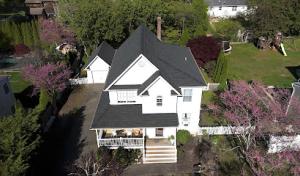
Flat-roof specialization is active in the Selden market even though pitched roofs dominate, which points to recurring low-slope sections over porches, additions, and similar roof areas. Those surfaces face drainage challenges, especially when winter snow and ice slow runoff. Humid summers compound aging, making membranes and seams more susceptible to micro-leaks that can travel before they show up inside the house.
Low-slope zones often sit at the rear or over additions, with built-up or single-pail membranes up top. In some homes, you may see torch-down or modified-bitumen styles, plus synthetic membranes under metal or shingle overhangs. These areas tend to lack the consistent roof-plane support of main slopes, so fasteners and edge detailing require careful attention. Patches may be temporary if the underlying deck boards or flashing have started to deform.
In Selden the winter cycle pushes moisture toward joints and seams. Ice dams can form where cold interior walls meet warmer attic zones, stressing edge flashing and parapets. Spring winds lift unsecured edges on rear additions more readily than central roof planes. A proactive stance on ventilation and underlayment integrity helps these areas shed water quickly, reducing intrusion paths during thaw cycles.
Repairs over additions or rear low-slope areas can differ in material compatibility and expected lifespan from main-slope shingles. Treat these repairs as targeted membrane work rather than full-shingle replacements when possible. Pay special attention to edge seals, drip edges, and transitional flashings where multiple roof types meet. Select repair methods that restore drainage flow and extend membrane life without forcing a bulky, visible repair.
Seasonal inspections should focus on seam integrity, flashings at transitions, and the condition of any ballast or ballast-like fastener systems. After heavy snowmelt or spring wind events, check for pooling water and minor-scale leaks around skylights or vents. Keep an eye on aging membranes and suspect areas over porches or additions, scheduling corrective action at the first sign of wear.
Find specialists in TPO, EPDM, and built-up flat roofing systems for residential and commercial properties.
LIT Construction
(631) 404-9022 www.litaylorconstruction.com
70 Riviera Dr, Selden, New York
5.0 from 86 reviews