
Last updated: Apr 19, 2026
Syosset sits in Nassau County's inland North Shore corridor, where cold snaps after wet winter precipitation can create freeze-thaw cycles that back water up at eaves. That pattern is not just a seasonal nuisance-it is a relentless trigger for ice dam formation if the roof and soffits aren't prepared for it. The quick shifts from freeze to thaw stress gutter lines, shingles, and flashing, creating small leaks that recur, then grow if left unchecked. The consequence in mature, tree-lined neighborhoods is a slow but steady creep of moisture into attic spaces and ceilings, especially around corners and along transitional details. The key is recognizing where those cycles first show up and acting before a single incident becomes a full roof failure.
In winter, wet precipitation followed by rapid drops in temperature sets up a daily tug-of-war at the roof edge. Water that melts from the upper roof refreezes at the eaves, forming ice dams that block drainage. When this happens, even pressure from a modest thaw can push water under shingles and past crippled flashing. Older homes in the area often carry aging sealant along metaled flashing at valleys, around chimneys, and at roof-to-wall intersections, which are particularly vulnerable to repeated freeze-thaw stress. The result is a pattern of small leaks that reappear after every new cold snap or warm spell, creating an ongoing cycle rather than a one-time repair. Pay attention to attic signs: damp insulation, brown stains on ceiling sheets, and musty air near peak bunting or soffit vents. Those aren't cosmetic issues; they signal water entering where it shouldn't.
To interrupt this cycle, prioritize a two-pronged approach: meticulous inspection of the eaves and targeted corrective work before the next cold front. Start with a careful inspection of flashing around chimneys and skylights. Look for cracked, wrinkled, or missing sealant and for loose or lifted flashing metal. Next, check the edge metal along the eaves for warping or gaps where ice dam water could back up. If ice dams were observed last winter, pre-emptive measures now can save a frantic February repair. In attic spaces, verify that insulation is thick and evenly distributed, not compressed near the eave line, so heat loss into the roof deck is reduced. A sealed, ventilated attic remains one of your best defenses against repetitive leaks born from thaw cycles; ensure soffit vents aren't blocked by insulation or debris.
Long Island spring and fall storms bring wind-driven rain that commonly exposes weak flashing at chimneys, skylights, and roof-to-wall transitions on older suburban homes. Those exposures aren't theoretical in these neighborhoods; they show up as damp spots that appear during windy rain events and then fade between storms. The underlying issue is aging sealants and corroded flashing, which may have stretched or shifted over time, leaving gaps for water to exploit. In Syosset, where mature trees shed debris and can contribute to clogged gutters, a combination of blown rain and gutter overflow accelerates deterioration at critical junctions.
The actionable path here is to conduct a wind-driven rain review each spring and fall. Inspect around every chimney chase and all roof penetrations for loose nails, lifted shingles, or separated flashing. Skylight frames are frequent weak points; check for dried-out mastic and micro-cracking around the base. If the roof is more than a couple of decades old, consider upgrading mismatch-prone flashing to continuous, corrosion-resistant profiles, and applying a high-quality sealant along exposed seams. After storms, a quick roof wipe-down to remove leaves and pine needles can prevent gutter overflow from sending water back toward the flashing, reducing the risk of incremental leaks.
The area's hot summers followed by cold winters accelerate shingle aging and sealant fatigue, making recurring leak repairs a common precursor to full replacement. When shingles lose granules, become brittle, or curl at the edges, they lose their watertight barrier even under normal rain. Sealant around flashing and at roof transitions dries out and loses elasticity, creating micro-gaps that wind-driven rain can exploit during storms. The problem compounds in homes with multiple roof planes and complex transitions, where a single failing flat seam can channel water to multiple interior spots.
Mitigate aging by tracking shingle condition year over year. Look for lifted tabs, curling edges, or bald patches on the uppermost surface. Replace failing shingles in matched batches to preserve uniform water shedding. Apply fresh sealant only to surfaces recommended by the shingle manufacturer, and use a compatible polymer sealant for any lasting grip at flashing joints. Finally, schedule a full roof inspection after peak storm seasons to catch early signs before a minor drip becomes a steady leak.
A full re-roof requires a building permit through the Town of Oyster Bay because the hamlet falls under that town jurisdiction in Nassau County. This isn't a mere formality; it sets the framework for how the project is reviewed and approved. In a neighborhood with aging flashing, tall trees, and winter weather swings, the permit process is your front line against sloppy workmanship that can lead to recurring leaks. The permit isn't granted on the basis of a quick sign-off from a crew; it relies on documented steps that protect the decking, underlayment, and overall roof system.
Town inspections look beyond the surface to verify decking and underlayment, flashing, ventilation, and proper installation. It's not a paperwork exercise to check a box and move on. If decking has hidden damage or underlayment isn't properly lapped and vented, the inspection will flag it, and the crew will need to address it before the permit moves toward final clearance. For homes in this area, where ice dam cycles and wind-driven rain can exploit small gaps, those details aren't optional. Expect reviewers to trace each critical connection-from the eaves to the ridges-so that vapor and moisture stay out of the attic and interior.
The permit must be posted on-site where it's visible throughout the project. This isn't a nuisance; it's part of the accountability that protects both you and the neighborhood. A final inspection is required before the permit can be closed out. A missed or delayed final inspection can stall your project, leaving crews with partial work and unexpected rework that complicates scheduling and can invite weather-related delays. Planning for the inspection window in advance helps keep the home protected during the vulnerable stage of re-roofing.
In this climate, leaking cycles from winter ice dams, wind-driven rain, and aging flashing are common trouble spots. The permit and its inspections are your leverage to ensure those vulnerabilities are addressed at installation, not after the fact. If a contractor treats the permit like a compliance checkbox rather than a quality standard, you'll see the consequences later-leaks, poor ventilation, and recurring repairs. Treat the Town of Oyster Bay process as a rigorous safeguard rather than an obstacle, and coordinate with your roofer to anticipate decking repairs, flashing replacements, and vent adjustments that align with the inspection criteria.
In Nassau County, insurers commonly ask for documentation of roof age and prior damage history when Syosset homeowners file claims. The claim review often looks for a clear history that helps establish whether a loss is weather-driven or related to pre-existing wear. To stay ahead, gather records from the past several years that show installation dates, any prior leaks, and notes from professional roof inspections. Photos taken after a storm should be time-stamped and organized by date and event. Keeping a simple file of receipts, inspection reports, and any correspondence with contractors can streamline the process when an adjuster requests documentation.
Adjusters in this market may request photo evidence and a roof estimate, so homeowners who document storm events and visible damage early are better positioned during claim review. Take wide-angle shots that show the roof in relation to the structure, plus close-ups of chipped shingles, lifted flashing, ice dams, and interior signs of water intrusion such as staining on ceilings or attic dampness. If attic ventilation or decking shows signs of damage, photograph those as well. Have a licensed roofing contractor provide a detailed, itemized estimate that distinguishes temporary mitigation from permanent repair. Photographs and estimates compiled promptly help reduce back-and-forth with the insurer and clarify what work is needed to restore the roof's integrity.
During high-volume storm periods on Long Island, insurer selectivity and claim backlogs can influence whether owners pursue repair versus replacement and how quickly work gets scheduled. It is common for multiple homes in the same neighborhood to trigger a surge in claims after a severe event. In Syosset, this means some responses may lean toward longer wait times for permanent work, especially if the damage appears extensive or if additional storm events are possible. Documented conditions that indicate ongoing water intrusion or compromised ventilation should be flagged early with the insurer, so the claim stays connected to the most urgent need and does not get deferred.
Communicate clearly with the insurer about the observed symptoms of damage from winter ice dams, wind-driven rain, and aging flashing. If the roof shows recurring leakage after storms, insist on a thorough assessment that includes flashing, underlayment, soffits, and ventilation as part of the scope. In Syosset homes with mature tree coverage, fallen branches and debris can complicate claims; record any debris-related damage and potential impact on roof edge protection. After approval, prioritize scheduling with a trusted local roofer who understands how to stage repairs to minimize future ice dam cycles and to address flashing wear before it progresses.
Connect with contractors who help homeowners navigate the claims process from damage assessment to final approval.

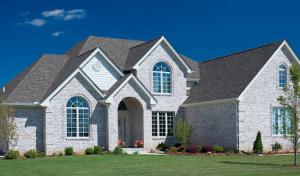
In Syosset you'll notice a wider material spread than in many nearby towns. Asphalt shingles run roughly from 350 to 750 USD per square, metal roofing from 700 to 1200, clay tile from 900 to 1700, slate from 1800 to 2800, synthetic slate from 900 to 1500, and EPDM around 4 to 7 USD per square foot. Those ranges reflect aging homes with mixed roof lines and the desire to balance upfront cost with long-term performance against North Shore weather swings. When you price a replacement, identify which system best matches your slope, exposure, and tree cover, then project maintenance needs against that set.
Syosset homes often blend steep main roofs with lower-slope rear sections. That combination can push a project toward more than one roofing system on the same job. For example, a steep main roof might use asphalt or metal for durability, while a lower-slope rear could justify EPDM or a synthetic slate, depending on thermal movement and drainage. Expect higher labor and detail costs when transitions, penetrations, and flashing tie-ins between systems are required. In practice, you'll pay for careful integration rather than a simple, single-material swap.
Seasonal weather, storm-season pressure, and timing with the Town of Oyster Bay oversight can add soft costs and labor premiums compared with off-peak work. Peak window pressure often translates to tighter scheduling, expedited material delivery, and increased inspections. Plan for a realistic timeline and potential delays, and build a small contingency into your budget to keep the project on track through late fall storms or early winter swings.
Given inland weather swings, prioritizing proper attic ventilation, deck drainage, and flashing replacement as needed is essential. Even when choosing a mid-range material, allocating extra budget to high-quality flashing, drip edges, and underlayment can reduce future leak cycles driven by ice dams or wind-driven rain. In Syosset, you'll maximize value by aligning material choice with roof geometry and installing robust, integrated leak-prevention details from day one.

Attyx
150 Eileen Way Suite 5, Syosset, New York
4.1 from 217 reviews
Transform your New York home with ATTYX, your all-in-one provider for roofing, HVAC, and solar solutions. As NYC's #1 roofing company, we excel in quality and service across all five boroughs, extending our expertise to Nassau County, Suffolk County, and Long Island. With top-tier warranties and expert craftsmanship, we offer peace of mind and energy efficiency. From leak-proof roofs to efficient HVAC systems and innovative solar panels, ATTYX has you covered. Qualify in minutes with tailored financing options. Enjoy hassle-free service, from free diagnostics to emergency repairs, all while we navigate NYC permits for you. Trust ATTYX for a fortified, sustainable home.
Safeway Roof Repair Long Island
(631) 646-5497 www.safewayroofrepair.com
Serving
5.0 from 16 reviews
Fast, Reliable & Quality Roof Repair and Roof Leak Detection Service Guaranteed. Family and locally owned and operated, Safeway Roofing has been installing and repairing roofs in Long Island, and the surrounding area for over 25 years. Our licensed, bonded, and insured professionals install and service a wide variety of roof types quickly and efficiently.
Brickstone Construction & Renovation
Serving
4.6 from 79 reviews
Brickstone Construction & Renovation is your trusted partner for high-quality construction services. Specializing in waterproofing, roof replacement, masonry, and concrete sidewalk texture, we deliver durable, fast solutions for both small and large projects. Our experienced team stays updated with the latest trends to offer top notch services in home building, renovation and roofing. Whether you need a general contractor, flooring or waterproofing, we tailor our services to fit your needs. From water damaged ceiling repairs to full home renovations, Brickstone has you covered. Contact us today for expert construction solutions near you!
Guardian Roofing
(516) 475-3228 www.guardianroofingny.com
Serving
5.0 from 18 reviews
The highest quality materials and workmanship should be used on your roofing project at an affordable price. We believe that our customers deserve exceptional value for their investment in a new roof. Providing exceptional service and installing only high-quality materials is what creates that value at Guardian Roofing NY. We work with some of the top manufacturers in the roofing industry to provide the region's best roofing systems. We install products that we would use on our own homes, so we use the best shingles, underlayment, and accessories available. Your home's appearance and protection are enhanced by a properly installed roofing system. Call us now at (516) 475-3228 for a Free Roof Inspection and a Free Quote!
Nust Construction Nyc
(917) 302-6149 nustconstruction.com
Serving
5.0 from 17 reviews
Services Areas: Bronx, Queens, Syosset, Brooklyn, Plainview, Nassau County. Roofing, waterproofing, new roof, Gutter, chimney
Empire Gen Roofing & Chimney
Serving
5.0 from 7 reviews
Local and trusted Roofing & Chimney company serving Long Island with the best expertise and professionalism. We offer totally free no obligation estimates to help you choose the right materials for the right price. Call us today to schedule your appointment.
County Roofing Systems
(631) 400-7663 countyroofingsystems.com
Serving
4.9 from 95 reviews
Established in 1987, County Roofing Systems is a licensed contractor offering comprehensive roofing solutions for residential and commercial properties across Suffolk and Nassau Counties, . services include Roof replacement, siding, and window installation, Dormers and extensions exterior work.

Imagine Remodeling
(516) 398-6595 imagineremodelinginc.com
Serving
5.0 from 130 reviews
Imagine Remodeling has provided Long Islanders with exceptional customer service and high quality craftsmanship for over 18 years. Our main focused trades are roof replacement, siding replacement and repair, Jame Hardie siding installation and repair, bathroom renovation and kitchen renovation. We are a GAF Master Elite roofing installer, James Hardie Preferred siding installer and a Certainteed 5 Star certified siding installer. We service all of Nassau county, NY USA and Suffolk county, NY USA Customer satisfaction is our number one priority here is Imagine Remodeling, give us a call today and see why Don't forget to ask us about our special 0% interest free financing for 72 month program on All purchases!
JJM Roofing & Waterproofing
(516) 508-3781 jjmconstructioncorp.com
Serving
4.9 from 93 reviews
Wether you're looking for a residential or commercial roofing project, JJM Construction is your top quality resource. Contact us today and get a free quote on your next roof, siding or waterproofing job.
David General Contractors
(917) 295-5598 davidgeneralcontractors.com
Serving
4.9 from 115 reviews
With over 20 years of experience, David General Contractors INC is your trusted partner for high-quality residential and exterior remodeling work across Long Island and New York City. We specialize in roofing, siding, blacktop and concrete driveways, extensions, dormers, and full interior renovations. Our skilled team is known for fast response, reliable service, and superior craftsmanship on every job. Whether you’re planning a small upgrade or a major renovation, we bring professionalism, transparency, and results you can count on. Contact us today for a free estimate , We do not accept advertising or marketing calls. All solicitation will be ignored.

Nisi Home Improvement Inc. Roofing & Siding
Serving
5.0 from 223 reviews
"NISI Home Improvement is a trusted, family-owned business proudly serving Nassau and Suffolk counties. As a Google Guaranteed company, certified by Directorii, and fully licensed in both counties, we provide top-quality roofing, siding, windows, skylights, and more. Our experienced team is committed to delivering exceptional craftsmanship, backed by trusted warranties and a focus on customer satisfaction. Whether you're repairing, replacing, or upgrading, NISI Home Improvement is your go-to partner for transforming your home with confidence."
All Weather Pro
(917) 633-6121 allweatherprony.com
Serving
5.0 from 20 reviews
All Weather Pro, Inc is a Remodeling contractor / roofer serving the NY Metro and Long Island area focused on bringing you quality services that dont break the bank. Our services include Roofing for Residential and Commercial Properties, Replacement Vinyl Windows, Roof Installation, Commercial/ Flat Roof Waterproofing, Flat Roof Repairs, Vinyl Windows Installation, Roof Inspection, Storm Damage, Shingle Roofs, Rubber Roofs, Roof Coating and of course Free Roofing Price Estimates. Our Expert team offers a variety of cost-effective Home Improvement services for homeowners. Financing also available upon request. Contact us today or Book a Free Estimate appointment at your convenience"
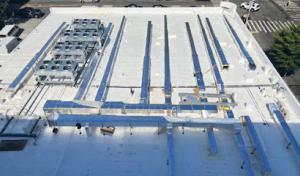
Flat additions, garages, and porch roofs often use EPDM for reliability on long Island winters, even when the main roof is shingle, tile, or slate. These areas are the first to feel Long Island freeze-thaw cycles, with standing water that drains slowly and can find its way into seams or flashing. The result is a higher risk of interior leaks if the flat portion isn't treated as its own system.
In homes with a pitched main roof and a flat rear or addition, the connection between the two systems is a frequent leak hotspot. Aging or inadequately flashed transitions, misaligned drip edges, and inadequate slope or drainage on the flat section can push water toward interior walls or ceilings. Wind-driven rain can also target corner seams and perimeter flashings where the flat roof meets the main roof. Regular exposure to salt air and seasonal debris can accelerate deck substrate deterioration if drainage is blocked.
You should verify that the flat area has sufficient slope and positive drainage to keep standing water from lingering. If drainage is sluggish, consider tapered insulation or a slight re-profile to improve water run-off. Inspect and refresh edge flashing and terminate flashing over any joints with compatible sealant or EPDM seam tape designed for long-term weather resistance. On older flat sections, examine seams, fasteners, and membrane laps for signs of aging, splitting, or gaps, and address promptly before a freeze-thaw cycle intensifies leaks. For porch or rear additions, ensure that wall-to-roof junctions use integrated flashing that extends beyond wall cladding to shed water away from the structure. When replacing a flat area, treat the flat portion as a separate roofing system from the main roof, selecting materials and detailing that align with how the space is used and how water will travel under winter conditions. Regular, targeted inspections after winter storms help catch minor issues before they become interior leaks.
Find specialists in TPO, EPDM, and built-up flat roofing systems for residential and commercial properties.
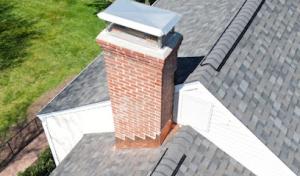
In Syosset, wind-driven rain during Long Island storm seasons often reveals weaknesses in flashing long before the field shingles show wear. Masonry chimneys and curb-mounted skylights sit at the edges of the roof where moisture can seep in if flashing is compromised or poorly integrated with the surrounding deck and counterflashing. The combination of old mortar, tree debris, and seasonal temperature swings makes these penetrations a constant risk, not a luxury upgrade. When flashing fails, the water doesn't just wick around a seam; it follows the path of least resistance and travels along framing, causing hidden rot and mold that quietly undermines the roof structure.
Rely on more than look-a-lie leaks after a storm. You'll notice water staining around chimney bases, efflorescence on brick, or rusted boots where pipes and vents meet the roof line. Skylight thresholds and curb mounts are prone to flashing lift if the surrounding shingles shift or if sealants dry out. Wind-driven rain can push moisture under misaligned counterflashing, even when shingles appear intact. If you spot peeling interior paint near ceilings adjacent to a chimney or skylight, that's a signal to inspect the flashing detail as a top priority, not a relief project to defer.
In this climate, do not treat chimney and skylight details as optional line items. A reroof should include precise integration of step and counterflashing, with sealants renewed and drip edges optimized for wind exposure. Masonry joints should be checked and repointed as needed to prevent moisture tracking under metal- or lead-flashing. Skylight curbs deserve careful flashing with proper head and jamb flashing, plus a continuous seal at the curb seam. The goal is a continuous moisture barrier that survives decades of Nor'easter cycles.
Contractor signals in this market show strong demand for skylight and chimney-related roof work, underscoring the need for specialists who can execute seamless flashing details. Ask for a written plan that demonstrates how waterproofing around masonry and curb-mounted penetrations will be achieved, including warranty coverage for flashing components and a detailed inspection checklist after completion. In Syosset, where the Town scrutinizes leak prevention, clarity on flashing specifics helps prevent costly call-backs and keeps the roof performing through the next series of storms.
Find contractors experienced in skylight installation, flashing, and leak repairs to bring natural light into your home.

Nisi Home Improvement Inc. Roofing & Siding
Serving
5.0 from 223 reviews
Planning a roof replacement in this area benefits from a clear timeline that matches local weather swings. Start with a winter-oriented plan, then build in buffers for shoulder seasons. The right window minimizes exposure to cold drafts and keeps crews productive without prolonged downtime. A thoughtful schedule helps alignment with delivery of materials and on-site staging.
Winter freezes and snow increase ice dam risk and can delay tear-offs or expose homes to weather if schedules slip. If planning a replacement during the heart of winter, expect occasional pauses for heavy snow events or freezing rain. Consider pre-cutting and staging materials so crews can set up quickly when a dry day arrives, and reserve contingency days to cover mid-winter weather swings.
Spring and fall are active storm periods on Long Island, so homeowners planning non-emergency replacement often face weather interruptions even outside winter. Those seasons tend to bring abrupt wind-driven rain events and temperature swings that impact adhesive sets and shingle handling. Build in flexibility for hold days and ensure the crew can protect exposed roof lines during gaps in steady weather.
Summer heat can affect both shingle handling and crew productivity, making timing and staging more important on larger or premium-roof projects. Plan earlier starts to avoid the peak heat hours, and consider water access and shade for crews working long days. Larger jobs may require phased work to keep materials from overheating or shifting in slow-throughput conditions.
Coordinate with a reliable, local crew that understands how winds and storms shift across the North Shore. Aim for midweek arrivals after a dry forecast, and set up protective barriers and tarp coverage for forecasted rain or heat waves. For longer projects, break the job into logical stages to keep ventilation paths clear and to manage interior comfort while the roof is open. If a dry, mild week appears, secure a reliable block of days to push the tear-off and re-cover without unnecessary pauses.