Last updated: Apr 19, 2026
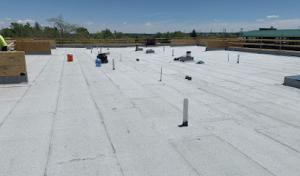
Woodhaven sits within a Queens housing stock where many homes combine a front sloped roof with a low-slope or nearly flat rear section, making drainage transitions a common trouble spot. That unusual run of roof angles means water moves from a steeper plane into a flatter plane where gravity isn't as aggressive. When the rear low-slope section sits under winter load, you can see water crawl beneath flashing and seep into the underlayment before anyone notices. The problem is not just a single leak; it's a pattern where one misaligned transition becomes a cascade of drips that travels along the seam and finds its way into the attic or ceiling cavities. If you've got a return from a storm with a damp ceiling in a rear room or a faint musty odor near the back of the house, you're likely staring at a drainage transition issue.
In this part of New York City, winter freeze-thaw cycles and snow sitting on low-slope sections can accelerate membrane, flashing, and underlayment failures before homeowners decide to replace. Freeze-thaw acts like a slow knife, prying at seams, penetrations, and edge metal. In Woodhaven, rear low-slope areas are the usual suspects: temperatures swing from freezing to above freezing, moisture lingers on the deck, and sun exposure is uneven across the roof. The result is hairline cracks around vents, skylines, and edge flashings that widen over a season, letting in water during thaws and mid-winter sleet events. If you see frost on a metal edge after a thaw, or a damp ceiling that tightens its look after a warm sunny day, that's your cue to act now and not wait for the next storm.
The local contractor market strongly reflects this need, with flat-roof and emergency-repair specialties appearing far more often than niche premium roof types. Flashings around parapets, roof-to-wall intersections, and edging where the front pitched roof meets the rear low-slope are the most watertight weak points. Inconsistent sealant beads, lifted metal flashings from wind, and inadequate termination at step-flashing can allow steady seepage that shows up well after a heavy rain or a quick freezing night. The pattern is predictable: after a few years, once flashing fails, you'll notice damp spots, staining, and a repeated need for patch repairs rather than a solid fix.
Watch for hidden drip lines in the attic, water staining along the sheathing, and frost on the underside of decking after a cold night. In Woodhaven, those indicators often trace back to a rear low-slope region that's been neglected during spring or fall maintenance. If you're climbing into the attic and you feel a temperature differential, hear a hiss of moisture, or find condensation that doesn't disappear with humidity changes, you're likely looking at a leaking seam or a failing underlayment. Don't discount a musty odor that lingers after a rainstorm-this is almost always a sign that moisture is staying put in a vulnerable transition area.
On your next dry day, inspect the rear low-slope section from ground level if safe or from an accessible ladder site with proper precautions. Look for lifted or cracked flashing, corroded edge metal, and any pooled water that remains after a light rain. Inspect interior ceilings or walls near the back rooms for staining that grows darker after storms. If you spot any of these warnings, time your next visit with a professional assessment rather than waiting for the next rainfall. A focused look at the transition from the main slope to the low-slope rear can save you from escalating damage and cost down the line. In Woodhaven, proactive checks after winter rests are essential, because the combination of dense housing and shared walls amplifies the impact of a slow leak into neighboring structures.

Metro roofing
(347) 748-2500 themetroroofingcompany.com
Serving
4.8 from 52 reviews
Our company strives for quality and reasonable pricing . We pride our selves on our reputation and continue to work up to it
Five Star Roofing
(718) 795-6640 fivestarroofingny.net
Serving
4.8 from 443 reviews
Five Star Roofing is a fully licensed and insured commercial and residential roofing company located in Queens, NY. Since 2008, we have provided top-quality roofing services to Queens, Brooklyn, and Long Island homeowners. Our team of experienced and certified roofing professionals specializes in flat, shingle, tile, and metal roofs, as well as urgent repairs. Whether you need roof repairs, replacements, or installations, we have you covered! With a strong emphasis on excellent customer service and premium craftsmanship, we have built a reputation as one of the most trusted roofing companies in the area.
J C Master Inc Roofing & siding
(347) 400-2611 jcmasterinc.net
Serving
4.0 from 92 reviews
JC Master is a licensed, insured roofing & siding contractor serving New York City—Brooklyn, Queens & Long Island—since 1997. We specialize in roof repairs & full replacements (shingle, flat/TPO/EPDM), gutters, leak detection, storm-damage assessments and insurance-claim support. Most of our work comes from referrals because we show up fast, document the damage, and handle the paperwork with your carrier. Free same-day inspections, clear pricing, and crews you can trust for family homes and multi-family buildings. Call for a visit today.
Daniel's Roofing:Best roofing contractor Queens/Brooklyn Ny
(917) 204-2906 danielsroofingnyc.com
Serving
5.0 from 78 reviews
Fourth-generation roofing contractor that does the job right! Serving New York and surrounding areas since 1987. I have developed a fantastic reputation in customer service and fast but neat quality work at a price that won’t break the bank. When you call for a free estimate or just to ask some questions, you get to talk right to me, the owner. I’ll repair your home like it’s MINE!
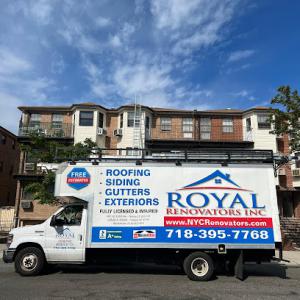
Royal Renovators
(718) 414-6067 www.nycrenovators.com
Serving
4.8 from 262 reviews
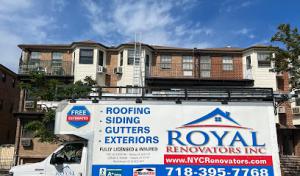
Royal Renovators is a trusted roofing contractor in Queens, serving homeowners and businesses throughout Queens, Brooklyn, Manhattan, the Bronx, and Long Island. We specialize in flat roof repairs and roof replacements for both residential and commercial properties. Since 1988, our licensed and insured team is BBB A+ Accredited and GAF Master Elite certified, working with flat and shingle roofing systems built to last. We also provide professional siding, masonry, and gutter services. From Brooklyn’s historic brownstones to Queens residential properties, clients choose us for honest, reliable roofing that withstands New York’s toughest weather. We offer emergency services for urgent leaks and storm damage. Call for Free Estimate today.
SRT roofing services
(917) 459-8918 www.srtroofingny.com
Serving
4.7 from 92 reviews
srt roofing is a full service roofing company specializing in the installation and repairs of flat roof and shingle roof systems
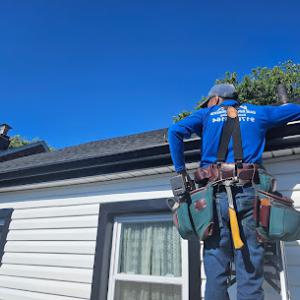
Guaman Roofing Services
(917) 891-4164 guamanroofing.com
Serving
4.9 from 65 reviews
Guaman Roofing Services has provided quality services to residential and commercial owners in New York City. We know that you deserve the best quality service, that’s why our team executes precise and safe projects, always guaranteeing a professional service.
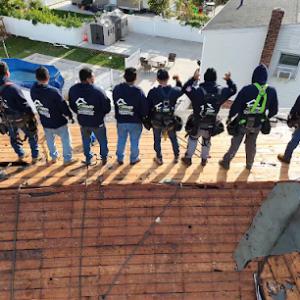
Power Roofing & Stucco Queens
(516) 995-8006 powerroofingnyc.com
Serving
5.0 from 30 reviews
Discover Power Roofing & Stucco Queens, the ultimate destination for your roofing and stucco needs. Based at 111-32 147th St, Jamaica, NY, our team of expert craftsmen are committed to delivering exceptional craftsmanship and customized solutions. With a focus on both roofing and stucco services, we empower homeowners and businesses alike to achieve their desired aesthetic and structural integrity. Trust Power Roofing & Stucco Queens for unparalleled quality and service, promising a safe and stunning exterior for your property.
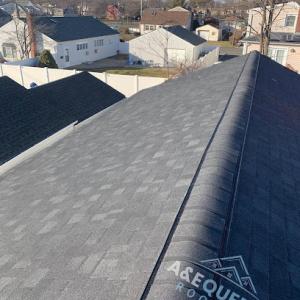
A&E Queens Roofers
(646) 681-3979 aequeensroofing.com
Serving
4.9 from 119 reviews
If you're in Queens and looking for a solid solution to your roofing problem, we are the roofers to call. We specialize in new roof installations and can help you now . Lets get full control of that roofing issue - call us now - we are the top roofers of Queens! We also handle siding, window installation and skylight installation as well!
Thomas James Roofing & Waterproofing
(718) 416-5255 www.thomasjamesroofing.com
Serving
4.9 from 52 reviews
Since 1999, Thomas James Roofing and Waterproofing has been a trusted name in roofing, siding, and waterproofing. With a dedicated team of experienced professionals, they are committed to delivering high-quality, long-lasting results. Specializing in making each project as seamless and stress-free as possible, Thomas James Roofing and Waterproofing offers expert service with a focus on durability and customer satisfaction. Their skilled craftsmanship ensures that every home is treated with the care and attention it deserves, providing peace of mind and protection for years to come.
Paragon Chimney & Roofing of Queens
(347) 544-9554 paragonchimneyandroofing.com
Serving
5.0 from 482 reviews
Paragon Chimney & Roofing is dedicated to providing top-quality chimney and roofing services. Our team ensures safety, reliability, and customer satisfaction. Serving New York, we pride ourselves on expert craftsmanship and prompt service. Trust Paragon for all your chimney and roofing needs.
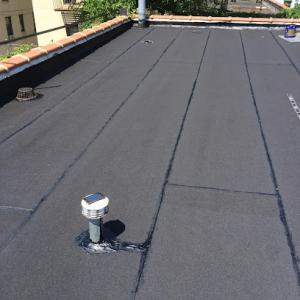
William & Hugh Roofing
(347) 699-2260 www.queensnyroofingcontractor.com
Serving
4.9 from 53 reviews
If you're looking for a roofer in Queens, NY, the professionals from William & Hugh Roofing is just a phone call away. We're a locally owned and operated business that will work hard to complete your next job according to your timeline and budget.
Your roof in this neighborhood faces frequent nor'easter wind events and spring rain systems that can lift shingles, open flashing seams, and complicate active roofing work across Queens. In practical terms, that means you may see wind-driven shingle lift or flashing gaps develop quickly after a heavy gust, particularly on low-slope rear sections that are more exposed to wind eddies and driving rain. When a storm hits, the first sign is often a small peel at the eave line or along a vent pipe collar. If those signs aren't addressed promptly, moisture can track inward and find its way into attic spaces, ceiling junctions, or wall sheathing. The window for a safe, effective repair can close fast after a storm, so plan for prompt evaluation the moment conditions ease.
Heavy snowfall in the city raises roof-load and leak risk on aging roofs, especially when ice and meltwater back up at eaves and low-slope transitions. In Woodhaven's mixed-pitch roof landscape, those low-slope areas and rear roof sections are common trouble spots once the meltwater refreezes or refreezes at the drip edge. Ice dams can create hidden water paths that bypass obvious gutter drainage, allowing leak-prone seams and flashing to seep slowly into the attic. If a snow event sits on the roof for several days, the combination of weight and temperature cycling can stress aging sealants and anti-lift nail patterns, leaving you with delayed leaks that suddenly appear as temperatures swing. The key is proactive attention after a storm cycle: clear snow from critical zones where feasible, and arrange a quick post-storm inspection to identify potential entry points before water delivers its next surprise.
Regional storm activity affects how quickly homeowners can get inspections, temporary tarping, and insurance claim movement after widespread events. When a large-scale weather event moves through, demand for qualified roofers spikes and availability tightens. In practice, that can mean days to weeks before a certified inspector can visit, with additional scheduling bottlenecks if the attic or interior is already showing signs of moisture intrusion. Plan ahead by establishing a rapid response plan with a trusted local contractor who understands how these storms typically impact Woodhaven homes, including the common rear and low-slope configurations. If moisture is detected, don't postpone a professional assessment hoping it will "dry out." Early assessment can prevent further damage, reduce the chance of mold growth, and avert more invasive repairs later on.
Woodhaven homes often feature a combination of roof pitches and mixed flashing details to deal with wall transitions and vent penetrations. In stormy conditions, those seams and flashing become the most vulnerable leaks entry points. A common pattern is water finding the easiest route through a seam where shingles overlie a metal flashing or where flashing continuity is interrupted by a step in the roof geometry. After a wind event or spring rain, double-check every flashing seam along chimneys, vent stacks, and dormers. If replacement or resealing is required, address it promptly to avoid cascading damage that can travel along the roof plane and into the attic.
A cautious approach means prioritizing timely inspection after a storm, especially during nor'easter season and after heavy spring rains. When scheduling work, anticipate potential delays caused by weather windows, worker availability, and the need for temporary tarps to protect interiors while a full repair is arranged. If a roof is actively leaking, a temporary tarping solution can buy critical time, but it should be installed by someone who understands how to seal around vents and edge details without creating new problem areas. In this climate, maintaining a steady and measured cadence between storm events and repairs is essential to preventing minor issues from becoming major headaches.
Find local contractors experienced in assessing and restoring roofs after hail, wind, and severe weather events.
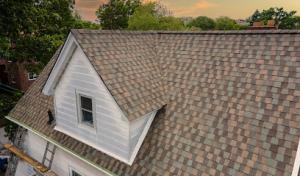
Asphalt shingles are a dominant fit for pitched roof sections in this area, where many rowhouses and mixed low-rise homes rely on straightforward slope to shed New York humidity and rain. In the hot, humid summers and winter freeze-thaw cycles, granule loss is common, and flashing wear can show up along eaves and transitions after several seasons. For a homeowner, the practical approach is to inspect shingles after heavy summer storms and again after major freezes, looking for curling, missing granules, and any hairline cracks near roof penetrations. Keep a close eye on vent flashings and chimney gaps, especially where older mortar joints meet the roof line. Regular re-sealing around penetrations helps prevent leaks that sneak in during cross-season storms.
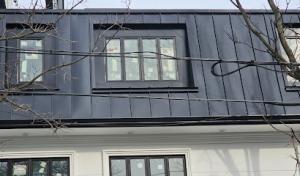
Metal roofing is present in the market and can be a good fit for homeowners who want longer service life or lighter weight than tile, particularly on secondary sections or updates to older structures. In Queens, metal tends to perform well against wind-driven rain and can shed snow more predictably than some other materials. The practical path is to reserve metal for sections with loads that can tolerate its heavier fasteners and to ensure that the underlying deck and fascia are sound, since water can linger at seams if flashing isn't properly integrated. For low-slope rear sections, gauge the risk of ice damming and ensure a through-fastened system with well-sealed joints to minimize movement and noise during storms.
Clay and concrete tiles exist in the local mix, but their suitability depends heavily on the structure and pitch of older Queens homes rather than style alone. Clay and concrete excel when the roof structure is designed to carry the weight and when slopes are favorable, yet in tight rowhouse footprints, their weight and installation complexity can be limiting. Wood shingles or shakes bring a distinctive look but demand solid ventilation and robust flashing, as humidity can accelerate cupping and rot. Synthetic shingles offer a middle path, balancing impact resistance with easier installation and better compatibility with mixed-pitch roofs. The practical test is to match the roof's pitch and load-bearing capacity to the chosen material, then verify that transitions meet the same standards that keep York's storms out.
For Woodhaven's mix of low-slope and pitched sections, a proactive plan combines regular inspections with targeted repairs. After each winter and major storm season, check for loose or damaged flashing, algae or moss growth near gutters, and signs of moisture intrusion around penetrations. Keep an eye on overhangs and soffits, since improper drainage can contribute to pooled water on low-slope areas. When a repair is needed, prioritize matching the existing roof's pitch and the underlying structure to avoid mismatches that can trap water. A systematic approach to inspection, timely flashing fixes, and controlled maintenance can extend the life of the roof across seasons.
In Woodhaven, pricing for roof replacement moves with the rhythms of Queens' tight lot lines, dense streets, and the way crews juggle front steep slopes with rear low-slope sections. Labor conditions here impact both the schedule and the bottom line: crews may need to shuttle materials more often, bring in specialized equipment for limited access, and coordinate multiple elevation points on a single property. This means two things for homeowners: you should expect a careful balance between front-slope workmanship and rear-slope detailing, and allowance for access-related delays when coordinating timelines across the block.
Asphalt shingles sit at the lower end of Woodhaven replacement budgets, typically between 400 and 800 USD per square. If a home has a mixed-pitch roof or additional flashing detail work around dormers and skylights, you'll see this edge rise, but the overall spread remains predictable for standard single-story and lightweight upper structures. Metal roofing, with its longer life and higher wind resistance, runs roughly from 700 to 1,400 USD per square, reflecting the need for precise flashing and seam work on multiple roof planes. Clay and concrete tile push higher still, often landing between 900 and 1,800 USD per square, driven by weight considerations, structural reinforcement needs, and the meticulous installation that tile requires on varied slopes. Wood shingles or shakes sit around 700 to 1,200 USD per square, where crews must navigate lapped layers and moisture sealing on older boards. Synthetic or composite shingles offer a middle ground, typically 600 to 1,000 USD per square, with extra attention paid to color consistency across a mixed-pitch roof line.
Demand spikes after storms and during the narrow spring and fall replacement windows can squeeze both availability and negotiation room. Projects that include both a steep front slope and a low-slope rear section tend to require two installation approaches, and more flashing detail work, which can shift labor time and materials slightly higher on the final bill. On a typical Woodhaven project, expect variations tied to weather-driven delays, access constraints on crowded properties, and the challenge of coordinating crews across multiple roof planes without compromising the integrity of the finished surface. Planning ahead for a modest contingency helps keep the project on track and preserves the long-term performance you're aiming for.
Get a clear picture of your project costs upfront - no commitment required.
Daniel's Roofing:Best roofing contractor Queens/Brooklyn Ny
(917) 204-2906 danielsroofingnyc.com
Serving
5.0 from 78 reviews
In Woodhaven, a full reroof typically requires a building permit, and the filing is usually handled by the roofing contractor with the New York City Department of Buildings (DOB). This means you won't be waiting for a town clerk or village office to issue approvals. Your chosen contractor should submit the plans, scope, and necessary details, including the intended roofing system, underlayment, flashing, and any venting changes. Acting early to confirm the permit path with your contractor helps prevent delays once work starts. Keep in mind you'll need to ensure the project aligns with NYC code requirements for low-slope and mixed-pitch roofs common in this neighborhood.
DOB inspections are built into the process. During construction, the inspector will verify that the work follows the approved plan, meets fire safety standards, and uses appropriate materials for the climate and structure. In Woodhaven, where houses often blend low-slope rear sections with more traditional pitches, the inspector will pay close attention to proper flashing, valley detailing, and drainage to prevent leaks. After the roof is installed, a final DOB inspection confirms compliance before the permit is closed. Scheduling and being ready for these inspections helps keep the project on track and reduces the chance of rework.
Woodhaven sits within Queens, so the permitting and signoff process follows NYC-wide DOB procedures rather than any separate village or town building office. That consistency helps since the same general steps apply whether you're on a rowhouse with a shallow rear roof or a mixed-pitch setup. Your contractor should coordinate all paperwork, including any required DOB-approved details for mechanical changes, ventilation, and energy-related components. If any renovations intersect with existing exterior walls or parapets, expect additional review for compliance with privacy, light, and drainage rules.
Start by confirming your address is in an eligible DOB jurisdiction and ask your contractor for the DOB project number once submitted. Maintain a visible record of the permit and inspection dates, and keep copies of any plan amendments approved by the DOB. If work pauses, plan for a quick re-inspection when resuming. Finally, communicate any timing constraints with your contractor-seasonal weather in Woodhaven can affect scheduling, but the permit timeline remains governed by NYC DOB procedures.
In New York, insurers commonly want thorough roof-condition records, permit documentation, and post-installation photos, which makes paperwork especially important for Woodhaven reroof projects. The area's brick-and-block rowhouses and mixed low-rise homes often show subtle signs of wear that can appear drastic in photos. Keeping a clear trail of damage, repairs, and the exact state of the roof before work begins helps prevent claim disputes after a storm or a heavy winter thaw. Gather dated photos of the exterior, attic hatches, and any interior evidence of leaks-these images travel with the file and reduce back-and-forth with adjusters.
Claim timing can slow after major regional storm activity affecting New York City, so Woodhaven homeowners benefit from documenting interior leaks, exterior damage, and temporary protection immediately. Do not wait for the first rainstorm to reveal a leak; take action by photographing attic condensation, ceiling stains, and any sagging areas as soon as they're noticed. When a contractor installs temporary tarps or boards, photograph those protections with time stamps. The aim is to show a continuous narrative: pre-storm condition, event-related damage, and the protective measures you put in place while awaiting full repair.
Some carriers may adjust coverage terms or endorsements after large events, making permit compliance and dated photo records more important when replacing a roof in Queens. Preserve every step of the process: pre-install surveys, material delivery receipts, and post-install photos showing the new system in place, including valleys, hips, and edge details. If a claim request arrives after a major storm, be prepared to present a cohesive package that links interior moisture concerns to exterior damage, and demonstrate that temporary protections remained intact until the final inspection. Being methodical now helps prevent denial or delay later.
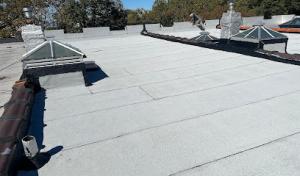
In this neighborhood, masonry chimneys on older Queens homes are a routine part of the market, and flashing around those chimneys often takes a beating from freeze-thaw cycles and humid summers. Skylights are popular for light in tight rowhouse footprints, and service activity around curb flashing, seal failures, and leak tracing around penetrations is common. On mixed-pitch roofs, leaks tend to show where skylights, chimneys, and valleys meet low-slope sections rather than from the field of the roofing material itself. Pay close attention to transitions where these features intersect any low-slope area.
Start with the most vulnerable junctions: skylight perimeters, chimney bases, and valleyTerminations that tie into a low-slope run. Look for lifted flashing, gaps where mortar meets flashing, and worn sealant joints. In Woodhaven's corrosive humidity, metal flashing can corrode, and sealant can harden after winter cycles. If water tracks along the curb or down a skylight glass edge, trace it up to the lowest protective seal, not just the visible drip line. Temporary patches can reveal whether the source is a failed seal or a larger flashing problem.
When planning replacement, prioritize flashing upgrades at skylights and chimneys first, especially where they intersect with low-slope sections. Consider continuous metal flashing that wraps over the chimney chase and secures beyond the transition point into the valley area. For skylights, opt for integrated flashing kits designed to resist thermal movement and ponding runoff. If the roof has multiple penetrations near each other, a coordinated flashing overhaul reduces future leaks more reliably than piecemeal fixes.
Seasonal checks should focus on the skylight seals, chimney cap condition, and any visible mortar or brick deterioration at the chimney base. Clean debris from valleys and ensure downspouts are directing water away from the flashing lines. Apply fresh sealant sparingly to joints that show minor drying cracks, then reseal after heavy rain to confirm progress. Keep a simple log of wear patterns so you can anticipate a targeted fix before a leak becomes active.
Find contractors experienced in skylight installation, flashing, and leak repairs to bring natural light into your home.
Daniel's Roofing:Best roofing contractor Queens/Brooklyn Ny
(917) 204-2906 danielsroofingnyc.com
Serving
5.0 from 78 reviews