
Last updated: Apr 19, 2026
Glenside's hot-summer, cold-winter pattern creates repeated freeze-thaw stress that can open shingle seals, widen flashing gaps, and worsen small leaks over winter. On pitched roofs with older shingles or slate, that cycle is not kind: tiny cracks grow, granules shed, and water finds new pathways into the attic. Start by a cautious attic check after heavy frosts or thaws. Look for damp or stained wood, obvious daylight near flashing, and any condensation that climbs the rafters after a cold night. If you see it, treat it as a red flag rather than a routine nuisance. In the immediate term, inspect exterior edges and valleys in early spring when the weather turns damp and warm; these are common failure points as ice dams retreat and meltwater pools behind compromised seals. For shingles with visible curling, cracking, or granule loss, plan a targeted evaluation by a roofing professional, especially on steeper pitches where you can't safely scout from the ladder.
Spring and summer hail and high-wind events are a meaningful local trigger for roof inspections and insurance claims in the Glenside area. Wind can peel back edges of shingles and lift loose flashing, while hail can micro-ding surfaces that seem fine from the ground. After a severe storm, your first move should be a careful exterior visual sweep from the ground and a note of any new dents, divots, or shining metal where flashing sits. If you notice dark streaks, damp patches on ceilings, or a fresh musty smell inside the attic, don't wait for a drip to worsen. Even if the roof looked intact before a storm, layered wear from years of weather can conceal deeper issues beneath surface damage. A professional inspection after storms is not a luxury; it's a practical shield against escalating leaks and more costly repairs later. Keep an eye on corners and vent penetrations, where wind-driven debris can force entry and push moisture into vulnerable seams.
Many homes in and around Glenside have older roof systems where storm damage is layered on top of age-related wear rather than appearing as a single isolated problem. That means a small, barely perceptible leak may be the visible tip of a long-standing cascade of compromised seals, worn underlayment, and corroded flashing. Treat every new stain or damp patch with suspicion, even if it seems minor. When an inspection reveals multiple zones with aging materials, don't piece-wise repair just the affected area; map the overall system's health. A competent roofer will assess shingles, underlayment, flashing, valleys, and penetrations together, recognizing how each part supports the others. If multiple spots require attention, plan for a broader restoration approach rather than piecemeal fixes-this reduces the probability of new leaks sneaking in as seasons swing again.
Begin with a practical, season-aware maintenance routine. After winter, remove debris from gutters and downspouts to prevent backing water behind the flashing. Check perimeters and eaves for accelerated wear or loosened edge trim. In spring, schedule a professional roof inspection promptly after major wind or hail events, especially if shingles show curling, granule loss, or uneven color. When a roofer arrives, ask for a transparent diagnostic that identifies how freeze-thaw cycles have affected seals, flashing, and underlayment, and request a plan that addresses both current leaks and known age-related vulnerabilities. Finally, document each storm-driven issue with photos and notes to support any insurance discussion and to guide timely, targeted repairs.
The local material mix is unusually broad for a small community, with asphalt shingles alongside slate, clay tile, concrete tile, synthetic/composite shingles, and copper roofing. In Glenside's older neighborhoods, that variety is a reflection of long-standing upgrades and repairs rather than a single "right" look. When you're addressing a roof problem, identify what you actually have on your ridge line and eaves: a long-lived slate detail, a copper flashing run that's seen better days, or a modern asphalt layer hiding under a historic-looking exterior. Matching the existing material where possible keeps the roof's profile and curb appeal aligned with the surrounding homes.
Older Glenside-area homes can have original or long-standing slate and copper details that require repair-compatible work rather than simple tear-off assumptions. Slate contributes a distinct, elegant texture, but it can be brittle after decades of freeze-thaw cycles. Copper, when present, often serves as flashing or edging and may have developed verdigris or pinhole leaks. If those components or the slate underlayment show wear, plan repairs that reuse the same material or an exact-compatible substitute rather than a wholesale replacement. Patch-and-match strategies keep the roof authentic without stressing adjacent historic elements. In areas with slate, replacing full sections is often unnecessary if the remaining deck and battening are sound.
Synthetic/composite products are locally relevant because they can mimic slate appearance on homes where owners want a historic look without full slate weight or cost. These materials offer a practical compromise when the underlying structure isn't built to bear additional slate weight, or when a homeowner seeks a longer service life with lower maintenance. If you opt for a synthetic option, ensure the color and profile closely resemble the original slate-especially on elevations visible from the street. A well-chosen synthetic layer can preserve the historic rhythm of your roofline while reducing the risk of weight-related support issues during freeze-thaw cycles.
Steep shingle and slate roofs common in Glenside respond to freeze-thaw and seasonal storm swings with flashing wear that can lead to leaks around chimneys, vents, and dormers. In older homes, flashing systems may be integrated into the roof deck with lead or copper pieces that have aged unevenly. When inspecting, pay attention to irregular gaps, corroded metal, and worn sealants. The goal is a continuous water barrier that accommodates expansion and contraction through cold winters without relying on a single, brittle seal. Replacements should prioritize continuity with surrounding flashings and careful integration with any copper details already present.
If you're dealing with a mixed-material roof, approach repairs in a way that respects the entire system, not just individual shingles or tiles. Start with a thorough inspection of the deck, underlayment, and flashing at transitions between materials. Decide on repair routes that keep the original material language, whether that means replacing like-for-like slate pieces, re-flashing copper runs, or updating the underlayment beneath an asphalt or synthetic layer to handle future freeze-thaw stress. In Glenside, coordination between material types often yields the most durable result and preserves the character that defines older homes.
In this neighborhood, a building permit is typically required for a full roof replacement because the community falls under Abington Township administration. The rule is not optional sense during a storm season; it's the standard path to ensure the framing, ventilation, and flashing are up to code for long-term performance against freeze-thaw cycles. If the project is a partial replacement or involves significant structural work, permit review becomes even more likely. The moment a contractor sketches out the scope of work, verify that permit needs are clearly addressed rather than assuming a simple, no-inspection replacement.
The local building department generally requires inspections during the work and again after completion rather than treating roof replacement as a no-inspection job. Expect at least one inspection mid-project to verify sheathing conditions, fastener schedules, and underlayment compatibility with the existing structure. A final inspection is typically scheduled after the new roofing is installed to confirm proper flashing, ventilation, and insulation details, especially around skylights, chimneys, and dormers that are common on older pitched roofs in this area. Plan the schedule around this inspection cadence to avoid rework or delays.
Permit processing commonly runs about 1 to 2 weeks depending on department workload, which affects scheduling during busy storm and peak-season periods. During spring and late summer, when storms and temperature swings are frequent, the department's backlog can extend timelines. To minimize disruption, have the contractor submit the application promptly and confirm the anticipated inspection dates before the crew arrives. If weather windows compress, coordinate with the inspector to secure an earlier slot or a provisional inspection pass, if applicable, to keep the project moving.
Start by identifying the property's parcel and confirming the project type with the contractor. Contact the Abington Township Building Department to verify required forms, plan submittals, and any additional local amendments tied to historic or age-qualified properties. Once permits are issued, keep a visible copy of the permit and inspection schedule on-site. Notify all subcontractors of the inspection windows so work aligns with the department's expectations. If a storm event disrupts progress, communicate promptly with the inspector and the department to adjust the plan without compromising compliance. For older, steeper roofs or slate and tile configurations, emphasize safe access, fall protection, and proper flashing details in the permit package to prevent delays tied to fix-it items flagged during inspections.
In Glenside, local pricing spans from asphalt shingles at 400 to 750 USD per square up to copper roofing at 2000 to 5000 USD per square, reflecting the unusually wide material mix seen in the area. This spread matters because choosing a heavier, longer-lasting option can influence not only upfront cash flow but long-term maintenance relative to the age and condition of surrounding structures. Asphalt shingles sit on the practical end, while copper and slate push the budget higher, each bringing distinct performance and curb-appeal implications for aging, pitched roofs common in older Montgomery County housing stock.
Older homes in this neighborhood often carry decking that may need repairs before a full replacement, especially when frozen ground cycles and seasonal storms have stressed the framing. If decking needs work, expect costs to climb beyond the base square-rate estimates for the chosen material. Custom flashing transitions around chimneys, valleys, and transitions to existing copper details can add friction and incremental labor, potentially shifting several hundred dollars per square depending on complexity. When slate or tile remains on the roof edge, careful tear-off logistics increase labor hours and reduce material waste, further nudging overall costs upward.
Slate and clay or concrete tile bring durability in freeze-thaw cycles, but they also demand careful installation, especially on steeper pitches and with older rafters. Slate often invokes higher tear-off and disposal costs, and intricate flashing around copper features must be matched to maintain moisture protection. Synthetic or composite shingles offer a middle ground: lower weight and faster installation than slate, with decent long-term performance, which can be a savvy compromise for a house with mixed-era details. Copper roofing delivers longevity and a premium look but commands the highest price and requires experienced craftsmen for seamless transitions.
Expect scheduling pressure to vary with storm-driven demand and the lead times tied to local crews. While the material choice sets the base, the need for careful teardown, waste handling, and precise flashing can extend project timelines in Glenside. Having a clear scope that includes decking assessment, flashing details, and transition work helps prevent surprises when crews begin teardown. A thoughtful plan reduces the risk of weather-related delays and keeps the project moving through the busy seasons.
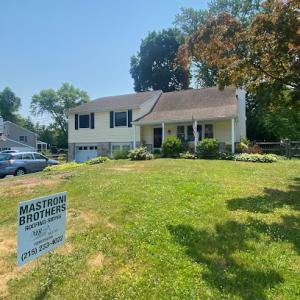
Mastroni Brothers
(215) 233-4022 mastronibrothers.com
912 E Pleasant Ave, Glenside, Pennsylvania
4.6 from 34 reviews
Mastroni Brothers, started in 1920, is a century-old, roofing and siding company, and is your trusted partner for high-quality roofing and siding services. Our team of experts specializes in swift, one-day installations, ensuring your home's safety and beauty. We cater to quality-conscious homeowners in Eastern Montgomery County, PA, who value quality and honesty. Our commitment to customer satisfaction, clear communication, and meticulous clean-up post-installation sets us apart. Choose us for a hassle-free, top-notch roofing and siding experience!
Towers Roofing
(717) 419-4258 towersroofing.com
Serving
4.9 from 169 reviews
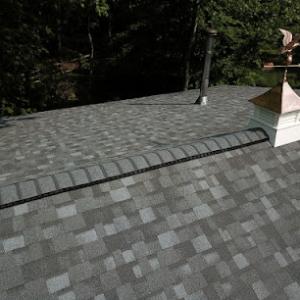
Towers Roofing is a family-owned business with more than 23 years of experience in Phoenixville, PA. We specialize in roof replacements, roof repairs, and gutters. The owner of Towers Roofing (Enrico) is present at every job from start to finish because he believes in quality over quantity. We only take on a certain number of jobs so that he is able to oversee each and every project to completion. Enrico will be the person to go and meet you at your home to evaluate and measure your project, then he will send your estimate within a couple days with all the links to colors, extended warranties from the manufacturer and his workmanship warranty, along with a full description of the items that will be replaced. We are licensed and insured!
Al’s Group Roofing
Serving
4.8 from 61 reviews
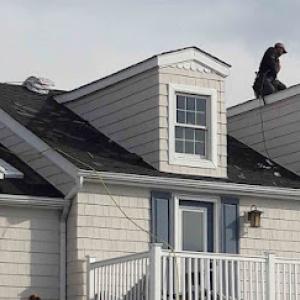
At Al's Roofing, we take pride in being Philadelphia and New Jersey's premier roofing specialists. Serving our valued clients since 2006, we've dedicated ourselves to providing top-notch roofing services to both residential and commercial clients. Licensed, bonded, and insured, we prioritize your peace of mind. Our team is not just skilled but also passionate about delivering the best results. Whether you're in need of a simple roof repair, a complete replacement, or a protective coating to extend your roof's life, we've got you covered. Residents of Pennsylvania, New Jersey, Delaware, and Philadelphia have trusted us for years, and we've always risen to the occasion. Choose Al's Roofing, where quality meets reliability.
Russell Roofing - Roofing in Philadelphia
(888) 567-7663 www.russellroofing.com
Serving
4.4 from 179 reviews
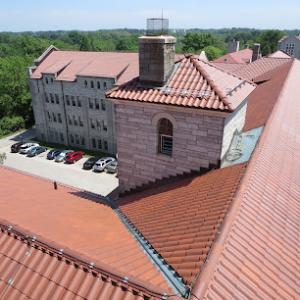
Russell Roofing & Exteriors was founded in 1992 by owner and president, Russell "Kip" Kaller. Russell Roofing is well known for being a commercial and home exterior contractor that services all aspects of your exterior needs from roofing, windows and doors to siding, gutters, skylights and masonry. Russell Roofing is fully licensed and insured, which makes us the contractor of choice. We are a certified installer for some of the top manufacturers: CertainTeed, GAF, Velux, DaVinci, and many more. Our goal is to ensure our customers have a positive construction project. We offer the best quality warranties, workers, and communication. Give us a call today for a free consultation!

McBrien Contracting
(267) 787-1218 mcbriencontracting.com
Serving
4.8 from 53 reviews
McBrien Contracting provides roofing, gutter, and siding services in Glenside, PA and surrounding areas.
All Pro Home Improvement & Roofing
Serving
5.0 from 32 reviews
Discover the expert roofing solution you need with All Pro Home Improvement And Roofing, a trusted name in Willow Grove, PA. We specialize in an array of services, including comprehensive roof replacement, damage repair, and thorough inspections. As leading roof replacement contractors, we are skilled shingle roofers and adept at handling metal roof installations and replacements. Our roofing business prides itself on delivering quality and reliability. Whether you're facing storm or wind damage or simply seeking to enhance your property, our dedicated team of roofing contractors provides exceptional service. Choose one of the top roofing companies in the area for all your roofing needs—choose All Pro Home Improvement And Roofing.
Preferred Home Improvement
Serving
4.8 from 93 reviews
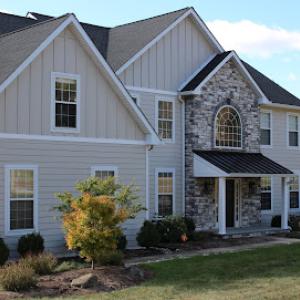
Preferred Home Improvement has been the trusted, family-owned exterior home remodeling choice for homeowners in Bucks, Montgomery, Chester, and Delaware counties for over 35 years. We specialize in roofing, siding, stucco remediation, windows, and doors, offering a full range of styles. Our commitment to quality, integrity, and customer satisfaction, coupled with skilled craftsmanship and a personalized approach, ensures we transform homes and exceed expectations.
Sheppard Exteriors
(215) 557-4444 www.sheppardexteriors.com
Serving
4.8 from 43 reviews
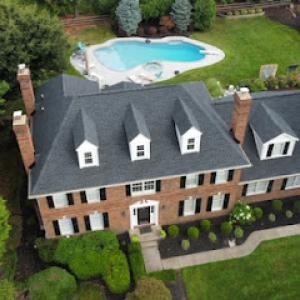
Sheppard Exteriors specializes in home exterior upgrade services. We offer a full range of exterior home repair services to give new life to your home. Whether your are in need of repairs or complete upgrades, Sheppard Exteriors will make the process as easy as possible. Offering Roofing, Siding, Window and Door, Gutter, Porch, and Fencing Services. Contact us today for a Free Estimate!
Liberty Roofing
(215) 342-1301 www.libertyroofingpa.com
Serving
4.8 from 162 reviews
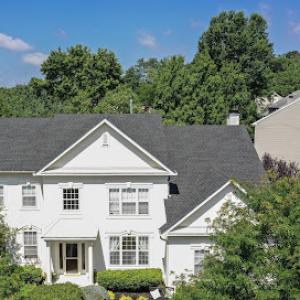
Liberty Roofing has been serving Philadelphia, its surrounding suburbs, as well as New Jersey and Delaware for over 26 years. We provide excellent customer service from your initial contact all the way through the duration of the project. Liberty Roofing’s Project Managers are dedicated to giving our customers and potential customers as much time and information that they need to understand the roofing process. Our workmanship is second to none as our team of experienced roofers treat your home as if it was their own. We are fully licensed, insured and bondable. We can provide references upon request, but why ask, just and read our 5 star reviews. Check us out on Facebook too! Give us a call at 215-342-1301
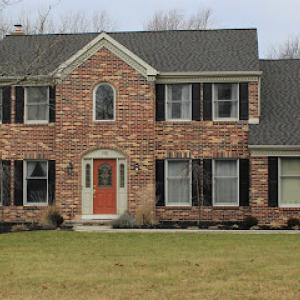
J & S Family Roofing
Serving
5.0 from 225 reviews
At our full-service roofing company, we genuinely care about our customers and are committed to enhancing your home. With our expertise in new shingle roofing, re-roofing, vinyl siding, James Hardie siding, and all types of flat roofing and repairs, we prioritize your needs in every project. Contact us today to begin your home transformation!
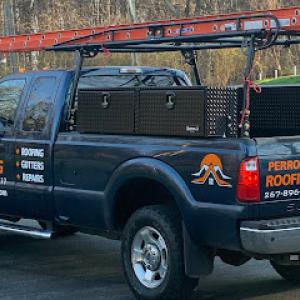
Perrone Roofing
(267) 896-0711 perrone-roofing.com
Serving
4.9 from 64 reviews
“At Perrone Roofing, Our expert team is dedicated to providing reliable services for Roof Replacement, Gutter installs, Roofing Repairs on Residential and Commercial properties that enhance durability and aesthetics! As an owner-operated business, we guarantee integrity, quality, and professionalism are upheld on every job, from the initial estimate to the moment our trucks leave your property! Contact us today for a FREE Roof inspection and discover why we are the preferred Roofing contractor in Philadelphia, Lafayette Hill, Plymouth Meeting, Conshohocken, Glenside, Blue Bell, Flourtown, Fort Washington, Villanova, and beyond. Let us help you safeguard your home with a roof that combines style, durability, and last
In this part of Montgomery County, weather events and the aging of older pitched roofs can collide in ways that complicate insurance decisions. Pennsylvania claims often hinge on weather-event evidence and condition documentation, so you need date-stamped photos before any temporary repairs and before an adjuster arrives. If a storm rattled shingles or slate, the insurer will look for clear, time-stamped proof of pre-event condition and post-event damage. Without that documentation, what seems like straightforward storm damage can get tangled in wear-and-tear questions.
Because hail and wind events drive many Glenside claims, the adjuster's findings can strongly influence how damage is categorized. A credible, consistent photo trail-showing the entire roof line, valleys, flashing, attic conditions, and any interior leaks-reduces ambiguity. Do not rely on memory. Photograph the same vantage points from the same distances after each notable event, and keep a dated photo log aligned with the storm calendar. If temporary tarping or shingle replacements are needed, photograph those efforts with visible timestamps before the adjuster visits.
Older roofs are common in the area, making insurers more attentive to age-related deterioration. Maintenance records and prior-condition photos become powerful when questions arise about whether a seam, flashing, or shingle edge failed due to aging or a recent event. Maintain a running file of roof maintenance: when a re-caulked flashing was done, when a gutter or valley was resealed, and any previous leaks. This history helps clarify whether a leak is a new storm-related creation or a long-standing vulnerability that predates the most recent weather event.
If a claim is filed after a storm, arrange for the adjuster to see your best documentation first. Provide the dated photos, a list of prior repairs, and notes on any temporary fixes you've installed. Be prepared to discuss the roof's age, existing issues, and the condition of flashing, valleys, and fasteners. Honest, thorough documentation can steer the determination toward coverage for a genuine storm loss, while clarifying wear-and-tear considerations.
Connect with contractors who help homeowners navigate the claims process from damage assessment to final approval.
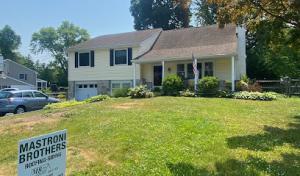
Mastroni Brothers
(215) 233-4022 mastronibrothers.com
912 E Pleasant Ave, Glenside, Pennsylvania
4.6 from 34 reviews
In this market, leak tracing around roof penetrations is a real homeowner concern. Skylights, especially on older pitched roofs, can develop condensation and water intrusion as sealants age and flashing corrodes. Freeze-thaw cycles push against skylight flashings, widening gaps at the base and corners. Start with a careful exterior inspection after a storm: look for white mineral buildup or dark staining along the skylight curb, and check where the skylight frame meets the roof deck for lifted shingles or lifted metal flashing. Inside, note any staining or mold in the ceiling around the skylight and corresponding walls. If moisture tracks along the axis of the skylight, plan for targeted resealing or flashing replacement rather than a full roof tear-off. When scheduling repairs, prioritize a contractor with a track record of precise leak tracing around penetrations and a willingness to reseal the perimeter with event-rated materials suited to southeastern Pennsylvania winter swings.
Chimney-related roofing work is common in this market, which fits the older housing stock across the area. The chimney step flashing and the joint where masonry meets the roof deck are frequent trouble spots. Freeze-thaw conditions can separate step flashing from the brick and the roof, allowing wind-driven rain to penetrate even when the rest of the roof seems sound. Inspect for cracked mortar, shoulder flashing that has moved, or deteriorated sealant around the chimney cricket. If you notice damp spots on ceilings beneath the chimney area after storms, assume flashing or masonry joint failure and arrange a diagnostic visit focused on the chimney crown, flashing, and counterflashing. A professional can confirm whether a targeted flashing repair or a more comprehensive crown or brick repointing is needed.
Begin with a two-prong assessment: exterior roof line check and interior moisture mapping to identify whether the entry path follows the skylight curb, the chimney base, or a broader flashing seam. Document the seasons when leaks occur most often-winter freeze-thaw and spring storms tend to reveal vulnerabilities clearly. Choose a contractor experienced in penetrating penetrations on older roofs, with a clear plan for resealing skylight perimeters and re-flashing chimneys without unnecessary deck disruption. After repairs, install a simple water test around the repaired areas and monitor during the next thaw to confirm perennial sealing.
Find contractors experienced in skylight installation, flashing, and leak repairs to bring natural light into your home.
Russell Roofing - Roofing in Philadelphia
(888) 567-7663 www.russellroofing.com
Serving
4.4 from 179 reviews

Autumn leaf fall is a stated seasonal roofing risk in Glenside because clogged gutters hold water against roof edges and valleys. When leaves accumulate, water has no clear path to shed, which increases seepage pressure at joints and slow drips through the decking. This is especially true on the town's older pitched roofs, where the roofline often funnels water toward valleys and edge areas rather than dispersing it evenly.
Moisture retention from leaf buildup is especially problematic on older roof systems where edge metal and underlayment may already be aging. As leaves trap moisture, edge details and flashing see more repeated exposure to freeze-thaw cycles, accelerating wear. In spots where gutters overhang the eave, you can notice more edge corrosion, shingle lift, or granular loss after wet autumns. On slate or low-slope transitions, the risk compounds, since valley drainage routes are partially obstructed by debris.
Scheduling gutter and valley cleaning before winter matters locally because trapped water can feed ice-related deterioration during freeze-thaw periods. Start with clearing leaves from the gutter line and shallow valleys, then inspect downspouts for proper flow. Pay attention to any metal flashing at the eave line and in the valley pans; a quick pass with a blower or gentle rinse can reveal hidden clogs. If the roof is particularly steep or slate-heavy, consider safe professional assistance to avoid damage to fragile edge details. A brief, targeted cleanup in late fall goes a long way toward preserving the roof's vulnerable edges through winter.
Although pitched residential roofs dominate the local material mix, the contractor market shows enough flat-roof demand in Glenside to justify separate guidance for porches, additions, and low-slope sections. This means understanding how these surfaces behave differently from main roofs, while still tying into the surrounding neighborhood's aging envelope and storm exposure. Flat and low-slope areas are common on covered porches, sunrooms, and recent additions, so a practical plan for maintenance and improvement should start there.
Roof coating appears as an active local specialty, suggesting some Glenside owners are choosing restoration on qualifying low-slope surfaces instead of full replacement. For these surfaces, a multi-step approach often works best: confirm substrate condition, select a coating compatible with the deck material, and plan for periodic re-coatings aligned with the region's freeze-thaw cycles. Coatings can help extend life on older low-slope sections, but require honest appraisal of drainage, existing flashing, and substrate integrity to avoid premature failures.
Low-slope sections in Glenside still face the same winter freeze-thaw and storm exposure as main roofs, so drainage performance is a local decision point. Pay attention to how water moves across the surface after a storm, where gullies or low spots form, and how runoff is directed to gutters or scuppers. On additions or porches, ensure transitions from steep main roofs to flatter areas are deliberately planned to prevent water backup. Inconsistent drainage patterns can accelerate leaks in the neck of a low-slope system.
Low-slope areas require diligent flashing at penetrations, edge details, and where the flat surface meets steeper roofs. In Glenside's climate, freeze-thaw can pry at seams and joints, so double-check sealants, membrane laps, and termination bars. For the best long-term performance, prioritize continuous, corrosion-resistant flashing at all joints and ensure that any patchwork on older substrates doesn't create new failure points. Detailed inspection after major storms helps catch issues before they worsen.
Find specialists in TPO, EPDM, and built-up flat roofing systems for residential and commercial properties.
Russell Roofing - Roofing in Philadelphia
(888) 567-7663 www.russellroofing.com
Serving
4.4 from 179 reviews
The Glenside market moves fast toward re-roofing with crews that promise quick response and cleanup-included service. Homeowners often weigh a full replacement against targeted repairs, especially when flashing and aging shingles are the issue after freeze-thaw cycles and seasonal storms. This isn't a one-size-fits-all scene; the best choice depends on diagnosing whether the problem is a failed seam, deteriorated underlayment, or a broader roof-age question. Expect contractors to present options that reflect the town's drive for speed and tidiness, but be wary of approaches that overlook long-term durability.
Long-established, family-owned firms keep a visible presence in this market, and that matters on older homes with steep pitches and slate or shingle configurations. A reputable local outfit will understand how varying roof angles, attic ventilation, and seasonal moisture interact on Montgomery County homes. The right contractor should tailor the plan to the house, not push a cookie-cutter solution. When a company has decades of local projects, you gain more predictable scheduling, better-weather planning, and a track record you can investigate with neighbors.
Manufacturer-certified, licensed, insured, and drone-inspection offerings exist locally but are not universal. Glenside homeowners should verify these credentials rather than assume them. Ask for proof of manufacturer programs the crew participates in and request recent drone or aerial assessments for the roof's condition. A company confident in its process will provide clear, written diagnostics, show matching roof angles, flashing configurations, and evidence of prior successful repairs in the area.
Given aging, steep pitches, and the region's freeze-thaw stress, the most durable choice often hinges on accurate diagnosis. A contractor should explain whether a targeted repair, underlayment replacement, or full replacement best preserves the home's integrity and aesthetics. Favor firms that outline a plan with measurable milestones, including cleanup and debris handling, rather than vague promises of a quick fix.
Inquire about work history on homes similar to yours, including slate, clay, or concrete tile configurations common in older stock. Request detailed warranty terms, material compatibility notes, and evidence of post-project inspections. Red flags include pressure to replace without a clear diagnostic rationale, vague timelines, or inconsistent licensing and insurance information. A careful, region-aware contractor earns trust by balancing swift response with thoughtful, diagnostics-first guidance.