
Last updated: Apr 19, 2026
Cold winters with temperatures swinging above and below freezing are not rare here, and those cycles ramp up shingle wear, flashing movement, and leak development faster than you'd expect. Each freeze-thaw cycle pushes water into tiny gaps, then freezes it again, subjecting roof edges and flashing to repeated stress. In practice, that means minor leaks or hidden water intrusion can creep in long before a dramatic storm reveals the problem. The problem isn't just a seasonal nuisance-it can undermine roof sheathing, fascia, and interior ceilings if left unchecked. You'll see the most pronounced effects on roofs that aren't fully protected from wind and driven rain, and on surfaces where heat loss is uneven, which is common in Greenwich's eclectic housing stock.
Winter snow loads in Greenwich increase the risk of ice dam formation at eaves, especially on larger homes with complex rooflines and multiple valleys. The more you have roof sections that meet at different angles, the more heat can escape from the attic and melt snow unevenly. That meltwater runs toward the eaves, refreezes at the cold edge, and forms an ice dam that backs up water behind it. Over time, this backward pressure can lift shingles, push flashing out of alignment, and force water under underlayment and into soffits, walls, and ceiling planes. For homes with long eaves, prominent dormers, or stone-and-wood architecture that creates shaded swaths, the dam risk compounds with wind-driven snow and blocked drainage paths.
Greenwich hosts a diverse mix of materials-from asphalt shingles to slate, cedar shakes, clay and concrete tiles, and metal roofs. Asphalt shingles can survive but may deteriorate faster under repeated freeze-thaw cycles if attic insulation is lacking or ventilation is poor. Slate and clay or concrete tiles hold a traditional beauty and durability, yet their reliance on precise flashing and solid underlayment means any movement from ice dams can open seams and permit leaks. Cedar shakes look generous against the sky, but their porous nature and potential for cupping and splitting heighten vulnerability to ice backing up under shingles. Metal roofs can shed water quickly, but if valley flashing, sidewall flashing, or seam details aren't solid, ice dam pressure can push water into joints. In short, different materials require tailored detailing and attention to attic air sealing and roof ventilation to minimize freeze-thaw damage.
Start with a focused inspection of eaves, valleys, and flashing after heavy snows or thaw cycles. Look for lifted shingles, loose metal flashings, and missing granules along the eave line. Ensure attic insulation is robust and paired with adequate soffit and ridge ventilation so heat loss is minimized, reducing meltwater at the edges. If you're planning remodeling or reroofing, insist on a continuous ice and water shield along the eaves and up the slope high enough to cover potential leak paths around dormers and valleys. Pay special attention to flashing transitions where different roof planes meet, and to any areas where water could back up against a vertical wall or through vent pipes and chimneys. For homes with complex layouts, consider a more comprehensive ice-dam mitigation plan that includes targeted sealing of architectural features and enhanced drainage strategies-stones, valleys, and parapets are favorite ice dam hotspots here. If you notice recurring signs of moisture at ceilings or interior walls under an area with multiple roof lines, treat it as an urgent indicator that edge detailing and insulation may need revision to stop further freeze-thaw damage.
When you can't wait, these contractors offer fast response times to stop leaks and prevent further damage.
North East Home Improvement
(203) 321-6695 nehomeimprovement.com
14 Hartford Ave, Greenwich, Connecticut
5.0 from 23 reviews
Expert Roofing of Westchester
(914) 446-3072 expertroofingwestchester.com
Serving
4.9 from 328 reviews
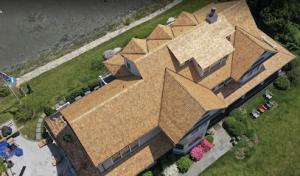
Greenwich features an unusually broad local material mix that includes asphalt shingles, metal, clay tile, concrete tile, wood shingles or shakes, and slate, reflecting both standard suburban homes and high-value estate properties. The right choice hinges on how each material balances appearance, structural load, and long-term performance under coastal exposure, winter freezes, and rapid thaw cycles. You are not confined to a single look or type; the neighborhood already demonstrates a spectrum from refined slate and tile to classic cedar and asphalt, so your decision can align with the house's character and the property's maintenance expectations.
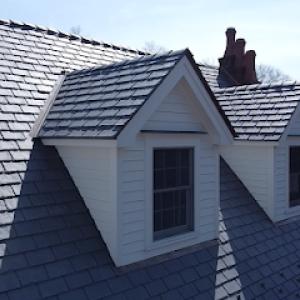
Slate and tile are especially relevant in Greenwich because the town has many architecturally distinctive homes where replacement decisions are tied to appearance, structural loading, and repair specialization rather than price alone. If the original roof or the architectural style calls for a high-end surface, slate offers enduring beauty and exceptional resistance to weather when properly installed. Clay and concrete tiles can deliver a similar presence with varying weights and fastening requirements. However, both demands on the roof structure are more demanding than asphalt, and replacement teams should have specific experience with the material. Consider the roof's framing, attic ventilation, and the ability to support the weight without compromising eaves, overhangs, or long-term flashing details.
Wood shingles and cedar shakes remain a meaningful local category, so maintenance, weathering, and replacement matching are more important here than in many Connecticut markets dominated almost entirely by asphalt. Wood surfaces age with a distinctive texture and color shift, and they can be more forgiving in certain architectural contexts. In Greenwich's environment, exposure to moisture and freeze-thaw cycles can impact fasteners and sealants. If selecting wood, prioritize species and coatings designed for exterior weathering, and plan for regular inspections of edges, drip zones, and transitions where shingles meet chimneys or skylights. Replacement alignment with neighboring roofs helps preserve curb appeal while avoiding abrupt mismatches in color or profile.
Metal roofing offers durability and excellent snow shedding, which matters when ice dam risks rise near steep pitches or complex intersections. In estates with distinctive silhouettes, standing-seam metal can mimic traditional forms while delivering a modern weather seal. The challenge is ensuring proper underlayment, flashing integration around dormers, chimney parapets, and skylight curbs, so every seam remains watertight through freeze-thaw cycles. A qualified installer with local experience can tailor panel profiles, coatings, and fastener choices to minimize rooftop glare and aging under coastal sun.
Asphalt shingles remain a practical choice across Greenwich's variety of homes, offering straightforward replacement and dependable performance when paired with proper attic ventilation and moisture control. For architectural homes that require precise color matching or a specific profile, there are high-quality asphalt options that reproduce the look of more demanding materials while keeping installation simpler and more forgiving of complex rooflines.
When considering replacement, look beyond the immediate material look and toward load-bearing capacity, flashing detail compatibility, and the long-term maintenance plan. Attention to attic ventilation, ice dam mitigation, and seamless integration with dormers, skylights, and chimneys is essential for a durable roof that preserves the home's character and resale value. In Greenwich, the decision often blends aesthetic alignment with structural prudence, so consult with a local installer who understands the town's mix and the unique demands of each material.
North East Home Improvement
(203) 321-6695 nehomeimprovement.com
14 Hartford Ave, Greenwich, Connecticut
5.0 from 23 reviews
Building customers for life
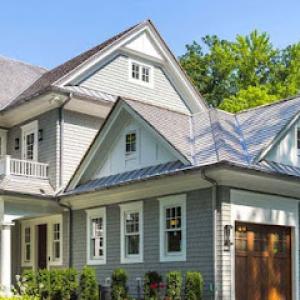
J. Salvatore & Sons Roofing- CT
(203) 869-9300 www.nyroofer.com
38 St Roch Ave, Greenwich, Connecticut
5.0 from 11 reviews
In our 100 year presence in the commercial and residential roofing business, we have gained enormous experience in all major problems and issues that makes us the best choice within Greenwich. Our experts can help you with roof repair, leak detection, flashing & copper work. Call us today for an estimate!
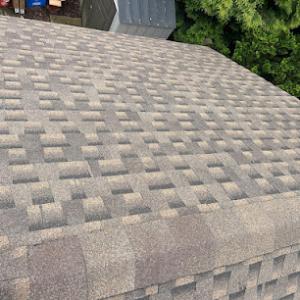
QNK Roofing Ct
(203) 580-3543 www.qnkroofing.com
78 Oakridge St, Greenwich, Connecticut
5.0 from 11 reviews
QNK Roofing is a trusted, family-owned roofing company serving Stamford, CT, and surrounding communities. With over six decades of combined experience, we provide top-quality services, including: - Roof Leak Repairs & Complete Installations - Flat & Metal Roofing - Siding & Gutter Solutions - Chimney Repairs & Maintenance Our team is known for exceptional craftsmanship and attention to detail, ensuring every project is completed to the highest standard. Whether you need a quick fix or a full installation, we’ve got you covered. Contact QNK Roofing today for a free estimate and experience the difference of reliable, professional service!

Your Local Roofer in Greenwich, CT
(475) 303-2296 www.yourlocalroofer.us
176 N Water St, Greenwich, Connecticut
5.0 from 3 reviews
Your Local Roofer provides fast, reliable roofing services across Fairfield & Westchester County. From free roof inspections to leak repairs, storm damage, and full roof replacements, our team delivers quality workmanship you can trust. We help homeowners, property managers, and real estate agents with honest assessments, quick response times, and durable results. Local, licensed, and fully insured—we show up when you need us. Call today to book your FREE roof inspection or storm damage estimate.
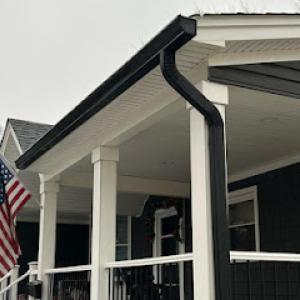
Pro Legacy
(845) 504-7219 roofingprolegacycorp.com
Serving
5.0 from 98 reviews
Pro Legacy is a trusted best local contractor based in West Harrison New York providing high quality residential and commercial roofing service. we specialize in roof repair, roof replacement, flat roofs, shingles roof, siding,gutters ,waterproofing, and chimney repair . we proudly serve West Harrison, Westchester County, Putnam County, Orange County.and nearby cities including rye. Chappaqua. Armonk. Bronxville. Larchmont white plains if you're searching for the best roofing contractor near me or reliable roofing repair near me pro legacy corp delivers professional workmanship durable materials and excellent customer service free estimates available
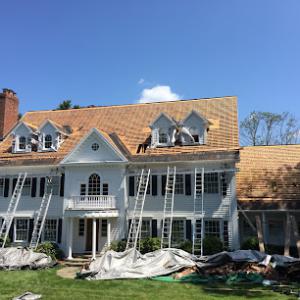
David's Roofing & Restorations
(914) 494-9094 www.davidsroof.com
Serving
5.0 from 63 reviews
David's Roofing and Restorations has developed a reputation within the Westchester community for being prompt, hard-working, courteous, professional and responsive to all roofing needs. David and the crew have years of experience in roofing and renovation, including superior customer service. The goal for our company is to make sure you feel safe and secure under your roof - from the beginning of the process to the very end. Some of the services we offer include: Asphalt roof installation/repairs, Flat roof installation/repairs, Cedar roof installation/repairs, Gutter replacements/installation/cleaning, roof inspections, skylight installation/repair, chimney repairs, and siding work. David provides free quotes on any of our services!
Olivieri Contracting
(914) 422-0527 www.oliviericontractinginc.com
Serving
4.8 from 26 reviews
Since 1994, Olivieri Contracting has been proudly serving customers in New York and Connecticut with roofing services characterized by unparalleled expertise and professional craftsmanship. As a family-owned and operated business, we take immense pride in our meticulous attention to detail and the superior quality of our work. We are dedicated to maintaining a safe and clean worksite, consistently striving to exceed our customers' expectations. Understanding the significance of your home and business, we treat each property with the same respect and care as if it were our own. For all your roofing needs, please do not hesitate to contact us for a free estimate.

Ga Castro Construction
(800) 838-8186 www.gacastroconstructionllc.com
Serving
5.0 from 66 reviews
G.A. Castro Construction is a locally owned and operated general contractor based in Stamford and Guilford, Connecticut. We specialize in residential and commercial roofing, siding, gutters, copper work, and full storm restoration services. With years of experience in the construction industry, our team is fully licensed, insured, and committed to delivering high-quality craftsmanship and reliable customer service. Our offices are located at: 1200 Summer St, Unit 203, Stamford, CT 06905 1300 Boston Post Rd, Guilford, CT 06437 We serve clients throughout Fairfield and New Haven counties, helping homeowners and businesses protect and enhance their properties with trusted solutions and expert care.
Expert Roofing of Westchester
(914) 446-3072 expertroofingwestchester.com
Serving
4.9 from 328 reviews
Expert Roofing of Westchester offers professional commercial and residential roofing in Westchester County, NY. With over 20 years of trusted experience, we serve homeowners and businesses with reliable, long-lasting roofing solutions. As a licensed and insured contractor, we handle everything from roof installation, roof replacement, and roof leak repair to siding, chimney, masonry, and gutter work. Our crews are also available 24/7 for emergency roofing repairs. Every project includes written estimates, clean workmanship, and a 10-year limited warranty. Choose Expert Roofing of Westchester for dependable service, quality materials, and craftsmanship built to last. Get a free estimate today.
Chris Craftsman Roofing & Siding
(914) 636-5950 www.chriscraftsmanroofing.com
Serving
5.0 from 47 reviews
Chris Craftsman is Westchester County & Fairfield County's trusted roofing and siding contractor since 1991. As a family-owned, local business for over 30 years, we have built a reputation for predictable excellence among customers. Proudly serving the residents of Westchester County, NY & Fairfield, CT, with reliable home improvement services such as roof replacement and repairs with stunning GAF shingles (50-year warranty), shake or flat roofing products. We also provide siding repair and replacement with top-quality materials like James Hardy board and vinyl siding, as well as installation of gutters, window replacement, and chimney repair. Serving Scarsdale, Greenwich, White Plains, and surrounding areas with financing available.
Leo & Sons Contracting
(914) 424-9346 leoandsonscontractinginc.com
Serving
4.9 from 12 reviews
We are a fully insured contracting company. We have 25 years of experience in construction and renovation projects. We specialize in any type of commercial and residential roofs.
JJP Contracting Unlimited
(914) 565-9993 jjpcontracting.us
Serving
4.8 from 80 reviews
JJP CONTRACTING is located in the heart of Port Chester. Our services include Roofing, Siding, Gutters, Exterior and Interior Renovations & Additions.
Greenwich's position along Long Island Sound means many homes take stronger coastal wind and wind-driven rain than inland Connecticut properties. That exposure makes edge details, flashing, and older roof attachments work harder, especially on lower overhangs, chimneys, and skylines where wind can pry shingles and loosen flashing. If your roof relies on dated underlayment or corroded flashing, a sudden gust or driving rain can create quick leaks even after a dry spell. Inspect edges after every storm, pay particular attention to any lifting shingles, loose gutter hangers, and compromised sealant around flashing. Replace deteriorated metal flashings promptly to prevent water from finding a path under the roof deck.
Fall wind events are a local scheduling and damage concern, often revealing pre-existing weaknesses before winter sets in. In Greenwich, seasonal transitions bring gusts that stress hips, ridges, and valley aprons-areas where complex roofs meet vertical surfaces. Prioritize a targeted pre-winter scan of these zones: check roof-to-wall connections, ensure ridge caps are secure, and confirm proper nailing patterns on high-slope sections. If your attic shows pronounced ice dam risk, improve ventilation and insulation now to reduce meltwater at the eaves. Address any sign of water staining or damp sheathing promptly, because the first hard freeze can lock in problems that were small in the fall.
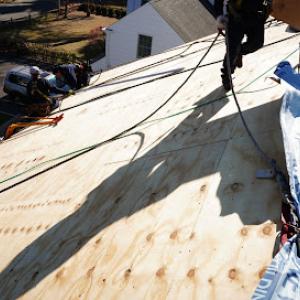
Spring storms and heavy rainfall in Greenwich can interrupt reroofing schedules and increase the risk of moisture intrusion on tear-off projects. If a tarp is covering exposed decking, ensure it's secured against steady winds and storm-driven rain. When tearing off a roof during wet months, prioritize weather windows with dry intervals and monitor flashings and penetrations closely for seepage. Ice-dam remnants from the previous winter can resurface as rain washes over cold roof edges, so keep an eye on any persistent drip lines near eaves and parapets. Have a plan to pause work during heavy downpours and resume promptly when seals hold and surface dries.
Walk the roof with a sturdy ladder and have a helper on the ground to spot you. Look for lifted shingles, cracked sealant around vents, and corroded metal edges. Confirm attic insulation and ventilation remain balanced; improved baffles and insulation curb the freeze-thaw cycle that fuels edge damage and leaks. If you notice recurring attic condensation or ice dam traces near gutters and downspouts, schedule a professional assessment before the next storm spree. In this climate, proactive edge protection and timely flashing repairs are the best defense against costly water intrusion.
Find local contractors experienced in assessing and restoring roofs after hail, wind, and severe weather events.

Your Local Roofer in Greenwich, CT
(475) 303-2296 www.yourlocalroofer.us
176 N Water St, Greenwich, Connecticut
5.0 from 3 reviews
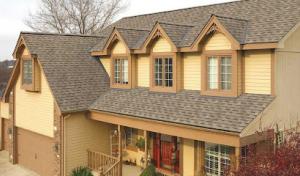
Chimneys in this area are more than just a vertical feature; they are often integral to intricate rooflines. In older and architecturally complex homes, chimney flashing and the transition where brick, stone, or stucco meet shingles or tiles can become the primary failure point when freeze-thaw cycles set in. Expect frequent service calls for repointing masonry, resealing chimney caps, and reworking step flashing where the chimney sides intersect intersecting planes. A small misstep in flashing a chimney with multiple slopes can channel water into the roof deck, leading to rot and interior staining before the next heating cycle. If your chimney stack sits on a roof with dormers or saddle intersections, plan for ongoing attention rather than one-off fixes. Prioritize a contractor who treats the chimney as part of the roof system, not as a separate feature.
Skylight work is a meaningful local specialty here, reflecting the prevalence of steep-slope roofs and expansive ceiling lines. Leak diagnosis often involves curb flashing, the surrounding shingles, and how the skylight integrates with the roof's slope changes. When a skylight leaks, the culprit is rarely the skylight pane alone; it is usually the curb flashing or a compromised seal at the junction with surrounding shingles. In homes with multiple roof planes, improper detailing at the skylight curb can create a concertina of weak points where ice dams form and meltwater pools. A careful install or repair must address not just the top seal, but the continuity of flashing up and over adjacent roof planes and the proper shingle-to-flashing transition.
Large custom homes in this area frequently feature intersecting roof planes, valleys, dormers, and masonry transitions where the risk of failure compounds. In such configurations, the quality of flashing becomes a bigger determinant of roof performance than the material choice alone. Flat or step flashing around a dormer, valley liners, and kickout flashing at the wall interfaces are as critical as the choice of shingles, tiles, or metal. When overhauling or resealing, avoid shortcuts such as tucking a single layer of membrane beneath the field shingles and hoping for lasting results. Instead, insist on integrated flashing solutions that tie into the gutter system and extend up the roof planes where water tends to travel. In climates with freeze-thaw cycles, the slightest gap or misalignment becomes a channel for ice dam formation and moisture intrusion, making meticulous flashing an essential safeguard.
Find contractors experienced in skylight installation, flashing, and leak repairs to bring natural light into your home.
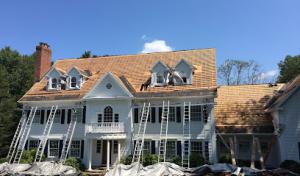
In Greenwich, the typical ranges for common roofing materials start with asphalt shingles at about 500 to 900 USD per square, reflecting steep pitches and large roof footprints that are common on many homes here. Metal roofs run roughly 800 to 1500 USD per square, especially when a building's geometry or detailing demands careful flashing and edging. Clay tile falls in a higher band, about 1200 to 2600 USD per square, and concrete tile sits around 1100 to 2100 USD per square. Wood shingles or shakes usually range from 700 to 1300 USD per square, while slate-the premium choice on waterfront estates-can be 1500 to 2900 USD per square. These ranges mirror the mix of stock from coastal to inland properties and the added cost of premium finishes.
Costs in Greenwich are often pushed upward by steep pitches, large roof areas, premium materials such as slate and tile, and the labor required for detailed flashing around chimneys, dormers, and custom architectural features. A home with multiple dormers, eyebrow windows, or a prominent entry tower will see the labor line climb quickly because each feature demands careful seam work, precise flashings, and weatherproof detailing that holds up to freeze-thaw cycles. Even two-story elevations or complex ridge lines add to the crew time and safety considerations, pushing a project toward the upper end of the material range.
Seasonal weather in Greenwich affects pricing and timing because late spring through early fall is the preferred replacement window, when roofers can work steadily and there's less risk of ice dam issues lingering into spring. Storm-driven demand spikes can compress contractor availability, driving quick starts but tighter schedules, while winter emergency work can limit options and raise costs due to off-season labor rates and the need for rapid tarp or temporary containment. Planning ahead for a spring-to-fall project helps lock in crews and avoids premium surge pricing.
Start by matching your target material to your home's style and climate exposure-slate or tile for durable, long-term performance on high-end properties; asphalt or metal for a balanced blend of cost and longevity; wood for authentic character on historic lines. Expect a bundled estimate that covers removing old roofing, flashing around chimneys and dormers, waste disposal, and a finish that preserves venting and attic insulation. In Greenwich, the emphasis is on sound flashing, robust underlayment, and attention to detail at transitions to protect against freeze-thaw stress.
Get a clear picture of your project costs upfront - no commitment required.
QNK Roofing Ct
(203) 580-3543 www.qnkroofing.com
78 Oakridge St, Greenwich, Connecticut
5.0 from 11 reviews
Your Local Roofer in Greenwich, CT
(475) 303-2296 www.yourlocalroofer.us
176 N Water St, Greenwich, Connecticut
5.0 from 3 reviews
Permits for a full reroof are typically required through the Greenwich Building Department, and the process is designed to ensure that material choice, installation methods, and ventilation meet local standards for the town's climate and housing stock. A reroof project often starts with a clear plan that shows the existing roof structure, the new roofing system, and how underlayment, flashing, and vents will be arranged. Work cannot begin until the permit is issued and any required fees are paid.
Inspections in this town are generally scheduled during and after the work to verify installation quality, flashing details, and ventilation. A familiar rhythm is to have an inspection when the old roof is removed, another at mid-project to confirm fastener patterns and underlayment adherence, and a final check after installation to validate ice-dam prevention measures and proper attic ventilation. Coordinating ahead with the building department helps avoid delays that can arise from weather-driven interruptions typical to a coastal-inland mix.
Some reroof applications may require material specifications and information addressing wind and ice-dam considerations before approval. Be prepared to supply product data on underlayment, fasteners, and flashing details, along with documentation showing wind zone compliance and any rainwater management features. In estates or more complex architectural roofs, plans might include schematic details for staggered slate, tile, or metal profiles and how they integrate with existing chimneys and skylights.
Work with a contractor who is accustomed to Greenwich's climate realities, especially freeze-thaw cycles and occasional high winds along the coast. Confirm that the contractor coordinates inspections with the Building Department and that flashing around eaves, rake edges, chimneys, and vent stacks is included in the scope. If a detailed wind and ice-dam strategy is part of the approval, ensure those elements are highlighted in the project plan and on-site execution.
After a storm with wind or hail, your most valuable asset is the photo record you build in the first 48 to 72 hours. In Connecticut, wind and hail claims are reviewed closely for documentation and damage scope, which affects how Greenwich homeowners should photograph and record roof conditions after storms. Focus on capturing intact and damaged areas, identifying flashing details, ice dam-related concerns, and any interior evidence of leaks. Use a wide shot to establish context, then close-ups of shingles, underlayment, and any visible gaps or movement in flashing. Keep a dated log of what you observe and where.
Insurers in this region may require photos and a detailed scope of work before approving roof-related claims, so contractor documentation quality matters in Greenwich storm and leak cases. When a contractor visits, request a written, itemized scope that aligns with the photos you've taken. Include measurements, the suspected cause of damage, and a proposed sequence of repairs. If the roof has multiple elevations or intricate flashing around dormers and chimneys, ensure the scope reflects those complexities. Having the contractor prepare a professional estimate that corresponds to the photographic record can streamline the claim review.
Adjusters are often local in this market, and there is no widespread industry-wide insurer pullback noted for this region, which makes claim preparation more important than market access. Expect in-person inspection windows and a need to discuss seasonal freeze-thaw patterns that influence damage progression. Be ready to show how ice dam potential, wind uplift, or hail impact links to interior leaks. If a claim stalls, confirm the scope still matches the roof's actual condition and that any pre-existing conditions are documented to avoid disputes during adjustment.
Keep communications focused and timely. After the storm, present your organized record to the insurer and your contractor, then await a formal adjustment request. When the claim is approved, rely on your contractor to translate the scope into repairs that address both surface damage and potential secondary effects from freeze-thaw cycles typical of the area. This approach helps reduce back-and-forth and accelerates restoration.
Connect with contractors who help homeowners navigate the claims process from damage assessment to final approval.
Expert Roofing of Westchester
(914) 446-3072 expertroofingwestchester.com
Serving
4.9 from 328 reviews
When planning a roof project, the late spring to early fall window is the most predictable for weather in this area. Dry days and steady temperatures reduce the risk of weather-driven setbacks, which is especially helpful for homes with slate, clay tile, or cedar that demand careful flashing and longer install times. If a leak or ice dam concern surfaces in late spring, scheduling sooner helps avoid interior damage as the season heats up and humidity rises.
Summer heat and humidity can affect installation conditions and sealant performance, so timing and crew practices matter even during the preferred season. High daytime temperatures make fieldwork tougher and can require longer cooling-off periods for sealants around dormers and skylights. A crew that plans early starts, planned midday breaks, and thorough ventilation helps protect membrane integrity and keeps attic temperatures manageable for both workers and materials.
Fall brings wind events and storms that can expose existing roof damage and delay projects as homeowners rush to finish before winter. Gusty days can loosen edge flashing and expose vulnerable detailing, so prioritize critical areas first-valleys, flashing intersections, and ice-dam vulnerable eaves. If a storm hits, coordinate a realistic recovery plan, then resume remaining work as conditions permit to avoid overdue exposure to moisture.
Set a target start date with a local crew based on a reliable weather window, then monitor forecasts for the next two to three weeks. Build a contingency into your plan for a few days of weather delays, and schedule pre-winter checks to address flashing weaknesses and any ice-dam risk while temperatures are still moderating. This approach helps maintain steady progress without rushing during peak fall winds.
The local market shows especially strong demand for reroofing and quick-response contractors, suggesting homeowners typically hire after active leaks or visible storm-related issues rather than only for planned upgrades. When you call a contractor, ask not just for experience with your roof type but for a realistic turnaround plan if a leak is present. In Greenwich, storms can expose you to rapid water intrusion, so a firm that can diagnose quickly and arrange temporary protection matters as much as the fix itself.
Cleanup is a major local hiring signal in Greenwich, which matters on landscaped properties, tight driveways, and homes where exterior finishes and grounds are part of the job-risk equation. Ask how crews will stage equipment to protect gardens, stonework, and driveways, and whether they bring daily cleanup crews for debris removal. If the driveway is narrow, confirm ladder access and waste containment so nothing finishes as a fallen brick or dented edging.
Long-established contractors are prominent in Greenwich, indicating homeowners here place weight on tenure and trust when hiring for expensive materials like slate, tile, cedar, and complex flashing work. Favor firms with verifiable references from local projects, especially for slate or tile where missteps are costly. Verify that the team is skilled with the flashing details that matter in exposed coastal edges and in areas prone to freeze-thaw cycles, where a small flaw can lead to repeated moisture problems.
Ice dams and freeze-thaw roof failure are recurring concerns in this climate. Screen for contractors who regularly address attic insulation, ventilation, and eave detailing in tandem with roof work. Ask for a written plan that connects attic health to your roof choice, whether slate, tile, cedar, or asphalt. A careful contractor will call out potential problem areas, such as over-vented or under-insulated spaces, and propose targeted improvements alongside the roof replacement.
Reliable communication during the project translates to fewer surprises after a storm. Seek clear schedules, weather contingency plans, and a defined post-installment inspection window to catch any early issues from the first freeze. In Greenwich, a trusted partner is measured not only by the initial install but by how promptly they respond when winter tests the roof.