
Last updated: Apr 19, 2026
The Ohio River valley funnels wind-driven rain and sudden squalls that slam roofs with little warning. In this area, storm tracks moving through the river valley regularly trigger roof claims as hail and fast-changing weather hammer homes along the hillside exits and lower river-adjacent pockets. That means your roof isn't just subject to a single event-it's shaped by repeated, sometimes seasonal, impacts that can weaken shingles, flashings, and gutters over time. When a storm hits, acting quickly to document damage and secure the property becomes essential to protect interior spaces and preserve the roof's remaining life.
The mix of lower river-adjacent areas and homes perched on surrounding hills creates two distinct risk profiles in a single neighborhood. Some houses face stronger wind exposure, with shingles raised or blown backward, granules scoured, and edge venting disrupted. Others face prolonged moisture and runoff challenges, where water ponds on the roof, trips under flashing, or sneaks into attic spaces through small gaps. In either case, every storm has a footprint on the roof that may not be immediately visible from the ground. A quick, careful inspection after a storm is worth the effort to catch unseen damage before it becomes a leak.
Local contractor signals highlight storm damage and emergency repair as frequent needs, so prioritize rapid tarping and leak control in the first 24 to 48 hours after a storm. Look for hail pings on metal components, bruising on asphalt shingles, lifted shingles along the hips and ridges, or dark staining where moisture has penetrated the underlayment. Pay attention to gutters and downspouts; heavy runoffs can undermine edges and create ice dam pressure as winter approaches. If a roof line or chimney flashing shows cracking or detachment, address it quickly to limit interior damage and extend the roof's life.
First, document with photos and notes every area that shows impact-especially along intersections, eaves, and near dormers or skylights. Then secure the space: cover exposed areas with tarps or plywood to prevent water entry, focusing on any active leaks in the attic. Contact a local contractor who specializes in storm damage and emergency repairs to perform a rapid assessment and outline a temporary repair plan that buys time until a full assessment can occur. If insurers are involved, compile the storm date, wind speeds if available, and any temporary repairs completed, so the claim can move forward with solid evidence and a clear timeline.
Storm-season urgency isn't just about immediate leaks-it's about preventing second-wave damage from wind-driven rain and runoff. If a section of the roof feels soft, sounds hollow, or visibly sagging after a storm, treat it as a high-priority priority issue and seek professional evaluation promptly. Your roof's resilience in this river valley climate hinges on rapid damage identification, quick temporary containment, and a precise plan for a lasting repair that respects the local exposure patterns.
In this Ohio River valley setting, the best replacement window runs from late spring through early fall. That stretch gives crews enough daylight and milder temperatures to install roofing underlayment, shingles, and flashing without fighting the worst freeze-thaw cycles. In hillside neighborhoods where wind patterns and drainage can vary block-to-block, sticking to that late-spring-to-early-fall period helps ensure a solid seal around valleys, dormers, and chimneys before winter weather moves in. If a project starts in late spring, plan for a steady rhythm of days with moderate temps and manageable moisture to keep underlayment from absorbing too much humidity.
Spring storms and heavy rainfall in southeast Indiana can push tear-off timelines back. Heavy rain means crews pause to protect interior spaces and to avoid trapping moisture under paving-grade underlayment. If a storm system lingers, expect brief delays but keep the project moving with staged days rather than long gaps. Summer thunderstorms can interrupt otherwise smooth installation days, even during the main roofing season. Local crews commonly adapt by prioritizing sections of the roof that drive drainage first-valleys and edge details-so water shedding remains reliable while gaps in other areas wait for a weather window.
Cold winters in this area create freeze-thaw stress that can worsen shingle brittleness, flashing movement, and small leak paths before interior damage becomes noticeable. This means projects that extend late into autumn or start early in spring risk more post-install settlement in the flashing and seams as temperatures swing. When planning, aim to avoid the coldest stretches and the deepest freezing nights. If work is needed outside the core window, expect additional precautions on ice and snow management, plus a slightly longer curing period for sealants and underlayment.
Storm exposure in this climate makes thorough documentation essential. After a hail event or a strong storm, photograph all elevations, note shading patterns on the roof, and mark any interior signs of water intrusion early. When scheduling, align with crews who emphasize meticulous flashing inspection and valley integrity, since these areas are commonly the first to reveal wind-driven or hail-related damage after winter. If the calendar shows a tight window, communicate clearly about contingencies for weather-related interruptions and adapt the plan to keep the roof system watertight while preserving long-term performance. This approach helps ensure the replacement project progresses smoothly through the best portion of the season and minimizes the risk of recurring issues once winter returns.

Meyer & Company Roofing
(513) 766-2916 www.meyerandcompanyroofing.com
210 W Eads Pkwy Unit 100, Lawrenceburg, Indiana
4.9 from 14 reviews
Does your current roofing system show signs of age or damage due to a storm. With over 30years of experience. We understand our customer's needs and strive to offer the most effective solution at a economical price. All roofing systems are not the same for repairs or replacements so you need options, and with Meyer and Company you, have them. - Residential Shingles - Medal Roofs - Roof Cleaning - Roof Sealing - Commercial Roof Leaks Repair - Commercial Roof Restoration - Commercial EPDM Roofs - Commercial TPO Roofs - Liquid Applied Roof Coatings
Brown Roofing
(812) 926-7663 www.brownroofingcompany.net
Serving
4.6 from 40 reviews
Family owned and operated since 1945 3rd and 4th generation father and son plus a great crew of experienced roofers. Hand nailed lifetime roof systems full warranty *Asphat Shingles *Ceader wood shakes *Modified bitumen and EPDM rubber *Metal roofing *5&6 inch gutter and box gutters *Chimney repair 812-926-ROOF(7663)
McPeek Construction Services
(513) 713-6825 www.mcpeekcs.com
Serving
5.0 from 65 reviews
At McPeek Construction Services, our mission is to deliver exceptional roofing and remodeling solutions with honesty, integrity, and a steadfast commitment to doing what we say we will do. We take pride in providing excellent craftsmanship on every project, building lasting relationships with our clients through trust, transparency, and high-quality work that stands the test of time.
Merrick Contracting
(513) 850-4140 merrickroofingllc.com
Serving
5.0 from 17 reviews
Merrick Contracting is a premier company specializing in insurance claims, residential and commercial roofing services. We are dedicated to providing customer service that is second to none. Merrick Contracting is a one-stop shop for all of your exterior needs. Siding, Gutters, etc., we have it handled. Whether you need a new construction project or need to replace an old or damaged roof, we offer complete roofing systems as well as roofing repairs. Let us show you why calling Merrick Contracting was your best call to care for your home or business.
United Contracting
(513) 500-6632 unitedcontractingky.com
Serving
4.9 from 12 reviews
At United Contracting, we proudly serve Jeffersontown, KY and nearby areas with top-tier roofing, siding, and masonry services tailored to protect and enhance your home. From precise shingle replacement and roof ventilation upgrades to siding reinforcement and hidden moisture damage repair, we focus on durability and energy efficiency. Our experienced bricklayers specialize in chimney restoration, fireplace rebuilds, mortar repointing, and advanced waterproof masonry sealing. Whether you're recovering from storm damage or planning a full exterior renovation, our trusted team delivers lasting craftsmanship and peace of mind. Contact us today for a free evaluation.
Commonwealth Roofing
(513) 654-6747 www.commonwealthroofing.com
Serving
5.0 from 10 reviews
Commonwealth Roofing has been providing Safety, Service, and Quality – everyday since 1981. CRC provides comprehensive commercial and residential roofing services in Kentucky, Ohio, Indiana, Tennessee, and Illinois. We prioritize repairs over replacements, and offer a variety of roofing systems to meet your specific needs – whether you're a business owner or a home owner. We partner with top manufacturers like CertainTeed, GAF, TAMKO, and Carlisle – ensuring that every project is completed with the highest level of craftsmanship.

Crisp Roofing
(859) 525-7888 crisp-roofing.com
Serving
5.0 from 9 reviews
Crisp Roofing installs and maintains quality residential and commercial roofing systems in Greater Cincinnati and Northern Kentucky. We specialize in Roofing, Gutters, Siding, and more. Since 2003, Crisp Roofing has been committed to the roofing industry, our employees, and our customers and that is the reason we have been able to grow our business every year since we began. We are certified by the GAF and CertainTeed companies to install and maintain their roofing systems so you can be assured each job will be completed with the highest standards. Crisp Roofing is an active member of the Northern Kentucky Home Builders Association (HBANKY) and maintains an A+ rating with the Better Business Bureau (BBB).
Thompson Roofing
(859) 462-0181 thompsonroofingnky.com
Serving
5.0 from 146 reviews
Searching for the best roofing contractors in Northern Kentucky? Look no further because, at Thompson Roofing, we are committed to delivering top-notch services tailored to meet all your roofing needs in Campbell County, Kenton County, and Boone County in KY. Our team of experts is dedicated to ensuring your satisfaction with every project. Whether you require residential roof installation service, efficient roof repair service in your area, attic venting installation, or gutter installation, we've got you covered. We guarantee solutions for your needs. Choose us as we are one of the best roofing companies in Florence, KY and surrounding areas. Call us today for a detailed consultation and receive a free quote for your roofing projec...
Northern KY Roofing & Siding.
(859) 414-2705 www.northern-ky-roofing.com
Serving
4.9 from 294 reviews
Established in 1998, NKY Roofing & Siding Contractor offers residential and commercial roofing and siding services throughout Northern Kentucky. Their team of experienced professionals specializes in repairs, replacements, and installations using high-quality materials. NKY Roofing & Siding Contractor is committed to providing superior craftsmanship and customer satisfaction, ensuring your property is protected and looks its best. We only want the absolute best for you and your family, so please don't hesitate to call us to get a free quote!

RSG Roofing
(513) 235-8823 www.rsg-roofing.com
Serving
4.8 from 33 reviews
We install roofs, siding & gutters in the tri-state area. As a GAF Certified Contractor & a Mastic Elite Contractor, we offer a 50 year transferable warranty on full roof replacements. With an A+ on the BBB and 10+ years in business you can trust that your home is in good hands with RSG Roofing!
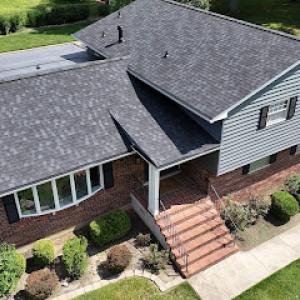
Empire Contractors
(513) 982-5416 www.empirecontractorsllc.com
Serving
4.7 from 268 reviews
Empire Contractors, established in 2011, has been helping Homeowners & Business Owners with their Exterior needs. This business is built on Quality, Fairness, and Doing what we say we will. From simple, no frills, Roof Leak repairs, to full scale Siding projects, Empire has helped solve many problems for property owners over the years. Establish Trust, Earn Loyalty
Fortress Solutions
(859) 328-6338 www.gowithfortress.com
Serving
5.0 from 172 reviews
Fortress Solutions is a trusted roofing contractor based in Elsmere, KY, specializing in roof repairs, replacements, gutters, siding, and storm damage restoration. We proudly serve Elsmere, Erlanger, Florence, Independence, Covington, Cincinnati, Edgewood, Fort Mitchell, Fort Wright, Crestview Hills, Villa Hills, Newport, Fort Thomas, Taylor Mill, Norwood, Blue Ash, Reading, Finneytown, Union, and Burlington. With 20+ years of experience and easy financing options, we deliver expert service with integrity. Contact us today for a free estimate and 100% no-leak guarantee!
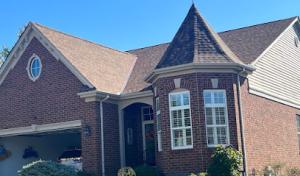
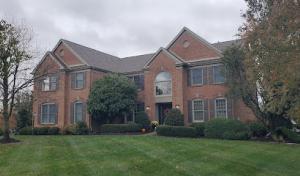
Asphalt shingles dominate because they fit the area's mainstream residential housing stock and offer the lowest entry cost in a market where storm-related replacement demand is common. In this river valley, you'll see many cap-style roofs and gentle to moderate slopes where traditional asphalt performs reliably through seasonal freeze-thaw cycles and periodic hail. Look for a good impact-resistant rating when choosing a bundle, and prioritize a shingle with strong granule adhesion to resist wind-driven debris. In practice, you'll notice local roofers offering quick turnarounds on asphalt, which helps during storm-damage cycles. If you own an older home with familiar, straightforward roof geometry, asphalt shingles often deploy with minimal flashing changes and can be a practical, durable choice that keeps the line of the house looking consistent with surrounding neighborhoods.
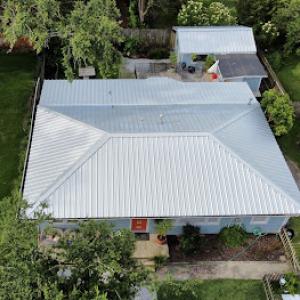
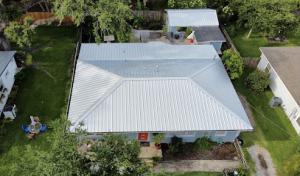
Metal roofing is especially relevant in this climate because it handles repeated rain events, sheds debris well, and is actively represented by local specialists rather than being a fringe option. In hillside neighborhoods above the river, metal can offer extended service life when installed with proper underlayment and valley detailing to manage peak flows during heavy rainstorms. The ability of metal to shed wind-driven hail fragments and its resistance to rapid temperature changes can translate into fewer follow-up repairs after severe weather. When you consider metal, pay attention to the roof's underlying structure, as fastener routes and panel overlaps need to be planned for oblique rooflines and potential snow drift in winter. Local crews know how to integrate metal with existing soffits, ridge vents, and any attic insulation strategies that are common on homes built on sloping lots near the water.
Clay tile, concrete tile, synthetic/composite shingles, and slate appear in the market but require careful structural and flashing planning on older homes and steeper rooflines common in historic river-town architecture. Clay and concrete tiles add curb appeal and a long life, but their weight demands a verified structural capacity and often a vented drip edge along steep sections. Synthetic or composite shingles offer a compromise between traditional shingles and heavier tile options, providing improved impact resistance while staying lighter on some older structures. Slate delivers a refined look and excellent durability, yet its installation is highly specific and hinges on precise flashing, substrate support, and roof geometry. If a historic property with intricate ridges or decorative dormers is part of the landscape, the choice of these materials should be guided by a local roofer who understands the overlap between old flashing practices and newer underlayment systems. In all cases, the emphasis is on ensuring flashing around chimneys, valleys, and transitions matches the material's movement and the roof's slope, so that you preserve water-tight performance through storm season. This approach helps retain the house's character while protecting it from the valley's volatile weather.
In Lawrenceburg, you'll see price ranges that reflect the local market realities: asphalt shingles run about $350 to $550 per square, metal $700 to $1100, clay tile $900 to $1500, concrete tile $800 to $1400, synthetic/composite $450 to $800, and slate $1100 to $1900 per square. Those numbers assume typical residential roofs with standard pitches and a straightforward tear-off, but the Ohio River valley weather and the regional storm pattern can shift those figures quickly. A hail event or a windy spell that hits several towns at once can tighten supply, push material lead times, and lift labor rates for a few weeks.
Steeper roofs on hillside lots and homes perched above the river complicate access and staging. Materials may need extra safety equipment, more careful ladder setups, and longer time to move shingles and underlayment up to higher sections. Tear-off complexity on older structures adds cost too: older decks, potential hidden damage, and the need to address mismatched flashing or venting during replacement. In practice, those factors translate to higher labor hours and occasional specialty-fastener or underlayment choices, which in turn shift the final bill upward compared to a flat, accessible ranch.
Costs in Lawrenceburg can rise after hail and wind events when regional demand spikes across southeast Indiana and nearby Greater Cincinnati communities at the same time. If a hail storm hits, expect bids to tighten and schedules to compress. Planning ahead for a possible surge-inventory, crew availability, and scheduling windows-helps keep disruption to a minimum. If you're pursuing insurance-covered work, document impact areas carefully and coordinate with adjusters to ensure the selected material and any necessary upgrades align with coverage and long-term performance.
Asphalt shingles remain the most economical and widely deployed option in this area, but the storm history and hillside exposure often push homeowners to consider metal or concrete options for longer life and better wind resistance. Clay and slate offer durability but demand a premium and can complicate installation on steeper slopes. Synthetic/composite shingles can bridge cost and performance, especially if you want a forgiving installation on tricky roof lines. Weigh the trade-offs-weight, deck capability, and potential for faster installation on a difficult site-against the long-term upkeep and insurance considerations that matter in this market.
Don't let upfront costs delay a critical repair - these contractors offer payment plans to fit your budget.
A full re-roof in this area typically requires a permit filed through the Lawrenceburg Building Department or, depending on jurisdictional handling, Dearborn County. That means your project isn't just a matter of hiring a crew and throwing down shingles; it ties into the formal review and records that stand up to storm-related claims later on. The local process centers on verifying that the planned tear-off, installation, and final finish meet current code and drainage requirements, particularly with the Ohio River valley's habit of intense storms and freeze-thaw cycles. If the project slips through a different administrative path, you may face discrepancies in inspection timing and documentation that could complicate post-storm claims.
The typical flow involves permit review of the project scope before any work begins, followed by an inspection after tear-off to verify that the substrate is sound and drainage details are correctly prepared. A second inspection generally occurs after installation to confirm that roof assembly components, flashing, and penetrations meet code and are installed properly. A final sign-off closes the permit, serving as an official record that the work was completed to standard. In this climate, where wind-driven hail and rapid temperature swings can impact underlayment and deck integrity, timely inspections become a safeguard against hidden moisture and misaligned drainage that could compromise the roof's lifespan.
Because permit handling can involve either city or county administration, homeowners in this area should confirm jurisdiction before scheduling tear-off so inspections do not delay dry-in. If the project lines up with city rules, expect closer coordination with the Lawrenceburg Building Department on inspection windows and required documentation. If Dearborn County processes apply, deadlines and review criteria may differ slightly, affecting when crews can remove damaged material and proceed with installation. Clarifying this early helps prevent stoppages that could leave decking exposed during a late-season rainstorm or cold snap.
Keep a clear file of permits, approval letters, and inspector notes. In storm-prone conditions, having a precise record helps support insurance documentation and any needed repairs down the line. If a contractor mentions a quick-permit route to save time, pause and verify that the approach complies with the correct local authority. A compliant path reduces the risk of later disputes and ensures the dry-in phase proceeds without preventable delays.
Indiana is an active weather-claim state, and Lawrenceburg homeowners are especially affected by hail and wind claim activity tied to regional storm patterns. The Ohio River valley climate brings rapid shifts that stress roofs and gutters, and those stresses often show up after the first warm up or after a heavy storm. The practical reality is that claim activity follows the weather cycle, and timing matters when you're evaluating your options after a storm.
If a hailstorm rattles your shingles or a high wind tears at flashing, document damage immediately after storms before temporary repairs obscure evidence. Insurers commonly request the roof age, clear photos from multiple angles, and any prior claim history. Delays can complicate coverage, and temporary patches may limit the scope of a future claim. In Lawrenceburg, the combination of hillside homes and varying roof lines makes evidence collection even more crucial.
Keep a simple record: date-stamped photos, notes on what was observed, and a log of any contractors who advised mitigation. In a town where crews respond quickly after a storm, urgency can blur details. Stand your ground calmly, and preserve original materials when safe. If you have access to an unobstructed view from the ground or a safe ladder position, capture roof slope, penetrations, and flashing joints for reference.
Coverage terms can shift based on risk and roof condition, but there is no broad statewide insurer pullback in Indiana as of recent years. In Dearborn County, those terms can hinge on hail exposure, roof slope, and whether prior repairs affect waterproofing. Understanding policy language now helps you avoid surprises later.
If a claim is filed, document the steps you take with your insurer and the contractor's estimates. A neighborly caution: rushing into a high-utility repair without documentation can hurt future settlement negotiations. In places where storms shape the yearly pattern, methodical documentation saves you from disputes over responsibility and scope.
Your claim journey often unfolds across several weeks. After a hail or wind event, you may face adjuster visits, temporary shingle replacements, and scheduling conflicts with the weather. Having organized records reduces delays, clarifies scope, and helps you compare contractor recommendations. This careful approach protects your home and your insurance row.
Freeze-thaw cycling in the Ohio River valley area can accelerate granule loss, crack aging shingles, and open vulnerable transitions around flashing details. After a bitter spell followed by a quick warm-up, look closely at ridge caps and along eaves where moisture can seep into micro-cracks. In practical terms, you may notice tiny granules in gutters and on the ground after a cold snap, signaling shingles that have started to lose their protective surface. Those small defects compound over a season, especially on slopes that sit exposed to the prevailing winds off the river. Regular, seasonally timed inspections that focus on vent penetrations, step flashing at the roof-to-wall transitions, and the condition of ice and water shields at the eaves can keep minor failures from turning into bigger leaks. If you plan to replace or reseal, coordinate with a contractor to ensure transitions stay watertight as temperatures swing.
Warm-season hail and thunderstorms create a local pattern of impact damage that may not leak immediately but can shorten roof life and complicate insurance timing. Hail strike marks often show up as bruising or impact dents on shingles, metal panels, and any decorative features; Over time, these hits can compromise granules, reduce wind uplift resistance, and hasten edge lifting around flashing. In Lawrenceburg, where summer storms can be intense but brief, it helps to document damaged sections with photos and keep a simple roof diary after severe hail events. Check around attic access points, penetrations, and any softened or depressed areas on the deck. If moisture appears after a storm, address it promptly-delayed repairs can lead to more extensive interior damage once rain pressure reloads through compromised joints.
Fall wind events and debris are a known seasonal risk during installation, making exposed decking and partially dried-in roofs more vulnerable if scheduling slips. Strong gusts can lift loose shingles, bend flashing, or push debris into vulnerable edges while crews work. If a roof is not fully shingled or the underlayment is exposed during a stretch of unsettled weather, you risk accelerated moisture intrusion and wind-driven damage. Plan installations to avoid long periods of exposed decking in late autumn, and ensure temporary protections-drip edge, tarps, and secure fasteners-are in place during setbacks. A neighborly check after a high-wind day can catch loose materials before they cause downstream leaks.
Although the area is known for pitched-residential roofs, you'll notice a meaningful presence of flat-roof specialists in town. That means occasional additions, porches, and mixed-use buildings can bring low-slope assemblies into play. If your project includes a flat or low-slope section, verify experience with rubber and thermoplastic membranes, seam detailing, and edge curb work to avoid recurrent leaks after the next seasonal freeze-thaw cycle.
Low-slope segments are more vulnerable to standing water on a hillside neighborhood. Check the transition points from a steeper main roof to any flat porch or canopy. Ensure proper slope, adequate drainage outlets, and clean, accessible gutters in these zones. In Lawrenceburg's storm-driven climate, even small misalignments can become dripping headaches during heavy rains.
For flat and low-slope areas, membrane integrity matters. Plan for a careful inspection of seams, penetrations, and flashing around skylights, vents, and exhausts. Concrete or synthetic decking beneath a low-slope roof can age differently than a wood deck, so look for cure stains, UV checks, or soft spots that signal membrane delamination at stress points.
The local market's visible commercial activity supports a steady demand for flat-roof work beyond single-family homes. If your property has a ground-level business, prioritize roof drains, insulation continuity, and edge detailing that tolerate higher foot traffic and seasonal temperature swings without compromising weather resistance.
Skylights show up as a focused specialty in town. Leaks around curb mounts, flashing joints, and glass-to-frame interfaces are common trouble spots. When replacing or repairing, insist on proper counterflashing, die-cut flashing around mounting hardware, and a proven sealant schedule that resists thermal cycling and hail exposure. In practice, address any observed condensation or frost buildup promptly to prevent interior moisture damage.
Find specialists in TPO, EPDM, and built-up flat roofing systems for residential and commercial properties.
Meyer & Company Roofing
(513) 766-2916 www.meyerandcompanyroofing.com
210 W Eads Pkwy Unit 100, Lawrenceburg, Indiana
4.9 from 14 reviews
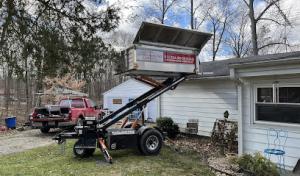
The local market leans toward long-established and family-run operators, so homeowners often weigh tenure and local reputation heavily after storms. In practice, look for firms with at least a decade of steady service, verifiable local references, and a presence you can contact after a hail event or a winter leak. A predictable crew that knows nearby homes and seasonal quirks is a real asset.
Quick response and cleanup are prominent hiring priorities in Lawrenceburg, reflecting the practical reality of leak control and debris management after weather events. When you call, note how fast the crew arrives, how they stage safety and tarping, and how they handle debris and driveways. Favor roofers with a documented process for emergency rescheduling and post-storm follow-ups.
Manufacturer-certified and formal warranty-focused contractors exist here but are less common than general re-roofing and storm-response firms, so homeowners may need to ask specifically about certification and warranty terms. Ask for the exact certifications held, the scope of manufacturer coverage, and who bears transport and labor costs for warranty work. Clarify whether the warranty transfers to new homeowners if you sell.
Get three detailed bids that show material types, installation method, and leak-control measures tailored to the Ohio River valley climate. Check drainage plans, attic ventilation suggestions, and how each roofer documents pre-existing damage. Request a written project timeline with milestone inspections and a clear cleanup checklist. In this market, a strong reference list and a transparent repair record matter as much as the bid.