Last updated: Apr 19, 2026
Cape Ann's shoreline reality drives every roof choice and every after-storm check. Gloucester sits on Cape Ann with direct Atlantic exposure, so roofs near the harbor and shoreline face more wind-driven rain and salt deposition than inland Massachusetts locations. That means roofs can shed faster under high wind, while salt crystals and damp air accelerate corrosion on metal pieces, fasteners, and flashing. The consequence is not cosmetic: a single edge unsecure enough to lift in a nor'easter can lead to water intrusion, rapid deck rot, and costly repairs if caught late. This is not hypothetical here-this is real-time risk during late-season storms and freeze-thaw cycles that hammer edge laps, vents, and flashing where salt-laden air lingers.
Fall nor'easters are a recurring local stressor, making edge securement, flashing durability, and post-storm inspections more important here than in sheltered inland communities. If your roof has unsealed or under-secured rake and hip edges, wind-driven rain can pry shingles loose and push water under the substrate. Prioritize continuous, corrosion-resistant fastener patterns along rake edges, ridge caps, and penetrations. Inspect and replace torn or loose edge metal and ensure that drip edge flashing extends a solid 1 inch over the fascia. In salt air, every fastener benefits from a stainless or coated finish; if your fasteners show any discoloration or dullness, replace them before the next squall.
Flashing near the coast takes the brunt of salt spray and wind-carried debris. Damaged or undersized flashing invites leaks at hips, valleys, and chimney penetrations the moment a storm rolls through. For older homes with repeated patch histories, corrosion-prone metal accessories can develop micro-leaks where salt-laden air meets damp wood. Replace worn step flashing with continuous, corrosion-resistant profiles, and seal joints with compatible sealant that remains flexible through freeze-thaw cycles. Avoid quick-fix patches that rely on old, pitted metal. Your aim is a continuous, watertight barrier that does not rely on one-off repairs after every storm.
Salt-heavy coastal air can accelerate corrosion at exposed fasteners, flashing, and metal accessories, which is especially relevant on older Gloucester homes with repeated patch histories. If you've noticed rust blooms, loose trim, or staining along roof edges, treat it as a warning bell. Use corrosion-resistant fasteners, and consider upgrading vulnerable metal components-louver vents, cap shingles, and metal flashings-to materials designed for salt exposure. When replacing, favor compatible coatings that resist salt degradation and stay secure after seasonal swings. Regularly rinse salt build-up from accessible roof surfaces after major storms to slow ongoing deterioration.
Fall and winter storms demand a disciplined post-storm inspection routine. After a nor'easter, check the attic access for any signs of moisture or condensation, confirm that attic ventilation remains unobstructed, and survey the exterior roof line for lifted shingles, loose edges, or damaged flashing. In the days following a storm, walk the perimeter with a flashlight at dusk to spot hairline gaps or flashing shifts that daylight reveals poorly. If you identify any issues, address them promptly: secure loose edges, bolster flashing, and replace deteriorated components before the next cycle of salt, wind, and freeze-thaw stress compounds the damage. This vigilance saves interior costs and keeps your roof performing when the next storm arrives.
Gloucester's stock of older coastal homes often bears the marks of decades of layered repairs. When a tear-off isn't possible or practical, contractors may butt joints and patchwork that leave aging sheathing exposed to seasonal swings. You'll frequently see mismatched boards, warped sheathing, and fasteners that have settled with time. In this context, a straightforward tear-off can become an involved project-because hidden rot may extend beyond what's visible from the attic hatch. The practical approach is to plan for careful removal of suspect sections, paired with a wrap-and-reseal strategy that checks for soft spots across multiple bays. Expect more time on the scaffold and more attention to traditional framing quirks rather than a tidy, square replacement. This isn't just about the roof deck; it's about confirming that every layer beneath the shingles or panels can support a durable, long-term seal.
Older neighborhoods with steep, cut-up rooflines, dormers, chimneys, and additions create a different set of leaks and labor realities than simple gable roofs. Each dormer introduces an additional point of failure where flashing must be carefully integrated around valleys, rake edges, and the junctions to the main roof plane. Chimneys demand individualized step flashing and counter-flashing to stand up to Atlantic winds and salt spray. Additions that push roof lines into odd angles can complicate nailing patterns, gutter alignment, and ventilation paths. The practical outcome is that re-roofing becomes a staged, assembly-like process: you don't just lay shingles; you reconfigure their intersections to shed water cleanly away from those extra corners. Expect tighter scheduling for scaffold setup, more precise flashing details, and a willingness to hand-fit materials around irregular geometry.
Many homes predate modern ventilation practices, so re-roofing often exposes intake and exhaust imbalances that inspectors and contractors need to address during replacement. A dim glow in the attic from insufficient soffit or ridge intake can lead to attic heat buildup, which accelerates shingle aging and can warp decking in humid Cape Ann summers. The practical step is to verify attic ventilation once the roof is open: ensure soffit vents are clear, consider adding ridge or soffit boosts where needed, and check that exhaust pathways align with the new roof line. Don't assume existing vents will visually align with the new shingles or flashing; a careful re-trace of airflow patterns is essential. In practice, this means coordinating the roof replacement with the attic work plan so airflow is balanced before the new cap is secured.
Coastal wind and salt exposure intensify wear on fasteners, sealants, and surface coatings. Nor'easters bring gusts that drive rain up under edges, while salt-laden air accelerates corrosion on metal components, nails, and flashing. The practical response is to choose materials and detailing that stand up to corrosion and wind-driven moisture. That means robust underlayments, thicker flashing, and corrosion-resistant fasteners. Look for a comprehensive edge-to-valley detail set that prioritizes wind uplift resistance and keeps water away from vulnerable intersections around chimneys, dormers, and vents. Expect a more meticulous inspection of existing drip edges and gutter line connections, since any weak point here can become a reoccurring leak source during winter storms.
Nor'easters stress roof systems in Gloucester more than a typical mild-winter period. The cumulative effect shows up as edge deterioration, loosened shingles, and compromised sealant around all transition points. The practical course is proactive protection: pre-seal vulnerable joints, reinforce rake and hip edges, and confirm that the roof-to-wall interface remains watertight through a range of wind-driven rain scenarios. A careful inspection after each major storm can catch developing issues before they become costly repairs. If the house features characterful but fragile detailing, plan for targeted refurbishments that preserve historical integrity while upgrading sealing, ventilation, and flashing to modern standards. This approach helps maintain the home's coastal charm while improving long-term resilience.
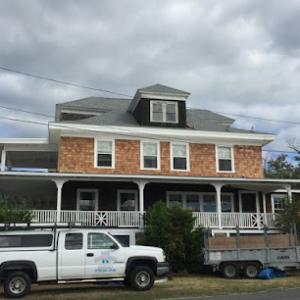
CWC Construction Group
(978) 601-5646 cwcconstructiongroup.com
12 Becker Cir, Gloucester, Massachusetts
5.0 from 7 reviews
CWC Construction Group is located in Gloucester, Massachusetts. Specializing in roofing, siding, carpentry, painting and renovations. We take pride in what we do and the area we work in. We service Cape Ann and the North Shore.
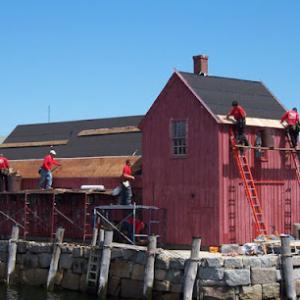
Precision Roofing Services Of New England
(978) 281-3340 www.precisionroofingservicesne.com
Serving
4.8 from 80 reviews
Precision Roofing Services of New Engl is a business located in Essex, MA that specializes in high wind resistant roofing. Precision provides quality roofs at reasonable prices. We are a trusted provider of roofing services in your area of Massachusetts. Our goal is to exceed our customers expectations on every single job we undertake.
Decarney Roofing
(978) 304-6147 www.decarneyroofing.com
Serving
5.0 from 316 reviews
DeCarney Roofing is the North Shores leading Roofing specific contractor. Founded by Mario DeCarney a third generation roofer in 2017. We Specialize in Asphalt shingle and EPDM Rubber new roof installations & repairs. We look forward to protecting your home from all the weather New England has to offer!
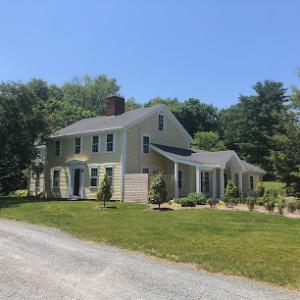
Shea Roofing Company
(978) 745-7313 shearoofing.net
Serving
5.0 from 8 reviews
At Shea Roofing Company, roofing isn't just a service - it's a family legacy. Our locally owned roofing company has served the North Shore area since the 1950s and passed from one generation to the next. Today, the business is led by a seasoned expert with over 25 years of experience in the industry. When you partner with us, expect us to take a personal, hands-on approach. With a loyal crew and high standards, we deliver superior workmanship you can count on. Reach out to us today to see what we're all about.
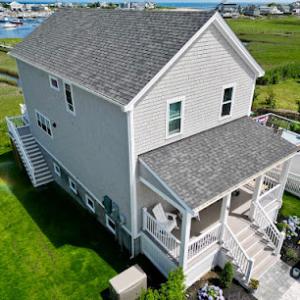
D&G Exteriors
(781) 328-4063 www.dandgexteriors.com
Serving
5.0 from 106 reviews
D&G Exteriors is a residential and commercial roofing contractor, gutter installer, siding contractor, window and door installer and deck builder. We specialize in full replacements and large residential projects. Proudly serving the greater Boston area with the best in customer service, integrity and professionalism, from the North Shore to the South Shore. Insured and licensed.

A&A Services Home Improvement
(978) 613-8232 a-aservices.com
Serving
4.9 from 520 reviews
A&A Services Home Improvement in Salem provides reliable roof replacements tailored to the North Shore’s coastal weather. Our team specializes in helping homeowners protect their properties from heavy winds, harsh winters, and moisture issues common throughout Salem and surrounding areas. We deliver professional roof installation, replacement, and exterior improvements designed for long-lasting performance. As trusted roofing contractors with decades of local experience, we’re committed to quality workmanship and dependable service on every project.
All Weather Exteriors
(978) 953-4869 www.myallweatherexteriors.com
Serving
5.0 from 55 reviews
For those searching for reliable roof replacement services near me, All Weather Exteriors offers reliable solutions to protect your home. If you notice your roof showing signs of wear, it may be time to consider immediate roof replacement services. With a commitment to quality and a team of skilled professionals, we ensure your roof is in optimal condition. Whether you're dealing with minor repairs or a complete replacement, our services are designed to meet your needs efficiently and effectively. Trust All Weather Exteriors to provide the right care for your roof, ensuring long-lasting protection and peace of mind.
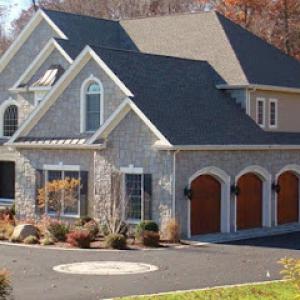
A.C. Castle Roofing
Serving
4.7 from 61 reviews
A.C. Castle Roofing proudly serves the North Shore with over 40 years of expertise. Led by owner, Brian LeBlanc, we deliver only top-quality roofing solutions. Our A+ BBB rating reflects our commitment to safety, quality, and customer satisfaction. Trust us for expert installations, competitive pricing, and unmatched industry knowledge.

Over The Top Roofing
(978) 854-3418 overthetoproofing.pro
Serving
4.9 from 179 reviews
Serving both residential and commercial clients in Peabody, Salem, Beverly, Marblehead, Clifton, Danvers and nearby. Over The Top Roofing excels in high-quality roofing solutions, including metal, slate, rubber, and shingle installations. As your premier roofing contractor in Peabody, MA, we offer comprehensive services such as gutter installation, siding, and custom carpentry. With years of expertise, we've been recognized with the Super Service Award in 2019 for our commitment to excellence. Benefit from our referral program and earn a $250 check for each successful recommendation. Trust us for reliable, top-tier roofing services that safeguard and enhance your property.

Len Gibely Contracting
(978) 531-8234 www.lengibelycontracting.com
Serving
5.0 from 125 reviews
Full service contractor specializing in exterior residential construction.
DaSilva Roofing
(978) 304-6341 dasilvaroofing.com
Serving
5.0 from 98 reviews
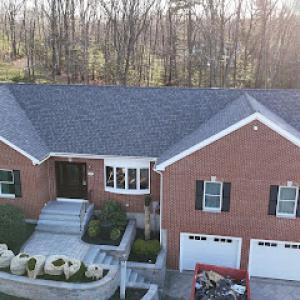
Step into the world of reliable roofing solutions with DaSilva Roofing, where expertise and craftsmanship converge to protect your property. Established in 2019, our team of professionals has a proven track record in crafting new roofs, renewing old ones, and providing prompt emergency repairs. From rubber roof maintenance to chimney flashing, our comprehensive range of services ensures your roof is in the best, most capable hands. #Roofer #Roof Repair #Roof Maintenance #New Roof #New Roof Installation #Roof Replacement #Emergency Roof Repairs #Roof Leak #Roof Damage #Rubber Roof Maintenance #Epdm Rubber #Flat Roof #Chimney Flashing #Roofing Contractor #Roofing #Roofing Specialist #Local Roofing Company #Roofer

US Roofing
Serving
4.9 from 58 reviews
Our goal is to continue to provide the same kind of superior customer service with quality, experience, and integrity that our customers have come to expect. We are committed to continually improve on the quality offered to our customers and the communities we service. Our name reflects our pride in this country as well as family pride. We are proud of what we do and pledge to continue to honor our father’s legacy of quality and service. It is our mission to see that US Roofing continues to be the trusted and respected roofing company that he built.
Cold winters with repeated freeze-thaw cycles hammer roofs in this part of the coast. In Gloucester, exposure to Atlantic winds and salt spray accelerates wear on edge details, valleys, and any vulnerable transitions where shingles meet flashing or siding. Every time a layer of moisture freezes in crack-prone joints, the interior expands slightly, then contracts as it thaws. That push-pull stresses shingle edges, nail lines, and sealant joints, and over multiple seasons it compounds into pulled-up shingles, loose flashing, or hairline leaks that only show up after a heavy thaw or a spring rain. The result is a roof that looks fine from the curb but has a creeping tolerance problem under the tiles or under metal edging. The practical takeaway is plain: visible wear isn't the only warning. The hidden stress in the fasteners and sealants can quietly shorten a roof's life if not addressed.
Snow and winter weather can push full replacement projects out of the traditional window. The coastal location means more frequent wind-driven snow and drifting in exposed roof lines, which complicates deck access, material staging, and worker safety. Homeowners often need to plan re-roofing before peak winter conditions arrive to avoid weather delays that leave a project half-dinished into stiff winds and plummeting temperatures. When schedules compress, you risk rushed workmanship on flashings and valleys, which invites leaks in spring thaws. So, the practical plan is to aim for a mid-spring or late-fall window, allowing enough interior drying time after winter storms and giving crews a predictable stretch of tolerable temperatures to install underlayment, flashing, and final surfaces with proper wind and salt considerations.
Spring rain after a harsh winter often turns small, cold-season failures into active leaks. Ice damming, stressed flashing, and micro-cracks in shingle edges can suddenly reveal themselves when rain returns with warmth and more humidity. In this market, late-winter inspections become especially valuable. Look for buckling shingles near eaves, loose or lifted flashing, and any staining on interior ceilings that aligns with a thaw or heavy rain event. If you notice a light weep or a stubborn wet spot after a thaw, treat it as a warning sign rather than a one-off inconvenience. Addressing it promptly can prevent more extensive water intrusion later in the spring or early summer, when weather windows narrow again.
Your best defense is a steady rhythm of targeted checks aligned with the seasonal cycle. After harsh winters, walk the roof with a careful eye for lifted tabs, degraded sealants, and any gaps where salt corrosion might have started on metal details. As winter recedes and rains return, don't assume a dry attic means a dry roof; confirm through a quick, focused attic inspection for condensation patterns, compromised ventilation, or damp spots near penetrations. If a repair or re-seal is needed, prioritize addressing the most vulnerable flashings and transition details first, because those are the spots most likely to betray you when spring storms arrive.
When you can't wait, these contractors offer fast response times to stop leaks and prevent further damage.
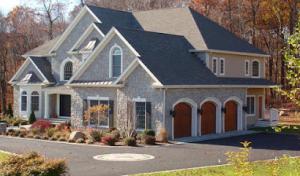

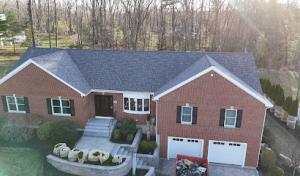
This coastal town faces strong Atlantic winds, salt exposure, and Nor'easter-driven wear that stresses flashing, vents, and roof-to-wall connections. The right material combination helps resist wind uplift, stands up to salt spray, and pairs with re-roofing projects common in the region's older homes. Asphalt shingles remain the default for many Gloucester roofs because they align with the large re-roofing market and the broad range of Cape Ann-era houses. They install quickly, handle prevailing winds when properly vented, and offer reliable performance with standard underlayment and flashing details. When selecting asphalt, focus on architectural or thicker 30-year class products, and insist on quality starter strips and sealed ridge venting to minimize uplift during storms.
Metal roofing has a meaningful presence in Gloucester and is often considered where homeowners want stronger resistance to coastal weather exposure and lower maintenance at vulnerable details. Metal panels resist salt corrosion better when the panels and fasteners are rated for coastal use and the system includes corrosion-resistant fasteners and sealants. The lightweight nature of metal can ease deck and framing loads, and its reflective surface helps mitigate heat transfer in attic spaces. However, ensure enhanced edge detailing at eaves and rake lines, and specify concealed fastening or corrosion-resistant exposed fasteners with proper sealant to deter moisture tracking. A well-sealed snow and wind plan matters here, since Nor'easters can drive heavy precipitation and wind-driven snow onto exposed hips and valleys.
Slate, clay tile, concrete tile, and synthetic/composite products appear in the market, but their suitability depends heavily on structural capacity and the complexity of older Cape Ann-era roof framing. Slate and tile demand careful framing, higher pitch ranges, and precise flashing details around chimneys and dormers. In many Cape Ann homes, the existing structural decking and rafter spans are better suited to durable, lighter options or reinforced framing before tile installations proceed. Synthetic or composite shingles can offer a compromise, providing a more forgiving installation and improved impact resistance while maintaining a similar aesthetic to traditional materials. When considering these options, have a structural assessment done to confirm compatibility with the era-built framing, including attic access for ventilation and the potential need for upgraded ridge and eave supports.
Gloucester's dense mix of historic coastal housing, exposed Atlantic wind, and winter freeze-thaw cycles makes flat-roof sections and skylight penetrations common trouble spots. Contractor signals show meaningful demand for both flat-roof work and skylight repair, indicating leak-prone low-slope sections and roof penetrations are a real local service category. On older coastal homes and mixed-use buildings, low-slope additions, porches, and rear sections often age differently from the main pitched roof and require separate replacement planning. Skylights and similar penetrations are high-risk points during wind-driven rain events common on the coast, especially when flashing has been patched over multiple roof cycles.
In coastal weather, flat roofs and low-slope additions collect wind-driven spray and snow melt runoff differently than pitched leads. This means flashing around skylights, vents, and edge detailing bears the brunt of salt-laden air and freeze-thaw cycles. Older installations may show multiple generations of repairs, where patched flashing can fail during a nor'easter when wind shifts and rain intensity spike. If a rear or porch flat roof diverges from the main roof line, it often carries neglected drainage and insulation flaws that let moisture migrate into framing before a visible leak forms.
Start with the skylight area: look for staining on interior ceilings near skylights, and inspect the flashing from the outside under sunny conditions to spot gaps. Check the perimeter flashing along the flat roof edge for lifted seals or torn mastic, especially where patches were applied in prior years. Pay attention to the coping and parapet walls if the flat section sits behind a low wall, because wind-driven spray can wick moisture into seams missed by older sealants. Inspect low-slope additions and rear sections separately from the main roof-these areas age differently and may require their own staging in maintenance or replacement planning.
Schedule a targeted inspection after the heaviest coastal storms to catch wind-driven leaks early. Clean clogged drains and scuppers on flat sections to maintain drainage, then reseal seams with appropriate materials designed for salt exposure. When flashing shows wear or patchwork is evident, plan for a full perimeter reflash rather than patch repairs that only buy time. For skylights, ensure a professional assesses glazing seals, curb mounting, and flashing continuity; if multiple cycles of patching exist, a full skylight replacement or flashing retrofit may prevent recurrent leaks. In Gloucester homes, coordinating these checks with adjacent flat or rear roof areas helps align weather-ready repairs with seasonal cycles.
Find specialists in TPO, EPDM, and built-up flat roofing systems for residential and commercial properties.

Asphalt shingles run from about 350 to 650 USD per square in this area, while metal roofs sit roughly 700 to 1200 USD per square. Clay tile brings 1100 to 1800 USD per square, concrete tile 1000 to 1500 USD per square, synthetic or composite shingles 450 to 750 USD per square, and slate 1200 to 2400 USD per square. These figures reflect the coastal wind, salt exposure, and the repairs you've already seen on older caps and dormers around Cape Ann.
Costs in Gloucester can rise on older homes where tear-off reveals damaged decking, outdated ventilation layouts, or complicated flashing around chimneys, dormers, and additions. When decks need replacement or there's unfamiliar framing under the eaves, crews double the labor time, which pushes the price higher. If the attic is tight or access for material handling is awkward, crew efficiency drops and so can the bid.
Coastal storm demand, difficult access in dense older neighborhoods, and the labor involved in steep or irregular rooflines can all push local pricing toward the upper end of the range. Nor'easter wear often means extra flashing, better underlayment, and more robust ventilation to prevent wind-driven leaks. Expect higher bids for steep pitches or roofs with multiple levels or complex geometry, where specialists and more protective measures are necessary.
Get at least three detailed bids, each with a full tear-off note if decking is included, and ask for a breakdown that separates materials, labor, and disposal. For asphalt shingles, confirm wind-rated options and nail-down details; for metal or tile, verify underlayment and flashing specs that handle salt exposure. In the end, a well-protected roof that handles Cape Ann storms saves money over repeated repairs.
In Gloucester, a building permit is typically required for a full re-roof rather than being treated as informal maintenance. The town's climate, with coastal wind, salt exposure, and winter freeze-thaw cycles, makes a formal permit a prudent step to ensure the project is designed to withstand nor'easter-driven wear. The permit application should be filed with a clear scope of work and the specific materials to be installed. This matters when considering a change in roofing type or addressing ventilation and underlayment upgrades on older homes, where existing cavities and flashing details may need upgrading to meet current code requirements.
When preparing the permit package, include a precise description of the roofing system, including underlayment, ventilation strategy, and flashing configurations. Upgrades to ventilation or underlayment, common on Cape Ann's older houses, may trigger additional reviews. The permit helps ensure the project aligns with local wind-resistance standards and that any retrofits to attic vents, soffits, or ridge vents are clearly documented for inspectors.
Inspections are scheduled during and after the work to verify that underlayment, ventilation, flashing, and nailed patterns meet code requirements. During the initial inspection, reviewers will look for proper nailing through the decking and correct installation of underlayment in a coastal environment where salt and wind can take a toll. A mid-project check helps ensure ventilation openings are continuous and free of obstructions, which is critical for preventing moisture buildup under high-salt air. The final inspection confirms that all flashing around chimneys, dormers, and intersections is watertight and that the chosen materials have been installed in accordance with the approved plan.
Coordinate with the trenching and debris removal schedule to avoid delays, and ensure the contractor's project scope aligns with the approved permit. If the plan includes changing roofing type or upgrading ventilation, have a detailed drawing or manufacturer's specifications attached to the permit package. Keeping inspectors informed of any on-site adjustments helps prevent back-and-forth delays when Gloucester's coastal weather tests the integrity of the roof.
Storm damage in this coastal town often shows up after nor'easters and wind-driven rain, sometimes masquerading as long-term wear. Massachusetts homeowners insurers generally cover storm-related roof damage when loss is documented clearly and distinguished from gradual deterioration. In a Cape Ann climate, sharp changes in salt spray, wind, and freeze-thaw cycles can blur that line, so precise records matter.
For Gloucester claims, pre- and post-work photos, contractor quotes, and professional assessments are especially important after those nor'easters and wind-driven rain events. A homeowner who has clear before-and-after images, dated notes, and independent evaluations provides the adjuster with a straightforward narrative to justify replacement rather than a mere repair. Photographs should capture shingles, flashing, underlayment, and any evidence of wind uplift or salt corrosion on fasteners.
Adjusters may ask for evidence of wind or hail damage and confirmation that replacement work was installed to code, which ties claim success to permit records and inspection compliance. In Gloucester, where storm exposure is persistent and materials face salt-laden air, the connection between installation quality and long-term performance is closely scrutinized. Being able to point to inspection stamps, weathered samples, and verified contractor workmanship helps prevent delays or denials.
Keep a concise storm diary: dates of events, visible roof changes, and any temporary fixes. Store all contractor communications and ensure every replacement component aligns with current standards. If multiple storms hit in a season, present a cohesive timeline rather than isolated incidents to avoid confusion for claim reviewers.
Find local contractors experienced in assessing and restoring roofs after hail, wind, and severe weather events.
Precision Roofing Services Of New England
(978) 281-3340 www.precisionroofingservicesne.com
Serving
4.8 from 80 reviews