
Last updated: Apr 19, 2026
Massachusetts winter cycles hammer roofs here with warm-season humidity followed by rapid cold. In Peabody, meltwater streams up to the eaves and refreezes as ice dams, pressing against shingles and underlayment. The result is creeping leaks that travel inward through eaves, soffits, and into attic spaces. Your attic ventilation and the integrity of the underlayment are the unsung heroes of resisting this cycle. When ventilation is weak and insulation is thin, the roof warms from the attic and pushes meltwater toward the eaves, where it freezes and creates a stubborn dam. This isn't a speculative problem-it's a practical, frequent reality for local homes with older stock and steep, snow-laden roofs.
If ice buildup lines the gutter or a crust of ice sits along the eave, you are not just dealing with a cosmetic issue. Ice dams block meltwater from exiting, forcing it to back up under shingles and into ceilings. Signs of trouble include damp spots on ceilings, stained plaster, and a chilly attic even when exterior temperatures are moderate. In Peabody, with frequent freeze-thaw cycles, small leaks often become large problems after a few freeze-thaw days. The urgency is real: once water penetrates the attic, it accelerates wood rot, mold risk, and structural degradation. Emergency repair becomes a major local service category because exposed leaks demand rapid access, patching, and temporary containment to prevent interior damage and further ice dam formation.
Attic ventilation and proper underlayment are where the battle lines are drawn. In Essex County conditions, ensure soffit intake and ridge or turbine ventilation are clear and balanced so the attic stays closer to outdoor temperatures. A well-sealed, continuous underlayment over the roof deck helps water that breaches shingles from penetrating deeper into the structure. If ice dam formation starts to recur season after season, attention to the underlayment's condition and attic seal is essential. A robust underlayment paired with adequate ventilation minimizes warm attic pockets that melt ice at the eaves. In practice, consider upgrading or revising insulation to keep the attic space cooler in winter without trapping moisture.
Start by inspecting eaves and gutters for obstructions and damaged shingles. Clear debris that can hold water and cause uneven drainage. Check attic access for gaps around penetrations, ducts, and joists-seal any leaks with appropriate materials so warm air does not migrate into the roof plane. If you notice recurring meltwater pooling near the eaves, plan a professional assessment focused on ventilation balance and underlayment integrity. For new or replacement roofs, insist on a design that prioritizes continuous underlayment, a well-sealed attic, and an effective ventilation strategy to withstand Peabody's winter cycle. Immediate response to a visible leak is essential: stopgap containment, safe access for temporary patches, and a rapid, targeted repair plan to restore water-tightness before more heat and meltwater accumulate along the eaves.
If a leak is actively dripping into living spaces or if attic access is compromised by ice buildup, treat it as an emergency. Local crews specialize in rapid containment and temporary fixes to prevent further interior damage while arranging a longer-term, weather-resilient roof solution. Quick action protects walls, ceilings, and insulation from deteriorating under winter stress.
Peabody's roofing mix spans asphalt shingles, metal, wood, tile, and slate, reflecting a housing stock that includes standard reroof neighborhoods alongside older homes that require specialty replacement knowledge. In a climate with inland freeze-thaw cycles and heavy winter loading, the choice of material often comes down to how well a roof handles ice dam risk, snow mass, and long-term durability. If a home tracks toward mid-century construction or earlier, chances are the roof deck, underlayment, and fastener choices diverge from newer builds. The practical path is to match material behavior to the age-related realities of the underlying structure, rather than chasing a purely fashion-driven selection.
For older homes, slate and clay or concrete tile remain relevant, but their compatibility with the existing roof structure and attic ventilation matters. Slate offers exceptional longevity and curb appeal, yet it demands a robust deck, precise underlayment, and careful staging during replacement to avoid damaging historic detailing. Clay and concrete tile bring a distinctive aesthetic and durable performance in dry conditions, but they are heavier and require structural assessment to ensure the supporting rafters or trusses can bear the load. In many of these homes, a lighter weight option such as certain metal profiles or asphalt with a compatible underlayment may provide a practical compromise, preserving character while maintaining resilience against freeze-thaw cycles.
Wood shingles or shakes present a classic look that suits many older properties, but they require vigilant maintenance and heightened attention to moisture intrusion. Cedar, when properly installed with a robust ventilation and drainage plan, can resist the seasonal pounding of snow and ice. However, when the roof experiences repeated freeze-thaw actions, the risk of grain checking and accelerated degradation increases. In this setting, a well-ventilated system paired with a high-quality underlayment helps manage moisture and extend the life of the wood layer.
In newer construction or standard reroof districts, asphalt shingles remain the practical backbone. They balance ease of installation, repairability, and performance under Peabody's winter regime. Metal roofing, particularly standing seam, fits homes with modern lines or where a longer service life and reduced maintenance are priorities. It also performs well under snow shedding and ice dam considerations when paired with proper attic insulation and airflow. Tile options, including concrete and clay, still find their place on certain streets where the architectural language supports a heavier look, or where the roof pitch and deck capacity align with tile loading. Slate, while less common in new builds, continues to command respect for its prestige and durability on specific estates or homes with matching mass and detailing.
When selecting a material, consider how the age of the home translates into replacement realities. Older roofs often require more meticulous preparation-deck restoration, improved ventilation, and upgraded underlayment-to ensure the new covering performs well against freeze-thaw cycles. The local contractor market signals demand across asphalt, metal, tile, and cedar shake, indicating a healthy mix of options depending on stylistic goals and structural readiness. The best path is to identify the underlying structural capacity and ventilation status first, then align a material choice with how Peabody winters translate into performance demands over the life of the roof.
Spring in Peabody brings storms that pair high winds with heavy rain, a combination that exposes weak flashing, ridge lines, and the edges of shingles in ways you don't see in milder weather. A roof that seemed solid after winter can reveal loose or missing cap shingles, disturbed edge detailing, or valleys that aren't properly sealed once the wind hits the rain at speed. These vulnerabilities tend to show up first on roofs with older flashing details or where the edge around dormers and vents wasn't upgraded during the last reroofing cycle. The message is simple: storms don't quietly test a roof's limits-they reveal the flaws you'd rather address before the next gust.
Chimney work stands out as a frequent contractor signal in this market. Roof-to-chimney flashing and the intersection where brick or block masonry meets the roof surface are common leak hotspots when wind and rain arrive together. If you notice damp spots along the chimney line, or if masonry staining climbs beyond the roof edge after a spring storm, that's a sign the flashing around the chimney or the masonry joints has sagged or cracked. Don't wait for a drip to map the problem-creep and freeze-thaw cycles can turn a small issue into a larger compromise that affects decking and insulation behind the surface.
Autumn debris is not the only time to worry. Wind-driven rain in the spring adds to the same vulnerability pattern your roof endures before winter, and it doesn't stop being a problem when the calendar flips. The same spots-edges, flashing seams, and ridge caps-tend to fail first under the combined assault of wind and moisture. That means leak prevention needs to be a year-round habit, with a tighter eye on the transition periods after storms and before the heat of summer drives more sun exposure into vulnerable seals. If you schedule a quick inspection after a heavy spring rain or after a gusty day with a lot of wind-driven rain, you're catching problems that would otherwise quietly worsen through the season.
After a storm, step onto the attic access with a flashlight and a careful eye. Look for daylight through decking gaps, compressed insulation, or damp odors that travel from the attic toward living spaces. On the exterior, check for lifted shingles at edges, loose flashing along the chimney or vents, and any staining along the fascia where water can back up and wick under the roof line. If you spot anything that looks suspicious, arrange a professional assessment before the next storm hits. A measured, targeted fix now prevents bigger leaks and more invasive repairs later on.
Find local contractors experienced in assessing and restoring roofs after hail, wind, and severe weather events.

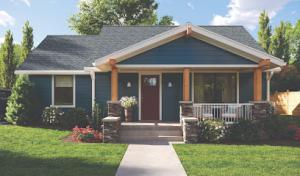
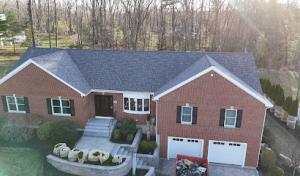
When you estimate a reroof, you start with the material choice and the size of the roof measured in squares (100 square feet). In Peabody, common options range from asphalt shingles at roughly 350-650 per square, up to slate and tile that can run 900-3200 per square depending on the exact product. Concrete tile and metal sit in between, with metal typically 700-1200 per square and clay tile 1000-1900 per square. The numbers reflect typical labor, disposal, and material costs you'll see in local projects.
Older homes in this area often hide deck rot, damaged flashing, or ventilation needs once the old roofing is stripped away. If those issues surface, you'll see costs climb beyond the basic material and tear-off. Slate and concrete tiles compound the effect because they require careful removal and sometimes specialty work. In practice, expect a higher-than-expected bill when the underlayment, drip edge, or attic baffles show wear after decades of freeze-thaw cycles.
Winters bring ice dam risk and storm-driven leaks, which can push scheduling into tight windows. North Shore demand spikes after a heavy storm, and quick-response leak work becomes scarce and pricier. If your project lands in a cold snap or after a weekend storm, you may face higher labor availability costs and compressed timelines. Planning ahead during the shoulder seasons helps keep the project on a steadier pace and reduces emergency surcharge potential.
Beyond the visible shingles, consider costs for ventilation improvements, drip edge, and flashing replacement. In some homes, you'll need additional underlayment or a more robust ventilation strategy to prevent future ice dam formation. Engineered underlayment and properly spaced vents can add to upfront costs but reduce long-term risk of moisture damage. For specialty materials like slate or tile, installation precision is crucial, and labor intensity drives higher per-square pricing.
To move from rough to reliable, you'll want a contractor to identify whether there are hidden deck issues, flashing needs, or ventilation corrections. Compare apples to apples by confirming square footage, attic footprint, and roof pitch, and ask for a line-item breakdown that includes tear-off, disposal, underlayment, flashing, ventilation, and finish materials. With these details, you'll be better positioned to navigate Peabody's typical project mix and avoid sticker shock when the project begins.

Len Gibely Contracting
(978) 531-8234 www.lengibelycontracting.com
23R Winter St #5941, Peabody, Massachusetts
5.0 from 125 reviews
Full service contractor specializing in exterior residential construction.

Over The Top Roofing
(978) 854-3418 overthetoproofing.pro
15 Spring St #4, Peabody, Massachusetts
4.9 from 179 reviews
Serving both residential and commercial clients in Peabody, Salem, Beverly, Marblehead, Clifton, Danvers and nearby. Over The Top Roofing excels in high-quality roofing solutions, including metal, slate, rubber, and shingle installations. As your premier roofing contractor in Peabody, MA, we offer comprehensive services such as gutter installation, siding, and custom carpentry. With years of expertise, we've been recognized with the Super Service Award in 2019 for our commitment to excellence. Benefit from our referral program and earn a $250 check for each successful recommendation. Trust us for reliable, top-tier roofing services that safeguard and enhance your property.

US Roofing
58 Pulaski St, Peabody, Massachusetts
4.9 from 58 reviews
Our goal is to continue to provide the same kind of superior customer service with quality, experience, and integrity that our customers have come to expect. We are committed to continually improve on the quality offered to our customers and the communities we service. Our name reflects our pride in this country as well as family pride. We are proud of what we do and pledge to continue to honor our father’s legacy of quality and service. It is our mission to see that US Roofing continues to be the trusted and respected roofing company that he built.
Melo's Construction
(978) 375-1958 melosconstruction.com
8 Stevens St, Peabody, Massachusetts
4.5 from 21 reviews
For over three decades, our roofing contractors have been dedicatedly serving the Northshore/Boston area, building a reputation for excellence and reliability. Our extensive experience in the industry positions us as a leading choice for both residential and commercial roofing needs. If we included the work we have done in the past 30 years, we could fill up a few dozen pages. Melo's Construction is hands down the longest-running roof contractor in the area, which means we can outmatch the competition in experience alone. So, if you want the best roofing contractor in Peabody and the most reliable roofing, get in touch with our representative now.
Marshall Roofing
(978) 548-6000 www.marshallroof.com
131 Lynnfield St, Peabody, Massachusetts
3.8 from 9 reviews
Marshall Roofing & Sheet Metal has been protecting businesses across New England for over 35 years. We specialize in commercial and industrial roofing, waterproofing, and custom sheet metal solutions. Our team is committed to safety, quality workmanship, and building lasting relationships, delivering dependable results on every project.
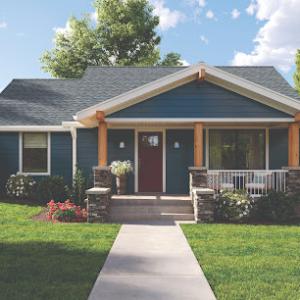
JP Carroll Roofing
(978) 547-1861 www.jpcarrollroofing.com
Serving
4.9 from 205 reviews
While all roofs will eventually face problems and fail, homeowners can take many preventative measures to protect their roofs so they last as long as possible. The most important action is to find a professional roofing contractor in Danvers, Massachusetts you can rely on when something goes wrong. Whether you need roof repair, inspection, window replacement and installation, vinyl and siding installation, gutter installation, or gutter cleaning, you can count on our trained and certified roofers in Danvers for high-quality service every time. As full-service roofing contractors, JP Carroll Roofing has been prioritizing customers for over 30 years and is the best choice for prompt and dependable residential and commercial roofing services.
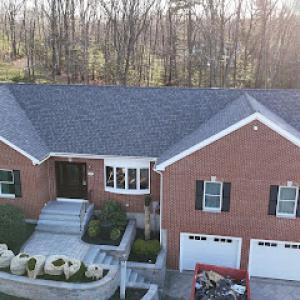
DaSilva Roofing
(978) 304-6341 dasilvaroofing.com
Serving
5.0 from 98 reviews
Step into the world of reliable roofing solutions with DaSilva Roofing, where expertise and craftsmanship converge to protect your property. Established in 2019, our team of professionals has a proven track record in crafting new roofs, renewing old ones, and providing prompt emergency repairs. From rubber roof maintenance to chimney flashing, our comprehensive range of services ensures your roof is in the best, most capable hands. #Roofer #Roof Repair #Roof Maintenance #New Roof #New Roof Installation #Roof Replacement #Emergency Roof Repairs #Roof Leak #Roof Damage #Rubber Roof Maintenance #Epdm Rubber #Flat Roof #Chimney Flashing #Roofing Contractor #Roofing #Roofing Specialist #Local Roofing Company #Roofer
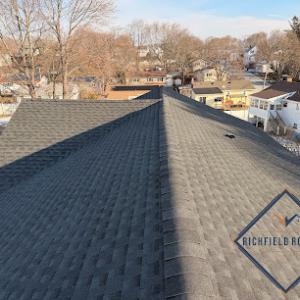
Richfield Roofing
(978) 361-6177 richfieldroofingma.com
Serving
4.9 from 49 reviews
Richfield Roofing is a 3rd generation roofing company that provides service throughout the north shore. We are a family owned and operated business that takes pride in meeting your needs by providing proficient and commendable work!
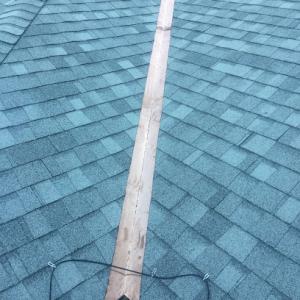
North Shore Roofing
(978) 977-3816 northshoreroofingma.com
Serving
4.8 from 50 reviews
North Shore Roofing has served the North Shore and Greater Boston Area area since 1987 with the best commercial and residential roofing solutions. Our dedicated services to roofing and high-quality customer service set us apart from others. No sales staff, no upselling, no hidden fees; simply the dedication to making sure our customers get the best roof for their home.
WJZ Construction
(781) 469-3726 lynnroofingservices.com
Serving
4.8 from 41 reviews
WJZ Construction is the top choice in Lynn, MA, if you are looking for home remodeling services. We understand the importance of sticking to a budget while still providing high-quality craftsmanship. Our team will work closely with you throughout the project to ensure that the results exceed your expectations while staying within your budget constraints.

A&A Services Home Improvement
(978) 613-8232 a-aservices.com
Serving
4.9 from 520 reviews
A&A Services Home Improvement in Salem provides reliable roof replacements tailored to the North Shore’s coastal weather. Our team specializes in helping homeowners protect their properties from heavy winds, harsh winters, and moisture issues common throughout Salem and surrounding areas. We deliver professional roof installation, replacement, and exterior improvements designed for long-lasting performance. As trusted roofing contractors with decades of local experience, we’re committed to quality workmanship and dependable service on every project.

JN Construction & Improvements
(978) 728-8120 jnconstructionboston.com
Serving
5.0 from 202 reviews
JN Construction & Improvements offers expert roofing, gutter, and exterior construction services across Lynn and surrounding Massachusetts areas. With 20+ years of hands-on experience, founder Ruben Nolasco has built a reputation for reliability, quality workmanship, and affordability. As a proudly immigrant-owned business, we are committed to raising industry standards and delivering durable, client-focused solutions for every home or building.
A full reroof in Peabody typically requires a permit and review by the Peabody Building Department. The department's process is in place to help homes stay compliant with inland freeze-thaw cycles, snow load realities, and older North Shore rooflines. Expect the permit to trigger a project timeline that includes plan review, material verification, and a schedule that reflects municipal sign-offs rather than a single-day private transaction. This means your contractor should anticipate and coordinate with the city early, not after the shingles start flying off.
Inspections occur during and after the project to verify installation details including ventilation, flashing, and underlayment. In Peabody, the inspector will look for proper attic ventilation that accommodates winter moisture and prevents ice dam risk, correct application of underlayment, and correctly sealed flashing around chimneys, vents, and intersections with vertical walls. Because a freeze-thaw cycle can reveal weaknesses in roof assemblies, the inspection regime is designed to catch issues that might otherwise manifest once the cold sets in. Your crew should plan for access to the attic and roof edge locations so the inspector can see the venting and insulation clearances without unnecessary delays.
Because inspection review is part of the local process, homeowners should expect contractor scheduling to align with municipal sign-offs rather than treating reroofing as a same-day private transaction. A practical approach is to have the permit submitted with detailed roof plans and venting diagrams, so review doesn't stall on the technical specifics. Keep in mind that Peabody's climate pushes the need for a well-ventilated roof system and a properly installed underlayment to resist ice dam formation. If winter weather windows constrain work, your contractor should discuss staged milestones that satisfy inspection checkpoints rather than pushing for a rushed sequence.
Ask for a copy of the permit application and the anticipated inspection dates before work begins. Confirm that your contractor will arrange the required City of Peabody inspections and notify you of any documentation the inspector may request, such as attic ventilation calculations or product data for underlayment and flashing. During the project, maintain accessible egress points for inspectors and ensure any temporary protections for siding or landscaping are in place. After completion, expect a final inspection to verify that the roof meets code requirements and that the ventilation and flashing details align with the city's standards for a durable, long-lasting installation amidst Peabody's freezing winters.
Massachusetts insurers commonly ask for roof-condition documentation, photos, contractor scope details, and replacement plans when evaluating claims tied to roof damage. In a market like this, the exact terms and pricing can vary by carrier and by roofing material used on the home. That means your claim package should be precise about what was damaged, how it was assessed, and what a replacement would involve.
In Peabody, ice dams, snow buildup, and freeze-thaw cycles drive rapid, visible wear. Start with interior staining near the ceiling and along exterior walls where water intrusion becomes noticeable. Take high-resolution shots of every damaged area from both ground level and up close. Photograph the roof edge, flashing, valleys, gutters, and signs of compromised decking. If a temporary tarping or patch is placed, document the condition before and after, including date-stamped images. Keep a simple log: date, location of damage, weather conditions, and who performed any temporary fix.
There is no statewide uniform insurer pullback in Massachusetts, but coverage terms and material-specific nuances matter. When describing the scope, include the material used on the roof and any known preexisting conditions that could affect coverage. Attach a contractor scope detailing labor, materials, and a proposed replacement plan, with clear timelines. If an adjuster requests a second opinion, have your contractor provide an independent assessment that links the damage to weather-driven events and the observed ice dams or leaks.
In a Peabody cycle of frequent emergency repairs, document leaks, interior staining, and exterior damage quickly before temporary fixes begin. Swift, organized documentation helps support the claim and minimizes back-and-forth, aligning expectations between you, the insurer, and the contractor. Maintain copies of all communications and notices as the process progresses.
Connect with contractors who help homeowners navigate the claims process from damage assessment to final approval.
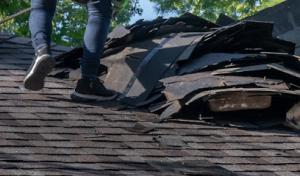

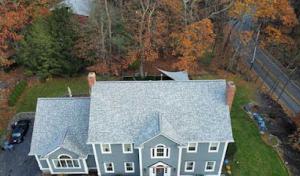
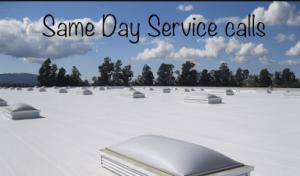
Flat-roof service is a meaningful local specialty, indicating that homeowners often need help with low-slope sections on additions, porches, garages, or mixed-roof homes. In this climate, snow buildup and spring rain stress these areas more than flat main roofs, so pay attention to drainage and edge details.
These low-slope areas are especially vulnerable during Massachusetts snow accumulation and spring rain if drainage, seams, or flashing transitions are weak. Ice dams along transition lines can back up under flashing and leak into living spaces or attic air gaps. Poorly finished curb details or vent penetrations also become failure sites after freeze-thaw cycles.
During reroof inspections, focus on underlayment coverage and flashing quality around low-slope sections. Check that the underlayment extends well under any higher-slope roofs that meet the flat area, and verify continuity at all transitions. Look for loose fasteners, punctures, or misaligned seams that could allow water to infiltrate the roof assembly.
Because mixed-slope homes need careful detailing where low-slope sections meet steeper asphalt or slate roof planes, ensure a clearly defined plan for water flow away from seams. Use properly integrated flashing that steps up with each slope and avoids creating a cold corner where ice can form. Seal penetrations thoroughly and match roofing materials as closely as possible to the adjacent plane.
In late winter and early spring, proactively clear snow from flat sections where safe access exists, and verify that all scuppers, drains, and gutter lines are free of debris. After heavy storms, recheck edge metal and flashing for displacement, then plan a targeted follow-up inspection to catch small leaks before they expand.
Find specialists in TPO, EPDM, and built-up flat roofing systems for residential and commercial properties.

Len Gibely Contracting
(978) 531-8234 www.lengibelycontracting.com
23R Winter St #5941, Peabody, Massachusetts
5.0 from 125 reviews
Patriot Contractors - Commercial Flat Roofing Services
(888) 787-8766 patriotflatroofcontractors.com
Serving
5.0 from 25 reviews
In Peabody, the market rewards crews that respond quickly and contain mess and debris from day one. Your decision should hinge on how well the crew protects landscaping, walkways, and neighboring homes during every stage of removal and installation. The harsher winter cycle can hide damage until spring melt, so a crew that fences off the work area, promptly covers open eaves and gutters, and has a plan for wind-flagged debris is not just convenient-it prevents collateral damage to your home and your neighbor's property.
Peabody's contractor pool includes many firms with deep roots in the North Shore's brick and clapboard homes. That longevity matters for warranty follow-through when issues don't show up until after a winter cycle. Look for a company with a track record of standing by workmanship long after the crew packs up. A reputable team will have a clear process for addressing post-install questions and a reliable point of contact who isn't calling in favors three days after a storm.
Manufacturer-certified materials plus a warranty offered can be helpful signals, but neither should be treated as a sole guarantee. In Peabody, homeowners should verify both material registration and workmanship coverage with the installer. Ensure that the contract outlines how potential failures are handled, who covers what during a cold-season failure, and what triggers a warranty claim. If a crew cannot articulate these details, it's a warning sign to look elsewhere.