
Last updated: Apr 19, 2026
Revere's position directly on Massachusetts Bay leaves roofs exposed to nor'easter conditions, wind-driven rain, and prolonged coastal storms. That means attention should be paid to roof edges, overhangs, and the most vulnerable flashings where seawind pressure can lift shingles or loosen metal details. In practice, that translates to checking tear-offs, hips, and valleys after every major storm and after any period of strong offshore gusts. When the weather eye clears, inspect for uplift damage, loose or missing shingles, and any gutter backflow that could funnel rain into the soffit. A small edge seam or flashing crack can become a fast route for leaks during the next gale.
Winter freeze-thaw cycles in Greater Boston make ice dams a recurring concern, especially on older homes with uneven insulation and ventilation. A roof in this area can accumulate meltwater that refreezes at the eaves, creating a dam that forces water to back up under shingles and into the attic or ceilings. Prioritize addressing ice dam risk with practical retrofits: ensure soffit vents are clear and balanced with attic insulation, seal gaps around penetrations, and keep the attic temperature as uniform as possible to reduce warm pockets that melt ice. If ice forms along the eave, removing it safely with a plastic roof rake from the ground prevents sudden ice slides that damage shingles or gutters during a thaw.
The city's dense housing stock means storm damage can spread quickly from roof edges, flashing failures, and neighboring structures during high-wind events. A loose corner shingle or failed edge metal can act like a cascade, pulling water toward the interior of multiple units in a row of triple-deckers or tightly spaced homes. Pay particular attention to shared walls, skylights, and vent collars that sit near roof edges; wind pressure can drive moisture through already stressed joints. After a coastal storm, a rapid exterior sweep focused on corners, flashing, and penetrations helps catch problems before they propagate into multiple units or rooms.
When a leak starts during a storm, time is the critical ally. Start by keeping a dry-space plan: place containers under active drips and line up towels to minimize water spread. If access permits, carefully cover exposed openings with a tarp anchored securely to nearby solid structure to prevent further intrusion from wind gusts. Do not attempt to walk on a damaged section during gusty weather; instead, capture water entry points visually and document with photos from the ground. As soon as conditions ease, perform a discreet but thorough exterior check for missing shingles, displaced flashing, or open seams along the roofline, then schedule a professional inspection without delay.
Long-term resilience hinges on targeted improvements that address this coast-facing exposure. Prioritize secure fasteners and flashing around chimneys and vent pipes, especially where salt air has corroded metal components. For older homes with uneven insulation, consider improving attic ventilation and adding insulation to reduce heat loss that fuels ice dam formation. In a dense neighborhood, reinforcing critical storm flashings at edges and near adjoining structures reduces the risk of wind-driven leaks spreading to adjacent roofs. Small, proactive upgrades paired with rapid post-storm inspections create a stronger shield against the next nor'easter.
Revere has a large share of older multifamily and mixed-use buildings with flat or low-slope roof sections. That combination of dense neighborhoods and mixed-use layouts means roofing problems often show up quickly at the edges, around penetrations, and where parapets meet the flat surface. The coastal climate brings frequent wind-driven rain, heavy snowmelt, and rapid freeze-thaw cycles, so trouble spots tend to appear in predictable places and respond to targeted maintenance.
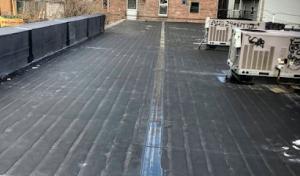
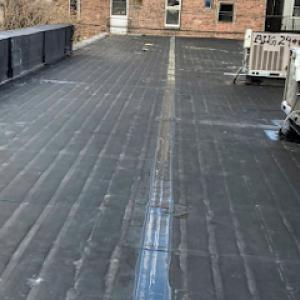
On low-slope roofs, ponding water is not just a nuisance; it concentrates wear on the membrane and can accelerate seam failure. Start by walking the roof after a rain or during a dry spell when the surface is clean and dry. Note where water lingers for more than 48 hours after storms; those are drainage and ballasting weaknesses to prioritize. Check seams and laps along the main field, especially where the membrane changes direction or overlaps a repair patch. In Revere's setting, a seam that holds up for a season may fail the next winter if ponding remains untreated. If you see soft spots when you press with a thumb, or slick, delaminating surfaces near seams, plan for patching or a targeted membrane re-seal.
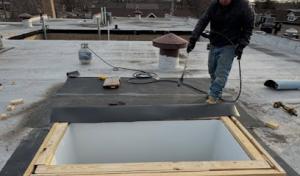
Parapets, vents, skylights, and curbs create the most persistent leak paths on flat sections. In this coastal environment, wind-driven rain can push water into unusually tight gaps. Inspect flashing at parapets where metal edging and roof membrane meet; look for lifting, rust, or torn backing material. Around penetrations-pipes, roof hatches, and HVAC curbs-sealant joints degrade with sun and salt exposure. A common failure is silicone or polyurethane sealants losing adhesion after several seasons of spray and freeze cycles. When you find peeling flashing or dried, cracked sealant, clean the area, reflash where appropriate, and reseal with a compatible, salt-tolerant product designed for the local climate.
Snowmelt followed by refreezing is especially hard on drains, scuppers, and edge details on low-slope roofs in eastern Massachusetts. Clear roof areas near downspouts and scuppers of debris before storms to prevent ice dams from forming and backing up water under the membrane. Ensure edge metal and drip edges are intact and not loose, which can permit water to bypass the primary drainage system. If the roof has a parapet cap that's loose or corroded, wind-driven spray during storms can push water inward, finding hidden gaps behind the cap.
When a leak appears, start at the most obvious entry points: around penetrations and along edges where water is traveling. Place a temporary patch over a small area to buy time while you arrange proper repair-use a compatible membrane sealant or patch designed for low-slope systems and coastal salt exposure. For persistent leaks, document locations with photos and measurements, then coordinate a targeted repair plan that prioritizes drainage, seam integrity, and flashing rehabilitation. In a dense, coastal neighborhood, timely, focused fixes on flat and low-slope sections save more water intrusion than broad, cosmetic fixes.
Find specialists in TPO, EPDM, and built-up flat roofing systems for residential and commercial properties.

Mairink Roofing Experts
(978) 566-2537 mairinkroof.com
141 Rumney Rd, Revere, Massachusetts
5.0 from 12 reviews
We are a local Residential & Commercial roofing contractor located in Revere, MA. At Mairink Roofing, we strive to deliver the best quality services at an affordable price. Whether it is a small repair or a full roof replacement, you can count on the team at Mairink Roofing to get it done right the first time! Since 2014, Mairink Roofing has served the Roofing needs of our neighbors in Boston and surrounding areas. We treat our customers like family, and they appreciate our approach to every residential or commercial project that we take on. When you work with us, we create a personalized proposal for you. We will keep you informed every step of the way so you know every step of the way what's going on on your roofing project.
A.C. Roof Repair
86 Kimball Ave, Revere, Massachusetts
4.1 from 52 reviews
A.C. Roof Repair is a licensed, bonded, and insured roofing contractor with years of roofing experience. Our highly trained staff of roofing contractors are guaranteed to get the job done right the first time. We are experts in all types of roof repairs and roof installation, including shingle replacement, flat roof repair, rubber roofs, EPDM, roof coatings, metal roofing, hail damage repair, & more. A.C. Roof Repair does it all at a price you can afford. WE'LL GET IT DONE RIGHT, AND SAVE YOU A TON OF MONEY! Don't trust just anyone with your roofing repairs! Unlike general contractors, construction companies, & chimney repair outfits, we specialize in roofing, and Only Roofing.
Corolla Roofing
(617) 561-1333 www.corollaroofing.com
Serving
4.7 from 19 reviews
Corolla Roofing, also known as Corolla Contracting, is a trusted roofing contractor located at 120 Banks Street, Winthrop, Massachusetts. They specialize in providing top-notch roofing solutions tailored to meet the unique needs of both residential and commercial clients. With over 30 years of experience, Corolla Roofing is known for their expertise and attention to detail, ensuring durable and long-lasting roofs. Their services include new roof installations, repairs, and maintenance, all delivered with exceptional customer service. The skilled team at Corolla Roofing is committed to completing every project on time and within budget, making them the preferred roofing experts in Winthrop and the surrounding areas.
Gibbs Roofing
(617) 793-7724 gibbsroofings.com
Serving
5.0 from 24 reviews
Gibbs Roofing provides expert roofing services to homeowners and businesses throughout Everett. Our experienced team specializes in roof repairs, full installations, leak detection, and preventative maintenance. We work with durable, high-quality materials—including asphalt shingles, metal roofing, and flat roofing systems—to deliver lasting results. Whether you're addressing storm damage, aging shingles, or planned upgrades, we offer clear, transparent estimates and responsive scheduling. With a commitment to quality workmanship, safety, and your satisfaction, Gibbs Roofing is the trusted choice for professional roofing care in Everett.
Roof Repairs Co. - Leaky Roof?
(617) 846-0900 www.theroofrepaircorp.com
Serving
4.5 from 18 reviews
Roof Repairs offers a variety of superior roofing services with years of industry experience. From preventative maintenance to re-roofing your home of business, Roof Repairs is the only answer for quality lasting roofing services throughout Massachusetts. Whether you are a homeowner, business, institution or architect, Roof Repairs has the expertise and the dedicated team of roofers to get the job done right…on time and within budget. The Roof Repairs team works towards one goal with every project…to do the kind of job that will result in decades of leak-free satisfaction. And that takes careful planning and honest consultation.
Master Seal Roofing
(781) 941-6119 mastersealroofing.com
Serving
4.5 from 85 reviews
Here at Master Seal Roofing we are licensed,bonded and fully insured.We have been in business over 23 years,and are roof repair and replacement experts.We specialize in all types of roofing, leak repair,flat roofs, and more.We give free fully detailed estimates with pictures,with no obligations.We work on residential and commercial properties.We have 24/7 emergency roof repair, snow and ice removal with 100% satisfaction guaranteed.All our work comes with a 5-10 year maintenance programs free of charge.We stop your roof from leaking and can locate were it's leaking from to stop further damage in one trip,and offer same day service. We can stop your leaking roof.We provide all types of roof repairs and replacements and overlays.
B&D Construction & Painting
Serving
5.0 from 88 reviews
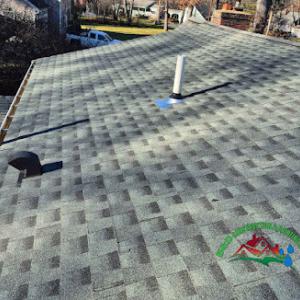
Established in 2010, B&D Construction & Painting tackles a wide range of exterior and interior home improvement projects in the greater Boston area. Their services include roofing, painting, fence installation, gutter cleaning, and snow removal, ensuring your property is well-maintained year-round.
McGilley Roofing & Construction
(781) 520-9086 www.mcgilleyroofing.net
Serving
4.9 from 49 reviews
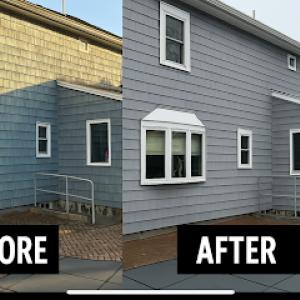
McGilley Roofing & Construction has served Saugus and surrounding communities since 2004, backed by over 30 years of roofing experience. We specialize in roof installations, roof repairs, siding replacements, siding repairs, gutter installations, and gutter repairs for residential and commercial properties. As a GAF Certified contractor, we offer top-tier materials, strong warranty coverage, and honest workmanship. We provide free estimates, maintain clean job sites, and prioritize every customer’s peace of mind. Family-owned, fully insured, and built on trust.
Art Slate Roofing
(617) 913-1130 www.artslateroofing.com
Serving
5.0 from 20 reviews
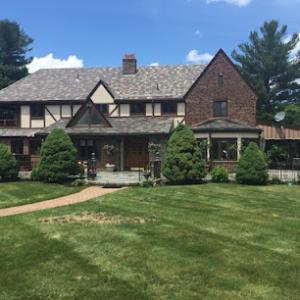
For over 20 years, Art Slate Roofing has been the go-to roofing company in the Cambridge area. We specialize in Historical Renovations, as well as Slate & Copper roofing. From leak repairs to emergency blow-offs, curb installations to coating, preventive maintenance to roof asset management, our roofing team can handle it all. We also offer masonry work, chimney repair, and Gutter & Downspout services. Ask about our warranty! Call today for a free estimate!
Jere Construction Roofing
(781) 888-7440 jereconstructionsroofing.com
Serving
4.8 from 22 reviews
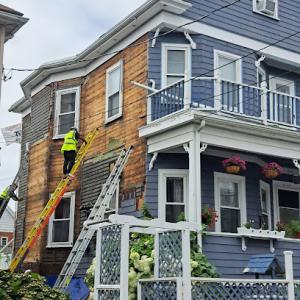
Jere Construction Roofing is a trusted general contractor and roofing specialist in Massachusetts. We offer a wide range of services, from roof installations and repairs to kitchen and bathroom renovations, to snow removal. Our team of experienced professionals is dedicated to providing our customers with the highest quality work and customer service. We use only the finest materials and techniques to ensure that your project is completed to perfection. Contact us today to learn more about how we can help you with your next home improvement project.
Ramirez Painting Corp | Roofing & Remodelling
(617) 275-2682 www.ramirez-painting-corp.com
Serving
5.0 from 29 reviews
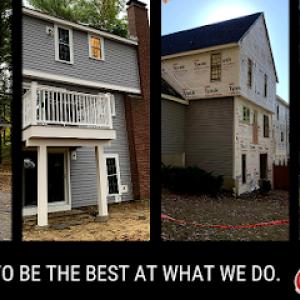
At Ramirez Painting we make a concerted effort to provide exceptional service at incredibly affordable rates. Our ability to set employ th latest innovations in the industry has made us a leader in the industry. Don’t believe us? Call now… Our services include: → Painting → Carpentry → Masonry → Roofing → Gutter Cleaning
Immediate Roofing MA
(781) 382-8581 immediateroofingma.com
Serving
5.0 from 15 reviews
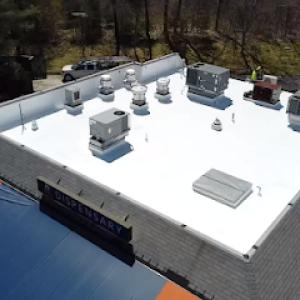
"With 30 years in the commercial rooting industry, our company has become a trusted leader in providing durable, high-performance roofing solutions. We've worked with businesses of all sizes, delivering tailored systems that protect their buildings and stand up to the toughest conditions. Our three decades of expertise mean we understand the unique challenges of commercial properties, from flat roofs to large-scale industrial facilities. When you choose us, you're not just getting a roofing contractor-you're getting a partner dedicated to excellence, safety, and your long-term success.
Asphalt shingles fit much of Revere's residential housing stock because they are widely used on the pitched roofs common in the city's single-family and multifamily neighborhoods. In a climate that swings from Nor'easters to summer heat, asphalt shingles offer a practical balance of cost, versatility, and ease of repair. When choosing asphalt, look for impact-resistant features and at least a Class A fire rating, especially on homes with taller eaves or multiple stories where wind-driven rain can infiltrate the underlayment. The key in this coastal setting is ensuring proper surface preparation and a solid, continuous underlayment, since the salt-laden air can accelerate corrosion on metal trims attached to shingle roofs. Regular inspections after heavy storms help catch lifted edges or damaged shingles early, before ice damming becomes a concern.
Metal roofing can be attractive in coastal eastern Massachusetts for shedding snow and resisting harsh weather, but detailing matters around salt-air exposure and flashing transitions. For Revere homes near the bay or along the beach corridors, metal panels with corrosion-resistant coatings perform well when joints and flashing are properly integrated. The fasteners should be chosen for coastal conditions and sealed to prevent salt-through. Pay particular attention to the transitions where the roof meets walls, chimneys, and dormers; improper flashing in these corners is a common failure point after winter storms. While metal roofs can extend a roof's life and resist wind uplift, the surrounding decking and ventilation must be compatible to avoid moisture entrapment. If a metal roof is selected, collaborate with a contractor who has experience in salt-air environments and in maintaining correct thermal movement across large spans.
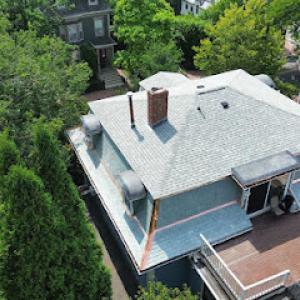
Slate appears on some older Greater Boston homes and can be a good match for historic-era architecture, but repairs require specialized labor that is less common than standard shingle work. In Revere, slate can preserve the historic look of early 20th-century row houses and capes, especially where curb appeal and architectural integrity matter. The reality is that slate is heavier and more fragile than asphalt, and the maintenance ecosystem is narrower: replacements, if needed, require skilled masons or slate specialists who understand how to match thickness, material, and nail patterns. Because coastal conditions can accelerate freeze-thaw cycles, slate roofing requires precise flashing, ridge caps, and occasional re-bedding of ridges to avoid water intrusion at seams. If a historic home has slate, plan for periodic inspections that focus on fastener integrity and mortar joints around chimneys and ridge lines.
Concrete and clay tiles offer long service lives and can be well-suited for certain colonial or Mediterranean-inspired facades found in mixed neighborhoods along the coast. Clay tile delivers a classic look and decent wind resistance when properly installed, but it is heavier and more brittle than modern composites; installation must account for structural support and roof pitch to minimize risk of breakage during severe storms. Concrete tiles provide extra mass and a broader range of profiles, yet their weight means structural assessment is essential, especially on older decking. In coastal settings, the color and texture choices also influence thermal behavior and glare, which can impact attic temperatures and, in turn, moisture dynamics under the roof sheathing. On any tile option, ensure reliable flashing around any penetrations to prevent wind-driven leaks.
Selecting roof materials in this city comes down to matching roof geometry, exposure, and maintenance capacity with the material's strengths. For many homes, asphalt shingles offer a straightforward, resilient baseline for steeply pitched roofs. For properties where coastal aesthetics or wind resilience are priorities, metal can be a strong option when detailing and flashing are meticulously executed. Historic or architecturally significant houses may justify slate, provided the availability of experienced labor for repairs. If a long-term, low-maintenance approach is desired and the structure can bear the weight, concrete or clay tiles present compelling alternatives with appropriate reinforcement. The best choice always aligns with the home's orientation to prevailing winds, the salt-air exposure, and the owner's willingness to invest in targeted maintenance.
In this coastal area, labor pricing follows Greater Boston trends, and that shows up in every bid you receive. Crews arrive with tighter schedules and smaller staging spaces because properties are closely spaced and dumpster access can be limited. Those logistical realities push both daily rates and mobilization fees higher than inland suburbs. When a nor'easter or a big wind event hits, storm-driven demand tightens schedules further, often extending lead times and nudging pricing upward for a short window.
The starting point for a roof replacement is the chosen material. Asphalt shingles remain the most common option, with typical costs around 350 to 800 USD per square installed. Metal roofing sits higher, usually 650 to 1,200 USD per square. If clay or concrete tiles are considered, expect 900 to 1,700 USD or 800 to 1,500 USD per square, respectively. Synthetic or composite shingles run roughly 550 to 1,000 USD per square, while slate sits at the premium end, about 1,000 to 2,500 USD per square. These figures assume standard layouts and accessible staging zones; tight Revere projects can tilt the numbers modestly upward due to weather windows and crew logistics.
Older homes in this area frequently reveal hidden decking, flashing, chimney work, or ventilation corrections once tear-off begins. What looks like a straightforward replacement can evolve into substantial, above-base-rate work as rotten decking is found, or flashing around chimneys and dormers needs overhaul to perform well against winter moisture and salt air. Every tear-off plan should include a contingency for these discoveries, typically 5-15 percent of the base material cost, but in practice this can swing higher if multiple problem areas are uncovered.
Storm-driven demand spikes after nor'easters and major wind events don't just affect scheduling; they can tighten material supply and push up lead times. If timing is flexible, you can sometimes wait out a spike, but in the wake of a big storm, be prepared for a queue of job starts and a few weeks' variance from bid to start. In a market like this, getting firm timelines and written pricing for both base materials and potential contingencies helps prevent sticker-shock mid-project.
When evaluating bids, look beyond the per-square price. Ask each contractor to itemize staging costs, disposal, hidden-deck repairs, and flashing/chimney work. Confirm what happens if an unforeseen structural issue is found after tear-off begins. This approach keeps expectations aligned with the realities of Revere's dense housing stock and winter moisture challenges.
Get a clear picture of your project costs upfront - no commitment required.
A full re-roof normally requires a permit through the City of Revere Building Department. That means before any shingles come off and new layers go on, you and your contractor need to line up the proper paperwork, site plans if required, and a clearly defined scope of work. Coastal homes with mixed slopes and older triple-deckers can trigger additional checks, so early conversations with the permit office help prevent last-minute delays. The root of the process is not merely getting a stamp on the plan; it's about ensuring ventilation, flashing details, and correct installation methods are settled up front. If the project scope changes midstream, expect the permit to be amended and re-reviewed.
Inspections in Revere occur during and after the job, with attention to ventilation, flashing, and proper installation rather than just the finished surface appearance. The inspector will look at roof venting, attic air flow, and how valley and chimney flashing are integrated to handle coastal moisture and winter ice. Because nor'easters and wind-driven rain are common, the emphasis on proper nailing patterns, underlayment choices, and drip edge placement is practical, not cosmetic. Plan for at least a couple of critical checks during tear-off and once the new roof is laid, plus a final review to confirm all work aligns with the approved plan.
Homeowners may need permit documentation available when final inspection paperwork is being completed, so contractor permit handling should be clarified before work starts. Keep a simple file: permit receipt, any amendments, inspection notices, and the final occupancy/approval slip. If a storm response is part of the project, coordinate temporary coverings and tarping with the same attention given to ventilation and flashing details, so the permit sequence remains uninterrupted and the final inspection can proceed without scramble.
Rushing the permit sprint or skip-checks can lead to rework, moisture intrusion, or failed inspections, especially with older, low-slope sections susceptible to ice dam risks. Maintain open lines of communication with both the inspector and the contractor, and verify that ventilation paths, flashing transitions, and drip edges meet the coastal realities of this area. A well-documented, orderly process reduces the risk of leaks and keeps you on a predictable schedule when winter storms loom.
Massachusetts roof claims commonly follow wind, hail, and nor'easter events, which are especially relevant for a coastal city with dense housing and many older triple-deckers. In a storm season, an insurer will look closely at whether damage happened suddenly in a wind event or is linked to gradual aging and deferred maintenance. If a roof has carried years of salt spray, ice dams, and repeated wind-driven rain, the line between storm damage and wear becomes a focal point in the claim decision. Understanding that distinction ahead of filing can help you chart a clearer course through the process.
Photo documentation is crucial when the claim is filed and again when closing out the file after repairs. Take clear, dated photos from multiple angles after a storm, focusing on fasteners, flashing, and any signs of wind uplift or hail impact on shingles and edges. A licensed contractor estimate adds credibility, showing a professional assessment of what needs replacement or repair and why. In neighborhoods with older housing stock, insurers often want to see that the damage aligns with a storm event rather than long-term deterioration; detailed documentation helps make that case.
After a nor'easter, act quickly to protect interior spaces and structural elements. Temporary tarping or boarding over exposed roof sections can prevent further water intrusion, especially on low-slope sections common in coastal areas. Keep receipts and notes of any temporary fixes, as insurers may request these details during review. When the repair is completed, retain the final contractor report and any follow-up inspections to verify that the roof system has been restored to a wind- and water-resistant condition. This diligence can influence how smoothly the claim moves toward closure.
Connect with contractors who help homeowners navigate the claims process from damage assessment to final approval.
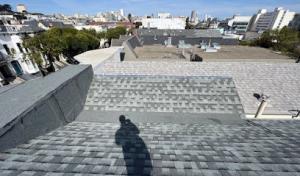
Clancy Roof & Leak Repairs
(617) 467-2455 clancyroofrepaircharlestown.com
Serving
5.0 from 53 reviews
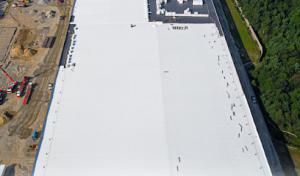
Late spring through early fall is typically the best replacement window. In this coastal setting, winter weather and the spring thaw can disrupt installation and drying conditions, extending timelines and increasing risk of hidden moisture. Scheduling during the clearer months helps the crew complete work without weather delays and allows shingles, membranes, and sealants to cure properly before the cold season returns. This window also aligns with the milder sea breezes that reduce wind-driven debris during critical stages of a roof refresh.
Summer heat can affect material handling and crew pace on exposed roofs near the coast, especially on dark membranes and metal surfaces. High temperatures can shorten crawl space and attic ventilation cycles, so plan for extra crew time and safer, slower pacing on steep or low-slope sections. Morning starts and shaded work areas minimize heat stress and reduce the risk of heat-related damage to underlayment components. If a summer storm track is forecast, discussing contingency timing with the crew keeps the project from stalling mid-day in sudden downpours.
Fall storm activity in coastal Massachusetts can suddenly shift schedules, so homeowners benefit from booking before peak autumn weather volatility. Early-to-mid fall typically offers fewer long dry spells than late fall, reducing the chance of rain-induced delays. Have a clear plan with the contractor for tarp protection and rapid leak response if a storm develops, and confirm stiff wind mitigations for sheet metal and ridge cap work. If a late-season repair is unavoidable, prioritize it before early winter freezes set in to minimize disruption and ensure dependable performance through the region's next winter.