
Last updated: Apr 19, 2026
Storm events in this Downriver market hit roofs with surprising speed, and emergency repairs are a common specialty for local contractors. In peak spring and fall, you'll notice crews mobilizing quickly after wind or hail, aiming to stop leaks and prevent interior damage before a full replacement can be scheduled. The urgency isn't just about a missing shingle-it's about protecting ceilings, walls, and personal belongings from rapid deterioration once moisture enters through a compromised roof line.
When a storm rolls through, you should act fast to document condition and secure the property. Michigan hail and wind claims hinge on detailed photo documentation that captures the roof surface, gutters, vents, and flashings from multiple angles. Take clear shots after the storm but before any temporary repairs, and repeat once temporary tarps are in place. Clear, dated images of granule loss, cracked shingles, lifted edges, and sagging or missing components help the adjuster assess damage accurately and avoid back-and-forth delays. If you must tarp or cover, do so with sturdy plastic or a proper roof tarp to seal the area, then photograph those emergency measures as well.
A practical, city-specific pattern to expect is this: a roof may need temporary tarping first, with the full replacement scheduled later when winds die down and conditions stabilize. In spring, volatile weather can return quickly, so the timeline between emergency response and permanent repair matters. The contractor you choose should be ready to secure tarps promptly, coordinate with the insurer, and maintain a documented trail of weather delays, access issues, and any interior exposure. Keep the lines of communication open with the roofer and your adjuster, and insist on a written scope of work that distinguishes temporary fixes from permanent replacement.
Documentation should extend beyond photos. Create a simple log that records dates of the storm, when tarping was installed, and when inspectors or adjusters visited. Note any prior roof concerns, attic condensation, or signs of leaks inside the home that appeared after the storm. Insist on a written inspection summary from the adjuster that aligns with the photographs, so the claim isn't stalled by ambiguous findings. If an estimate is proposed, request itemized line items that clearly separate emergency measures from the proposed full replacement, and keep copies of every document for your records.
Know your local rhythm: storms arrive with little warning, inspectors move quickly, and the window for arranging safe temporary repairs can be limited by weather and access. Prioritize securing the home, documenting exhaustively, and communicating promptly with both the contractor and the insurer. When in doubt, lean toward immediate tarping and a clear plan for follow-up work; delaying can amplify water intrusion and complicate the claim process.
In Lincoln Park, asphalt shingles are the dominant practical choice and align with the large share of local contractors advertising re-roofing and asphalt work. The typical older housing stock means that tear-off condition often matters more than surface appearance, because decking and ventilation issues may only become visible once shingles are removed. Freeze-thaw cycling in southeast Michigan can shorten the useful life of aging asphalt roofs by worsening granule loss, brittle tabs, and leak points around penetrations.
On older homes, the roof deck and ventilation setup may not have kept pace with original design standards. When a re-roof, even if only partial, is on the table, the order of operations matters. A complete tear-off lets you see hidden rot, lifted sheathing, or compacted underlayment that a surface-only layer can mask. If that inspection reveals compromised decking or insufficient ventilation, addressing those issues now will help prevent rapid deterioration after the new shingles are installed. In practice, that means coordinating tear-off timing with venting upgrades and a careful evaluation of drip edge, underlayment, and flashing around chimneys, valleys, and skylights.
During an inspection, focus on deck integrity, particularly near eaves and penetrations. Look for soft spots, curled or cupped edges, and any signs of moisture intrusion in the attic, such as moldy joists or staining. Ventilation is critical: aging soffit vents and inadequate attic fans can trap heat and accelerate shingle deterioration. If the attic shows signs of poor ventilation, plan for a venting retrofit alongside the roof replacement. Also check for ice dam potential; in practical terms, this means ensuring solid drainage paths and proper insulation to reduce thaw-refreeze stress at eave lines.
After a wind or hail event, begin with a prompt exterior inspection, focusing on missing granules, dented metal drip edges, and damaged flashing. Photograph damage from multiple angles, including internal signs of leakage such as stained ceilings or damp insulation. Create a repair timeline: note when you first observed issues, when you contacted a roofer, and any temporary tarping you applied to protect interiors. For older homes, minor surface changes may hide more extensive decking damage; a licensed roofer should verify the condition after removal of old shingles. If leaks appear, document the exact locations and leakage patterns to help target repairs quickly.
For active leaks, implement temporary measures to protect interiors while waiting for a contractor. Use a tarp or plastic sheeting anchored securely at solid points, avoiding additional damage to roofing components. When a repair is necessary around penetrations or flashing, insist on matching sealants and flashing materials to the existing system and correcting any gaps that could admit water behind the new shingles.
Once the new asphalt roof is installed, schedule a follow-up inspection to verify adequate attic ventilation and moisture control. Confirm that all penetrations are correctly flashed and sealed, and that the shingle alignment and nail placement are uniform. In older homes, keeping a routine eye on potential cold-weather stress points helps extend the life of the new roof through multiple Michigan winters.
The most popular roofing material in the US. Find pros who install, repair, and replace asphalt shingles.
Pilgrim’s Professional Roof Repair Service
(734) 374-8756 pilgrimsroofrepairservice.com
Serving
4.8 from 60 reviews
Chucks Roofing Company
(313) 386-8962 chucksroofingcompany.com
2231 Fort St, Lincoln Park, Michigan
4.9 from 184 reviews
At Chuck's Roofing Company, we provide expert roofing and siding services to homes in Lincoln Park, MI, and the surrounding areas. As a trusted roofing contractor, we specialize in roof installations, repairs, and siding solutions designed to protect and enhance your property. Our team is committed to delivering exceptional craftsmanship and durable results that stand up to the elements. Trust our roofing company and siding contractors to keep your home beautiful, secure, and weather-resistant for years to come.
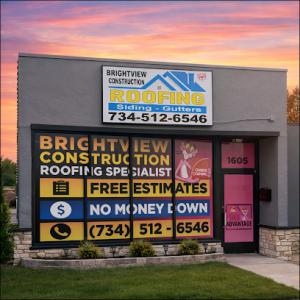
BrightView Construction
(734) 512-6546 brightviewconstruct.com
Serving
5.0 from 58 reviews
BrightView Construction is a trusted roofing company proudly serving Wyandotte, MI and the surrounding Downriver communities. As a skilled roofing contractor, the team specializes in roof repair, roof replacement, and emergency roofing services for both residential and commercial properties. In addition to expert roofing, the company offers siding solutions and professional gutter service designed to protect and enhance every structure. Committed to quality, BrightView Construction uses only premium materials and proven techniques to deliver long-lasting results that clients can rely on.
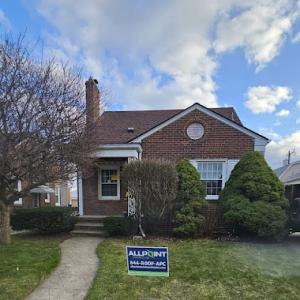
AllPoint Construction
(734) 407-7110 allpointconstructionmi.com
Serving
4.6 from 642 reviews
AllPoint Construction is Metro Detroit’s trusted choice for quality home improvements, from expert roofing and siding to kitchen & bath remodels and custom additions. As a family-owned company, we take pride in craftsmanship, integrity, and creating spaces you’ll love for years to come. Whether you need a reliable roofing contractor after a storm, energy-efficient windows, or a dream kitchen makeover, our team is here to make it happen. Call today for your free estimate and experience why homeowners across Downriver and Southeast Michigan choose AllPoint Construction to build, repair, and remodel with confidence.
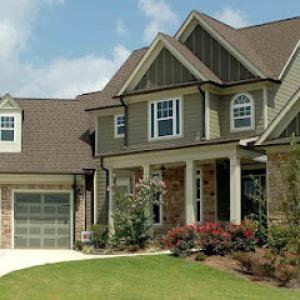
Crown Pro Construction
(313) 346-4749 www.crownproconstruction.com
Serving
4.8 from 44 reviews
Crown Pro Construction offers a full range of services, including roofing, siding, gutters, windows, gutter protection systems, and specialty roofing throughout the Detroit Metro area.
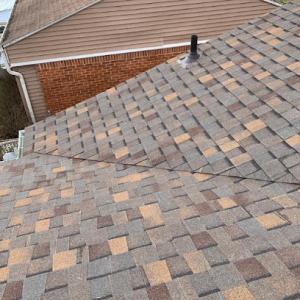
RSW Home Construction
(248) 757-9279 rswhomeconstruction.com
Serving
5.0 from 4 reviews
RSW Home Construction offers roof installation and roof replacement services to the Wayne County and Metro Detroit areas. Licensed & Insured with years of experience roofing in Michigan behind our belts. We take pride in our high level of customer service and promise to always provide top-notch services to our customers. We now proudly offer 10% off full roof installation and replacement services and are excited to get to know you and show you the quality of our workmanship, professionalism, and integrity. Get in touch with our professional team today for a free complimentary estimate and see for yourself why our customers choose RSW for their residential roofing needs.
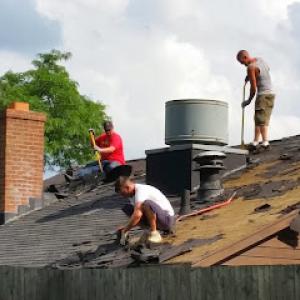
Advantage Roofing & Construction
(313) 986-1877 advantageroof.us
Serving
5.0 from 57 reviews
We are a full service commercial and residential roofing, siding, gutters and general building and home maintenance and installation company.
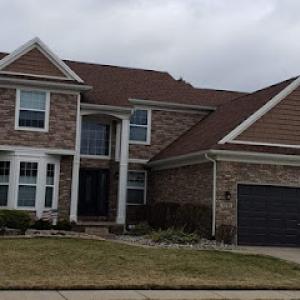
Avanti Construction
(734) 732-2985 avanticonstruction.org
Serving
5.0 from 14 reviews
We are a licensed and insured residential home improvement company dedicated to exceeding our customer's expectations. Our goal is to work with you in making your home improvement vision become reality. We also have a lot of experiance working with insurance companies and can help you navigate your home insurance claim to make sure you are getting everything you are entitled to. Having a contractor on your side can make all the difference and we are here to help relieve your stress and be your advocate for a fair and honest resolution. We are excited about helping make your home update dream project a reality. Call today 734-732-2985
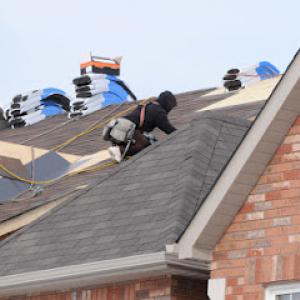
Select Roofing
(519) 563-8926 www.selectroofing.ca
Serving
5.0 from 19 reviews
Homeowners appreciate Select Roofing because we focus on job site and worker safety, the cleanliness of the project, and the steps that we take to protect your home while we’re working. In addition, all completed jobs are given a thorough inspection by our company owner to ensure the highest standards of quality. Serving Windsor, LaSalle, Amerstburg, Tecumseh, Lakeshore, Essex, Leamington, Kingsville and more!
Level Up Improvement
(313) 287-9525 levelupimprovement.com
Serving
5.0 from 128 reviews
We are a family-owned Roofing, Siding, and Window contractor that is local to the Metro Detroit area. We have experience installing and managing projects on homes across Southeast Michigan.
Mill Connection Home Improvement
(313) 215-2186 www.millconnectionhomeimprovement.com
Serving
4.9 from 60 reviews
Experienced and reliable roofing contractor serving Southeast Michigan. We specialize in providing high-quality roofing solutions for both residential and commercial properties. Our team of skilled professionals is committed to providing exceptional customer service and ensuring your roof is protected for years to come.
Napier's Home Improvement
(734) 676-6557 napiersroofing.com
Serving
4.8 from 95 reviews
For over 40 years, Napier’s Home Improvement has been Downriver and Southeast Michigan’s trusted, family-owned roofing company—and the oldest in Downriver. Three generations strong, we’ve built our reputation on quality workmanship, honest pricing, and treating every home like our own. From small repairs to full roof replacements, we always start with a free on-site estimate because we believe in transparency and lasting customer relationships. Your roof protects your family, and we take that responsibility seriously—roofing is our family legacy. Thank you for supporting Napier’s Home Improvement. Contact us today to schedule your free on-site consultation!
NorthWest Construction
(313) 277-7676 www.nwconst.com
Serving
4.5 from 99 reviews
Terry Burke has been a Roofing Contractor for over 25 years. His Roofing Company in Dearborn, Michigan has provided a roof over many friends and neighbors heads in Metro Detroit. Northwest Construction is family-owned business and and business and we pride ourselves on our Integrity, Quality Workmanship, and Reputation. We are A+ Certified member of the Better Business Bureau and have received Angie's List "Super Service Award" in each of the last SIX years!
When planning a full roof replacement, a permit is typically required rather than treating the project as simple maintenance. This city approach helps ensure that the work safely meets local structural, venting, and drainage standards-and it also smooths later interactions with insurance and warranty processes after wind or hail events. For homeowners reviewing bids, knowing that a permit is part of the project helps align expectations about timelines and who handles the filing and scheduling with the city.
In Lincoln Park, the permit application is commonly submitted by the roofing contractor to the city building department. That matters for homeowners who are comparing bids: you'll want to confirm who is filing, who will respond to any city requests for information, and how the contractor will coordinate the inspection schedule with you. If a contractor asks you to sign off on the permit or to provide proof of ownership, be sure you understand what you're agreeing to and that the contractor has included you on any correspondence from the building department.
Local inspections are typically conducted in two key phases. First, inspectors usually visit during the tear-off phase to verify that the old roof is removed and that the roof deck and any related structural components are exposed to allow a proper inspection. The second inspection happens after installation, confirming that the new roofing system is installed to code and that ventilation, flashing, and drainage meet city standards. In practice, processing commonly runs about 1-2 weeks if there are no issues or required corrections. That stack-up means planning for a brief window where residents may hear more activity at the eaves or observe inspectors walking the job site, especially during tear-off and the final confirmation.
Before the project starts, confirm with the contractor that the permit application is underway and identify a primary point of contact at the city building department for status updates. Gather basic project details: roof type, venting plan, attic insulation considerations, and any repairs to the deck or flashing that might be indicated during tear-off. Have the contractor provide a copy of the permit application and, once submitted, a projected inspection timeline. It helps to set a shared calendar reminder for the inspection dates so nothing slips through the cracks.
Maintain a copy of all permit-related documents, including the permit number, the contractor's license information, and any correspondence with the building department. If weather or supply delays threaten the schedule, keep the building department informed through your contractor to avoid unnecessary hold-ups. When the final inspection passes, confirm that the city issues the certificate of occupancy or the appropriate permit closure documentation, and keep that record with warranty papers and insurance documents for future reference.
A frequent snag is misalignment between the permit timing and material delivery or crew availability. To minimize delays, coordinate closely with the contractor on the anticipated tear-off duration and the sequence of installation. If a city request arises for additional information or alterations, respond promptly to avoid extending the overall timeline. Since storm responses and wind-driven projects are common after severe events, having a clear permit and inspection plan helps protect your home's performance and your recovery process.
Typical local pricing runs about 350-650 USD per square for asphalt shingles, 600-1100 for metal, 900-1700 for clay tile, 800-1500 for concrete tile, 380-800 for synthetic/composite shingles, and 1400-2500 for slate. In Lincoln Park, these numbers reflect not only the material but the labor market and the region's aging housing stock. When budgeting, plan for waste disposal and tear-off if the deck boards show signs of moisture damage, as that can push costs higher into older re-roof projects.
Costs in Lincoln Park can swing with storm-driven demand spikes, especially after hail and wind events when quick-response crews are booked out and temporary repairs may be needed before full replacement. After a wind event, crews may prioritize rapid tarping and leak control, which helps you avoid further interior damage but can complicate scheduling and pricing. If a hail event occurs, the number of estimates may rise quickly, and lead times for materials can stretch. Expect some fluctuation in both material availability and crew rotation, which can influence final numbers.
Older re-roof projects in this market can cost more when tear-off exposes damaged decking, flashing problems, chimney interfaces, or ventilation corrections common in established neighborhoods. Decking that has softened or warped boards increases labor time, and finding proper flashing around chimneys or vent stacks can require custom fabrication. If your current roof has multiple layers, that triggers higher disposal and disposal fees, plus potential inspection and repair of rotted sheathing.
Begin with a cautious inspection focusing on decking and flashing. If shingles look intact but granules are washing into gutters, you may be able to cap with an overlay in certain scenarios, but many homes benefit from a full tear-off to ensure a solid base. For storm-related replacements, document visible damage with dated photos and keep a log of any leaks, including dates and affected rooms. When you request bids, ask each contractor to itemize tear-off, waste disposal, decking repair, and ventilation adjustments so you can compare apples to apples.
In the wake of wind and hail, insurance adjustments commonly influence the scope of work. Have bids that clearly separate temporary leak-control work from the full replacement, and confirm how each contractor handles damaged decking or flashing repairs. If you're leaning toward a specific material, verify how the price range aligns with your choice, especially for metal or tile options, which vary more dramatically in this market.
Get a clear picture of your project costs upfront - no commitment required.
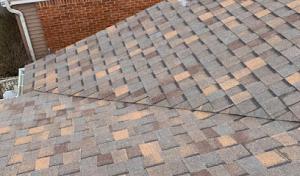
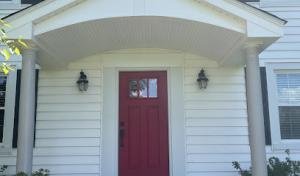
Late spring through early fall is the preferred replacement window for a typical Lincoln Park roof. The combination of a milder spring, then steady summer conditions, and pockets of dry days through early fall helps minimize the risk of moisture intrusion during tear-off and installation. Winter snow and freezing temperatures complicate work, slow crews, and can leave a roof vulnerable to cold-weather leaks if flashing or underlayment aren't fully dried in. Planning for a project to start in this window gives you a better shot at a smooth, continuous process with fewer weather-related derailments.
Summer heat can affect asphalt shingle handling and installation quality. In the local climate, lifts of hot asphalt can become tricky to manage, and rooftop work tends to expand the risk of loose granules or imperfect alignment if crews rush to beat the hottest part of the day. On a typical Lincoln Park home, scheduling morning or late-afternoon sessions, with shaded periods for critical steps, helps keep shingles pliable enough to seat properly. High heat can also stress underlayment and sealants if they're applied during peak sun. A mindful crew will pause during the hottest hours and protect materials from sun exposure to avoid long-term performance issues.
Fall precipitation and approaching cold weather can compress scheduling as deadlines tighten to finish before winter returns. In this season, wet days and shorter daylight windows can push timelines, so it's crucial to secure an accurate start date and build a buffer for weather days. If a project drags into late fall, the risk of rain intrusion, wind-driven leaks, or insufficient drying time before freeze-thaw cycles increases. Coordinating weather-aware milestones with restoration needs helps prevent compromised attic air and interior damage once temperatures drop.
Flat-roof sections on porches, additions, and garages are a common sight on older homes in the style mix you'll see around town. These low-slope areas drain more slowly and trap more moisture after winter thaws, so routine inspection after storms matters. Start by checking for ponding water near flashings and edges, then note any membrane blisters or seam failures. If you spot fasteners popping or gravel covering thinning, plan a targeted dry-out and reseal rather than a full tear-off unless a leak persists.
Skylight issues show up as interior staining near penetrations or around the flashing miters. The most reliable path is to trace leaks from the inside to the exterior, paying attention to the transition between skylight curb and roofing material. When resealing, ensure the flashing is continuous and the curb is solidly fastened to the deck. If the glass or dome shows micro-cracks, or the surrounding flashing has shifted from seasonal movement, a replacement curb with proper sealing often yields the best long-term result. In older homes, check that the chimney flashing overlaps the skylight details to avoid a stack of leaks at the intersection.
Chimneys demand careful attention to flashing where masonry meets roof membranes. Look for cracked mortar, leaning brick, or missing expansion joints, and verify that step and counter-flashing extend well onto the chimney sides. Seasonal freeze-thaw cycles stress mortar joints, so repointing small gaps early can prevent larger leaks. Where brickwork pours water into the deck, prioritize resealing and reseating the flashing first, then address any deck membrane or shingle integration to maintain a continuous water barrier.
Begin with a staged inspection: outer flashing at perimeters, then the skylight curb, and finally the chimney interface. Document weather exposure after the last significant wind or hail event, and photograph suspect areas from multiple angles. When choosing a repair approach, favor small, strategic fixes for flat sections to restore drainage and mitigate future ponding, while reserving full tear-offs for sections with widespread membrane deterioration or persistent leaks.
Find specialists in TPO, EPDM, and built-up flat roofing systems for residential and commercial properties.
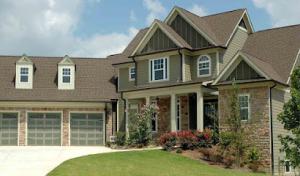


Dayus Roofing Inc | Best Roofing Company in Windsor (Top-Rated Roofers Near Me)
(519) 737-1920 www.dayusroofing.com
Serving
4.8 from 114 reviews
Metal roofs have become a real local upgrade option, not just a niche order. In this market, you'll see metal advertised often enough by nearby contractors to feel like a viable alternative when the weather turns nasty or the memory of last storm lingers. For a homeowner facing frequent wind and hail events, metal can offer a quicker tear-off and a tighter seal during winter freezes, with panels that shed ice more reliably than some traditional shingle configurations. Expect a preference for standing-seam designs in areas with older homes, where a clean vertical seam can help reduce attic condensation and potential leak points after a major wind event. When choosing metal, focus on panel quality, panel interlock, and proper underlayment compatibility to handle the freeze-thaw cycles that stress roofs here.
Premium options, including clay and concrete tile, appear less often in the contractor signal set. Homeowners considering these materials should expect a smaller pool of installers with direct experience on local homes. Tile brings distinct aesthetic and longevity, but installation demands careful substrate assessment and precise sealing around dormers and chimneys-areas that are common trouble spots after storms. Slate sits at the top of the local cost range and is best treated as a specialty material decision where the roof structure and framing can support the weight, plus a contractor with specialized slate experience.
After wind and hail, the priority is leak control and rapid assessment. With metal or premium roof types, document any wind-lifted panels, sealant failures, or broken tiles promptly, and keep dated photos for insurance records. For slate or tile, note any fastener failures or cracked tiles that could propagate leaks during freeze-thaw cycles. Build a concise kit of defect images, a simple roof map noting affected sections, and a timeline of storm-related concerns to streamline the claims process.
Explore specialists in steel, aluminum, and standing seam metal roofs built to last 50 years or more.
Dayus Roofing Inc | Best Roofing Company in Windsor (Top-Rated Roofers Near Me)
(519) 737-1920 www.dayusroofing.com
Serving
4.8 from 114 reviews

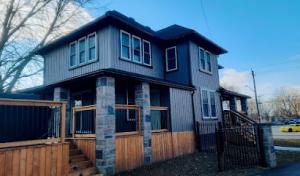
Storm events here bring rapid, high-impact damage to aging Downriver roofs. Michigan's hail and wind claim environment makes roof documentation especially important in Lincoln Park, where storm-response work is a major part of the local roofing market. When a wind or hail event hits, the timeline matters. Insurers will look closely at photos taken at the time of loss, a clear date stamp, and notes about the roof's pre-storm condition, any existing leaks, and how the buildup of debris was handled.
In practice, a few slides of careful, dated imagery and a simple damage map can save disputes. Keep shots from multiple angles, include interior snapshots if water entered, and document any temporary measures you're taking to slow leaks. Premium changes can reflect broader Michigan market conditions, so homeowners often need to weigh repair-versus-replacement decisions against deductible and future premium impacts.
The ripple effects take time: adjusters compare the observed condition to policy language, and a decision to replace or not can influence future coverage and out-of-pocket exposure. Create a storm-loss file early: save all correspondence with the insurer, log weather events, and photograph the roof after each rain event during repairs. When an adjuster visits, provide a concise scope of damage, with a timeline and estimated tear-off needs. If contractors note signs of pre-existing wear unrelated to the event, document that separately. If a claim spans multiple events, keep a running record of each incident, including weather warnings, emergency responses, and the sequence of contractor visits. This discipline helps avoid mismatches between what was observed initially and what was recorded later during settlement. Agreement on a scope in storm aftermath can prevent back-and-forth delays that cost quiet days. Before any lifting or tearing begins, assemble a simple checklist: the date of loss, photos of the entire roof, close-ups of damaged areas, attic or ceiling moisture notes, and a log of temporary fixes like tarps or drainage changes. Insurers appreciate a straightforward narrative that aligns images with a rough map of affected sections. If a claim spans multiple events, keep a running record of each incident, including weather warnings, emergency responses, and the sequence of contractor visits. This discipline helps avoid mismatches between what was observed initially and what was recorded later during settlement. In storms, speed matters, but accuracy saves you exposure and surprises later. Keep a digital backup and share it with your adjuster promptly too. That disciplined approach reduces stress when winter storms tighten timelines for you.
Connect with contractors who help homeowners navigate the claims process from damage assessment to final approval.
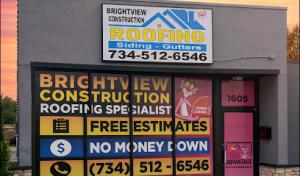
The local market strongly signals that homeowners prioritize affordability, quick response, and cleanup included, so bids that look similar on price may differ meaningfully in service expectations. Focus on contractors with proven tear-off and replacement experience on existing homes, not just new-construction portfolios. Ask for a detailed note on how they plan to remove old material, handle disposal, and re-nail or reseal existing roof decks. A firm that can walk through a past Lincoln Park job and show the tear-off sequence will likely handle your project without delaying the weather window.
Wintry winds and summer hail storms drive the need for rapid response after events. When you shortlist bidders, insist on a written cleanup plan that covers tarps, debris removal, and final yard cleanup. Confirm response times for emergency leaks and after-storm inspections, and verify whether crews return for a second pass if any hail-damaged granules or flashing is found. In practice, a reliable crew shows up with a site-tracking method and a promise to leave the property as-found, or better, at the end of each day.
Long-established, family-owned firms are common here, offering continuity and local familiarity that national outfits may lack. Look for a contractor who can provide names and local references, preferably from nearby streets or blocks with similar homes. These firms often emphasize good neighborhood reputation, straightforward contracts, and a willingness to stand behind workmanship in this Downriver climate.
Ask for a written scope, a start-to-finish timeline, and a clear breakdown of tasks by phase. Request a sample tear-off checklist, a proof of insurance, and a demonstration of cleanup standards. Have the contractor document weather-appropriate sequencing-timing around freeze-thaw cycles, leak controls, and storm-season readiness-to ensure your roof can withstand Lincoln Park's winters and wind events.