Last updated: Apr 19, 2026
Cold winters in this neighborhood bring repeated freeze-thaw cycling that can widen small shingle, flashing, and masonry-adjacent roof defects into active leaks. When moisture seeps into seams or around penetrations and then freezes, it expands and pries the joints apart. In Wyandotte, those cycles are not rare anomalies-they're a seasonal pattern that quietly compounds existing weaknesses. By spring, those micro-failures turn into visible leaks and interior water intrusion during the first gusts of wind and rain. This is why delaying small repairs can quickly become a larger headache once the thaw recurs.
Spring in this part of the Downriver area carries wind and hail risks that commonly turn minor aging issues into insurance-related roof damage events. A wind-driven shingle curl, a hail bruise near a vulnerable edge, or a loose flashing corner can cascade into accelerated deterioration once moisture re-enters and refreezes. The result is not just a wet attic; it can be a claim-trigger, a lengthier repair cycle, and potential secondary damage to soffits, fascia, and gutters. Don't wait for a visible roof collapse to act-timely attention to wind- and hail-impacted areas keeps small leaks from becoming widespread.
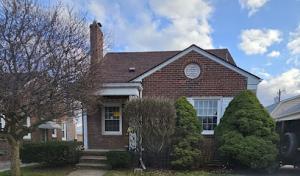
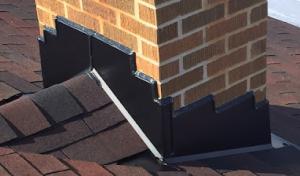
Wyandotte's older residential rooflines often include chimneys and drainage transitions that become leak points when snow, ice, and thawing water repeatedly move through them. Chimney flashing often backs up under pressure from repeated freeze-thaw cycles, while step and counter-flashing around brick and tile transitions can fail where mortar joints crack. Gutter runs and downspouts that lack proper slope funnel meltwater toward interior edges; saturated soffits invite rot that travels behind the fascia. In these homes, a single compromised flashing seam or misaligned valley can become the first line of water entry during a rapid thaw or a windy spring storm.
Look for slow drips after a thaw-thaw cycle, damp spots on ceilings below exposed eaves, and dark stains along interior walls near chimneys or vents. You may notice cracked or loose shingles peeking from the roof edge, or granules accumulating in gutters-an early beacon that granule loss has exposed the underlying roof surface. Pay attention to stiff, creaky, or displaced flashing where walls meet the roof line, and to pooling water around drainage transitions after a melt.
If you detect any moisture intrusion, address it quickly to minimize interior damage. Clear gutters and ensure downspouts discharge away from the foundation; verify that valleys and transitions are not clogged with debris. Do not delay in applying a temporary tarping or sealing of exposed penetrations if a storm is imminent or ongoing, especially around chimneys and misaligned flashing. Schedule a professional inspection without delay if you notice recurring damp spots, rusted flashing, or peeling interior paint near ceiling joints. A local roofer can map high-risk zones and prioritize repairs that prevent further freeze-thaw damage.
You should contact a Wyandotte-area roofer as soon as you observe repeated moisture intrusion, suspect flashing failure, or notice brick or masonry-adjacent water entry. The right crew will assess shingle aging, flashing integrity, and drainage transitions, focusing on components most stressed by freeze-thaw and spring weather. Expect a thorough exterior and interior check, with emphasis on chimneys, valleys, and gutter connections where water movement concentrates during thaw cycles. Prompt action can save interior damage and extend the life of the roof's remaining material.
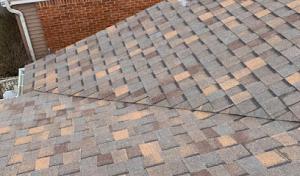
Asphalt shingles remain the dominant practical choice for many Wyandotte homes because they fit the city's common reroofing market and moderate price expectations. The familiar profile and quick installation help neighbors get back on the roof without sacrificing durability. In town, lots of older houses rely on asphalt as the steady workhorse option that can handle Downriver weather and the typical roof pitch found on mid-century and earlier structures.
Autumn temperature swings in the Downriver area can affect shingle sealing performance, making timing and installation conditions more important late in the season. Contractors should watch the forecast for dry, moderate days during fall to avoid premature sealing that can trap moisture. If a late-season reroof is unavoidable, ensure a window with consistent cool-but-dry conditions and avoid imposing a cold snap that stresses adhesive seams. Discuss with the crew how long the shingles must sit in favorable temperatures before exposure to rain.
On older Wyandotte houses, reroof success often depends on how well contractors handle ventilation, underlayment, and flashing updates rather than shingles alone. Start with attic ventilation: ensure soffit intakes and ridge or turbine vents provide balanced airflow so attic temperatures don't push moisture into the roof deck. Then verify the underlayment choice supports the local climate and roof deck condition; a quality synthetic or reinforced underlayment helps resistant to moisture and provides a solid base for the shingles. Finally, flashing around penetrations, valleys, and walls must be upgraded or resealed to prevent ice damming and wind-driven leaks. Poor flashing can undermine a good shingle installation, especially on older structures with compact eaves and tighter attic spaces.
The age and condition of the existing roof deck matter more than the shingle type for long-term performance. Inspect for sagging, soft spots, or rotten sheathing, which can create a hidden weakness under new shingles. A careful evaluation should include extending edge trim and drip edges to direct runoff properly toward the gutters. In areas with frequent freeze-thaw cycles, ensure any exposed deck seams are properly sealed and nailed to minimize wind uplift risk. If the deck needs attention, address this before installing a full roof replacement so the new shingles sit on a stable, dry surface.
Proper drainage is critical in this area where rapid spring storms can overwhelm aging gutters and downspouts. Ensure the roof is sloped sufficiently toward the existing drainage plan and that the fascia lines are clean and free of debris. Pay special attention to valley configurations; for older homes, metal-backed valleys or sealed fabric between layers can help prevent moisture migration during heavy rain. When reinstalling, factor in the existing eave overhangs to minimize water discharge onto the siding and foundation, reducing potential moisture intrusion near the wall line.
Once installed, asphalt shingles in these conditions benefit from a predictable maintenance routine. Schedule an annual or biannual inspection focused on edge and flashing integrity, vent function, and gutter performance. Clean debris from the roof surface and valleys to prevent moisture buildup, and verify shingle tabs remain properly sealed after winter cycles. In this market, a well-ventilated attic, a sound underlayment, and robust flashing are the backbone of a reliable, longer-lasting shingle roof on older homes.
The most popular roofing material in the US. Find pros who install, repair, and replace asphalt shingles.
Pilgrim’s Professional Roof Repair Service
(734) 374-8756 pilgrimsroofrepairservice.com
Serving
4.8 from 60 reviews

BrightView Construction
(734) 512-6546 brightviewconstruct.com
1605 Ford Ave, Wyandotte, Michigan
5.0 from 58 reviews
BrightView Construction is a trusted roofing company proudly serving Wyandotte, MI and the surrounding Downriver communities. As a skilled roofing contractor, the team specializes in roof repair, roof replacement, and emergency roofing services for both residential and commercial properties. In addition to expert roofing, the company offers siding solutions and professional gutter service designed to protect and enhance every structure. Committed to quality, BrightView Construction uses only premium materials and proven techniques to deliver long-lasting results that clients can rely on.
Crown Pro Construction
(313) 346-4749 www.crownproconstruction.com
3202 14th St, Wyandotte, Michigan
4.8 from 44 reviews
Crown Pro Construction offers a full range of services, including roofing, siding, gutters, windows, gutter protection systems, and specialty roofing throughout the Detroit Metro area.
Chucks Roofing Company
(313) 386-8962 chucksroofingcompany.com
Serving
4.9 from 184 reviews
At Chuck's Roofing Company, we provide expert roofing and siding services to homes in Lincoln Park, MI, and the surrounding areas. As a trusted roofing contractor, we specialize in roof installations, repairs, and siding solutions designed to protect and enhance your property. Our team is committed to delivering exceptional craftsmanship and durable results that stand up to the elements. Trust our roofing company and siding contractors to keep your home beautiful, secure, and weather-resistant for years to come.
Select Roofing
(519) 563-8926 www.selectroofing.ca
Serving
5.0 from 19 reviews
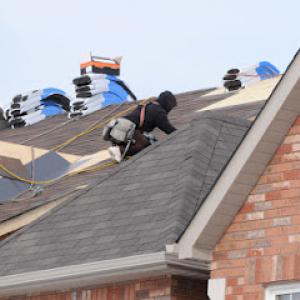
Homeowners appreciate Select Roofing because we focus on job site and worker safety, the cleanliness of the project, and the steps that we take to protect your home while we’re working. In addition, all completed jobs are given a thorough inspection by our company owner to ensure the highest standards of quality. Serving Windsor, LaSalle, Amerstburg, Tecumseh, Lakeshore, Essex, Leamington, Kingsville and more!
Hoffman Home Renovations & Roofing
Serving
4.6 from 30 reviews
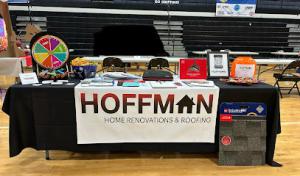
Hoffman Home Renovations and Roofing is the premier choice for home improvement services in Wayne, Monroe, and Washtenaw counties. Whether you need a new roof or gutter system, Hoffman is committed to providing top-notch workmanship and ensuring the highest quality of materials. Their team of skilled craftsmen specializes in insurance repair, with extensive experience in kitchen, bathroom, and basement remodeling. With an unwavering focus on personalized customer service, Hoffman Home Renovations and Roofing is your trusted partner for any home improvement project.
RSW Home Construction
(248) 757-9279 rswhomeconstruction.com
Serving
5.0 from 4 reviews
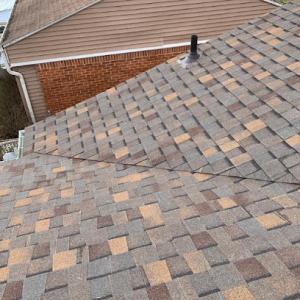
RSW Home Construction offers roof installation and roof replacement services to the Wayne County and Metro Detroit areas. Licensed & Insured with years of experience roofing in Michigan behind our belts. We take pride in our high level of customer service and promise to always provide top-notch services to our customers. We now proudly offer 10% off full roof installation and replacement services and are excited to get to know you and show you the quality of our workmanship, professionalism, and integrity. Get in touch with our professional team today for a free complimentary estimate and see for yourself why our customers choose RSW for their residential roofing needs.
AllPoint Construction
(734) 407-7110 allpointconstructionmi.com
Serving
4.6 from 642 reviews
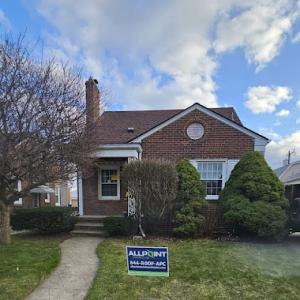
AllPoint Construction is Metro Detroit’s trusted choice for quality home improvements, from expert roofing and siding to kitchen & bath remodels and custom additions. As a family-owned company, we take pride in craftsmanship, integrity, and creating spaces you’ll love for years to come. Whether you need a reliable roofing contractor after a storm, energy-efficient windows, or a dream kitchen makeover, our team is here to make it happen. Call today for your free estimate and experience why homeowners across Downriver and Southeast Michigan choose AllPoint Construction to build, repair, and remodel with confidence.
Napier's Home Improvement
(734) 676-6557 napiersroofing.com
Serving
4.8 from 95 reviews
For over 40 years, Napier’s Home Improvement has been Downriver and Southeast Michigan’s trusted, family-owned roofing company—and the oldest in Downriver. Three generations strong, we’ve built our reputation on quality workmanship, honest pricing, and treating every home like our own. From small repairs to full roof replacements, we always start with a free on-site estimate because we believe in transparency and lasting customer relationships. Your roof protects your family, and we take that responsibility seriously—roofing is our family legacy. Thank you for supporting Napier’s Home Improvement. Contact us today to schedule your free on-site consultation!
Advantage Roofing & Construction
(313) 986-1877 advantageroof.us
Serving
5.0 from 57 reviews
We are a full service commercial and residential roofing, siding, gutters and general building and home maintenance and installation company.
Avanti Construction
(734) 732-2985 avanticonstruction.org
Serving
5.0 from 14 reviews
We are a licensed and insured residential home improvement company dedicated to exceeding our customer's expectations. Our goal is to work with you in making your home improvement vision become reality. We also have a lot of experiance working with insurance companies and can help you navigate your home insurance claim to make sure you are getting everything you are entitled to. Having a contractor on your side can make all the difference and we are here to help relieve your stress and be your advocate for a fair and honest resolution. We are excited about helping make your home update dream project a reality. Call today 734-732-2985
Diamond Home Improvement
(519) 966-7311 www.diamondhome.ca
Serving
4.8 from 134 reviews
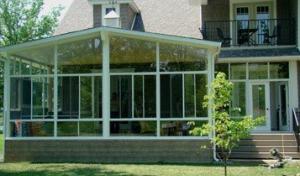
Diamond Home Improvement has proudly served Windsor and Essex County for 35 years. We specialize in Roofing, Sunrooms, Windows, Doors and Siding. We know how important your home is to you and your family and we take great pride in making sure that your house is renovated to the highest standard. We believe the best customer is a happy customer and that is why we have built our business on superb customer service, educated renovation planners, respected suppliers and skilled installers. When it comes to your home, we refuse to leave anything to chance. When quality counts, count on Diamond!
Level Up Improvement
(313) 287-9525 levelupimprovement.com
Serving
5.0 from 128 reviews
We are a family-owned Roofing, Siding, and Window contractor that is local to the Metro Detroit area. We have experience installing and managing projects on homes across Southeast Michigan.
Flat and low-slope roofing is a meaningful local service category in Wyandotte, reflecting the area's mix of garages, additions, porches, and commercial buildings. These roofs behave differently than steep shingles, and the common Downriver weather can expose weaknesses that aren't as apparent on taller homes. This section speaks plainly: when you choose a flat or near-flat roof, you're balancing space, aesthetics, and drainage against the realities of freeze-thaw cycles and winter storms that show up every March and April.
Snow retention becomes a practical concern once the snow depth climbs and the river breeze slows drainage. During southeast Michigan winters, melt-water can refreeze along edges and seams, acting like a tiny dam that pushes against underlayment and flashing. If the roof deck isn't drained evenly, you'll see water pooling near transitions-from garage bays to porch connections-where a slow drip or a little ice dam can lead to moisture wicking into insulation and deck layers. For low-slope setups, every inch of slope matters, and even a minor sag or misalignment can create a shallow pool that never fully drains between storms. Expect a longer drying cycle after thaws and a higher risk of deck saturation if scuppers and edgeTerminations aren't directing water toward proper outlets.
On low-slope assemblies, underlayment quality and installation details become critical. A strong emphasis is placed on continuous, unbroken layers that resist puncture from foot traffic or rooftop penetrations for vents and fixtures. Flashings around parapets, curbs, and skylights must be sealed in a way that holds up to repeated moisture exposure and temperature shifts. The way a contractor details penetrations, seams, and transitions will determine how well the roof sheds water during the next big snow event or heavy rain. In Wyandotte, leak paths commonly originate at perimeter edges and around accessory structures, so pay close attention to those junctions during installation and periodic checks.
City inspections for reroof work commonly focus on drainage, underlayment, and code-compliant installation details that are especially important on low-slope assemblies. After installation, routine checks should look for sagging corners, embedded debris in drainage paths, and any new signs of moisture infiltration around flashings. If you notice a persistent damp spot along a seam or a staining line that grows after a thaw, that's a signal to recheck the flashing and edge details, not just the surface. A careful eye during maintenance can stop a small issue from becoming a costly retrofit.
Keep drainage paths clear of leaves and snow piles, especially near transitions to garages or porches. Inspect edge seams after thaw cycles and storms, and reseal or reflash compromised areas promptly. Remember that slow drainage isn't just an inconvenience-it can sap the roof's ability to shed water and accelerate deck deterioration. If you're weighing a replacement, prioritize a system with robust slope-drainage planning, proper underlayment, and durable flashing to weather the next Michigan winter.
Find specialists in TPO, EPDM, and built-up flat roofing systems for residential and commercial properties.
Crown Pro Construction
(313) 346-4749 www.crownproconstruction.com
3202 14th St, Wyandotte, Michigan
4.8 from 44 reviews


Dayus Roofing Inc | Best Roofing Company in Windsor (Top-Rated Roofers Near Me)
(519) 737-1920 www.dayusroofing.com
Serving
4.8 from 114 reviews
Wyandotte reroof pricing is affected by the city's strong reroofing market, where storm-driven demand spikes can tighten scheduling and labor availability. In practice, that means a project might slip a bit if a forecaster's spring storm hits or if a cold snap slows crews for a day or two. The key is to plan for potential delays and to line up a trusted crew early in the season. Scheduling tightness also tends to push material delivery windows and tear-off logistics, so having a concrete start date and backup roofers in your circle helps keep the project on track.
Older homes in this area frequently run into price variations that aren't simply about square footage. Decking repairs add surprise costs if the boards or plywood deck beneath the shingles has softened or warped from freeze-thaw cycles. Chimney flashing work is common when existing flashing was installed for smaller chimneys or when mortar joints near the cap have started to crumble. Ventilation corrections can be needed to combat attic heat buildup and ice dam risk, especially on homes with limited soffit intake. Tear-off complexity-hardware, vents, and skylight penetrations-also drives up labor time. These factors can add as much as necessary to a bare linear roof replacement and should be captured in a detailed line-item estimate.
Material choice ranges widely in this market, from common asphalt shingles to less common slate and tile options that require more specialized labor. For planning, asphalt shingles sit at a practical middle ground with costs generally around 320 to 520 per square for a standard install, while metal roofing can range from 520 to 1000 per square. If you're weighing higher-end options, clay tile and concrete tile offer distinct looks and durability, typically priced from 900 to 1700 and 800 to 1500 per square respectively. Synthetic or composite shingles run about 450 to 800 per square, often delivering good long-term value with easier installation. Slate pushes higher still, commonly 1500 to 2300 per square, reflecting labor intensity and specialty crews.
Begin with a thorough inspection to identify decking or flashing needs before finalizing materials. Expect the estimate to itemize tear-off, disposal, underlayment, flashing, ventilation tweaks, and any deck repairs. Because storm-driven demand can tighten crew availability, lock in a preferred contractor with a firm start window and a clear payment schedule. With the right preparation, the project can weather the freeze-thaw cycle and spring storms more reliably while keeping the overall cost in line with the chosen material package.
Explore specialists in steel, aluminum, and standing seam metal roofs built to last 50 years or more.
Dayus Roofing Inc | Best Roofing Company in Windsor (Top-Rated Roofers Near Me)
(519) 737-1920 www.dayusroofing.com
Serving
4.8 from 114 reviews

A full reroof in Wyandotte typically requires a permit through the City of Wyandotte Building Department. Before any shingle work begins, you or your contractor should pull the permit, schedule the initial plan review, and ensure the project scope matches the permit paperwork. In this city, the permit packet often calls out roof deck conditions, attic ventilation, and drainage plan as part of the submission. Having plans that show underlayment type, vent locations, and gutter/drainage details helps avoid delays once work starts.
Homeowners should expect inspections during and after installation, with reinspection handled through the same city department when corrections are needed. The first inspection usually targets structural and underlayment requirements, including snow and ice barrier placement in freeze-prone areas, and any changes to attic ventilation. After roofing is installed, a final inspection confirms that penetrations, flashing, and drainage components meet code and that no gaps exist that could trap moisture. Inspections are not just about the visible surface; the city looks at the roof's overall performance against Wyandotte's winter and spring weather.
Local review and inspection attention commonly centers on underlayment, ventilation, and drainage compliance rather than just the finished shingle surface. Expect inspectors to verify that underlayment is continuous at eaves and hips, that ventilation openings provide adequate intake and exhaust, and that attic baffles and soffit vents are correctly placed to prevent ice damming. Drainage checks include confirming proper slope, proper gutter attachment, and effective downspout discharge away from the foundation. If a contractor changes materials or increases roof pitch, these adjustments must be reflected in the permit and inspected accordingly.
If the inspector notes corrections, the reinspection process is handled through the same department. Plan for a prompt follow-up to address any underlayment or ventilation gaps, flashing details, or drainage issues identified during the initial review. Keeping a clear record of installed components, including attic ventilation type and gutter layout, helps streamline any required rechecks and keeps the project moving toward a compliant, long-lasting roof.
Coordinate closely with the licensed contractor to ensure all required documentation is ready for review before work begins. Schedule inspections in alignment with key milestones: pre-application review, mid-project underlayment and ventilation checks, and final drainage and surface inspections. Quick readiness for reinspection requests minimizes delay and keeps the project on track through Wyandotte's permit process.
Michigan's seasonal hail and wind activity shapes roof claim patterns in Wyandotte, especially after spring storm events. You will notice more interruptions to shingles, broken vents, and dented metal flashing when the storms roll off the Detroit River and across Downriver neighborhoods. The gap between heavy spring storms and the heart of winter freeze-thaw cycles is where damage often hides, so the timing of repairs matters to prevent leaks and further deterioration from freezing moisture.
Local insurers may ask Wyandotte homeowners for photos, documentation of pre-existing conditions, and a clear claims history before approving roof-related payouts. Having a recent, dated set of photos after a storm helps demonstrate what changed, not what always existed. Documentation of prior repairs or weak spots can clarify whether damage is new or cumulative, which can influence coverage decisions. If a claim is filed after a spring event, expect requests for close-up images of shingles, flashing, and valleys, plus a wider shot showing roof lines and any drainage changes.
Adjuster visits and coverage outcomes can vary by insurer and policy, so Wyandotte homeowners benefit from documenting damage immediately after storms. Make sure to note the date and extent of hail impact, any wind-driven debris, and signs of water intrusion inside attic spaces or ceilings. Be prepared to provide receipts for previous maintenance or repairs that could affect the assessment of aging materials versus storm-related damage. While an adjuster may highlight certain areas for repair, the final scope can differ between carriers, so you want a clear, well-documented case to support your claim.
After a storm, walk the roof if it's safe to do so, check for exposed flashing, lifted tabs, and granule loss in gutters. Photograph the roof edge, valleys, and exterior fascia. Store this record alongside a dated note of when you observed changes. In Wyandotte, timely documentation helps align expectations with insurers and can prevent delays when repairs are needed to protect the home from the next freeze-thaw cycle.
Connect with contractors who help homeowners navigate the claims process from damage assessment to final approval.
BrightView Construction
(734) 512-6546 brightviewconstruct.com
1605 Ford Ave, Wyandotte, Michigan
5.0 from 58 reviews
Crown Pro Construction
(313) 346-4749 www.crownproconstruction.com
3202 14th St, Wyandotte, Michigan
4.8 from 44 reviews
Skylights are a meaningful local repair specialty in Downriver, reflecting recurring homeowner demand for leak diagnosis around roof penetrations. In older homes, the combination of freeze-thaw cycles and spring storms makes skylight flashing and seals a frequent trouble spot. Expect that leaks often show up not as a large pool on the ceiling, but as staining near the skylight frame or at the edge of the curb.
Chimney flashing is another common failure in this market, mirroring the masonry transitions found on aging housing stock. Where the chimney meets the roof, ice and water shield gaps, deteriorated step flashing, or improper counter-flashing can allow water to migrate inward. Around skylights, look for degraded polybutylene or spline seals, worn rubber gaskets, and rusted or loose fasteners. Freeze-thaw movement around penetrations and wall intersections is a recurring Downriver leak pattern that can be mistaken for field-shingle failure.
Start with a visual inspection from the attic during a light rain to identify active pathways. Check the skylight curb for gaps or puckering-especially where the curb meets the roof deck. In the attic, trace water stains to their highest point and confirm whether moisture follows the flashing lines rather than random shingle rows. On the exterior, examine flashing around the skylight, chimney, and any vent stacks for loose or lifted metal, torn seals, or missing mastic.
Keep skylight seals clean and free of debris that can trap moisture. Re-check flashing joints after severe storms, and re-seal masonry transitions at the chimney every few years or when you notice cracking. If you have multiple penetrations, plan seasonal inspections after freeze-thaw cycles to catch small gaps before they become active leaks. A timely reseal or flashing repair can stop a slow leak from turning into costly interior damage.
Find contractors experienced in skylight installation, flashing, and leak repairs to bring natural light into your home.
Dayus Roofing Inc | Best Roofing Company in Windsor (Top-Rated Roofers Near Me)
(519) 737-1920 www.dayusroofing.com
Serving
4.8 from 114 reviews
Late spring through early fall is generally the best replacement window in Wyandotte because installation conditions are more stable than in winter. Dry days, moderate temperatures, and less extreme moisture help sealants cure properly and shingles lay flat without the risk of ice or snow interfering with laps and underlayment. When the calendar cooperates, crews can move from repair to full roof replacement without the daily disruptions that a prolonged cold spell would bring. This period also aligns better with typical downriver storm patterns, reducing the chance that a project stalls due to unexpected weather swings.
Spring storms can disrupt schedules even during the preferred season, so homeowners in Wyandotte often need flexibility around start dates. A heavy rain spell or sudden wind event can push work back several days, and that interruption matters with a multi-day project. If a contractor can stage materials and crew in advance, the project tends to recover quickly once weather clears. Build in a tiny buffer for the week of anticipated changes, and keep drainage a priority so rainwater doesn't back up onto newly laid shingles.
Summer heat affects crew pace and material handling. High temps can slow adhesive processes and make roof work physically demanding for crews, especially on larger homes with older lateral layouts. Plan for earlier start times to avoid the peak sun, and ensure adequate on-site hydration and shaded staging areas. If the forecast calls for extreme heat or humidity, a temporary pause can protect both the installers and the roof components while preserving workmanship quality.
Late-fall temperature swings can complicate shingle sealing and ventilation work. Cool mornings followed by brisk afternoons can stress the curing window for sealants and underlayment. If a project runs into late fall, expect adjustments to ventilation details and moisture management as temperatures dip. With careful scheduling, this is still manageable, provided the crew has a window that avoids the most freezing nights.
Get a clear picture of your project costs upfront - no commitment required.