Last updated: Apr 19, 2026
New Baltimore sits on the Lake St. Clair shoreline, so roofs face stronger open-water wind exposure than inland Macomb County neighborhoods. That wind load matters, especially during late fall and spring storms when gusts can overpower weaker roof edges, vents, and skylights. Homes built with era-specific silhouettes and older sheathing tend to show wind-related damage first at flashing joints, chimney step-flashings, and ridge caps. Expect more rapid edge deterioration on this shoreline mix of cottages and modest homes, and plan for proactive edge protection and higher-quality sealants that resist wind-driven rain.
Cold Michigan winters bring repeated freeze-thaw cycles that raise the risk of ice dams along eaves, and heat loss combined with wind-driven snow can intensify the problem on older houses near the waterfront. Damage often hides under shingles or behind gutters, so a spring inspection should include attic insulation levels, attic vents, and the condition of roof-to-wall transitions. If heat escapes into the attic, ice dams form faster, weakening underlayment and sometimes lifting shingles from the bottom row. Look for stained or buckled sheathing, granular loss along the eaves, and inconsistent shingle alignment-these are signs to investigate promptly before leaks spread.
Spring wind and hail events are a major trigger for sudden roof damage and contractor scheduling spikes in this market. After a storm, you may notice fallen granules, dented metal vents, or chipped edges around the roof line. Do a careful exterior scan: check flashing around chimneys, skylights, and vent stacks; inspect gutters for unusual bending or detachment; and examine the soffits for moisture pockets. If you spot loose or curling shingles, exposed fasteners, or granule loss concentrated near corners and eave lines, treat it as an emergency notice to a roofer rather than a temporary patch.
After a storm, perform a surface check from the ground using binoculars to assess missing shingles, lifted edges, or shinier areas where granules have worn away. For interior signs, look in the attic for damp insulation, dark streaks on roof boards, or warmth near the ceiling that suggests hidden leaks. If you do find damage, photograph it before any tarping or temporary fixes are applied, and document the date and weather conditions. Keep a log of all communications with insurers and contractors, including names, phone numbers, and timelines. When planning repairs, prioritize secure tarping over the damaged area to prevent further water intrusion during windy, wet, or rapidly changing weather.
Storm-season demand spikes quickly for roofing crews in this area. To minimize disruption and ensure timely repairs, assemble your damage documentation early: dated photos, a clear map of affected areas, and a simple video walk-through showing both exterior and attic signs of trouble. If you use a contractor, request a written scope with specific materials and protective measures for wind exposure and ice dam prevention. When insurance considerations come up, you'll have the baseline evidence to support claim processing, avoid delays, and keep the project on track through the busy spring window.
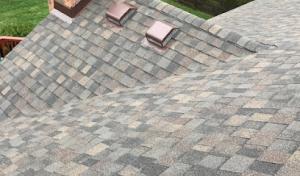
In this lakeside town, asphalt shingles dominate the market and usually keep entry-level replacement pricing more competitive than specialty systems. When you compare material options, you'll notice asphalt shingles sit at a practical middle ground for a roof facing Lake St. Clair's winter winds and spring hail. For many homeowners, the basic asphalt package is the most reliable balance of cost, availability, and local performance, especially with the tendency for storm-driven demand to spike after spring events.
Asphalt shingles are the most common choice in New Baltimore, and their pricing tends to be the most accessible. The typical replacement cost range for asphalt in this area sits roughly between 350 and 700 USD per square, depending on shingle quality, warranties, and the complexity of the roof. Homeowners with standard, rectangular layouts and modest slopes often see the most predictable timelines and labor rates when storms aren't driving demand. If the goal is to balance budget with decent wind resistance and ease of repair after freeze-thaw cycles, asphalt remains the most sensible first option.
Metal roofs, tile options, and synthetic/composite shingles carry higher price tags here, and it's not just the material alone. There are fewer local contractors actively marketing these specialties for replacement roofing, which translates into higher scheduling friction and sometimes longer lead times after hail or heavy wind events. For these systems, you'll see costs rise beyond basic asphalt: metal typically lands in the upper range of the per-square cost window, while clay, concrete, and composite options push higher still. In practical terms, a metal, clay, or concrete tile job may require 700-1100 USD per square for metal, 900-1800 per square for clay tile, and 700-1200 or more per square for synthetic options, with labor and logistics adding to the difference.
Spring hail and wind events can reshape the local job calendar. When a storm cluster hits the shoreline, you'll often encounter compressed timelines and tighter crews through late spring into early fall. That pressure can influence both material availability and labor rates, particularly for non-asphalt systems that require specialized crews. If you're prioritizing a timely roof replacement, ask about surge-day planning, material lead times, and whether a storm-impacted schedule may affect sequencing.
To keep costs predictable, map out the roof's square footage and note any structural deck or venting upgrades that might be flagged during a replacement. With asphalt being the most common, you'll often find the strongest price-to-performance value here, while metal, tile, and composite systems demand a longer shopping window and careful contractor selection to minimize scheduling friction and ensure proper install against the lake's freeze-thaw cycles. In this market, early inquiry right after winter's thaw can help lock in favorable timing before spring storms create peak demand.
JNR Roofing
(586) 816-9976 www.jnr-roofing.com
Serving
4.9 from 179 reviews
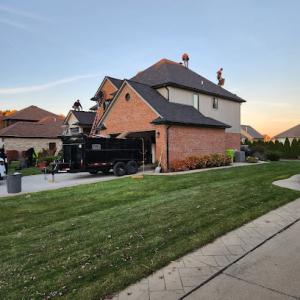
JNR Roofing is your trusted residential roofing and commercial roofing contractor near you, proudly serving Chesterfield, Macomb, New Baltimore, St. Clair, Harrison Township, Algonac, and Clinton Township. Our licensed and insured team provides roof replacements, roof repairs, skylight installation, vinyl siding, seamless gutters, and gutter guards. With 150+ five-star reviews, we’re known for honest service, efficient work, and quality craftsmanship. From storm-damage repairs to full exterior upgrades, JNR Roofing delivers dependable, local service that puts your home or business first. Call today for fast, professional help!

Second to None Roofing
(586) 460-5050 www.second2noneroofing.com
Serving
4.9 from 127 reviews
Second to None Roofing is proud to be one of the leading roofing companies in Michigan. Specializing in insurance claims, full roof tear-offs, installation, and roof repairs. As a professional roofing company in Macomb County MI, we take the quality of our customer relationships and workmanship seriously. By operating with integrity, honesty, and professionalism, we promise to always provide the best to homeowners and business owners in the community. Additional services offered are gutter and siding installation and replacement as well as emergency roof repair and siding repair. We are the roofing company Michigan residents can trust. Get it Done, Call Second To None!
K-N-A-R Home Improvement
(586) 709-9784 alexsroofing.com
Serving
5.0 from 3 reviews
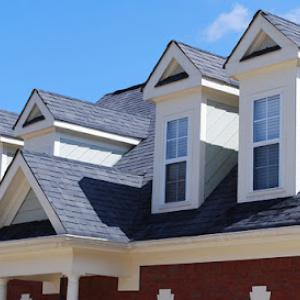
K-N-A-R Home Improvement prides itself on being the go-to choice for clients looking for Residential Roofing, Siding and Covered Porch Additions Services.

Tyler Exteriors
(586) 443-1816 www.tylerexteriors.com
Serving
4.8 from 106 reviews
Tyler Exteriors provides exceptional residential roofing, commercial roofing, siding services, window services, and gutter services in the Fair Haven, MI, area.
Schena Roofing & Sheet Metal
(586) 949-4777 www.schenaroofing.com
Serving
4.4 from 34 reviews
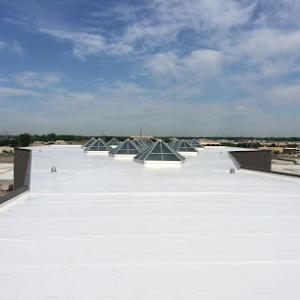
Our family owned commercial roofing company serves Michigan, Ohio, and Indiana, and has since 1969. We come to the table with experience, integrity, safety, quality craftsmanship, and professional installers. Our reputation and work ethic earned us the trust and confidence of many repeat customers, including automotive companies, retail/office complexes, property managers, hospitals, and religious facilities. Commercial roofing has been our specialty for over 50 years and our success is carried by the commitment of our professional installers.

Clean Roof Today
(586) 221-2558 www.cleanrooftoday.com
Serving
5.0 from 36 reviews
Clean Roof Today is a Michigan based roof cleaning company committed to quality, efficiency, and affordability. If you're a homeowner, realtor, or investor then give us a call and find out why our customers love our services. From asphalt shingle roofing to tile or slate roofs, our experienced contractors have you covered. We offer free quotes!
BarrWood Services
(586) 488-4002 www.barrwoodservices.com
Serving
4.9 from 111 reviews
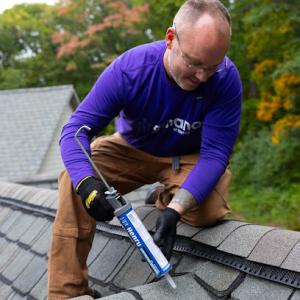
Detroit Gonano offers roof protection, restoration, and rejuvenation services to homeowners and commercial property owners in Macomb, Wayne, Oakland and St. Clair Counties. We are fully licensed and insured with references to back it up! We are now the exclusive dealer for Gonano products including Cement saver, Wood Saver, Revive, and Shingle Saver treatment in St Clair, Macomb, Oakland, Wayne and Washtenaw counties. Our partner Barr-Wood Services is a fantastic compliment to our services. With over 20 years experience in the industry, look no further for your repair needs! Underbelly, heat tapes, roofing, skirting, entry doors and subfloor repairs, window and door replacements are just a few of the services we offer.
All Pro Home Improvement
(248) 881-9245 www.allprosinc.com
Serving
4.6 from 27 reviews
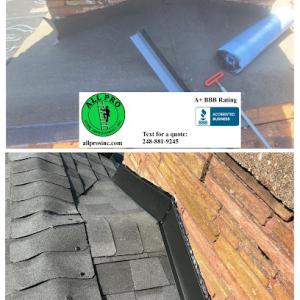
We are an old-school company with high moral values, driven by our number one objective: to be valuable to you. Owner John Williams has overseen tens of thousands of completed jobs for 50 years, and his commitment has never changed. We hold an A+ rating with the Better Business Bureau for those same 50 years. With John's son working alongside him, the family legacy ensures all warranties and quality service will be honored for generations to come. #detroitroofer , #michiganroofer, #southeastmichiganroofer #getaroofquote

Leading Edge Roofing
(586) 843-6579 www.leadingedgeroofinginc.com
Serving
5.0 from 71 reviews
we are a family-owned and operated roofing company serving Macomb County and the surrounding areas for over 20 years. We specialize in residential roofing services, providing expert installation, repairs, and replacements. Our experienced team is dedicated to delivering high-quality workmanship and exceptional customer service.
Giovanni's Home Concepts
(313) 970-8783 giovanniroofing.com
Serving
4.9 from 31 reviews
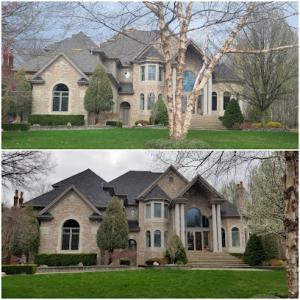
Veteran owned with 23 years of experiance. Quality exterior renovations and remodels. Only highest quality materials and installations of roofing siding and gutters. Servicing southeast michigan.
Acs Roofing
(586) 800-3558 www.acsroofers.com
Serving
5.0 from 114 reviews
ACS Roofing is a family-owned and operated roofing company that has been servicing Michigan's Southeastern Tri-County area for more than 20 years. We specialize in both residential and commercial roofing, and our professionally trained installers complete 90% of installs the same day. We take pride in our work, and one of our core values is to always leave your property cleaner than when we arrived. If you're looking for a reliable, experienced, and affordable roofing company, ACS Roofing is here for you.

Brand New Construction
(586) 443-6228 brandnewconstructionllc.com
Serving
5.0 from 4 reviews
Brand New Construction is a family-owned and operated company in Southeast Michigan. Homeowners have trusted us to deliver high-end products and services. With over 20 years of experience in building and customer service, we are able to fulfill that request. We understand the importance of quality service from start to finish and ensuring a great customer experience.
A full re-roof typically requires a permit in this jurisdiction rather than being treated as informal maintenance. Before any shingles come off or new material goes up, you should verify with the local building department that a re-roof permit is on the project scope. The permit process helps ensure the roof system is designed to handle lake-exposed wind, ice dam risk, and the freeze-thaw cycles that are common in this area. Expect the permit to cover drainage, attic ventilation, underlayment, flashing details, and the overall roof assembly.
Once the contractor submits the project, the building department will review the scope for clarity and completeness. In practice, that means you should have a clear definition of tear-off versus overlay, plus a rundown of related components such as roof deck condition, flashing at eaves and chimneys, drip edge installation, proper underlayment, and venting strategy. The review focuses on how the roof will perform under winter storm conditions and how ice dam mitigation features are integrated. If the contractor's plan is vague or misses essential details, be prepared for a revision request before the permit is issued.
After work is completed, a final inspection is usually required. Inspectors pay attention to flashing around skylights, chimneys, and walls, ensuring proper integration with new or existing underlayment. Underlayment quality and coverage are checked, particularly where flashing transitions occur, since improper sealing here can invite water intrusion during wind-driven rain or ice dam events. Attic ventilation must be verified to meet code requirements, with intake and exhaust paths free of obstruction. The inspector will also look at ventilation baffles, ridge vent coverage, and overall airflow in the attic space to support moisture control in the harsh winter months.
Weather-related waivers are not commonly granted, so plan for the inspection timeline to align with typical seasonal patterns. In practice, that means coordinating with the contractor to ensure all flashing and venting details are accessible for inspection and that any temporary weather-related protections are in place during the final walk-through. If questions arise at the site, the inspector will request documentation that confirms tear-off methods, material grades, and attachment methods for the deck and underlayment. A smooth final inspection helps lock in the roof's ability to withstand lake shore exposure, wind-driven rain, and the region's notorious ice dam season.
Storm exposure along the Lake St. Clair shoreline can leave a roof looking sound from the street while concealing wind-driven hail or wind-stripped shingles up close. Michigan carriers commonly require documented storm damage and adjuster verification before approving larger roofing scopes, which matters in a hail- and wind-exposed market like New Baltimore. A careful recordstarts with dated photos taken during and after the storm, showing both the roof and any nearby gutters, chimney caps, or vent flashings that might have taken a hit. Contractor notes should accompany these images, noting evident damage, age-related wear, and any temporary protections that were put in place. Keeping clear separation between storm damage and older wear helps prevent claims from being denied or reduced for preexisting conditions.
Because rapid full-roof replacements can draw scrutiny, homeowners here benefit from dated photos, contractor notes, and clear separation of storm damage from older wear. When a regional storm hits, adjuster backlogs and contractor demand tend to rise quickly across the area. Delays are common, but rushing a claim can backfire if damage isn't properly documented or if the scope of work expands beyond what was damaged by the event. If a notice of loss is filed, maintain a steady line of communication with the insurer and the contractor. Ask for a detailed scope of loss that covers the specific storm-related issues identified by the adjuster, separate from general remodeling work that might be proposed later.
A typical path includes the insurer dispatching an adjuster to verify the damage, then a determination on coverage for the replacement or repair. In a shoreline-influenced climate, wind-driven rain and hail can create localized damage that isn't visible from the ground. Be prepared for questions about shingle granule loss, lifted or curled edges, flashing integrity, and attic moisture indicators. If the adjuster declines portions of the claim, request a re-inspection or a second opinion, especially where multiple roof elevations or complex venting systems exist. Clear, professional documentation helps prevent misunderstandings about what constitutes storm damage versus normal aging.
Because demand is high after regional storms, coordination matters. A contractor who can provide a dated, itemized assessment tied to storm events can help the insurer see the need for an appropriate scope. Ensure any proposed work clearly delineates storm-related repairs from routine maintenance or long-term upgrades. Maintaining organized records throughout the claim-photos, notes, communication logs-creates a reliable trail that supports the legitimacy of the damage and reduces the chance of later disputes once repairs begin.
Connect with contractors who help homeowners navigate the claims process from damage assessment to final approval.
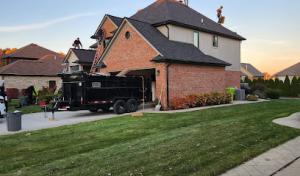


Late spring through early fall offers the most predictable conditions for replacing windows along the lakeshore. In this window, access to homes stays more reliable, and sealing work can proceed with less risk of cold snaps complicating caulking and sealant performance. Winter brings heavy snow and freezing temperatures that slow crews and can compromise airtight sealing, so planning around the late-spring start helps ensure long-term performance against wind-driven moisture from Lake St. Clair. When scheduling, account for the peak of summer heat as well; extreme heat can affect installation conditions, particularly around ventilation checks, installed flashing, and completing sealants without heat-related curing issues. Fall presents its own challenges: leaf buildup and autumn storms can slow drainage and inspection timelines, so if a project drifts into October, factor in additional time for debris management and careful attic and rim-joist inspections before finalizing seals.
The lakeshore environment demands windows that resist wind pressure, minimize air leakage, and shed moisture effectively. Composite or vinyl-clad wood frames excel here due to their balance of durability and thermal performance, while aluminum frames may require careful design considerations to reduce thermal bridging in winter. Glazing choices should emphasize low-E coatings and gas fills to improve winter energy retention without sacrificing visibility in bright lakeside conditions. For homes with older stock, cavity depth and compatibility with existing sills and trim become critical; choose profiles that can preserve historical aesthetics while delivering modern performance. Given ice-dam risks, pay particular attention to flashing continuity around rough openings, ensuring that water is directed away from the interior and that interior dampness cannot track along the frame during freeze-thaw cycles.
During installation, proper ventilation checks matter more than elsewhere; the sunny months can tempt crews to rush, but ventilation ensures that sealants cure correctly and that interior moisture does not become trapped behind new assemblies. Pay attention to matching exterior flashing to the siding and to ensuring a continuous moisture barrier around the periphery of each window opening. The shoreline's wind load characteristics may require upgraded fasteners and, in some cases, reinforced framing at corners or around larger units. A skilled crew will test swing and sash operation in various temperatures to confirm that expansion and contraction won't compromise seals or hardware over the long term.
Storm events along the lakeshore can lead to insurance concerns after hail, wind, or ice damage. When a replacement window project follows a storm, document the pre-existing conditions and the work performed with detailed photos and notes. Create a simple file that chronicles the opening sizes, frame materials, glazing specifications, and flashing details. This record streamlines any claim discussions and provides a clear reference for future maintenance, especially for homes in established neighborhoods with mature trees where debris and storm activity are common.
Asphalt shingles are the dominant choice locally because they fit the area's mainstream residential housing stock and broad contractor availability. In this climate, they handle the freeze-thaw cycles, ice dam potential, and wind-driven rain with predictable performance when properly installed and maintained. Most homes along the Lake St. Clair shoreline rely on standard three-tab or architectural shingles, which keeps local repairs straightforward and makes finding a qualified crew easier. If a roof needs to be replaced within a typical home's scope, asphalt shingles offer a practical balance of durability, ease of installation, and serviceability.
You'll notice that local roofs often use shingles with good granule retention and a weather-tight underlayment system. Given lake exposure, emphasis should be on proper attic ventilation to reduce condensation, and on ensuring drip edge and eave protection are installed to fight winter ice dam formation. When selecting colors, lean toward mid-range tones that reflect sunlight enough to keep the attic cooler in summer while still blending with neighborhood patterns. With a reliable local crew, you'll typically see quick turnarounds and consistent workmanship, which matters when winter storms test the roof's seams.
Metal roofing is present but more specialized in this market, making installer selection more important than for standard shingle work. If choosing metal, expect attention to panel seams, fastener quality, and proper flashing at chimneys and dormers; the right installer will emphasize wind resistance and vapor control. Clay tile, concrete tile, wood shakes, and synthetic shingles exist as niche options here, but the contractor pool actively advertising tile work is much smaller than the asphalt market. If pursuing one of these, verify port-of-entry experience, roof slope suitability, and long-term maintenance expectations. In all cases, insist on examples of local projects and documented storm-damage responsiveness, since Lake St. Clair exposure elevates the need for durable edge details and reliable insurance-ready documentation.
The most popular roofing material in the US. Find pros who install, repair, and replace asphalt shingles.

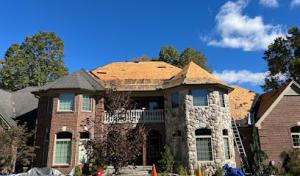
Final inspections in this jurisdiction commonly focus on flashing details, making penetrations and transitions a key local quality-control issue. On older lake-exposed roofs, even a small lapse at a vent boot, step flashing along a dormer, or the transition from a metal cap to shingles can cascade into ongoing leaks after a thaw cycle. Expect deeper scrutiny where roof planes meet walls, around skylight openings, and at any valley intersections that carry meltwater toward the interior. If a contractor promises a quick fix at the surface, you should question whether the underlying flashing has been fully addressed and protected against wind-driven rain and ice dam formation.
Chimney-related work shows up frequently in the local contractor market, suggesting many homeowners are dealing with flashing and masonry roof intersections rather than simple field-shingle repairs alone. The combination of salt-lrift exposure from the lake breeze and freeze-thaw cycles can cause flashing to loosen or masonry to crack, allowing leaks to trail down into the attic or along the brick ledge. When a chimney is involved, a thorough assessment should include crown integrity, step and counter-flashing, and the seal around any metal counter-flashing. If mortar joints are deteriorating, it can be the first sign of moisture migrating into the roof deck, not merely a surface stain.
Skylight service is a meaningful specialty in this market, so leak investigations often need to distinguish between glazing, curb flashing, and surrounding roof failure. A failing glazing seal can mimic a roof leak, while a marginal curb flashing may admit water only under wind-driven rain or during a heavy snowmelt. In homes with lake exposure, skylight installations require robust waterproofing at the curb and careful integration with the surrounding shingles and any surrounding metal trim. If you notice condensation between panes, pooled water at the curb, or staining along the interior drywall near a skylight, treat it as a system problem-not a single defective component.
Find contractors experienced in skylight installation, flashing, and leak repairs to bring natural light into your home.
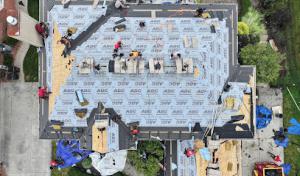

In this lake-exposed, older housing stock, the market leans toward re-roofing rather than new construction. Homeowners typically compare replacement crews, cleanup standards, and how fast a team can respond after a storm. The emphasis is on finishing projects cleanly and quickly, with minimal disruption to driveways and landscaping. When a crew arrives, you should see organized staging, tarps over vehicles, and a clear plan for removing old material while protecting gutters and siding. If a contractor cannot demonstrate a solid cleanup routine, that signals a red flag in this community.
Long-established, family-owned, residential-focused companies are common and often preferred for their steadiness and local knowledge. Look for crews that treat the job as a local service rather than a national sales pitch. Manufacturer-certified branding appears less common than practical service signals such as reliable crews, punctuality, and transparent communication about storm-related timelines. A neighborly message back within a day after your call is a strong indicator of dependable service. You should also see a written schedule, photography of milestones, and updates if weather interrupts the plan.
Ask about how debris is contained and removed, especially from driveways and landscaping beds. Request a detailed cleanup checklist before the project starts and a post-job walk-through to confirm everything is complete. Inquire about storm response: how quickly can they respond to a leak, shingle loss, or wind damage after a major event? A reputable crew will provide a temporary protection plan for ongoing precipitation and a clear path to full repair. Finally, verify references from nearby homes with similar exposures to ensure the crew can handle Lake St. Clair-driven conditions and the freeze-thaw cycle that can complicate roofing projects.
Get a clear picture of your project costs upfront - no commitment required.