
Last updated: Apr 19, 2026
This city sits in southeast Michigan's cold-winter climate, where repeated freeze-thaw cycling ages roof systems faster than their nominal material lifespan. Heavy snows push warmth down into the attic and then melt, only to refreeze at the eaves. That pattern drives ice dam buildup, edge leakage, and accelerated wear on steep-slope homes that dominate the local housing stock. If a roof line looks steep and the attic is a tight space, the risk is even higher, because heat loss and moisture buildup push conditions toward early edge damage.
Winter snow accumulates on upper slopes, but the warmth from inside and from sun on the roof causes melting at the mid- and upper-roof. The melt runs toward the colder eaves and refreezes, forming a dam that backs up water behind it. The water then seeks any available path, often staining ceilings in late winter or early spring. You'll notice the first clues after a thaw: damp spots, staining, and in some cases warped decking or softened edges. In practice, this means prevention needs to focus on the perimeter of the roof, where edge details, ventilation, and insulation meet snow and melt cycles head-on.
Edge detailing is not a decorative concern-it's a functional front line. Ice dams grow where the roof deck near the eaves stays cold while the rest of the roof warms. That makes continuous insulation up to the edge, well-sealed soffits, and properly vented attic spaces essential. A common culprit is insufficient intake and exhaust ventilation combined with gaps that admit warm attic air to the roof deck. If attic air moves freely, it creates warm bands that speed up melt at the top and deepen damming at the bottom. Pay particular attention to ridge vents, soffit baffles, and any box vents that disrupt the flow of air across the attic floor. The goal is a consistent cold roof edge that discourages melt paths.
You do not have to wait for the worst of winter to take action. Start with a thorough attic inspection for insulation gaps, air leaks, and vent blockages. Seal gaps around any penetrations, and bring insulation to the level where the ceiling feels uniform to the touch. Ensure soffit intake vents are unblocked and that attic exhaust vents aren't clogged by insulation or debris. On the roof, clear debris and ensure drip edges are secure and and flashing at transitions is free of gaps. If ice dams have already formed, use a plastic spatula or roof-safe tool to remove dam material from the lower roof edge after a cold spell, taking care not to damage shingles or ice dam forms deeper in the roof. Consider temporary exterior heat cables only if you're confident in safe, code-compliant installation; these systems need careful setup to avoid creating new heat paths that worsen damage elsewhere.
Spring thaw often lifts the veil: decking that looked solid in February can be exposed as leaks become visible. Stains on ceilings, damp drywall, or warped panels signal hidden water paths that existed under snow cover. If you notice staining, don't assume it's a one-off leak from a storm; it's a sign that edge detailing and attic ventilation weren't adequately controlling melt flow. Use late-winter or early-spring interior staining as your trigger to inspect and, if necessary, replace or upgrade compromised decking, flashing, and edge supports. This is when decisive action beats delayed repairs-address the root causes, not just the symptom, to extend the life of the steep-slope roof and reduce the chance of recurrent damage in the next freeze-thaw cycle.
Asphalt shingles remain the dominant practical choice in this market, delivering quick installs and familiar repair paths on steep-slope suburbia where many homes carry a simple ridge and valley layout. Metal roofing is actively used too, and many homeowners weigh it for snow shedding, its durability through freeze-thaw cycles, and the potentially lower maintenance story over time. In this setting, the comparison should stay grounded in pitched roofs, with attention to how valleys, chimneys, and attic ventilation interact with each material. The broader premium options-slate, clay tile, and concrete tile-exist in the mix but are far less common decisions, and their structural and cost implications should be treated as specialty considerations rather than the baseline.
Washington homes tend to have steep-slope roofs designed for long-lasting performance in cold winters. The practical choice between asphalt and metal hinges on how the roof sheds snow, how the attic breathes, and how the roof edges meet the gutters in a freeze-thaw cycle. Asphalt shingles fit well with typical suburban rafter spacing and can be staged in repairs without major disruption to a family's daily routine. Metal can be advantageous on a roof with larger, open valleys or in a situation where you anticipate repeated ice dam stress, but it may require a careful approach to flashing and underlayment at vents and chimneys to avoid heat buildup that can stress nearby materials.
In this climate, ice dam formation is a practical concern on steep-slope homes. Asphalt shingles do a solid job when paired with proper attic insulation and ventilation, because they tolerate freeze-thaw cycles well when heat moves efficiently from the living space to the attic and out through soffits and ridge vents. Metal roofing can shed snow more aggressively, which is a benefit on long, unshaded stretches, but it can also transfer more cold to the underlayment in exposed sections if an integrated insulation approach isn't in place. The key is pairing the roof with a robust ventilation strategy and a consistent, debris-free drainage plan around chimneys and vents.
Ventilation performance matters with either material, but the specifics skew differently on Washington homes. With asphalt, a well-sealed attic plus balanced soffit and ridge ventilation helps prevent interior condensation and keeps the shingles from curling due to heat fluctuations. Metal roofs require compatible underlayment and careful flashing where valleys intersect with the chimney and roof-to-wall transitions to prevent ice buildup at the eaves. In either case, ensure ventilation inflows are not blocked by insulation or installed soffit baffles, especially on homes with tight attic envelopes.
Premium materials like slate, clay tile, and concrete tile exist in the broader material mix but should be framed as specialty options given the structural and cost implications. For a Washington suburban home, these options demand precise framing, stepped detailing at chimneys, and a longer installation window. If a homeowner is weighing these against asphalt or metal, the decision should factor in the long-term maintenance tradeoffs under freeze-thaw stress and the specific attic ventilation performance you can achieve.
When a storm hits, the first priority is preventing interior damage from thaw-related leaks and wind-blown debris. Ice dam risk is highest on steep slopes where warm attic air meets cold roof surfaces, causing meltwater to back up behind icicles and shingle edges. If you notice active dripping, warped flashing around chimneys, or obvious roof gaps, treat it as urgent. Do not delay a quick assessment; even a small pooled area can rapidly expand overnight with a refreeze. Plan to create a safe access path to the most vulnerable roof areas, avoiding walking on damp or icy shingles that can fail underfoot.
In these conditions, rapid tarping and leak isolation are essential. Use a sturdy, weatherproof tarp large enough to cover the affected section, anchored with heavy sandbags or fasteners rated for wind. Seal any visible gaps around vent pipes, chimney flashing, and dormers with roof-appropriate sealant or patching tape until a professional can reflash or replace compromised components. If a leak is actively staining ceilings, isolate the room to slow interior damage and place towels or containers to catch drips. Support sequences that minimize further moisture intrusion, and document the scene with photos for the contractor so they can prioritize safety and speed on arrival.
Debris and lifted shingles are common in autumn wind events, often revealing underlayment or flashing movement around chimneys after freeze-thaw cycles. Leaks that appear during thaw periods point to compromised flashing or shingle lift rather than distant drainage issues. Do not rely on surface appearance alone; a soft feel at the roof edge or a visible gap where flashing meets the siding signals elevated risk. Look for frost-shattered granules on gutters after cold snaps, which can indicate accelerated wear beneath the surface.
After the weather passes, schedule a rapid, targeted inspection focused on steep slopes, valleys, and around chimneys. Prioritize measurements and notes on any ice-dam-related movement, flashing displacement, or decked attic ventilation issues that could worsen seepage. A contractor should verify attic insulation and duct sealing, since cold interior drafts intensify freeze-thaw stress on the roof. Establish a clear remediation plan that aligns with the damaged components first, ensuring that temporary shoring and leak control stay in place until permanent fixes are completed.
Rhino Shield Roofing & Construction
(855) 557-4466 rhinoshieldroofing.com
64245 Van Dyke Ave, Washington, Michigan
4.7 from 13 reviews
Your roof is your home's main defense against the elements. Let us walk you through the best options to fit your needs and once you feel comfortable with your choice, we'll handle the complete installation. Rhino Shield Roofing Protection you can Trust

Metro Detroit Roofs
8679 26 Mile Rd Suite 336, Washington, Michigan
4.5 from 22 reviews
Metro Detroit Roofs is South East Michigans premier residential roofing contractors. Some services include roof replacements, repairs & maintenance. We focus on not just the quality of services we provide and the products we use, but also on giving our customers a stress-free experience before, during, and after the work is complete. We are clean and professional when on the job site and will go out of our way to make sure your daily life is not interrupted and pride ourselves on being prompt and responsive to your needs in the future. From planning to installation to maintenance and repairs, we work closely with our clients to provide solutions that fit their needs.
All Seasons Roofs
7943 Glacier Club Dr, Washington, Michigan
3.9 from 11 reviews
All Seasons Roofs is a roofing contractor / roofer serving the Washington, MI area. Services include Roofing, Commercial Roofing, Roof Installation, Roof Replacement, Skylight Services, Roof Repair, Roof Leak Repair, Roof Tarping, Metal Roofs, Flat Roofs, Roof Coating, Storm Damage, Hail Damage, Wind Damage, Gutters and Roofing Insurance Claims.
Lighthouse Exteriors
(586) 544-4478 www.lighthouseexteriors.com
Serving
5.0 from 25 reviews
Welcome to Lighthouse Exteriors, your trusted Michigan-based partner for high-quality home improvement services. As a faith-based company, we are dedicated to guiding homeowners through every step of their exterior renovation journey with integrity, craftsmanship, and care. We specialize in roof replacement, roof repair, storm damage restoration, and siding installation, using durable materials and expert techniques to ensure your home is protected and looks its best. In addition to roofing and siding, we also offer professional concrete contracting services, including the installation and repair of driveways, patios, walkways, and other hardscaping features.

Olson Roofing & Siding
(248) 907-0808 www.olsonroof.com
Serving
4.9 from 75 reviews
Olson Roofing and Siding offers residential roofing and siding services for those in southeast, MI. We are family owned and operated, licensed and insured, and are certified inspectors and installers. Call us today for a free inspection and estimate.
Roofing Above All | Ridgecon Construction
(586) 803-3626 roofingaboveall.com
Serving
4.9 from 262 reviews
We go above and beyond because we care about more than your roof. We care about the people living under it. That’s why our licensed builders and authorized installers ensure that your home is protected by an integrated roof system. Our roof company also offers gutter installation and gutter guards, vinyl siding, attic insulation, and skylights. The expert team of roof installers has dedicated their lives to making families happy. We offer various roofing services and we excel at all of them. Years of experience and satisfied customers testify to this.
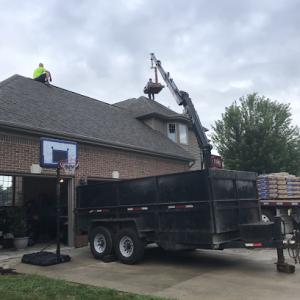
On the Level Roofing & Siding
(888) 535-3835 www.onthelevelroofing.com
Serving
4.9 from 52 reviews
Roofing and storm repair contractor
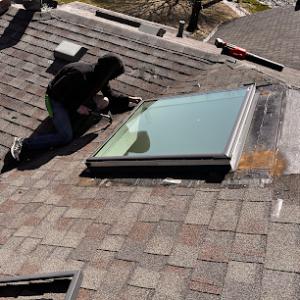
Diamond Roofing & Construction
Serving
5.0 from 17 reviews
At Diamond Roofing and Construction, we bring familial love and skills to every project, ensuring an exceptional home experience. With 15 years of expertise, our team goes beyond just roofing, offering top-notch solutions for skylights, siding, and gutters. From our humble abode in Shelby Twp, Michigan, we're devoted to preserving and enhancing the beauty of your home, creating a sanctuary that reflects your family's love and joy.
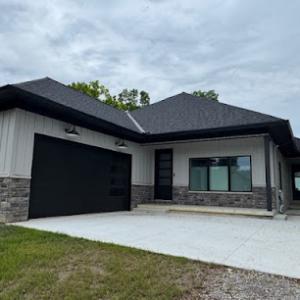
Seal-Rite Roofing & Siding
(586) 221-3250 www.sealriteroofing.com
Serving
4.6 from 45 reviews
Seal-Rite Roofing & Siding provides insulation services, roof installation, roof repairs, specialized roofing services, specialty roof repairs, gutter installation, gutter protection installation, maintenance and repair, siding installation, siding repair, specialized siding services, and trim and fascia services to the Shelby Township, MI area.
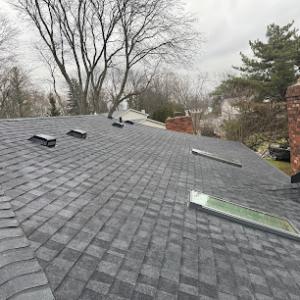
Asbury Roofing & Solar
(248) 963-8462 asburyroofingandsolar.com
Serving
4.9 from 61 reviews
Asbury Roofing & Solar is ready to meet your home improvement needs, whether it is a simple roof repair or a full replacement or siding and windows and solar. We also count on a large network of like-minded home improvement companies and would love to assist you in any way possible to reduce the headache and costs that come along with maintaining your home.
J Taylor Construction
(586) 254-2700 www.jtaylorconstruction.com
Serving
5.0 from 227 reviews
J Taylor Construction - 25 Years Roofing Excellence Trusted Metro Detroit roofing specialists serving residential and commercial clients. Expert installation of roofing, siding, and gutters for ranches, colonials, condos, apartment complexes and multi-units. NO PRESSURE SALES EVER!! 25 Years Proven Experience Complete Exterior Solutions Licensed & Insured Commercial and Flat Roofing Specialists Quality Craftsmanship Guaranteed From storm repairs to full replacements, we protect your investment with professional service and premium materials from Certainteed. Visit our website or call for your free in-home estimate!

Big Bang Home Improvements
(586) 531-1480 bigbanghomeimprovements.com
Serving
4.7 from 81 reviews
Safeguard your property with the highest-quality roofing, siding, and gutter services available in Southeast Michigan.
Replacement in this market is tightly tied to Michigan's short prime installation window. Late spring through early fall is the preferred replacement season, and that concentration can tighten scheduling and labor availability. Plan ahead with your contractor and build in a small buffer for weather delays. In practice, you'll often see bids surface in late winter or early spring for work that should start as soon as the crews can safely access steep slopes and valleys.
Costs in Washington can rise when winter damage reveals rotten decking during tear-off, when ventilation or ice-barrier upgrades are required, or when steep suburban rooflines with valleys, dormers, and chimney flashing increase labor time. Ice dam mitigation, extra underlayment, and more extensive attic ventilation work tend to push each square up toward the higher end of the baseline. If a tear-off shows compromised roof deck, expect additional deck repair or replacement line items to be added into the project.
Material choices in this market span asphalt shingles, metal, wood shakes, slate, and tile, but the practical local baseline remains steep-slope residential re-roofing rather than large flat commercial systems. Asphalt shingles continue to be the most common, with a broad cost range per square that fits typical remodel budgets. Metal roofing offers longer life and better ice dam protection but comes with a higher upfront price. Wood shakes, slate, and clay or concrete tile provide durability and curb appeal, but their weight, installation complexity, and ventilation requirements can impact total cost significantly on steep jobs with multiple penetrations.
Steep suburban rooflines with multiple valleys, dormers, and chimney flashing amplify labor time and detail work. Ice-dam prevention strategies-ice barriers, upgraded underlayment, and adequate attic ventilation-are not optional in this climate; they're essential to long-term performance. When budgeting, err on the side of including a contingency for unexpected decking work or venting improvements, especially in homes with older constructions.
Get a clear picture of your project costs upfront - no commitment required.
For full roof replacement in Michigan municipalities, a building permit is commonly required, and homeowners should expect the contractor to handle submission with the local building department rather than treating roofing as permit-free maintenance. In this city, the permit process is designed to confirm compliance with structural safety, attic ventilation, and weather-resilient detailing before any tear-off begins. Expect the permit to document roof geometry, fastening method, underlayment, and any required changes to eaves or fascia. Because inspections hinge on staged work, working with a contractor who understands the local department's expectations can prevent delays caused by missing documentation or noncompliant details.
The contractor generally initiates the permit, but you retain responsibility for the project scope in the application and for keeping the paperwork up to date if changes occur mid-project. A complete submission often includes structural notes, material specifications, and a plan for temporary protection of interior spaces during tear-off. In this region, the permit review may flag upgrade needs around ventilation along with ice-and-water protection in vulnerable zones. The review can also prompt a requested alignment of attic intake vents with ridge vents to minimize freeze-thaw stress on the roof deck. Track the permit timeline and maintain open lines of communication with the contractor and the building department to anticipate weather-related scheduling constraints.
Inspection timing in this region typically includes milestone review tied to the roof deck or underlayment stage and a final inspection at completion, which affects how quickly tear-off and dry-in can proceed during weather-sensitive periods. The first inspection usually occurs after the deck is prepared and the underlayment or starter layer is installed, verifying that venting, drip edge, and flashing meet code requirements. A separate check confirms that attic ventilation and intake/exhaust balance are correctly addressed before shingles or metal panels go on. The final inspection confirms overall adherence to permit plans, including ice-dam mitigation measures and proper sealing around penetrations. Plan for potential weather-induced rescheduling, and coordinate with the contractor to avoid duplicate visits or rework.
Local permit review may trigger attention to ventilation upgrades and ice-and-water protection in vulnerable areas, which is especially relevant because freeze-thaw cycles and ice dam exposure are central performance issues. Pay attention to the attic space: adequate continuous soffit ventilation and properly installed ridge or gable vents help reduce condensation and deck stress. In climate with significant freeze-thaw action, ice-and-water shield over eaves and in valleys is a common condition inspectors verify, alongside secure fasteners and correct flashing at chimneys, skylights, and vent boots. If the permit asks for upgrades in these zones, plan for them early in the project scope to minimize risk and avoid costly modifications after tear-off begins.
In this market, adjusters will frequently scrutinize whether damage stems from a covered event or long-term wear accelerated by freeze-thaw aging. Michigan is not a uniformly high-claim roofing state, so Washington homeowners should not assume automatic approval for replacement after a storm and should expect closer review of roof age, prior repairs, and photo evidence. The point is not to deter you, but to prepare you with documentation that can make the difference between a quick settlement and a lengthy review.
Adjusters in this market commonly ask for documentation showing when damage occurred and whether leaks stem from a covered event versus long-term wear accelerated by freeze-thaw aging. Having a clear timeline helps. Gather dated photos from the attic and exterior, plus any interior leak records that show when water first appeared. If a contractor can attest that visible damage aligns with a specific weather event, include their note. Do not rely on memory alone; a dated sequence from multiple sources strengthens the claim.
Because many Washington roofing problems emerge after winter or during spring thaw, homeowners need dated photos, interior leak records, and contractor inspection notes that connect visible damage to a specific weather event when possible. Store these records in a single file, organized by date and location on the roof or attic. A well-constructed chain of evidence can shorten the review and reduce back-and-forth with an adjuster.
Start with exterior roof photos taken after each major thaw or storm, focusing on flashing, joints, and edge details that commonly fail first. Inside, log any dripping, staining, or mold growth by room and date. Have a local roofing contractor write a concise inspection note tying the damage to a weather window, emphasize freeze-thaw cycles, and include photos of problem areas. This disciplined approach aligns with Washington's steep-slope homes and helps clarify whether the damage is event-driven or age-related.
Connect with contractors who help homeowners navigate the claims process from damage assessment to final approval.

Metro Detroit Roofs
8679 26 Mile Rd Suite 336, Washington, Michigan
4.5 from 22 reviews
In this market, freeze-thaw movement and ice dam exposure can stress flashing, sealants, and edge details. Workmanship quality matters as much as shingle brand for long-term leak prevention. Look for installers who clearly document how they flash a valley, seal rake edges, and manage drip edge overhang to resist water backing up under shingles during cycles of thaw and re-freeze. A tight installation that anticipates attic ventilation, ventilation baffles, and proper eave detailing pays dividends when winter storms arrive.
Washington's contractor mix includes established and family-owned companies, so compare how labor warranties are written and what post-install service covers after winter-related callbacks. Seek a written plan that specifies inspection timelines after the first cold snaps, what qualifies as a service call, and whether cleanup and debris removal are included. A dependable contractor offers documented response windows for icing events and a clear process for addressing leaks or flashing failures that may surface during the first cold season.
Manufacturer-backed coverage is especially relevant when a replacement includes ventilation or system-component upgrades rather than a simple shingle swap. If the job expands to attic ventilation, ridge vents, or additional intake soffit work, verify which components are covered by the manufacturer and for how long. Confirm that the warranty transfers cleanly if the home changes hands, and that coverage persists through common freeze-thaw cycles. Ask for a schematic of how the warranty attaches to the installed ventilation details and any required maintenance to keep coverage active.
Request a warranty summary that lists what is covered, the duration, and any conditions tied to maintenance. Ensure the contract details the exact workmanship standards for edge, flashing, and sealant work, plus the cleanup protocol after completion. For bundled upgrades, require documentation showing that ventilation or system components meet manufacturer recommendations and that any related parts carry appropriate coverage. In winter-forward neighborhoods, a straightforward, hard-numbered post-install service plan can prevent surprises when ice dam season returns.