
Last updated: Apr 19, 2026
Winter in this neighborhood is not gentle. Cold snaps, wind-driven snow, and repeated freeze-thaw cycles relentlessly stress roofing materials. Asphalt shingles crack or curl as water that seeps into tiny gaps freezes, then expands when temps rise again, widening those gaps and accelerating leaks. Older Bergen County housing stock tends to have assemblies that aren't as space-age as modern homes, so the vulnerability adds up quickly. After a cold stretch ends and the sun comes back, leaks that seemed dormant during the worst freeze can suddenly reveal themselves-drip lines near dormers, along chimney knees, or where low-slope sections meet high-wall transitions. You can't rely on dry days to confirm integrity; the moment a melt begins is when weaknesses become obvious. If you notice granule loss in gutters, dark stains along eaves, or peeling interior paint near ceilings, treat it as a warning flare.
In this local climate, the leak pattern often lags behind the weather event. A storm that brought heavy snow or ice can leave you with a quiet attic that looks normal for weeks, then a coffee-stain spot on a ceiling after a thaw. That lag makes post-winter inspections crucial. Do a quick visual from the attic with a flashlight after a sunny, above-freezing day; look for moisture near vents, joints, and along the ridge line where warm air can push moisture into vulnerable gaps. If you see any telltale dampness or a musty odor, don't delay. Fair Lawn homes frequently show that the most serious failures aren't obvious until spring, when the thaw exposes weakened decking or corroded flashing.
Spring through fall is the practical window for major roof replacements here. Winter tear-offs are a logistical headache: ice dams can form unpredictably, sealing a work area and turning a straightforward job into a saga of delays. Cold temps slow sealant cure and stiffen underlayment, while snow and wind complicate scheduling and safe access. When crews can work in dry, moderate temperatures, they can complete crucial steps-stripping, drying-in, and resealing-without the added risk of moisture trapped under layers. A spring or early autumn schedule also aligns better with calmer weather patterns, reducing the chance that a late-season storm interrupts material delivery or shifts your project into a rush mode that compromises workmanship.
This is the time to coordinate with your roofer about deck ventilation and sheathing changes if those are part of the plan. If the project involves larger rework-removing sections, installing new vents, or upgrading attic insulation-doing it in mild weather minimizes the possibility of warping or shingle damage caused by residual moisture inside the roof structure. In Fair Lawn, where housing stock ranges from tight, multi-story bungalows to older, more exposed gabled designs, a well-timed replacement reduces the risk of long, weather-exposed exteriors and keeps interior living spaces safer during the process. If your calendar shows a stretch of dry, moderately warm days, act decisively rather than waiting for a "perfect" window that may never come.
Spring and autumn storms with high winds are a recurring trigger for lifted shingles and water intrusion. Even a brief gust can peel a corner of asphalt or loosen synthetic shingles, and the subsequent rain finds the gaps quickly. After a storm, schedule a prompt post-event inspection. Look for lifted tabs, cracked seals around vents, sagging flashing over chimneys, and any condensation or damp spots inside the attic or along ceiling edges. In Fair Lawn's climate, wind-driven debris is a common hazard too; a branch or shingle fragment on the ground can be a clue to what happened up top during the storm. Don't just rely on exterior checks-inspect interior ceilings for new staining or a sudden drop in temperature in previously even rooms, which can indicate compromised attic air sealing or concealed leaks.
If you notice elevated moisture or suspect a leak after a windy storm, arrange a quick assessment before the next round of weather. A proactive approach here prevents minor penetrations from becoming major rot, mold, or structural issues that require more extensive repairs. The goal is to catch the pattern early-before a harsh winter cycles back and compounds the damage. This neighborhood's seasonal rhythm rewards swift action: assess, verify, and, if needed, plan a targeted, timely replacement that respects the local climate and the realities of Bergen County housing stock.
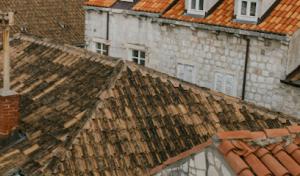
The dominant Fair Lawn roofing mix includes asphalt shingles, clay tile, concrete tile, synthetic/composite shingles, slate, and copper roofing rather than a single-material market. That variety means failures tend to show up differently across homes depending on age and exposure. Asphalt shingles are common on existing structures and handle the freeze-thaw cycle reasonably well when installed with proper ventilation and underlayment. Clay and concrete tiles bring weight and resilience, but their fragility under impact and cracking risk rise if installation gaps or fasteners shift with thermal movement. Slate and copper bring long life but require precise siding and flashing details to avoid localized leaks as seasons shift. Understanding the specific material on a roof helps target freeze-thaw vulnerabilities: moisture intrusion, expansion cracking, and flashing stress at hips, valleys, and transitions. When a storm hits, tiles or shingles can loosen or crack, and water entry may follow. A neighborly check after a significant storm often reveals shallow mapping of damage best addressed before further cycles.
North Jersey experiences freeze-thaw cycling that tests brittle or heavy roof systems most. Moisture entering any small crack or seam expands with cold, stressing fasteners and flashing. For heavy tile systems, this can mean cracked tiles or broken ridges if support framing isn't solid or if fasteners have loosened over time. For asphalt shingles, wind uplift combined with residual moisture can reveal lifted edges and exposed underlayment sooner in winter cycles. The season can also reveal flashing failures at roof-to-wall transitions, vent bootings, and chimneys where moisture repeatedly freezes and thaws. The practical takeaway is to inspect after temperature swings between extremes-to look for hairline cracks in tile, slipped shingles, or lifted edges in exposed valleys and along the eaves. Early detection reduces the risk of indoor leaks spreading through attic spaces during a cold snap.
Hot summers affect material handling and thermal movement, with clay and concrete tile requiring extra care during installation and replacement. Tiles expand with heat and contract when the air cools, stressing fasteners and sometimes causing micro-cracks that propagate during subsequent cold periods. Flashed penetrations must accommodate movement without crowding the sealant or causing membrane wear. Synthetic/composite shingles, being lighter and often less rigid, respond differently to heat: improper nailing patterns or inadequate ventilation can lead to cupping or curling as temperatures rise. When replacing a section, ensure tile edges are supported during removal and reinstallation, and avoid placing new fasteners into older, already stressed zones. Proper sequencing-removing damaged sections, keeping gaps that allow breathing, and resealing with compatible underlayment-helps prevent new cracks from forming with the next season's heat.
After a storm or during seasonal maintenance, focus on visible, high-risk areas: roof edges, valleys, flashing around chimneys, and penetrations for vents. If tile or shingle damage is found, address it promptly with professional inspection to assess underlying decking and ventilation. For clay and concrete tile, ensure the fixing pattern and underlayment are appropriate for the tile type and the local climate's demands. When planning replacements, prioritize systems with proven performance in freeze-thaw cycles and ensure installation accounts for thermal movement across seasons. A well-ventilated attic and properly sealed flashing are your first lines of defense against recurring failures in this market.
In Bergen County, homeowners should anticipate standard New Jersey storm-related claim activity rather than a rare-event insurance environment. This means that after a wind or hail event, the conversation with the insurer tends to follow familiar patterns: documentation, evidence of impact, and a measured assessment of what actually needs replacement versus what might be repairable. For a neighborhood with older Bergen County stock, that reality matters because roofs often show wear long before a storm arrives. The result is a process that rewards careful preparation and steady documentation, not sudden, magical approvals.
Hail season can create latent roof damage that is not always obvious immediately, which matters for Fair Lawn owners deciding when to document and report losses. Shingle granules in gutters, minor bruising on shingles, or soft spots under metal flashing may not scream "repair now" at first glance. Yet the combination of a harsh winter and a spring storm cycle can convert those small signs into bigger failures over weeks or months. The practical approach is to photograph the roof and related components soon after a hail event, and to keep noticing what changes between inspections. If a season passes with only incidental repairs but a subsequent wind event shifts a shingle edge or loosens a flashing, that sequence can influence how a claim is evaluated later. The latent risk is that delayed reporting can blur the link between the storm and the damage, potentially slowing or weakening results.
Insurers in this market typically review roof age, material type, photos, and a loss scope before approving claims, so Fair Lawn homeowners need thorough documentation after wind or hail events. The age of the roof matters because some materials wear differently under Bergen County winters, and older installations can trigger different settlement conversations. Clear photos that show damage from multiple angles, a dated timeline of events, and a precise scope of loss help insurers align expectations with the actual deterioration. If the roof has already shown signs of thaw-crack stress or if flashing and underlayment show wear, those details should be captured in the documentation. In practical terms, prepare a concise narrative that links storm events to observed damage, and attach a sequence of dated, high-quality images to support the claim. This careful record can be the deciding factor when the insurer weighs replacement versus repair, especially in a neighborhood where the underlying structure and ventilation strategy can influence the perceived need for a full roof replacement.
Connect with contractors who help homeowners navigate the claims process from damage assessment to final approval.
DONE RIGHT Roofing & Gutters
(201) 846-0531 doneriteroofingandgutters.com
Serving
4.9 from 176 reviews
SPLENDOR Roofing & Gutters
(201) 693-7788 splendorsidingandroofing.com
25-06 Waverly Ave, Fair Lawn, New Jersey
5.0 from 717 reviews
We are a licensed, bonded, and locally-owned (Fair Lawn NJ) professional roofing company providing high-quality service at an affordable price. In addition to roof repairs, roof inspections, and total roof replacements, we replace residential siding and gutters. Splendor Roofing and Gutters offers roofing services in the following New Jersey counties: Bergen County, Somerset County, Middlesex County, Monmouth County, Hudson County, Passaic County, Essex County Warren County, Union County, Hunterdon County and Morris County. Contact us today. Discover why we have a reputation for treating all of our customers with respect and providing exceptional prices.
Top All State Construction
(551) 230-2888 www.topallstate.com
39-26 Sycamore Dr, Fair Lawn, New Jersey
4.9 from 147 reviews
We understand the importance of dependable contracting work as a means of improving the livelihood of an entire community. Our fair prices and impeccable service have earned us many happy customers. Our products are meant to enhance the value of your home and the enjoyment you have from living in your home. We only work with the best suppliers to ensure you receive the highest quality products on-time and in perfect condition. We are the company most trusted to protect homeowners' most treasured investment; their home. Our professional contractors take pride in providing excellent workmanship and complete each project with keen attention to detail for 100% customer satisfaction.
Planet Roofing & Exteriors S-Corp.
(201) 694-8141 planetroofingcompany.com
5211 Promenade Blvd, Fair Lawn, New Jersey
5.0 from 115 reviews
Planet Roofing is a trusted roofing contractor serving homeowners and businesses throughout North Jersey. We specialize in roof replacements, roof repairs, asphalt shingle roofs, flat roofing, leak repairs, and storm damage restoration. Our experienced team delivers high-quality workmanship using durable materials designed to withstand New Jersey weather. From small roof repairs to full roof replacements, we handle every project with professionalism, clear communication, and attention to detail. We proudly serve Bergen, Essex, Morris, Passaic, Union, and surrounding counties. Planet Roofing is committed to reliable service, competitive pricing, and on-time project completion. Free inspections and estimates available for residential and comm
New-Gen Roofing
(973) 441-5153 new-genconstruction.com
12-45 River Rd Unit 4, Fair Lawn, New Jersey
5.0 from 53 reviews
New-Gen Roofing & Gutters is a family-owned and operated company with over 16 years of experience proudly serving homeowners throughout North, Central, and South New Jersey. We take pride in listening to our customers, understanding their needs, and delivering quality craftsmanship that stands the test of time. We specialize in roof replacements, roof repairs, siding installations, roof inspections, and attic insulation upgrades, using only top-quality materials from trusted manufacturers like GAF. Whether it’s asphalt shingle, flat, metal, or custom roofing systems — or durable siding that boosts curb appeal and protection — our team ensures every project is built to last. We’re fully licensed and insured, Google Guarantee

Donny's Home Improvement
(973) 333-6364 donnysroofing.com
Serving
5.0 from 114 reviews
Founded in 2002, Donny’s Home Improvement is a licensed and insured roofing replacement and waterproofing company proudly serving homeowners throughout New Jersey and Lower New York State. We specialize in roofing installation, roofing repairs, gutters installation, and chimneys repairs. Offering complete roof replacement services using the latest and most durable roofing systems available. We are proud to hold both the GAF Master Elite® and GAF President’s Club certifications, the largest roofing manufacturer recognitions that place us among the top roofing contractors in the industry. Offering GAF Golden Pledge warranty. Family owned and operated business we take pride in providing each client with personalized service and workmanship.
Top Shield Commercial Roofing
(201) 266-0968 www.topshieldconstruction.com
Serving
5.0 from 109 reviews
With decades of experience since 1996, Top Shield Construction has been the trusted name for roofing and a comprehensive suite of exterior home services in Elmwood Park. They specialize in a wide range of solutions, including expert chimney, gutter, and masonry work, as well as professional siding and insulation installation. Top Shield Construction is dedicated to building lasting partnerships with homeowners, guiding them through every project phase with a friendly and knowledgeable approach. Their commitment to superior craftsmanship and customer satisfaction turns every project into a seamless and collaborative experience. We have 20 years of Expertise in Roofing Services, We do Roof Repair, Installing new roof, Roof Replacement.

Ortega & Sons Roof Repair
(862) 660-7778 ortegasonsroofrepair.com
Serving
4.8 from 68 reviews
Welcome to Ortega & Sons Roof Repair
Mattsson Roofing
(201) 925-9709 www.mattssonroofing.com
Serving
5.0 from 327 reviews
Mattsson Roofing is a residential roofing company based in Glen Rock, NJ serving homeowners across Bergen County, Passaic County, and surrounding areas. We specialize in roof replacements, roof repairs, attic ventilation, gutter systems, skylights, and fascia and soffit work. Our approach focuses on understanding the entire roofing system—drainage, airflow, and flashing—so problems are solved at the source. Mattsson Roofing is known for educational inspections, clear communication, and long-term roofing solutions designed to protect homes throughout Northern New Jersey.
AMERICAN Roofing
(201) 254-9910 americanroofchimney.com
Serving
5.0 from 308 reviews
Since 2011, AMERICAN Roofing has been a trusted and reliable roofing contractor serving the Elmwood Park community and surrounding areas. Located at 247 Market St, their team of skilled professionals specializes in providing a wide range of top-quality roofing solutions, from new installations to expert repairs and maintenance. They are dedicated to protecting your home with durable, long-lasting roofing systems designed to withstand the elements. You can count on their commitment to excellence and exceptional craftsmanship for every project, big or small.
Ideal Roofing
(862) 390-1888 www.idealhomeimprovementsllc.com
Serving
5.0 from 307 reviews
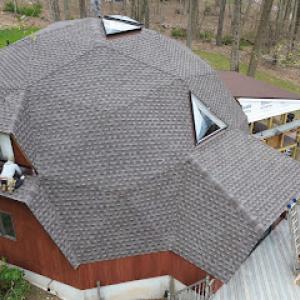
IDEAL Roofing & Chimneys is a trusted, family-owned roofing and chimney contractor serving all of New Jersey. We provide expert roof replacement, roof repairs, flat roofing, commercial roofing, chimney repair, chimney rebuilds, flashing work, siding repairs, gutter cleaning, and full property inspections. With honest pricing, high-quality workmanship, and fast emergency service, we help homeowners and businesses stay protected year-round. Whether it’s a small repair or a full roof installation, IDEAL Roofing & Chimneys delivers reliable, professional results on every project. Call today for a free estimate anywhere in New Jersey.
Allied Roofing Solutions
(201) 773-0633 www.alliedroofingsolutions.com
Serving
4.9 from 256 reviews
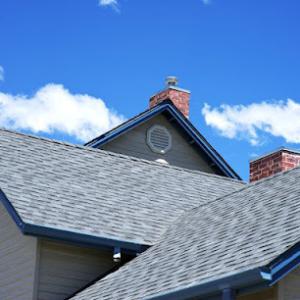
Allied Roofing Solutions is a locally owned and trusted roofing company serving homeowners across New Jersey with high-quality workmanship at competitive prices. We specialize in roof repairs, roof inspections, and full roof replacements, along with professional siding, window, and gutter installation. Proudly serving Bergen, Somerset, Middlesex, Monmouth, Hudson, Passaic, Ocean, Essex, Warren, Union, and Morris County, our team is known for reliable service, honest pricing, and exceptional customer care. Contact Allied Roofing Solutions today to schedule your FREE estimate and experience the difference.
My Way Construction
(201) 889-5810 mywayconstructionnj.com
Serving
4.9 from 109 reviews
North Jersey’s Top Roofing Contractor. Specializing in New Roof Installations & Full Roof Replacements in Bergen County. Premium materials, expert craftsmanship, and guaranteed reliability. Trusted by homeowners across New Jersey for durable, high quality roofing built to protect your home, because your home deserves the best, done My Way.
In Fair Lawn you'll see a notably wide spread in material pricing, from asphalt shingles at around 350 to 550 USD per square up to copper roofing at 2500 to 5500 USD per square. That spread reflects the neighborhood mix of older Bergen County homes and the desire for higher-end curb appeal on some properties. When you're weighing options, think about long-term performance in winter and how each material handles freeze-thaw cycles. Synthetic or composite shingles sit in the middle, typically 450 to 750 USD per square, offering a practical balance of longevity and cost for a lot of standard single-family roofs.
Fair Lawn's winter often tests roofs with freeze-thaw stress, and a single heavy storm can drive demand and scheduling for replacement projects. If a storm window coincides with your project, you'll feel the impact in both timing and price, as crews and materials surge to meet demand. Because of that seasonal variability, a straightforward asphalt replacement can become a more involved job if you choose premium materials or want a faster install to avoid another cycle of winter damage.
Heavy premium options such as slate, clay tile, and copper are less common on the average Fair Lawn home but can rise above basic asphalt pricing when selected. Slate typically runs well above asphalt, with per-square costs that reflect its weight, durability, and the need for specialized installation. Clay or concrete tiles also push costs higher due to heavier weights and longer install times. If your roof has structural considerations or you're aiming for a distinct look that lasts through decades of Northeast weather, these materials become reasonable to consider, though they require careful budgeting for both labor and any necessary structural adjustments.
Get a clear picture of your project costs upfront - no commitment required.
Planet Roofing & Exteriors S-Corp.
(201) 694-8141 planetroofingcompany.com
5211 Promenade Blvd, Fair Lawn, New Jersey
5.0 from 115 reviews
A full re-roof typically falls outside the realm of permit-free maintenance. When a contractor plans to replace the roofing system on an existing structure, you should expect the project to require a building permit from the borough. The permit process is designed to ensure that the work adheres to local building codes, preserves the integrity of older Bergen County housing stock, and accounts for winter freeze-thaw stress that can influence ventilation, sheathing, and overall roof performance. Starting with the permit filing early helps avoid delays when weather is favorable and you want to stay on track for the spring or early summer window.
If the project includes changes to sheathing or the roof ventilation strategy, the borough may initiate a plan review as part of the permit process. This review looks at how the new layers interact with existing rafters, insulation, and attic venting. Expect questions about the type and thickness of sheathing, fastener schedule, and the proposed ventilation arrangement. Having details such as product specifications, rafter spacing, and a clear vent plan from the contractor can streamline review. If the plan review is triggered, allocate additional time for the review step and ensure contractors understand any code requirements specific to Fair Lawn's climate and housing stock.
Inspections are scheduled after the roof installation is complete. A typical sequence includes an on-site inspection during or immediately after installation to verify proper installation of underlayment, fasteners, flashing, and ventilation components. A final inspection confirms that all permit requirements are satisfied and that the project has been completed in accordance with the approved plans. In the event of deviations discovered during the field inspections, the inspector will guide corrective work before final clearance is issued. Prepared homeowners often find it helpful to have access to the contractor's written warranty and a copy of the permit, as these documents may be requested during the inspections.
Coordinate closely with the contractor on the permit application so that the project description clearly reflects the scope, including any ventilation or sheathing changes. Keep a centralized file with permit numbers, inspection dates, and contact information for the building department. If timing aligns with winter-to-spring transitions, plan around potential weather-related delays that can affect both the permit review cadence and the ability to complete exterior work before freeze-thaw cycles intensify. Finally, verify that the selected crew is familiar with local inspection expectations and prepared to address questions regarding attic ventilation and roof structure in this climate.
Chimney-related work is a notably common contractor offering in this market, which aligns with leak-prone roof transitions on older North Jersey homes. In a neighborhood of brick and masonry shoulders, the chimney chase and flashing are frequent failure points after winter cycles. Leaks often show up first along the intersection where the chimney meets the roof deck, so look for peeling shingles near the top edge, rust on metal flashing, or dark streaks on interior ceilings near the chimney line. If the chimney crown or step flashing shows even hairline cracks, water can begin wicking into the roof structure during freeze-thaw cycles. Before choosing a contractor, verify they inspect both crown integrity and the full flashing system, not just the visible staining.
Skylight service is also highly prevalent among Fair Lawn-area contractors, indicating that curb and flashing details are a frequent homeowner concern locally. Skylights introduce a second skin to the roof where water can pool along the curb and seep through on cold mornings. Common issues include improper shimming, degraded sealant, and misaligned flashing around the base. In freeze-thaw climates, any small crack or cured adhesive gap can become a highway for moisture. When considering service, prioritize crews that bring a water management plan: they should address flashing laps, curb sealants, and drainage angles to reduce ice dams and condensation under the skylight.
In a freeze-thaw climate like this area's, penetrations and roof-wall intersections are often where winter moisture problems become visible first. A minor defect at a chimney chase, vent, or skylight can quietly expand with repeated freezes, leading to larger leaks that complicate interior repairs. You'll want a contractor who clearly documents the vulnerable seams, tests for wind-driven moisture, and offers a coordinated fix that ties flashing, insulation, and roof deck exposure together.
Find contractors experienced in skylight installation, flashing, and leak repairs to bring natural light into your home.
Planet Roofing & Exteriors S-Corp.
(201) 694-8141 planetroofingcompany.com
5211 Promenade Blvd, Fair Lawn, New Jersey
5.0 from 115 reviews
Top Shield Commercial Roofing
(201) 266-0968 www.topshieldconstruction.com
Serving
5.0 from 109 reviews
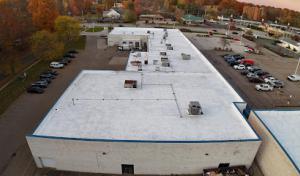
Flat-roof specialization is meaningfully present in the Fair Lawn contractor market even though the city is not defined solely by flat-roof housing. When you shop for a flat or low-slope answer, look for crews with recent Fair Lawn projects that show membrane detailing at the eaves and around penetrations. The right team will treat low-slope areas as more than a tie-in to the main roof, understanding that the edge details and flashing matter just as much as the membrane itself.
Low-slope sections on porches, additions, garages, and mixed-roof homes need to be evaluated differently from the main steep-slope roof during replacement planning. Start with a focused assessment of ponding potential on each flat surface, then inspect the edge terminations where the membrane meets vertical walls. In Fair Lawn's wintry mix, ensure that the transition from membrane to flashing is free of debonding and that fasteners through coping and parapets are chosen for long, corrosion-resistant performance. Address any drainage changes separately, since a flat section that sits a few inches lower than surrounding planes can create consistent water exposure.
Winter ponding, snow retention, and membrane edge details are a bigger concern on these low-slope sections than on the main shingle field. After the coldest snap, inspect for blisters, pooling paths, and any soft spots along the low-slope surface. Prioritize clean, sharp edge controls where the membrane terminates at parapets, gutters, or fascia. If there are older vapor barriers, verify they remain compatible with the new membrane system and that any deck or substrate insulation remains dry and stable.
For homes with mixed roofs, treat each section as its own micro-system. Cross-check the plan to ensure the low-slope area receives equivalent protection at all penetrations, HVAC curbs, skylights, and vents. Avoid over-reliance on a single membrane detail; instead, ensure multiple, overlapping seals at seams and transitions so storm-driven wind or freezing cycles don't lift a corner. In Fair Lawn, where freeze-thaw cycles stress edges, durable edge clips and well-sealed seams deliver the most reliable long-term performance.
Find specialists in TPO, EPDM, and built-up flat roofing systems for residential and commercial properties.
Top All State Construction
(551) 230-2888 www.topallstate.com
39-26 Sycamore Dr, Fair Lawn, New Jersey
4.9 from 147 reviews
Planet Roofing & Exteriors S-Corp.
(201) 694-8141 planetroofingcompany.com
5211 Promenade Blvd, Fair Lawn, New Jersey
5.0 from 115 reviews
New-Gen Roofing
(973) 441-5153 new-genconstruction.com
12-45 River Rd Unit 4, Fair Lawn, New Jersey
5.0 from 53 reviews
Re-roofing is one of the strongest service signals in this market, so homeowners often compare replacement-focused crews rather than niche new-construction roofers. In a town with older Bergen County housing stock and winter freeze-thaw cycles, the right crew is measured by how well they handle storm-driven replacement timing, thorough cleanup, and jobsite control. Cleanup included and quick response are especially prevalent signals, suggesting homeowners here care about getting leaks and storm damage resolved fast without leaving debris or tarps in the yard. Long-established, family-owned, residential-focused contractors are common, shaping how trust and continuity are evaluated.
Look for a crew that clearly markets itself as a replacement-focused team rather than a general contractor or new-construction roofer. Ask how they schedule after a storm or leak claim and whether cleanup is part of the contract with visible debris removal, magnet checks for nails, and tarping where needed. Prioritize contractors with a long local track record and a residential focus; family-owned firms often show up with familiar names, steady crews, and nearby references. Request photos or a brief timeline of a recent project in a comparable home and ask for a local reference list.
Start with a written scope that includes material choices, a clearly defined cleanup plan, and a responsive communication channel for post-storm issues. Confirm the crew's service area coverage, expected lead times, and who will supervise the job daily. Check insurance coverage and workers' compensation certificates, and request recent client references from Fair Lawn or nearby Bergen County neighborhoods. Finally, compare how each crew explains their process for protecting landscaping, driveways, and fences during removal and installation.