
Last updated: Apr 19, 2026
Your roof endures repeated freeze-thaw cycles that quietly widen even small shingle, flashing, and sealant failures into active leaks. In this climate, water can seep into microscopic gaps when thawing ice expands, then refreezes and jams those gaps tighter overnight. On aging roofs, especially after years of laying new shingles over the old underlayment, this cycle accelerates deterioration at edges, hips, and around vent penetrations. The result is sudden attic moisture, interior staining, and a stealthy drip that seems to appear after a windy freeze. To head this off, focus on the small, vulnerable junctions: shingle tabs near valleys, step flashing where walls meet the roof, and the seals around pipes and vents. Inspect these during a clear day, and push for proactive resealing or flashing upgrades if you notice hairline cracks or loose sealant. The goal is to interrupt water entry before a freeze-thaw sequence compounds the damage.
Snow load and ice formation are a practical scheduling and roof-stress issue in winters, especially on older reroofed homes. When snow piles up on a shallow pitch or along gutters, meltwater backs up at eaves and freezes, forming ice dams that back up beneath shingles. That pressure can lift edges, create micro-movements in the underlayment, and push the flashing outward. In homes that have experienced previous roof work, the membrane and fasteners may already be compromised, making this a more urgent failure path. The immediate signs are a ridge of icicles that stubbornly hangs along the gutter line, damp patches on ceilings near exterior walls, or a cold-air draft buzzing through attic vents. The practical response is early-season snow management and attentive attic inspection after heavy storms. When a warm spell follows a heavy snowfall, re-check flashing and sealants and clear ice-dams from gutters with care to avoid damaging the roof surface.
Autumn debris pressure is locally relevant because Livingston is a mature suburban community with many tree-lined residential streets and yards. Leaves and twigs collect in valleys, around flashing, and under vent runs, forming carpets that trap moisture and abrade the protective surface. Debris adds weight, holds damp conditions against shingles, and can conceal signs of wear until a rain event reveals leaks. The most actionable approach is a fall cleanup that targets the roof and gutters, followed by a mid-winter walkaround after leaf-drop season to confirm that debris hasn't redeposited where it shouldn't be. Pay special attention to areas with overhanging branches and near mature trees, since those limbs will shed most when wind flips into a cold front. If a persistent damp spot appears in the attic, it may be worth a closer look at sealing around vents, chimney flashing, and any branch-induced abrasion points where debris tends to accumulate. Acting now reduces stress on aging components when the next freeze-thaw cycle hits.
Asphalt shingles are the dominant practical choice in Livingston, and for good reason. The local mix of mature, tree-lined neighborhoods means roofs endure fall debris, plus seasonal freeze-thaw cycles that stress the aging surface. Asphalt shingles handle varied weather well, go up quickly, and fit most suburban homes without heavy structural changes. If you're planning a re-roof and want a balance of ease, cost efficiency, and dependable performance under freeze-thaw movement, this is the path most neighbors take. Regular alignment checks after winter and a proactive sealant or inspection routine help catch wind or ice damage before leaks form.
Metal roofing is present in the Livingston market and can appeal to homeowners prioritizing snow shedding and long service life over a higher upfront cost. Metal performs well in winter when freeze-thaw cycles are most punishing, since its panels shed light accumulations and dry quickly. It also resists granular deterioration that can come from UV exposure in the summer. If your home has a modern or mid-century profile where clean lines and a longer-lived roof are attractive, metal offers a compelling combination of durability and low maintenance, provided the structure is sound and the fastener detailing is done to resist thermal movement.
Tile and wood-look options appear in the local material mix, but heavier systems require attention to structure and detailing on existing suburban homes rather than assuming a simple swap. Clay or concrete tile brings classic curb appeal and excellent longevity, but these options add substantial weight. On a typical Livingston subdivision roof, that means verifying rafter capacity, the attic ventilation strategy, and potentially reworking fascia and eave connections to accommodate the load. Wood-look shingles or shakes offer a traditional appearance with texture, yet they can be more vulnerable to decay and warp if moisture control isn't robust and freeze-thaw exposure is frequent. If you're drawn to these options, plan for a thorough structural assessment and ensure the roof deck and underlayment are prepared for heavier materials.
Regardless of material choice, proper detailing is essential in this market. Gutter placement, soffit ventilation, and attic temperature control matter especially in an environment where summer UV exposure and winter movement interact with aging substrates. Ensure roof-to-wall transitions, chimney and vent flashing, and valley details are sealed with materials compatible with both the local climate and the chosen roof type. A well-sealed system reduces the risk of ice damming and early leak paths that are common when seasonal temperature swings are severe.
In a neighborhood characterized by mature trees and seasonal debris, routine cleaning and annual inspection become part of the plan. The goal is to catch minor signs of wear-granule loss on shingles, small leaks at flashing, or moisture intrusion in attic spaces-before they escalate with another freeze-thaw cycle. With the right choice for your home's structure and a disciplined maintenance routine, your roof can better weather Livingston's distinctive climate and aging processes.
Spring storms and heavy rainfall are a known Livingston leak trigger, making flashing details more important than age alone after a weather event. When a nor'easter drops a torrent or a rapidly changing shower sweeps through, even well-maintained roofs can reveal weak spots where water sneaks in. The most common culprits are where curb flashing meets skylight bases and where shingles butt up against hazardous misalignment at the top edge of the chimney. If a heavy downpour arrives quickly, those details become the difference between a quick, manageable drip and a full-on interior leak. The takeaway is practical: prioritize flashing checks after any severe storm, not just after a roof feels old.
Skylight work is notably active in this market, which suggests leak tracing around curb flashing and surrounding shingles is a common homeowner concern locally. The curb flashing forms a critical line of defense, and even small deviations can channel water into the roof deck if debris, icy damming, or settled shingles create a trench-like path for moisture. In this climate, freeze-thaw cycles can exploit hairline gaps that widen with frost and sun-driven expansion. After a storm, inspect the skylight perimeter for visible gaps, blackened shingles, or crusty mineral deposits that hint at repeated moisture movement. If a trace of moisture appears on ceilings beneath a skylight during rain, the first actions are to verify the sealant continuity around the curb and to examine adjacent shingles for lifted or cracked edges. A conservative approach favors a targeted flashing rehab rather than a full roof replacement when the rest of the surface shows sound aging.
Chimney-related roofing work is highly prevalent among Livingston-area contractors, matching the older suburban housing stock where masonry intersections often become leak points. The seal between brick or blockwork and the roof deck is never a one-off fix; water can travel along the chimney base and seep inward through mortar joints, step flashing, or the transition to the roof plane. After a heavy rain, look for damp spots that track from the chimney onto nearby shingles or signs of staining along the interior ceiling directly beneath the chimney footprint. If chimney leaks appear seasonally, the issue often lies in compromised step flashing that has pulled away from the roof edge, or deteriorated counter-flashing that no longer pins down a watertight seal. The prudent approach is to treat the chimney intersection as a high-priority leak zone: confirm flashing integrity, inspect for shingle lift where the chimney meets the roof, and consider resealing or replacing flashing with attention to proper slope and vertical transitions.
After storms, perform a careful exterior inspection focusing on skylight casings and chimney joints. Look for loose or missing shingles around curb flashings and any asphalt shingle curling that could channel water inward. Inside the attic, check for staining or musty odors near the skylight shaft or chimney chase, especially after a heavy rain. If moisture is detected, address the most critical flashing points first, then extend the assessment to surrounding shingles to determine whether a localized repair or a larger flashing refresh is warranted. In this market, leak tracing around curb flashing and surrounding shingles tends to yield the quickest, most durable improvements, helping to prevent interior damage before it starts.
Find contractors experienced in skylight installation, flashing, and leak repairs to bring natural light into your home.
The Carpenters Touch Roofing & Siding
(973) 994-1085 www.carpenterstouchnj.com
600 S Livingston Ave suite 207, Livingston, New Jersey
4.9 from 159 reviews
Proven Contracting of Livingston
(973) 617-2602 provencontractingnj.com
184 S Livingston Ave #9, Livingston, New Jersey
4.8 from 137 reviews
The Carpenters Touch Roofing & Siding
(973) 994-1085 www.carpenterstouchnj.com
600 S Livingston Ave suite 207, Livingston, New Jersey
4.9 from 159 reviews
The Carpenter’s Touch is a GAF Master Elite® roofing contractor and James Hardie® siding specialist serving Livingston, New Jersey, and surrounding cities within a 30-mile radius. We provide roof replacement, roof repair, vinyl siding, fiber-cement siding, windows, doors, decks, and general home renovation services for residential properties. Since our founding, our mission has been simple — to deliver top-quality craftsmanship, reliable service, and lasting value on every project. Homeowners trust The Carpenter’s Touch for professional roofing, siding installation, and home improvement solutions completed with precision and care. We take pride in combining the traditional values of honesty, hard work, and attention to detail with today’s
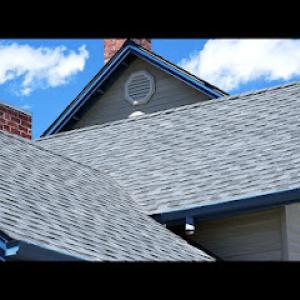
Proven Contracting of Livingston
(973) 617-2602 provencontractingnj.com
184 S Livingston Ave #9, Livingston, New Jersey
4.8 from 137 reviews
Proven Contracting is a trusted roofing company serving Northern New Jersey, including Verona, Millburn, Roseland, Fairfield, Livingston, Cedar Grove, Essex Fells, East Hanover, Florham Park, West Caldwell, Caldwell, North Caldwell, West Orange, Parsippany-Troy Hills, Pine Brook, and Short Hills. We specialize in roof repair, replacement, gutters, siding, and window installation. Our experienced roofers deliver quality craftsmanship, honest service, and lasting results for every home. Call today for trusted roofing and exterior services across North Jersey.
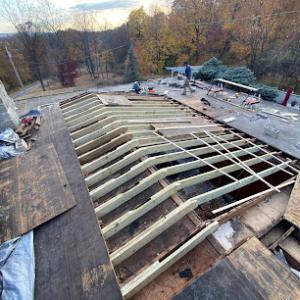
Legacy Commercial RoofCare
(862) 254-6947 www.legacyroofcare.com
Serving
4.9 from 55 reviews
Legacy Commercial RoofCare helps commercial property managers defer roof replacement while adding valuable years of service life to their existing roof structure with preventive maintenance solutions and coatings.
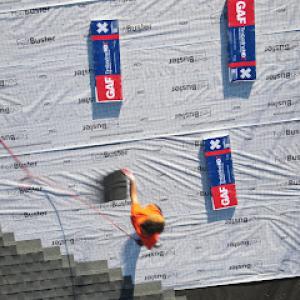
Cambridge Roof Repair
(201) 899-9917 cambridgeroofrepair.com
Serving
5.0 from 70 reviews
We are a family-owned roofing company specializing in asphalt shingle roofs, slate roofing, chimney repairs, skylight installations, and more. With years of experience serving Northern New Jersey, our goal is to deliver top-notch roofing services with a focus on quality, reliability, and customer satisfaction. We are fully licensed and insured, ensuring peace of mind for every project. Whether you need roof repairs, replacements, or new installations, we offer free consultations to help you find the best solution for your home or business. Contact us today for expert roofing services you can trust.
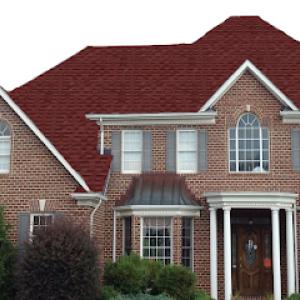
R & G Roofing
(973) 324-9461 rghomeservices.com
Serving
4.9 from 290 reviews
R and G Roofing is one of the Best roofing companies in New Jersey Essex County providing Roofing, Home Improvement, Roof Repair, Roof Replacement, Roof Installation, Roof Maintenance, Shingle Roofs, Flat Roofs, Commercial Roofing, Roofing Prices, Siding Installation, Vinyl Siding, Vinyl Siding Repair, asphalt, GAF, CertainTeed, Owens Corning, roof, roofer, gutter, gutters, gutter repair, gutter installation, gutter covers, leaf protection and any Skylight work replace or repair. Roofing Family Business serving all surround areas. We are the Top Contractor in Essex county committed to highest customer service in workmanship quality.
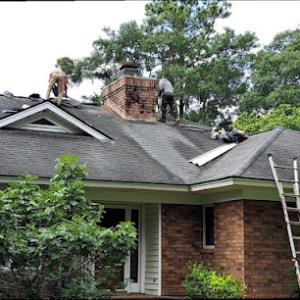
Hayes & Sons Roof Repair
(862) 335-4333 hayessonsroofrepair.com
Serving
4.9 from 67 reviews
Expert residential roof repair services using high-quality materials for lasting results. Expert residential roof repair services using high-quality materials for lasting results. Professional commercial roof repair solutions with a focus on customer satisfaction and integrity.
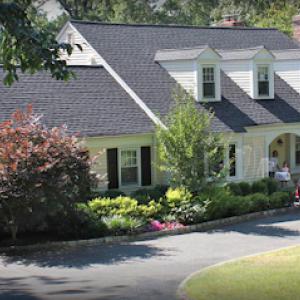
Novalis Roofing & Siding
(973) 908-8919 novalisroofingandsiding.com
Serving
4.9 from 319 reviews
Novalis Roofing & Siding provides premium roofing, siding, gutter, and solar solutions throughout Chatham, Summit, Madison, and surrounding New Jersey communities. As colder weather approaches, our expert team helps homeowners prepare for winter with thorough roof inspections, leak repairs, gutter maintenance, and full roof or siding replacements. With over 80 years of craftsmanship and a reputation for white-glove service, Novalis delivers durable, energy-efficient exterior solutions that protect and enhance your home in every season. Schedule your fall inspection today to ensure your home is winter-ready.
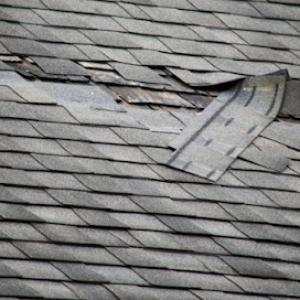
MT Chatham Roofing & Siding
(862) 267-7322 roofingchathamnj.com
Serving
5.0 from 53 reviews
MT Chatham Roofing and Siding is the company for you if you are in Chatham, NJ, or the surrounding area. With 20+ years of experience, we provide many different services, so feel free to call us or check our website for more information.

Jersey Eco Roofing
(862) 201-2021 jerseyecoroofing.com
Serving
5.0 from 54 reviews
Jersey Eco Roofing is a trusted roofing company in Springfield, NJ, known for expert craftsmanship and eco-friendly solutions. With over 6 years of experience, our licensed and insured team provides top-tier roofing services in Springfield, including repairs, installations, and replacements. As leading roofing contractors in Springfield, we’re committed to quality, durability, and customer satisfaction. We proudly serve nearby areas like Essex, Union, Morris, Bergen, and Passaic counties. Whether you need a minor fix or a full roof upgrade, our team ensures reliable results every time. Call today to schedule your free estimate and protect your home with confidence.
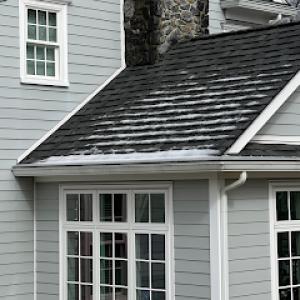
American Home Contractors
Serving
4.9 from 257 reviews
Americam Home is a GAF Master Elite certified roofing contractor and James Hardie preferred siding contractor. Based in Florham Park, NJ we offer GAF’s Goldem Pledge roof warranty with our full roof replacement services. Fast, accurate roofing and siding estimates. Roofing, siding, gutters, windows and doors are our specialty. We can help you design and home’s exterior. With over 20 years of experience we have built a strong reputation through detailed workmanship and responsive service. Servicing Morris County and surrounding areas. Need help with design and budgeting? We are here to help!
Pro Gen Construction & Roofing
(862) 222-1016 progenconstructionnj.com
Serving
5.0 from 63 reviews
At Pro Gen Construction & Roofing, we turn your dreams into reality through expert craftsmanship and a dedication to delivering exceptional results. As a leading contractor near you in New Jersey, we offer premier services in roofing, siding, masonry, decking, and chimney in New Jersey. Looking for roofing Caldwell NJ? Look no further! Our team is dedicated to providing top-quality workmanship in every project. Where Quality Meets Craftsmanship. Call us now for a free estimate!
RK Roofing
Serving
4.9 from 47 reviews
RK Roofing Provides siding and roofing services to the Caldwell, Nj area.
In Livingston, full replacement is commonly planned from late spring through fall because weather is milder and less disruptive than winter conditions. That window minimizes the risk of snow, ice, and prolonged cold affecting tear-off, drying, and installment. The aim is to complete the project before the first major freeze, when moisture and temperature swings stress shingles and underlayment more aggressively. For homes with older, mature trees nearby, this window also helps coordinate access for crews and equipment while managing debris.
Spring rain can expose hidden leaks, especially on aging roofs that have developed micro-cracks or valley issues over the winter. At the same time, frequent showers can delay tear-off and dry-in schedules, so inspection timing matters before peak contractor demand builds. If a spring assessment reveals active leaks but conditions push the replacement later in the season, prioritize temporary fixes that reduce interior water intrusion while planning a firm start date. A proactive inspection in early spring helps align preferred weather with contractor availability.
Summer heat and humidity affect crew productivity and material handling. Asphalt and composite shingles can become difficult to maneuver in high heat, which may extend project duration or complicate sealing details around flashings and penetrations. Heat also increases the risk of work-site fatigue and slips, so plan for shaded staging areas and ample hydration. If a replacement begins in midsummer, schedule the most labor-intensive phases for cooler parts of the day and ensure secure protection for landscaping and neighboring properties during hot, dry spells.
Autumn wind and falling debris can complicate access and cleanup. Livingston's mature trees contribute extra debris in fall, which can clog gutters and remind crews to maintain clean work zones. Scheduling in early to mid-autumn often balances favorable temperatures with a lower likelihood of hail events, but windy periods can complicate tear-off and safety protocols. If bidding fall work, coordinate debris containment, ladder placement, and tarp protection to prevent shingle fallout and attic intrusion as leaves begin to accumulate.
You begin with a thorough roof assessment to distinguish between repair-worthy issues and a full replacement need. Consider the roof's age, observed wear from freeze-thaw cycles, and evidence of moisture intrusion inside the attic. Confirm that the chosen season aligns with the crew's availability and your property's access needs, including tree trimming if necessary to minimize debris during the project. Finally, plan ahead to secure a dry-in window, so interior protections and ventilation are established before roofing material install begins.
Get a clear picture of your project costs upfront - no commitment required.
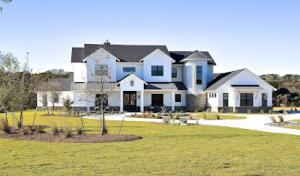
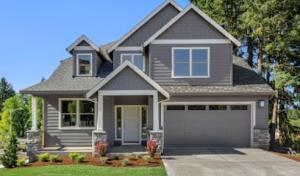
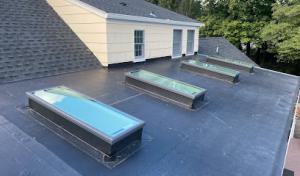
Livingston boards a diverse market where asphalt, metal, tile, wood, and synthetic systems share the spectrum. Do not assume a one-material market; your project may swing between modest shingles and higher-end options. Use the city-specific cost ranges as a guide: asphalt shingles typically run 420 to 700 USD per square, metal 800 to 1200, clay tile 1100 to 1900, concrete tile 1000 to 1800, wood shingles/shakes 650 to 1000, and synthetic or composite shingles 450 to 900 per square. In practice, the overall project likely lands somewhere in the mid-to-upper end if premium features or longer service life are chosen. Pricing reflects material choice, roof size, and the long-term durability expected for a suburban Essex County climate with freeze-thaw cycles.
Homes with intricate rooflines, multiple chimney intersections, skylights, or debris-heavy sites command higher labor and cleanup time. Each added complexity increases edge detail work, ventilation considerations, and waste disposal needs. In Livingston, these factors push costs toward the higher end of the material ranges, even if the visible surface area seems standard. Budget for extra crew hours and a careful teardown to minimize post-install leaks, especially around penetrations and valley zones.
Seasonal demand spikes after storms or during the late-spring-to-fall window affect scheduling and pricing in this Essex County market. If a replacement clashes with peak windows or after significant weather events, expect tighter calendars and higher labor rates. Plan for a window of flexibility in both material availability and crew timing, and be prepared to adjust expectations if crews are operating at full capacity in the neighborhood.
Start with a materials-first approach to establish a baseline, then layer in labor for roof complexity, debris removal, and any added fixtures. Compare several quotes that itemize materials, waste handling, and preparation work. Keep a reserve for potential contingencies associated with age-related membrane degradation or flashing repairs, which commonly surface on aging suburban roofs in this climate. A prudent plan reflects Livingston's mixed market and the reality of local installation dynamics.
Get a clear picture of your project costs upfront - no commitment required.
For a full reroof, the Building Department generally requires a permit rather than treating replacement as informal maintenance. This process reflects Livingston's approach to structure longevity and safety, especially given the freeze-thaw cycles that characterize Essex County winters. A permit helps ensure that the project conforms to current code, ventilation, and weatherproofing standards essential for protecting aging roofs and the homes they cover.
The permit application is typically submitted by a licensed contractor, not by the homeowner alone. The submitted package should clearly state the scope of work, the planned roof area, and the material type. This documentation gives the Building Department a transparent view of how the project will affect structural loads, decking, and drainage. In practice, a contractor coordinates the sequence of work and ensures all required code-compliant details are included before work begins.
Inspections are scheduled after installation is underway and continue through the critical stages of the reroof, including underlayment, flashing, and venting work. A final inspection is used to close out the permit, confirming that the installation meets Livingston's standards and that the roof is capable of withstanding local freeze-thaw stress. Expect an inspector to verify proper attic ventilation, condensation controls, and barrier protection against moisture intrusion, which are especially important in mature suburban homes with tree debris and seasonal leaf fall.
Coordinate closely with the licensed contractor to align the permit timeline with weather windows that minimize mid-winter exposure. Confirm that all required documentation, including material specifications and deck condition notes, is submitted with the permit package. After installation, plan for the final inspection by keeping access clear and addressing any minor observations promptly, so the permit can be closed without delay. This process not only satisfies local requirements but also supports long-term performance amid Livingston's freeze-thaw cycles.
In New Jersey's generally stable insurance market, Livingston homeowners may still see closer scrutiny of roof age and condition after severe storms or high-wind events. The insurance lens often shifts from cosmetic fixes to structural and drainage concerns, especially when a storm exposes missing shingles, lifted flashing, or softened decking. The goal is to prevent a repeat claim season on fragile aging roofs.
Adjusters commonly request dated photos, condition documentation, and contractor estimates, so pre-loss records are especially useful on older roofs. Gather recent photos showing vent pipes, chimney flashing, and any signs of edge deterioration. Keep a simple log of seasonal debris, ice dam indicators, and any visible wear along the eaves. This helps separate normal aging from storm-related damage.
Replacement decisions are often influenced by observed wear versus age alone, which matters in this area where freeze-thaw and seasonal debris can create mixed-condition roofs. A roof with solid framing but compromised seams or granule loss can trigger a different approach than a roof that looks worn but remains structurally sound. The nuance sits in the details inspectors notice after high winds or heavy snowfall.
Document the roof's condition before trouble arises and after storms, if possible. Maintain clean surroundings around the roofline-overhanging branches and accumulated debris can become an insurance talking point in a wind event. If a contractor sees edge deterioration or inconsistent shingle wear tied to a single episode, it strengthens the case that condition, not age alone, is driving the need for work.
While forceful weather tests roofs, the decision to replace or repair hinges on sustained performance, not a single gust. Knowing how to present condition evidence and maintain organized records puts you in a steadier position when adjusters evaluate a aging but still functional roof after a storm.
Connect with contractors who help homeowners navigate the claims process from damage assessment to final approval.
The Carpenters Touch Roofing & Siding
(973) 994-1085 www.carpenterstouchnj.com
600 S Livingston Ave suite 207, Livingston, New Jersey
4.9 from 159 reviews
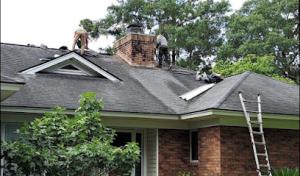
Flat and low-slope roofing is active enough to matter, especially on additions, porches, garages, and rear sections of suburban homes. In Livingston, these areas shoulder more exposure to spring downpours and the winter ponding that can slow drainage. A low-slope section paired with a steep main roof creates a practical leak point where transitions fail if not properly designed and sealed.
Where a steep shingle roof meets a low-slope add-on, the seam and flashing must be continuous and well-supported. Ice and meltwater can back up at the transition during freeze-thaw cycles, creeping under edging or exposing fasteners. Parapets, scuppers, and interior corners deserve extra scrutiny, as debris buildup from mature trees can block drainage paths on these sections. In older homes, existing valley or step-flashings may have deteriorated, making the low-slope portion a frequent leak spot after heavy rains.
During reroof planning, map every low-slope surface and its drainage route, then verify that deck or substrate is fully vented and reinforced to resist ponding. Inspect flashing around parapets, step-downs, and transitions for corrosion or shrinkage. If a porch or garage roof is being updated, specify a reliable high-traction membrane with adequate slope (even if minimal) and confirm edge detailing ties seamlessly into the main roof flashing. Schedule a detailed drainage check after the first heavy rain of the season and after any warm snap followed by cold nights.
Keep neighboring trees trimmed to reduce debris fall onto low-slope areas, especially in fall. Clean gutters and downspouts regularly to prevent seasonal backups. When inspecting, look for soft decking or damp spots near transitions and address promptly to avert larger leaks.
Find specialists in TPO, EPDM, and built-up flat roofing systems for residential and commercial properties.
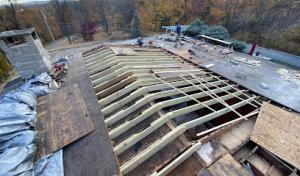
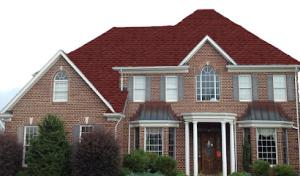
Solar roofing is present but not dominant in Livingston, so homeowners usually need to coordinate roof condition and remaining lifespan before adding panels or integrated systems. In practice, that means evaluating the aging shingles or tiles for signs of wear, such as curling, missing granules, or soft spots after freeze-thaw cycles. A roof that looks solid but is near the end of its expected life may not be a good platform for full solar integration until the underlying structure is sound. If a retrofit or add-on is possible, consider systems that allow for modular upgrades, so panels can be added later without a full tear-off. Debris from mature trees during autumn can complicate maintenance and inspection, so plan for a few staged checks to avoid compromising a delicate solar installation.
Because insurers and buyers may scrutinize roof age, Livingston homeowners often benefit from keeping warranty paperwork and installation records organized. Start with the original roof warranty, then collect proof of any repairs, re-coverings, or material updates. This archive helps when evaluating whether a solar or integrated system should rely on the existing warranty coverage or require a new agreement. If a roof replacement is anticipated before adding panels, ensure the chosen contractor provides clear documentation that ties the new roof to the solar plan. When you relocate or refinance, a clean file with dates, product names, and contractor certifications can speed up appraisal reviews and reduce friction with insurers.
Manufacturer-certified and warranty-focused contractors are active in this market, which is relevant when comparing long-term value rather than lowest bid alone. Look for installers who can demonstrate real-world experience with aging suburban roofs and with solar-compatible underlayments and flashing details that perform well in freeze-thaw conditions. Ask about how the crew treats ridge lines, valley sections, and chimneys, since improper integration here can become a leak point over time. A good approach is to request an assessment that outlines both the roof's remaining lifespan and the readiness of your structure to host solar hardware, with a clear plan for staged upgrades if needed.
Find contractors who integrate solar panels or solar shingles into your roof for long-term energy savings.
The Carpenters Touch Roofing & Siding
(973) 994-1085 www.carpenterstouchnj.com
600 S Livingston Ave suite 207, Livingston, New Jersey
4.9 from 159 reviews
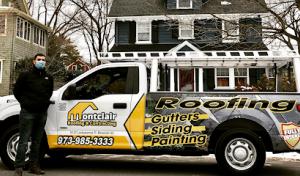
Montclair Roofing & Contracting
(973) 604-2501 montclairroofingcontracting.com
Serving
5.0 from 150 reviews