
Last updated: Apr 19, 2026
Carteret sits on the Arthur Kill waterfront in northeastern Middlesex County, so roofs endure open-water wind conditions that can exploit aging shingles, ridge caps, and metal edge details. The risk is not limited to one season: winter freeze-thaw cycles push eaves and flashing to their limits, spring storms bring heavy rain and hail potential, and fall wind events can lift older roofing near the industrial and waterfront corridors. When a gust cuts across the river, lightweight shingles loosen, exposed nails back out, and the thin edge metal shows its age first. Prioritize safety by keeping people away from any visibly damaged areas, and treat suspect sections as high-priority indicators of broader trouble.
Look for loose or missing shingles, lifted tabs, and any gaps around ridge caps or vent flashing. Pay close attention to flashing where roof meets walls, chimneys, and dormers, especially on roofs with older seals. In winds common along the Arthur Kill, even small risk points become channels for water intrusion. If you see dark stains on ceilings or attic mold after a storm, assume there is hidden flashing or edge detail damage that needs immediate assessment. Edge metal that's corroded, bent, or separated should be treated as a red flag; in storms these conditions can accelerate leaks along the eave line.
Insurers scrutinize wind and hail claims more tightly in this area, so document every problem with date-stamped photos. Focus on close-ups of flashing joints, shingle tabs, ridge caps, and any granule loss along the roof surface. Capture wide shots of the roof's overall condition and how sections tie into surrounding structures. Create a simple, dated scene log after each significant weather event: note wind direction, rainfall intensity, any visible damage, and the duration of exposure. Keep a dated video walk-through of the attic to show any signs of moisture intrusion, staining, or condensation that could indicate concealed leaks.
If a storm has just passed and you suspect hidden structural risk, arrange for a temporary, non-invasive shield to slow water intrusion while evidence is preserved. Do not rely on temporary repairs as a long-term fix; use them to buy time while you secure a proper assessment. When you do access the roof, work with a leak-focused plan: seal only the most active leak points and leave untouched any area whose integrity you cannot safely reach. The goal is to maintain evidence and prevent further damage while you prepare for a formal, well-scoped repair plan.
After immediate stabilization, prioritize a professional inspection that targets flashing integrity, ridge cap condition, and edge metal performance. Given the waterfront exposure, expect ongoing vulnerability in aging roofs and metal details; a detailed assessment should map every vulnerable seam and tab, with a clear scope of work that addresses both current leaks and long-term durability. Remember: in this coastal-influenced climate, proactive repairs of flashing and edge details often outlast cosmetic fixes on aging shingles.
In this neighborhood, the typical homes lean toward asphalt shingles, with a solid showing of metal, wood, and synthetic products. Across older detached and semi-detached houses, asphalt shingles dominate the main rooflines, while flat or low-slope sections over porches, additions, and multifamily or mixed-use buildings demand flat-roof expertise that local crews have learned to value. The practical decision point is often whether an aging deck and framing can support heavier systems like clay or concrete tile without adding structural work. If the age of the roof deck raises questions, assess it against the weight of a heavier tile system before proceeding, especially on additions where framing may not have been upgraded for modern loads.
Storms and year-round precipitation conspire to loosen flashing and deteriorate sealants around roof penetrations. In practice, chimney intersections show up strongly in the local contractor market, and flashing at masonry penetrations is a recurring homeowner concern. When inspecting, look for cracked or missing step and counter-flashing, especially where brick or concrete blocks meet the roofline. Valleys that collect leaves and moisture on steeper sections can hide ice dam risks; ensure proper drainage and clear transfer from the gutters. For metal and synthetic shingles, check for panel edge lap seals and fastener corrosion, which small gaps can turn into headlining leaks after a windy, wet front passes.
Low-slope sections over porches and additions behave differently than main steep roofs. Flat or near-flat bases are more prone to ponding water and membrane wear. If those areas are original to the home, routine checks should treat them as higher maintenance zones. In Carteret's wind-driven climate, edge flashing and edge-to-penetration seams merit extra attention, since wind-driven rain can force water toward seams that look intact from a distance.
Chimney work signals flashing priorities. Across older homes, chimneys are common trouble spots because the masonry can settle or crack, shifting flashing and creating wind-driven leaks. Inspect around the chimney chase for loose mortar, chipped flue crowns, and any gap between flashing and masonry. A small crack here can create a cascade of issues across roof planes in storms.
If the goal is a heavier tile system, verify that the existing deck and framing can carry the added load without costly reenforcement. Heavier tiles often require broader roof framing and sometimes additional rafter support or underlayment upgrades. Before committing, have a structural plan reviewed to prevent hidden costs down the line.
Set a twice-yearly inspection cadence focusing on flashing around penetrations, gutter condition, and the integrity of flat-section seals. After storms, perform a targeted visual check from ground level and, if safe, from the attic to catch signs of moisture intrusion early. A local approach prioritizes moisture control, flashings, and masonry intersections as the early indicators of broader roof health.
Late spring through early fall is typically the best replacement window season here, because cold-weather sealing issues and winter ice risks are lower, while crews can still avoid the worst summer humidity and storm interruptions. In this part of the year, you're more likely to achieve a solid seal on first try, and the glazing tends to settle more predictably as outdoor temperatures remain moderate. If your home has older windows that are already failing, planning during this window helps you line up weather-friendly days without the abrupt cold snaps that complicate drafts and staining.
Year-round precipitation means scheduling delays are common, so homeowners replacing after a leak often need temporary drying-in rather than assuming a one-day tear-off and install will hold. In Carteret, a rain event can push crews off the scaffold or interrupt a careful flashing and flashing-in sequence around openings. Build a contingency plan that includes tarping to protect interior finishes, a defined drying plan for moisture intrusion, and clear communication with the contractor about rescheduling windows. Expect a short extension if back-to-back storms roll through.
Warm, humid summers in Carteret can affect installation conditions and attic moisture behavior, making ventilation details more important than homeowners often expect during a re-window. Ensure the contractor conducts a quick attic vent assessment and addresses any pre-existing moisture buildup before the new units go in. Proper ventilation reduces the risk of condensation after install, helps with long-term performance of the new panes, and mitigates interior fogging on high-humidity days. An informed crew will verify that attic air can circulate around the opening and that insulation around the frame remains effective.
Storms staying on the waterfront edge can expose windows to higher wind loads and driving rain. When planning, coordinate with the installer to install temporary storm flashings or waterproof barriers if a late-season storm is forecast during the project. If a leak is present before replacement, the team should stage a controlled drying-in to minimize interior damage and to preserve existing wall and ceiling materials. Ask for a written plan detailing how moisture will be managed from the first day through completion.
In this climate, you'll want windows that resist shifting humidity and rapid temperature swings without compromising seal integrity. Materials with robust frame systems and well-sealed joints perform better against wind-driven rain and seasonal expansion. Pay attention to glazing options that minimize condensation and enhance energy performance on borderline cool days. In this neighborhood, a thoughtful choice about frame material and glass upgrade can pay dividends in comfort during the hot coastal days and the cooler spring months, without sacrificing ease of maintenance.
Get a clear picture of your project costs upfront - no commitment required.
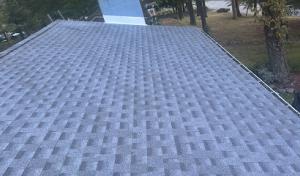
Top Supreme Construction Roofing & Decking
(201) 749-7627 topsupremeconstruction.com
33 Terminal Ave #1, Carteret, New Jersey
5.0 from 57 reviews
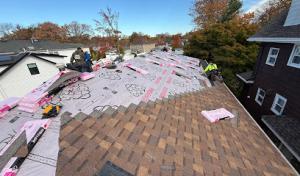
In this waterfront community, the ballpark figures for common roof materials reflect a mix of older homes and mixed stock. Asphalt shingles run roughly 350 to 700 per square, metal 700 to 1400, clay tile 1200 to 2500, concrete tile 1000 to 2400, wood shingles or shakes 500 to 900, and synthetic or composite shingles 400 to 700 per square. Those numbers give you a practical baseline when you're comparing bids after a wind or hail event, or when planning a replacement on a house that's seen decades of Stevens wind exposure and year-round precipitation. The age and condition of the underlying roof deck matters: if the deck is soft or has damage, expect higher costs to repair before shingles go back on, even if the material price itself is within the typical range.
Costs in this area can rise when older homes require deck repair, chimney flashing replacement, or ventilation corrections to satisfy inspection expectations. A shared reality here is that many mid-century roofs sit over aging framing or ductwork that wasn't designed for today's venting standards. If the chimney flashing has pulled away or the deck is warped from moisture, repairs aren't just add-ons-they're prerequisites to a durable re-roof. Plan for contingencies: a previously sealed valley or curb flashing in poor condition can cascade into additional labor and material needs. When you're reviewing bids, look for a clear description of deck repair and flashing work, with a line item for ventilation fixes if the contractor flags it as necessary to avoid future leaks.
Demand spikes after regional wind and hail events tighten scheduling and labor availability, which matters in a market where emergency repair and storm work are highly prevalent among contractors. In the weeks after a storm, you may see longer lead times, higher mobilization fees, and limited crews. If you're facing a quick turn-around, prioritize reputable contractors with storm response experience and a documented process for tarp, temporary leak mitigation, and phased replacement if needed. Having a secondary plan for temporary protection and clear expectations around timing can help you navigate the tight window between assessment and installation, while the overall project remains within the local cost expectations for your chosen material.
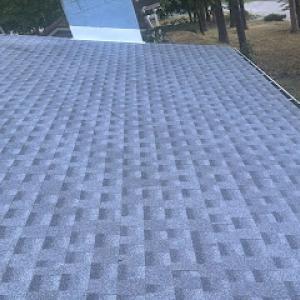
Top Supreme Construction Roofing & Decking
(201) 749-7627 topsupremeconstruction.com
33 Terminal Ave #1, Carteret, New Jersey
5.0 from 57 reviews
Top Supreme Construction is your trusted source for affordable roofing and construction services in New Jersey. We offer a variety of services, including roof leak repairs, chimney repairs, seamless gutter installations, masonry restoration, stoop and step repairs, retaining wall installations, and custom deck building. We pride ourselves on quality craftsmanship and outstanding customer service, providing free estimates and 24/7 roof repair services, which includes roof leak repair, collapsed chimneys, and roof tarp installation.
New Amerimex Roofing
(347) 213-6756 www.newamerimex.roofing.com
Serving
5.0 from 100 reviews
new amerimex roofing llc was founded in 2019 it is a family business that seeks to please each of its clients by providing them with an excellent job you can call robert at 347 213 6756 to make your appointment we make free estimates we are experts in shingles tpo epdm slatestone and rn all types of flat roofing .... in advance we thank you for the support and confidence you give us in doing the work
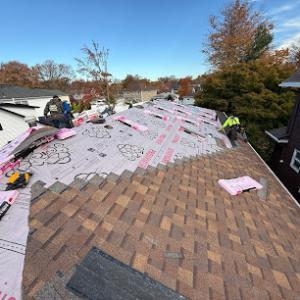
Calco Roofing / Seamless Gutters
(917) 226-0113 www.calcohome.com
Serving
5.0 from 174 reviews
We specialize in high-quality roofing and seamless gutter solutions for both residential and commercial properties. With years of experience and a reputation for excellence, our licensed and insured team is committed to protecting your home with expert craftsmanship and durable materials. Whether you need a full roof replacement, minor repairs, or custom seamless gutters that perfectly match your home’s exterior, we deliver dependable service with honest pricing and clear communication. We work with asphalt shingles, metal roofing, flat roofs, and more—always focusing on long-term performance and curb appeal. ✅ Free Estimates ✅ Storm Damage & Insurance Claims Assistance ✅ Seamless Aluminum & Copper Gutters ✅ Local, Family-Owned Business
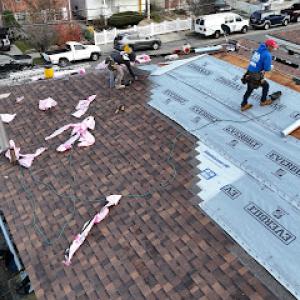
Top Tier Roofing NY
(347) 359-2457 toptierroofingny.com
Serving
5.0 from 95 reviews
Top Tier Roofing NY is your trusted partner for roofing services in New York City, including the Bronx, Queens, Brooklyn, and Staten Island. Specializing in residential and commercial roofing, they offer roof flashing, skylight repair, and installation as well as flat roof repair and replacement. Their team is known for its precision in roof inspections and commitment to using superior materials. Top Tier Roofing NY stands out for its reliable service and dedication to customer satisfaction, ensuring every project is completed to the highest standards.
Royal Crown Roofing & Construction
(646) 483-7710 www.statenislandroofing.net
Serving
5.0 from 17 reviews
Royal Crown Roofing & Construction is dedicated to providing residential and commercial clients in Staten Island with exceptional roofing solutions. Our team of professional roofers is committed to addressing all your roof leaks and other issues at an unbeatable price. Regardless of your roofing system, our experts have the skills and knowledge to efficiently repair, replace, or install a new roof. As a trusted partner of leading roof manufacturers, we ensure our clients receive top-quality materials at budget-friendly prices. With an extensive network of suppliers and a team of certified roofers and designers, we confidently handle even the most intricate roofing projects. Contact us for a free estimate. Licence #2114623
Mark’s Roofing & Construction
(917) 498-6591 marks-roofing.com
Serving
4.7 from 50 reviews
At Marks Roofing, we specialize in delivering expert roofing services in New York and New Jersey with over 24 years of trusted experience. We offer comprehensive residential and commercial roofing solutions, including expert repairs, replacements, and storm damage restoration, as well as gutters, siding, and windows. As a family-owned business, we are dedicated to honesty, affordability, and superior craftsmanship. Our services include 24/7 emergency support, free roof inspections, free estimates, and precise drone inspections. Whether you need routine maintenance or urgent repairs, Marks Roofing delivers reliable, affordable solutions done right the first time. Contact us today!
Revive Home Remodeling Group
(908) 844-8447 www.revivehrg.com
Serving
5.0 from 66 reviews
We’re more than just a home improvement company, we’re a team of passionate experts dedicated to transforming your vision into reality. Founded by industry veterans who witnessed the shortcomings of both small, unreliable companies and large, impersonal powerhouses, we knew there had to be a better way. Our mission is to bridge the gap, offering you the best of both worlds: the personalized service of a small business with the expertise and reliability of a large firm.
Right Service 08 Roof Repair & Replacement
(848) 216-0923 rightsroofrepair.com
Serving
4.9 from 40 reviews
Backed by over two decades of industry experience, Right Service 08 Roof Repair and Replacement excel in flat and shingle roofing, skylight repairs and installations, chimney maintenance, and comprehensive roof services. Our skilled team is dedicated to providing exceptional, long-lasting solutions for both residential and commercial clients.
All Pro Roofing & Siding
(718) 967-6630 allproroofingsi.com
Serving
4.7 from 84 reviews
Family Owned & Operated for 29 years. We Specialize In Roofing, Siding, Windows, Doors, & Gutters
Skyward Roofing
(917) 979-8704 www.skywardroofing.com
Serving
4.8 from 44 reviews
Skyward Roofing is a premier roofing contractor known for delivering superior roofing solutions. The company stays abreast of the latest roofing technology and techniques advancements, ensuring clients benefit from the most efficient and practical solutions. This forward-thinking approach enables Skyward Roofing to tackle complex roofing challenges with cutting-edge tools and materials, enhancing durability and performance. Moreover, Skyward Roofing places a strong emphasis on environmental responsibility. The company actively promotes and utilizes eco-friendly roofing options, such as energy-efficient materials and sustainable practices. Additionally, the roofing firm is known for its robust training and development programs.
Joseph S Galante & Son Contracting
(917) 613-6351 www.statenislandcontractor.com
Serving
4.8 from 52 reviews
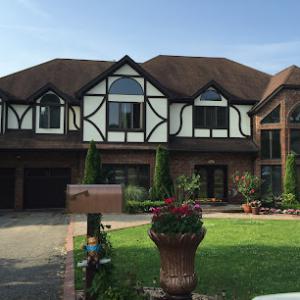
At Joseph D. Galante & Son Contracting, we offer a full range of contracting services tailored to meet the unique needs of our clients. No matter the size or complexity of your project, we have the expertise to deliver exceptional results. Our services include: Kitchen Renovations, Bathroom Remodeling, Roofing, Siding and Exterior Work. Baseme
A1A Roofing & Home Improvement
Serving
4.7 from 41 reviews
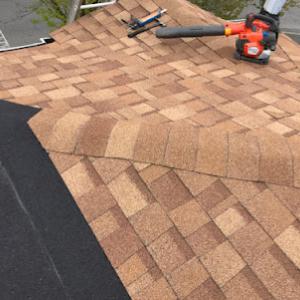
When it comes to Roofing Company, Roofing Contractor, Roofer and more, no one compares to A1A Roofing & Home Improvement. With years of combined experience, A1A Roofing & Home Improvement has worked hard to build the trust of our clients in Staten Island and surrounding areas. Visit our website to learn more or better yet, call us today!
A full roof replacement in Carteret generally requires a permit filed with the Carteret Building Department rather than being treated as minor maintenance. This isn't something to rush through or treat as an afterthought, because the permit sets the groundwork for proper flashing, venting, and adherence to local wind and precipitation patterns. Before any material is ordered or a single shingle is removed, make sure the project scope is verified as a full replacement with your contractor and that the permit path is understood from the start. If a job is mischaracterized as maintenance, you risk delays, rework, and possible enforcement actions that can complicate insurance documentation later.
The local inspection flow typically includes a rough inspection after underlayment and flashing are installed and a final inspection after the roof is completed. The rough inspection focuses on how the underlayment, drip edge, and watertight flashing integrate with the walls and penetrations, so alignment with the home's ventilation and attic access remains critical. The final inspection confirms the work meets code requirements and sits in the official file as completed. Plan for these inspections in the contractor's schedule and keep access clear for inspectors, especially around eaves, dormers, and any vent stacks that tie into the attic.
Some permit reviews in this area may require proof of proper attic ventilation or related insulation updates, so homeowners should confirm those expectations before materials are ordered. Inadequate attic ventilation can affect moisture control, ice damming, and the overall performance of a new roof, particularly given Carteret's year-round precipitation and freeze-thaw cycles. Work with the contractor to document venting ratios, insulation levels, and any necessary upgrades as part of the permit package. If questions arise about what qualifies as compliant ventilation or insulation, flag them early with the Building Department to avoid missteps that could stall the permit or complicate the inspection sequence.
Storms sweeping off the Arthur Kill bring a steady rhythm of wind and hail that tests roofs year-round. For homeowners dealing with aging mixed housing stock, the damage often shows up as wind-driven leaks, lifted shingles, or damaged flashing after the next coastal-adjacent system or severe thunderstorm. This is not a one-off risk-it's the normal pattern that shapes claim activity and the way insurers view repairs. In the aftermath, delays can emerge as insurers assess whether damage came from the latest event or older wear, so documentation matters from the first signs of trouble.
Carriers may request pre-work and post-work photos plus a detailed contractor scope to justify any repair or replacement. If emergency tarping or partial repairs occur before all documentation is complete, adjusters may push back or request a more thorough record to support the claim. Keeping meticulous notes, dates, and a clear photo sequence helps; it also speeds the process when a storm-damaged roof must be evaluated for coverage. A well-documented file that captures attic ventilation, flashing integrity, and visible shingle condition can prevent disputes when insurance decisions hinge on the precise condition of the roof at the time of loss.
Material choices can affect premiums or discounts, especially where impact-resistant shingles or upgraded ventilation are recognized by the insurer. A roof that demonstrates durable components and proper attic air flow often yields a more favorable appraisal of risk. In practice, that means selecting materials and a ventilation strategy that align with insurer expectations can translate into smoother claim handling and potentially fewer coverage questions after the next wind-driven event.
Skylight installations and repairs in this area tend to spotlight curb flashing, aging seals, and the need to coordinate replacement with the rest of the roof rather than treat it as an isolated patch. The local contractor market stays busy around skylights, so when leaks appear, the first move is to inspect the curb flashing for wear where it meets the roof deck, then check the seal around the skylight dome or vent. Even a minor settlement or thermal cycling can open gaps over time, especially on roofs that face year-round precipitation and stiff winds. If a skylight is original or has seen multiple reseals, plan on replacing the entire curb flashing kit and resealing with products designed for roof-to-skylight transition. Coordination with the existing shingles is essential to avoid new leaks along the edge of the curb.
Chimney-related roofing work is highly prevalent, reinforcing that step flashing and counterflashing around older masonry are frequent leak sources. If a chimney was tuckpointed or flashed years ago, the surrounding step flashing can fail under freeze-thaw cycles and wind-driven rain. Look for loose mortar, shifted bricks, or gaps where the chimney intersects the roof line. The counterflashing needs to extend properly under the mortar joints and integrate with the roofing system above the flashing. In Carteret homes, receivers and crowns often deteriorate first where the clay or concrete cap sits, so the cap itself may need re-sealing or replacement alongside the flashing. A thorough check should include the wall flashing where the chimney meets the roof edge and the sealant at the intersection with all neighboring roof penetrations.
On homes with repeated patch histories, these penetrations often matter more than the field shingles themselves when diagnosing interior stains and recurring leaks. Interior staining near skylights or chimneys can signal creeping leaks from multiple sources, including flashing joints, improper valley transitions, or rental-updated counterflashing. For diagnosing, trace stains back to the highest penetration point first, then test for water travel paths during a heavy rain or sprinkler test. In practice, plan a targeted repair that prioritizes flashing integrity and seal renewal around skylights and chimneys before rethinking the broader roof surface.
Find contractors experienced in skylight installation, flashing, and leak repairs to bring natural light into your home.
Top Supreme Construction Roofing & Decking
(201) 749-7627 topsupremeconstruction.com
33 Terminal Ave #1, Carteret, New Jersey
5.0 from 57 reviews
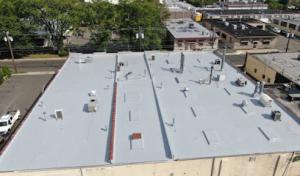
Carteret features a notable presence of flat-roof specialization, especially on low-slope porch roofs, rear additions, garages, and mixed-use structures. The waterfront setting and the year-round precipitation create a pattern of heavy rain events that stress drainage and seam details more than on steeper asphalt surfaces. When a property blends pitched sections with low-slope additions, the roof system becomes a composite project that demands a contractor comfortable with more than one roof type and the coordination that comes with a single inspection sequence.
Low-slope sections collect runoff differently, so the drainage plan matters more here. Pay attention to roof-to-wall transitions, edge details, and the orientation of parapets or parapet-like edges on porches. Seam integrity is critical; cementitious or built-up joints can fail under repeated spray from coastal winds and precipitation. A well-sealed drip edge, properly integrated penetrations for vents and plumbing, and careful flashing around perimeters prevent leaks that follow rain and meltwater from the Arthur Kill corridor. In concrete or modified bitumen flat roofs, surface granules or coatings should be inspected for wear after a winter freeze-thaw cycle. Regular silt removal from scuppers and internal gutters helps avoid overload during storms.
Porches and rear additions often require additional flashing runs at the joints where flat sections meet vertical walls. For garages, ensure the transition from the main roof to the garage roof maintains continuous drainage and a consistent waterproofing strategy. Some homes benefit from a secondary rain screen or ventilated soffit detailing to reduce moisture buildup under low-slope ceilings. When metal or single-ply membranes are used on flat add-ons, expect annual inspections focused on edge caps, fastener lines, and any penetrations that could corrode or loosen with salt exposure and wind uplift.
If the home includes both pitched and low-slope elements, look for a contractor who can coordinate multiple roof systems across one permit and a single inspection sequence. Mixed systems benefit from a unified plan for material transitions, shared flashing details, and a consistent warranty approach that covers both roof types under a single framework. This coordination reduces gaps in coverage and helps ensure a reliable seal across all roof areas exposed to Carteret's storm cycle.
Extend the life of your existing roof with reflective or waterproof coatings that protect against UV and moisture.
Aaron Blake Commercial Roofing
(732) 669-7545 aaronblakecommercialroofing.com
Serving
5.0 from 52 reviews
Garcia & Sons Roofing Company
(908) 460-8333 garciasonsleakdetection.com
Serving
4.8 from 75 reviews
Certified Roofing Commercial Roofing
(201) 243-7575 www.certifiedroofingnj.com
Serving
5.0 from 22 reviews