Last updated: Apr 19, 2026
Cold winters with snowfall turn eaves, valleys, and gutter lines into potential ice traps. When meltwater refreezes at the edge of the roof, it backs up under shingles and flashing, pushing water toward interior spaces. In this market, those risks are amplified by the freeze-thaw cycles that repeatedly stress roof joints and sealants. Ice damming is not a single event but a repeated stress pattern that, if ignored, hides leaks behind walls until staining finally appears inside the house.
The village's older housing stock near the Queens border often has complex roof intersections, dormers, and chimney flashing details that are handled by flashing pieces and sealants that may have aged unevenly. Those details are where a small crack or lifted seam becomes a big doorway for water during a snow melt followed by cold nights. Valleys that weren't properly flashed, along with misaligned gutter lines, create channels for meltwater to refreeze and back up behind shingles. If your roof combines multiple planes, hips, or dormer roofs, you're dealing with extra corners and turns where ice can nest and cause hidden damage.
Leak calls in this market frequently arrive as urgent emergencies because interior staining often lags behind the actual intrusion. By the time water stains appear, the hidden path from flashing failure or ice backup has already done damage to sheathing, insulation, and interior finishes. Pay attention to sudden damp spots along ceilings near exterior walls, peeling paint near wall-ceiling joints, and discoloration along base of chimneys where flashing meets masonry. Ice trails along the edge of the roof after a sunny day can indicate active damming. If you notice ongoing dripping or a thick, icelike ridge along eaves after a melt, treat it as urgent-a small leak can escalate quickly.
If you suspect ice damming, clear visibility matters. Safely remove accumulated snow from the roof edge with a roof rake designed for this purpose, avoiding direct contact with the roof surface. Do not chisel ice or strike flashing from ground level; unintended damage can widen the problem. Clear gutters and downspouts of debris to promote drainage, but avoid forcing ice through lines that lead toward the interior. If you hear running water or see new staining, call a local roofer promptly to assess flashing details, valley intersections, and chimney penetrations before interior damage expands. In the meantime, place towels or plastic sheeting under suspected leak paths on the interior to limit secondary damage and protect valuables.
Plan ahead for the next season by focusing on roof intersections and flashing details, especially around dormers and chimneys where existing flashing can fail after freeze-thaw cycles. Consider upgrading to more robust flashing with corrosion-resistant materials and ensuring proper thermal detailing around penetrations to reduce ice formation at the edges. Ensure attic insulation and ventilation are up to par to minimize warm-air buildup that feeds melting at the roof deck. Regular inspections after heavy snows can catch problems before they become water intrusions, preserving the integrity of eaves, valleys, and gutter lines through another challenging winter.
Asphalt shingles are the dominant practical choice for steep-slope homes in Floral Park because they fit the look of older, densely spaced houses and there's a broad pool of local roofers who know how to install and repair them quickly. They handle the NY winter freeze-thaw cycle reasonably well when you pair them with a solid underlayment and proper attic ventilation. For homeowners balancing ease of replacement and reliable flashing details, asphalt shingles offer a predictable path forward, especially on homes where existing flashing has aged and needs careful attention during a reroof. The practical takeaway here is that the combination of a proven shingle system and plentiful local expertise tends to minimize gaps in repair timing and workmanship quality after tough winters.
Metal, slate, clay tile, concrete tile, and synthetic/composite options do show up in this market, but their weight, detailing, and cost demand more from your structure and flashing strategy-issues that become pronounced on older, steep-slope homes with mixed roof lines. If a house has historic detailing or a long curb appeal, slate or clay may be tempting, yet the structure must be evaluated for weight and rafter capacity. Concrete and synthetic options can offer long service life and improved wind resistance, but flashing at valleys, penetrations, and dormers must be executed with precision to handle the local freeze-thaw cycles. On many Floral Park homes, upgrading the flashing and adding reinforced underlayment will be as important as choosing the surface material, because the payoff comes from lasting protection against water intrusion in severe winters and spring thaws.
Western Nassau County experiences hot, humid summers and cold winters, so ventilation and underlayment choices matter almost as much as the chosen surface. A well-ventilated attic reduces condensation that can degrade underlayment and roof decks over time, while a high-quality underlayment provides a second line of defense against ice damming and wind-driven leaks. Flashing accuracy is critical here: the edge metal, step flashing along walls, and valley systems must seal cleanly against aging masonry and wood, especially where roof lines change direction or near dormers. When winter returns, well-executed flashing coupled with a robust underlayment minimizes the risk of leaks caused by freeze-thaw cycles seeping through joints.
Begin with an inspection of existing flashing and attic ventilation. Identify any signs of previous ice dam damage, exposed fasteners, or worn step flashing at intersections. If asphalt shingles are chosen, ensure a compatible ice and water shield is installed at eaves and valleys, and verify that the roof deck is solid enough to support the chosen profile. If considering heavier materials, schedule a structural assessment early in the planning so adjustments to rafter spacing or deck reinforcement can be integrated without delaying the project. In all cases, prioritize a detailed flashing plan that accounts for the home's unique roof geometry and the year-round weather pattern of the village.
Long Island wind and hail events drive roof claim activity in this market, so missing shingles, lifted tabs, and damaged flashing are common post-storm concerns. In dense housing clusters, a single storm can expose susceptible areas on multiple homes at once. Look for shingles curled at the edges, loose tabs that can catch wind, and flashing-backed leaks along the valleys, chimney, and vent boots. If a wind gust hits hard enough to expose underlayment, moisture can surge inward quickly.
Spring rain events and autumn wind storms can interrupt active reroofing jobs in Floral Park, making temporary dry-in protection and scheduling discipline important. After a storm, perform a careful exterior check from ground level or a safe ladder position, focusing on sags, shingle lift, and any new dark staining near eaves or roof penetrations. If the attic shows sudden condensation or musty smells, verify the interior has not developed a hidden leak. Do not climb onto a shaky roof; call a pro to inspect and secure vulnerable areas.
Because homes are closely spaced in the village, wind-blown debris and tree-related impact damage can affect multiple neighboring roofs during the same storm. Stacks of branches, shingle granules, and dented vent caps signal potential widespread damage. Coordinate with neighbors for a shared quick assessment window after clear weather returns. Shared debris can hide perforations, and a small puncture in one home's flashing can mirror across the row, increasing the urgency to address issues promptly.
Active reroofing can stall during inclement weeks, so establish dry-in protection and steady work pacing to reduce exposure to wind-driven rain. Use tarps properly anchored at corners and secure edges to resist gusts, especially on exposed ridges and overhangs. If temporary cover is necessary, keep it tight and leak-prone areas accessible for inspectors. In close-quarter layouts, ensure ladders and equipment do not become projectiles in a gusty Nor'easter.
After a storm, document damage with clear photos from multiple angles and share them with a trusted local roofer for rapid triage. Prioritize immediate attention to flashing seams around chimneys, skylights, and vent pipes, since these are common failure points after freeze-thaw cycles. If a sheltered area shows moisture intrusion while exterior work is paused, arrange a temporary leak mitigation plan-bucket placement, towel barriers, and dehumidification can limit interior damage until a flashing repair or roof replacement resumes.
Find local contractors experienced in assessing and restoring roofs after hail, wind, and severe weather events.


Preferred Exterior
(516) 354-7252 www.preferredexterior.com
Serving
5.0 from 50 reviews
We are a family owned and operated establishment specializing in commercial, industrial and residential roofing and siding. We are certified installers of all major manufacturers. We are fully licensed and insured. Our reputation is built on knowledge, craftsmanship and integrity.
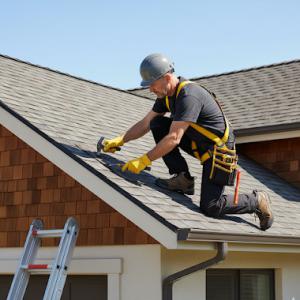
Alb Best Way Construction
(516) 244-0547 roofingalbbestway.com
Serving
5.0 from 75 reviews
ALB BEST WAY HOME IMPROVEMENT is fully licensed, insured, and bonded home improvement and roofing contractor. Specializing in roofing, chimneys, gutters repair, gutters install, gutter cleaning, siding, steps, masonry, skylight, sheetrock and more.

Reliable Seamless Gutters
(347) 416-0771 reliableguttersroofers.com
Serving
4.9 from 94 reviews
Reliable Seamless Gutters is your trusted partner for professional roofing and gutter services that not only enhance the overall aesthetics of your home but also provide essential protection against the most challenging weather elements. Our team consists of highly trained contractors who take pride in their workmanship and go the extra mile to ensure your satisfaction. We specialize in installing quality gutters and roofing systems tailored to your needs. When you choose us, you can expect a thorough consultation to assess your home and discuss the best options. Our meticulous installation ensures every component fits perfectly for optimal effectiveness and durability. Trust us to provide a reliable roofing and gutter system for years.
MasterCraft Chimney Sweep & Cleaning
Serving
4.9 from 36 reviews
Chimney Sweep & Repair Services
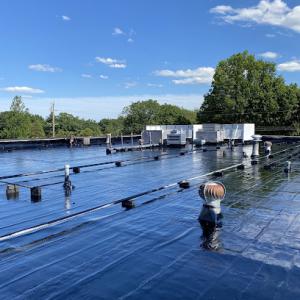
TMT Roofing
Serving
5.0 from 69 reviews
Established in 1963, TMT Roofing is your top choice for all commercial and residential roofing needs in Long Island, NY. We specialize in commercial roofing, gutter services, and siding, ensuring our dedicated team provides unparalleled expertise and exceptional customer service. We offer comprehensive roofing solutions, including silicone coatings, EPDM, shingles, and metal roofing. Whether you require a new roof installation or urgent repairs for leaks or damage, we have you covered. Trust TMT Roofing for high-quality materials, expert craftsmanship, and affordable rates—your satisfaction is our top priority.
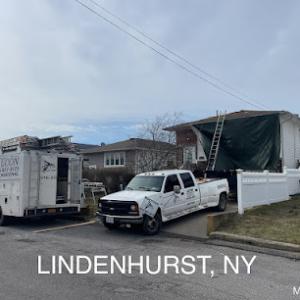
Alcon Roofing Experts
(516) 807-3975 alconroofingexperts.com
Serving
5.0 from 25 reviews
Roofing, Siding & Gutters
Foley & Sons Roofing
(332) 895-1121 foleyroofnewyork.com
Serving
5.0 from 52 reviews
Foley & Sons Roofing has built a reputation for dependable work and genuine care for every home and business we serve. Our family-run team understands how important a solid roof is to your peace of mind, which is why we pay close attention to every detail, from the first inspection to the final cleanup. We handle everything from small repairs to full replacements, always explaining your options and making sure you feel comfortable with each decision. When you choose Foley & Sons Roofing, you get friendly service, skilled workmanship, and a team that treats your property like their own.

Delta Roofing Long Island
(516) 689-0889 deltaroofinglongisland.com
Serving
5.0 from 74 reviews
Delta Roofing Long Island is your trusted roofing contractor, serving residential and commercial clients across Long Island, New York. We specialize in metal roofing, roof repairs, cleaning, and maintenance services. Our fully licensed roofing expert team offers quality roof inspections, leak repairs, and complete replacements. Whether it's a new roof installation or a routine checkup, we use premium materials to ensure lasting results. We are proudly serving Long Island and surrounding areas. Contact us today for a free estimate and professional roofing solutions you can trust!
Power Roofing Queens NY
(929) 599-2001 powerroofingnyc.com
Serving
5.0 from 110 reviews
Power Roofing Queens NY is your licensed & insured, family-owned team for roof repair Queens, flat roof, TPO roof, shingle roof upgrades, and same-day emergency roof leak repair. From smart wood-siding installs to seamless rain gutters replacement, we combine top-grade GAF/CertainTeed materials with rapid turn-around and crystal-clear communication. Homeowners and property managers count on our free on-site roof estimates, clean work, and financing guidance to keep projects on budget. Every job is photo-documented, so you get workmanship that lasts through Nor’easters and NYC heat waves. Call today and protect your roof and property with Power that performs.
Supreme Island Roof Repair
(631) 973-6194 supremeislandcorp.com
Serving
4.9 from 36 reviews
With over 25 years of experience serving all of Long Island, we are your local experts when it comes to Roof Repair & Replacement or Installation. Roofing is not our only service we offer to our customers you can count on us for Chimneys, Siding, Gutters and Masonry services too. Get started with your totally Free Estimate by either calling us now or by visiting our website.
Prodigy Contracting
(516) 318-0105 www.prodigycontracting.net
Serving
4.9 from 38 reviews
Prodigy Contracting is a Veteran owned business servicing Long Island, New York since 2005. As a GAF Presidential Master Elite Roofer, we offer our clients exceptional quality and a lifetime warranty. Our siding designs feature innovative looks, with rustic contemporary touches and attention to detail service. We use Drone Technology to provide a 360 degree rendering of your project before and highlight your beautiful results after. We look forward to meeting you. Let us transform your home into you Dream Home
Rebuild America-Roofing-Windows & Remodeling
(516) 407-7821 rebuildamericany.com
Serving
4.9 from 34 reviews
Rebuild America-Roofing-Windows & Remodeling is a roofing contractor in Mineola serving Nassau, Suffolk and Queens, We have 1000s of local referrals. Our roofing company offers residential roofing, residential roof repair, residential roof replacement, residential flat roofing, commercial roofing, siding, gutters, and more. Customers love us because of our comprehensive roof warranties and our affordable roof financing options. We also have industry affiliations and certifications such as GAF Master Elite Factory Trained, Velux Certified Skylight Installer, and many more. If you want to experience how your most trusted Long Island roofing company embraces our motto "Rebuild America-One Home at a Time!", call us now for a free estimate!
When you're budgeting a reroof in Floral Park, use these local ranges per square (100 square feet). Asphalt Shingles run from 450 to 800, depending on underlayment and flashing needs. Metal Roofing sits between 700 and 1100 per square, with higher edge details or longer runs adding a notch. Clay Tile is typically 1400 to 2800, and Concrete Tile 1000 to 1700, both influenced by pitch, overhangs, and manual labor in tight yards. Synthetic/Composite Shingles come in around 550 to 1000, offering a middle path of ease and durability. Slate is the premium option here, ranging from 2500 to 4800 per square, due to careful cutting, installation time, and specialist flashing.
Older homes in this village often feature chimneys, dormers, steep pitches, and multiple valleys. Each dormer or chimney adds custom flashing details and extra edges to seal, which pushes the per-square cost beyond simple material pricing. Valleys demand precise metal work to prevent ice damming, and additional skylights or tear-off complexity means extra disposal and labor. In short, the price you see on the shingle spec sheet rarely captures the full job when the roofline isn't a clean rectangle.
Winter freeze-thaw cycles in this climate make flashing and edge integrity a priority. A small failure at a chimney flashing or a valley can cascade into costly interior repairs. Expect a premium for enhanced ice-dam protection strategies, including properly integrated drip edges, step and counter-flashing, and heat cable considerations where permitted by the roof design. If your home has an older cedar deck or overlay, plan for additional insulation and ventilation work behind the scenes to keep the attic temperatures even and reduce future damming risk.
Floral Park experiences seasonal demand spikes after Long Island storms. That can push crews to tighter schedules and may require prioritizing roof protection on tight residential lots. Proper site protection-tarps, edge protection, and careful cleanup-adds to the bottom line but saves on post-job damage claims. Tight yard access often means smaller material bundles and more hand labor, which is reflected in the final price.
Get a clear picture of your project costs upfront - no commitment required.

In Floral Park, a building permit is typically required for a full reroof through the village building department. The permit process is not something to treat as an afterthought, especially on older houses where flashing detail and venting are more likely to be overlooked if rushed. The village expects that a complete reroof will be planned with proper documentation, flashing details, underlayment choices, and ventilation strategy. If the permit isn't secured before any material lifting or decking work begins, you risk a stop-work order, delays, and potential issues with insurance claims after a harsh winter.
The local process usually includes permit filing before work and a completion inspection that checks installation quality, flashing, underlayment, and venting. Your contractor should provide the necessary plans, roof fractions, and flashing details that align with village and state codes. Through the early stages, you'll be asked to review materials and methods to ensure the plan matches the home's geometry and dormers, which are common on Floral Park homes. It helps to know that inspectors will physically verify that valleys are flashed correctly, roofing felt or synthetic underlayment is properly installed, and that vents and ridge systems are integrated without creating cold-air leaks or ice-dam susceptibilities.
Homeowners should expect the contractor to handle filing and inspection scheduling, with permit approval often taking a few weeks. Because timing aligns with weather windows, coordinating around the village calendar matters. A reliable contractor will submit all required drawings, product data, and energy venting details, then arrange the inspection after the roof is mechanically installed and elements like drip edge and starter strips are in place. If a permit lapses or a noncompliant detail bubbles up during inspection, the roofer may need to remove and redo sections, which can delay completion and impact winter readiness.
Before signs go up, confirm who is responsible for submitting the application, who will be present during the inspection, and what documentation the village expects for accessory features like skylights or chimneys. Keep a written timeline that aligns permit milestones with weather conditions, especially given the freeze-thaw cycles that affect older homes here. If a weather window shrinks, ask the contractor to coordinate an interim inspection plan to verify flashing and venting progressively, rather than pushing a full teardown to a single day. This helps minimize hidden flaws that contribute to ice damming once winter sets in.
Floral Park sits in the Long Island insurance environment where wind and hail events create regular roof claim activity. That means insurers are accustomed to weather-driven damage but also wary of repeated cycles and aging roofs. Homes with older steep-slope systems can trigger tougher scrutiny after a harsh winter, so understanding how the region tends to analyze claims helps you avoid surprises when the first storm after thaw arrives.
Insurers in the region continue adjusting coverage terms rather than broadly exiting the state, so homeowners should review roof age, exclusions, and actual-cash-value versus replacement-cost terms carefully. Expect a systematic process: a first contact, a field inspection, and then a formal determination. Delays can come from weather windows, scheduling with a licensed professional, and the need to verify pre-existing issues separate from the damage caused by a storm. Being ready for a measured timeline helps prevent unnecessary anxiety.
Claims handling commonly depends on photo documentation, a roof condition report, and contractor bids, with adjusters often relying on licensed roofing professionals for evaluation. Gather clear photos of each impacted area, the interior signs of water intrusion, and distinctive flashing or vent weaknesses. A detailed roof-condition report from a qualified roofer improves credibility in the claim, especially when winter freeze-thaw cycles have contributed to deterioration. Obtain multiple bids when possible to reflect a reasonable range of repairs, and ensure the bids identify flashing upgrades and ice-dam mitigation measures.
When a contractor provides a bid, ensure it aligns with the damage observed and includes a scope that directly addresses flashing faults and any ice-dam risk indicators. Communicate with the adjuster proactively, sharing the roofer's assessment and photos. A licensed roofing professional's input often speeds up resolution and reduces back-and-forth, because their expertise carries weight in determining what is considered as covered damage versus pre-existing condition.
Avoid delaying documentation after a storm, or allowing temporary fixes to substitute for a thorough assessment. Insurers may challenge claims where the aging roof is not tied clearly to the event, so ensure the timeline links damage to the recent weather and that the record reflects both exterior signs and interior leakage. In cases with older flashing or known deterioration, present a plan for a comprehensive update rather than piecemeal repairs.
Connect with contractors who help homeowners navigate the claims process from damage assessment to final approval.
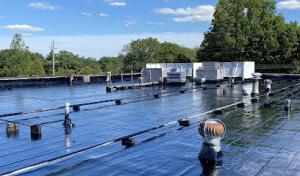
Even though this market is primarily steep-slope, flat and low-slope sections appear on rear additions, porches, and detached garages. These areas collect runoff and are more prone to ponding after snow events. In winter, freeze-thaw cycles stress seams and flashing, making careful inspection essential for older Long Island homes.
During the cold months, pay close attention to any standing water or ice buildup on flat sections. Snow should be removed gradually from flat roofs where safe to do so, and drainage paths kept clear. If you notice new or widening gaps at seams or around penetrations, treat it as a priority, since leaks track quickly to the interior.
A common failure point occurs where a flat section meets the main pitched roof. In Floral Park rooftops of older homes, these transition zones often reveal deteriorated or inadequately sealed flashings. Inspect the edge termination, gutters, and any valley intersections. Where flashing shows signs of workarounds or distortion, plan for targeted resealing and, if needed, flashing refreshment.
Choose flat or low-slope compatible materials with robust seam and edge detailing. Prefabricated membrane systems or bituminous low-slope assemblies with reinforced edges tend to perform better in winter conditions here. Ensure penetrations-vents, pipes, and skylights-are flashed with play between sections, and that the base roof deck is clean, dry, and properly sealed before any overlay.
For aging transitions, consider reinforcing with updated flashing collars, sealants, and compatible mating materials. Any suspected deck rot or fastener corrosion warrants immediate attention, as compromised substrate amplifies leak risk at the flat-to-pitched interface. Regular spring inspections after winter storms help catch issues before they threaten the interior.
Find specialists in TPO, EPDM, and built-up flat roofing systems for residential and commercial properties.