Last updated: Apr 19, 2026
You feel it every winter: the repeat cycle of freezing and thawing in this climate gnaws at roofs that still look solid from the ground. In a typical Monroe roof, small shingle edges, flashing around chimneys and vents, and masonry-adjacent seams endure repeated frost action. Each freeze expands tiny gaps, and each thaw settles them just enough to pull apart seals and allow moisture to work its way in. Over a few winters, those micro-fissures widen into active leaks that flood the attic and drip into living spaces. The risk isn't just in the obvious sag or curl; it's in the invisible widening of vulnerable seams where water can finally intrude once the ice retreats. This is how a hidden defect becomes a costly repair when spring rains arrive and the interior becomes exposed to wetter conditions.
Late spring through early fall is the preferred window for a re-roof in this area. Winter projects face unpredictable weather, cold-weather sealants, and short daylight hours, all of which slow work and raise the chance of weather-related delays. Snow can blanket work zones and create unsafe conditions, while ice dams and frozen substrates complicate both removal and installation. By waiting for the ground to thaw, crews can bring heavy equipment in without rutting landscapes, and attic spaces can be ventilated and dried prior to battening down a new roof deck. The goal is to finish before the first hard frost of the following year, so your new system doesn't face a repeat cycle of winter stress immediately after installation.
As the lower Hudson Valley warms, leaks that stayed hidden during frozen conditions start to show their true colors. Look for seepage along valleys, around penetrations, and at chimney lines. These are the spots where ice and snow accumulate most and where sealants and flashing suffer the most wear from freeze-thaw cycles. If you notice damp spots on ceilings, peeled paint near beams, or musty attic odors after a thaw, those are red flags worth addressing promptly. The timing is telling: what leaks surface in spring are often the same areas that will threaten a roof during the next winter if left unattended.
Start with a thorough exterior inspection as soon as temperatures become consistently above freezing. Note lifted shingles, dark granule loss in valleys, loose flashing, and any staining near chimneys or penetrations. Take clear photos from ground level and from the attic access to show attic moisture or condensation patterns. When a contractor appears, insist on a full diagnostic that identifies whether seepage is from surface defects or deeper substrate issues. Plan for a repair or replacement workload that prioritizes the most vulnerable areas first-valleys, flashing, and masonry-adjacent joints-so those critical leak paths are fortified before the next freeze-thaw cycle.
Shingle edges often crack first under repeated freeze-thaw cycles, especially along roof-to-wall terminations where wind uplift and temperature swings work in tandem. Flashing around chimneys and vents is another Achilles' heel; even small gaps can channel water into the deck. Masonry-adjacent seams-where brick or stone meets the roof line-tend to deteriorate when freeze-thaw action forces moisture into porous joints. Valleys, always a high-flow area, are notorious for pooling and aquaplaning debris that accelerates wear. If any of these spots show signs of wear or deflection, treat them as priority targets during planning and subsequent work.
The window to act is narrow once spring arrives, so you don't get caught in a rush during late spring or early summer. Coordinate with a trusted local roofer who understands Monroe's seasonal patterns, and map a replacement or major repair plan that aligns with a durable, weather-ready installation. By addressing the freeze-thaw damage now, you reduce the odds of winter-driven surprises and keep your home protected through the next cycle.
When winter arrives, Monroe-area homes with pitched asphalt roofs face a familiar trio: heavy snow, rapid thaw cycles, and the risk of ice damming at the eaves. Snow can accumulate on steep slopes, but it's the refreezing at the roof's edge that creates a stubborn dam. As warmth from the attic rises, meltwater backs up behind that dam and can seep under shingles and underlayment, finding its way into soffits, fascia, and even interior ceilings. If attic ventilation is weak, the danger compounds: trapped heat accelerates ice formation and increases the probability of leaks after a thaw. The consequence is not just a wet ceiling; repeated cycles of freeze-thaw can loosen fasteners, lift shingles, and widen small leaks into larger, more intrusive damage.
Monroe-area homes commonly pair pitched asphalt roofs with masonry chimneys, making chimney flashing and cricket details a recurring leak point after snow buildup and thaw. The flashing is only as reliable as its seal-when ice or trapped water exerts pressure, or mortar joints crack, water finds the seam. Crickets-the little ridges designed to carry water away from the chimney-are easy to overlook until a thaw drives meltwater into the joints. If flashing or cricket framing is compromised, the result can be a persistent drip that travels along roof decking and into the attic or wall cavities. Regular checks during the shoulder seasons help catch compromised sealants, lift, or rusted metal before a storm reveals the damage in dramatic fashion.
Debris and fall leaf drop in this wooded Hudson Valley setting can slow drainage at roof edges and valleys before winter storms arrive. Clogged gutters and blocked downspouts force water to back up, increasing the likelihood of ice formation at the eaves. Backed-up water can intrude at vulnerable points where shingles meet flashing or at junctions near the chimney. In higher density stretches of roof, where cold snaps are abrupt, any lingering moisture under shingles can refreeze, causing cracks and lifted edges. Ensuring clear drainage paths and proper attic ventilation creates a safer, drier roof deck through the worst of a Kingston-to-Poughkeepsie-style winter, where rapid temperature swings are common.
When storms loom, a proactive stance pays off. A quick pre-winter inspection focusing on flashing around chimneys, crickets, and valleys helps identify small gaps that could blossom into leaks once snow accumulates. If active leaks appear after a thaw, address them promptly by assessing interior signs-staining, musty smells, or damp insulation. In Monroe's climate, attention to the edge details matters as much as the center of the roof: where the sun-warmed attic, tight eave corridors, and a stubborn wind-driven snowpack converge, small weaknesses become costly water intrusions. A local roofing professional can perform targeted tests-such as moisture scans and flashing integrity checks-to distinguish between routine wear and underlying failures that threaten the roof structure during the next freeze.
When you can't wait, these contractors offer fast response times to stop leaks and prevent further damage.

Upstate Roofing & Siding
(845) 781-4848 upstateroofingandsiding.com
149 Elm St Unit 101, Monroe, New York
4.3 from 16 reviews
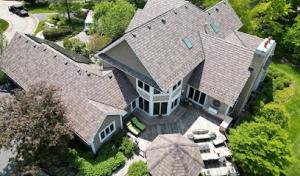
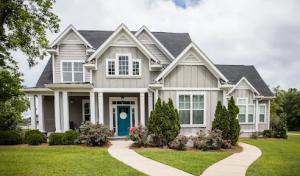
Asphalt shingles dominate Monroe because they balance cost with performance in a climate that includes snow, rain, and warm humid summers. The family around the block typically chooses these for their familiar installation and straightforward maintenance. When you plan a re-roof, asphalt shingles give you solid snow shedding and predictable durability through the freeze-thaw cycles, provided the installation is done with proper underlayment and step-by-step flashing details. In practice, choosing a reinforced or architectural profile can improve wind resistance and shed snow more reliably on steeper slopes. Consider a water-shedding valley layout and careful overhangs to protect edges during heavy winter storms. Regular checkups after heavy snow years help catch nail backouts or lift that can occur with fluctuating temperatures.
Metal roofing is a strong local upgrade option for snow shedding and long service life, but detailing around penetrations and condensation control matters in cold-weather conditions. If you expect frequent freeze-thaw cycles, metal panels with proven sealant systems around chimneys, vents, and skylights keep moisture from wicking into vulnerable seams. The attic environment should be managed to avoid condensation issues, especially on homes with limited attic ventilation. Metal is a good fit when the roof line is visible from the street or when a lighter roof is preferred to preserve structural dynamics. For best results, plan for a continuous ice and water shield at eaves and penetrations, plus venting strategies that address potential wind-driven snow pockets. Local upgrades often focus on snow guards or snow stops in areas with heavy daily snowfall.
Slate, clay tile, concrete tile, and copper appear on select higher-end or older regional homes, but their weight, repair complexity, and specialized labor needs can affect project pacing. If a home is already built with a robust structure, these materials offer exceptional longevity and distinctive curb appeal. Weight is a critical factor; many Monroe homes require structural assessment and sometimes reinforcement before installation. Tile roofs demand precise underlayment, proper deck preparation, and experienced craftspersons to handle flashing around penetrations and transitions to gutters. Copper brings unmatched durability and a unique aging patina, but installation requires careful coordination to prevent thermal expansion issues and oxidation-related staining on surrounding materials. For older neighborhoods with historic lines, matching the original roof material and detailing can preserve architectural integrity while addressing modern performance needs.
In practice, your best choice aligns with your home's existing mass and roof pitch, local freeze-thaw patterns, and how you plan to weather the next decade. If the goal is a balance of cost, performance, and ease of replacement, asphalt remains the steady default for most Monroe homes. When snow shedding and long-term service life are priorities-and the roof pitch and supporting structure can accommodate it-metal offers meaningful advantages. For distinctive homes with archival value or standout architecture, slate, clay tile, concrete tile, or copper can be worth the added planning and coordination. Each option benefits from a coordinated approach to ventilation, flashing, ice and water protection, and careful sequencing of install steps to endure Monroe winters.
In Monroe you'll notice costs cluster around the standard suburban re-roof profile: steep-slope homes, tear-off work, and weather-driven scheduling. Asphalt shingles sit at the lower end of the cost spectrum, while specialty choices push prices higher. The numbers you'll see locally reflect both the price per square and the extra minutes required to safely remove old roofing on taller, sloped roofs, plus the notable impact of a short prime installation window when cold mornings and late-season storms can slow crews.
Steep pitches common to Monroe homes demand more ladder time, extra safety measures, and careful handling of old material. A full tear-off typically costs more here than a simple roof-over, because crews have to string out more debris control and hand-nail wider swaths of shingles for wind resistance. Expect marginally higher labor because weather pressure compresses scheduling; when spring rains or residual winter melt arrive, crews prioritize projects with proven moisture protection. This means your project's start date can hinge on both the slope geometry and how much tear-off is needed.
Specialty materials such as slate, tile, and copper can cost more locally because fewer crews in this market advertise those specialties than standard asphalt re-roofing. If you're weighing these options, plan for longer lead times and tighter coordination with installers who handle delicate products. In practice, those materials invite a visible bump in cost per square and a longer project duration, especially if a precise weather window is missed.
Demand can tighten after winter damage, spring leak discovery, or storm events, which can affect labor availability and project timing in Monroe. That means even if a material's base price seems similar to neighboring towns, you may face premium scheduling pressures here. Build a realistic calendar with your roofer that accounts for potential delays, especially when a storm has left debris or moisture issues to resolve before lasting weatherproofing can start.
If performance in freeze-thaw cycles matters most, metal and appropriately rated shingles can offer robust resilience with shorter installation calendars than some tile or slate options. For longevity-minded homeowners, slate, tile, or copper promise a distinct look and extended service life, but the local cost risk sits higher. Evaluate the balance of upfront material cost, anticipated labor time, and the value of quicker return-to-usage for your Rochester-adjacent neighborhood.
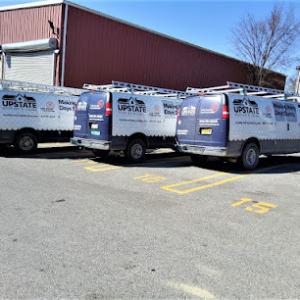
Upstate Roofing & Siding
(845) 781-4848 upstateroofingandsiding.com
149 Elm St Unit 101, Monroe, New York
4.3 from 16 reviews
We install all kinds of Roofing and Siding, Residential and Commercial. Whether it is new construction or you want to redo your existing, Upstate Roofing & Siding is the company you can trust to deliver excellence in quality and service.

L&G Home Remodeling
(845) 517-7070 lghomeremodelinginc.com
Serving
5.0 from 79 reviews
🏠✨ L&G Home Remodeling is a family-owned company that was established many years ago in Spring Valley, NY. Our company was built with the commitment to ensure cost-effectiveness 💰 and high-quality 🛠️ in every remodeling project we are hired to work on for the community of Spring Valley, NY and the surrounding areas. Our company was founded under the great values of: 👔 Professionalism 🤝 Commitment 💪 Diligence 💸 Cost-Effectiveness 📞 Contact our team today and get a free estimate for any of the services that we offer! If you hire us to do the job, we will work hard and smart until your expectations are exceeded ✅. 🛠️ Contact us today to save time and money on your upcoming remodeling, window installation, or roofing project!
Precision Roofing
(845) 351-2009 precisionroofinginc.com
Serving
4.8 from 81 reviews
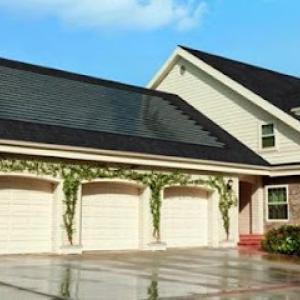
Precision Roofing offers reliable roofing services across the New York Tri-State area. Our team is known for professionalism and quality workmanship in every project we handle. Whether you need roof repairs, maintenance, or a full roof replacement, we focus on delivering lasting results that keep your property protected. Many satisfied customers trust us for roof repair in Southfields and surrounding communities. At Precision Roofing, building strong, long-term relationships with clients is important to us. We take pride in ensuring each job meets your expectations. Contact Precision Roofing today for dependable service and a free estimate. Let us help with your roofing needs and keep your home secure all year round.

Mc Best Construction
(845) 605-7812 mandcroofingny.com
Serving
4.9 from 22 reviews
Our company provides expert construction services in Nanuet, NY, specializing in roof replacement, siding installation, and general construction for residential and commercial properties. As a trusted roofing contractor in Rockland County, we deliver premium materials, precise craftsmanship, and tailored designs that enhance curb appeal and durability. Recognized as a reliable roofing contractor, general contractor, and siding contractor, our team serves Nanuet and surrounding Hudson Valley areas with a commitment to quality and timely project completion. Whether you’re upgrading your home’s exterior or planning a large construction project, we bring your vision to life with professional results.

Glen Roofing Corporation
(914) 601-2896 glenroofingcorp.com
Serving
4.9 from 134 reviews
Glen Roofing Corporation provides expert roofing, siding, gutter, and renovation services across Westchester County, NY including Bronxville, Scarsdale, Harrison, and Riverdale, NY. With over 25 years of experience, our skilled professionals deliver top-quality solutions for residential and commercial properties. Whether you need a roof installation, siding upgrade, or gutter maintenance, our team ensures reliable results available 24/7. Contact us today!

JLL Painting & Home Improvements
(845) 445-4063 jllpaintings.com
Serving
5.0 from 227 reviews
JLL Painting & Home Improvements, Inc. has been proudly serving the Rockland County and Westchester County, NY, and NJ area since 2006, specializing in premium interior and exterior home improvement services. From residential and commercial properties to multi-family and single-family homes, their team of skilled experts provides a wide range of services such as roofing, decking, drywall, painting, carpentry, deck building, pressure washing, gutter cleaning, and more. Their commitment to quality, affordability, and professionalism ensures that customers' homes receive the attention and care they deserve. JLL Painting & Home Improvements, Inc. is a licensed and insured company, guaranteeing customer satisfaction and peace of mind.

Extera Roofing
(845) 393-3333 www.exteraroofing.com
Serving
5.0 from 108 reviews
Extera Roofing is a family-owned, customer-focused roofing contractor in Goshen, NY, serving Orange, Ulster, Dutchess, Putnam & Westchester Counties. We specialize in Roof Repair, Roof Replacement & Emergency Roofing Services for residential and commercial properties. Every roof includes a 15-Year Workmanship Warranty and Flexible Financing Options—giving you lasting protection and peace of mind across Orange County, Ulster County & the greater Hudson Valley. We offer seamless gutter and siding services to protect your home’s exterior from top to bottom. Contact us today for a Free Estimate—no upsells or obligations, just honest, reliable roofers you can trust.
ESC Contractor
(914) 625-2254 www.esccontractor.com
Serving
5.0 from 21 reviews
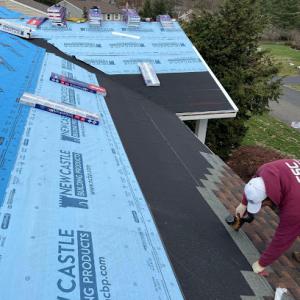
At ESC Contractor we specialize in storm damage, new roofs, flat roof repair, roof replacement, siding and gutters. Protect your property value. We have two decades of roofing, siding and gutter work experience in Rockland County, NY. and an excellent reputation throughout the local community. We provide on-site project management, free estimates and a rapid response to your needs. Our mission is to treat each project as if it were our own home and to exceed your expectations. Timeliness, constant communication, and top quality results is our formula to provide the best customer service possible. We are owner operated; use local suppliers and a highly skilled team to deliver exceptional workmanship. Your total satisfaction guaranteed

Northern Windows, Siding, Roofing & Insulation
(845) 294-4444 northernwindows.com
Serving
5.0 from 263 reviews
Northern Windows, Siding, Roofing & Insulation was founded in 1989 by the Furman family. Owner Mike Furman and our seasoned staff of professionals are known throughout the region for offering high-quality products, excellent installation services and superior warranties. Plus, you'll enjoy top-notch communication between you, our valued clients, and our office staff and technicians. In a world where big box stores often treat customers like numbers, we'll treat you with the respect you deserve. Thanks for your trust and confidence in Northern W.S.R.I.!
Class Act Roofing
(845) 328-1551 www.classactroofing.com
Serving
5.0 from 43 reviews
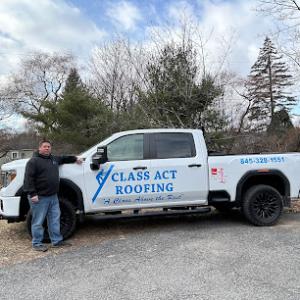
Class Act Roofing specializes in roof installations, roof repairs, skylight replacement, gutter installation, gutter cleaning, leaf guards, siding installation and siding repairs across the Hudson Valley from our Cornwall location. We separate ourselves from the other local guys by being fully insured, certified with the shingle manufacturers, superior installation and professionalism. At Class Act Roofing, we treat everyone with complete honesty and transparency. We always find the best solutions for your project. We only use the best and newest products available. We accept all major credit cards and have 100% financing available for home improvements.

RJW Renovations
(845) 372-9075 www.rjwrenovations.com
Serving
5.0 from 93 reviews
RJW Renovations is your trusted partner for home improvements, offering top-quality roofing services, siding, and more. With years of experience, this family-owned business proudly serves Fishkill, NY, and surrounding areas.

Home stars Reno
Serving
5.0 from 19 reviews
Home Stars Reno is a licensed and insured roofing contractor serving Passaic County, Sussex County, and Orange County, NY. We specialize in roof replacements, roof repairs, storm damage restoration, siding, and gutter services. Our team provides free roof inspections and works directly with insurance companies to assist homeowners with roof damage and insurance claims. With fast response times and quality workmanship, Home Stars Reno is committed to protecting your home.
In Monroe, most full re-roofs are handled through the local town building department rather than being dealt with informally. Before any tear-off begins, you should understand that the project will require a formal permit and an approved plan set. The town's process is designed to verify that the new roof will meet structural, venting, and weatherproofing standards appropriate for Hudson Valley winters. If a contractor suggests skipping steps, that approach won't align with Monroe's requirements and can lead to delays or code issues at the job site.
A common workflow starts with the contractor submitting the project plans to the town. The plans usually include roof dimensions, underlayment type, venting strategy, and fastener details that reflect Monroe's climate realities. After submission, a rough inspection often occurs during the underlayment stage. This early check helps ensure that ventilation, drip edge placement, and water shed are properly addressed before the finish materials go on. A final inspection occurs after completion, confirming that the work matches the approved plans and meets all applicable codes.
Permit timing in this town can hinge on how well the project accounts for venting and wind-resistance requirements. Before tearing off any shingles, you must confirm the exact scope with the building department and the contractor. If the plan includes changes to ventilation pathways, attic insulation adjustments, or revised ridge and eave details, those elements must be reflected in the permit and approved by the inspector. Delays often occur when the scope is altered mid-project or when the approved plan does not clearly address Monroe's wind loads and cold-season conditions.
During underlayment, an inspector will check that the underlayment material, fastening pattern, and roof venting align with the approved plan and local code. After the final installation, the inspector will verify that the surface warranty components, flashing, drip edges, and penetrations are properly flashed and sealed. Maintenance and repairs that change roof geometry or venting sometimes require amendments or additional permits, so any scope change should be communicated to the town promptly.
In Monroe and the broader upstate New York insurance environment, carriers generally still offer broad roof coverage, but timely reporting and photo documentation are important. That means when a storm hits or winter grit shows up, your quick response matters as much as the repair itself. Delays can complicate claim decisions, especially if the weather window tightens and crews are booked for weeks. A calm, organized approach helps ensure the damage seen today is covered for tomorrow's repair.
Adjusters may ask Monroe homeowners for evidence of prior roof condition, making pre-loss photos and contractor condition reports especially useful after storms or winter damage. Store recent roof shots in a dated file or cloud album and keep a simple log of visible issues by season. After an event, take wide exterior photos from several angles and close-ups of flashing, vents, and shingles. If a contractor has performed minor maintenance or repairs in the past year, have their notes ready to contrast with new damage.
Weather-related wear versus sudden damage can affect claim outcomes, so Monroe homeowners need clear documentation separating long-term aging from a specific loss event. Document any frost cracks, granule loss, or curling shingles as indications of wear, and isolate them from hail hits or wind-lift patterns that signal a separate incident. When possible, secure a contractor condition report that notes roof age, previous maintenance, and current deficiencies. This clarity helps prevent disputes over what constitutes a covered loss versus routine aging, especially after back-to-back storms or heavy snow seasons.
Connect with contractors who help homeowners navigate the claims process from damage assessment to final approval.

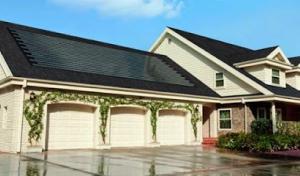

Even though the town leans toward pitched roofs, there are enough local contractors handling flat-roof work on porches, additions, and properties adjacent to commercial-grade spaces that this topic matters here. When a low-slope section exists, prioritize a robust perimeter flashing plan and a credible drainage detail from the outset. In winter and early spring, freeze-thaw cycles can push moisture under edges that aren't properly terminated, so verify that edge membranes, drip edges, and terminations are sound. Debris and winter residue can slow drainage just when a flat roof needs to shed meltwater fastest, so plan a post-winter cleanout and a quick scan after heavy rain. If you see ponding or visible blisters, address it promptly to avoid deeper leaks down the line.
Skylights are a recurring repair category in the contractor market, where freeze-thaw movement and flashing wear can turn minor perimeter failures into interior leaks. When choosing skylight replacements, look for robust flashing kits and proper integration with crown moldings or parapets typical of local homes. Seasonal seal checks save trouble: test seals after thaw cycles, reseal any cracked putty, and replace weathered flashing where you see powdery corrosion or sagging. In practice, plan a targeted inspection of skylight curb heights and the surrounding roofing membrane each spring, with attention to any signs of condensation or damp spots inside cabinets or ceilings near the skylight.
Low-slope areas are especially vulnerable during spring rain and thaw periods if drainage is slowed by debris or winter residue. Start with a proactive debris removal, then verify slope directs water away from walls and into downspouts. If rain is forecast while a roof is in the middle of a repair window, install a temporary tarp or membrane to reduce interior exposure. When spring progresses, coordinate roof work so warm days follow cold snaps, minimizing movement and leaks during curing.
Find specialists in TPO, EPDM, and built-up flat roofing systems for residential and commercial properties.