
Last updated: Apr 19, 2026
In this part of Queens, many homes blend a main pitched roof with low-slope sections over extensions, porches, garages, or dormers. Leaks frequently start at these transitions rather than on the broad field of the main roof. Water finds the path of least resistance where different roof faces meet, where flashing plants itself against masonry or wood, and where slope changes create small, stubborn water pockets. Expect to see drip lines or damp spots near where a porch roof ties into a larger roof, or at the edge of a dormer that shares a valley with the main roof. A careful eye on these junctions is the quickest way to spot trouble before it becomes a stain on ceilings or mold along interior walls.
Winter conditions in northeastern Queens punch above their weight for roofs with mixed pitches. Freeze-thaw cycles place repeated stress at eaves, valleys, and low-slope tie-ins. Snow sits, then melts unevenly, and the resulting water can back up under edges where shingles or metal flashing meet transitions. Over time, ice dams may form along the low-slope sections, pushing water toward fasteners, seams, and flashing details. After a winter, the same transition points that looked fine in fall often reveal hairline cracks, loose flashing, or stained sheathing. The pattern is predictable enough to warrant a post-winter inspection focused specifically on the mixed-pitch transitions.
Wet shoulder seasons render simple shingle age less relevant than proper drainage and flashing detail. The performance of gutters, downspouts, and the roof-to-wall interfaces matters just as much as the material type. In Oakland Gardens, spring rains can overwhelm undersized or clogged drainage paths, pushing water against low-slope tie-ins and porch-to-main-roof transitions. Fall storms test the integrity of valley flashing and the accuracy of end-caps at dormers or chimney bases. The key is to watch for signs of slow drainage or pooling near transitions, not only for obvious missing shingles. After heavy precipitation, step outside with a flashlight and inspect the underside of overhangs and the edge of attic vents to catch moisture that travels through the soffit or underlayment.
Begin with a targeted inspection after snow melts or heavy rain. Look for dark stains along the transition areas where different roof planes meet, and check for loose or missing flashing at valleys, dormer-to-roof connections, and porch corners. Run a careful hand along the roof edge to feel for loose fascia boards or gaps where wind-driven rain could sneak in. Inspect gutters and downspouts for clogs that back up water toward low-slope sections. On the interior, pay attention to spots along ceilings beneath these transitions after storms; pinhole leaks often trail from flashing or seam failures rather than from the main field.
Repair is often a prudent choice around transitions if the underlying deck and framing are sound and the damage is localized to flashing, sealant joints, or small areas of underlayment. Replacement becomes more practical when multiple transitions show widespread deterioration, or when the low-slope sections and their tie-ins have aged past their service life and exhibit recurring leaks after each winter and spring cycle. In mixed-pitch configurations, the decision to replace should weigh the remaining life of the entire roof assembly, the performance of metal flashing and sealants, and how well the new roof will integrate with the existing venting and drainage plan. A careful, staged approach can minimize disruption while addressing the most critical leak paths first.
Autumn in this part of Queens can turn deceptively windy, and shingles on attached and detached homes alike take the first hit. Gusts can lift edge shingles, loosen ridge components, and expose flashing around chimneys and skylights before interior staining becomes obvious. The moment a wind event rolls through, walk the roof with a pair of binoculars if safe, and look for lifted tabs, curling edges, or loose flashing near roof penetrations. If any issue is found or suspected, take immediate action: cover the exposed area with a sturdy tarp large enough to extend several feet beyond the damaged zone, weighted with roof rock or bricks to resist wind. Secure tarps with high-wind straps or loads through the tarpaulin's reinforced grommets, not just with cords that can slip. If you cannot access the roof safely, arrange temporary protection from the ground by placing a waterproof membrane over the most vulnerable area and call a nearby roofing professional for rapid assessment. In these conditions, time matters: the longer a leak remains open, the higher the risk of interior staining, ceiling collapse in extreme cases, and secondary damage to insulation and HVAC components.
Winter in Oakland Gardens brings freezing cycles that complicate full tear-offs and roof replacements. The combination of snow build-up, ice dams, and cold temperatures means temporary dry-in measures and emergency tarping are not merely recommended-they're essential during active leaks. When a leak occurs in these months, prioritize dry-in protection that seals the area against meltwater and wind-driven drafts. A tarped, securely fastened roof keeps water from following its natural path down into walls and ceilings while temperatures hold. Remember that snow can hide the damage, so frequent inspections after snow events are critical: check attic hatches, ceiling lines, and any staining in the upper rooms for early warning signs. If you notice a new or enlarging stain after a storm, treat it as urgent and implement tarping or temporary sealing immediately to slow further intrusion until a full repair plan can proceed in the milder months.
Because insurance reviews rely heavily on documentation, homeowners gain a decisive edge when rapid, clear records are kept. Take fresh, well-lit photos of wind-damaged shingles, loose flashing, and any interior water intrusion promptly after a storm. Capture wide shots of the roof as well as close-ups of the affected areas around chimneys, skylights, and vent penetrations. Document the exact date and weather conditions, and note any temporary protection steps taken-such as tarp placement, weights used, and the location of the tarps on the roof. Keep a running log of subsequent observations, including new leaks, ceiling stains, or mold growth. These records will streamline any claim process and help a contractor prioritize the most urgent fixes, especially when winter delays make a full tear-off unlikely until spring. If interior damage appears, photograph the affected ceiling and walls as soon as it's safe to do so, and photograph the exterior where the leak enters to show the path water takes from the roof to the interior. Acting quickly with tarp placement and thorough documentation can reduce further damage and keep a roof on a true dry-in track until permanent repairs can be completed.
When you can't wait, these contractors offer fast response times to stop leaks and prevent further damage.
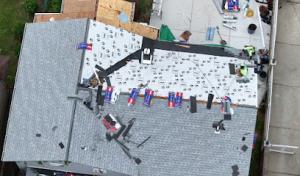
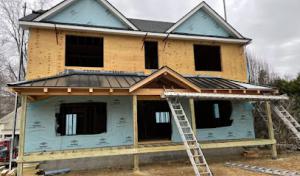

Asphalt shingles remain the most practical fit for much of Oakland Gardens because they suit the neighborhood's common pitched residential rooflines and are widely serviced by local crews. For many detached and attached homes, standard shingle layouts cover low-slope rear sections with reliable durability when paired with proper underlayment and robust flashing at vents, chimneys, and transitions. Local crews understand how the freeze-thaw cycles and wet shoulder seasons interact with shingle aging, so routine inspections after winter storms often catch early granule loss or minor buckling before leaks develop. If a home features mixed pitches, asphalt still offers straightforward field repair options and a broad service network, helping you keep maintenance predictable without the logistical hurdles of specialty materials.
Tile and slate appear on some higher-end or older Queens homes, but their weight and detail work make structural review, flashing quality, and specialized labor more important here than on standard shingle replacements. Clay or concrete tiles bring a distinct curb appeal and long service life when installed on properly reinforced roof decks, yet that same weight demands accurate rafter sizing, fastener choice, and seamless integration with existing drainage and soffit lines. Slate adds even more of a premium character but requires exacting workmanship, from nail placement to edge detailing. In Oakland Gardens, the presence of these materials often signals a need for proactive structural checks and a longer-term plan for potential218 replacement cycles, especially on roofs with multiple pitches or historic detailing. Expect higher maintenance costs for flashings and integrated hip-and-valley work, and ensure a qualified crew with tile or slate experience handles both replacement and any necessary re-flashing at penetrations.
Metal roofing is available in the local market but is still a smaller specialty segment than asphalt or flat-roof work, so contractor selection and trim detailing matter more than material availability alone. Metal can offer excellent longevity and resistance to wind-driven damage, which is useful on Queens-style mid-block exposures. However, metal systems require precise seam handling, correct underlayment choices, and careful integration with gutters and fascia to prevent leaks at low-slope transitions. In a neighborhood with a mix of porch roofs and rear low-slope sections, metal may be most appropriate on standalone flat or near-flat expanse where its minimal maintenance profile shines. The key is to choose a contractor who treats trim detailing, flashing at penetrations, and compatibility with nearby shingles or tiles as primary concerns rather than chasing a new material trend.
When evaluating material options, consider the roof's pitch variety, existing flashing quality, and the likelihood of future weather stress. Asphalt shingles offer the most flexible balance of cost, serviceability, and ease of repair for a broad cross-section of Oakland Gardens homes. If a structure carries historic or higher-end character, tile or slate may justify the added weight and labor, provided the underlying structure is confirmed sound and the flashing system is upgraded accordingly. For practical longevity with contemporary maintenance realities, metal can be compelling where roof geometry favors restrained trim detailing and precise seam work. In all cases, plan for a trusted local crew with demonstrated experience on Queens homes and a portfolio that matches the roof's complexity.
In this neighborhood, asphalt shingles remain the most common entry point and a practical balance of cost and performance. Labor and disposal logistics in Queens can push prices upward versus less dense markets, especially when tear-off debris has to be hauled through tight street access or alleyways. For a standard 1,000-square-foot roof (roughly 10 squares), expect about $3,500 to $6,500 installed. When you have mixed geometry-rear additions, dormers, or porch roofs-the job often requires additional trips up and down slopes, clean-up around limited staging areas, and more flashing details, which can nudge the cost toward the higher end of the range. Asphalt remains a solid choice if the roof has several low-slope sections that complicate drainage or require extra underlayment.
Metal panels bring longevity and a lighter touch on complex Oakland Gardens roof lines, but the cost edge comes with handling large sheets around dormers and porches. Transporting and maneuvering panels through tight streets adds a practical premium. For the same 1,000-square-foot example, metal typically runs about $7,000 to $12,000 installed. Mixed-pitch roofs with rear additions can extend labor time due to precise panel cuts, fastening around existing features, and careful detailing at hips and valleys. If longevity and hail resistance are priorities, metal often pays off, but be prepared for a longer install day in busy Queens neighborhoods.
Clay tile delivers a distinctive look and excellent durability, yet it is a more sensitive fit for Oakland Gardens' irregular rooflines. The weight and fragility of tile, along with careful setting over a compatible substrate, drive higher labor intensity. Expect roughly $12,000 to $19,000 per 1,000 square feet. The geometry of rear additions and dormers means more staging, scaffold time, and precise rafter connections, all of which push the crew to labor longer than a simpler square count might suggest. Tile roofs in this area also demand meticulous corner and edge work to maintain proper water shedding on low-slope sections.
Concrete tile sits between clay and slate in cost and inertia. In Queens, the material tends to require careful handling and a reinforced substrate, especially on older connections and mixed-pitch roofs. For 1,000 square feet, a typical install runs about $9,000 to $15,000. Expect extra labor when a roof features porches or dormers, where tile layout and retrofit flashing become more intricate to preserve uniform drainage and wind resistance.
Wood brings a warm, architectural look but can be more sensitive to moisture and decay in this climate. The neighborhood logistics add a bit of premium for careful hauling and debris management. The installed range is approximately $7,000 to $11,000 per 1,000 square feet. The uneven terrain created by rear additions or varied roof pitches often requires additional trimming, gentle fitting around dormers, and extra time for cedar or redwood preservation-factors that push costs toward the higher side of the band.
Slate offers exceptional longevity and curb appeal, but the heaviest öption here translates to longer installs and more specialized labor. Queens' street logistics and tight staging amplify the typical slate schedule, contributing to higher overall costs. Expect $15,000 to $25,000 per 1,000 square feet. Complex roof geometry, including low-slope pockets and multiple dormers, means more precise spacing, underlayment considerations, and careful alignment that can add days of labor beyond a straightforward square-count estimate.
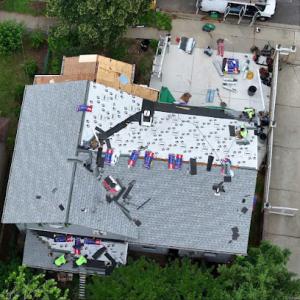
Power Roofing Queens NY
(929) 599-2001 powerroofingnyc.com
Serving
5.0 from 110 reviews
Power Roofing Queens NY is your licensed & insured, family-owned team for roof repair Queens, flat roof, TPO roof, shingle roof upgrades, and same-day emergency roof leak repair. From smart wood-siding installs to seamless rain gutters replacement, we combine top-grade GAF/CertainTeed materials with rapid turn-around and crystal-clear communication. Homeowners and property managers count on our free on-site roof estimates, clean work, and financing guidance to keep projects on budget. Every job is photo-documented, so you get workmanship that lasts through Nor’easters and NYC heat waves. Call today and protect your roof and property with Power that performs.
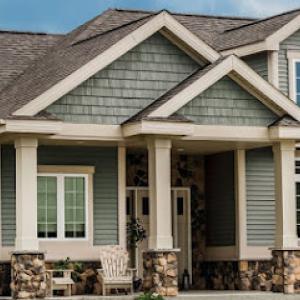
HK Builders: Best Roofing Company in Flushing
(718) 479-8888 hkbuilderscorp.com
Serving
4.8 from 119 reviews
HK Builders corporation is well known name in queens for their guaranteed work. We are a top rated in roofing & siding work. From the first nail to the final creative touches our crew will turn your home into a modern, unique, and comfortable place to live. We proudly offer roofing services and siding installation. Give us a call to Schedule appointment. we provide free estimate.
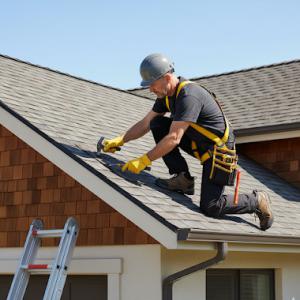
Alb Best Way Construction
(516) 244-0547 roofingalbbestway.com
Serving
5.0 from 75 reviews
ALB BEST WAY HOME IMPROVEMENT is fully licensed, insured, and bonded home improvement and roofing contractor. Specializing in roofing, chimneys, gutters repair, gutters install, gutter cleaning, siding, steps, masonry, skylight, sheetrock and more.

Skyward
(718) 878-6748 www.skywardroofing.com
Serving
5.0 from 82 reviews
Skyward Roofing - Queens is a professional and trusted roofing company catering to the roofing needs of commercial and residential clients. With vast experience, our team of skilled experts offers quality roofing services customized to meet the special needs of every client. From new installations and repairs to inspections and maintenance, we deliver excellent artistry using quality materials and modern techniques. Dedicated to client satisfaction, we ensure timely project completion, moderate pricing, and a commitment to surpassing client expectations. Reliable, trustworthy, and efficient, we are the most sought-after company for roofing needs. Call us or visit our site for more information.

Paragon Chimney & Roofing of Queens
(347) 544-9554 paragonchimneyandroofing.com
Serving
5.0 from 482 reviews
Paragon Chimney & Roofing is dedicated to providing top-quality chimney and roofing services. Our team ensures safety, reliability, and customer satisfaction. Serving New York, we pride ourselves on expert craftsmanship and prompt service. Trust Paragon for all your chimney and roofing needs.
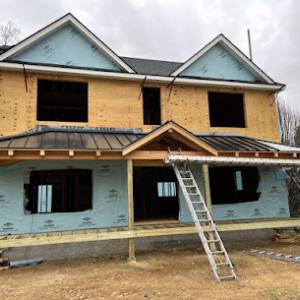
Supreme Island Roof Repair
(631) 973-6194 supremeislandcorp.com
Serving
4.9 from 36 reviews
With over 25 years of experience serving all of Long Island, we are your local experts when it comes to Roof Repair & Replacement or Installation. Roofing is not our only service we offer to our customers you can count on us for Chimneys, Siding, Gutters and Masonry services too. Get started with your totally Free Estimate by either calling us now or by visiting our website.


Reliable Seamless Gutters
(347) 416-0771 reliableguttersroofers.com
Serving
4.9 from 94 reviews
Reliable Seamless Gutters is your trusted partner for professional roofing and gutter services that not only enhance the overall aesthetics of your home but also provide essential protection against the most challenging weather elements. Our team consists of highly trained contractors who take pride in their workmanship and go the extra mile to ensure your satisfaction. We specialize in installing quality gutters and roofing systems tailored to your needs. When you choose us, you can expect a thorough consultation to assess your home and discuss the best options. Our meticulous installation ensures every component fits perfectly for optimal effectiveness and durability. Trust us to provide a reliable roofing and gutter system for years.

Foley & Sons Roofing
(332) 895-1121 foleyroofnewyork.com
Serving
5.0 from 52 reviews
Foley & Sons Roofing has built a reputation for dependable work and genuine care for every home and business we serve. Our family-run team understands how important a solid roof is to your peace of mind, which is why we pay close attention to every detail, from the first inspection to the final cleanup. We handle everything from small repairs to full replacements, always explaining your options and making sure you feel comfortable with each decision. When you choose Foley & Sons Roofing, you get friendly service, skilled workmanship, and a team that treats your property like their own.
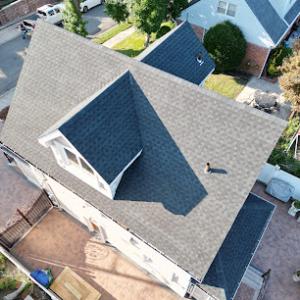
Lucky Stars Roofing
(646) 767-6531 www.callluckystars.com
Serving
4.9 from 56 reviews
"Excellence is written in the stars! For over 30 years, Bonardi Construction has been servicing Queens, NY, and the surrounding areas with reliable masonry, asphalt and more. Now, we have this incredible new division to dedicate completely to roofing! Lucky Stars Roofing offers the same longstanding quality, craftsmanship and top-level service. From replacement and repair to installation, you can count on us to leave you starstruck. Our services include: ● Roof replacement & repair ● Waterproofing & leak repair ● Shingle replacement ● Storm-damage repair ● Gutter cleaning, repair & installation ● Skylight repair & sealing ● And more!"
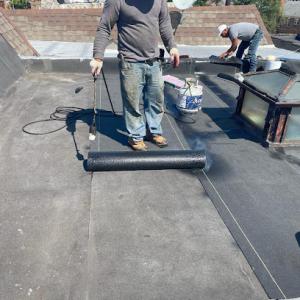
Master Roofing
(718) 957-0313 www.master-roofers.com
Serving
4.5 from 55 reviews
Looking for a reliable roofing company in NYC? Look no further than Master Roofing With years of experience, we offer high-quality roofing services for residential, commercial, and industrial properties. Our team of skilled roofers uses top-quality materials and the latest techniques to ensure your roof is strong and durable. We provide personalized service and attention to every client, ensuring that your unique needs and budget are met. Contact us today for competitive pricing and efficient service. Our Services: Roof installation, Roof repair, Roof maintenance, Gutter installation, Gutter repair, Roof insulation installation, Roof cleaning, Emergency roof repair services, Roofing inspections, Roof replacement & more
Horse GC
Serving
4.7 from 60 reviews
Horse GC General Construction is fully licensed, insured, and bonded contractor. We’re passionate about delivering exceptional construction work. When you hire us, you’re hiring a team of professionals who are trained and skilled to deliver lasting value to your home.
For most full re-roofs in Queens, a DOB permit is required rather than treating the project as an informal contractor-only replacement. That distinction matters: a permit signals that the scope, materials, and methods will be reviewed, and a permit envelope will follow you through the process. In an area with attached and detached homes, and with frequent low-slope rear sections and porch roofs, a signed, detailed plan isn't optional-it's your roadmap to a compliant roof. Expect the permit submission to call out the project scope, the chosen roofing materials, and a disposal plan that accounts for tight lot lines and smart handling of debris in dense neighborhood blocks.
When you file, you should have a clear description of what will be removed and what will be installed, plus measurements that match the actual roof geometry. The building department looks closely at whether the materials and methods meet current codes, including wind resistance and flashing details for mixed-pitch roofs. In Queens, these applications can feel meticulous because the neighborhood fabric relies on careful drainage, proper venting, and reliable tie-ins to existing parapets and gutters. The paperwork trail matters: delays or back-and-forth with the department can extend beyond the installation day if the scope isn't fully aligned with code expectations.
After completion, the building department conducts inspections to verify the roof work and code compliance, so Oakland Gardens homeowners should expect paperwork and closeout steps beyond installation day. Inspections commonly cover workmanship, flashing integration, hatch or attic venting, and the disposal plan's execution. If something doesn't line up with the approved plan, a re-inspection or amendments may be required, which can complicate timelines during busy seasons. Keeping organized records-permit numbers, inspection dates, and contractor confirmations-helps prevent last-minute scrambles and keeps the project moving toward a clean, compliant finish.
In this market, New York homeowners insurance generally covers wind, hail, and storm-related roof damage, but adjuster timelines can vary year to year. On Oakland Gardens' mix of attached and detached homes, claim timelines often hinge on documentation and the immediacy of the damage after a storm. When a storm hits, expect a rapid phone call to set an inspection window, followed by a field adjuster visit within days rather than weeks. Keep in contact with the carrier and document every step, including any temporary leak mitigation you perform to protect interior spaces while you await the claim decision.
Carriers may expect wind-rated underlayment and other code-compliant replacement components as part of the settlement discussions. This matters on mixed-pitch and low-slope sections where water intrusion can mask underlying damage. If a roof replacement is warranted, ensure the scope includes components that meet current wind and moisture resistance expectations for New York conditions. Being proactive about including upgraded underlayment, proper flashing, and fastener patterns in the scope can help avoid back-and-forth over coverage later.
Photos, contractor estimates, and warranty documents are especially useful in this market because insurers scrutinize whether damage is a sudden storm loss or long-term wear. Take high-resolution images from multiple angles, focusing on entry points around valleys, joints, and eaves where leaks tend to start. Gather a detailed, itemized estimate from a licensed contractor, plus any relevant service records or prior repairs. Include manufacturer warranties on new materials to reinforce the case for replacement rather than repair when warranted.
When you suspect damage, contact your insurer promptly and request a storm-damage inspection if available. Keep a log of communication, dates, and names of adjusters or contractors you speak with. If an estimate seems inconsistent with observed damage, request a re-inspection and consider a second opinion from a local roofer who understands Oakland Gardens' common roof configurations and failure points on low-slope sections. A well-organized packet-photos, scope, and warranty letters-often accelerates a clear, fair settlement.
In Queens homes with mixed-pitch roofs and common low-slope rear sections, leak complaints often center on penetrations and transitions-especially around chimneys and skylights, and where low-slope sections meet steeper roof planes. The flashing at these points bears the brunt of freeze-thaw cycles and wind-driven rain, so even small gaps can turn into big drips after a storm. Expect these spots to demand attention first when you notice attic condensation, staining on ceilings, or musty odors near interior walls.
The local contractor market shows strong chimney and skylight activity, reflecting how common these details are in Queens roof repair calls. When a contractor fixes one leak, it's common to find related issues at adjacent transitions or single-plunge joints, since work there often exposes adjacent flashing or improper caulking. The combination of frequent wind exposure and long winter wet spells amplifies the risk of flashing failure, so cosmetic surface wear isn't the sole concern-integrity is.
Begin with a focused inspection after heavy winds or a thaw-wet cycle: check chimney cricket or saddle, the skylight curb, and the transitions where metal flashing meets shingles. Look for loose or lifted shingles, rust-cap flashing, or sealant deterioration. If you spot staining or active drips near these features, plan a professional flashing assessment rather than a cosmetic fix. Regular maintenance-resealing joints and re-flashing where needed-helps prevent leaks from escalating into interior damage that can strain insulation, ceilings, and drywall.
Find contractors experienced in skylight installation, flashing, and leak repairs to bring natural light into your home.

Paragon Chimney & Roofing of Queens
(347) 544-9554 paragonchimneyandroofing.com
Serving
5.0 from 482 reviews