
Last updated: Apr 19, 2026
The north shore location along Manhasset Bay and the Long Island Sound subjects roofs to relentless coastal wind gusts that sweep across hills and streets, not just generic weather. In winter, Nor'easters crank up those winds, driving sleet and snow against edges, ridges, and overhangs with surprising vigor. That means detailing matters more than you expect: ridge lines must be tied and sealed, edge metal needs solid mounting, and every seam where shingles meet flashing has to hold up under salt spray and cold. You're not just fighting cold; you're fighting a moving salt-laden air mass that accelerates corrosion on metal and corrodes fasteners, while also pushing moisture into vulnerable joints. The practical takeaway is clear: scrutinize fascia, rake edges, and vent openings for secure attachment and corrosion resistance before winter storms arrive.
Nor'easters are a defining regional threat here because they combine high wind with precipitation and freezing temperatures that stress flashing and roof-edge details. Any loose or undersized flashing around chimneys, skylights, dormers, and vents can become a failure point when ice mass forms at the joints. Pay careful attention to step flashing where the roof plane meets vertical walls, and inspect kick-out flashings to ensure runoff is directed away from siding. In windy, salty air, even small gaps become avenues for wind-driven water or salt-laden spray to back up under shingles. Actionable steps: upgrade to corrosion-resistant flashing materials, ensure proper flashing overlaps, and verify there is a continuous moisture barrier behind underlayment. If a previous installation used lightweight or undersized fasteners, consider re-fastening with longer, corrosion-resistant options and resealing joints with high-quality sealant designed for cold, damp environments. When you have a roof section that faces the bay or harbor directly, expect faster wear on metal penetrations and check those penetrations after every major storm.
Snow and humidity patterns create a climate where attic moisture management is central to longevity. Sufficient intake and exhaust ventilation reduces condensation on cold surfaces, which otherwise drips down into insulation and decking, inviting mold and wood rot. In this coastal-influenced climate, ensure that soffit vents, ridge vents, and turbines work in harmony, with no obstructions from insulation or wiring. A coastal house that sits on a hillside often has attic access near exterior walls where cold air can stagnate if vents are blocked by insulation facings or bulky baffles. Actionable guidance: inspect attic hatch seals and weatherstripping; install vent baffles to keep airflow channels open above insulation; and place moisture-permeable step-stoppers at attic hatch to minimize warm, moist air leakage into the attic space during cold snaps. Consider a cold-weather underlayment that resists moisture ingress without sacrificing breathability, and ensure attic vapor barriers are properly oriented to prevent condensation from migrating into decking.
Given winter salt exposure and humidity in this area, material choice matters for how long a roof holds up between major storms. Asphalt shingles with good tear resistance, metal roofing with corrosion-resistant coatings, and synthetic options designed for cold climates all perform differently under coastal winter stress. Prioritize roofing assemblies that provide robust wind uplift resistance, reliable edge protection, and comprehensive leak barriers. Routine maintenance should focus on clearing salt-laden debris from valleys, ensuring drip edges shed water properly, and confirming that snow load on flat or low-slope sections is managed with proper drainage. After heavy precipitation, inspect for ice dam formation at eaves and repair promptly to prevent water ingress behind gutters and fascia. In this coastal winter environment, a proactive stance today translates into fewer winter-driven surprises tomorrow.
On the North Shore, cold-season snow often sits on roofs, then sees freeze-thaw cycles that push edge cooling into overdrive. Water that melts higher up on the roof can run toward the eaves and refreeze at the cold edge, creating an ice dam. In older homes, uneven insulation and ventilation patterns mean heat leaks into the attic more readily, warming the underside of the roof deck and melting snow unevenly. When those melts refreeze at the eaves, drainage slows or stops, and that backed-up water can back up under shingles and into fascia boards, soffits, or even the attic. The result is not only stained ceilings but potential leaks that sneak in during a late-winter thaw or a brisk nor'easter that follows a heavy snowfall.
Port Washington's climate intensifies this risk because winters can be brisk, while humid summers on the Sound side push moisture through attic spaces year-round. Balanced intake and exhaust ventilation becomes crucial to keep attic temperatures from rising enough to melt snow on sunny days, while still allowing moisture to vent in hot, muggy stretches. If the attic is choked with insulation on the wrong side of the ventilation stack or if soffit vents are blocked, moisture can condense on cooler roof areas or linger near the decking. That combination-heat near the roof deck in winter and high humidity in summer-creates conditions where ice dams are not just possible, but likely over multiple seasons in older neighborhoods with hillside terrain and long, exposure-prone eaves.
Look for a ridge of ice along the eaves, icicles forming in unusual patterns, or damp patches on ceilings below attic spaces that have not recently been weathered by storms. A partial ice dam may cause water to seep under shingles, leaving dark stains or a soft, spongy feel at the edge of the roof. In Port Washington, where many homes sit above Manhasset Bay and face salt spray, the combination of salt-laden air and winter moisture can accelerate corrosion on flashing and fasteners if ice dams linger and pressure builds behind the dam.
Prioritize attic ventilation-ensure a proper balance of intake at the soffits and exhaust at the ridges or roof peaks. For older homes, this often means upgrading baffles, repairing or increasing soffit vents, and verifying that attic insulation doesn't block airflow. Seal air leaks from living spaces into the attic to minimize heat transfer that warms the roof deck. When possible, manage attic humidity by venting moisture sources such as bathrooms and kitchens to the outdoors rather than allowing moist air to stagnate in the attic. Consider extending drip edges and ensuring proper flashing at valleys and along the eaves, since these details take the brunt of icy runoff.
Homes in older Port Washington neighborhoods frequently require roof replacement planning that focuses on ventilation upgrades as a core component, not just shingle replacement. A roof that is paired with an upgraded ventilation strategy reduces the likelihood that future winters will re-create the damming pattern. If an older roof is approaching the end of its service life, treat the project as an opportunity to reassess attic design, decking condition, and the effectiveness of existing vents. A well-coordinated upgrade can lessen the recurrence of ice dams and protect interior spaces from repeated freeze-thaw cycles.
Asphalt shingles are the dominant practical choice locally, but coastal humidity and wind exposure make installation quality and underlayment more important than lowest-price shingle selection. In the Sound-facing pockets, wind-driven rain and ice along the hillside can force moisture under the shingles if the nailing pattern or underlayment isn't secure. Choose a shingle with good tear resistance and a proven wind warranty, and insist on a high-quality self-sealing strip and proper roof deck ventilation to keep attic moisture in check. The goal is a system that sheds salt spray and dries quickly after storms, not one that masks a marginal installation.
Metal roofing can perform well in this market, but coastal exposure means homeowners should pay close attention to corrosion resistance and flashing compatibility near the Sound. If choosing metal, look for coated steels or aluminum with proven salt spray resistance, and verify that flashing materials match the metal to avoid galvanic corrosion. Coastal winds can pry loose improper fasteners, so ensure a robust fastening plan and continuous edge detail. Expect higher maintenance for fasteners and sealants in areas with persistent salt spray, especially around chimneys, vents, and dormers perched on higher elevations.
Clay tile, concrete tile, wood shakes, and synthetic products appear in the local material mix, reflecting the varied housing stock found across Port Washington's older and higher-end neighborhoods. Tile and shake systems benefit from improved ventilation and a solid roof deck, because wind uplift and freeze-thaw cycles demand precise installation. Clay and concrete tiles should have a drip edge and proper underlayment to prevent salt-laden moisture from migrating behind the tiles during winter storms. Wood shakes offer a traditional look but require meticulous sealing and regular maintenance to resist salt and humidity; synthetic products can balance appearance with enhanced resistance, but verify warranty terms for salt exposure and wind uplift.
Coastal winter weather elevates the need for effective ventilation and ice-dam protection. In this market, ensure baffles and soffit vents deliver continuous airflow to prevent condensation and mildew behind roof coverings. Ice-dam protection should extend high up against eaves and into valleys where salt spray compounds freezing problems. A well-ventilated, properly underlapped roof with a reliable drainage plane reduces edge deterioration and helps maintain long-term performance in the face of Nor'easter winds. For homes with older construction, verify that the roof-to-wall connection and fascia are reinforced to resist wind-driven moisture and salt exposure.
Wind-driven rain from coastal storms hits Port Washington homes with a sting, and penetration points-not the open field shingles-give way first. That means leaks often appear around chimneys, skylights, vents, and where roof planes meet walls or dormers. The combination of salt-laden air, winter freeze-thaw cycles, and aging flashing compounds the problem. If you notice damp spots after a nor'easter, look not just at shingles but at the weaknesses where water can enter at transitions.
In older homes and in re-roofing projects, flashing around chimneys and skylights tends to be the first fault line. Sticking or corroded metal, damaged sealant joints, or improperly lapped shingles create a path for wind-driven rain to pry up the edges. Remember: coastal exposure amplifies movement in these areas, so even small gaps can become serious leaks during a storm. A quick check after heavy rain or a strong wind event is essential, paying close attention to the perimeter of any skylight curb and the base of chimney flashing.
Skylights invite light and ventilation, but their corner seams are under constant stress from temperature swings and salt air. If you've noticed condensation under panes, peeling sealant, or staining along the skylight flange, those signs point to compromised seal integrity. In a Port Washington winter, a leak here can travel along rafters and hide behind drywall, making it harder to pinpoint. The best move is to evaluate whether the existing flashing and curb are sound and whether the skylight frame is properly flashed to the roof deck.
Chimneys concentrate wind pressure and expose back-to-back flashing joints to harsh weather. Look for cracked mortar joints, loose coping stones, and missing or deteriorated step and counter-flashing. Water tends to migrate down the chimney chase and into interior ceilings, especially where roofing materials meet masonry. A proactive approach is to reseal and reflash the chimney at the first sign of wear, and to inspect the chase flashing for rust, loose fasteners, or gaps that invite water intrusion.
If a leak appears around a skylight or chimney after a wind-driven rain, prioritize flashing, sealant integrity, and any deck-to-flashings transitions. Interior signs-stains around three areas: ceiling corners near penetrations, along interior wall joints, and in attic rafters-require careful tracing to the source. For ongoing storms, arrange a targeted inspection focusing on chimney flashing, skylight curb, and the roof turn where penetrations meet field shingles. In Port Washington, where downtime is costly, timely action saves structural damage and preserves the integrity of your roof system.
Find contractors experienced in skylight installation, flashing, and leak repairs to bring natural light into your home.
Shamrock Contracting - NY Roofing Experts
(516) 376-8338 shamrockcontractingny.com
Serving
5.0 from 63 reviews
Clearview Roofing & Construction - Port Washington
(516) 767-2000 clearviewroofs.com
171 Main St, Port Washington, New York
4.9 from 135 reviews
Clearview Roofing and Construction has been a trusted roofing contractor in Port Washington, NY, since 1961, delivering expert roof repairs, installations, and inspections backed by years of experience. Known for superior craftsmanship, timely project completion, and exceptional customer service, Clearview serves residential and commercial clients with a commitment to quality and care. Whether you're dealing with roof damage or planning a renovation, call (516) 767-2000 today or schedule a free estimate online to work with Port Washington’s most reliable roofing professionals.
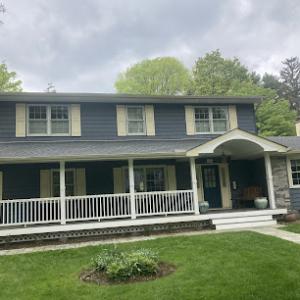
Shamrock Contracting - NY Roofing Experts
(516) 376-8338 shamrockcontractingny.com
Serving
5.0 from 63 reviews
New roofs and roof leaks specialist. Chimney and skylight leak specialist. Guarantee on all work done. Owner on all jobs. Free estimates.
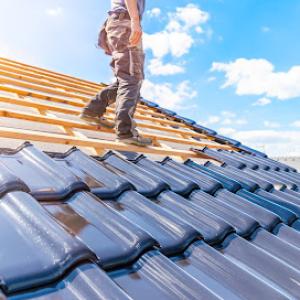
Foley & Sons Roofing
(332) 895-1121 foleyroofnewyork.com
Serving
5.0 from 52 reviews
Foley & Sons Roofing has built a reputation for dependable work and genuine care for every home and business we serve. Our family-run team understands how important a solid roof is to your peace of mind, which is why we pay close attention to every detail, from the first inspection to the final cleanup. We handle everything from small repairs to full replacements, always explaining your options and making sure you feel comfortable with each decision. When you choose Foley & Sons Roofing, you get friendly service, skilled workmanship, and a team that treats your property like their own.
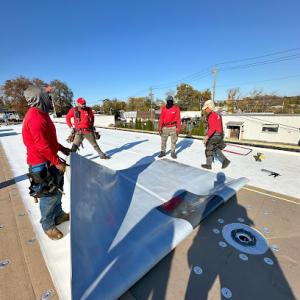
Elite Waterproofing & Roofing
(516) 774-4477 www.eliteroofingny.com
Serving
5.0 from 74 reviews
Elite Roofing NY is a family-owned roofing company based in Glen Cove, NY, with over 15 years of experience serving NYC, Nassau County, and Suffolk County. We specialize in a variety of roofing systems including asphalt shingles, SBS, TPO, EPDM, metal, slate, and cedar shake. Whether you need a small repair or a full roof replacement, we’re fully licensed and insured, prioritizing safety, reliability, and high-quality craftsmanship.
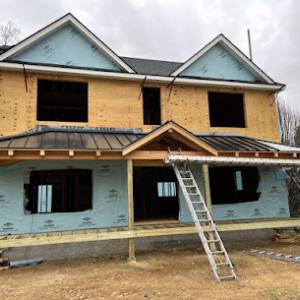
Supreme Island Roof Repair
(631) 973-6194 supremeislandcorp.com
Serving
4.9 from 36 reviews
With over 25 years of experience serving all of Long Island, we are your local experts when it comes to Roof Repair & Replacement or Installation. Roofing is not our only service we offer to our customers you can count on us for Chimneys, Siding, Gutters and Masonry services too. Get started with your totally Free Estimate by either calling us now or by visiting our website.
L.i.n.y. Roofing
(516) 629-6494 www.linyroofing.com
Serving
4.9 from 58 reviews
FULLY LICENSED & INSURED. We specialize in roofing siding and gutters. We take pride in providing excellent craftsmanship in every single job we do. Keeping customers happy for over 20 years in the long island area.
Alb Best Way Construction
(516) 244-0547 roofingalbbestway.com
Serving
5.0 from 75 reviews
ALB BEST WAY HOME IMPROVEMENT is fully licensed, insured, and bonded home improvement and roofing contractor. Specializing in roofing, chimneys, gutters repair, gutters install, gutter cleaning, siding, steps, masonry, skylight, sheetrock and more.
Preferred Exterior
(516) 354-7252 www.preferredexterior.com
Serving
5.0 from 50 reviews
We are a family owned and operated establishment specializing in commercial, industrial and residential roofing and siding. We are certified installers of all major manufacturers. We are fully licensed and insured. Our reputation is built on knowledge, craftsmanship and integrity.
TMT Roofing
Serving
5.0 from 69 reviews
Established in 1963, TMT Roofing is your top choice for all commercial and residential roofing needs in Long Island, NY. We specialize in commercial roofing, gutter services, and siding, ensuring our dedicated team provides unparalleled expertise and exceptional customer service. We offer comprehensive roofing solutions, including silicone coatings, EPDM, shingles, and metal roofing. Whether you require a new roof installation or urgent repairs for leaks or damage, we have you covered. Trust TMT Roofing for high-quality materials, expert craftsmanship, and affordable rates—your satisfaction is our top priority.

All Weather Guard
(516) 876-1999 allweatherguard.com
Serving
5.0 from 162 reviews
Residential & Commercial Roofing
Rebuild America-Roofing-Windows & Remodeling
(516) 407-7821 rebuildamericany.com
Serving
4.9 from 34 reviews
Rebuild America-Roofing-Windows & Remodeling is a roofing contractor in Mineola serving Nassau, Suffolk and Queens, We have 1000s of local referrals. Our roofing company offers residential roofing, residential roof repair, residential roof replacement, residential flat roofing, commercial roofing, siding, gutters, and more. Customers love us because of our comprehensive roof warranties and our affordable roof financing options. We also have industry affiliations and certifications such as GAF Master Elite Factory Trained, Velux Certified Skylight Installer, and many more. If you want to experience how your most trusted Long Island roofing company embraces our motto "Rebuild America-One Home at a Time!", call us now for a free estimate!
Power Roofing Queens NY
(929) 599-2001 powerroofingnyc.com
Serving
5.0 from 110 reviews
Power Roofing Queens NY is your licensed & insured, family-owned team for roof repair Queens, flat roof, TPO roof, shingle roof upgrades, and same-day emergency roof leak repair. From smart wood-siding installs to seamless rain gutters replacement, we combine top-grade GAF/CertainTeed materials with rapid turn-around and crystal-clear communication. Homeowners and property managers count on our free on-site roof estimates, clean work, and financing guidance to keep projects on budget. Every job is photo-documented, so you get workmanship that lasts through Nor’easters and NYC heat waves. Call today and protect your roof and property with Power that performs.
In Port Washington, the coastal exposure changes the math from inland Nassau pricing. Upgraded underlayment that resists wind-driven moisture, enhanced ventilation to prevent ice-dam formation, and more careful flashing at penetrations exposed to salt air and gusty Nor'easters add measurable cost. When a re-roof plan accounts for these details, you'll see higher line items for weatherproofing, ridge and S-shaped valley details, and corrosion-resistant metal flashings around vents and chimneys. Those elements stay critical through long winters and salt spray, and they're the parts that tend to show up in the bid as material and labor add-ons.
The basic cost ranges you'll see line up with the city's coastal realities. Asphalt shingles run roughly 350 to 700 USD per square, with premium underlayment and upgraded edge detailing pushing the higher end. Metal roofing typically sits 650 to 1100 USD per square, valued for wind resistance and long life in salt air; expect more attention to flashing at transitions. Clay and concrete tiles trend higher, around 900 to 1500 USD per square, and their weight may require structural checks and stronger fasteners in coastal frames. Wood shingles or shakes and synthetic/composite shingles land in the 550 to 900 USD per square zone, but salt exposure often favors synthetic options for lower maintenance in the long run. Each choice will be impacted by underlayment requirements, ventilation needs, and how the roofline handles wind at edges and around penetrations.
Port Washington's market shows heavy re-roofing demand after major regional storms, with quick response and cleanup being a selling point. That urgency can influence bidding, scheduling, and crew availability, especially in hillside neighborhoods where access and staging become tricky. If a crew can start promptly and manage debris removal efficiently, the overall cost may stabilize despite storm-driven variability. Expect contingency allowances for expedited weather protection and post-storm debris handling to appear in bids.
Varied home styles on the North Shore translate to more complex rooflines: steep sections, multiple chimneys, skylights, dormers, and mixed-material transitions. Each additional feature elevates labor time and special detailing, particularly where wind exposure is highest. Increases come from careful flashing around vents, joints, and skylights, plus precise alignment of shingles or tiles to prevent wind uplift. When a roof has several material transitions, cost ranges widen and the project benefits from a detailed, line-by-line estimate that specifics underlayment, ventilation, and flashing work.
Get a clear picture of your project costs upfront - no commitment required.
Clearview Roofing & Construction - Port Washington
(516) 767-2000 clearviewroofs.com
171 Main St, Port Washington, New York
4.9 from 135 reviews
Shamrock Contracting - NY Roofing Experts
(516) 376-8338 shamrockcontractingny.com
Serving
5.0 from 63 reviews
A full re-roof in this area typically requires a permit through the Nassau County building department rather than being handled as a no-paperwork job. The department expects the project to align with local construction codes, inspections, and safety standards. Before starting, confirm that your chosen roofing contractor has the proper Nassau credentials and that plans show venting, drainage, and drainage overflow considerations consistent with coastal exposure and winter wind loads.
The department generally reviews submitted plans for roof systems, flashing details, and any changes to attic venting or ventilation pathways. During the work, inspectors will visit to verify material installations, proper underlayment, and drainage alignment. Because coastal winter wind and salt exposure demand robust detailing, pay extra attention to secure fasteners, rust-resistant hardware, and ice-dam safeguards highlighted in the plan review.
A final inspection at completion ensures the roof system meets all Nassau County requirements and that deviations, if any, are corrected. If drainage changes or venting modifications were approved as part of the scope, the final check confirms those updates are properly executed. Keeping a clean jobsite and accessible attic space can help avoid delays during this critical closing step.
Typical turnaround is about 1 to 2 weeks depending on workload, with possible added review when venting or drainage changes are part of the roofing scope. Factor in coordination time with the contractor for material deliveries and scheduling as inspections approach. Early planning with the county office and clear communication about any coastal-specific enhancements can help keep the process on track.
In Port Washington, insurers commonly want documentation of roof condition and the exact replacement scope, which matters after wind-driven coastal storm events. When a storm hits, the roof can deteriorate in ways that aren't obvious from ground level-loose flashing, hidden leaks, or damaged underlayment may show up only after close inspection. Having clear photos taken from multiple angles, plus notes on any shingle curling, granule loss, or chimney flashing issues, helps an adjuster understand what needs to be repaired or replaced. Be prepared to outline whether a whole roof or only sections require attention, and to specify material choices if a replacement is needed.
Claim activity for wind or hail is monitored, and adjuster visits may be needed before claim values are finalized. Coastal storms can trigger multiple claims in a neighborhood, which slows the process and tests the patience of homeowners and neighbors alike. An adjuster may need access inside attic spaces to verify roof decking integrity or ventilation performance, so having a recent inspection report ready can smooth the path. If there are prior repairs, note their location and the workmanship quality; inconsistent results can affect the final assessment and settlement.
Local underwriting can be influenced by recent weather events and prior claim history, so homeowners should document storm damage promptly and thoroughly. Delays can complicate coverage, especially after a brisk nor'easter that leaves salt spray and wind-driven debris on the surface. Regularly update photos after each significant storm, keep a simple log of when damage was observed, and retain contractor or roofer contact notes. Clear, timely records reduce ambiguity and help ensure the coverage aligns with the actual condition seen on the roof.
Connect with contractors who help homeowners navigate the claims process from damage assessment to final approval.
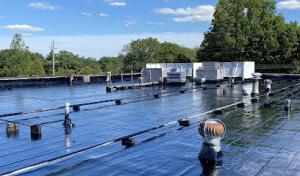
In this area, flat-roof specialization is strongly represented among local contractors, reflecting a meaningful share of homes and additions that use low-slope assemblies. If your project includes a porch, converted room, or a mixed roofline, expect to encounter a few distinct zones: the main pitched roof and one or more flat or near-flat sections. Plan to treat these areas as separate systems because their drainage, ventilation, and moisture control needs differ from the primary roof.
Spring rain and humid summers drive drainage performance to the top of the priority list for low-slope sections. Flat roofs here are more prone to standing water if drains slow or become clogged, and salt-laden air can accelerate perimeter flashing wear. When evaluating a replacement or repair, verify that scuppers, internal drains, and any parapet detailing stay clear during the first heavy rain after completion. Consider upgrades like improved slope (even a small positive yaw toward the drain) and dedicated internal or perimeter drains with robust overflow paths to minimize moisture lingering on the surface.
Salt-air exposure and coastal winds demand tougher detailing on flat components. Choose membranes and flashing materials that resist salt corrosion and extend beyond a single season of wear. Pay attention to parapets, edge metal, and transitions where salt spray or wind-driven rain can grip the seam line. In a Port Washington climate, you'll benefit from ensuring vertical detailing above the flat sections is clean, continuous, and protected by a drip edge that routes water away from joints.
When planning replacements, separate your attention between the main pitched roof and any low-slope areas. Flat sections often carry different insulation needs and ventilation paths, so verify that the attic or space above remains appropriately conditioned and ventilated. If your project includes additions with flat roofs, align their drainage and flashing with the existing system to prevent gaps where moisture can sneak in. A thorough tie-in between the two roof types reduces wind uplift risk and moisture intrusion over time.
Find specialists in TPO, EPDM, and built-up flat roofing systems for residential and commercial properties.
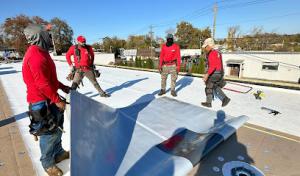
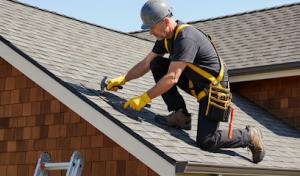
In Port Washington, warranties for roofs contend with winter storm stress, humid summers, and salt-air exposure that can accelerate wear on fasteners, flashings, and ventilation details. The durability of a roof here hinges not only on the material itself but on how well workmanship holds up under repeated freeze-thaw cycles, wind-driven rain, and potential salt spray near hillside homes by Manhasset Bay. A solid warranty can help manage the long-term costs of upkeep, but the value rests on the specifics of what is covered, for how long, and under what conditions.
Port Washington's contractor mix includes warranty-offering and manufacturer-certified firms, giving homeowners a meaningful distinction between basic installation and enhanced warranty pathways. A standard installation warranty often covers workmanship for a limited period and may exclude certain weather-related failures or damage tied to improper flashing, venting, or ventilation. An enhanced pathway through a manufacturer-certified firm typically extends coverage to both materials and workmanship and is more likely to address issues tied to coastal exposure, such as salt-related corrosion or wind uplift vulnerabilities. Understanding which pathway your contractor offers helps you compare protection levels side by side.
In a market with many re-roofing contractors, warranty terms should be reviewed alongside cleanup practices, responsiveness, and experience with leak-prone details like chimneys and skylights. Look for explicit language about coverage of flashing, seals around chimneys and skylights, and the handling of wind-driven debris. Check whether the warranty transfers if you sell the home, and what maintenance obligations you must meet to keep coverage valid. Clarify how claims are processed, typical timelines for inspections, and whether subcontractors carry the same warranty protections. Given Port Washington's winter and salt-air demands, pay special attention to exclusions related to coastal exposure and any required corrosion-resistant upgrades, so the warranty remains meaningful across the roof's expected life.