Last updated: Apr 19, 2026
You're living on the north Fort Worth fringe, where hail-driven replacements are a frequent reality. Spring hail and wind events are the primary triggers for full roof replacements, not age alone. When a storm hits, a chipped shingle or dented metal panel can spiral into a full-coverage claim if the scope justifies replacement. In this market, waiting for "the right time" often means chasing your roof after a major event rather than before it, and that can push repairs into seasons where projects stall or weather interferes with tear-off and dry-in. The bottom line: in this area, timing is a risk management decision, not a convenience.
Replacement timing in this corridor is frequently pushed into drier, more moderate periods. Heavy spring rains and severe weather can interrupt tear-off, dry-in, and inspection scheduling, creating delays that ripple through the project. You'll want to plan with a prioritized window in late spring or early fall that aligns with drier weather windows and calmer wind profiles. If a hail swarm hits and you're not prepared to start promptly, you risk compounding damage and muddying the claim with additional weather-related wear. The practical benefit of aiming for a cleaner window is fewer weather-related surprises and fewer days of project downtime.
Local homeowners often need photo-heavy storm documentation and post-claim roof condition records because carriers in hail-prone markets scrutinize claims closely. Start gathering evidence immediately after a storm: wide-angle exterior shots from several approaches, close-ups of hail impacts on shingles, flashing, and vents, and timestamps showing the sequence of events. Keep a dated log of any interior signs of leaks or attic moisture. Once the claim process begins, this documentation helps demonstrate the match between the hail event and the required replacement. If you can, schedule a roof inspection while conditions are still favorable and the roof is accessible.
Choose a contractor who understands the local wind patterns and hail behavior that can affect tear-off. Coordination with your crew matters: you want a plan that minimizes exposure to weather during removal, ensures a solid dry-in, and respects Haslet's typical storm timelines. Ask for a staged schedule that prioritizes critical sections first, provides daily progress updates, and secures a weather contingency plan. A reliable contractor will also help you interpret claim scope in the context of this market's expectations, so you're not surprised by required replacement extents after the initial assessment.
Even with timing strategy, the risk remains high in storm-prone areas. Establish a pre-storm readiness routine: trim overhanging limbs, secure exterior objects, and review your roof's recent storm history with your advisor. If a major hail event occurs, act quickly to document damage and initiate the claim while the roof is most clearly affected. The Haslet roof market rewards swift, organized action with smoother approvals, faster tear-off, and a more predictable replacement pathway during the region's typical storm cycle.
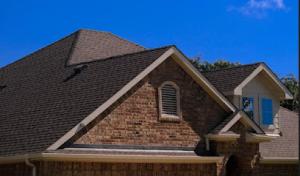
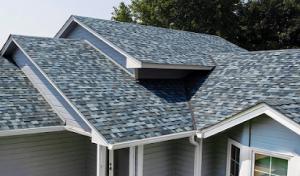
Haslet's roofing scene isn't a one-thing story. Asphalt shingles are common, but the street also features metal panels, clay and concrete tile, wood shakes, and newer synthetic options. This breadth means that when you walk a block after a hail event, you'll see a spectrum of repairs and replacements. Each material reflects a balance between curb appeal, long-term performance, and the realities of a growing, suburban neighborhood.
The newer suburban stock and larger-lot custom homes create a split market. For standard laminated shingles, the replacement approach tends to be straightforward and uniform, focusing on a watertight seal and familiar warranties. In contrast, premium systems such as metal or tile are more likely on higher-end homes where roof profiles, spans, and overhangs are more intricate. When choosing, you'll weigh how a heavier system sits with the roof geometry, attic ventilation, and the visible lines of the home's design.
Summer heat in this area matters for handling and installation pace. Asphalt products expand and contract with sun, so installation sequencing and nailing patterns are tapered to avoid future buckling. Metal panels require careful seam alignment and thermal movement considerations, especially on larger roof runs. Clay and concrete tile bring brittle handling into play; elbows, hips, and penetrations demand careful staging and longer lead times. Having a contractor who plans around heat and provides shaded work windows can keep crews efficient and material damage minimal.
Start by identifying your roof's architectural cues and how they align with your neighborhood's material mix. If your home features strong horizontal lines and a mid-century vibe, asphalt or synthetic shingles may fit cleanly, with simpler maintenance. If your lot and design showcase heritage elements or bold roof lines, metal, tile, or a textured synthetic could preserve curb appeal while delivering durability. Factor in the roof's shape, the attic's ventilation needs, and the potential for future replacements in a hail-prone market. In all cases, discuss paneling or shingle overlays, nail patterns, and warranty terms with a local contractor who understands Haslet's climate and the way heat shapes each material's performance. Align expectations about weight, roofline changes, and the impact on long-term maintenance, so the final choice ages well under Texas sun and seasonal storms.
When a spring hail event hits the Haslet north Fort Worth fringe, you'll notice pricing and scheduling tighten quickly. Crews, dumpsters, and material deliveries get scarce as demand spikes, and that can push project timelines and costs higher for a few weeks. Local pricing is heavily affected by these storm-driven demand spikes, so you'll often see quotes that sit higher during the immediate aftermath and settle back toward normal after the market absorbs the volume. If you're weighing options, plan for a window that allows for potential delays or rush fees, especially when neighboring homes are also pursuing full replacements.
Haslet's mix of straightforward subdivision roofs and larger custom homes means roof complexity can vary widely. Upgrading to metal or tile isn't just a cosmetic choice-labor moves with the scope. Metal and clay or concrete tile installations require additional structural considerations, underlayments, and sometimes revised roof penetrations or flare-outs at edges and dormers. That extra labor translates into higher costs, particularly on custom projects with irregular roof lines or multiple slopes. For reference, typical square costs range from asphalt shingles at about 350-650 USD per square, up to metal at 600-1100, clay tile at 900-1500, concrete tile 700-1200, wood shingles/shakes 500-900, and synthetic/composite shingles 450-900 per square. In Haslet, expect these ranges to shift upward slightly during storm surges, and consider the long-term value of a more durable option if you're dealing with frequent hail exposure and high energy use.
Expect variability in the project timeline based on roof size and complexity. A modest asphalt replacement can proceed faster than a multi-slope, tile, or metal installation, which often requires more precise detailing, stricter waste management, and extended material coordination. To keep budgeting realistic, itemize the major cost drivers: material type, roof size in squares, complexity factors (like multiple valleys, dormers, or reinforced decking), and the anticipated labor hours for installation. In Haslet, the delta between simple and complex jobs can be substantial, so prepare a contingency for unforeseen structural or accessory work that may surface once the old roof is removed. With hail-driven demand, a well-timed start window can help you lock in better material pricing and crew availability.
For a typical Haslet home, estimate your baseline by multiplying the roof area in squares by the per-square cost range for your chosen material. If upgrading from asphalt to metal or tile, add the premium for the higher labor and potential structural work. Build a modest contingency (5-15%) into the total and discuss possible rate changes with your contractor as soon as a storm season looms. Given the local market dynamics, getting quotes from a few experienced Haslet-area roofers early in the season can help you secure a more predictable price range and a workable schedule when spring hail moves through the area.
Black Tie Roofing & Construction
(817) 401-6440 www.blacktieroofs.com
1309 Twisting Meadows Dr, Haslet, Texas
5.0 from 60 reviews
Tile Roofing, Metal Roofing, Roof Repair, Roof Replacement, and more. Black Tie Roofing and Construction is here to meet all your needs. We have 28 years of experience in the industry. We are upfront and honest and we put an awesome warranty behind our work. We treat people with dignity and always make sure the job gets done right.
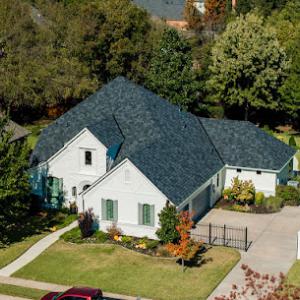
Reliable Roofing & Construction
(817) 753-0653 builtreliable.com
13433 Fishing Hole Ln, Haslet, Texas
4.9 from 28 reviews
Reliable Roofing & Construction is a premier, family-owned roofing company dedicated to delivering exceptional roofing services across the DFW area, covering Tarrant, Wise, Parker, Dallas, and Denton Counties. Our commitment to quality and reliability is evident in every residential roofing project we undertake, from minor repairs to complete remodels. At Reliable Roofing & Construction, we believe in empowering our clients with the knowledge they need to make informed decisions, guiding everything from materials to insurance claims processing. Let us protect your home with our expertise, commitment to quality, and a customer-first approach that truly sets us apart.
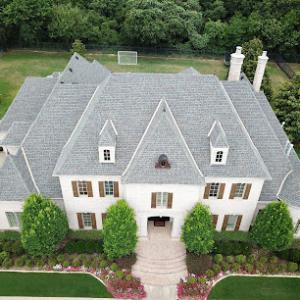
CMAC Roofing
(682) 218-7221 www.cmacroofing.com
199 Co Rd 4840, Haslet, Texas
4.5 from 82 reviews
CMAC provides expert Residential & Commercial Roofing, Home Restoration, Gutters, Garage Doors, & Storm Response support. Serving Dallas-Forth Worth, TX. with transparent, professional service. Call us to unlock your property's potential!
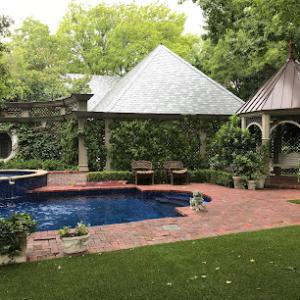
Classic Superoof
(817) 268-1500 www.superoof.com
1097 School House Rd #989, Haslet, Texas
4.5 from 15 reviews
The best roof is the one you can forget! Our products are more durable, more energy efficient, longer lasting and more beautiful than standard asphalt type roofs. We are installers and distributors, certified and qualified to handle the most complex projects. Superoof is an Owens Corning Preferred Contractor, a stone coated steel Master Roofer for Tilcor Roof Systems, and an IB Roof System factory trained technician.
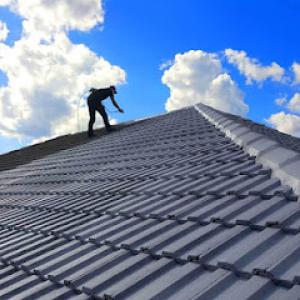
Brooks Roofing & Construction
(833) 564-6272 www.brooksroof.com
1150 Blue Mound Rd W Suite 709, Haslet, Texas
4.1 from 18 reviews
Premier roofing and construction company focused on providing customers with high quality service and value. Commercial Roofing Systems (EPDM, TPO, Metal, Asphalt) Residential Roofing Systems (Metal, Shingle, Clay, Ceramic) Residential & Commercial Construction (Masonry, Siding, EIFS / Stucco) Metal Buildings Outdoor Living Areas Insurance Specialists
RCI Construction
(817) 865-3500 www.rci-construction.com
Serving
5.0 from 38 reviews
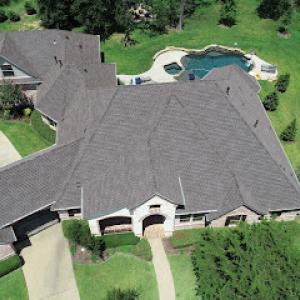
RCI Construction is a premier general contractor specializing in roofing construction. As a tier 1 roofing company, we serve residential, multifamily, commercial, and industrial sectors with unmatched expertise. With over 13 years of experience, we operate with a spirit of excellence, embodying our belief in "show me, don't just tell me." Our commitment to premium craftsmanship and customer satisfaction is evident in every project we undertake. At RCI Construction, we pride ourselves on delivering top-tier roofing solutions that exceed expectations and set industry standards.
Miller Storm Roofing & Reconstruction
(817) 646-9815 www.millerstorm.com
Serving
4.8 from 413 reviews
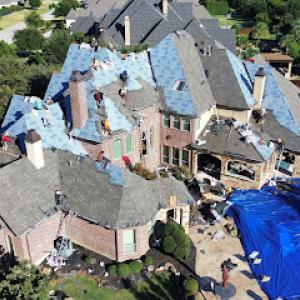
Miller Storm Roofing & Reconstruction delivers high-quality residential and commercial roofing solutions throughout Fort Worth and the surrounding DFW region. Built on family values and powered by a professional team, we combine personal service with large-scale capability. From hail damage inspections to full roof replacements, our process is transparent, efficient, and tailored to your needs. We support homeowners through the insurance process and provide ongoing service for long-term protection. With proven systems, strong reviews, and scalable infrastructure, we are trusted by families, businesses, and property managers across Texas.
Patriot Construction DFW
(469) 514-2917 www.patriotconstructiondfw.com
Serving
4.7 from 45 reviews
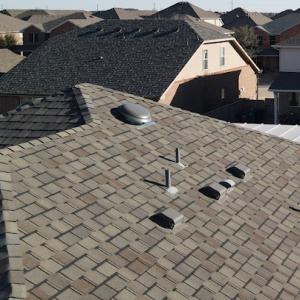
Patriot Construction DFW is a full-scale general contracting company specializing in storm damage roof replacement, commercial roofing systems, gutters, windows, interior/exterior painting, fences, fence staining, pergolas and patios, and custom chimney caps.
A5 Roofing
Serving
4.8 from 58 reviews
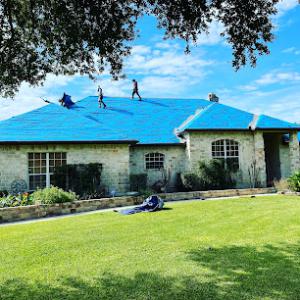
New roofs or replacing an existing roofing system can be a frustrating undertaking, especially when an Insurance company is involved! Installing a new shingle roof or metal roofing system onto your home is a great way to not only add value back into your home, but also will prevent any possible interior damage further down the line! Hail Storms and Wind Storms bring lots of roof damage to our area, and homeowner's need a trusted Roofing Contractor they can count on to start and finish the job RIGHT! A5 Roofing is changing the way that roofers do business, by focusing on the Customer Experience FIRST- not the dollar value. At A5 Roofing- we're not just building roofs, we're Building Relationships!
Park Vista Roofing
(682) 214-7533 www.parkvistaroofing.com
Serving
5.0 from 105 reviews
Residential and commercial roofing contractor that's born and raised in Fort Worth. We don't ask to see your insurance check to get a written estimate; we don't play those games! Your home is only as strong as your roof. If you have minor leaks, hail or wind damage, you need a roofing contractor who can provide the right repairs! We don't cut any corners!
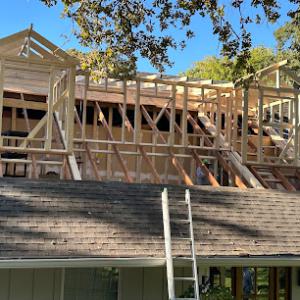
SkyGuard Roofing Solutions
(682) 330-5088 www.skyguardrs.com
Serving
5.0 from 29 reviews
SkyGuard Roofing Solutions, a trusted name in roofing, provides exceptional service and quality craftsmanship for your home. Located in Fort Worth, their experienced team offers comprehensive solutions for all your roofing needs, from minor repairs to complete replacements. With a focus on durability and customer satisfaction, they ensure every project is completed with precision and the highest standards of safety. Choose SkyGuard for a reliable roof that protects your investment and provides peace of mind.
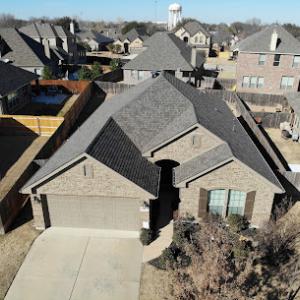
John Kirk with Linear Roofing
(817) 832-4598 www.linearroofing.com
Serving
5.0 from 68 reviews
Thank you for reaching out to learn more about me, John Kirk. I am a roofing contractor in Fort Worth, TX, that was born and raised in Fort Worth. I attended Texas A&M University, which my wife also attended. My past jobs include many positions, from forest firefighter to professional football player. In 2019 I started working as a roofing contractor, and I have found it to be one of the most rewarding jobs I have ever had. I love working with different homeowners and seeing their smiles. Being a Roofing Contractor also allows me more flexibility to spend time with my wife and three kids. Our family loves to travel and spend time in nature. You may have noticed the Sasquatch logo, which is my own personal nickname around the DFW area.
For a full roof replacement, a building permit is typically required. In practice, the roofing contractor usually handles the permit submission to the City of Haslet, so you'll want to confirm that your contractor has the correct project details and contact information on file. The permit process helps ensure the replacement aligns with local wind and hail requirements, drainage and venting standards, and any city-specific setbacks or zoning considerations. Understand the expected timelines and keep a point of contact at your contractor's office to track status, inspections, and any additional documentation the city requests.
Inspections in this jurisdiction commonly verify underlayment quality, fastener patterns, and venting before final approval. Because the review often catches mid-project issues, compliance at intermediate stages matters more than in places with only a final sign-off. Plan for at least one mid-project inspection window, typically after the underlayment and starter course are installed but before the final layers go on. If your roof is visible or sits high on the ridge, ensure ladders and access are secure and that the contractor coordinates with the city inspector to avoid rework. If a problem is flagged during an early inspection, address it promptly to keep the project on track and minimize additional permit-related delays.
A final inspection is performed upon completion, so you should confirm the job is not considered finished until the city's process is closed out. Your contractor should request the final inspection and provide any required documentation, such as material certifications or warranty disclosures, to the inspector. Keep the area clean and free of debris during the final walk-through so nothing blocks access to eaves, vents, or flashing details that inspectors will review. After the final inspection passes, you'll receive the city's sign-off, which completes the permit. If you have any concerns about the final appearance or flashing alignment, raise them before the close-out so that the contractor can address them without delaying occupancy or creating lien concerns.
Haslet homeowners operate in a Texas hail-claim environment where insurers commonly demand detailed damage photos, material specifications, and condition reporting before approving the scope. After a storm, you should walk your roof with purpose: document soft spots, bruising on shingles, hail hits on edges and vents, and any sample of granular loss. Take clear close-ups and wide shots that show the overall roof, gutters, and any neighboring properties that were similarly affected. A professional inspect-and-report can build a firm baseline, but expect the insurer to request additional angles or notes, especially if the roof is older or contains higher-end materials. Delays happen when photos don't meet the insurer's clarity or labeling expectations, so organize images with dates, locations on the property, and a concise damage description.
Some carriers serving hail-prone Texas markets require wind or hail mitigation documentation as a condition of coverage, which can influence material choice and installation details in Haslet. If a policy asks for such proof, expect questions about reinforced attic spaces, underlayment choices, secondary water barriers, or attic ventilation improvements. This does not lock you into a single product, but it can nudge the project toward certain systems and installation practices that align with the insurer's risk view. Work with a contractor who understands how to present mitigation measures in a way that supports coverage while still matching the home's architecture and your long-term goals. Missing or mismatched documentation can stall approval and push a project timeline toward storm season peaks.
Because claim activity is high after regional storms, adjuster review and supplement negotiations can materially affect project timing in Haslet. A busy adjuster may request additional photos, re-inspections, or third-party assessments before approving scope changes. If the initial assessment underestimates the damage or misses hidden issues like deck-fastener corrosion or vent boot failures, supplements become essential. Prepare for a back-and-forth cycle where the scope expands as more problems surface during teardown or underlayment checks. Staying organized with all correspondence, photos, and product specifications helps quickly align expectations between you, the adjuster, and the contractor. When timelines stretch, maintaining clear communication about weather windows, material lead times, and staging helps minimize the risk of weather-related setbacks.
Start by compiling a simple damage log after storms: dates, observed issues, and photos. Have a trusted local contractor review the roof early and provide a scope that reflects Haslet's climate realities-especially wind-driven and hail-driven concerns. If mitigation is part of coverage, request an itemized list of recommended measures and how each supports the claim. Keep all receipts, contracts, and correspondence in one place, and respond promptly to any insurer requests to prevent avoidable delays in starting the replacement.
Connect with contractors who help homeowners navigate the claims process from damage assessment to final approval.
Black Tie Roofing & Construction
(817) 401-6440 www.blacktieroofs.com
1309 Twisting Meadows Dr, Haslet, Texas
5.0 from 60 reviews
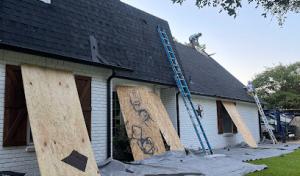
Power House Roofing & Construction
(817) 720-6465 www.pwrhouseroofing.com
12512 Willow Springs Rd Suite 100, Haslet, Texas
4.8 from 83 reviews
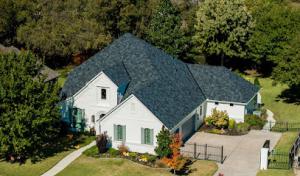
Reliable Roofing & Construction
(817) 753-0653 builtreliable.com
13433 Fishing Hole Ln, Haslet, Texas
4.9 from 28 reviews
Haslet's hot summers make attic heat buildup a practical concern during replacement, especially on asphalt-heavy neighborhoods. When shingles sit on a roof deck in extreme heat, the underlayment and decking can soften, and attic temperatures can spike, which stresses new materials. Plan for a careful venting layout that moves air end to end and uses ridge and soffit vents in combination. If soffit intake isn't paired with adequate exhaust, heat pockets form near the peak that can age asphalt sooner and reduce insulation effectiveness. A phased approach during replacement helps: first confirm vents remain clear, then install temporary ventilation during the process to keep the deck cooler. On newer metal or tile systems, ensure the installer checks flashing around penetrations while the roof is hot, since heat can expand metals differently and reveal gaps once the temperature drops.
City inspections in Haslet specifically checking venting means ventilation is not just a comfort issue but part of passing the local roofing process. Bring in a crew that treats venting as a critical component, not an afterthought. The inspector will look for continuous soffit and ridge or alternative exhaust paths, plus attic baffles that keep airflow unobstructed from eave to peak. If a retrofit is needed, address it before finalizing the resheet, because inadequate venting can trigger rework. Drying, condensation, and mold concerns in the attic are also tied to how well the roof breathes after replacement, so verify that underlayment and ventilation work in concert with the chosen roof system.
Summer installation windows in Haslet can slow crew pace and affect how materials are staged and handled on the roof. Plan for sun exposure during peak heat hours and schedule the most physically demanding steps for cooler mornings. Keep bundles secured and off the heat-absorbent deck to prevent warping or distortion of shingles or panels. Communicate with the crew about temporary shade or fan-assisted airflow at the eave line, and ensure a clear path for moving materials to and from the roof so the job doesn't stall when heat spikes hit mid-day.
When a spring wind or hail storm tears through the suburban blocks on the north Fort Worth fringe, leaks often show up as sudden openings rather than gradual drips. Emergency roof calls in Haslet follow these events, and the first priority is tarping before a full replacement can be scheduled. Weather delays, busy crews, and the need to coordinate interior dry-in work all create pressure to move quickly. If you notice sunlight in the attic, buckled shingles, torn underlayment, or water staining near ceiling joints after a storm, don't hesitate-activate a temporary dry-in, then lock in the permanent repair plan while the weather and schedules align.
Skylight penetrations are a meaningful enough specialty in the local market to warrant separate attention during storm inspections and leak tracing. A hail hit on a skylight frame or a seam can bleed water horizontally into rafters and along insulation bays, often tracing a zigzag path to multiple rooms. During a storm inspection, test each skylight for glazing cracks, frame gaps, and flashing integrity. Even if the visible damage seems localized, check surrounding roof planes for hairline cracks around fasteners and along valley intersections. Document all penetrations, and treat skylight leaks as a high-priority pathway for moisture to travel, not a single-point fix.
Weather interruptions in Haslet can stretch the gap between damage and permanent repair, increasing the importance of temporary dry-in work. If a windy front or late-season storm delays wholesale replacements, your dry-in steps become the critical bridge: place sturdy tarps, seal vulnerable edges, and maintain breathable venting to prevent condensation buildup. Communicate a clear plan with your crew for rechecking seals after each cold snap or rain event, because minor shifts in temperature and wind direction can reopen vulnerabilities. Keeping the dry-in tight today reduces the risk of interior damage tomorrow.
When you can't wait, these contractors offer fast response times to stop leaks and prevent further damage.
Power House Roofing & Construction
(817) 720-6465 www.pwrhouseroofing.com
12512 Willow Springs Rd Suite 100, Haslet, Texas
4.8 from 83 reviews
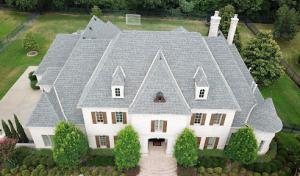
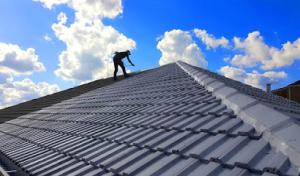
Brooks Roofing & Construction
(833) 564-6272 www.brooksroof.com
1150 Blue Mound Rd W Suite 709, Haslet, Texas
4.1 from 18 reviews
Low-slope sections, detached structures, and accessory buildings are common around Haslet's residential-rural edge, where mixed residential-commercial contractor activity brings a range of flat-roof details into the mix. These roofs behave differently than steep-slope homes, so approach them with a plan for drainage, waterproofing, and durable sealants that can withstand spring rains and hail-driven weather. Haslet's local market includes flat-roof specialists, so you'll often see true flat, low-slope, and metal or membrane solutions alongside traditional shingles on main roofs.
Heavy spring rains in Haslet stress drainage and dry-in sequencing on low-slope areas. Prioritize a proven underlayment and edge drain plan, with properly counterflashed edges where parapets or parapet-like features exist. Ensure drip edges, scuppers, and diversion tracks are integrated into a cohesive system that guides water away from walls and fastener zones. For porches or attached sunrooms, verify that transitions between roof planes shed water toward scuppers or gutters rather than pooling at joints. Regularly check for clogged outlets after storms, and plan seasonal resealing on any membrane seams to avoid slow leaks that can creep under flashing.
The market's flat-roof specialization means some projects combine flat or low-slope sections with wood or metal details. When evaluating these areas, pay close attention to membrane compatibility with adjoining materials, as mismatches can lead to edge curling or fastener pop. For additions, ensure the new roof integrates with the existing drainage plan and that flashings extend through to the main structure without creating hidden water traps. If you have a detached structure, treat its roof as a separate system with its own drainage path and inspection routine.
Inspect low-slope roofs after severe storms, paying particular attention to seam seals, terminations, and edge metal. Look for UV degradation on membranes and for standing water in any shallow areas after heavy rain. Schedule targeted maintenance for connectors, penetrations, and any HVAC curb details that create potential leak points. Regular maintenance reduces the risk of surprises during hail-driven replacement cycles.
Expect a local mix of flat-roof specialists and general contractors. When selecting a contractor, confirm experience with low-slope detailing, membrane options, and appropriate dry-in sequencing for porch or outbuilding projects. Ask for project examples with similar roof configurations and a clear plan for water control across all connected sections.
Find specialists in TPO, EPDM, and built-up flat roofing systems for residential and commercial properties.