
Last updated: Apr 19, 2026
Poulsbo sits on Liberty Bay in the Puget Sound marine climate, where wet winters and mild summers keep roofs damp for long stretches rather than exposing them to prolonged heat. That extended dampness accelerates moss growth, lichen, and subtle edge deterioration on shingle and metal roofs alike. Because the air carries salt spray from the Sound, you'll notice more rapid staining and mineral buildup on exposed surfaces. In practical terms, that means you'll likely contend with a moss-friendly environment for many months at a time, especially on shaded portions of the roof and valleys where moisture lingers.
Moss isn't just a cosmetic issue in this city; it acts like a sponge, holding moisture against roofing substrates and underlayment. In Poulsbo's pattern of frequent rainfall, moss roots can penetrate small gaps and microcracks, widening them over seasons. Shingles may stay damp longer, which softens edges and can shorten the effective life of asphalt, synthetic, or wood components. Metal roofs aren't immune either-they experience slower surface drying, and moss can trap moisture at seams and fasteners, promoting corrosion on coastal exposures. The recurring consequence is an aging cycle that shows up as granule loss on shingles, dark staining, and occasional soft spots when moss blankets sum up more than a single season.
During the wet season, you should prioritize proactive inspections after heavy rain and again after the first dry spell of spring. Look for persistent moss growth in shaded eaves, drip edges, and along the ridge where water tends to pool. Remove moss carefully with a plastic scraper or a non-abrasive brush to avoid lifting granules or scratching metal finishes; never use a pressure washer, which can push moisture under flashing. Clear gutters and downspouts so water can shed freely; clogged channels keep moisture against fascia and roof edges, accelerating wear in the micro-cracks that moss loves. If you spot loose or curling shingles, damaged underlayment, or uneven surface areas, plan a targeted repair rather than a full re-cover during the wet season.
In the Poulsbo climate, valleys and flashing are common failure points because moisture concentrates there. Inspect metal flashing for loose fasteners, corrosion, or displaced sealant as winter rains resume. Check for softening of plywood or sheathing around vulnerable low-slope sections where standing water might collect after a long wet period. Moss can migrate toward these zones, finding quiet crevices to anchor. If repairs are needed, address them promptly to prevent moisture intrusion behind the outer roofing layers. Keeping flashing sealed and gutters clear reduces the risk of creeping dampness that compounds moss-related aging.
Replacement timing in Poulsbo is commonly pushed into the drier late-spring through early-fall window to reduce exposure risk during tear-off and installation. If a roof is approaching the end of its design life and you've already fought recurring moss buildup, consider coordinating a replacement during that drier span. A staged approach-addressing critical leaks or compromised flashing first, then scheduling a full replacement when the weather is favorable-helps limit months of exposed substrate and keeps tear-off dryness a priority. On aging roofs, choose materials that balance moss resistance with local humidity tolerance: durable synthetic shingles or metal in coastal profiles often perform well when paired with proper underlayment and annual moss mitigation.
Keep a regular schedule for seasonal inspections, focusing on moss clusters, shaded corners, and any area with slow drainage. In this marine climate, your roof is a living system that breathes with the seasons; treating moisture management as a constant practice rather than a single event yields the longest life from Poulsbo's roofs. If you notice persistent dampness, unusual staining, or recurrent moss growth in specific zones, target those zones for more frequent care and consider a professional evaluation to confirm the integrity of underlayment and flashing before the next wet season begins.
Winter storms and heavy rain in this area can delay active roofing work and create exposure concerns if a roof is opened up at the wrong time. When the skies finally clear, homeowners often discover fresh leaks or accelerated moss growth that already has a foothold. In this climate, a temporary cover or rapid-fix patch is sometimes needed to keep interior spaces dry while crews re-schedule. The timing of repairs matters: wet decks, slippery slopes, and wind-driven rain can jeopardize safety and extend repair timelines. When a storm rushes in, think through a plan for access, tarps, and temporary protection that minimizes exposure to open roofs during the wet season.
Washington wind-and-rain events commonly drive roof claims in this region, so Poulsbo homeowners often need photos, age records, and condition documentation after leak or wind events. Start by photographing every angle of obvious damage, including attic surfaces if light pours through. Save timestamps from storm days and keep a simple log of when leaks first appeared, how they progressed, and what interior spaces were affected. If shingles are curled, granules are missing, or corrosion shows on metal, document with close-ups and wider roof shots. Insurance adjusters value a concise, dated sequence: what happened, when it happened, and what you did to mitigate exposure.
Because moisture-related wear is common locally, homeowners need to distinguish sudden storm damage from long-developing deterioration when documenting a claim or repair need. A rapid, wind-driven uplift or hail impact can create new leaks in an afternoon, while moss-dense areas and aging underlayment may leak gradually after months of wet weather. Look for crisp, new openings along ridge lines or flashing, versus softer, diffuse moisture patterns that trace back to aging underlayment or compromised decking. When in doubt, have an impartial third party assess both the visible surface and the attic, with notes on whether damage is storm-induced or a consequence of long-running moisture exposure.
If a leak is active, place absorbent towels or a bucket beneath, protect valuables with plastic, and minimize electrical hazards by shutting off circuits in the affected rooms if water is spreading. Schedule a rapid inspection by a trusted local roofer who understands Puget Sound conditions and can mobilize despite winter weather. Request a comprehensive assessment that includes underlayment, flashing integrity, moss growth, and ventilation health. Finally, create a short-term maintenance plan focused on moss control and moisture management to slow aging and extend roof life through the wet season.
Find local contractors experienced in assessing and restoring roofs after hail, wind, and severe weather events.
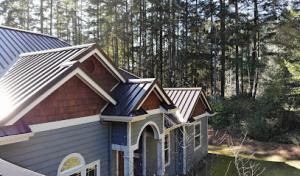
Integrity Roofing & Construction
(360) 516-2478 integrityrc.com
20054 Viking Ave NW, Poulsbo, Washington
4.8 from 642 reviews

Spruce Properties
(360) 626-1908 www.sprucepropertiesnw.com
19589 Front St NE, Poulsbo, Washington
5.0 from 36 reviews
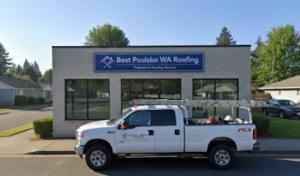
Best Poulsbo WA Roofing
(360) 994-3372 bestpoulsbowaroofing.com
19439 7th Ave NE, Poulsbo, Washington
5.0 from 2 reviews
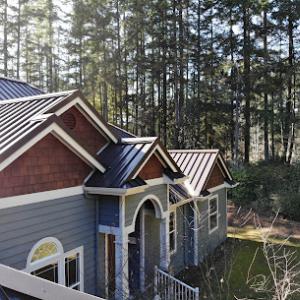
Integrity Roofing & Construction
(360) 516-2478 integrityrc.com
20054 Viking Ave NW, Poulsbo, Washington
4.8 from 642 reviews
Roofing, siding, and other construction services for residential and commercial properties.

Spruce Properties
(360) 626-1908 www.sprucepropertiesnw.com
19589 Front St NE, Poulsbo, Washington
5.0 from 36 reviews
Spruce Properties is a trusted roofing contractor in Poulsbo, WA, specializing in professional roof replacement services for local homes and businesses. In the Pacific Northwest, constant rain, wind, and seasonal storms often cause wear, leaks, and moss growth, making timely roof replacement essential to protect your property. Our skilled team provides reliable solutions for shingle, metal, and flat roofing systems, ensuring durability against the area’s challenging weather conditions. With a commitment to quality workmanship and customer care, Spruce Properties is proud to be the choice for dependable and experienced roofers in Poulsbo and the surrounding communities.
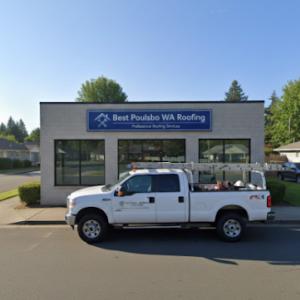
Best Poulsbo WA Roofing
(360) 994-3372 bestpoulsbowaroofing.com
19439 7th Ave NE, Poulsbo, Washington
5.0 from 2 reviews
Experience peace of mind with Best Poulsbo WA Roofing, your trusted partner for superior roofing solutions. Our dedicated team of experts delivers exceptional craftsmanship and reliable service, ensuring your home is protected with the highest quality materials. From new installations to meticulous repairs, we handle every project with precision and care, serving the Poulsbo community and surrounding areas. Choose the local professionals who prioritize durability and customer satisfaction for all your roofing needs.
Ark Industries Construction
(425) 908-9338 www.arkindustriesllc.com
Serving
4.9 from 30 reviews
Ark Industries Construction Strives to provide the ultimate Home building, commercial building: Cladding, Paint, Roof Solutions for Residential and Commercial jobs. With an amazing team providing over 50 Years Of experience you can rest assure you will be taken care of while providing a long lasting end product backed by our warranty. Ark Industries is Working today to provide tomorrows Future.
Kitsap Roof Pros
(360) 919-0374 kitsaproofpros.com
Serving
4.9 from 117 reviews
Kitsap Roof Pros is a local Roofing contractor providing dependable roofing solutions for homeowners and businesses. We handle residential roofing and commercial roofing, storm damage repair, gutter installation, roof maintenance, and roof cleaning, plus attic insulation and skylight installation to improve protection and efficiency. Licensed and insured in Washington, our team is known for punctual crews, clean job sites, and clear communication. Storm damage is a specialty, and we can guide the insurance claim process and be on-site with the adjuster when needed. Roof replacements include a 15–25 year in-house labor warranty, and 24/7 emergency roof support is available. Proudly serving Silverdale, WA and surrounding areas.
Leading Edge
Serving
4.8 from 12 reviews
DOING BUSINESS WITH INTEGRITY SINCE 2019 RELY ON US FOR PROFESSIONAL ROOF SERVICES IN OR AROUND KINGSTON, WA Want to hire roofers who won't cut corners? You've come to the right place. The team at Leading Edge in Kingston, WA is known for their honest business practices and professional roof services.
Hood Canal Roofing
(360) 689-0321 canalroofing.com
Serving
5.0 from 107 reviews
Proudly serving the Puget Sound! We specialize in roof inspections, roof repairs and full roof replacements in Pouslbo, Kingston, Bainbridge Island, Silverdale, Bremerton, Indianola, Suquamish, Gig Harbor, Port Gamble, Port Orchard, Port Ludlow, Hansville.

Fav's Moss Removal
(360) 643-5389 www.fmremoval.com
Serving
5.0 from 21 reviews
Welcome to Fav's Moss Removal and Pressure Washing Service, where we turn your property from dull to dazzling! Are you tired of seeing unsightly moss, grime, and dirt taking over your once beautiful outdoor spaces? Look no further! At Fav's Moss Removal we specialize in restoring the natural beauty of your property through our expert moss cleaning. But we don't stop at moss cleaning! Our pressure washing service is designed to breathe new life into various surfaces, including driveways, patios, decks, siding, and more. We use specialized techniques to remove stubborn stains, dirt, and grime, restoring surfaces to their original glory without causing any damage.
Roofing & Maintenance
(360) 535-0767 www.roofingandmaintenance.com
Serving
5.0 from 11 reviews
Roofing and Maintenance is a premier roofing contractor in Kitsap County. Since our inception in 2023, our team of skilled professionals has provided comprehensive solutions for both residential and commercial clients, meticulously handling various roofing projects each year. With a focus on durability and aesthetics, we take pride in our ability to protect and enhance the value of your property through expert installations and repairs. Trust us to elevate the appearance and functionality of your roof while ensuring long-lasting performance and peace of mind.
Genesis Roofing Services
(425) 595-8020 www.genesisroofingservices.com
Serving
4.9 from 48 reviews
At Genesis Roofing Services, we offer roofing, residential re-roofing, roof repair, roof installation, roof cleaning services. We proudly serve Snohomish & King Counties. Count on us for local, professional roofing services!

Roof Tec
(206) 488-7855 www.roof-tec.net
Serving
4.7 from 64 reviews
Roofing contractor. Roof Cleaning. Roof Repair.

Three Tree Roofing
(206) 210-3300 www.threetreeroofing.com
Serving
5.0 from 90 reviews
Finding the right Seattle roofer makes all the difference when it comes to protecting your property. At Three Tree Roofing, we bring years of experience, quality materials, and careful workmanship to every project. We know Seattle’s weather can be tough on roofs, so we focus on solutions that keep your property safe, dry, and comfortable year-round. Our friendly crew takes pride in clear communication, honest service, and treating every home like our own. From the first inspection to the final cleanup, we’re committed to making the process smooth and stress-free. With Three Tree Roofing, you get more than just a roof; you get peace of mind knowing your property is well protected for years to come.
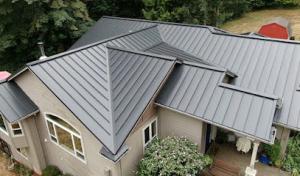
In Poulsbo's long wet season, asphalt shingles and metal roofing are the dominant practical choices. Asphalt shingles deliver straightforward installation, solid curb appeal, and reliable protection when paired with a well-designed underlayment. Metal roofs offer excellent durability against salt spray and moss-driven wear, with fast shedding of moisture that helps limit standing water on slope-based systems. Tile, composite, and slate appear on higher-end or style-driven homes, but their added structural demands and installation complexity can complicate workmanship in coastal settings. For waterfront and exposed sites, that balance between aesthetics and performance matters: you'll want a system that handles dampness without becoming overly heavy for rafters and decks. In patterns common to the region, the choice often comes down to how each roof system handles moss growth, drainage, and seasonal moisture.
Poulsbo's wet climate puts a premium on underlayment quality and drainage detailing. A robust synthetic or rubberized underlayment beneath any visible roof surface is a must, especially where moss pressure is a constant concern. Pay attention to drip edges, kickouts, and precise valley flashing to prevent moisture from creeping into eaves or wall lines. Metal roofs should be paired with appropriate sealant and panel trims that resist salt spray and minimize fastener exposure to corrosive elements. For tile and heavy composite options, ensure the roof deck is solidly vented and that underlayment choices accommodate the material's weight and expansion patterns. In all cases, slopes should be designed with generous edge drainage and moss-shedding capabilities, so moisture does not linger near fasteners or join lines. This region often experiences fog and dew that keep surfaces damp; the goal is a system that dries quickly after rain and sheds moss rather than inviting it.
Snow load and freeze-thaw exposure matter more on exposed sites in the region, which can affect how heavier materials and vulnerable details perform over time. If a heavier option like tile or slate is considered, ensure the structure can support the weight and that fasteners, battens, and rafter spacing are designed for maritime conditions. For asphalt or metal, verify that the deck framing accommodates potential moisture-induced movement and that fasteners are corrosion-resistant and properly sealed. Edge details, chimney transitions, and skylight interfaces deserve special attention on exposed parcels, where wind-driven rain and salt air can leverage micro-movements into small leaks. In practice, this means meticulous flashing, moisture barriers at penetrations, and a focus on long-term moss management so that performance remains consistent across decades. The goal is to choose a material that aligns with the home's design intent while delivering dependable moisture control in a climate that never truly dries out.
Local contractor specialization data shows unusually strong demand for skylight work, chimney-related roof detailing, and flat or low-slope sections alongside standard residential re-roofing. The mix of steep pitches and flat transitions means you'll often be balancing multiple roof types on one project. Water behaves differently around skylight flashing, chimney bases, and low-slope valleys, especially after long wet seasons. Expect longer bids and more meticulous detailing when any of these features are involved.
Skylight installations and replacements in this market demand precise flashing and careful integration with roof seams. In long dry spells you might not notice small leaks, but during the frequent rain events, even minor gaps become pathways for moisture. Choose a contractor who can tie the skylight well into the surrounding shingles, with drainage factoring in the slope and the prevailing wind patterns over Liberty Bay. If the skylight sits near a chimney or a vent stack, insist on a single, continuous weather barrier that bridges all penetrations rather than isolated patches.
Chimneys demand attention to flashing, cricket placement, and the mortar crown's durability. Water often tracks along the chimney-flashing junctions and down into the roof deck during Poulsbo's wet months. A common mistake is treating chimney work as a separate task rather than part of the roof system. Ensure the contractor treats the chimney flashing as a continuous envelope, with integrated sealing that resists salt-air corrosion and moss intrusion. If the chimney is adjacent to a low-slope section, expect additional attention to the transition zone where two roof geometries meet.
Low-slope sections are particularly vulnerable to moss, algae, and ponding buildup. Water management matters most here, because the long wet season can expose small membrane failures quickly. Look for installers who can sequence repairs so that low-slope areas receive equivalent attention to steep-slope zones, including proper edge detailing, membrane integrity, and robust flashing at all terminations. Mixed rooflines demand one contractor who can handle both steep and flat areas without sacrificing detail at transitions.
Find contractors experienced in skylight installation, flashing, and leak repairs to bring natural light into your home.
Spruce Properties
(360) 626-1908 www.sprucepropertiesnw.com
19589 Front St NE, Poulsbo, Washington
5.0 from 36 reviews

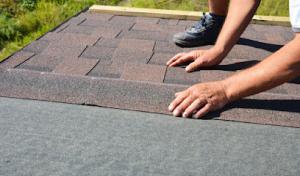
Poulsbo cost planning should start with local material ranges per square: asphalt shingles 350 to 650, metal 700 to 1100, clay tile 1100 to 2000, concrete tile 800 to 1400, synthetic/composite 500 to 800, and slate 1200 to 2500. Those ranges reflect the mix of waterfront and hillside homes common here, where long wet seasons and salt-air exposure drive both material choice and anticipated labor. When you're budgeting, use these per-square figures to estimate ballpark totals and then add for roof complexity.
Costs in Poulsbo can rise when projects must be scheduled into the region's drier work window, especially after winter storm demand spikes or when emergency dry-in is needed before full replacement. If a tear-off and re-roof must wait for a dry week, the crew's availability tightens and rates can shift upward. Plan for a potential delay premium if weather windows compress, and discuss a contingency for weather-related hold times with the contractor before signing.
Homes in this market often involve residential re-roofing with cleanup expectations, and pricing can shift further for complex rooflines, skylights, chimneys, low-slope tie-ins, or heavier materials that require more labor and structural consideration. In Poulsbo, moss-prone roofs mean crews may spend more time on debris removal and moss treatment during tear-off and reinstallation. Expect extra per-square charges for additional penetrations, improved underlayment, or re-flashing around chimneys and vents. If a roof includes low-slope sections or a transition to metal or tile, the labor intensity rises, pushing costs up within the material's general range.
Shingle asphalt remains the most budget-friendly entry point, but the damp climate and moss pressure often push homeowners toward metal or synthetic options for longer life with lower moss-related maintenance. Clay and concrete tiles bring durability and a distinct look but add weight and structural considerations, especially on older framing. Slate delivers longevity but comes with substantial upfront cost and framing needs. In waterfront or exposed zones, consider lighter, moss-resistant finishes and enhanced underlayment systems to better manage moisture and aging. Budget for both the material price per square and the concrete reality of waste, cleanup, and the inevitable extras that come with Poulsbo's climate.
Don't let upfront costs delay a critical repair - these contractors offer payment plans to fit your budget.
Integrity Roofing & Construction
(360) 516-2478 integrityrc.com
20054 Viking Ave NW, Poulsbo, Washington
4.8 from 642 reviews
Mountaintop Metal Roofing
(206) 339-9070 www.mountaintopmetalroofing.com
Serving
5.0 from 55 reviews
In Poulsbo and Kitsap County, a full re-roof typically requires a building permit rather than being treated as a no-paperwork project. The local approach reflects the region's wet climate and moss-prone roofs, where proper moisture management and installation details are essential to long-term performance. Before lifting the first roof panel, you must have a clear project scope and verified contractor license details in hand for submission to the building department.
Your submission should outline the scope of work, including roof material type, any structural changes, and ventilation or underlayment plans. The building department will expect a cohesive package that demonstrates moisture-control planning, drainage considerations, and compatibility with local weather patterns. If the project touches venting, attic access, or ladder-rack mounting, include notes on reinforcement and spacing to prevent leaks and ice dam issues in the winter.
Local practice emphasizes accountability. Have your chosen contractor provide current licensing, insurance certificates, and a project timeline. Some projects may require verification that the underlayment meets weather-resistance and code-compliant standards for Poulsbo's long wet season. Clear communication about product warranties, installation sequences, and sequencing-especially on steep roofs or waterfront features-helps prevent delays during review.
Inspections occur during and after installation, with a final sign-off closing the permit. Expect an inspector to verify, at minimum, that roof sheathing, underlayment, flashing, and penetrations meet code requirements and are properly integrated with proper attic ventilation. In some cases, the inspector may request documentation of weather-related testing or moisture barrier verification to confirm the roof remains resilient against Puget Sound moisture and moss exposure.
If weather windows tighten or delays occur due to rain, coordinate with both the contractor and the building department. Keeping notes on inspection appointments, corrective actions, and revised plans helps ensure a smooth path from permit intake to final approval.
Poulsbo homeowners operate in a Washington insurance environment where wind and rain events regularly trigger roof-related claims rather than hail-driven patterns seen in other regions. When a storm hits Liberty Bay and the spray travels inland, the first signs of trouble often show as moss-driven moisture intrusion rather than dramatic damage. Recognize that carriers will look for how moisture traveled, not just what was visibly damaged. The outcome can hinge on whether the issue is diagnosed as a sudden event or a pre-existing condition that degraded your roof over time.
Insurers commonly ask for roof age, current-condition documentation, contractor estimates, and photo evidence before deciding how a claim will be handled. In practice, that means you should have a clear record of the roof's condition prior to the most recent storm season: recent photos showing moss coverage, worn flashing, and any soft spots, plus a dated note from a reputable local roofer. When you file, provide contractor estimates that distinguish between repairable wear and hail- or wind-driven damage. Precise documentation helps prevent misclassification that can slow or deny coverage.
Because coverage terms vary by carrier and policy, homeowners in this market need to document both sudden storm impacts and any pre-existing moisture wear that insurers may try to separate from covered damage. Moss buildup, persistent wet seasons, and salt exposure accelerate aging in Poulsbo's climate. Take timely photos after storms, keep maintenance records, and submit a thorough history with your claim. This approach reduces ambiguity and supports a fair review, especially when a carrier questions the line between wear and damage.