Last updated: Apr 19, 2026
In this Lake Michigan North Shore pattern, winter freeze-thaw cycling repeatedly stresses shingles, underlayment, sealants, and metal flashings. The problem isn't just a single freeze or a single hail event; it's the repeated expansion and contraction that weakens compromises year after year. On established Winnetka homes with steep, high-value rooflines, slight edge separations or micro-cracks in the flashing can become leaks after a heavy thaw. The aging underlayment beneath the shingles can delaminate where temperatures swing from bitter cold to warm sun, pushing water into attic spaces you can't see from the ground. If a roof has multiple penetrations for vents, protrusions, or chimneys, those flashing details are the most likely failure points when the temperature swings are dramatic.
Spring hail is not just a weather event in this market; it's a diagnostic trigger. After a mid-winter, then a wet spring, hail damage can create microfractures in shingles that aren't obvious from the ground. In the North Shore, that damage often shows up as accelerated granule loss, asphalt shingle curling, or denting on metal flashing around dormers and copings. A thorough post-hail roof inspection should go beyond visible surface checks and include rapid tests around attic ventilation and ceiling leaks, because hail can punch through layers you don't routinely inspect. Insurance documentation becomes essential, and gathering photos and notes promptly after hail events helps protect the home's value if a professional assessment is needed later.
Warm summers followed by cold winters create a yearly expansion-contraction cycle that is especially hard on older roof penetrations and flashing details common on established homes. Metal flashings expand at different rates than shingles, and the seasonal tugging can loosen fasteners or create small gaps at valleys, step flashing, and around chimneys. On roofs with clay or concrete tiles, freeze-thaw cycles can push individual tiles out of alignment, creating hidden stress cracks that let moisture reach the underlayment. Penetrations for plumbing vents, skylights, and roof vents are the most vulnerable points where this cyclic movement concentrates, so these areas demand frequent inspection.
If a storm has recently passed, perform a cautious visual inspection from ground level and note any loose flashing edges, lifted shingles, or unusual granule shed in gutters. For those with reachable attic access, look for new signs of moisture, staining, or air leaks near vents and along the roof line. Schedule a professional roof inspection after major hail events or after several cycles of extreme temperature changes; the goal is to catch hidden damage before it develops into leaks. Ask for a flashing and underlayment review focused specifically on edge details, valleys, and penetrations, since these are the areas most compromised by the North Shore climate. In neighborhoods with mature trees, consider a quick check after storms to remove branches that could abrade shingles or puncture through overhangs during high winds. If you own a home with historically aged penetrations, plan proactive maintenance and targeted resealing to preserve the roof's integrity through another winter of freeze-thaw cycles.
Do not wait for a visible leak to take action. Small, proactive repairs to flashing, sealants, and attic ventilation now pay dividends as winter pressure returns. A neighborly reminder: after a brutal stretch of weather or a strong spring hail season, your roof deserves a professional eye for the delicate details that keep water out and heat in check. The goal is straightforward-preserve the roof's structure, protect the attic, and minimize the risk of hidden damage that can escalate with the next freeze-thaw cycle.
In Winnetka, the roofing landscape stands out from many Chicago suburbs because the material mix is broader and more intentionally chosen to match the northern climate and the area's architectural character. Asphalt shingles remain common for practical day-to-day coverage, but metal roofs, clay and concrete tiles, cedar shakes, and high-quality synthetic shingles all actively appear on North Shore homes. This variety isn't just about looks; it's about performance under freeze-thaw cycles, hail exposure, and the long, often ornate rooflines found on older, high-value homes. Your choice should align with the house's massing, the slope and run of the roof, and how the material will interact with flashing at valleys, dormers, chimneys, and skylight transitions. The goal is a roof system that sheds water reliably while preserving the architectural details that define the neighborhood's character.
Older homes in this area frequently feature steep pitches and complex geometries that create dramatic silhouettes. Valleys and intersecting ridgelines are not mere aesthetics; they're the places you want to double-check during replacement planning. For example, clay and concrete tiles can accentuate a Mediterranean or mission-inspired look, particularly on homes with tall, sculpted eaves. Cedar shakes bring a textured, natural warmth that pairs well with brick and stone facades, but they demand careful installation around eaves and vents to prevent moisture intrusion in freeze-thaw cycles. Synthetic and composite shingles aim to mimic traditional looks-like cedar or slate-while offering enhanced impact resistance and sometimes lighter weights for certain roof structures. Metal roofs, with their clean lines and durability, suit contemporary additions or homes with heavy snow shedding needs, yet they require precise flashing details to handle roof intersections and skylight transitions without leaks. Asphalt shingles remain a reliable baseline for many structures, but even there you'll see premium architectural shingles chosen to echo the home's historic roofline and to improve wind resistance, roof deck venting compatibility, and water shedding on valleys.
For architecturally detailed houses, the way a roof trims around dormers, chimneys, skylights, and vent stacks can determine long-term performance more than the chosen material alone. Complex roof geometry increases the number of flashing points, which are critical in a freeze-thaw environment where ice dams and water intrusion can begin at poorly sealed seams. When planning a replacement, expect to invest effort into detailing at every transition. For instance, the intersection between a dormer and main roof, or where a chimney chase meets a steep slope, benefits from continuous, corrosion-resistant metal flashings and well-seated shingles or tiles that accommodate thermal movement without buckling. A competent roofer will map these transitions into the plan from day one, ensuring that the fasteners, sealants, and flashing types chosen are compatible with both the chosen material and the house's detailing.
Higher-end North Shore housing stock often means that a roof not only protects but also complements the property's craftsmanship: carved rafter tails, decorative chimney caps, and intricate ridge caps all demand careful material selection. Cedar shakes provide a distinct texture but require regular inspection for splitting or cupping, especially in areas where trees cast shade and moisture lingers. Tile roofs, while heavy, offer excellent longevity when properly installed and vented, but ensure the underlayment and substrate can support the weight and that attic ventilation remains adequate to mitigate condensation and ice dam risk. Synthetic options can provide a contemporary edge while offering improved impact resistance, but verify that the product carries a proven track record for UV stability and color retention in the local climate. Across all materials, plan for prompt attention to any flashing failures, sealant separations around skylights, and damaged or missing shingles that can propagate through the roof system during winter storms.
High-value homes along the lakefront face a unique combination of freeze-thaw cycles, hail exposure, and steep, complex rooflines. After a storm, the goal is to identify damage that isn't obvious from ground level, especially on areas with architectural features, dormers, or multi-angle pitches. Local insurance adjusters commonly ask for documentation of prior roof condition and earlier damage when evaluating weather-related claims, so start with a clear, organized record rather than hoping for a quick visual.
In this market, fast post-storm response matters because the contractor pool shows a strong presence of emergency repair and storm-damage specialists. Before you step onto any roof, confirm access to a stable ladder, fall protection, and necessary PPE. If any slope looks slick or the system appears compromised, do not climb. Instead, arrange a daylight inspection from ground level or hire a seasoned roofer who has experience with Winnetka's steep pitches and premium materials. If you must walk the roof, keep to the lower pitches and avoid skylights, chimneys, and flashing intersections where freeze-thaw damage tends to accumulate.
Random hail strikes and fall wind events can produce localized damage patterns that are easy to miss from the ground on steep or complex Winnetka roofs. Pay attention to: chipped or bruised shingles, granule loss that appears concentrated in certain roof sections, and any lifting at the edges of shingles or underlayment. On metal, look for denting or oil-canning along panel surfaces. On clay or concrete tile, check for cracked or displaced tiles, especially near hips, ridges, and existing penetrations where wind-driven debris tends to strike hardest. Don't overlook skylights, edge flashing, and vent boots, which often suffer the most rapid deterioration after a storm.
Take high-resolution photos from multiple angles and at consistent distances. Include close-ups of damaged areas and wider shots that show the overall roof geometry. Create a simple map or diagram on a notebook or phone noting the approximate location of each issue (e.g., "east slope, near chimney, row 7"). Save timestamps and weather notes from the storm window. If you've had prior repairs or a known pre-storm condition, stack those photos with current shots to illustrate changes over time. This practice aligns with insurer expectations for weather-related claims in this market and can expedite the adjustment process.
Time a response to the severity and accessibility of the damage. Immediate leaks deserve rapid temporary measures to protect interior spaces, but avoid permanent fixes that could complicate a claim if the damage is uncertain. After a critical inspection, contact a Winnetka-area contractor who specializes in storm-damage and can document both current conditions and material-type considerations. Their notes, photos, and a written assessment will support the insurer's review and help ensure that the repair plan respects the original roof's character and performance. Stay in regular contact with the adjuster and keep a clear timeline of responses, estimates, and any weather-relevant delays.
Shoreland Roofing
(847) 971-2426 shorelandroofing.com
Serving
5.0 from 35 reviews
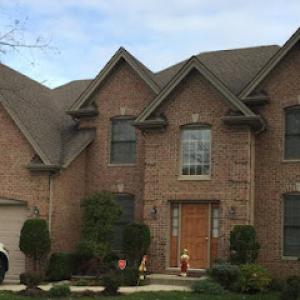
Shoreland Roofing is a residential and commercial roofing company based in Wilmette, IL. The family company began as Shoreland Construction, building spec homes in the Chicagoland area for over 20 years. Steven and Sue Tuchman (founders and owners of Shoreland construction and Shoreland Roofing) have experience in all aspects of construction and have gained extensive knowledge in roofing.
Lynch Roofing
(847) 217-0004 www.lynchroofing-il.com
Serving
4.9 from 44 reviews
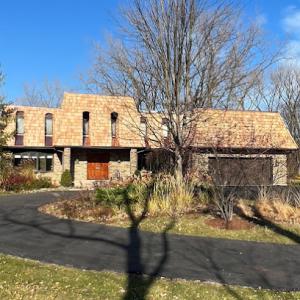
Lynch Roofing has been serving Wilmette and the surrounding North Shore areas for 45+ years. Our experienced team specializes in Residential Roofing Services such as Roof inspections, repairs, replacement and new roof installation. We are a second generation family owned company who will always have an experienced supervisor on site.
RVX Roofing Companies
(773) 862-8245 roofingwilmette.com
Serving
5.0 from 41 reviews
RVX Roofing Companies & Contractors has been a leader among roofing companies for several years. If you need roofing contractors for commercial or residential work, our roofing company is your one-stop destination. Our roofing contractors have years of experience in this industry, and are some of the best you’ll find in any local roofing companies. We also have an incredible track record of customer service. When you work with a RVX Roofing Companies & Contractors, you’re hiring our entire customer service team. This means we’ll work with you personally on your project to ensure your satisfaction each step of the way. For industrial work, our commercial roofing contractors can re-roof, install, or repair metal, rubber, and flat roofing.
Lakeland Exteriors & Roofing
(847) 395-8854 www.builtbylakeland.com
Serving
5.0 from 65 reviews
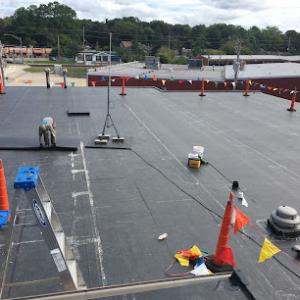
30 years as your roofing and exteriors expert. Commercial and residential roofing company providing repairs, maintenance and roof replacement

Zdanowicz Roofing Company
(224) 435-0924 roofing-glenview.com
Serving
4.9 from 43 reviews
For nearly 30 years, our roofing company has consistently served the people of Glenview, IL, offering high-quality roofing services at reasonable rates. We strive for greatness. This means our roofing company is considered first by every client looking to hire a roofing contractor. To ensure this, we provide a wide array of services, both commercial and residential, whether small or large scale. All our roofing options use quality materials to ensure your roof is not just lovely to look at, but durable for years to come. We aim to satisfy our clients above all else. Our team of highly capable professionals is here for you. For those with roofing needs in Glenview or close by, we’ll show you why we’re the best.

RS Five
Serving
4.5 from 72 reviews
At RS Five, we’re more than just a roofing company — we’re a team of dedicated exterior specialists committed to protecting and enhancing homes across Chicagoland. With a deep understanding of roof replacement, siding installation, gutter guards, and storm damage restoration, we help homeowners navigate everything from routine repairs to complex insurance claims with ease and confidence. From your first consultation to final inspection, we pride ourselves on providing transparent communication, exceptional craftsmanship, and a seamless customer experience. Our expert team, including licensed Public Adjusters and skilled field professionals, is driven by results and built on trust.
Warren's Roofing Company
(224) 998-6002 flatroofinginc.com
Serving
5.0 from 38 reviews
As Warren's Roofing Company, we serve you in Skokie and surroundings. Our mission has always been delivering you the finest roof installation, repair, and roof inspection that enables us to prevent more serious roof damages. The workers that we hire and well-trained and guide you every step of the roof installation or your roof repair in Skokie. We don’t accept any negligence and oversights. Keep in mind that having your roof installed and maintained properly is paramount to ensure your investment lasts for years. We do our best to supply you with the highest level of service that you’ll be truly glad about. Multiple roofing styles and materials are available. One call is definitely enough to start the cooperation.
Greater Chicago Roofing - Skokie
(847) 929-9398 www.greaterchicagoroofing.com
Serving
5.0 from 51 reviews
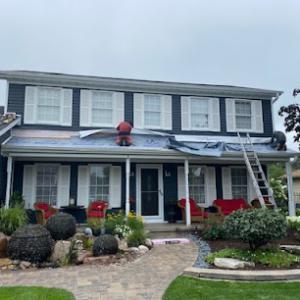
Greater Chicago Roofing - Skokie is an experienced, well-established roofing company. No matter if you require roof installation, repairs or a complete replacement, you’ll be happy with the outcome of our services. Our staff has over 40 years of combined expertise in construction and roofing work. Our work quality is second to none and our dedication to our clients makes us the ideal choice. You can trust us to take care of the entire task - whether for commercial or residential property. We’re dedicated to customer complete satisfaction. We will always go the extra mile to give you excellent service. We also provide skylight and guttering services. Contact us now for your FREE estimate!
Safe Roofing Company
(224) 998-6056 roofing-skoki.com
Serving
5.0 from 29 reviews
Skokie, Illinois, is known for its long, cold winters, and having a reliable roof over your head is something you want to be confident about. Call in Safe Roofing Company for an inspection to make sure your shingles, downspouts, gutters, and flashings are all in good enough shape to keep you from moisture damage, ice-dam build-ups, and problems with debris and fallen branches. We offer excellent customer service backed up by our skilled contractors who can repair, replace, or maintain your commercial or residential roof, so it consistently performs to the best of its ability in the upcoming winter. Our contractors are the best in the business and will provide you with an affordable estimate and guide you through the process.
Rosales Exteriors
(847) 406-6957 www.rosalesexteriors.com
Serving
4.9 from 36 reviews
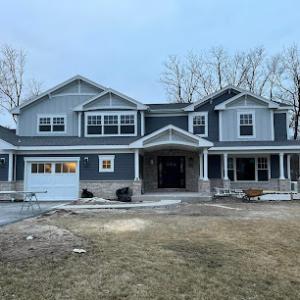
Rosales Exteriors is a family owned business in the Lake County Area. We specialize in replacing, repairing, and installing Roof, Siding, and Gutters! Call us or Message us for a free estimate! We service many areas including Lake county, cook county, kenosha county and surrounding areas! - Local company - Small business Family owned and Operated - No Subcontractors - Fast free estimates - +20 Years of experience
Len Roofing & Remodeling
Serving
4.9 from 64 reviews
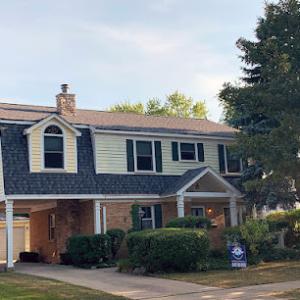
Len Roofing is a leading home improvement company that install roofs, metal gutters, windows, skylights, siding and can handle most remodeling projects.

Stanley Roofing Contractors Chicagoland
(847) 796-8257 stanleyroofingcompany.com
Serving
5.0 from 71 reviews
Introducing Stanley Roofing Contractors Chicagoland, where trust meets craftsmanship! With a legacy spanning over three decades, we are the unparalleled experts in roofing solutions throughout the Chicagoland area. Our team of dedicated professionals brings together unmatched expertise and unwavering commitment to deliver exceptional results for all your roofing needs. From residential to commercial projects, we pride ourselves on providing reliable, durable, and aesthetically pleasing roofing installations, repairs, and replacements. With Stanley Roofing Contractors Chicagoland, you can trust that your roof is in the hands of skilled artisans who value quality, safety, and customer satisfaction above all else.
A full roof replacement requires a building permit through the village before work starts. In this climate, where freeze-thaw cycles and hail can stress flashing, ventilation, and roof edges, having plans reviewed upfront matters. The village building department will scrutinize the permit application and the accompanying roof plans, so precise details about flashing height, vent placement, and hillside tie-ins should be on the drawings. Submitting complete information helps prevent delays that can leave you with crews on-site while awaiting approvals, which can complicate scheduling during peak seasons.
Roofing work is inspected during installation and again after completion. In practice, that means inspectors will walk the roof and verify that valley and ridge flashing integrate properly with underlying gutters and soffits, and that attic ventilation meets code requirements for the home's square footage and venting strategy. Changes involving flashing, venting, or roof penetrations can trigger added inspection attention before final closeout. If a contractor proposes adjustments to existing flashing or a retrofit vent system, anticipate extra coordination with the inspector to document new details and confirm weatherproofing meets village standards.
Coordinate the permit submitter's timetable with the contractor's schedule so inspection windows aren't missed. Prepare for potential follow-up notes requiring minor revisions to flashing or vent details; responding promptly helps avoid downstream postponements. Document existing conditions-where soffits, vents, and roof-to-wall terminations meet-for reference during reviews. When the crew arrives, verify that the project scope matches the permit package and that any deviations receive prior approval. A careful, transparent process reduces the risk of rework and helps protect the roof's performance through the freeze-thaw and storm cycles distinctive to this area.
In this market, the local cost ranges run from about 350 to 550 USD per square for asphalt shingles, 700 to 1100 for metal, 900 to 1500 for clay or concrete tile, 650 to 1000 for wood shakes, and 600 to 900 for synthetic or composite shingles. Those figures reflect typical installations on North Shore homes where steep pitches and complex rooflines are common. When choosing materials, remember that the higher end of each range often corresponds to premium products, longer warranties, and better resistance to freeze-thaw cycles and hail. Asphalt remains the most economical entry point, while clay and concrete tile demand more labor and structural consideration.
Costs in this area are frequently pushed upward by architectural complexity. Premium material choices paired with detailed work around chimneys, dormers, valleys, and skylights add significant labor time. The roof geometry on older, high-value homes often requires additional flashings, custom metal, and precise shingle alignment to maintain curb appeal and water shedding performance. In practice, expect crews to spend extra days aligning multi-plane sections and fitting roofing around protrusions. This is especially true for tile and metal installations, where trim integration, hip and ridge work, and underlayment transitions must be meticulously executed.
Scheduling pressure after spring hail or major wind events tightens contractor availability in the local market and can affect pricing and lead times. If a project is scheduled soon after a storm, plan for potential premium bids or longer wait times for openings in the crew roster. Conversely, mid-summer to fall projects may offer more flexibility, but the window for storm-related referrals can still influence availability. For Winnetka homes with non-standard eaves or unique dormer configurations, it pays to confirm lead times early, and to secure material orders well in advance to avoid delays that ripple into costs and scheduling.
Don't let upfront costs delay a critical repair - these contractors offer payment plans to fit your budget.
M&M Home Remodeling Services - Arlington Heights
Serving
4.9 from 428 reviews
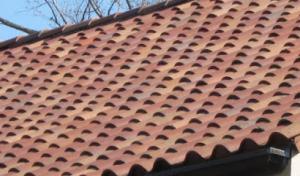
In Winnetka, roof replacement is typically planned from late spring through early fall to reduce weather delays tied to Chicago-area cold and precipitation. That window aligns with more predictable temperatures, lower likelihoods of early snowfall, and easier deliveries of heavy materials. For homeowners with high-value, steep roofs, this timing also helps crews manage complex flashing and ventilation work under daylight hours, when ladders and roof work are safest and more efficient.
Winter work is more vulnerable to freeze-thaw complications and weather interruptions, especially when underlayment and flashing details are exposed mid-project. If a project must start late in fall or extend into early winter, expect intermittent delays due to freezing conditions, wind-driven precipitation, and shorter daylight. Plans should include contingencies for temporary coverings or partial work sequences that protect vulnerable underlayers and maintain attic moisture control.
Summer heat can accelerate asphalt aging and raise attic temperatures, making ventilation review especially relevant during warm-season replacements. Adequate attic ventilation reduces heat buildup that can affect shingle temperatures, adhesion, and overall installation quality. On steeply pitched, older homes common in the area, crew access and material handling can be more demanding on hot days, so scheduling considerations, shade-protected staging, and hydration protocols become practical safeguards.
Coordination with crews who are familiar with North Shore detailing matters-such as chimney flashing, dormer intersections, and siding blush-helps minimize weather-related downtime. If a roof is noticeably aged, prioritizing sections with the greatest vulnerability to freeze-thaw cycles in the early part of the window can reduce the risk of mid-season freeze events compromising new work. Clear milestones and contingency buffers are especially valuable when overlapping interior projects or exterior renovations are in progress.
In this lakefront North Shore setting, weather events hit roofs differently than inland suburbs. Freeze-thaw cycles and hail exposure are routine pressures on older, high-value homes with steep architectural rooflines. Insurance activity around storms is common, and you should expect closer scrutiny of maintenance history and pre-existing wear when a claim is opened. That means your roof's past care-how you've tracked repairs, attic ventilation, and flashing maintenance-will matter as much as the actual damage.
A broad coverage framework often remains intact for standard re-roofs, but underwriting standards can differ noticeably by insurer. Some carriers will want a clear, consistent narrative about why the roof failed or why damage appeared when it did, especially on aging components. Expect questions about previous leaks, maintenance gaps, and roof age. If your roof line is steep or features authentic architectural elements, the adjuster may pay closer attention to flashing details, chimney terminations, and penetrations around skylights or vents.
Because adjusters frequently request evidence of prior condition, preparedness matters. Gather dated inspection photos that show roof condition before the event, repair invoices that demonstrate routine maintenance, and a clear storm-timeline log that captures when hail or high winds occurred and how you responded. Keep a simple calendar of maintenance tasks-caulking, flashing resealing, vent soffit checks-and any contractor notes. When you can present a concise audit trail, you help the process move faster and avoid misinterpretation about pre-existing wear versus new damage.
After a storm, you'll benefit from a candid, well-documented dialogue with your insurer. Ensure your contractor's assessment highlights both damage and any pre-existing vulnerabilities that may influence coverage decisions. In this market, a proactive, organized file often translates to a smoother recovery, but maintain realistic expectations about how pre-loss conditions factor into the final settlement.
Connect with contractors who help homeowners navigate the claims process from damage assessment to final approval.
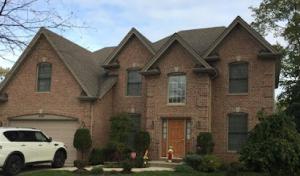
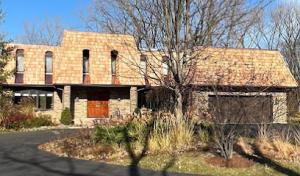
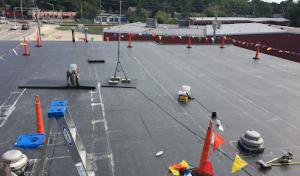
Flat-roof specialization is meaningfully active in the local contractor market, indicating that low-slope sections are a real part of reroofing demand on architecturally varied homes. Porch roofs, additions, and connector sections often carry different drainage patterns and stress compared to the main steep-slope roof. Understanding how these pieces fit together helps prevent leaks that show up long after the main roof is finished.
On homes with ornate, steep profiles, the low-slope areas-porches, connections, and overhangs-tend to age where water sits longer or freezes first. Transitions between steep roofing and low-slope membranes are locally important leak points because they combine drainage, flashing, and snow-related stress. These junctions are where ice damming can back up under shingles or membrane edges if drainage is blocked or flashing is compromised.
Schedule inspections after the winter thaw and after heavy snowfall, paying close attention to seam lines where a flat section meets a steep roof. Look for loose or deteriorated edge metal, compromised boot flashings, and any creep or separation at the parapet or side walls. Confirm that valley and step-flashing detail is continuous between the flat membrane and the steep roof, not just overlapped. If a porch or connector uses a different substrate, verify compatibility with the adjacent roofing to avoid mismatched expansion or contraction.
Keep drainage points clear on flat sections; clogged scuppers or diamond-plate drains invite standing water that can deteriorate membranes. Trim back overhanging branches near low-slope areas to reduce moisture retention and wind-driven debris. Ensure snow guards or roof screens are in good order so snow movement does not damage flashing or membranes during rapid thaw cycles. Regularly reseal any seams or edge metal where wear shows between the flat and steep portions.
When selecting a contractor, prioritize those with proven flat-roof expertise and a track record with architecturally diverse, North Shore homes. Ask about membrane choices suitable for cold climates and how transitions are detailing for long-term performance. A thoughtful plan addresses both immediate leak points and the resilience of the overall roof system against seasonal freeze-thaw cycles.
Find specialists in TPO, EPDM, and built-up flat roofing systems for residential and commercial properties.