
Last updated: Apr 19, 2026
Malden's cold winters bring repeated freeze-thaw cycles that turn a quiet roof into a liability long before spring. When a heavy snow event ends and daytime warmth softens the snow, meltwater shifts to your eaves and can refreeze overnight. That is the classic ice dam scenario you will see across the city's aging housing stock. When ice damming forms, meltwater backs up under shingles and leaks into the attic, often hiding for weeks before interior staining or trickling shows up inside the house. The risk is not merely a roof problem; it's a drywall, ceiling, and insulation concern that can escalate quickly after a rough winter.
Many Malden homes sit on wood frames with complex eaves, dormers, and gutter lines that create uneven roof temperatures. Those irregularities become pressure points where ice builds up in tight nooks and along flashing seams. Dormers and valleys concentrate water flow; if attic insulation is lacking or ventilation is uneven, heat leaks into these spots, accelerating ice dam formation. In practical terms, a roof that looks fine from ground level may be leaking silently from multiple directions once spring arrives. The result is multiple small leaks that weaken roof sheathing and can push water into living spaces along the interior walls and ceiling joints.
Spring leak calls in the city often trace back to winter ice backup that forced water beneath shingles before interior staining became visible. If gutters are thick with ice and you notice darker patches on ceilings after a thaw, that's a clue not to delay. Peek into the attic during cold spells if safe: you may detect frost on the underside of roof sheathing, or you'll feel attic warmth near ridges where heat escapes. Both are red flags that ice dams are actively forming. Do not chalk up slow leaks to a single heavy rainstorm-ice dam damage compounds over multiple events and season after season.
Priority should be to address heat loss and ventilation imbalances that feed dam formation. Ensure attic insulation is at or near current recommended levels for Malden's climate and that soffit vents, ridge vents, and soffit-to-ridge airflow are functioning properly. If ice dam risk persists after a storm, carefully remove excess snow from the roof with a non-metallic tool to prevent further damming; avoid pounding ice, which can damage shingles and flashing. For any signs of water intrusion, plan a professional assessment promptly rather than waiting for the problem to worsen. A timely check can reveal whether the issue is limited to the roof edge or if flashing around dormers and valleys needs attention.
When ice dams are left unchecked, water can back up behind shingles, seep under the protective layer, and saturate wood decking. Over time, that can lead to warped sheathing, mold growth, and interior staining that expands beyond a single room. In Malden's older stock, where complex rooflines are common, the cumulative effect of multiple small breaches often becomes a noticeable, widespread issue. The best course is to treat dam prevention as a year-round priority-address insulation, ventilation, and targeted roof edge maintenance now to reduce the odds of a costly, disruptive failure once spring arrives.
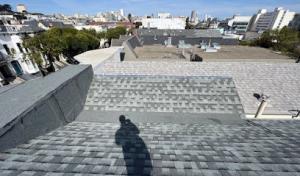
Asphalt shingles line most steep-slope residential roofs in this part of New England, and that translates into a practical reality for homeowners facing Malden's typical re-roof cycle. The roof forms common across dense urban and suburban blocks favor asphalt because of their forgiving installation on varied pitches and their compatibility with add-ons like ice-and-water shields in problem areas. In older houses with freeze-thaw cycles, asphalt offers a predictable, straightforward installation that patches well with existing shingles and sheathing, minimizing disruption to busy street-facing façades. For a homeowner weighing practicality and long-term performance, asphalt provides a familiar finish that balances weather resistance with straightforward maintenance. When a replacement is underway, the familiar look and proven track record of asphalt help keep aesthetic compatibility with surrounding homes while supporting reliable seal and shingle life under cold snaps and rapid thaw cycles.
Metal roofing appears in the market as a selective upgrade, and that choice is driven by two factors that matter in this climate. First, snow shedding becomes a relevant consideration on roofs with significant overhangs or long gullies where ice dam formation can be accelerated by packed snow. Second, longevity and wind resistance are appealing, especially on homes that have had good experiences with durable materials in nearby neighborhoods. The higher installation cost is the defining trade-off, so metal tends to be weighed against neighborhood character and the expected maintenance cycle. Homeowners who opt for metal often do so when the roof's silhouette and material language can be harmonized with neighboring houses while still delivering a noticeable improvement in performance during winter months. In practical terms, metal may be chosen if a home has a broader alignment with energy performance or a desire for a longer service life, provided the alignment with street aesthetics is carefully considered.
Tile and wood products exist in the local material mix, but their use is more limited and often tied to specific architectural homes rather than the city's typical re-roof volume. Clay and concrete tiles bring a distinctive cadence to a roof line, but their weight, ongoing maintenance, and installation complexity demand attention to structural readiness. Wood shingles or shakes offer a traditional texture that can suit particular historic or stylistic designs, yet they require regular upkeep to resist moisture and freeze-thaw wear. For most of the inventory in town, these options are reserved for projects where the architectural intent, existing siding relationships, and roof geometry strongly justify the added complexity and care required.
In practice, the choice between asphalt and metal hinges on balancing installation practicality with long-term performance under freeze-thaw conditions. Asphalt delivers a dependable, budget-conscious option that aligns with the steep slopes common to many homes and the visual language of the neighborhood. Metal presents a targeted upgrade path for specific architectural plans or snow management goals, but it demands careful consideration of style, sunlight handling, and the higher upfront effort. Tile and wood remain viable for select properties where design heritage, roof shape, and structural readiness align with a higher commitment to material longevity and upkeep.
In this market, the price landscape is driven by the material you choose. Asphalt shingles fall roughly in the 400 to 800 USD per square range, a common starting point for Malden's mid- to older-stock homes. Metal roofs span from about 700 to 1400 USD per square, offering durability against freeze-thaw cycles and ice dam pressure. If clay tile is your aim, expect 1100 to 2100 USD per square, with concrete tile typically landing between 1000 and 1900 USD per square. Wood shingles or shakes sit around 600 to 1100 USD per square, while synthetic or composite shingles run 450 to 900 USD per square. Those numbers are your baseline, but expect deviations when the house is not a straight shot of decking and fascia.
Older houses around dense neighborhoods tend to push those ranges higher. If the decking needs repair or you're upgrading ventilation before re-roofing, plan for extra material and labor. Tear-off work around chimneys, dormers, or skylights becomes a careful, time-consuming task, and tight lot lines common in this area complicate staging. The extra attention to detail can push the project toward the upper end of the ladder for your chosen system. In practical terms, you're not just paying for a new roof; you're paying for a roof that won't fail under heavy ice load and repeated freeze-thaw cycles after a cold snap.
Peak-season work runs spring through fall, when crews are most available and weather cooperates, but that timing also brings backlogs. In Malden, that can slow starts and stretch timelines, especially when you're coordinating around existing gutters, nearby landscaping, and yard access in tight lots. If you're aiming for a faster start or a smoother tear-off around potential ice dam trouble spots, anticipate longer lead times and a few more coordination calls with the crew. Weather windows matter, and a rushed schedule during shoulder seasons can raise incidental costs if extra crew time is needed to protect the house during wind or precipitation events.
Plan with a two-tier view: get a solid material choice at the outset, then build in a contingency for decking or ventilation upgrades and for the inevitable careful detailing around chimneys, skylights, and tight lot lines. If your roof is approaching the ice dam danger zone, it's worth prioritizing systems with better ventilation and underlayment, even if that nudges you into the higher end of the price spectrum.
Don't let upfront costs delay a critical repair - these contractors offer payment plans to fit your budget.


Brady Roofing
(781) 324-4312 www.markbradyroofing.com
32 Thacher St, Malden, Massachusetts
5.0 from 14 reviews
Mark Brady Roofing serving homeowners and business in Malden, MA for the past 40+ years. Our team is made up of seasoned roofing professionals dedicated to making each home's roof as safe, secure with a touch of curb appeal. Our years of roofing experience has given us the opportunity to develop proven processes to ensure the roofing project has been thought through in detail, planned, materials ordered, received and staged for proper installation.
Master Seal Roofing
(781) 941-6119 mastersealroofing.com
58 Brentwood St, Malden, Massachusetts
4.5 from 85 reviews
Here at Master Seal Roofing we are licensed,bonded and fully insured.We have been in business over 23 years,and are roof repair and replacement experts.We specialize in all types of roofing, leak repair,flat roofs, and more.We give free fully detailed estimates with pictures,with no obligations.We work on residential and commercial properties.We have 24/7 emergency roof repair, snow and ice removal with 100% satisfaction guaranteed.All our work comes with a 5-10 year maintenance programs free of charge.We stop your roof from leaking and can locate were it's leaking from to stop further damage in one trip,and offer same day service. We can stop your leaking roof.We provide all types of roof repairs and replacements and overlays.
Peak Quality Roofing
(781) 650-7458 peakqualityroofing.com
Serving
5.0 from 98 reviews
Peak Quality Roofing, based in Melrose, MA, specializes in roofing, siding, and gutter services for homeowners throughout the area. We provide high-quality roofing, expert siding installation and repair, and reliable gutter services to protect your home from the elements. Founded by industry professionals, our company was built on the belief that homeowners deserve fair pricing without sacrificing quality. Our team is committed to exceptional craftsmanship, clear communication, and complete customer satisfaction on every project. Whether you need a new roof, siding replacement, or gutter installation, Peak Quality Roofing delivers durable, long-lasting solutions tailored to your needs. Contact us today for a free estimate.
Northeast Industrial Roof
Serving
5.0 from 123 reviews
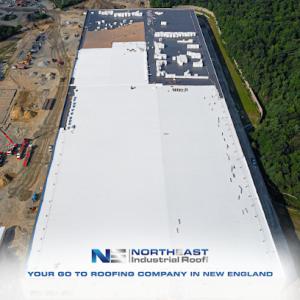
With 20 years of experience, Northeast Industrial Roof INC is your trusted roofing company in Medford, MA. Located at 510 Riverside Ave, we specialize in shingle, metal, tile, cedar, EPDM, slate, flat, green, TPO, and PVC roofing. Our services cover both commercial and residential roofing needs, including roof repair, maintenance, replacement, waterproofing, and gutters. Whether you need a new roof, a repair, or regular maintenance, our expert team is here to help. Choose us for reliable, high-quality roofing services in Medford and surrounding areas. Your satisfaction is our priority. Keywords: roofing Medford MA, roofing company Medford MA, roofing contractor Medford MA.
Mairink Roofing Experts
(978) 566-2537 mairinkroof.com
Serving
5.0 from 12 reviews
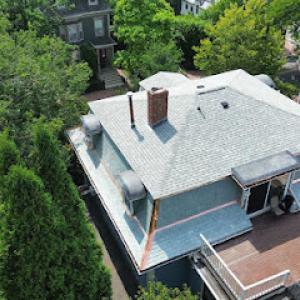
We are a local Residential & Commercial roofing contractor located in Revere, MA. At Mairink Roofing, we strive to deliver the best quality services at an affordable price. Whether it is a small repair or a full roof replacement, you can count on the team at Mairink Roofing to get it done right the first time! Since 2014, Mairink Roofing has served the Roofing needs of our neighbors in Boston and surrounding areas. We treat our customers like family, and they appreciate our approach to every residential or commercial project that we take on. When you work with us, we create a personalized proposal for you. We will keep you informed every step of the way so you know every step of the way what's going on on your roofing project.
ABI Roofing
(617) 539-2090 medford-roofing-service.us
Serving
5.0 from 17 reviews
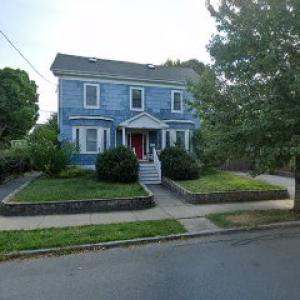
ABI Roofing, based in the vibrant city of Medford, stands as a premier roofing contractor dedicated to safeguarding homes and businesses with top-notch roofing solutions. With a wealth of experience, ABI Roofing excels in providing expert installations, repairs, and maintenance services tailored to meet the unique needs of Medford's diverse architectural landscape. Our skilled team of professionals is committed to delivering unmatched craftsmanship, using high-quality materials to ensure durability and longevity. At ABI Roofing, customer satisfaction is our priority, and we take pride in our transparent communication, competitive pricing, and timely project completion. Trust ABI Roofing to elevate your property's protection.

Gibbs Roofing
(617) 793-7724 gibbsroofings.com
Serving
5.0 from 24 reviews
Gibbs Roofing provides expert roofing services to homeowners and businesses throughout Everett. Our experienced team specializes in roof repairs, full installations, leak detection, and preventative maintenance. We work with durable, high-quality materials—including asphalt shingles, metal roofing, and flat roofing systems—to deliver lasting results. Whether you're addressing storm damage, aging shingles, or planned upgrades, we offer clear, transparent estimates and responsive scheduling. With a commitment to quality workmanship, safety, and your satisfaction, Gibbs Roofing is the trusted choice for professional roofing care in Everett.
McGilley Roofing & Construction
(781) 520-9086 www.mcgilleyroofing.net
Serving
4.9 from 49 reviews
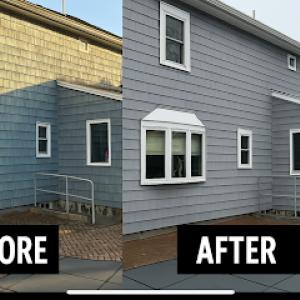
McGilley Roofing & Construction has served Saugus and surrounding communities since 2004, backed by over 30 years of roofing experience. We specialize in roof installations, roof repairs, siding replacements, siding repairs, gutter installations, and gutter repairs for residential and commercial properties. As a GAF Certified contractor, we offer top-tier materials, strong warranty coverage, and honest workmanship. We provide free estimates, maintain clean job sites, and prioritize every customer’s peace of mind. Family-owned, fully insured, and built on trust.
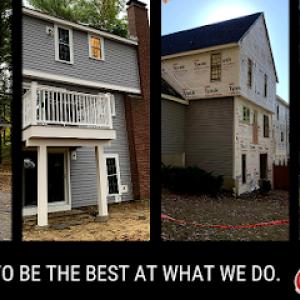
Ramirez Painting Corp | Roofing & Remodelling
(617) 275-2682 www.ramirez-painting-corp.com
Serving
5.0 from 29 reviews
At Ramirez Painting we make a concerted effort to provide exceptional service at incredibly affordable rates. Our ability to set employ th latest innovations in the industry has made us a leader in the industry. Don’t believe us? Call now… Our services include: → Painting → Carpentry → Masonry → Roofing → Gutter Cleaning
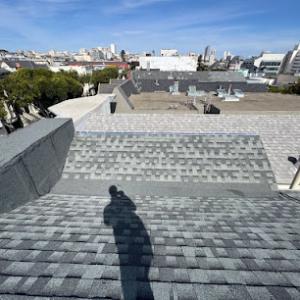
Clancy Roof & Leak Repairs
(617) 467-2455 clancyroofrepaircharlestown.com
Serving
5.0 from 53 reviews
Clancy Roof & Leak Repairs specializes in finding and fixing roofing issues before they turn into costly damage. The team is skilled at tracing leaks to their exact source, repairing problem areas with durable materials, and ensuring the rest of the roof remains in good condition. For more extensive damage, they provide clear recommendations and handle larger repairs with the same attention to detail. Customers often note the quick response times, the straightforward advice, and the quality of the finished work. Clancy Roof & Leak Repairs is committed to keeping properties secure and weatherproof.
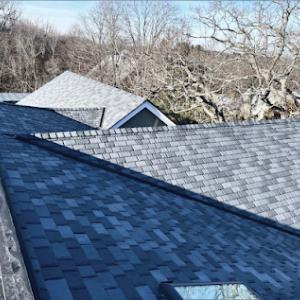
Kingdom Roofing & Construction
(617) 230-6239 www.kingdomconstructionma.com
Serving
5.0 from 13 reviews
At Kingdom Roofing & Construction, Inc., we take pride in offering premier roofing services to the greater Boston area, From Lowell to Westford, North Reading, Chelmsford, Newton, and Billerica. As a leading roofing contractor, our expertise spans metal and shingle roofing, new roof installations, and comprehensive roof replacements. We specialize in leak detection and repairs, storm damage restoration, and energy-efficient roofing options that enhance your home's durability and performance. Beyond roofing, we provide siding and painting services, decking and porch construction, as well as home renovation and remodeling. Trust Kingdom Construction, Inc. to deliver quality craftsmanship and responsive service tailored to your needs.
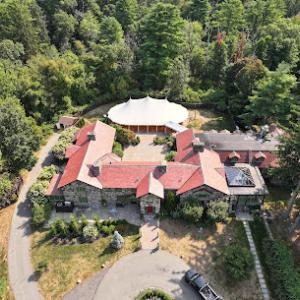
Doherty Slate Roofing
(617) 595-1551 dohertyslateroofing.com
Serving
4.9 from 55 reviews
We are slate copper specialists and an award-winning company. Our craftsmanship is prestigious. Unlike other roofing companies, We match identical roof slates to existing slate roofs. This means slate size, slate color, slate age, and thickness to conduct slate roof repairs. We design and install high-end custom copper roof work, Copper Gutters, and install rubber roofs. Were veteran owned and operated. We strive to be the leading slate roofing company in the Boston, Brookline, Newton, and Wellesley areas. We also repair slate tile and carry out annual drone slate roof inspections, slate repairs, slate restoration, and slate installation. Searching for a slate roofing company near me, we are your slate roofing contractor.
In Malden, a full re-roof requires a Building Permit issued through the City of Malden's Inspectional Services. Before a single shingle is lifted, you'll want to confirm the permit path with the department and understand any required timelines tied to weather and the busy re-roof season. The permit process is designed to ensure work aligns with local code expectations, especially where older housing stock and freeze-thaw cycles are a concern.
Contractors typically submit the roof scope along with underlayment, ventilation, and anchor details for review before work proceeds. This means you should expect a detailed plan package that outlines not just the materials, but also how the roof will breathe, how ice and water will be managed, and how the structural connections will be secured against wind and weight loads. In Malden, leaning on a seasoned local roofer who understands the quirks of older homes-like compact eaves, varied rafters, and tight lot lines-helps keep the submission airtight and reduces back-and-forth with Inspections.
Malden inspections are conducted during and after the job to verify code compliance, and homeowners should plan ahead because the department can experience backlog during peak roofing season. On-site checks typically confirm permit scope adherence, correct installation of underlayment and ventilation, proper flashing around chimneys and dormers, and secure anchoring for roof-edge systems. Expect at least one mid-project inspection to confirm progress aligns with the approved plan, and a final inspection to close the permit once all work is complete and weatherproofed.
Because permit review and inspections can slow progress, especially when a neighborhood's roofers are juggling multiple projects, it helps to align timing with the city's seasonal rhythms. If you're targeting a window of milder weather to mitigate ice dam risk, coordinate with your contractor to submit the package early and pin down inspection dates as soon as the materials arrive. Having a clear, locally informed plan reduces delays and keeps a Malden roof project moving smoothly from permit submission through final approval.
Winter winds and hail events in this part of the Greater Boston area can nudge claim activity even when statewide insurers stay broadly active. A roof that sounded fine in autumn can show leaks after a harsh storm, with water creeping in days or weeks later. The pattern in older housing stock is that wind-driven impacts and freeze-thaw cycles push through worn seams, flashing, or roof penetrations, so the damage isn't always obvious at first glance. Understanding this dynamic helps you approach weather events with a clear eye for where trouble tends to start.
When the decision to open or approve a storm-related claim is on the table, carriers will often ask for details that prove the roof's condition before the event. You'll likely be asked for roof age and any prior repair history, plus clear photo documentation showing the roof's condition before and after the storm. In the Malden area, where quick temp swings and aggressive wind can catch homeowners off guard, timely, organized visuals and notes carry real weight. Prepare a simple timeline of prior work, including dates and who performed it, to help the adjuster see whether the damage aligns with a specific incident rather than long-term wear.
Documentation tends to matter most when spring leaks appear after a brutal winter. If a leak surfaces, the claim must be tied to a precise event rather than a slow, ongoing deterioration. A record of recent inspections, with dates and findings, can strengthen the claim file by providing a concrete reference point for the insurer. If you've had tuck- or ridge-vent issues, shingle tab lift, or flashing damage noted previously, bring that history to the conversation. Without solid event linkage, a claim can stall or be narrowed to isolated, non-covered maintenance concerns.
Start a portable file for weather-related roof concerns: note storm dates, visible damage after each event, and any temporary repairs you've made to mitigate leaks. Take dated photos from multiple angles, especially of penetrations around chimneys, vent flashing, and valley intersections. If a spring leak appears, compare it to the most recent major storm and reference any prior work. This disciplined record helps you present a credible, event-specific story to your insurer, reducing ambiguity during a critical claim review.
Connect with contractors who help homeowners navigate the claims process from damage assessment to final approval.

Clancy Roof & Leak Repairs
(617) 467-2455 clancyroofrepaircharlestown.com
Serving
5.0 from 53 reviews
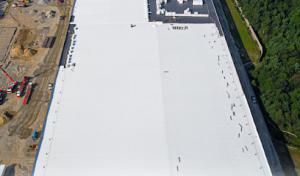
Even though steep-slope roofing is more common here, contractor signals show meaningful demand for flat-roof service, especially on low-slope porches, additions, and multifamily structures. When a flat section is present, plan for extra attention to drainage details and edge metal. During re-roofing, verify that the existing parapet or boundary walls are flashing-mated to the new membrane system. Pay careful attention to any penetrations, since flat roofs often host HVAC curbs, skylight bases, and parapet ties that can become leak paths if not properly sealed. A practical step is to map all flat areas before work begins and mark known trouble spots, especially where snow loads tend to pool along low edges in midwinter.
Chimney work is a common adjacent service in the local contractor market, and flashing failures frequently show up where older masonry meets newer roofing. Inspect the chimney flashing as part of the re-roof plan, not as an afterthought. Remove and reseal the flashing apron where the brickwork carries up into the roof plane, and verify that counter-flashing integrates with the selected roof flashing. If you have a brick chimney, expect potential mortar deterioration behind the flashing; address any evidence of efflorescence, cracked mortar, or missing flashing in the same visit to avoid recurring leaks after winter freezes.
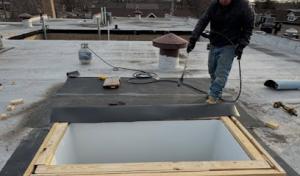
Skylight service is notably active, making curb flashing and replacement integration an important issue during re-roofing. Treat skylight flashing as a critical integration point: remove the skylight, inspect the curb for cracks or deck rot, and install a continuous seal of flashing, drip edge, and flare to channel water away from the seam. When replacing the roof, ensure the skylight is properly shimmed and re-sealed around its perimeter, so curb flashing aligns with the main roof plane and any new membrane or shingle interface. This is one area where proactive coordination during the roof replacement saves call-backs after the first freeze.
Find specialists in TPO, EPDM, and built-up flat roofing systems for residential and commercial properties.
Master Seal Roofing
(781) 941-6119 mastersealroofing.com
58 Brentwood St, Malden, Massachusetts
4.5 from 85 reviews
Most roof replacement work happens from spring through fall, and in this neighborhood that pattern is backed by practical realities on the street. After the cold grip of winter, ice dams and hidden leaks often reveal themselves once the snow melts and the sun returns. You can expect leaks that began during ice dam season to show up as your interior walls or ceilings dry out and the attic breathes easier. When that happens, your spring scheduling should prioritize a fresh assessment and coordinated installation so the crew can take advantage of milder temperatures before summer heat and humidity set in. Scheduling early in spring also helps align crews before the late-spring surge of projects around town.
The pattern in older stock homes here is clear: meltwater re-freezing at the eave or under shingles creates ice dams that stress roof edges and fasteners. In practice, that means you may notice staining, damp spots, or attic condensation as the season shifts. A mid-to-late spring inspection, after the worst of the freeze-thaw cycles, gives a accurate picture of what needs replacing or reinforcing. If there is wind-driven debris or damaged rake edges from late-winter snows, addressing those issues now prevents slower, more disruptive repairs later in the year.
Autumn wind events can lift shingles and loosen materials along the roofline, especially on older homes with mixed roofing or degraded edge metal. A late-season inspection helps you catch edge damage before winter weather returns, when access becomes harder and temperatures drop. By arranging a pre-winter check in fall, you reduce the risk of storm-related setbacks and ensure eaves and fascia are solid as the first cold snaps arrive.
Winter installation is typically limited by snow and frozen sealants, which complicate both installation and sealing. If a project must stretch into winter, expect longer timelines and tighter scheduling windows. The practical path is to plan ahead in late fall and secure a start date that avoids heavy snowfall periods, so crews can complete roof work with well-ventilated, dry conditions.
Malden homeowners tend to prioritize quick response and cleanup, which aligns with the strongest local contractor signals in this market. When a leak or ice dam risk flares up, you want a crew that can be on-site fast, protect interior spaces, and leave no stray debris after the job. A flooded attic or shingle loss in a winter storm doesn't just ruin a day; it can set off freeze-thaw damage that compounds quickly. Look for crews that outline a plan for after-hours calls, tarping, and thorough site cleanup in writing, not vague assurances.
The city's market includes many re-roofing-focused residential contractors along with a meaningful share of long-established and family-owned firms. That mix can be an asset, but it also means you'll see varying levels of project discipline. Prioritize teams with solid references, a stable local track record, and visible evidence of ongoing training-especially around ice dam prevention, attic ventilation, and proper underlayment. Ask how they handle roof ventilation and insulation details in winter conditions, and how they coordinate with any existing interior mitigation to avoid disrupting sensitive living spaces during Malden's cold snaps.
Because permit submissions require scope, underlayment, ventilation, and anchor details, homeowners should favor contractors who can clearly document those items before work starts. Expect a written scope that names the exact underlayment type, ventilation plan (soffit and ridge details, or other strategies), and anchor points for any ladder system or temporary supports. A contractor who can provide stamped or clearly annotated diagrams, plus a preliminary materials plan, reduces the chance of miscommunication and delays when the project hits peak season. If a firm hesitates to put those specifics on paper, treat it as a red flag and press for clarity before committing.