
Last updated: Apr 19, 2026
Repeated winter freeze-thaw swings in the Downriver portion of the Detroit metro drive shingle aging faster than you expect. In Flat Rock, asphalt shingle roofs, common in the housing stock, bear the brunt of repeated temperature swings, which push granules loose and loosen shingles at the edges. That aging shows up as faster wear, more curling, and a higher likelihood of micro-cracks that let moisture seep in behind the surface. If you notice brittle edges after a cold snap or granule loss on driveways and sidewalks, it's a signal that your roof's protective layer is already stressed. The result is not just a cosmetic issue; it's a pathway for leaks that can travel along the roof deck and into attic spaces.
Ice damming and wind-driven snow are regular seasonal risks in this climate. The combination of heavy snowfall followed by thaw cycles creates a pressure where ice can back up under shingles and behind flashing. In homes with flat or low-slope sections, flashing joints around chimneys, skylights, and vent penetrations are particularly vulnerable to movement as the ice and snow shift. If attic insulation or soffit ventilation is insufficient, heat loss accelerates melt at the eaves, feeding dam formation. Leaks often appear first at eave lines or along vent pipes, then migrate inward to ceilings and walls. Catching this early requires staying vigilant after each storm: look for damp spots, staining, or frost on the roof edge that doesn't clear with sun.
The right attic environment is your first line of defense against winter damage. In this market, eave protection is not optional: a solid drip edge and properly sealed underlayment help divert meltwater before it reaches the roof deck. Attic ventilation should provide a steady exchange of air to prevent warm pockets that intensify ice damming. Insulation should meet or exceed standard recommendations so that living spaces stay warm without pushing heat into the roof cavity. If attic access reveals exposed soffits or tight baffles, plan for upgrades before the next big freeze. A well-insulated, well-ventilated attic reduces the risk of ice dams, improves long-term shingle life, and curtails water intrusion should a dam form.
The best replacement window in this market is typically late spring through early fall because winter conditions can delay tear-off, sealing, and inspection scheduling. In practice, this means planning ahead when symptoms of aging appear in late winter or early spring. If you're facing active leaks, don't wait for the calendar to flip to summer; aggressive scheduling during the warmer, drier months minimizes the chance of snow or ice complicating the tear-off process. A proactive approach protects interior spaces and reduces the chance of back-to-back winter damage that compounds existing wear.
Begin with a careful inspection after the thaw of a heavy storm cycle. Check eaves, gutters, and downspouts for ice buildup and granule loss. Look for loose or buckled flashing around chimneys and vents, and note any staining on ceilings near exterior walls. If you identify signs of water intrusion or widespread shingle degradation, contact a local roofing professional to assess attic ventilation, insulation, and eave protection. Prioritize maintenance that strengthens the roof's shield against freeze-thaw stress and damming, because the Downriver climate does not forgive deferred care.
Spring and early summer bring defined risks of hail and strong winds that slam roofs across the Downriver metro area. In these months, many Flat Rock roof projects start as damage inspections rather than planned replacements. Shingles can crack, granules shed, and flashing can shift after a wind event, while hail can leave pockmarks that aren't always obvious from the ground but show up after a few sunny days. If you've just weathered a storm, assume a damage call is worth making sooner rather than later, because storm activity tends to cluster and local crews can be spread thin quickly.
Michigan insurers may ask for a roof condition report, photos, and field verification to validate a claim. After wind or hail events, you're urged to document damage promptly and thoroughly. Start with clear exterior photos from multiple angles, focusing on shingles edges, flashing around chimneys and vents, and any signs of lifting or missing material. Get attic shots if possible-looking for moisture staining or daylight peeking through rafters helps verify hidden damage. Keep dated records of the event, notes on wind speeds if available, and a simple log of any changes you observe in the days following the storm. Quick, organized documentation can streamline the claim process and reduce back-and-forth with the insurer.
Storm-driven demand spikes can tighten contractor availability across the Downriver and Detroit metro area, affecting scheduling and material lead times. After a major hail or wind event, expect some local crews to be booked weeks out, with potential gaps in availability for inspections and emergency repairs. If you suspect damage, don't wait for the snowball effect of a busy season to hit your calendar. Reach out promptly to a few reputable local roofers who understand the seasonality and the typical Flat Rock housing stock. Ask about their experience with storm-damaged roofs, expected inspection turnaround, and how they prioritize projects when demand spikes.
When a storm hits, start with a thorough exterior inspection as soon as safe. Note lifted shingles, missing granules, dented flashing, and damaged gutters. If you see water stains in the attic after the rain stops, treat it as high-priority. Contact your preferred roofers for a damage assessment, but also consider getting a second opinion if a contractor wants to jump to a full replacement without an impartial inspection. Ask for written assessments that include the scope of visible damage and any recommended temporary fixes to prevent further water intrusion. Keeping these steps tight and timely helps shield your home from escalating repair costs and longer downtime between assessment and restoration.
Find local contractors experienced in assessing and restoring roofs after hail, wind, and severe weather events.
Kincaide Roof Rejuvenate
(734) 407-1213 kincaideroofrejuvenate.com
Serving
5.0 from 73 reviews
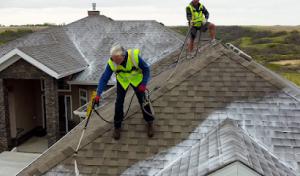
Kincaide Roof Rejuvenate offers the best roof rejuvenation service in the area. We have over 30 years of experience with roofing, and our service will extend the life of your roof by up to 15 years. Our rejuvenating formula deeply penetrates the surface of the shingles and brings your roof back to life.
5 River Roofing
(734) 231-7035 5riverroofing.com
Serving
4.8 from 18 reviews
5 River Roofing is a locally family owned and operated roofing company in Michigan. Our roof repair company has been providing services to all over the Michigan area since 1985 and can fix any part of any roof. At 5 River Roofing, we believe that doing it right matters, so trust us to masterfully address any roofing needs your property may have As a trusted roofing company serving customers in Michigan, we are available to meet all of your roofing needs, including 24/7 emergency service. Every customer is offered a free inspection to get started. Call us today and we’ll get back to you promptly. Residential, Commercial, Multi-Family, we can come to your property right now and give you a free no-contact roof inspection.
Bendelow Building Company
(734) 818-7941 bendelowbuildingco.com
Serving
5.0 from 47 reviews
Bendelow Building Company Roofing provides extreme value with certified replacements and repairs for residential and commercial shingled and flat membrane roofing in the Downriver area for over a decade. Certainteed Shinglemaster Installers. Owens Corning Platinum Preferred Installers. Certified GAF Everguard TPO installers. We also provide premium deck building services. We are Trex Certified Pro installers. We provide great service and products for a great price every day.
Holbrook's Roofing
(734) 675-3456 holbrooksroofing.com
Serving
4.7 from 27 reviews
Welcome to Holbrook's Roofing, Inc., a trusted name in roofing since 1980. Our commitment to Reputation, Integrity, and Experience sets us apart. Specializing in commercial roofing, we extend our expertise to residential areas too. Our services include roof inspections, replacements, gutter installations, siding, and windows. Proudly serving Trenton, Grosse Ile, Woodhaven, Brownstown, Riverview, MI, and surrounding areas. Elevate your property with Holbrook's Roofing - where quality meets durability.
Napier's Home Improvement
(734) 676-6557 napiersroofing.com
Serving
4.8 from 95 reviews
For over 40 years, Napier’s Home Improvement has been Downriver and Southeast Michigan’s trusted, family-owned roofing company—and the oldest in Downriver. Three generations strong, we’ve built our reputation on quality workmanship, honest pricing, and treating every home like our own. From small repairs to full roof replacements, we always start with a free on-site estimate because we believe in transparency and lasting customer relationships. Your roof protects your family, and we take that responsibility seriously—roofing is our family legacy. Thank you for supporting Napier’s Home Improvement. Contact us today to schedule your free on-site consultation!
Ripcord Construction
(734) 288-8445 www.ripcordconstruction.com
Serving
4.9 from 167 reviews
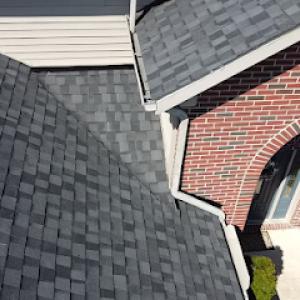
Since 2009, Ripcord Construction has been serving Monroe Country, Southern Wayne County, and Southern Washtenaw County, providing only the highest quality of custom builds, windows, siding, roof repairs, and replacements. Based out of Carleton, their team's experience and expertise have given many within the community their dream homes.
Hoffman Home Renovations & Roofing
Serving
4.6 from 30 reviews
Hoffman Home Renovations and Roofing is the premier choice for home improvement services in Wayne, Monroe, and Washtenaw counties. Whether you need a new roof or gutter system, Hoffman is committed to providing top-notch workmanship and ensuring the highest quality of materials. Their team of skilled craftsmen specializes in insurance repair, with extensive experience in kitchen, bathroom, and basement remodeling. With an unwavering focus on personalized customer service, Hoffman Home Renovations and Roofing is your trusted partner for any home improvement project.
BrightView Construction
(734) 512-6546 brightviewconstruct.com
Serving
5.0 from 58 reviews
BrightView Construction is a trusted roofing company proudly serving Wyandotte, MI and the surrounding Downriver communities. As a skilled roofing contractor, the team specializes in roof repair, roof replacement, and emergency roofing services for both residential and commercial properties. In addition to expert roofing, the company offers siding solutions and professional gutter service designed to protect and enhance every structure. Committed to quality, BrightView Construction uses only premium materials and proven techniques to deliver long-lasting results that clients can rely on.
Advantage Roofing & Construction
(313) 986-1877 advantageroof.us
Serving
5.0 from 57 reviews
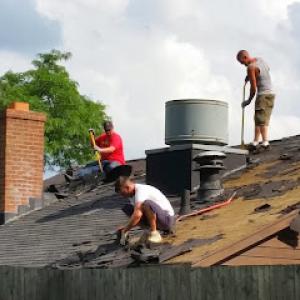
We are a full service commercial and residential roofing, siding, gutters and general building and home maintenance and installation company.
Crown Pro Construction
(313) 346-4749 www.crownproconstruction.com
Serving
4.8 from 44 reviews
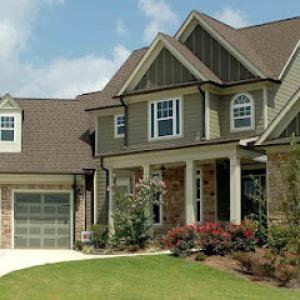
Crown Pro Construction offers a full range of services, including roofing, siding, gutters, windows, gutter protection systems, and specialty roofing throughout the Detroit Metro area.
Home Pro Roofing - Monroe
(734) 302-0199 homeproroofing.com
Serving
4.9 from 97 reviews
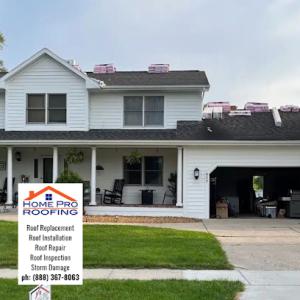
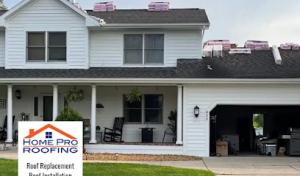
Home Pro Roofing is your local roofing expert in Monroe County. We install new asphalt shingle roofs, replace old ones, fix leaks and damage, and help with storm repairs across Monroe, Carleton, Dundee and all nearby areas. We use quality shingles made to handle Michigan weather, from summer storms to winter snow. After storms, we'll deal with your insurance company directly and take care of all the paperwork hassle. Our work comes with a 50-year warranty, and we offer payment plans to make getting a new roof easier on your budget. We'll leave your property clean when we're done, and most jobs are completed in just one day. Give Home Pro Roofing a call for a free estimate on your roof.
Avanti Construction
(734) 732-2985 avanticonstruction.org
Serving
5.0 from 14 reviews
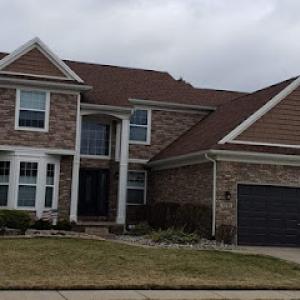
We are a licensed and insured residential home improvement company dedicated to exceeding our customer's expectations. Our goal is to work with you in making your home improvement vision become reality. We also have a lot of experiance working with insurance companies and can help you navigate your home insurance claim to make sure you are getting everything you are entitled to. Having a contractor on your side can make all the difference and we are here to help relieve your stress and be your advocate for a fair and honest resolution. We are excited about helping make your home update dream project a reality. Call today 734-732-2985
Asphalt shingles remain the practical default in this market because they fit the area's common residential re-roofing work and broad contractor availability. In a Downriver climate with freeze-thaw cycles, you'll find the standard 3-tab or architectural shingles hold up well when installed correctly and properly vented. They handle the seasonal storms and rapid spring-wall swings reasonably, and serviceable under an accessible maintenance plan. When choosing asphalt, focus on a weather-smart surface with good granule adhesion and a reinforced ridge line to minimize wind uplift during late-spring storms. In homes that sit under deciduous shade or near open lots, the color choice can influence attic heat gain in shoulder seasons, so pick a shingle that balances durability with expected sun exposure.
Metal roofing is present but less prevalent locally, making installer selection more important than in markets where metal is a mainstream default. Metal panels or shingles can excel in the face of heavy rain and ice buildup, but the wrong installation can invite noise, improper sealing, and faster wear at fasteners in subfreezing temps. Seek a contractor who has specific experience with Downriver winters and with ensuring proper drainage at eave and valley transitions. If choosing metal, inspect the fastener pattern, coating warranty, and snow slide behavior on pitched roofs common in this stock. A well-installed metal roof can deliver excellent wind resistance and rapid shedding of snow, yet the system relies on a tight, properly ventilated attic to prevent ice dam issues behind the soffit line.
Clay tile, concrete tile, wood shakes, and synthetic options are available, but you should weigh added structural load, winter performance, and contractor familiarity. In this market, some homes may require structural reinforcement to support the weight of tiles, especially on older frame assemblies. Winter performance depends on how well the tiles shed ice and water and how easily a crews can access cracked or displaced tiles after freeze-thaw events. Concrete tile tends to be more robust than clay in freeze cycles but still carries significant weight. If tiles are contemplated, confirm attic clearance, rafter sizing, and soffit ventilation to avoid condensate buildup and ice dam formation.
Wood shakes bring a distinctive look but require extra maintenance to resist moisture absorption and fungal growth in shoulder seasons. They can be more susceptible to ice damming if installation details don't prioritize proper underlayment and ventilation. Synthetic or composite shingles offer a low-maintenance alternative with improved resistance to moisture, but installation quality remains critical. If selecting these options, insist on a detailed installation plan that accounts for our freeze-thaw cycles, proper underlayment, and a robust drainage strategy. Regardless of material choice, ensure a designed ventilation path from soffits to ridge vent to minimize ice dam risks and to support consistent attic temperature.
Replacement projects in Downriver's winter-heavy climate come with two big price signals: whether the job is a straightforward re-roof or a storm-driven replacement competing with regional demand across the Detroit metro. A simple re-roof tends to move faster and cost less overall, while storms can push materials, crew availability, and permit timing into a tighter window, lifting both material and labor dollars. In this market, material choice drives the spread. Asphalt shingles run from 350 to 700 USD per square, while metal roofs sit roughly 800 to 1200 USD per square. If clay tile is on the table, expect 1200 to 2100 USD per square, with concrete tile at 1000 to 1900 USD per square. Wood shingles/shakes live around 700 to 1200 USD per square, and synthetic or composite shingles fall in the 650 to 1100 USD per square range. Local pricing for any given project will reflect roof complexity, support decking condition, ventilation needs, and how quickly crews are mobilized after a major event.
Winter moisture intrusion can leave decking soft or warped, which adds expense for repairs before a proper roof is installed. Ice damming at eaves is a common driver for additional ventilation or insulation work, and those corrections can shift the total price upward. Storm-driven replacements often require securing faster delivery of materials and coordinating with crews who are in-demand after heavy Downriver storms. In practice, the more moisture-related damage found during inspection, the more the scope moves beyond a straight shingle swap, increasing both material and labor costs.
In this market, a homeowner has a broad spectrum of options. Asphalt shingles remain the baseline for value-conscious projects, but metal, concrete tile, and clay tile offer longer lifespans and different performance profiles. Wood shingles and synthetic products present other trade-offs between look, weight, and maintenance. The practical approach is to balance desired longevity and curb appeal with the local winter demands. For homes showing eave ice-dam history, plan for potential improved ventilation and insulation upgrades as part of the replacement package.
Start with a thorough inspection to identify decking concerns, ventilation gaps, and insulation needs flagged during review. If the inspector calls out damaged decking or ventilation corrections, budgeting for those fixes early helps avoid a mid-project price jump. When comparing bids, ask how each contractor handles storm-driven demand: lead times, material availability, and crew rotation. For budgeting, prepare for asphalt as the baseline and reserve additional funds if a storm move-in coincides with peak Detroit metro demand, or if tile, metal, or wood options are chosen for durability. In any case, maintain a contingency to cover ice-dam related repairs discovered during tear-off.
Get a clear picture of your project costs upfront - no commitment required.
In this area, a full roof replacement typically requires a permit submitted by the homeowner or contractor with project details to the local building department. That permit is not a formality to skip; it is the mechanism that ensures the work aligns with the Downriver climate realities, including proper venting to combat ice damming and freeze-thaw cycles. You should plan for the permit to cover both the tear-off and the new system, including underlayment, ventilation, and flashing details.
Before any shingle removal begins, confirm who will pull the permit and who will handle scheduling with the building department. If the contractor handles the permit, get a written confirmation that they will manage corrections if inspectors request adjustments. If you pull the permit yourself, retain a copy of the approved plan set and any issued permits at the job site. Because inspection timing can affect project closeout, you want a clear line of communication about who is responsible for permit pull, scheduling, and any required correction work before tear-off begins. In practice, this means a quick pre-project check-in: verify the scope matches the permit, confirm ventilation strategy, and confirm that inspection milestones are set and understood by all parties.
Inspections are scheduled during and after the work to verify installation details and proper venting rather than treating roofing as a no-contact exterior job. Expect a rough-in inspection after deck and underlayment are installed, checking for proper nail patterns, underlayment seams, ice-and-water shield placement, and attic ventilation flow. A second, final inspection typically occurs after shingles are completed, with emphasis on roof-to-wall flashing integration, ridge and soffit venting adequacy, and overall weatherproofing. In Downriver winters, inspectors focus on wind uplift anchors, proper shingle alignment, and the state of roof penetrations to minimize potential ice damming.
Because inspection timing can affect project closeout, coordinate with the contractor to schedule tear-off windows that align with inspection availability. If an issue is flagged, corrections must be completed promptly to avoid delaying the final sign-off. Plan for a short adjustment period between the initial and final inspections so any venting or flashing adjustments can be implemented without compromising the roof's performance in harsh freezes and storms. Having a written agreement on who bears responsibility for corrections helps keep the project on track and preserves the integrity of the new roof system.
In the Downriver climate that shapes Flat Rock homes, insurance markets have swung with winter freeze-thaw cycles and the frequent storms that drive claim activity. Coverage can tighten or shift after a major season, so homeowners may face stricter underwriting or more demanding documentation than in markets perceived as easier. This means your roof history, maintenance records, and recent repair notes become meaningful signals to your insurer, not afterthoughts.
Insurers may request dated photos, condition reports, and adjuster visits to determine the timeline and scope of damage. When a hailstorm or high-wind event breaches the roof or reveals leaks, having a clear trail of evidence helps prevent misinterpretation of prior wear as new damage. If a contractor has already documented roof conditions after a storm, secure those reports and any written assessments. In a market with active storm and claims contractors, you should keep compiled records from the first sign of hail, wind, or interior leaking; these can anchor timelines and support decisions about repair versus full replacement or choosing more impact-resistant materials.
Keep a simple, dated photo log after every storm event and preserve receipts for emergency tarping or temporary fixes. If an adjuster is coming, prepare a concise summary of roof age, last major repairs, and any prior leaks to avoid back-and-forth that delays decisions. Recognize that insurers may scrutinize not only current damage but the pre-storm condition; presenting a coherent before-and-after story helps maintain a smoother claim path. Stay aware that in this climate, rapid documentation often correlates with faster, more favorable claim outcomes.
In this climate, eaves and valleys are among the first places to show water intrusion after freeze-thaw cycles. Water that rides up and over the edge or pools in a valley can back up under shingles where movement from freezing and thawing creates tiny gaps. Pay close attention to any staining along eave lines after storms, and look for pebbly granule loss in gutters that spells trouble for drainage. When you inspect, run a careful check along the valley where two roof planes meet; loosened or lifted shingles here are a telltale sign of ongoing leakage from ice backup.
Flashing at step joints, chimneys, and vent stacks bears the brunt of repeated freeze-thaw movement. In Detroit metro-adjacent downriver conditions, metal flashing can develop loose seams, torn boots, or corrosion that lets water seep behind the outer roof layer. Inspect transitions after seasonal storms, and don't wait for a rain test-look for rust staining, lifted edges, or gaps at the flashing joints. A careful re-seal or reseat of flashing often stops creeping leaks that begin as a slow drip at these corners.
Penetrations for chimneys, skylights, attic vents, and plumbing stacks are high-risk points. Ice backup concentrates water right at these details, and prior wear or poor sealant can amplify leaks quickly. Check flashing around a chimney and around skylights for hairline cracks or deteriorated sealant. Ensure boots around vents are intact, not cracked, and that membrane underlayment remains continuous beneath the fastening points. Small gaps here can translate to big leaks after a winter thaw.
Autumn leaf drop increases debris loading in gutters and valleys, which can worsen winter drainage problems on Flat Rock homes before snow season begins. Clogged gutters force water to back up under shingles near edges and near transitions. Clean gutters and confirm downspouts are directing flow away from the roof's edge. In valleys, debris can trap meltwater, promoting ice dam buildup and deeper leaks if left unaddressed.
Local contractor signals show recurring demand for chimney, attic insulation, and skylight-related work, indicating that roof problems here often involve adjacent components rather than shingles alone. Inspect attic insulation for moisture, ensure vapor barriers are intact, and test skylight seals for flexibility. Compromised adjacent components create pathways for water that bypasses roof surface, complicating leak diagnosis and repair.
Find contractors experienced in skylight installation, flashing, and leak repairs to bring natural light into your home.
Gabriel’s Roofing Construction
(248) 383-3449 www.gabrielsroofingconstruction.com
Serving
4.9 from 96 reviews
In this Downriver climate, the market rewards bids that are affordable, with a clear cleanup commitment and fast response after a leak or storm. Re-roofing is a more visible pattern than specialty new-construction work, so crews with solid experience performing tear-offs on occupied homes tend to fare better than showroom-style sales teams. Long-established, family-owned, residential-focused firms are well represented, and trust plus jobsite reliability are common hiring filters.
Start with referrals from neighbors who recently had storm damage or a leak repaired. Look for companies that have a real local presence and a track record of handling weather-related repairs without drama. Check that the contractor can schedule promptly after a weather event, and that they manage cleanup thoroughly-no lingering debris after a job. Ask if their crews have experience with occupied homes, as that matters for minimizing interior disruption and protecting finished spaces.
Request a written scope that covers tear-off methods, disposal, and immediate protection for areas around skylights or vents. Confirm the crew's planned arrival and daily end times, plus a concrete cleanup plan and end-of-day site walk-through. Inquire about the line of communication for storm-related emergencies and what triggers a priority response. Favor firms that offer a straightforward, no-nonsense explanation of what will be done, when, and by whom.
During the project, verify daily progress against the bid and confirm protection measures for your landscaping and driveway from falling debris. Expect clear, courteous communication about weather delays and material deliveries. A reliable crew leaves the site tidy each night and comes back ready to proceed on the agreed schedule, with the homeowner informed of any adjustments.
Inspect for proper sealant at penetrations, flashing, and ridge lines. Ensure all debris is removed and that any guarantees or warranties are documented in writing. Trustworthy local firms stand behind their work and are reachable if a storm-related issue reappears.