
Last updated: Apr 19, 2026
Spring hail and wind are the most locally relevant trigger for sudden roof replacement decisions in this market. The storm pattern here in this part of the St. Charles County metro area means hail damage, sometimes invisible at a quick glance, shows up after the fact in the form of bruising, granular loss, lifted tabs, and moisture entry. Buildings you pass daily can look fine from the ground, only to reveal compromised ventilation, underlayment, and secondary damage once a seasoned contractor climbs the ladder. If a hail event just happened, the clock starts now: insurers and contractors coordinate best in the immediate weeks after the storm, not months later when the memory of the event fades.
Because the area sits in the St. Louis metro weather corridor, expectations for post-storm evaluations are different here. A roof is routinely checked for granular loss-the tiny grit that wears shingles-and for bruising on asphalt and even metal. Lifted tabs and lifted edges signal wind pressure that can allow water intrusion. When moisture enters, it travels quickly into soffits, fascia, and attic spaces, often behind the scenes. This is not a problem you can leave to chance; a licensed inspector who understands local shingle batches, nail patterns, and underlayment types will be able to spot weaknesses that a homeowner might miss after a storm. In O'Fallon, grants of time to observe before replacement decisions are made are often weighed against the unpredictability of lingering moisture and the possibility of hidden damage.
Autumn wind events matter locally because exposed roofs can be damaged before completion if replacement timing slips into windy periods. If a project drags into late fall, gusts can complicate tear-offs, vent installations, and reapplications, sometimes forcing temporary protective measures or delays that extend exposure to the weather. This is not theoretical here; the seasonal wind pattern can turn a project into a race against a storm cell. A proactive plan with a clear weather window, plus a contingency for mid-project weather holds, is essential to prevent weather-related setbacks and protect interior spaces from wind-driven leakage.
In this market, insurance coordination is a central part of the job. You will need documentation that is both thorough and timely: claim numbers, adjuster reports, wind vs. hail notes, and a precise scope of work that matches what the insurer evaluates. The best outcomes come from aligning your contractor's scope with the insurer's expectations early in the process, so you avoid owning an overextended or incomplete project. The reality on the ground is that adjuster visits can be scheduled in bursts, and communication gaps can stall the build. A dedicated point of contact who understands how to read an adjustment, how to document granule loss, and how to demonstrate moisture checks can save you days of frustration and reduce the risk of gaps between what is approved and what is finally installed.
When a storm hits, you should start with a professional assessment within days, not weeks. Request a written damage report that highlights hail bruising, shingle lift, and moisture entry zones. Ensure the contractor can deliver a phased plan that includes rapid tarp or cover strategies for exposed areas if timelines slip due to weather. If you anticipate a need for an insurance-related adjustment, coordinate early with your contractor to prepare a robust scope of work that aligns with the insurer's documented findings. In peak storm seasons, establish a front-loaded schedule that prioritizes the most vulnerable sections of the roof; this minimizes the chance of wind damage advancing during a slower, staged replacement and keeps the project within a predictable window.
Second To None Exteriors
(636) 699-0449 secondtononeexteriors.com
Serving
4.8 from 115 reviews
We are an experienced family-owned and operated roofing company serving St. Charles County, St. Louis County, and the vicinity. When you work with us, you become an instant member of our family. With over two decades of experience with roof replacement wentzville mo, we are able to provide you with high-quality and timely work. We are passionate about what we do and love helping others by dedicating ourselves to each customer to ensure the delivery of the best service possible. Our results are GUARANTEED and you’ll find out for yourself. Discounts are available for all responders and veterans!

Berry Construction Roofing & Storm Repair
(636) 294-7663 berrygoodroofmo.com
Serving
4.8 from 217 reviews
Berry Construction Roofing & Storm Repair is a licensed roofing contractor with decades of experience restoring the structural integrity and aesthetic appeal of storm-damaged homes and businesses in the O'Fallon, MO area. We also offer installation and repairs to your home’s siding. All of the roofing and siding repairs completed by our licensed team on your O’Fallon home or business will last for years to come. We know what it's like to get caught in a storm. Dealing with extensive storm damage can be devastating, so when you need emergency roofing and other home repairs, make sure you deal with a company that's reliable and reputable. Contact our roofing and siding company in O’Fallon today for a storm damage repair quote.
Auchly Roofing
(636) 332-8200 auchlyroofing.com
Serving
4.7 from 27 reviews
Auchly Roofing is dedicated to providing hiqh quality roof repairs and installation, built with quality workmanship and focused on complete customer satisfaction. Since 1985, Auchly Roofing has been devoted to the honest roofing practices. Auchly Roofing is not just another fancy sales company who will get you to sign on the dotted line and then sub contract the work to another company. We will be with you every step of the way throughout the completion of your project. All of our employees work directly for Auchly Roofing every day of the week; this is what enables us to guarantee homeowners that they are receiving the highest level of craftsmanship on their roof. Auchly roofing is your expert St. Charles County roofing contractor.
All Trades Restoration Services
Serving
4.8 from 16 reviews
All Trades Restoration is a roofing contractor serving Ladue, Clayton, Lake St. Louis, and nearby areas. Our roofing company offers residential roofing, commercial roofing, roof repair, and more. We also specialize in siding, gutter services, fencing, and door and window installation. Customers love us for our comprehensive roof warranties and affordable roof financing options. Contact your reliable O'Fallon, MO roofers today for a free estimate!
Quality Roofing & Contracting
(636) 379-3223 qualityroofing-contracting.com
Serving
4.8 from 78 reviews
General Contractor offering roofing, siding, fascia/soffit, gutters/downspouts, windows, doors and more.
Gallagher Bros Construction
(314) 329-9035 gallagherbrosconstruction.com
Serving
5.0 from 7 reviews
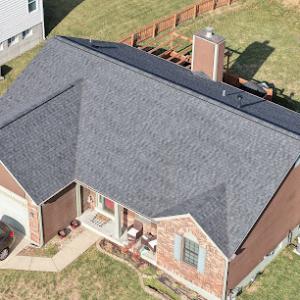
Gallagher Bros Construction is St. Charles’ trusted roofing expert, dedicated to protecting your home with speed, quality, and clear communication. Serving O’Fallon, Cottleville, and the greater St. Charles County area, we specialize exclusively in residential roof replacement, repair, and storm damage restoration. As a locally owned and family-oriented company since the 1970s, we offer more than just a new roof; we are your advocates in the insurance process. Our sophisticated internal insurance supplementing team fights for homeowners to ensure you receive the full coverage you deserve—often securing thousands more in claim value than national competitors.
St. Peters Roofing
(636) 697-6354 stpetersmoroofing.com
Serving
4.9 from 50 reviews
St. Peters Roofing / Warrenton Roofing is designed to give customers a more professional experience during your renovation experience. We cater to the specific needs and expectations of each customer. Whether you are looking for a roofing company that deals with insurance claims or just need a simple asphalt roofing repair, call today and book your appointment with the best roofing company near St. Peters, MO!

Bastin Roofing
(636) 556-4721 www.bastinroofing.com
Serving
4.4 from 30 reviews
With nearly three decades of dedicated service, Bastin Roofing has been the trusted name for roofing and exterior solutions in O'Fallon and the greater St. Louis area since 1995. As a veteran-owned and operated company, we pride ourselves on protecting your most valuable asset—your home. Our comprehensive services include new roof installations and repairs for both residential and commercial properties, ensuring expert craftsmanship and reliability. Let our team of professionals provide the protection your home deserves.
Brody Allen Exteriors
(314) 678-8644 brodyallenexteriors.com
Serving
4.9 from 391 reviews
At Brody Allen Exteriors, we’re your neighborhood crew for roofing, siding, windows, and more—helping homeowners across Lake St. Louis, Chesterfield, and surrounding areas make their homes feel new again. We know how exciting it is to see that big before-and-after transformation, and we love being part of that moment with you. We keep things simple, honest, and high quality—no pushy sales, just solid work with materials that last. Whether you’re dealing with storm damage or just ready for a fresh look, we’ll walk you through your options and help you choose what fits your home and budget best. Reach out if you want to chat with a team that treats your home like it’s our own.
Donnelly Brothers Roofing
(636) 487-7727 donnellybrothersroofing.com
Serving
4.9 from 16 reviews
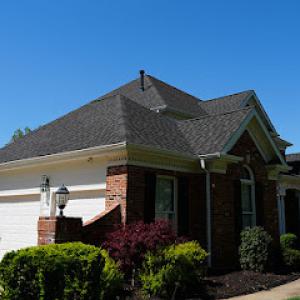
At Donnelly Brothers Roofing, we make it a point to deliver the best possible roofing, siding, and gutter services. With over 20yrs experience in the St. Louis and St. Charles County areas, we understand the market's weather conditions and can help you choose the best roof for your needs. We guarantee we'll the job done right and done fast. Contact us for a free roofing, siding, or gutter estimate today.
Crane Roofing
(636) 724-1300 craneroofing.com
Serving
3.7 from 19 reviews
Crane Roofing has been family owned and operated company for over 50 years. Jack Crane started his career in the roofing business. He was well known for his knowledge and accuracy in applying roofs.
Orf Exteriors
(636) 377-0673 www.orfexteriors.com
Serving
5.0 from 7 reviews
ORF Exteriors is family owned, operated and currently under it's 3rd generation of management. Specializing in Roofing, Siding & Gutters.
Missouri's hail and wind claim environment keeps insurer scrutiny high in O'Fallon, so you need a precise paper trail from day one. When a storm hits, a homeowner typically ends up juggling multiple documents at once: photo timelines, contractor notes, and an estimate that aligns with the actual replacement scope. A clean, date-stamped set of photos taken at the initial damage and after any temporary protections are in place helps avoid back-and-forth delays. Curb appeal and roof line are often damaged more than the eye initially notices, so visible and non-visible damage both matter. For visibility, capture close-ups of granule loss, bruising on the decking, and any haloing around fasteners. Start the record the moment the storm ends and keep it updated as the project progresses.
Two elements stand out in this market: slope-by-slope notes and a detailed, scope-consistent estimate. O'Fallon roof projects frequently involve varied roof planes, which means the insurer wants a slope-by-slope assessment. Mark each section of the roof with its angle, coverage needs, and any obstructions that affect installation. This helps demonstrate that the replacement scope truly matches the roof's geometry and that there is no hidden area left under-protected. A single, blanket note rarely satisfies reviewer eyes in this region; the reviewer is looking for granular detail that aligns with the actual install. In parallel, the estimate should map directly to the replacement scope, including ventilation, underlayment, flashing, fasteners, and any necessary code-compliant measures. Don't leave questions about ventilation strategy or fastening methods to guesswork-the claim reviewer will want to see those choices spelled out and justified by the roof's design and climate exposure.
Local claim reviews may focus on whether the replacement includes code-compliant ventilation and fastening details, not just visible shingle damage. You'll want a clear plan showing ridge, soffit, and baffled ventilation where applicable, plus a fastening matrix that specifies nail type, gauge, spacing, and any hurricane-approved requirements. This is not a cosmetic detail; it directly affects long-term performance and insurance acceptability. If a contractor proposes an upgrade in ventilation or a specific fastening pattern, document the rationale and how it integrates with the existing attic layout and roof structure. Keep the documentation consistent across all pages: photos, notes, and the estimate should all reference the same roof sections and measurements.
In O'Fallon, insurance timing often drives contractor scheduling because storm surges can quickly tighten availability after regional weather events. Prepare for potential rapid shifts in start dates and crew assignments as insurers issue approvals or request additional documentation. The best approach is to have a documented, staged timeline that reflects the insurer's review milestones and the replacement scope. Share this with both the insurer and the contractor so everyone is aligned on when materials arrive, when inspections are expected, and how weather contingencies will be handled. When storms are fresh in memory, the clock moves quickly; keep the paperwork tight, consistent, and ready for rapid submission to prevent delays.
Connect with contractors who help homeowners navigate the claims process from damage assessment to final approval.

Berry Construction Roofing & Storm Repair
(636) 294-7663 berrygoodroofmo.com
Serving
4.8 from 217 reviews
Asphalt shingles dominate the local scene because they fit the area's large volume of suburban re-roofing work and are easier to replace after hail than heavier premium systems. Homeowners often choose this option for its straightforward installation, familiar appearance, and broad availability from local suppliers and crews. In O'Fallon, a hail event can create sudden, widespread demand for quick-turn replacements, and asphalt shingles commonly streamline the process from assessment to recovery. When evaluating this option, consider the wind resistance class, impact-resistance ratings, and the expected lifespan in Missouri's seasonal climate. A well-installed asphalt roof can deliver dependable performance through hot summers and sudden spring storms, with color and profile choices that align with neighboring homes to maintain neighborhood curb appeal.
Metal roofing offers a different value proposition in this market. It is a secondary but relevant option for homeowners prioritizing impact resistance and heat performance through hot Missouri summers. In neighborhoods with a mix of architectural styles, metal can provide a distinctive look while offering excellent hail resistance and potential gains in energy efficiency. The material expands and contracts with temperature swings, so proper underlayment and precise fastening patterns matter to weather heavy winds common in spring hail seasons. If choosing metal, pay attention to panel profile, coating with UV stability, and fastening methods that reduce the risk of loose panels after hail impacts. Structural assessment remains essential to ensure the existing decking and rafters support the weight and loads associated with this system. Reflective finishes and lighter color options can help reduce attic temperatures during peak summer months.
Clay tile and concrete tile are available in this market, but their suitability depends heavily on whether the home's structure and neighborhood architecture support those systems. Tile roofs impart a distinct look and can offer long service life in dry periods, yet their heavier weight and brittle nature after hail require careful assessment of the existing structural capability and professional mounting details. Wood shakes bring a traditional texture that complements certain residential styles but can present higher maintenance needs in moisture-prone microclimates and during hail events. Synthetic products bring modern resilience with potentially easier installation and weight advantages, while still matching certain aesthetic expectations in a mature suburban fabric. For each of these options, ensure compatibility with existing roof geometry, attic ventilation, and the ability to properly seal around penetrations and roof-to-wall transitions. Neighborhood context and architectural alignment influence not just appearance but long-term resale value and insurance considerations, so discuss these factors with a trusted local roofer who understands the typical O'Fallon lot layout and home design trends.
In this area, roof replacements often occur after hail and wind exposure tests the integrity of the roof deck and flashing. The choice among materials should consider the typical storm timeline, the expected ease of repair after hail bruising, and how well the system integrates with current insulation and ventilation strategies. A balanced approach often favors materials that combine reasonable weight, straightforward maintenance, and broad local support networks for installation and repairs. When evaluating options, it helps to review the performance history of similar homes in the same neighborhood, paying attention to how each system fared during past Missouri hail seasons and heat waves.
If you're estimating a roof in this area, expect asphalt shingles in the range of about 350 to 700 per square, metal between 700 and 1300 per square, clay tile from 1100 to 1900 per square, concrete tile roughly 900 to 1500 per square, wood shingles or shakes from 600 to 1100 per square, and synthetic or composite shingles around 550 to 950 per square. Those figures reflect the mix of suburban layouts common here-three- and four-bedroom homes with multiple roof facets, occasional attached garages, and a mix of moderate to steep pitches. The more complex the roof, the more labor and waste handling you'll see on the final bill.
Storm-driven demand spikes can widen the spread after a hail event because quick-response crews book up fast across the St. Charles County and greater St. Louis market. If hail hits hard, you'll notice multiple bids arrive within a short window, and some contractors may stretch timelines or raise contingency lines to cover the surge. In practical terms, don't be surprised to see one or two bids come in noticeably higher than others right after a storm, then normalize over the following weeks as crews pull in steady schedules. Plan to compare several bids within a few days of your initial hail damage assessment to avoid paying a premium for rush work.
Costs here are also shaped by the area's common suburban roof layouts with multiple facets, attached garages, and moderate-to-steep pitches that increase tear-off, flashing, and cleanup labor. A roof with several intersecting planes or a high chimney adds hours to demo and re-flashing, and those hours show up in the bid total. If a contractor quotes a surprisingly low figure, ask specifically about tear-off, disposal, flashing, and waste cleanup-these line items frequently swing the final price once the job is scoped precisely.
For a typical asphalt replacement, your budgeting should factor in mid-range bids that align with the 350-700 per square band, plus a buffer for weather-related timing shifts during spring and early summer storm cycles. If metal or tile is chosen, expect significant steps up in material and labor, with accurate estimates requiring a close look at the roof's complexity and existing deck condition. In storms, aim to get a staged plan from the contractor: a clear schedule, a defined scope of work, and a realistic timeline for material availability and crew dispatch to minimize delays and surprise charges.
Don't let upfront costs delay a critical repair - these contractors offer payment plans to fit your budget.
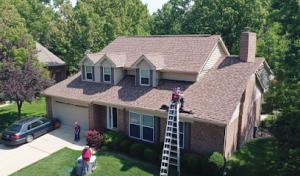
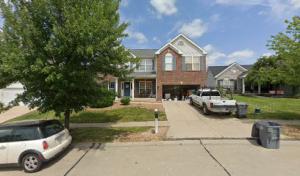
When a full roof replacement hits your calendar in this town, the permit process isn't something you skip or rush through informally. O'Fallon's building department expects a formal permit for a complete roof swap, and climbing the paperwork stairs early helps prevent hiccups later. Getting the permit lined up before the first shingle is laid keeps contractors honest about timelines and ensures the job is documented for insurance, which matters a lot after a hail event. If a contractor suggests you can bypass the permit, tread carefully-shortcuts here tend to cost more in delays and rework than the effort saved upfront.
For standard asphalt shingle and metal roof replacements, plan review tends to be relatively brief. That brevity can feel encouraging, but it's still a gate you must clear before work begins. Have your project specifics ready: scope of work, door-to-door access, and any vent or attic changes tied to ventilation upgrades. Once the paperwork is submitted and the plan is approved, routine re-roofing often moves quickly. Don't let a lack of friction in the early stage lure you into assuming the rest will glide by; inspections will still verify the details that actually matter for performance and wind resilience.
O'Fallon inspectors tend to zero in on nailing patterns and ventilation details as a matter of course. The fast-growing housing stock in this area means crews should be precise about nail depth, spacing, and securing strips, especially on wind-exposed elevations. Ventilation is not a cosmetic add-on; improper venting can trap heat or moisture and lead to premature degradation of decking and underlayment. The final inspection after completion is standard practice, and missing this milestone can stall occupancy or trigger a formal hold on certificate of occupancy if you're replacing a roof in conjunction with other work.
Coordinate with your contractor to keep the permit packet complete and current. If storm season creates a surge of insurance documentation to align with the permit, keep those records organized and readily accessible. Once the final inspection passes, make sure you receive the signed certificate of completion and keep it with your home records. This keeps you protected if future weather events prompt questions about retrofits or code compliance. In this town, a compliant permit plus a clean final inspection isn't just paperwork-it's peace of mind when the next hailstorm rolls in.
In this area, the best replacement conditions tend to show up in milder months. Missouri summers are hot and winters bring freeze-thaw cycles that can affect sealing and crew productivity. Plan your project for a stretch when daytime temperatures stay comfortably cool and consistent, and when the roof can breathe between storms. That helps shingles seat properly and minimizes the risk of leaks during the work.
Summer installation requires attention to heat and UV exposure because shingles can scuff more easily and crews may need to adjust work pace and staging. If a replacement is scheduled during peak heat, discuss daily start times with the crew to avoid the hottest part of the day. Ensure the attic is vented well so interior temperatures don't push shingle backing or sealants beyond their comfort zone. Keep the job site organized so bundles don't sit on the roof and rub surfaces as the sun shifts.
Winter freeze-thaw conditions around this area can create shingle lifting and leak paths if materials are not sealed properly before cold snaps. If a project runs late in the season, confirm that roof edges, penetrations, and the valley are sealed and waterproofed ahead of significant drops in temperature. Temporary tarps or coverings may be needed to protect exposed areas during cold snaps, and crews should monitor for ice buildup along eaves and gutters.
Look for widespread granule loss, curling or buckling shingles, recurring leaks after storms, or visible damage from a recent hail event. If multiple failures line up after a severe hail season, coordinate with the contractor to align the schedule with favorable weather windows and ensure proper sequencing so seals and underlayment are addressed before any deep cold sets in.
In O'Fallon, the typical failure pattern isn't just patchwork cosmetic wear. Homes often show storm-driven damage stacked on top of aging asphalt systems. A hail strike can dent and bend shingles, loosen granules, and push water toward vulnerable seams. If the roof has already endured years of heat cycling, the combination can accelerate core material breakdown, leading to accelerated granule loss, accelerated underlayment wear, and a higher chance of leaks after the next heavy storm. The takeaway is simple: storms expose underlying weaknesses that aging shingles wouldn't reveal on a calm day.
Local inspections frequently flag attic ventilation as a quiet but powerful life-extender or life-shortener. Hot summers in this region push attic temperatures, which can bake underlayment and adhesive layers, shortening roof life. When airflow is poor, moisture can condense in winter, seeping into sheathing and deck boards. You may notice more ice damming and warped decking after a few winters if ventilation is insufficient. If a roof has been patched rather than refreshed, those venting flaws are likely to become the dominant culprit behind recurrent leaks and insulation degradation.
Skylights and roof penetrations become higher-risk leak points after hail and wind events, especially when older flashing is left in place during partial repairs. In houses with older vent boots or compromised step flashings, storm-driven water finds easy access around penetrations. After a major event, the combination of pressed flashing, compressed sealants, and aged shingles creates a perfect path for water intrusion. The prudent approach is to scrutinize every penetration during inspection, and plan for flashing upgrades where aging materials are still in place.
Find contractors experienced in skylight installation, flashing, and leak repairs to bring natural light into your home.


Shamrock Roofing & Construction Lake Saint Louis
(314) 380-3028 shamrockroofer.com
Serving
4.9 from 292 reviews
In this dense storm-repair market, you should expect many contractors to offer re-roofing, fast response, and cleanup as standard rather than as premium extras. That means speed is common, but so is a wide range of experience and incentives. Look for firms that routinely handle hail-damaged jobs and insurance coordination, not just those who quote quickly. Long-established, family-owned firms are a meaningful part of the local landscape and can be more reliable for steady communication and steady crews when storms hit hard.
Value in this area is often tied to how well a contractor handles the paperwork, not just the shingle shown on the roof. Prioritize teams with a track record coordinating permits, inspections, and claim documents smoothly. Ask about their process for documenting hail damage, color and material choices, and how they manage rain days or crew changes without delaying the project. Look for references from neighbors who faced similar hail events and verify their experience with insurance-ready documentation.
Because insurance coordination is central to the job, request a dedicated point of contact who can review your claim, gather the required support documents, and liaison with the insurer's adjuster. A strong local roofer will provide a clear, written plan for presenting damage photos, mitigation steps, and the final scope of work. If a contractor hesitates on paperwork or promises unclear timelines, move on to a firm with a proven, transparent process.
During the final talks, confirm cleanup standards, storm-damage turnaround expectations, and on-site safety practices. For homes with aging roofs or mixed materials, ensure the crew is prepared to match or transition materials cleanly and to communicate any color or component challenges early. A dependable local roofer will view insurance coordination as part of delivering a solid, lasting repair.