
Last updated: Apr 19, 2026
In this area, spring wind and hail events collide with winter freeze-thaw cycles, turning roofs into pressure cookers that can fail with little warning. Sudden leaks aren't an isolated annoyance here-they're a mounting risk to attic spaces, ceilings, and even electrical systems. The weather pattern around Newark Liberty's wind corridor means shingles rip, flashing lifts, and vents crack more often than in milder climates. Ready, decisive action keeps interior damage from spiraling and reduces insurance headaches down the line.
When water starts entering, time matters. Stopgap tarp work is not a cosmetic fix; it's essential to minimize interior damage while you arrange a professional repair. Prioritize securing the area, catching dripping water in a bucket, and converting any vulnerable attic access into a temporary weather seal until a contractor can assess. In Hillside, storms can return quickly, so once a tarp is in place, contact a local, storm-focused roofer who can respond the same day or within 24 hours. Transparent, prompt communication about access, safety, and anticipated arrival time helps keep neighbors from duplicating efforts and reduces repeated exposure to the weather.
New Jersey claims commonly hinge on documented roof age, current condition, and a clear after-action record. Before any temporary repair, take date-stamped photos from multiple angles: the leak source, attic moisture, and any visible roof damage. After each weather event or repair, photograph the updated condition to show progress and the effectiveness of every measure. When a adjuster visits, these images become the backbone of the claim, supporting the case for timely, appropriate replacement or repair work. If you must leave the site, ensure the contractor notes where water intrusion occurred and what was temporarily done to mitigate risk.
The Hillside contractor market skews toward emergency repair and storm damage response. Seek crews with a track record of rapid mobilization, clear written estimates for both temporary and permanent fixes, and the ability to document work with photos and notes suitable for insurer review. A good storm-focused roofer will triage leaks, install a durable temporary cover, and set expectations for a permanent repair or replacement that aligns with the house's roofing type and the season's demands. Insist on written timelines, explicit safety protocols, and a plan for safeguarding interior spaces during the repair process.
Storms in this corridor can recur, so having a plan before the next big event is crucial. Maintain up-to-date photos of roofing conditions, store emergency tarps and fasteners, and establish a preferred local contractor relationship before leaks begin. Consider reinforcing vulnerable spots-valleys, flashing joints, and edge details that frequently fail in wind-driven events-so the first call is a repair rather than a full replacement when possible. This proactive stance helps Hillside homeowners keep faster response times and stronger documentation when the weather turns again.
Peter Contractor
(347) 992-4144 petercontractor-llc.com
Serving
5.0 from 445 reviews
At Peter Contractor, we offer expert construction, remodeling, and roofing services across New Jersey and New York. With over 21 years of experience, we specialize in new roofs, repairs, and full exterior and interior renovations for residential, commercial, and industrial clients. As a GAF Certified, fully licensed and insured contractor, we provide top warranties and reliable, high-quality work. From roofing and siding to concrete and brickwork—we do it all, at the best price and with care.

FX Home Remodeling
(908) 967-8850 fxhomeremodeling.com
Serving
4.9 from 116 reviews
FX Home Remodeling – Roofing Contractor in Union, NJ FX Home Remodeling is a family-owned roofing company proudly serving Union County and surrounding New Jersey areas for over 20 years. We specialize in roof repairs, roof replacements, and new roof installations for both residential and commercial. Our team values honesty, quality, and craftsmanship, treating your home as if it were our own. We use only the best roofing materials, including GAF, Owens Corning, and CertainTeed, to ensure lasting protection and curb appeal. Services include: Roof Repair & Leak Detection New Roof Installation Roof Replacement Solutions Aluminum Seamless Gutters Gutter Cleaning & Maintenance Free Roof Inspections
Nunez Home Improvement
(908) 992-9261 www.nunezhomepro.com
Serving
4.9 from 142 reviews
Nunez Home Improvement is a licensed and insured roofing contractor serving Elizabeth, Union County, and surrounding areas in New Jersey. We specialize in roof replacement, roof repair, storm damage roofing, and emergency roof repairs. Our team provides free roof inspections, honest estimates, and high-quality workmanship using top-grade materials. Whether your roof has leaks, wind damage, or needs a full replacement, we deliver reliable and professional service every time. Call today for a free roof inspection and También atendemos en español. Ofrecemos inspecciones gratuitas de techos, reparaciones, reemplazo de techos y trabajos por daños de tormenta en Elizabeth y Union County
Raidex construction
(973) 380-4652 www.raidexconstructionllc.com
Serving
4.8 from 116 reviews
Raidex Construction is a family-owned roofing and exterior services company with over 15 years of experience. We specialize in roof replacements through insurance claims, affordable roof repairs, siding repair, and gutter services. Locally based and highly rated with 4.5-star reviews, we focus on quality over quantity and offer easy financing options to help homeowners improve and protect their homes with confidence.
Alpha Home Roofing
Serving
5.0 from 94 reviews
Alpha Home Roofing We have over 16 years of experience in the roofing business. We love what we do and always pay close attention to everything we do. Making sure that the Customer is always satisfied with the finished work.
Midpoint Roofing
(973) 834-7570 midpointroofing.com
Serving
5.0 from 111 reviews
Midpoint Roofing is a premier roofing contractor in Union, NJ. We specialize in roof replacement, roof repair, and a wide range of roofing services. We are located at 2204 Morris Ave Suite 302b, Union, NJ 07083 and service clients in many different areas of New Jersey, including Union County, North and Central NJ. Our team of experienced professionals has lead the roofing industry for 10+ years. We are fully dedicated to providing top-notch workmanship and exceptional customer service. We offer the best prices on roof repairs and roof replacement around and work with insurance and do all the work for you! Trust Midpoint Roofing to handle all your roofing needs with integrity and quality. Contact us today for a free estimate or inspection!
RSB Construction & Roofing
(908) 402-1835 www.rsbconstructionllc.com
Serving
4.9 from 79 reviews
RSB Construction, located on 420 Maple Ave, is the premier roofing contractor in Elizabeth, NJ, with over 35 years of experience under owner Alvaro's expert leadership. Serving Hudson, Union, Bergen, and beyond, our certified team specializes in roof repair, residential and commercial roofing, roof replacement, and installation. Whether you need asphalt, metal, or shingle roofing, we offer customized, affordable solutions backed by lifetime labor warranties and stellar customer service. Trust RSB Construction for top-quality workmanship, from roof leak repairs to complete installations. Contact us today for reliable, precision roofing services tailored to your needs.

Herts Roofing & Construction
(908) 206-4240 hertsroofingnj.com
Serving
4.9 from 114 reviews
Located at 20 Commerce Drive Suite 135, Herts Roofing & Construction is your trusted local roofing contractor, specializing in comprehensive roofing services. Whether you need expert roof repair, seamless roof replacement, or efficient new roof installation, our skilled team ensures exceptional quality for every project. We cater to both residential roofing needs, offering affordable new roof costs and detailed roof inspections. Our experience extends to various materials, including durable metal roofing and versatile flat roofing, adeptly addressing any roofing challenge. For urgent needs, our emergency roof repair services are always ready. Choose Herts Roofing & Construction for unrivaled craftsmanship and reliability.
Global Home Improvement
(908) 987-3147 www.globalhomeinc.com
Serving
4.8 from 127 reviews
Global Home Improvement services offers the best home improvements throughout Atlantic County, Bergen County, Burlington County, and the surrounding areas of North and Central NJ. We feature high quality products such as James Hardie Siding, Marvin Windows and Metal Roofing. Our lifetime exterior home improvements come with a lifetime material and labor warranty giving homeowners piece of mind with every install. If you're looking for Roof Replacements, Replacement Windows, Replacement Doors, Gutter Installation, and or Siding give us a call for a free no-obligation estimate of our services.
A1 Quality Roofing-Roof Repair & Replacement
(866) 766-3370 www.a1roofingnj.com
Serving
4.8 from 81 reviews
A1 Quality Roofing–Roof Repair & Replacement provides premium residential roofing services throughout Essex, Union, and Bergen County. We specialize in roof leak repair, full roof replacement, skylight replace, siding, gutters, soffit & fascia, chimney flashing, emergency storm repair, and complete exterior remodeling. With lifetime material warranties, 20-year workmanship coverage, and five-star reviews, A1 delivers workmanship you can trust. Every project is completed using certified materials including Owens Corning, Velux skylights, CertainTeed siding, and seamless 5” & 6” gutters We proudly serve NJ, If you need a fast, reliable, same-day roofing expert, A1 Quality Roofing stands behind your home with unbeatable honesty
R & G Roofing
(973) 324-9461 rghomeservices.com
Serving
4.9 from 290 reviews
R and G Roofing is one of the Best roofing companies in New Jersey Essex County providing Roofing, Home Improvement, Roof Repair, Roof Replacement, Roof Installation, Roof Maintenance, Shingle Roofs, Flat Roofs, Commercial Roofing, Roofing Prices, Siding Installation, Vinyl Siding, Vinyl Siding Repair, asphalt, GAF, CertainTeed, Owens Corning, roof, roofer, gutter, gutters, gutter repair, gutter installation, gutter covers, leaf protection and any Skylight work replace or repair. Roofing Family Business serving all surround areas. We are the Top Contractor in Essex county committed to highest customer service in workmanship quality.

Jersey Eco Roofing
(862) 201-2021 jerseyecoroofing.com
Serving
5.0 from 54 reviews
Jersey Eco Roofing is a trusted roofing company in Springfield, NJ, known for expert craftsmanship and eco-friendly solutions. With over 6 years of experience, our licensed and insured team provides top-tier roofing services in Springfield, including repairs, installations, and replacements. As leading roofing contractors in Springfield, we’re committed to quality, durability, and customer satisfaction. We proudly serve nearby areas like Essex, Union, Morris, Bergen, and Passaic counties. Whether you need a minor fix or a full roof upgrade, our team ensures reliable results every time. Call today to schedule your free estimate and protect your home with confidence.
Chimney-related roofing work is unusually prominent in this market, a signal that flashing and masonry intersections on older homes pick up a disproportionate amount of wear. In Hillside, those chimney-foot, step-flashing, and wall-line junctions are common failure points after years of sun, wind, and storm cycles. When a long-term leak starts at a chimney, it often shows up first as a small drip near the base of the chimney or as staining along the interior ceiling near a wall line. The pattern is a telltale sign that the problem isn't a simple shingle issue but a flashing or masonry connection that has begun to fail or separate.
Autumn brings a seasonal risk that you should respect. Leaf buildup around flashing and gutters can trap moisture and push water toward vulnerable seams at the chimney and valley intersections. It's not just aesthetics; that moisture can widen gaps and freeze later, forcing water deeper into the roof structure. As the leaves accumulate, you may notice more dampness along the chimney chase, along the joints where the roof meets brick or siding, and where gutters overflow. Proactively clearing debris and ensuring proper drainage is a practical step you can take before the first freeze, especially on homes with compromised masonry or aging flashing.
Freeze-thaw cycling in Union County conditions compounds the exposure already faced by older roofing. Small gaps at step flashing, counterflashing, and masonry joints may look minor in the fall, yet winter's freeze can press them open enough to allow interior leaks. The risk isn't only during heavy rain; a light, chilly drizzle followed by night-time freeze can trap moisture behind flashing that later escapes inward. When you inspect after a storm, pay attention to areas where the roof transitions to brick or stone, and where the chimney, wall lines, or valleys interrupt drainage. Quiet leaks often travel along the roof deck to the interior, and the path is not always obvious from the attic.
Maintaining a cautious mindset around chimneys and flashing helps prevent escalating damage. If you detect persistent dampness in the attic, or see new staining along ceiling joints near a chimney chase, don't assume a simple shingle replacement will suffice. The underlying issue may be flashing or masonry deterioration that requires targeted flashing replacement, masonry repointing, or integrated flashing at the chimney-to-roof intersection. Seasonal checks are especially valuable: after leaves have fallen, after heavy storms, and after the first freeze-thaw period. A careful exterior inspection can catch small gaps before they become costly interior problems.
In practice, address the predictable failure pathways first. Ensure chimney flashing presents a continuous, properly sealed seam where it meets the roof deck. Verify counterflashing sits firmly against masonry and that any mortar joints show no cracks or spalling. Look for displaced shingles adjacent to chimney walls and at valley intersections, where wind-driven rain can exploit a tenuous seal. If you're unsure about the condition of flashing or masonry joints, a professional who specializes in older Hillside homes can perform a focused assessment and recommend repairs that restore the integrity of the joints rather than chasing symptoms alone.
Flat-roof specialization is meaningfully active in Hillside's contractor market, reflecting a real local need for low-slope leak diagnosis and replacement planning. The dense, four-season climate brings wind-driven rain in storms and winter ice that forms on edge transitions. Mixed rooflines-porches, additions, and clipped or connected flat sections-are common, so understanding how these pieces drain and seal together is essential for long-term reliability.
Low-slope sections on porches and additions are especially exposed to ice dam formation when gutters and scuppers back up, and to thermal movement during hot summers when coatings and seam tapes expand and contract. Seams, penetrations around vents, drains, and skylights, and the transitions between flat and pitched portions are the weak points that often show leaks first. In Hillside, the way these pieces tie into edge metal and fascia matters as much as the flat surface itself, since water can follow any small gap into an underlying structure.
If wind or hail damage is suspected after a storm, start with a careful exterior scan from ground level. Look for loose flashing, lifted edge metal, peeling coatings, and displaced drain covers. On flat sections, check around penetrations for lifted sealant or torn membranes. If you see active water entry inside the attic or ceiling, place temporary tarps or plastic sheeting to block further infiltration while planning a repair. Note any unusual creaking or movement in metal edge systems, and monitor for ponding that isn't draining within 24 hours after a rain.
Because Hillside sits in a dense inner-ring suburban setting with many attached roof features, drainage details at scuppers, edge metal, and transitions between flat and pitched sections deserve extra attention. Scuppers should be free of debris and clearly integrated with flashing that sheds water away from the wall. Edge metal needs a continuous, corrosion-resistant seal, with fasteners correctly spaced to avoid movement during freeze-thaw cycles. At transitions, ensure the waterproof membrane overlaps properly onto the adjoining pitched roof, and that any vent pipes or curbs are fully sealed so water cannot creep under seams.
When documenting wind-driven roof failures for insurance claims, gather a clear timeline of events: dates of storms, observed leak onset, and all weather conditions. Take wide-angle photos of the roof area showing the orientation of flat and low-slope sections, then close-ups of damaged sealants, flashing, and edge details. Save interior photos of affected ceilings and attic spaces, noting any visible mold or staining. Keep copies of previous maintenance records and any recent repairs that touched the same areas. A simple, labeled drawing that marks scuppers, drains, penetrations, and transitions helps the adjuster understand the water path and where failed detailing allowed intrusion. In Hillside, where wind-driven events are common, emphasizing edge flashing integrity and the cause-and-effect chain from membrane to penetration to interior is especially persuasive.
Find specialists in TPO, EPDM, and built-up flat roofing systems for residential and commercial properties.
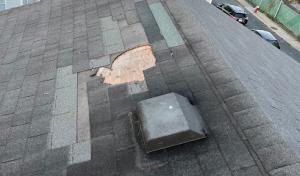
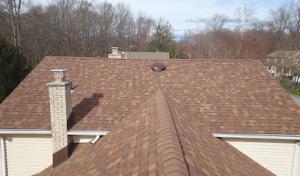
Asphalt shingles are the dominant practical choice in this area, aligning with the older detached homes that line many Hillside streets and the market's strong re-roofing orientation. They handle the annual mix of wind, rain, and snow well when installed with a solid underlayment and proper edge detailing. For storm scenarios, you should prioritize a high-quality sealant adhesive and staggered courses to minimize wind uplift risk. When you evaluate a replacement, ensure the roof deck is sound and that the existing ventilation and attic insulation are capable of supporting a long-lasting shingle installation. In many cases, asphalt shingles offer a reliable balance of performance, flashing compatibility, and repairability for the typical four-season climate.
Metal roofing is present but more specialized locally, making it a targeted upgrade option for owners prioritizing snow shedding, durability, and lower maintenance over first cost. In Hillside's wind-exposed corridors, metal can provide excellent resistance to wind-driven rain and can extend the effective service life of the roof. If you're considering metal, look for a standing-seam profile with concealed fasteners and a robust sealant system at hips and ridges. Metal also pairs well with a well-insulated attic and a properly vented soffit system to reduce condensation and ice dam concerns during peak winter. Remember that flashing continuity is crucial around chimneys, vents, and skylights, where wind-riven impacts are most common.
Tile, slate, and wood products exist in the broader material mix but require careful structural and flashing evaluation on older North Jersey homes before replacement decisions are made. Clay and concrete tiles can offer excellent longevity and a distinctive look, but older structures may need reinforcement to support the weight and to accommodate modern underlayment and flashing details. Slate and wood shingles provide period-appropriate aesthetics but demand meticulous installation practices to prevent wind uplift and moisture intrusion. If you pursue these options, schedule a thorough structural assessment and plan for flashing upgrades around vent stacks, dormers, and roof-to-wall transitions. For storm resistance, a reinforced underlayment and coordinated gutter and downspout strategy help divert wind-driven water away from the eaves and fascia.
In this market, storm damage and wind-driven leaks require prompt documentation for insurance purposes. After a wind event, capture high-resolution photos of roof edges, flashing, and any interior water intrusion. Note missing shingles, lifted edges, and damaged vents, and keep a record of dates and weather conditions. When evaluating replacement options, compare how each material handles wind uplift, slope compatibility, and flashing transitions around skylights and chimneys. A thoughtful selection that accounts for Hillside's mixed housing stock and four-season exposure can reduce repair cycles and improve long-term resilience against the next storm.
When planning a replacement, use local material ranges per square: asphalt shingles 450 to 800, metal 700 to 1100, clay tile 900 to 1600, concrete tile 700 to 1200, wood shingles or shakes 700 to 1200, and slate 1200 to 2300. These ranges reflect Hillside's mix of older pitched homes with occasional low-slope sections, and they help you benchmark bids from local crews. Keep in mind that project scope matters: a standard gable with a single roof plane is much cheaper per square than a multi-section roof with dormers, chimneys, or complex hips.
Costs in Hillside can rise on older homes with multiple chimney flashings, layered tear-offs, tight driveway access, and mixed roof sections that slow staging and debris removal. If your house stacks several vulnerabilities-dense rooflines, short eaves, and narrow alleys-the crew may need extra time and equipment to protect landscaping, remove debris, and maneuver materials. This translates into higher labor hours and sometimes a staged process, which can push project duration and cost beyond a simple per-square estimate.
Pricing pressure can also increase after regional storm periods in North Jersey when emergency demand surges and replacement schedules shift toward spring and fall. If a sudden wind event or hail storm hits the area, you may see quick bid inflation, expedited scheduling requests, and higher disposal or crane costs if needed. Build a small contingency into your budget for these seasonal spikes, and plan for an early conversation with your contractor about price holds or temporary material reserves.
In a leak-first scenario, focus on identifying the exposed areas and temporary tarping options while awaiting a written assessment. For insurance documentation, photograph the damage from multiple angles, capture adjacent roof areas, and note dates of storms and incidents. Keep a simple file: contractor assessments, invoices, and prior maintenance. This record helps streamline claim discussions and ensures you're comparing apples to apples when reviewing bids.
Request multiple bids tailored to your roof's specific layout, including chimney flashings and any layered tear-offs. Ask for itemized line items: material type, underlayment, flashing, disposal, and staging. Confirm delivery and access implications for tight driveways, and discuss debris containment and tarp protection for landscaping. With the local ranges in hand, you'll be better equipped to negotiate fairly and avoid surprise add-ons during the job.
Get a clear picture of your project costs upfront - no commitment required.
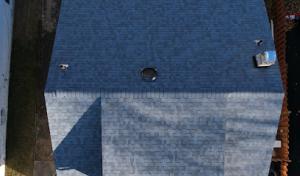
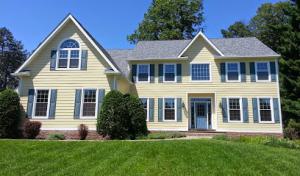
A full roof replacement in Hillside typically requires a building permit filed with the municipal Building Department. The process reflects the four-season climate and the windy, storm-active pattern typical of the area. Before any shingle tear-off or new installation begins, you or your contractor should submit the project scope, roof dimensions, and material type for review. The aim is to ensure the replacement meets local structural and drainage requirements, especially given Hillside's dense housing stock with wind exposure along the Newark corridor. Expect the permit to outline required workmanship standards and any site access restrictions during the work window.
During the application review, the Building Department may ask for proof of contractor license and liability insurance as part of the review. This is particularly important in Hillside where storm-related damage can prompt expedited repairs or emergency work. Ensure the contractor's license is current and that the liability policy lists the project address. Having these documents ready helps avoid delays if a reviewer raises questions about flashing details, attic ventilation, or underlayment compatibility with local code requirements.
After completion, an inspection is typically scheduled to verify installation quality, flashing details, and material compliance with local code requirements. In Hillside, inspectors will look closely at how the valley and transition areas are flashed, how penetrations are sealed, and whether the roof meets drainage and venting standards for the area's winter and spring storms. Be prepared for an on-site review of attic ventilation and a cursory check of fastening patterns in exposed wind zones. If any discrepancies are found, a follow-up inspection will be needed to confirm corrections.
Coordination with the Building Department often speeds up approvals when the contractor provides a clear timeline, confirms permit numbers on all invoices, and aligns work with the neighborhood's permit windows. Keep a labeled folder of all permit documents, proof of licensing, and insurance, plus the final inspection notice, so future maintenance or insurance reviews can reference the approved installation specifics without delay.
In this community, carriers often want a clear picture of a roof's age and present condition before they approve a major roof-related claim or renewal. You should be ready with service records, previous inspection notes, and any work history that shows how the roof has performed over time. Gather receipts, photos, and notes from past repairs so you can demonstrate baseline condition and the trajectory of wear. Here in Hillside, where the mix of older pitched homes and low-slope sections meets a wind-exposed corridor, that documentation helps insurers understand risk and avoid surprises during a claim review or renewal discussion.
After wind or hail impacts, insurers may dispatch an adjuster to inspect the roof directly rather than relying on contractor photos alone. That shift matters. An adjuster's on-site assessment can reveal issues a quick photo set might miss-shingle lift, wind-damaged flashing, or concealed rot in decking. If you've photographed damage in the immediate aftermath, keep those images, but also coordinate access for the adjuster to perform a thorough roof walk. Prepare a concise record of observed problems, and be ready to point to specific roof areas impacted by the recent storm.
Claims tied to hail or wind can influence premiums and future coverage decisions, so it is wise to keep inspection reports, permit records, and completion photos together in one place. Here in Hillside, where homes endure seasonal storms and variable roofing swaps, a well-organized file can smooth transitions between claim settlement, renewal conversations, and any needed follow-up work. Retain notes from contractors and insurers side by side, and ensure that the most recent evaluation is easy to access if another event occurs. This approach helps you tell a precise, trustworthy story about your roof's history.
In Hillside, skylight work is notably active in the contractor market, and leak complaints around roof openings are common enough to merit specialist attention. A local eye will notice a pattern: windows and skylights that look fine at first glance often reveal their flaws only after a long stretch of cold, windy days or a heavy spring storm. The most reliable fixes come from installers who treat skylights as part of the roof system, not a cosmetic add-on.
In the freeze-thaw climate, curb flashing and the transitions where shingle or membrane meet the skylight are frequent weak points after winters and spring storms. Pay special attention to the area where the curb sits on top of the shingles, and where sealant or flashing kick-outs meet the surrounding roof. If water shows up along the inside edge of the skylight or damp spots migrate along the interior ceiling near the opening, the culprit is often flashing or a compromised integration with the roof deck.
After a full replacement is permitted and inspected locally, skylight integration should be reviewed as part of flashing and code-compliance checks rather than treated as a separate cosmetic item. When the roof is opened for a replacement or major repair, ask the contractor to assess curb height, flashing continuity, and membrane underlayment continuity around the skylight. A proper rebuild will tie the skylight's opening into the same weatherproof system as the rest of the roof, reducing future leak risk and ensuring alignment with the surrounding roof lines.
Ongoing maintenance should emphasize seasonal checks before and after storms. Verify that the curb flashing remains sealed where it meets shingles or membrane, and inspect nearby shingles for wind uplift or lift at the skylight edges. If you see gaps, sealant degradation, or loose flashing, bring in a qualified roofer who understands local weather patterns and material performance.
Find contractors experienced in skylight installation, flashing, and leak repairs to bring natural light into your home.

One Call 24-7 | Roofing & Restoration – Anytime. Anywhere. We’re There.
Serving
4.7 from 109 reviews