
Last updated: Apr 19, 2026
In tight, older 1- to 3-family blocks, aging roof coverings and flashing fatigue show up first as active leaks during storms, long before any planned replacement. Chipping away at the issue are the many older masonry chimneys that punctuate these homes, where leaks often trace along chimney craters and valleys instead of wandering across wide, open attic planes. When a storm hits, you're not just dealing with rain-you're contending with water finding every small seam, gap, and nail line that time and weather have stretched out. The risk isn't cosmetic: attic mold, compromised sheathing, and interior water intrusion can escalate quickly, especially with the close-quarter layout that makes quick internal drying harder and more urgent.
Chimney-related leak points carry extra weight in this market because nearby contractors traditionally handle a high volume of chimney service, reflecting the prevalence of older masonry structures. Leaks often originate at flashing around the chimney base, step flashing along the wall transitions, and along the collar and chimney cap where debris and age wear down protective seals. In these homes, a small blinking of dampness at a chimney boot can cascade into a larger roof leak if left unchecked. Expect to see converging lines of moisture where roof planes meet chimney projections, especially after wind-driven rain or freezing cycles that push moisture into compromised joints.
Storm response in narrow lots and densely built blocks presents unique challenges. Emergency tarping must contend with tight access lanes, adjacent property disturbance, and the need to protect neighboring homes from falling debris. Debris control becomes a two-front battle: containing roofing waste that slides off steep or low-slope sections and preventing damage to nearby façades, yards, and sidewalks in a close-knit street scene. Plan for a staged approach: first secure the vulnerable valleys and chimney-penetrated seams, then establish a controlled path for debris removal that minimizes scraping against siding, windows, and fences. Time is of the essence, but speed cannot trump safety or neighbor relations-think through access points, driveway slots, and ladder placement before the first tarps go up.
Begin by inspecting visible flashing around any chimney and along roof-to-wall transitions. Look for lifted shingle tabs near the chimney, dark staining along seams, and any cresting moisture on ceilings below leak paths. If you notice active dripping, place a temporary, heavy-duty tarp over the affected area with weighted edges to prevent billowing, and create a clear, safe corridor for workers to move in and out without tracking water into living spaces. Communicate with neighbors about access plans and timing to minimize disruption during high-wind, heavy-rain events. Document leaks with photos and note the storm's date and wind direction to help a contractor pinpoint likely failure zones for faster, targeted repairs. In this neighborhood pattern, prioritizing the chimney zones and flashings first will curb recurrent leaks and stabilize the roof until a full re-cover is feasible.
Many Irvington homes and mixed-use buildings have low-slope or flat rear roof sections even when the street-facing portion appears pitched, creating drainage and ponding concerns that differ from the main roof plane. The rear roofs often serve additions, porches, or second-floor transfers and sit under heavier shading from chimneys and neighboring structures. Their aging patterns can diverge from the front roof due to different exposure, ventilation, and material cycles. This isn't a cosmetic detail-front and rear sections can fail at different times, forcing separate decisions during replacement work.
In a dense inner-ring Essex County setting, low-slope additions and rear sections commonly bear the brunt of storm exposure and slow-draining water. It's common to find metal flashings around chimney penetrations or exhaust stacks that have lifted or corroded, along with decking that carries more moisture due to persistent ponding. Rear porches and utility bays may employ lighter or transitional roof systems that age out faster than the main roof. Understanding these layouts helps establish whether a unified reroof is possible or a staged approach makes more sense.
Because low-slope work is effectively a distinct hiring category, plan for a separate scope when replacement is considered. A rear flat or low-slope roof often needs its own inspection timeline, gasket and flashing sequence, and drainage detailing. Even if the front roof is in good shape, a rear section with its own drainage outlets, scuppers, or parapets can become the primary source of leaks after a storm surge or rapid temperature shifts. Expect to evaluate the rear section on its own terms, including its deck condition, insulation, and ventilation, before locking in a full-area replacement approach.
Ponding depth and drainage paths should drive the design. Check for secondary overflow routes, clogged scuppers, and downspout alignment with the rear roof's slope. Proper slope restoration and strong edge detailing are essential for flat sections that sit behind chimneys or wall penetrations. Weatherproofing around chimney flashes must be reliable, because a leak here can travel along framing and show up far from the original leak point.
Local contractor specialization in flat roofing is strong enough to treat low-slope work as a distinct hiring category rather than an add-on to standard shingle replacement. When selecting a contractor, verify experience with low-slope rear sections, chimney penetrations, and retrofit drainage solutions. Ask for photos of prior rear-flat projects, a written plan for flashing and edge detailing, and a reliable test of the drainage system after installation. A focused scope helps ensure that the rear roof behaves as intended, even under the toughest storm conditions.
Find specialists in TPO, EPDM, and built-up flat roofing systems for residential and commercial properties.
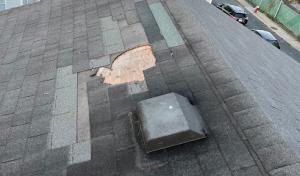
Raidex construction
(973) 380-4652 www.raidexconstructionllc.com
16 Durand Pl, Irvington, New Jersey
4.8 from 116 reviews
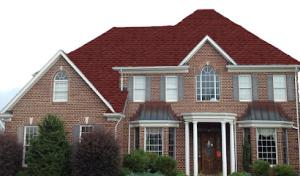
Asphalt shingles are the market default in Irvington because they fit the area's common detached and attached residential roof forms and align with the strongest local contractor specialization. For older homes with low-slope rear sections and chimney penetrations, asphalt's versatility, ease of repair, and familiarity among local crews help reduce storm-related leak downtime. When a quick, reliable re-roof is needed after a leak or hail event, many local contractors can mobilize, sheet, and seal around chimney flues and other penetrations without extensive structural modification. This makes asphalt a practical choice for the dense, varied housing stock that defines the neighborhood. The look and compatibility with existing trim and shingles often matter to homeowners seeking a straightforward upgrade that preserves the street character.
Heavier systems like clay and concrete tile are available but are less naturally matched to much of the older housing stock, where structure, detailing, and neighborhood context can complicate installation. If a home has limited attic access, compromised roof framing, or tight roof pitches, tile replacements may require additional structural work, underlayment changes, or roof deck reinforcement. In practice, this can slow projects and introduce higher risk during storm seasons. Tiles also demand precise chimney and vent integration, because penetrations are common near the peak and along ridges in these neighborhoods. For homeowners weighing a tile upgrade, a careful assessment of existing framing, eave overhangs, and local maintenance access is essential to avoid post-install leaks or fastener failures in heavy rains.
Metal roofing and synthetic/composite products are relevant upgrade paths in Irvington, but contractor availability is notably thinner than for asphalt, which can affect scheduling and installer choice. Metal offers durability and a lean profile that can shed wind-driven rain more aggressively, a potential advantage for storm response. However, the need for precise flashing around chimneys and along dormers remains critical, especially on older homes with uneven roof planes. Synthetic or composite shingles can mimic the look of traditional materials while delivering improved impact resistance and lighter weight. In practice, these options can be attractive where a roof is already nearing the end of its life and a homeowner wants better resilience to leaks and easier maintenance. The trade-offs to consider include the lead time to secure experienced installers and the compatibility of fasteners, underlayments, and ridge details with older roof decks.
Storm-driven leak response hinges on the ease of access for temporary fixes and the speed of a full re-roof when needed. Older houses with chimney penetrations often benefit from a properly sealed boot system and high-quality flashing, regardless of material choice. For rear sections with low slope, careful detailing at transitions between low-slope areas and steeper main roofs minimizes water intrusion during heavy rainfall. When evaluating materials, prioritize compatibility with existing roofing geometry, attic ventilation potential, and the ability to integrate with chimney and flue arrangements without creating new leak paths. In many cases, a mid-life asphalt upgrade paired with enhanced flashing and a reinforced underlayment delivers predictable performance in a storm-prone season and remains the most pragmatic path for these neighborhoods.
For a typical Irvington project, replacement costs hinge on tear-off complexity and the number of layers to strip, especially on older roofs with mixed geometries. Multiple chimneys or deep chimney flashing work can push labor and material coordination higher, while low-slope rear sections often require extra detailing or different underlayment strategies. Asphalt shingles remain common in this market, but the presence of low-slope segments and mixed pitches means crews plan extra mesh, edging, and fastener work to prevent leaks during the transition from pitched to flat areas.
Asphalt shingles offer the most economical entry point in this neighborhood, generally aligning with a range from 350 to 650 USD per square. If durability and longevity are priorities, metal roofing can run from about 700 to 1,100 USD per square, especially where chimney flashing must be carefully integrated with standing-seam details. Clay and concrete tiles push higher, roughly 900 to 1,600 USD per square and 900 to 1,500 USD per square respectively, which is common where the roof is taller or the deck spans are longer. Wood shingles and synthetic composites fill middle ground, with synthetic often between 500 and 900 USD per square and wood ranging from 600 to 1,100 USD per square.
Older homes with two or more existing layers can complicate a re-roof, increasing disposal, ventilation adjustments, and temporary containment needs. Chimney flashing is not a cosmetic add-on here; improper flashing is a frequent leak source after storms, so expect additional labor time to seal around brick or stone voids and to integrate with new flashing pans. That extra effort can push per-square pricing toward the higher end of the listed ranges, especially if multiple chimneys share valleys or stack flashings.
Tight driveways, limited side-yard access, and close neighboring structures intensify crew maneuvering and debris containment. In this setting, labor hours are amplified by careful staging, fewer mechanicals staged on the ground, and meticulous cleanup to protect adjacent homes. Expect slightly higher disposal and protective material costs, and a premium for efficient, dust-controlled removal processes that minimize disruption to nearby residents.
Storm-driven demand spikes in North Jersey compress scheduling after heavy rain, hail, or winter events, which can narrow availability and shift quotes. In Irvington, this effect translates into sharper price variability and tighter lead times, especially for complex tear-offs. If a storm has recently disrupted the market, be prepared for shorter planning windows and a potential premium for expedited service during the peak response period.
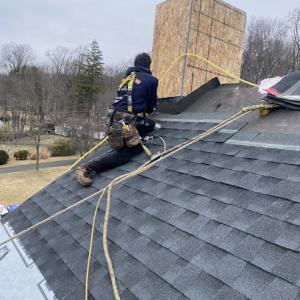
Peter Contractor
(347) 992-4144 petercontractor-llc.com
320 Nesbit Terrace, Irvington, New Jersey
5.0 from 445 reviews
At Peter Contractor, we offer expert construction, remodeling, and roofing services across New Jersey and New York. With over 21 years of experience, we specialize in new roofs, repairs, and full exterior and interior renovations for residential, commercial, and industrial clients. As a GAF Certified, fully licensed and insured contractor, we provide top warranties and reliable, high-quality work. From roofing and siding to concrete and brickwork—we do it all, at the best price and with care.
Raidex construction
(973) 380-4652 www.raidexconstructionllc.com
16 Durand Pl, Irvington, New Jersey
4.8 from 116 reviews
Raidex Construction is a family-owned roofing and exterior services company with over 15 years of experience. We specialize in roof replacements through insurance claims, affordable roof repairs, siding repair, and gutter services. Locally based and highly rated with 4.5-star reviews, we focus on quality over quantity and offer easy financing options to help homeowners improve and protect their homes with confidence.

One Call 24-7 | Roofing & Restoration – Anytime. Anywhere. We’re There.
119 Nesbit Terrace, Irvington, New Jersey
4.7 from 109 reviews
Peter’s General Construction dba One Call 24-7 brings over 25 years of trusted, licensed, and insured experience serving homeowners and property owners across New Jersey. We provide comprehensive home restoration and construction services, including: Roof repair & full roof replacement Gutter cleaning, repair & replacement Siding repair & replacement Windows & soffit repair or replacement Skylights installation & repair Chimney services Storm & water damage restoration Retail and insurance claim support for repairs and replacements Emergency services available 24/7 — from sudden roof leaks to storm damage, fallen trees, or water intrusion, our expert crews respond immediately to protect your home and prevent further damage.
FX Home Remodeling
(908) 967-8850 fxhomeremodeling.com
Serving
4.9 from 116 reviews
FX Home Remodeling – Roofing Contractor in Union, NJ FX Home Remodeling is a family-owned roofing company proudly serving Union County and surrounding New Jersey areas for over 20 years. We specialize in roof repairs, roof replacements, and new roof installations for both residential and commercial. Our team values honesty, quality, and craftsmanship, treating your home as if it were our own. We use only the best roofing materials, including GAF, Owens Corning, and CertainTeed, to ensure lasting protection and curb appeal. Services include: Roof Repair & Leak Detection New Roof Installation Roof Replacement Solutions Aluminum Seamless Gutters Gutter Cleaning & Maintenance Free Roof Inspections
A1 Quality Roofing-Roof Repair & Replacement
(866) 766-3370 www.a1roofingnj.com
Serving
4.8 from 81 reviews
A1 Quality Roofing–Roof Repair & Replacement provides premium residential roofing services throughout Essex, Union, and Bergen County. We specialize in roof leak repair, full roof replacement, skylight replace, siding, gutters, soffit & fascia, chimney flashing, emergency storm repair, and complete exterior remodeling. With lifetime material warranties, 20-year workmanship coverage, and five-star reviews, A1 delivers workmanship you can trust. Every project is completed using certified materials including Owens Corning, Velux skylights, CertainTeed siding, and seamless 5” & 6” gutters We proudly serve NJ, If you need a fast, reliable, same-day roofing expert, A1 Quality Roofing stands behind your home with unbeatable honesty
Midpoint Roofing
(973) 834-7570 midpointroofing.com
Serving
5.0 from 111 reviews
Midpoint Roofing is a premier roofing contractor in Union, NJ. We specialize in roof replacement, roof repair, and a wide range of roofing services. We are located at 2204 Morris Ave Suite 302b, Union, NJ 07083 and service clients in many different areas of New Jersey, including Union County, North and Central NJ. Our team of experienced professionals has lead the roofing industry for 10+ years. We are fully dedicated to providing top-notch workmanship and exceptional customer service. We offer the best prices on roof repairs and roof replacement around and work with insurance and do all the work for you! Trust Midpoint Roofing to handle all your roofing needs with integrity and quality. Contact us today for a free estimate or inspection!
R & G Roofing
(973) 324-9461 rghomeservices.com
Serving
4.9 from 290 reviews
R and G Roofing is one of the Best roofing companies in New Jersey Essex County providing Roofing, Home Improvement, Roof Repair, Roof Replacement, Roof Installation, Roof Maintenance, Shingle Roofs, Flat Roofs, Commercial Roofing, Roofing Prices, Siding Installation, Vinyl Siding, Vinyl Siding Repair, asphalt, GAF, CertainTeed, Owens Corning, roof, roofer, gutter, gutters, gutter repair, gutter installation, gutter covers, leaf protection and any Skylight work replace or repair. Roofing Family Business serving all surround areas. We are the Top Contractor in Essex county committed to highest customer service in workmanship quality.
Nunez Home Improvement
(908) 992-9261 www.nunezhomepro.com
Serving
4.9 from 142 reviews
Nunez Home Improvement is a licensed and insured roofing contractor serving Elizabeth, Union County, and surrounding areas in New Jersey. We specialize in roof replacement, roof repair, storm damage roofing, and emergency roof repairs. Our team provides free roof inspections, honest estimates, and high-quality workmanship using top-grade materials. Whether your roof has leaks, wind damage, or needs a full replacement, we deliver reliable and professional service every time. Call today for a free roof inspection and También atendemos en español. Ofrecemos inspecciones gratuitas de techos, reparaciones, reemplazo de techos y trabajos por daños de tormenta en Elizabeth y Union County
Hayes Family Roofing
(862) 660-7900 hayesfamilyroofing.com
Serving
4.8 from 60 reviews
Experience the difference with our skilled team and durable roofing services Trust us to enhance the appearance and durability of your roof
RSB Construction & Roofing
(908) 402-1835 www.rsbconstructionllc.com
Serving
4.9 from 79 reviews
RSB Construction, located on 420 Maple Ave, is the premier roofing contractor in Elizabeth, NJ, with over 35 years of experience under owner Alvaro's expert leadership. Serving Hudson, Union, Bergen, and beyond, our certified team specializes in roof repair, residential and commercial roofing, roof replacement, and installation. Whether you need asphalt, metal, or shingle roofing, we offer customized, affordable solutions backed by lifetime labor warranties and stellar customer service. Trust RSB Construction for top-quality workmanship, from roof leak repairs to complete installations. Contact us today for reliable, precision roofing services tailored to your needs.
LGM Roofing Contractors
(973) 707-2154 www.lgmroofing.com
Serving
4.9 from 108 reviews
LGM Roofing Contractors is New Jersey’s trusted roofing, siding, gutter, and flat roof specialist. We provide roof repair, roof replacement, and full exterior services for homeowners and commercial properties. As a family-owned, second-generation company, we’re known for honest communication, transparency, and smart problem-solving. With 45+ years of experience and 1,000+ projects completed, our GAF Master Elite team delivers high-quality installations, durable materials, and industry-leading warranties. Request a free quote today.
Global Home Improvement
(908) 987-3147 www.globalhomeinc.com
Serving
4.8 from 127 reviews
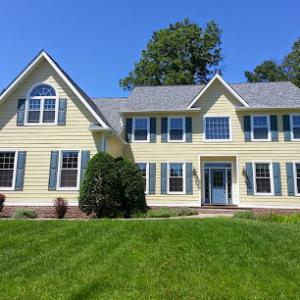
Global Home Improvement services offers the best home improvements throughout Atlantic County, Bergen County, Burlington County, and the surrounding areas of North and Central NJ. We feature high quality products such as James Hardie Siding, Marvin Windows and Metal Roofing. Our lifetime exterior home improvements come with a lifetime material and labor warranty giving homeowners piece of mind with every install. If you're looking for Roof Replacements, Replacement Windows, Replacement Doors, Gutter Installation, and or Siding give us a call for a free no-obligation estimate of our services.
A full roof replacement in Irvington typically requires a building permit filed through the local Building Department rather than being handled as informal maintenance. That means you'll need to prepare the project scope, timelines, and a plan showing updated ventilation, chimney flashings, and any required structural or drainage adjustments. Submitting the permit early helps prevent delays caused by misunderstandings about attic penetrations, sternum hips, or rear low-slope sections that are common on older homes. If a contractor brushes off the permit step, that should raise a red flag-shortcuts here often show up later as disputes or incomplete work.
Inspections are generally part of the process during and after the job, which matters for homeowners trying to close out work for resale, lender, or insurance documentation. Expect a series of checks, including before work starts, during critical milestones, and after debris removal and final cleanup. In practice, this means you won't "just finish and call it a day." A permit-driven schedule ensures that chimney penetrations, weatherproofing at eaves, and flashing around skylights or dormers are done to code and flagged for any needed corrections before the roofer moves on. If inspections reveal deficiencies, work must be corrected on a reasonable timeline, which can affect your occupancy or financing timeline.
On dense blocks with tight lot lines and shared or staggered setbacks, permit compliance also helps avoid disputes over debris handling, staging, and whether the project was performed to code on an older structure. Debris containment becomes a neighborhood concern quickly when driveways, curb cuts, and alley access are limited. A clearly documented permit path gives the Building Department leverage to set expectations for dumpster placement, material storage, and housekeeping practices. That same documentation helps prevent neighborly friction when the project spans multiple weekends or when weather forces temporary staging in common areas. By aligning with the permit and inspection cadence, you reduce the risk of post-project claims that the roof was never legally allowed to occur or that materials were left unsecured near property lines.
Ultimately, securing the permit and navigating inspections is less about paperwork and more about protecting value and peace of mind. A proper permit trail supports weather-tight performance, safe chimney detailing, and a clean closeout that stands up to lender scrutiny and insurance reviews-critical factors for older, chimney-heavy homes in the area.
After wind, hail, or leak events, the way records are kept matters more in this part of town than in many places. Insurers commonly want roof age, material type, and photo evidence tied to specific storm damage. Collect photos before any temporary fixes, and photograph from multiple angles: ridge lines, valleys, chimney flashing, and interior signs of water intrusion. When a storm hits a low-slope rear section or a roof with multiple penetrations, documenting the exact location and timing of each issue helps prevent later disputes. In this neighborhood, a simple notebook noting when leaks appeared and under what weather conditions can also serve as a sturdy anchor for a claim.
Older roofs on these homes can blur the line between wear and storm impact, so careful, repeatable notes matter. If possible, arrange a pre-storm inspection and keep that history accessible for your adjuster. After a claim is filed, inspectors may ask for prior photos or records to separate long-term aging from recent wind or hail effects. In practice, your best defense is to provide clear, dated images tied to a specific event, plus any professional notes that describe damage patterns consistent with a given storm rather than gradual deterioration. The goal is to establish a credible, storm-related narrative that stands up under scrutiny when roof lines, chimneys, and flashing are involved.
The local contractor market shows meaningful specialization in insurance-claim assistance, reflecting how often homeowners need help documenting storm loss rather than just buying a retail replacement. Seek out a contractor or public adjuster with a track record in storm claims and a clear process for compiling evidence: storm date, material type, ridge variations, and leak progression. Clear coordination between you, the contractor, and the insurer reduces the risk of back-and-forth delays. In this climate, a focused claim-support approach is not a luxury-it's a practical, day-to-day neighborly safeguard against the ambiguities that storms can create on a chimney-heavy roof.
Connect with contractors who help homeowners navigate the claims process from damage assessment to final approval.
Raidex construction
(973) 380-4652 www.raidexconstructionllc.com
16 Durand Pl, Irvington, New Jersey
4.8 from 116 reviews

One Call 24-7 | Roofing & Restoration – Anytime. Anywhere. We’re There.
119 Nesbit Terrace, Irvington, New Jersey
4.7 from 109 reviews
A1 Quality Roofing-Roof Repair & Replacement
(866) 766-3370 www.a1roofingnj.com
Serving
4.8 from 81 reviews
Chimney flashing deserves outsized attention because masonry chimneys are common on older homes and are a frequent source of leak callbacks. In aging roofs, the joint where brick or stone meets shingle or metal can fail first, especially after winter freeze-thaw cycles and heavy rains. When inspecting, look for loose step and counter-flashing, rusted or displaced metal, and gaps around the chimney base. A small drip line at the interior ceiling often means flashing failure rather than the shingles themselves. Plan replacement or resealing with close attention to how the chimney integrates with the roof deck, not just the visible top.
Where skylights exist, they are often retrofit features on aging roof systems, so curb flashing and surrounding shingle integration need to be checked during replacement rather than treated as separate cosmetic items. Curb flashing should be continuous and sealed to the curb, with shingle tabs properly lapped to shed water toward the field. Look for cracked glazing, warped skylight frames, or degraded sealant around the base. If the skylight is vinyl or aluminum framed, check for corrosion at fasteners and flashing contact points.
Penetration-heavy roofs on older houses often fail at transitions and flashing details before the field shingles fully wear out. Pay attention where roofing materials meet vent pipes, exhausts, and chimney flashing. At each transition, ensure there is no fabric or tar-like sealant that has decayed with age. Proper apron and cricket details behind chimneys or skylight curbs help divert water away from joints. If a simple reseal seems insufficient, plan for flashing replacement rather than patching.
Track any recurring leaks after storms and map them to specific penetrations. Document visible condition of lag screws, nail heads, and flange overlaps. For aging roofs with multiple penetrations, schedule targeted flashing upgrades during the next major re-cover rather than piecemeal fixes. This approach reduces callbacks and protects the roof's long-term performance.
Find contractors experienced in skylight installation, flashing, and leak repairs to bring natural light into your home.
Raidex construction
(973) 380-4652 www.raidexconstructionllc.com
16 Durand Pl, Irvington, New Jersey
4.8 from 116 reviews
One Call 24-7 | Roofing & Restoration – Anytime. Anywhere. We’re There.
119 Nesbit Terrace, Irvington, New Jersey
4.7 from 109 reviews
A1 Quality Roofing-Roof Repair & Replacement
(866) 766-3370 www.a1roofingnj.com
Serving
4.8 from 81 reviews
In this market, a lot of crews advertise loudly, but you'll get the best fit by asking practical, job-focused questions. Look for how many re-roofing projects the firm handles annually and whether their crew size can handle a storm-driven leak fast without subbing it out to unknown teams. Ask about cleanup practices-how they secure debris from chimneys and low-slope rear sections, and how they handle nail storage so nothing falls onto driveways or flower beds. Prioritize answers that reveal consistent, repeatable workflows rather than flashy marketing claims.
Older houses with chimney penetrations and low-slope sections need a supervisor who understands the quirks of Irvington-era construction. Confirm who will be on the job site, how that supervisor communicates during weather delays, and whether the same supervisor stays on the project from start to finish. If a firm quickly assigns a different supervisor mid-project, that can signal coordination gaps on complex roof lines.
Storm-driven leaks invite quick marketing bursts, but reliability hinges on whether the emergency crew is the same crew that completes the actual repair or replacement. Ask specifically about who will perform the permanent job after an initial triage visit, how long the follow-up will take, and whether the team that fixed the leak will return to finish the roof, chimney flashing, and any vent penetrations. If the answer involves separate crews for triage and permanent work, set expectations in writing before drawings or contracts are signed.
When you meet a contractor, request concrete examples of past projects on similar house styles and roof lines-especially those with chimneys and low-slope rear sections. Bring a photo of your own roof to compare flashing details, material compatibility, and how they plan to protect the remainder of the property during repair. Finally, ask for a clear timeline and a single point of contact who will be reachable during weather events and the project's critical phases.