
Last updated: Apr 19, 2026
Massapequa Park sits on Long Island's South Shore, where coastal exposure increases wind-driven rain and uplift stress compared with more inland Nassau County locations. This isn't theoretical-when a nor'easter rolls in or a tropical storm tracks up the coast, your roof faces sustained gusts that can peel shingles, lift flashing, and push water into vulnerable joints. The practical consequence is shorter roof life if attention isn't paid to wind resistance, proper venting, and weatherproof sealing. The takeaway is simple: assume every severe wind event will test the roof system, then strengthen areas that typically fail on South Shore homes, such as edge detailing, penetrations, and transitions between roof planes.
Spring storms and coastal winds are a known local scheduling risk, so homeowners often face weather-related delays even outside winter. That means the window for timely inspections, repairs, and re-sealing can close fast when a front arrives with little warning. Plan ahead and schedule proactive checks after the thaw and before the first strong gusts of late March through May. If a storm notice is issued, expect crews to be prioritizing immediate tarping, roof deck protection, and temporary wind uplift mitigation measures to keep damage from cascading. For Massapequa Park residents, coordination with a trusted local contractor who understands how the South Shore climate affects attic ventilation, underlayment integrity, and ridge vent performance is essential to prevent minor compromises from becoming costly failures.
Massive mature trees surround many homes here, and that vegetation is both a shield and a hazard. A wind-driven rain event can drive branches, shingle granules, and grit into eaves, gutters, and fascia, accelerating wear. Debris accumulation on the roof can trap moisture, promote moss or algae growth, and conceal lift or fastener gaps until a random gust exposes the issue. Ventilation compliance remains a top concern in this coastal environment. Poor attic venting combined with wind pressure can create positive pressure on the roof deck, lifting weaker areas and nudging underlayment out of place. Regularly clean gutters and verify that soffit vents, gable vents, and ridge lines remain clear and properly balanced to maintain correct attic humidity and roof deck conditions.
With coastal winds in mind, the South Shore climate amplifies uplift on the most common roof types. In practice, that means prioritizing products and installation methods that resist wind-driven rain and lifting forces. For example, ensuring bundle practices in shingles, secure fastening patterns, and robust flashing around chimneys, skylights, and vent pipes is critical. Roofs that terminate at transitions, valleys, and intersections require meticulous sealant, flashing, and counter-flashing to prevent wind-driven moisture from finding a path into the attic. If a roof is nearing the end of its service life or has experienced previous storm damage, rehearse a plan that targets higher wind resistance and improved drainage to limit moisture ingress during the next coastal system.
New York insurers commonly require photo documentation, contractor invoices, and damage assessments after storms, with on-site adjuster reviews typical before claims are finalized. After a significant wind event, you should photograph all affected areas-edge shingles, flashing seams, roof-to-wall connections, gutters, and any interior signs of water intrusion. Keep receipts and color-matched repair notes organized, and prepare a concise damage assessment that a contractor can validate on-site. Having clear, time-stamped records accelerates any claim process and reduces back-and-forth when an adjuster arrives for review. In this climate, proactive documentation isn't just useful; it's essential to securing timely relief and ensuring repairs restore the roof's wind resistance to its full design potential.
In Massapequa Park, the dominant local material mix includes asphalt shingles, metal, clay tile, concrete tile, synthetic/composite shingles, and slate, reflecting a practical, varied market rather than a single-material trend. The coastal exposure, hot summers, and cold winters create repeated expansion, contraction, and moisture stress that affect each material differently. The aim is to pair a material with predictable performance under coastal wind and storm cycles, while keeping the home's ventilation and debris management straightforward. Start by recognizing that no single choice fits every house; the best approach is to map roof shape, climate stress, and local debris patterns to a material's known strengths and limitations.
Coastal wind and storm events drive more than just missing shingles; they push moisture into attic spaces and test flashing and edge details. Asphalt shingles respond well to a broad range of temperatures, but expansion and contraction cycles can loosen edges if ventilation or underlayment details are weak. Metal roofs resist wind-driven rain and debris better in open exposures but require careful seam detailing and underlayment compatibility to prevent condensation and ice dam risk in cold months. Clay and concrete tiles handle heat well and shed leaves efficiently, yet their weight and installation tolerances demand solid structural support and precise flashing around chimneys and vents. Synthetic/composite shingles offer a middle ground with good impact resistance and easier installation, while slate delivers durable performance but demands exacting substrate prep and professional nailing patterns. In a mixed market like this, the choice hinges on roof pitch, existing framing, and local debris load from mature trees.
Flat or gently pitched roofs with high wind exposure benefit from materials that maintain edge grip and provide robust wind uplift resistance, such as well-installed asphalt or metal with integrated sealant strategies. Steeper pitches, common on larger Massapequa Park homes, can leverage slate or concrete tile where structure and flashing are designed for heavier loads; however, weight and attachment details become critical, especially around eaves and ridge lines. Curved or complex roof geometries favor synthetic shingles for easier fastening and flexible installation around hips and valleys. Consider climate-driven stresses-summer heat can soften certain adhesives, while winter freezes stress rooftop joints and sealants. In practice, choose a material whose installation details, adhesive choices, and flashing vendors are well-rehearsed for coastal conditions.
The common replacement window from spring through fall reflects local handling concerns such as winter freezes, summer adhesive performance, and fall debris from leaves. When planning a replacement, align the material's installation sequence with seasonal behavior: ensure proper sealants and underlayment cure before cold snaps, select adhesives or fasteners rated for extended heat exposure, and schedule flashing and vent work to avoid obstructing leaf fall periods. Debris management should factor into the roof layout during replacement-clear gutters and valleys first, then install to minimize post-work cleanup. A roof chosen for this window should tolerate a full range of seasonal stresses without compromising ventilation or drainage.
A full roof replacement in Massapequa Park typically requires a permit handled through the Town of Oyster Bay Building Department. The permit is not something to chase after the job starts; securing it before any ladder or tear-off work happens is essential. The town's process is detail-driven because the local climate-salt spray, coastal wind, and mature tree debris-puts heavier emphasis on underlayment, ventilation, and fastener specs. If the permit isn't in hand at the outset, the project can be halted, fines levied, and future insurance claimed gaps can complicate claims after a storm.
Inspections are not a single final sign-off. In practice, inspections are typically conducted during installation and again after completion. The first inspection catches problems with deck integrity, underlayment alignment, and flashing before the new roof is fully concealed. The second, after completion, confirms that all components are installed to code and that ventilation meets the town's standards. In this coastal area, a delay in scheduling or missing any required session can push back the final approval and stretch the overall timeline, especially if a tough winter or storm season lingers.
Local approval hinges on securing the permit before work begins and meeting standards for underlayment, ventilation, and fasteners. Underlayment must be suitable for exposure to wind-driven rains common in the South Shore; ventilation should ensure attic moisture is controlled, which helps prevent mold and wood rot in a home with mature trees shading the roof. Fastener choices matter too-screws or nails should be rated for high wind and corrosive coastal air, with proper spacing and pull-out resistance. A misstep here can undermine a whole replacement, triggering rework and added delays once the town evaluates the installation during or after a storm season.
In Massapequa Park, debris from trees, wind gusts, and seasonal storms can reveal weak spots quickly. Skipping a required underlayment type, not maintaining proper attic ventilation, or using fasteners that corrode in salt air are frequent triggers for rework notes during inspections. Another pitfall is framing or sheathing work that doesn't align with the permit's scope; altering the roof structure mid-project without updating the permit triggers noncompliance. Even seemingly minor deviations-like insufficient drip edge or improper flashing around chimneys and vents-can prompt additional inspections and corrective work to satisfy the Town of Oyster Bay.
Failure to obtain a permit or to meet inspection expectations can delay the project, complicate insurance coverage, and raise enforcement risk with local officials. If a storm rolls in during a noncompliant replacement, insurers may scrutinize claims or reduce payout due to lack of proper authorization or documented standards. To avoid this, keep appraisals, permit numbers, inspection dates, and contractor communications organized and readily accessible. Short of the permit, and especially without passing the required inspections, any roof replacement line adds risk rather than protection, leaving the home and its occupants exposed to wind-driven rain and eventual wear.
Typical local pricing runs about $420 to $700 per square for asphalt shingles, $600 to $1050 for metal, $1100 to $1800 for clay tile, $900 to $1500 for concrete tile, $450 to $850 for synthetic/composite shingles, and $1200 to $2000 for slate. In Massapequa Park, those ranges reflect the South Shore coastal exposure, where wind-driven rain and storm debris can push up installation and material costs. When choosing a product, consider not just the sticker price but how well the roof will resist coastal gusts, and how the weight of heavier tiles or slate interacts with existing roof framing.
Costs in this market can move with permit requirements through the Town of Oyster Bay and with seasonal demand spikes after coastal storms. Planning ahead for a replacement during the off-peak season can sometimes translate into more favorable scheduling and less surge pricing, but weather windows on Long Island still drive the calendar. If a contractor anticipates a busy fall after a coastal event, it may influence both availability and crew deployment. For the home with tall trees nearby, extra attention to temporary protection during removal and installation is prudent, since leaf fall and wind-driven debris are common in this area.
Cleanup and debris handling are especially relevant cost drivers in this market because cleanup-included service is one of the strongest contractor signals locally and fall leaves can complicate disposal and inspections. Expect crews to spend additional time bagging and carting away shingles, underlayment, and old hardware, especially on properties with mature trees. Debris disposal logs and wrap-up photos are common quality checks after coastal storms, so verify that the estimate includes final site cleanup, haul-away, and disposal fees. If a roof has a high slope or multiple skylights, debris management costs might rise due to the extra labor and equipment required to reach and clean those areas safely. For asphalt or synthetic shingles, confirm that the disposal plan aligns with any local recycling or recycling-like programs, which can influence overall project cost and environmental impact.
Metal roofing is often favored for wind resistance and longevity in this coastal climate, though the upfront cost is higher than asphalt. Clay or concrete tile offers durability and a distinctive look but adds substantial weight and may demand a structural evaluation. Synthetic/composite shingles provide a middle ground with modest weight and good weather performance, while slate delivers longevity at a premium price. The right choice balances wind resistance, roof structure limits, local aesthetic preferences, and long-term maintenance expectations in Massapequa Park.
Long Island Precision Roofing
(516) 850-5500 liprecisionroofing.com
Serving
5.0 from 199 reviews
Welcome to Long Island Precision Roofing where our staff is committed to providing our customers with the highest level of service, quality, and reliability in the roofing industry. We believe that every home and business deserves a roof they can trust, and we operate with a steadfast dedication to integrity, transparency, and excellence in all we do. Our mission is simple: to always do right by our customers, delivering honest, straightforward solutions, and maintaining open communication every step of the way. With us, you can count on a job well done, with no surprises—just dependable, top-quality craftsmanship you can trust!
NY's Finest Roofing & Siding
(833) 476-6369 nysfinestroofingsiding.com
Serving
4.9 from 114 reviews
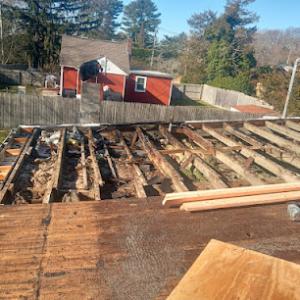
Roof Repair & Replacement Experts in Long Island & Queens! Worried about leaky roofs or outdated exteriors? NY's Finest Roofing & Siding, Inc. delivers peace of mind, lasting value, and superior craftsmanship for your home. We specialize in: Roof Repair Roof Replacement Flat Roof Repair & Replacement Siding Installation Why choose us? Nearly 30 years of experience serving Long Island, Queens, Brooklyn, Manhattan & Westchester. Skilled and certified roofing contractors who use the best materials. Fast and thorough appointment setting to job completion. Highly recommended by satisfied clients. Let us help you fix your roof leak with our roof repair or roof replacement solutions. Long Island's best roofing & siding Contractor!
Long Island Flat Roof IslandWide Commercial Roofing
(631) 838-9285 www.longislandflatroof.com
Serving
4.9 from 108 reviews
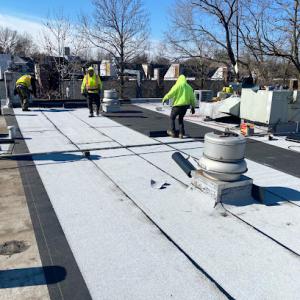
IslandWide Commercial Roofing is full service commercial roofing company located in Amityville NY and have been proudly serving customers throughout the Greater Long Island Area since over 10 years . From urgent flat roof repairs to complete flat roof replacements, we have become one of the most trusted industrial and commercial flat roofing contractors across the li. We believe that offering quality commercial and industrial roofing systems is simply not enough. We also set out ensure that all of our industrial roofing contractors are highly trained to a standard of excellence, and can offer an unprecedented level of customer service."
Four Seasons Roofing & Exteriors
(631) 249-3377 fourseasonsroofingny.com
Serving
4.9 from 683 reviews
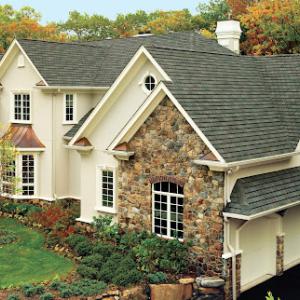
A Division of Four Seasons Enterprises, Inc.
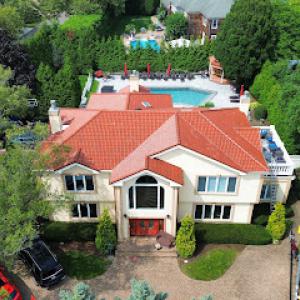
The Way Renovations
(516) 751-4002 thewayrenovationsinc.com
Serving
5.0 from 94 reviews
Are you looking for a reliable and experienced roofer to protect your home from the elements? Welcome to The Way Renovations, your premier roofing contractor in North Bellmore, NY. Licensed and insured with over 40 years of roofing experience, we pride ourselves on transforming homes with precision and a keen eye for detail. Established in 2020, our family-owned and locally operated business has dedicated itself to delivering exceptional craftsmanship with every project. Whether you need reliable asphalt shingle roofing, resilient flat roofing, or stylish metal roof installations, our skilled team is equipped to handle your needs.
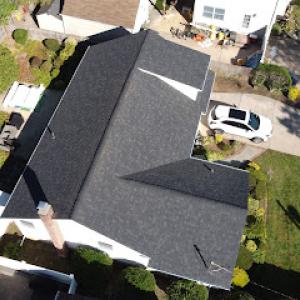
Marvin Construction Services
(631) 639-6419 marvinconstructionservices.com
Serving
4.9 from 250 reviews
If you’re looking for a new roof installation or siding repair for your home, we are the construction company for you! For 15 years Marvin Construction Services has been dedicated to providing superior workmanship that is second to none. We have always been focused on high-quality results, excellent customer service, and reliable work ethic. Customers in Lindenhurst, New York and surrounding areas rely on us for professional roofing, siding, and gutter services. Our team has the experience, skills, and proper equipment to guarantee your home has the best outcome. We ensure all of our customers that we are a trustworthy company and that we always deliver the best results.
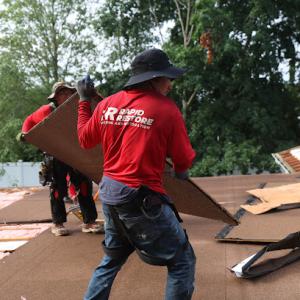
Rapid Roofing
(516) 212-2275 www.rapidrestoreny.com
Serving
5.0 from 78 reviews
Getting a new roof or roof repair shouldn’t be a headache – that’s why at Rapid Roofing, we make it easy. As a roofing company built on trust, our expert roofer contractors deliver seamless roofing services with zero hassle and no shortcuts. Whether it’s routine maintenance or emergency roof repair, our residential and local roofers get the job done right – every time. We don’t just claim to be the best roofers, we prove it! From affordable roofing solutions to BBB-accredited roofing contractors, we’re the good roofing company homeowners rely on. A roofing business that stands behind its work, delivers results, and redefines what it means to hire top-rated roofers.
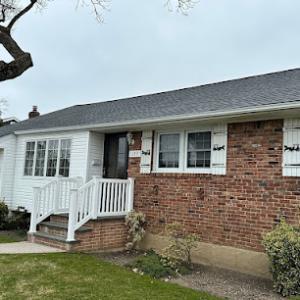
Selective Homes Roofing & Siding
(631) 736-5301 www.selectiveremodeling.com
Serving
5.0 from 20 reviews
Selective Homes Roofing & Siding is Long Island’s trusted exterior remodeling contractor, delivering expert roofing, siding, windows, and complete exterior upgrades that protect your home and elevate curb appeal. As a family-driven company rooted in craftsmanship and transparency, we specialize in roof replacement, roof installation, siding replacement, siding installation, and energy-efficient window installations. Our exterior specialists focus on durable materials, clean workmanship, and a homeowner-first experience—from initial inspection to final walkthrough. Whether you need a full roof replacement, new siding, upgraded windows, or a complete exterior renovation, we provide reliable, long-lasting solutions tailored to Long Island h...
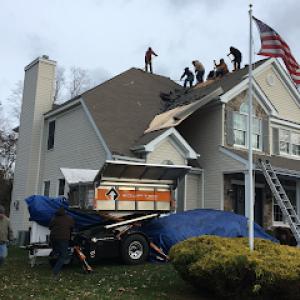
All American Home Improvement
(516) 986-3979 www.allamerican-hi.com
Serving
4.8 from 55 reviews
3rd & 4th generation family owned and operated residential roofing company. Specializing in roof leak detection, roof repairs and full roof replacements at affordable prices. Our other services include Siding, Windows and Gutter systems. Call us today to experience why its better to go with a local knowledgeable company as opposed to a large corporate sales organization.
Long Island Roofing
Serving
4.9 from 369 reviews
Long Island Roofing is an award winning roofing contractor that provides residential, commercial, and industrial roofing installation and around-the-clock emergency repairs in Long Island, Queens, Brooklyn, New Jersey, and Connecticut. With over three decades of experience, they specialize in roof removals and installations completed within a day, as well as custom copper and metalwork, gutters, downspouts, skylights, and all roof repairs, making them a trusted choice for all your roofing needs.
Marcor Construction
(631) 321-0593 www.marcorny.com
Serving
4.9 from 381 reviews
Marcor Construction Roofing & More has been providing high-quality home improvement services to Long Island for over 30 years. We provide expert roof repair, roof replacement, siding installation, and more, and we can give you the perfect solution for your home's exterior improvement needs. We have installed thousands of roofs over the years, and we service a variety of roofing materials for both residential and commercial properties. We always put customer service first, and we will work with you to ensure that you are completely satisfied.
Nisi Home Improvement Inc. Roofing & Siding
Serving
5.0 from 223 reviews
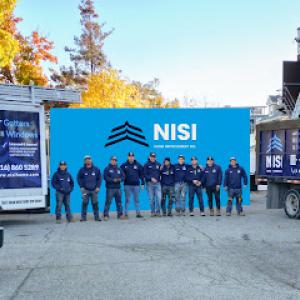
"NISI Home Improvement is a trusted, family-owned business proudly serving Nassau and Suffolk counties. As a Google Guaranteed company, certified by Directorii, and fully licensed in both counties, we provide top-quality roofing, siding, windows, skylights, and more. Our experienced team is committed to delivering exceptional craftsmanship, backed by trusted warranties and a focus on customer satisfaction. Whether you're repairing, replacing, or upgrading, NISI Home Improvement is your go-to partner for transforming your home with confidence."
Massapequa Park's typical replacement window runs spring through fall, aligning with milder weather that supports a steady work pace. Winter freezes and snow can slow or delay roofing work, increasing the risk of material damage and project setbacks. If a roof is near the end of its life when late fall storms loom, plan to complete ventilation checks and substrate preparation before the first heavy snowfall. Having a realistic timetable that avoids peak winter pressure helps prevent interruptions and protects newly installed components from prolonged exposure to cold conditions.
Summer heat in the area can challenge material handling and adhesive performance. Materials may become pliable, fasteners can heat up, and attic or balcony storage needs rise when crews move between job sites. Scheduling critical stages-like membrane application, sealant setting, and shingle tabbing-during cooler parts of the day reduces the risk of warping or improper adhesion. On shady sections, use tarps or controlled storage to keep bundles from direct sun. Ensuring clear access around the house and a dedicated staging area helps prevent dropped debris from nearby trees and vehicles during the hottest stretches.
Fall brings leaf drop and storm activity that complicates debris control and pre-winter readiness. Leaves accumulating in gutters or around openings can conceal flashing issues or vent complications, so a thorough pre-installation inspection is essential. Proactive cleanup routines-frequent leaf and limb removal, gutter brushing, and temporary containment around the work zone-minimize wind-driven debris that can threaten a newly laid roof. Schedule the final inspection before winter to confirm flashing, ridge vents, and chimney detailing are wind-tight and weather-ready, especially on exposed rooflines along the coast.
Massapequa Park homes often face coastal wind and storm-driven wear, making careful detailing around edges, hips, and dormers crucial. Choose fasteners and sealants compatible with high-wind exposure, and ensure all ridge and hip cap installations are secured to resist wind uplift. Ventilation strategy matters too: balanced attic ventilation reduces condensation and prolongs shingle life, which is particularly important after a season of heavy storms. When reviewing a replacement, consider how the roof's orientation, mature tree canopy, and debris load will influence maintenance needs and inspection cadence through the first winter after completion.
Coordinate with a local contractor who understands Town of Oyster Bay expectations and the unique Massapequa Park climate. Ask about scheduling buffers for sudden weather changes, on-site storage practices that keep materials dry, and a debris management plan that protects landscaping and neighboring properties. A well-planned project respects seasonal constraints, leverages favorable weather windows, and results in a durable roof that stands up to the area's coastal conditions.
New York homeowners policies generally remain available after storms in this market, but carriers periodically review wind and hail exposure and may tighten underwriting on older roofs. That reality means coverage isn't guaranteed to stay the same after a severe event, and the concern isn't isolation of your roof's age alone. Your plan's posture can shift if wind-driven damage compounds over years, so recognizing this trend helps set expectations before a repair or replacement decision.
Because on-site adjuster reviews are common locally, homeowners in Massapequa Park benefit from dated photos, contractor assessments, and invoice records before repairs begin. A clear trail of when shingles showed wear, plus independent evaluations, can prevent a last-minute dispute about cause or scope. Keep a folder with weather-event reports, photos taken from different angles, and notes on any attic ventilation or vent stack issues that could influence findings.
Storm-related roofing decisions here are influenced less by market withdrawal and more by documentation quality and roof age during underwriting review. In practice, that means priority goes to well-organized evidence of pre-storm condition and a professional assessment that aligns with current roof longevity. Avoid surprises by compiling a concise history before a claim is filed, and ensure contractors provide precise scope and timelines to support the adjuster's review.
In this coastal South Shore area, where wind-driven rain teases roofs year-round, skylights and chimneys act as pressure points. The first signs of trouble often show up at these penetrations or where a low-slope transition meets a steeper roof. Detailed flashing, proper underlayment, and solid fastening become noticeable in those spots, especially after a coastal storm or a fast-moving wind event. Local contractor signals show meaningful demand for skylight work, chimney-adjacent roofing, and flat-roof service, not just full gable re-roofs. Expect to inspect these areas after strong winds or heavy rain, and treat any irregularities in flashing, caulking, or edge details as a warning sign.
Around skylights and chimneys, you must assess the entire flashing sequence, not just the visible sealant. Start with the base flashing where the curb or stack sits, then verify the step flashing along the sides and the counterflashing over the top edge. Ensure the underlayment extends under all flashing and vents onto adjacent slopes for a proper seal. Ventilation intakes near these penetrations should have airtight wrap or breathable underlayment, with careful attention to the fasteners fastening the roof deck. In Massapequa Park's climate, a well-sealed transition reduces wind-driven rain entry and reduces staining on interior ceilings.
Low-slope or flat transitions require extra attention because water can ride a flat surface before it finds a drain. Inspect terminations at eaves, edges, and near any parapets for proper edge metal, drip edges, and counterflashing. Ensure the underlayment in these zones is continuous and secured, with adequate slope toward drains. Fasteners should be corrosion-resistant and spaced per the manufacturer's guidance, so nothing loosens in a nor'easter. When servicing these areas, document any worn or uplift-prone materials and plan a detailed, step-by-step repair that preserves ventilation continuity and minimizes trap of debris.
Find contractors experienced in skylight installation, flashing, and leak repairs to bring natural light into your home.
Marvin Construction Services
(631) 639-6419 marvinconstructionservices.com
Serving
4.9 from 250 reviews
In this area, the market skews toward replacing existing roofs rather than starting from new builds. Homeowners are routinely comparing replacement crews, focusing on how well a team can manage the transition from worn shingles to a durable, weather-ready roof. Expect questions about how crews handle old decking, underlayment, and ventilation improvements to keep the home comfortable during the next storm season. Local contractors who have repeatedly re-roofed similar houses-bumping up to modern shingle or tile choices-carry a stronger reputation for delivering a seamless, integrated update rather than a patchwork fix.
With frequent storm calls and debris from mature trees, response time and debris management rise to the top of hiring priorities. Homeowners want crews that can be on site promptly after a weather event, assess damage accurately, and schedule follow-up work without delay. Cleanup is not just tidying; it's about protecting landscaping, sealing gutters, and ensuring no stray nails or shingles remain to jeopardize safety or the driveway and curb appeal. Contractors who offer a reliable, rapid post-storm presence tend to become the go-to choice for repeat neighbors.
The local contractor pool features a mix of long-established, family-owned residential firms and larger commercial outfits. Homeowners often weigh tenure and how well a crew communicates from the first estimate through the final inspection. Family-owned teams may provide more hands-on responsiveness and accountable follow-through, while commercial operators can offer larger crews and more scheduling flexibility. The best hires often combine trusted, neighborly communication with the capacity to complete a full replacement efficiently, especially when dealing with wind-driven wear and tree-related debris.
When selecting a contractor, focus on those who emphasize wind-resistant installation practices, secure flashing, and vented roof decks. Massapequa Park homes frequently contend with coastal exposure, so ask about fasteners, shingle overhangs, and attic ventilation improvements that reduce leak risk after wind and rain. A dependable crew will walk you through a site-specific plan to minimize future storm damage and to preserve the home's exterior from seasonal debris.