
Last updated: Apr 19, 2026
Mulberry sits in inland Polk County, where roofs are commonly stressed by summer thunderstorm winds and heavy rain even outside direct coastal landfall zones. The rapid rain bursts and gusty squalls that roll through these parts push shingles, underlayment, and penetrations to the limit. In practical terms, a small leak after a heavy afternoon storm can become a bigger problem within days if left unchecked. The wind and hail patterns here mean you should assume at least one storm-related stress event each season, and many homes will see repeated episodes over years. This is not abstraction-it is a real, time-sensitive risk for every roof type you might have, from asphalt shingles to metal or tile.
When a storm hits, the first priorities are safety and preventing interior damage. Look for missing granules, lifted shingles, exposed underlayment, dented metal, or cracked tiles after the sky clears. If you notice debris blown onto your roof, or if spray from heavy rain streams through attic vents or soffits, treat it as a sign of wind-driven damage. Do not delay a temporary tarp if you see active leaks or standing water in your attic. The goal is to limit wind-driven intrusion and moisture intrusion until a full assessment can be done. In Mulberry, emergency repairs and storm-damage responses are among the most common requests, so having a plan for rapid, controlled deployment of repairs keeps risks to a minimum and reduces further damage.
Atlantic hurricane season runs June through November, and that window raises interruption risk for tear-offs and replacements in Mulberry. Scheduling and dry-in timing become especially important because prolonged exposure to wind-driven rain or fluctuating humidity can compromise roof decks, insulation, and interior walls. If a replacement is necessary, coordinating a dry-in period with favorable weather minimizes the chance of weather-related delays that can extend repair timelines into peak storm months. Your goal is to establish a realistic start date with your contractor, then back it up with a weather buffer plan for potential postponements caused by tropical systems or prolonged rain events.
You want a contractor who understands the local wind patterns and the choices homeowners in this market face. Look for experience with wind-resistance requirements and insurance-ready replacement strategies. A reliable partner will document damage with photos, provide a clear phased plan (temporary protection, teardown, replacement, and final inspection), and align sequencing with dry-in windows. Because emergency repairs are a common need here, your contractor should offer rapid triage options and be transparent about what can and cannot be completed before the next storm front. Ask for references from nearby neighbors who faced similar wind events and verify their projects with the same roof type as yours.
With the season's pressure on scheduling, you should establish a prioritized timeline before the first tropical disturbance forms. If you anticipate replacement rather than repair, start vendor outreach early, collect multiple quotes, and secure a project window that minimizes exposure to June through November swings. For homes already dealing with moisture intrusion or damaged decking, prioritize securing a dry-in period that keeps interior spaces protected while the roof system is being replaced. The goal is to reduce disruption during the stretch when storms are most likely to materialize, ensuring your home remains watertight even while the roof is being upgraded.
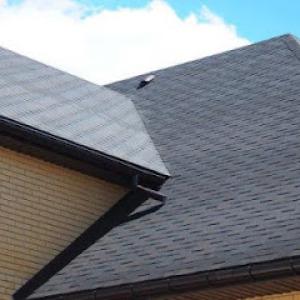
Expert Roofers
(863) 288-4100 expertroofers.net
Mulberry, Florida
4.8 from 22 reviews
Expert Roofers Provides Roofing Services to the Mulberry, FL area.
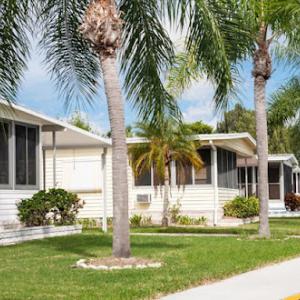
Five Points Roofing
(863) 660-5834 fivepointsroofingfl.com
Serving
5.0 from 67 reviews
As the top roofing company in Lakeland FL, we are the roofer to call! When you're in need of professional roofing repair or replacement, call the seasoned team at Five Points Roofing! We provide solutions for both local homeowners and businesses.
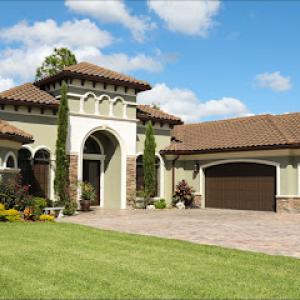
High Tower Roofing
(863) 510-5477 hightowerroofing.com
Serving
4.8 from 587 reviews
High Tower Roofing is a locally owned roofing company headquartered in Lakeland, FL. We serve home and property owners in Lakeland, Winter Haven, Greater Polk County, and Sarasota. Since 2012, we’ve been in the business of providing exceptional customer service and stunningly beautiful roofs. It’s our mission to deliver a stress-free roofing experience to each and every client. We look forward to serving you!
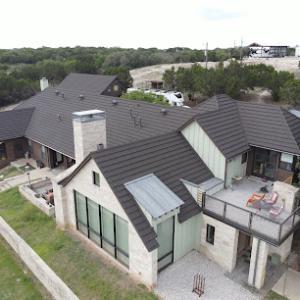
Priority Roofing
(863) 701-4746 priorityroofs.com
Serving
4.9 from 115 reviews
Replace or repair your residential roof with Priority Roofing where customer service is our #1 priority! We’re local, professional Lakeland roofers, our bids are competitive, and we’ll find a great solution for your residential roof. Unlike some other roofing companies in Lakeland, we specialize in home roof installation and roof repair, as well as emergency roofing service for leaks and damage. From dozens of shingle systems, to metal, tile and slate roofing options, we have roofs to fit nearly every budget. Our company inspects your roof and provides an honest assessment of what needs to be done, all at no cost to you. Priority Roofing is family owned and locally operated.
Eustis Roofing Company
(863) 340-7653 eustisroofing.com
Serving
4.9 from 121 reviews
Welcome to Eustis Roofing Company, a family-owned roofing contractor proudly serving Lakeland, FL, and surrounding areas since 1959. We specialize in both residential and commercial roofing services, offering everything from architectural shingle roofs to custom seamless gutters, flat roofs, roof coatings, metal roofs, and specialty roof installations, and more. Our mission is to be the most reputable roofing company in Lakeland while leading the industry in innovation. Whether you need roof repairs, maintenance, or a full roof replacement, our experienced team, including a dedicated Crew Leader and Project Manager, ensures every project runs smoothly, safely, and efficiently.
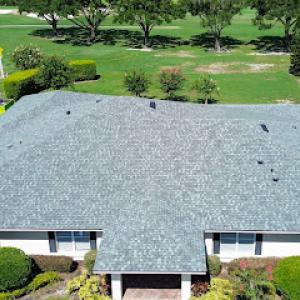
Trimm Roofing
(863) 276-6300 trimmroofing.com
Serving
4.9 from 131 reviews
Florida relies on Trimm Roofing for reliable roofing solutions. We offer comprehensive services, including roof installation, repair, and maintenance for residential and commercial properties. Specializing in Atlas shingles, metal roofing, tile, and Brava composite roofing. We prioritize quality, transparency, and customer satisfaction. Contact us for a free roof inspection and experience the Trimm Roofing difference!
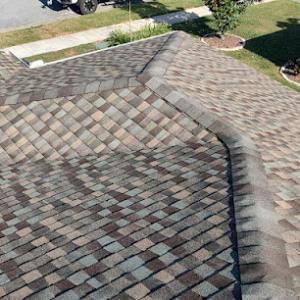
Pitch Perfect Roofing Systems
Serving
4.9 from 54 reviews
Pitch Perfect Roofing Systems is a leading roofing contractor specializing in residential and commercial roofing solutions. With years of experience in the industry, we pride ourselves on delivering high-quality craftsmanship, exceptional customer service, and innovative roofing solutions tailored to our clients' needs. We believe in more than just roofs; we value our customers like family. We prioritize building strong relationships based on trust, respect, and exceptional care. From the initial consultation to the final nail, we strive to exceed expectations with our craftsmanship and personalized service. Experience the difference with a roofing company that puts your need
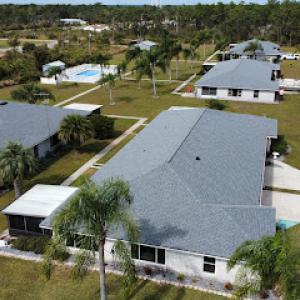
Bolt Roofing
(813) 364-2587 boltroofingfl.com
Serving
5.0 from 151 reviews
Bolt Roofing is a roofing contractor based in Plant City, FL. They offer a wide range of roofing services, including roof repair, roof replacement, and new roof construction. They are licensed and insured, and they use only the highest quality materials. Bolt Roofing is committed to providing their customers with the best possible service and experience.
Musick Roofing
(863) 904-5350 www.musickroofing.com
Serving
4.9 from 205 reviews
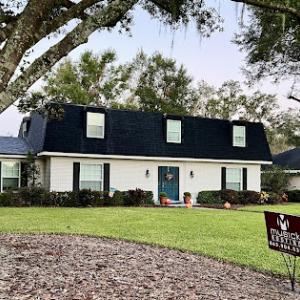
Musick Roofing is a trusted roofing contractor proudly serving Lakeland and the Central Florida area with expert roof repair, replacement, and installation services since 2003. With over 20 years of experience, our licensed and insured team specializes in shingle roofing, metal roofing, flat roofs, and emergency roof repairs. Whether you're dealing with storm damage, leaks, or planning a full roof upgrade, Musick Roofing delivers high-quality workmanship, dependable service, and competitive pricing. We offer free estimates, honest recommendations, and guaranteed satisfaction—because protecting your home or business starts at the top. Contact Musick Roofing today for reliable, local roofing services you can count on.
Driesler Construction
(863) 512-9839 www.drieslerconstructions.com
Serving
5.0 from 30 reviews
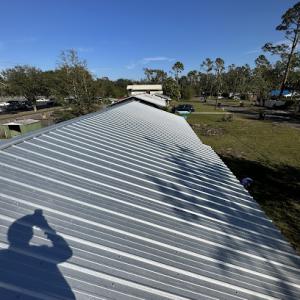
Driesler Construction tackles both residential and commercial roofing projects, ensuring longevity and protection for your property. Their expertise extends to complete remodels, providing a single source for all your construction needs.
America Top Roofing
(863) 733-2171 americatoproofing.com
Serving
4.9 from 76 reviews
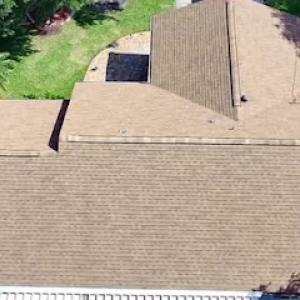
America Top Roofing is a name you can trust when it comes to roofing services. With a rich history spanning 30 years, we have been a consistent force in the roofing industry. Our commitment to quality, integrity, and customer satisfaction has been the cornerstone of our success. Based in Lakeland, FL, we have deep roots in the community and a strong dedication to serving our neighbors. Our experienced team is equipped to handle all your roofing needs, ensuring that your investment in your home or business is protected. Contact us at: Info@americatoproof.com
Wayne Gonzalez Roofing Contractor
(813) 653-2279 waynegonzalezroofing.com
Serving
4.9 from 138 reviews
At Wayne Gonzalez Roofing Contractor, Inc., we are dedicated to our customers’ satisfaction. Whether you need roof installation, maintenance, repair, or replacement in Tampa, Florida or the surrounding areas, we use high-quality materials from reputable manufacturers and offer exceptional workmanship. Leave it to us to provide unparalleled results, clean up the site when we’re done, and answer your questions. We also guarantee all our work and put our name on the line in doing so. Our goal is to maintain our longstanding reputation as skilled experts who have been committed to roofing with a conscience since 1981. Contact us for a free estimate.
Mulberry's housing stock leans toward asphalt shingles, metal roofing, clay tile, concrete tile, wood shingles or shakes, and slate. That mix means choosing a roof isn't one-size-fits-all. Each option has its own wind-tolerance quirks, installation nuances, and long-term interactions with Florida's heat and humidity. Asphalt shingles can deliver solid wind performance when paired with engineered underlayment and proper nailing patterns, but shingles alone aren't enough if the attic is overheated or the ventilation is neglected. Metal roofs offer strong wind resistance and longevity, yet their fasteners and panel laps need careful detailing to handle Florida rain and heat transfer. Clay and concrete tiles present excellent durability in wind, but their weight and mounting require experienced framing and precise underlayment. Wood shingles or shakes bring a distinct look and feel, but they need meticulous maintenance and higher wind-friction considerations. Slate, while durable, comes with its own weight and attachment demands. In short, material choice is a major local decision here, tied to the home's structure, roof pitch, and the kind of storm exposure typical for Polk County.
Florida heat and humidity accelerate attic heat transfer, so underlayment condition and ventilation matter alongside the visible roof covering in Mulberry replacements. An effective attic venting plan reduces heat buildup that can degrade decking, underlayment, and fastener performance. For metal and tile roofs, a properly ventilated attic helps preserve fasteners and minimizes thermal expansion stresses that can create leaks after a storm. In asphalt installations, a high-quality synthetic underlayment under a wind-ventilated ridge system can materially improve wind-driven rain resistance. Contractors should match underlayment choices to the chosen surface and the home's insulation strategy, aiming for a continuous, impermeable barrier at the eave and a well-ventilated ridge.
In this market, tile and metal systems are favored for wind performance without sacrificing longevity. But installation quality matters more than the material itself. Look for a contractor with recent experience in high-wind zones, attention to nailing patterns for the chosen panel or shingle type, and a stance on integrating underlayment and flashings that resist wind uplift. A roof that passes a thorough wind-versus-insulation check demonstrates preparedness for insurance reviews and storm-season demands. When evaluating a replacement, request a comparison of wind-rated products, attachment methods, and a plan for attic ventilation that aligns with the home's interior climate control.
Begin with a roofing contractor who can provide a comprehensive inspection that includes attic inspection, decking condition, and venting assessment. Prioritize products with proven wind performance and compatible underlayment systems for the Mulberry climate. Ensure the plan notes precise fastener schedules, proper flashing around chimneys and roof-to-wall intersections, and a venting strategy that minimizes heat buildup. Finally, set expectations for maintenance: periodic inspections after hurricane season, prompt gutter and downspout clearing, and attention to any reflected heat damage on non-visible roof edges, where wear often starts before visible signs appear.
Residential roof replacement in Mulberry requires a building permit through Polk County, not an informal over-the-counter reroof with no review. That means you'll submit plans, supply details about the roofing system you're installing, and wait for the county to formally authorize the job before any tear-off or replacement begins. The permit process helps ensure the roof meets Florida wind and structural standards that are especially important for Polk County's storm and hurricane exposure. A proper permit also signals to insurance providers that the project was handled with county oversight, which can matter when filing post-storm claims.
Inspections happen at multiple stages, beginning during the installation and continuing after the work is complete. Expect an initial inspection once the old roofing is removed and the new underlayment and fasteners are in place, so the inspector can verify roof deck condition and adherence to Florida wind requirements. A final inspection confirms that the installed roof system, penetrations, flashing, and ventilation meet the approved plan. If your system includes metal, tile, or reinforced enhancements for wind resistance, those elements will be checked for proper attachment and weatherproofing. Plan for a small window of timeline between inspection steps, and coordinate access for the inspector to reach attic spaces, roof lines, and any roof penetrations.
Wind mitigation documentation is commonly part of the review process for local reroof projects. Have your contractor prepared records of roof deck attachment, ridge and hip cap integrity, secondary water barriers if applicable, and details on underlayment type. If you've installed upgraded fasteners or additional hurricane clips, those details should be available in the permit file or verified during inspection. The county's focus on wind resistance intersects with many Mulberry homes that feature mixed roofing materials, so ensuring wind-rated components are properly documented can smooth the review and help with insurance considerations later.
Permit routing may include plan review through the local building department, and coordination is sometimes needed for utility disconnects before final inspection and project closeout. Depending on the home's location and the utility company's requirements, you may need to arrange temporary shutoffs for power, gas, or communication lines during some phases of the work. Your contractor should help organize these steps, but you'll want to stay engaged to ensure the timing lines up with the installation schedule. If the project touches eaves, vents, or rooftop equipment, confirm that any utility connections or disconnections are completed and documented before the final inspection. This coordination reduces delays and helps the project wrap up smoothly under Polk County review.
Start with a clear, builder-provided plan set that shows roof type, underlayment, fastener patterns, and any wind-rated components specific to your Mulberry home. Ask your contractor to flag any local code amendments or county-enforced wind requirements that affect your chosen roof system. Schedule the permit submission early in the planning phase, so inspection windows align with your replacement timeline. Keep copies of all inspection approvals and wind mitigation documents ready for your records and potential insurance submissions in the months after completion.
Mulberry homeowners are navigating a Florida-wide claim environment where carriers still push for detailed roof documentation and may even send adjusters to inspect storm damage personally. That means a simple hail nick or wind-stripped edge can become the trigger for an official claim, and the process can drag on if the documentation isn't precise or if photos don't clearly show the scope of wind-related damage. Your roof isn't a one-and-done item; it becomes part of an ongoing dialog with your insurer, and delays can complicate repairs or replacements.
Statewide insurer pullbacks and premium pressures in Florida are influencing local choices about roof upgrades. In practice, that often means homeowners face a real trade-off between seeking the lowest immediate outlay and investing in wind-mitigation-friendly upgrades that may reduce future claim friction. The decision isn't only about meeting wind-resistance expectations; it's also about positioning a claim for smoother processing if a storm suddenly tests the roof again. Mulberry homes exposed to strong storms require careful assessment of how a replacement might affect future coverage stability.
Insurance-claims specialization is strongly represented among local contractors, showing that claim support is a common part of roofing work in this market. When a storm hits, you'll find crews who understand the exact paperwork flow, the preferred photos, and the quick-paths to credible estimates that insurers expect. This isn't a sideline service; it's a practical channel to keep the claim moving. A contractor who can coordinate documentation, photos, and a measured repair plan can save you weeks of uncertainty.
Wind resistance remains a practical, not theoretical, concern after storms sweep through inland Polk County. The difference between a roof that simply covers and a roof designed with high wind performance in mind can be decisive when a new claim is filed or when a subsequent storm tests the structure. Look for improvement opportunities that enhance wind hold-down, roofing edge protection, and attic ventilation, because these elements frequently appear in adjuster notes and can shape the final settlement.
In this market, timing can influence outcomes as much as condition. When damage is present, delaying a replacement for cosmetic reasons or price concerns can complicate root cause documentation and the insurer's assessment timeline. The reality in Mulberry is that a well-documented, wind-focused replacement strategy aligns with how adjusters scrutinize storm-related claims and with how local roofing teams coordinate with insurers to protect your home long after the initial shower passes.
Connect with contractors who help homeowners navigate the claims process from damage assessment to final approval.
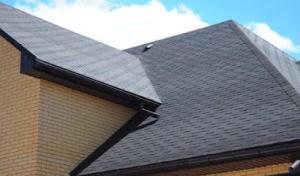
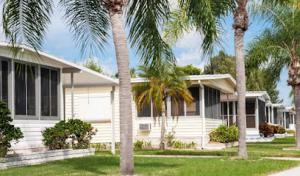
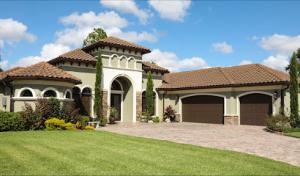
When you price a roof replacement, the material choice drives most of the cost. In this market, asphalt shingles run about 320 to 650 USD per square, metal about 700 to 1250, clay tile 1100 to 2100, concrete tile 900 to 1700, wood shingles or shakes 700 to 1400, and slate 1800 to 3600 per square. A typical Mulberry-style roof blends shingles, metal, or a tile option, so use these bands to set expectations before you compare bids. The final price hinges on roof size, slope, penetrations, and the complexity of detailing around vents, chimneys, and skylights.
Costs can rise after major storm periods when reroof demand spikes across Polk County and nearby Central Florida markets. If a hurricane season or a string of severe thunderstorms hits, you'll notice higher contractor availability risk and price adjustments. In practice, you'll see longer lead times and more variance in materials, especially for tile products that require careful handling and specialty crews. Prepare for potential upcharges in the weeks following a big statewide storm as crews surge to meet restoring-demand needs.
In this climate, moisture-related issues often influence the bottom line. Expect the deck, underlayment, and ventilation to factor into the total cost if the existing setup shows moisture intrusion or deck rot. Wind-mitigation features can affect pricing too, particularly for homes with older sheathing or missing flashing upgrades. When evaluating bids, ask how each price component breaks down: board-and-batten or plywood deck, underlayment quality, flashing upgrades, and any required wind-rated attachments. A well-documented bid that accounts for moisture control and wind resistance tends to translate into smoother insurance-ready documentation and a more durable finished roof.
Get a clear picture of your project costs upfront - no commitment required.
Wayne Gonzalez Roofing Contractor
(813) 653-2279 waynegonzalezroofing.com
Serving
4.9 from 138 reviews
Florida's hot, humid climate speeds roof weathering in Mulberry and increases attic heat transfer, making replacement timing more consequential than in milder regions. In this setting, shingle life can shorten when attic insulation is inadequate and ventilation is poor, so the roof deck sees higher heat flux from the living space below. Warped or delaminated underlayers, accelerated granule loss, and edge deterioration at eaves become more likely after several hot seasons. When choosing a replacement strategy, you'll want to consider not only the roof type but also how well the attic presents a thermal barrier. A well-ventilated attic with balanced intake and exhaust reduces heat-driven stress on new materials and helps keep the roof system performing toward its full expected life.
Quick weather changes and persistent humidity in this area can affect roof deck moisture and underlayment condition during installation. If the deck is damp or sweating from humidity, fasteners may lose bite, and adhesive-backed underlayments may not set properly. A dry, staged sequence matters: remove damaged sheathing, allow any remaining moisture to dry before laying new underlayment, and ensure roof vents remain functional during the project. Prolonged exposure to moisture at the deck level can lead to cupping or soft spots that complicate flashing and fastener schedules. Your crew should monitor moisture indicators and pause work if dew points rise quickly or rain threatens the area, resuming only when decking shows stable dryness.
Summer working conditions in Mulberry can affect material handling and installation pace, especially during long hot stretches followed by afternoon storms. Heat can soften asphalt shingles and some composite underlayments, making precise alignment harder and increasing waste from warping. Metal roofing panels can expand with heat, requiring careful fastening to accommodate movement. Plan for early starts, frequent hydration breaks, sun exposure protection for crews, and temporary shelter for materials. Have a storm contingency, including secure staging areas and quick-access tarping, to minimize delays and keep interior temperatures reasonable during completion.
Flat-roof specialization has a meaningful presence in the Mulberry market, indicating that low-slope sections, additions, porches, or commercial-adjacent structures are a real local service need. The combination of heavy summer rain and inland hurricane exposure means those flat transitions are under stress in ways that traditional steep-slope roofs aren't. When a roof combines low-slope areas with penetrations, the risk isn't just about a drip-it's about frequency, volume, and the potential for interior damage that sneaks up after a storm. Expect contractors to see a steady flow of projects tied to these configurations, not occasional repairs.
Skylight penetrations show up in local contractor signals as a frequent source of leaks. Skylights can drift out of alignment after a storm, or their flashing can fail where it meets the flat plane. Even small skylights can become a gateway for water if their seals degrade or their curb flashing is not maintained. In Mulberry, where heavy summer rainfall is the norm, the speed and direction of water movement around these penetrations matter as much as the roof surface itself. Pay particular attention to flashing around vents, furnace stacks, and any low-point seams that carry water into interior ceilings during a quick downpour.
Heavy rain events stress drainage systems and flashing on low-slope transitions far more than on regular decks of shingles. A clogged internal gutter, a poorly pitched scupper, or a misaligned edge flashing can create standing water that finds its way into fastener rows and joints. Mulberry homes with additions or porches on a flat plane often hide water behind parapets or under coping. The practical takeaway is simple: inspect after every major storm, especially around penetrations and along any transition between flat and higher surfaces. If a leak appears near a skylight or along a seam, the priority is securing a temporary seal to prevent interior damage while scheduling a professional evaluation.
Find specialists in TPO, EPDM, and built-up flat roofing systems for residential and commercial properties.
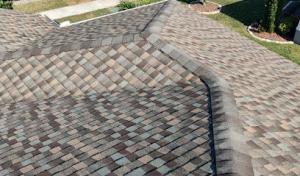
In this market, quick response after leaks or storm events is not optional-it's expected. Look for a roofer who can estimate, schedule, and begin work promptly, with a plan to minimize interior damage and avoid further weather exposure. Check that the crew has recent experience with reroofs and that cleanup is included in the package, so debris and nails don't linger on driveways or yards.
Long-established and family-owned firms have visible presence here, signaling that local reputation and continuity matter. Prefer companies with a stable local roster, clear references, and a track record of completing projects on time under similar conditions. This is not the market to choose a six-month lead time or a constantly rotating crew; consistency translates to predictable weather-resistance outcomes and better insurance documentation.
Ask about wind-tested installation methods and the specific materials they use to meet Florida wind and insurance expectations. It helps to request a written outline of what the project covers: tear-off, underlayment, fasteners, roof deck repair, and a detailed cleanup plan. Ensure warranties are explicit, covering both labor and material performance, so a future wind event or leak is not a dispute over coverage.
Verify local references, insurance coverage, and crew safety practices. Request a step-by-step schedule, including removal, installation, and final inspections. Confirm that the contractor will coordinate with your adjuster when needed, and that they document preexisting damage to avoid confusion during claims. For this market, practicality, track record, and a solid cleanup plan are the markers of a solid choice.