Last updated: Apr 19, 2026
Winter ice damming and snow load stress create immediate, visible trouble on slate, asphalt, or metal roofs, then spring brings a fresh wave of hail and wind damage. In this climate, roof problems don't come all at once; they arrive in stages-ice dam buildup in the cold, heavy snow pressure on rafters and underlayment, then hail pummeling the surface as soon as temperatures rise. That means a problem spotted in February might worsen by April, and the next storm season can lay down new damage even after a quick fix. Stay alert for cracking or blistering shingles after a spell of warming, followed by granular loss when the next hailstorm hits.
During ice damming season, meltwater can back up at eaves and refreeze, pushing shingles and underlayment to failure. You'll often notice ridge heat loss or streaking along drip edges, with higher energy bills from heat escaping to the attic. Snow load isn't just a nuisance-it can push decking and fasteners beyond their design limits, stressing joints and flashing. In this part of the state, the roof isn't just covering the house; it's absorbing a continuous winter push from ice, wind, and freezing temperatures. When spring arrives, those stressed areas are prime spots for leaks and peeled shingles, especially where flashing has already seen wear from cold snaps.
Illinois claim activity stays steady because hail and wind losses are ongoing in the region, making storm documentation especially important in DeKalb. The spring window often brings the most fracture points on asphalt shingles, metal edges, and tile seams, even if a roof only suffered minor damage earlier in winter. Hail damage can be subtle-dented shingles, bruised granules, compromised ventilation-yet those signs can cascade into leaks once rains return. Wind can lift edges, peel back underlayment, and expose fasteners to further rust or corrosion. The net effect is a damage map that changes after every major storm, so proactive inspection after a hail event is not optional-it's essential.
Keep a careful diary of every storm, every burst of hail, and every snowfall that coated the roof with ice. Take dated photos from multiple angles, especially of flashing, vent stacks, and skylights. Even small, early signs of distress should trigger a professional assessment: a quick check can prevent larger failures when the next thaw arrives. DeKalb homeowners should treat storm documentation as part of a running risk register, not a one-off file. The goal is to map weaknesses before they cascade into widespread leaks or structural concerns, so you're not surprised by reductions in attic insulation effectiveness or sudden interior damage after the next wind gust.
Replacement timing in DeKalb is commonly pushed into late spring through early fall to reduce weather delays after winter damage is discovered. By aligning a re-roof with calmer, drier conditions, you minimize the chances of rolling weather fronts undoing fixes and delaying completion. If you've sustained winter and spring damage, coordinate with a trusted roofer to strike while the weather is favorable and the storm season has started just enough to confirm the scope of repairs without letting old damage sit unchecked into another winter. The goal is to close the wave quickly, so the next season's weather doesn't reintroduce stress on newly repaired surfaces.
In this market, yes, the numbers matter, and they vary by material just as you'd expect for northern Illinois exposure. Typical DeKalb pricing runs about $450 to $900 per square for asphalt shingles, $700 to $1200 for metal, $900 to $1800 for clay tile, $800 to $1500 for concrete tile, $1200 to $2500 for slate, and $1200 to $3500 for copper roofing. For a standard 1,000-square-foot roof (that's 10 squares), that translates to roughly $4,500 to $9,000 for asphalt, and proportionally higher for premium materials. If you're comparing bids, remember that a square is 100 square feet, so a "roof" quoted in squares is the right unit to focus on when you're crunching numbers and avoiding sticker shock.
DeKalb's weather swing drives timing as much as price. The main late spring to early fall window is when storms, hail events, and high wind drive demand, and that can tighten scheduling. When a hail event hits, contractors may be juggling multiple replacements at once, which can push lead times out and bids higher than the calm winter months. If you're contemplating a roof replacement in this window, expect the market to respond with sharper scheduling constraints and, yes, potential price upticks tied to demand spikes. Planning ahead, or at least having a firm decision window during the late-winter lull, can help you lock in a material you want and avoid last-minute substitutions that raise both cost and risk of delays.
A full re-roof in this area isn't just about picking a shingle or tile color. Costs on full re-roofs are also affected by the local review of venting and underlayment that the city processes as part of the project scope. That means even if the material price is steady, the installation choices that satisfy this review-such as upgraded underlayment or venting configurations-can push the total above a simple material-by-square calculation. If a previous roof used an older underlayment or venting setup, upgrading to a code-compliant or more durable arrangement can add to the bottom line. In practice, prepare for a bid that itemizes those components so you can compare apples to apples across contractors.
Given the open northern Illinois exposure, hail and wind tolerance matters as much as upfront cost. Asphalt shingles remain the most economical and, with proper installation, perform well in winter ice and snow cycles. Metal roofing offers strong resistance to hail and wind but comes with a higher initial investment. Tile options-clay or concrete-tend to carry higher upfront costs and require careful roof framing and underlayment considerations to handle substantial snow loads and freeze-thaw cycles. Slate and copper deliver longevity and a premium appearance, but their price and weight mean structural considerations and budgeting are essential. If you're replacing during a high-demand season, discuss with your contractor how each option handles ice dam mitigation, underlayment upgrades, and attic venting to minimize winter-related risk next season.
SW Roofing
(815) 754-7663 www.sw-roofs.com
Serving
4.8 from 29 reviews
SW Roofing provides professional roof repair, roof replacement, and storm damage restoration for homeowners. Our experienced team specializes in hail damage inspections, insurance claim assistance, and high-quality roofing installations. We are fully licensed, insured, and committed to reliable workmanship and honest service.
Boss Roofing - Siding Experts
(815) 446-1564 bossroofingsiding.com
Serving
5.0 from 24 reviews
At Boss Roofing – Siding Experts in DeKalb, IL, we provide top-quality residential and commercial roofing, roof repairs, and full replacements using trusted materials like GAF. From storm damage restoration to updated shingles and routine maintenance, our licensed, insured team delivers dependable results. We also offer siding, seamless gutters, and gutter protection systems to keep your home protected and looking its best. With over 25 years of experience and a reputation for honest pricing and 5-star service, we’re DeKalb’s go-to exterior contractor. Free Estimates | Flexible Financing | GAF-Certified | Emergency Repairs Call or book online today!
Responsive Roofing
(815) 901-8860 www.responsiveroofing.com
Serving
5.0 from 220 reviews
For over 20 years, Responsive Roofing has been providing DeKalb and the surrounding areas with exemplary customer service and results that last.
Theisen Roofing
(815) 758-8998 theisenroofing.com
Serving
4.9 from 92 reviews
Locally owned and operated since 1971, Theisen Roofing & Siding provides quality, professional roofing, gutter, and repair services in DeKalb and the surrounding areas. As third generation roofers, owners Jeff and Brian Theisen have over 30 years of experience in the industry, servicing residential homes, condominiums, apartment complexes and more.
DeKalb Roofing
(815) 501-3282 dekalbroofingil.com
Serving
4.7 from 35 reviews
For over 30 years, our roofing company has earned DeKalb's trust with hard work and care. We make sure to go above and beyond to protect your home, making sure to do everything right the first time so your roofing service lasts. We work around your schedule or what best fits your needs because we understand the importance of your investment. Our greatest concern is your home and satisfaction. When you need a professional and caring local roofing contractor, you can email, call or text any time.
MG Roofing & Siding
(815) 508-2233 www.mgroofing-siding.com
Serving
4.7 from 15 reviews
Founded in 2018, we are a fully insured and bonded contractor specializing in roofing, roofing repair, siding, and window installation for both residential and commercial properties. Our team is known for quality craftsmanship, clear communication, and dependable service from start to finish. Customer satisfaction is at the core of everything we do. We work closely with each client to understand their needs, provide honest recommendations, and deliver results that meet exact specifications. Whether you need a full roof replacement, storm damage repair, new siding, or updated windows, you can count on our attention to detail and commitment to excellence. Ready to get started? Contact us today for reliable service you can trust.
Pinkston-Tadd, Inc. Roofing Services
Serving
4.6 from 8 reviews
Pinkston-Tadd, Inc. Roofing Services provides residential and commercial roofing, sheet metal fabrication, welding, custom gutters and downspouts, and maintenance plans to the Chicagoland area and northern Illinois.
GC Gamez Construction & Roofing
(815) 766-1145 gcgamezconstruction.com
Serving
4.6 from 20 reviews
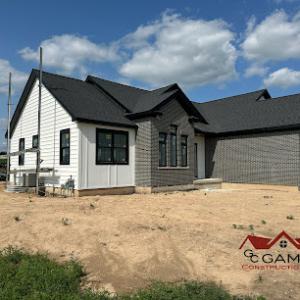
Gamez Construction is a trusted local contractor serving DeKalb, Sycamore, and surrounding areas. We specialize in roofing, siding, gutters, windows, and exterior renovations, delivering top-quality craftsmanship with every project. Our experienced team handles both residential and commercial work, always using premium materials and providing a 5-year workmanship warranty. Count on us for honest service, clear communication, and results that last. Call for a free estimate today!
Mullis Construction
Serving
5.0 from 3 reviews
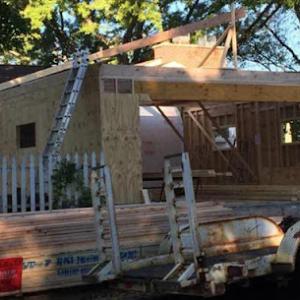
Mullis Construction, in DeKalb, IL, is the area's leading roofing company serving DeKalb and all surrounding areas since 1991. We offer roofing, new construction, remodeling, additions, siding, farm building repairs and more. For all your roofing needs, contact Mullis Construction in DeKalb.
Tip Top Roofing & Construction
(815) 899-7663 tiptoproofing.com
Serving
4.8 from 114 reviews
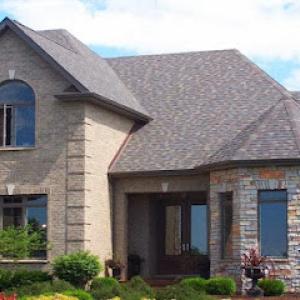
Tip Top Roofing & Construction is a trusted roofing contractor in St. Charles, IL, providing expert residential and commercial roofing services. We handle new construction, tear-offs, re-roofs, flat roofs, roof repairs, roof maintenance, inspections, and seamless gutter installation. Our team delivers prompt, professional service. Every project is assessed and backed by a detailed proposal within days. From minor roof repairs to complete system installations, we ensure high-quality workmanship with every job. Proudly serving St. Charles, IL, and surrounding areas. Call Tip Top Roofing & Construction today for a quote and see why we're a leading roofing contractor in St. Charles, IL.
C & R Roof Restoration
(815) 970-4288 www.crroofrestoration.com
Serving
4.9 from 42 reviews
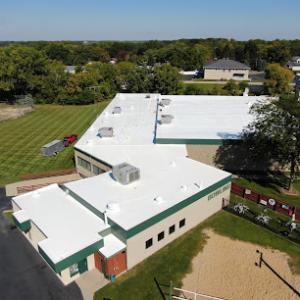
At C&R Roof Restoration, we understand that you want to protect your building from water damage. To achieve that, you need a long-lasting, watertight roofing solution. The problem is, a total roof replacement can deplete your budget, leaving you apprehensive about contacting a professional. We believe that getting a leak-free roof shouldn't drain your resources, which is why we've helped thousands of business owners, just like you, save millions of dollars by restoring and waterproofing their existing roofs instead of replacing them.

Atlas General Contractors
(630) 724-7884 atlasgeneralcontractors.com
Serving
5.0 from 142 reviews
We are proud to provide Residential and Commercial Roofing, Pella Certified Window and Door Dealer/Contractor, Siding, Gutters, General Contractor, Restoration Services, Insurance Claim Experts, Public Adjuster.
For a full re-roof, a building permit is typically required rather than treated as permit-free maintenance. The local process starts with submitting project details to the building department and confirming the scope includes a full roof replacement rather than minor repairs. A contractor should provide the planned underlayment, venting plan, and any roof deck work as part of the permit package. If a permit is not pulled, work may be halted and the final inspection could be delayed, so verify permit status before starting.
The building department will review the project scope with particular regard to venting and underlayment requirements. In this climate, proper attic ventilation and a suitable, code-compliant underlayment are essential for resisting winter ice buildup and wind-driven moisture. Expect questions about attic access, ventilation calculations, and any changes to roof penetrations (vents, exhausts, collars). Have your installer's venting plan ready, including specifications for any new or relocated vents and assurances that the underlayment meets current code and manufacturer guidelines. This review step helps prevent later access issues or retrofit needs.
Once the permit is approved and issued, installation proceeds under inspection readiness. In this market, crews often coordinate weather windows to minimize exposure to ice, snow, and wind events, which can impact underlayment protection and decking integrity. The contractor should protect exterior walls and windows during removal and reuse or replacement of flashings around chimneys, skylights, and roof-to-wall transitions. Clear communication about staging, debris control, and temporary coverings helps prevent interior water intrusion during a heavy storm period.
After installation, DeKalb conducts inspections to verify roofing work meets code requirements and the permit conditions. The final inspection confirms compliance with venting, underlayment, flashing details, and overall workmanship before the job is officially closed out. Expect inspectors to verify attic ventilation, verify that penetrations are properly flashed, and confirm that the roof deck and underlayment installation align with the project plan. Once the final inspection passes, the permit is closed, and any warranty-related documentation can be tied to the official permit record.
Asphalt shingles dominate the surrounding neighborhood, favored for cost and availability. In DeKalb, the hot summer sun can accelerate aging on the most exposed roof planes after winters have already stressed the system. When long stretches of sun beat down on a south-facing slope, the asphalt can soften and the granules can shed sooner on those edges that take the brunt of heat and wind. The result is accelerated granule loss and a higher likelihood ofcurling, cupping, or seam exposure after multiple freeze-thaw cycles. If you notice a peppering of dark specs on lighter shingles after winter, or more granules in gutters, that indicates the aging process is starting to run ahead of the curb, especially on sun-baked sections. Regular inspection of the most sun-bleached areas, along with careful scrutiny of the shingle tabs for cracking or blistering, helps catch failures before they scale to leaks.
Tile and slate roofs are traditional and long-lasting when installed correctly, but shoulder-season freeze-thaw cycling in this climate can be a particular liability. Clay or concrete tiles are brittle when cold and can crack or spall if a freeze occurs after a heavy thaw. Slate, prized for its longevity, can also suffer from micro-cracking that propagates under heat stress or weight-bearing episodes from snow removal. Pay attention to those joints and flashings around high-stress areas-chimneys, vents, and transitions-to see if cracked tiles or displaced units are allowing moisture to reach vulnerable underlayers. When tiles crack, the entire panel or surrounding pieces can shift with ensuing winter movement, increasing the risk of deeper leaks and ice dam-related damage.
Winter snow and ice in this area place extra stress on underlayment and flashing, making those hidden components as important as the visible roof covering. Ice dam buildup can push against eaves and soffits, driving water into weak seams where underlayment has aged or flashed around penetrations has shifted. Degraded underlayment may not shed meltwater efficiently, inviting moisture infiltration that travels along rafters and into attic spaces. It's not unusual to see such failures appear in the attic as staining or condensation, even when the visible shingles look relatively intact. A careful, seasonally timed inspection should include a close look at ridge lines, step flashing at chimneys, and the condition of valley linings, where the combined load of snow and ice can start a cascade of failures if the protective layers are compromised.
On asphalt textures, look for increased granule loss in gutters and on the lower third of the roofs after winter. For tiles, walk the roof only if safe and inspect for cracked or displaced units and any daylight showing through the underlayment joints. Check attic spaces for signs of moisture or staining near flashing lines and vent penetrations, especially after a thaw that follows a snow event. If any of these signs appear, consider scheduling a more thorough evaluation to determine whether a targeted retrofit or a partial re-roof is appropriate to preserve weather-tightness and extend the roof's service life.
The most popular roofing material in the US. Find pros who install, repair, and replace asphalt shingles.
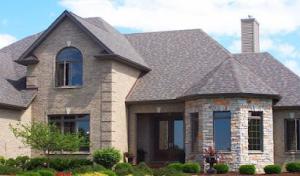
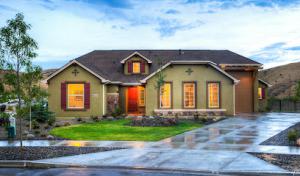

Because northern Illinois sees recurring hail and wind losses, you should document roof condition before and after storms with date-stamped photos. This helps establish a clear baseline and reduces ambiguity when hail or wind damage is suspected. When storm season rolls around, a quick photo log of the ridge, shingles, vents, and any visible granule loss can save days in the claims path. In the weeks after a major storm, repeat the photos to capture any delayed damage that might not be obvious immediately.
Insurers in this market commonly want thorough documentation of roof condition and replacement specifics, and adjusters often rely on detailed estimates and photos. Prepare a concise written note that ties observed damage to the storm timeline: where you see lifted granules, curling or cracked shingles, rust on flashing, or damaged vent caps. Include the date of the storm, the approximate time you first noticed issues, and any prior maintenance that could affect the assessment. If you have prior roof work, keep the records organized so the adjuster can distinguish between preexisting wear and new storm-related damage.
There is no known statewide blanket insurer withdrawal in Illinois, but steady claim activity means DeKalb homeowners should expect close review of storm-related roof claims. Expect insurers to request several angles of the roof, attic inspection notes, and possibly interior moisture checks if leaks are reported. Be prepared to provide a clear chain of custody for photos and estimates, and avoid edits that could imply tampering. A well-documented, storm-tied file not only speeds up the process but also reduces the risk of disputes later on.
Keep a dated photo log stored with storm reports and repair receipts. Use a simple, consistent photo pattern: one close-up of each damaged area and a wide shot of the roof section. If a contractor performs an initial assessment, ensure their scope of work and replacement specifics are itemized and dated. When in doubt, ask for a written summary that aligns the observed damage with the storm event, so the adjuster can verify the claim without unnecessary back-and-forth.
Connect with contractors who help homeowners navigate the claims process from damage assessment to final approval.
In winter weather, ice damming can back water up at roof penetrations and transitions, making flashing details around skylights and chimneys a recurring concern. When snow and ice build up along the eaves, meltwater can refreeze at joints, pushing against seals around skylight frames and around chimney bases. A practical approach is to inspect skylight flashing for any gaps or lifted metal after the melt cycle, and to check chimney flashing where the top row of shingles meets the brick orstone veneer. If you notice dark stains or active leaks near a skylight or chimney after a thaw, treat it as a flashing issue first before chasing shingle damage deeper in the roof.
Local contractor signals show meaningful prevalence for skylight work and some chimney-related demand, indicating these details are a real part of service calls. On project notes, expect a higher likelihood of needing reseal or replace flashing around skylights when the roof is re-covered, especially after heavy wind events or hail. Chimney-related work often centers on counterflashing and coping inspection. If a contractor flags multiple penetrations in the same area, consider addressing those details together rather than as isolated fixes to reduce the chance of recurring leaks.
When DeKalb roofs are replaced after storm or winter damage, leak tracing often needs to distinguish between field damage and failures at penetrations. Start by isolating water entry points along the ridge line, valleys, and eave edges, then map any staining back to the closest penetration. In practical terms, a leak might travel from a rotted shingle seam to a skylight or vent, so tracing should follow the path of water rather than just inspecting the surface signs. A methodical check of flashing around skylights, vents, and chimney bases, alongside a careful inspection of underlayment at the transitions, helps prevent recurring leaks after a full roof replacement.
Find contractors experienced in skylight installation, flashing, and leak repairs to bring natural light into your home.
33 Carpenters Construction Chicago
(630) 333-9895 www.33carpentersconstruction.com
Serving
4.6 from 33 reviews
DeKalb's contractor mix includes both residential and commercial roofing, which supports a real local market for flat and low-slope roof work. This means you can find crews with experience handling both single-family homes and small commercial properties, which translates to practical knowledge about deck drainage, edge details, and insulation interfaces. When selecting a contractor for a low-slope job, look for portfolios that show dwellings in areas with similar exposure and confirm they've completed re-roofs in the last decade. Ask about warranties that cover membrane seams, edge termination, and flashing details, since these are common weak points on flatter packages.
Snow load and winter moisture retention in the area make drainage performance especially important on low-slope roof systems. A modest incline can dramatically influence melt-off behavior and ice dam risk, so you want a system that encourages rapid drainage toward suitable scuppers or internal drains. Inspect the existing roof deck for sagging spots, ponding areas, and prior repair patches, which often signal drainage limitations. In colder months, discuss insulation continuity and vapor retarders with the roofer, because a well-sealed attic side reduces condensation that can undermine membrane longevity.
Roof coating appears in the market but at much lower prevalence than re-roofing and storm repair, so it is a niche option rather than a citywide default. Coatings can be suitable for certain flat or low-slope configurations, especially as a maintenance layer or on marginally leaking surfaces where a full replacement isn't immediately necessary. In DeKalb, where winter moisture and hail can stress membranes, coatings may offer a temporary seal or reflective benefits, but they should not replace a poured or sheet-applied membrane on roofs with active leaks or extensive substrate deterioration. If considering a coating, have the system thoroughly evaluated for adhesion to the current deck, substrate compatibility, and the presence of any ponding zones that would compromise performance.
When choosing materials for low-slope roofs, prioritize compatibility with existing insulation and venting details, as the city's climate pushes both heat retention in winter and moisture control in summer. Flat and low-slope assemblies with a durable, properly vented underlayment tend to perform better in the long run, reducing the risk of wind-driven damage and moisture infiltration during freeze-thaw cycles. Ensure flashing and transitions around skylights, vents, and parapets are configured to shed water efficiently, since these are common failure points on flatter roofs.
Find specialists in TPO, EPDM, and built-up flat roofing systems for residential and commercial properties.