
Last updated: Apr 19, 2026
Riverdale sits in the Chicago metro hail and wind claim zone, so spring storm damage often becomes the trigger for replacement rather than age alone. After a harsh winter, roofs that looked fine in March can reveal hidden leaks and shingle failures by April. The combination of freeze-thaw cycles and spring downpours accelerates wear on aging roofs, especially in older housing stock common around town. If you experienced a notable hail impact or wind-driven shingle lift this spring, treat it as a potential replacement signal rather than a mere repair job.
Local claim handling commonly requires photo documentation, roof age details, and a licensed contractor estimate before adjusters finalize scope. Start gathering evidence the moment you suspect damage: close-up photos of missing or cracked shingles, granule loss in gutters, and any interior staining on ceilings or attic walls. Note the roof's age and any prior repairs. Have a licensed contractor provide a scope of work and an itemized estimate that aligns with what an adjuster would expect to see. This upfront documentation helps prevent back-and-forth or scope creep when the adjuster arrives.
Because winter snow and freezing temperatures delay tear-offs, many homeowners move from storm inspection to replacement scheduling in spring or fall. If a claim is approved, scheduling a full tear-off and installation promptly is critical to prevent secondary damage from summer storms or rapid aging. In practice, that means you should be ready to commit to a complete replacement once the claim supports it, rather than chasing piecemeal repairs that may prove temporary and more costly over time. Coordinating with a locally experienced contractor who understands Riverdale's typical weather patterns can keep the project on track and reduce the chance of weather-related delays.
Document every step of the claim: record dates of storms, who you spoke with at the insurer, and all correspondence. If you notice interior leaks, protect valuables and document with photos before staging repairs. Have your contractor on standby to provide a clean, comprehensive scope of work and a timeline that accounts for typical river winds and hail risk in this zone. Don't delay sending photos or accepting an initial estimate if damage is evident; early alignment between you, the contractor, and the insurer can prevent gaps in coverage and ensure the scope reflects what actually happened to the roof.
Riverdale homeowners often face a tight balance between waiting for a favorable weather window and avoiding prolonged exposure to potential further damage. If the claim is open and approved, plan for a replacement window that minimizes roofing exposure to peak storm season. If you're mid-winter with suspected damage but fragile conditions, discuss interim protective steps with your contractor while you finalize the claim details. A coordinated approach-storm documentation, contractor estimates, and insurer confirmation-helps lock in a solid replacement plan with fewer surprises when spring or fall arrives.
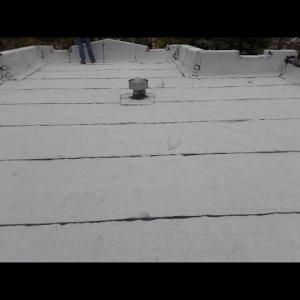
Curtis Roofing & Construction
(708) 849-1279 www.curtisroofingandconstruction.com
14225 S Halsted St, Riverdale, Illinois
4.1 from 29 reviews
A Reputation for Roofing Excellence in Chicago IL property owners have come to rely on us for all of their roofing needs, and once you’ve contacted us you’ll understand why. Our professional and courteous staff understands your schedule and your needs and will work with you to set up an appointment that accommodates your schedule. Our team will show up on time, assess your needs, answer all of your questions and explain the entire process in a way that is easy to understand. We’ll prepare a quote that works for your budget and once you’ve chosen us we’ll do the job using quality materials and providing you with craftsman quality work that will last for years and years.
SFC Roofing
Serving
4.9 from 29 reviews
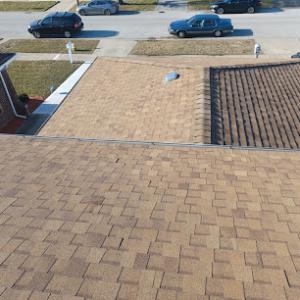
We are your premier experienced, committed, consistent roofers in the Chicagoland Area. Call us for your roofing needs. We are your contractors that have integrity… Residential/Commercial/Industrial

Total Roofing & Construction Services
(708) 201-7550 totalroofingandconstruction.com
Serving
4.7 from 244 reviews
Total Roofing & Construction Services, Inc. is a licensed, insured, and trusted roofing contractor. We've been servicing the Chicagoland region and Northwest Indiana for over 30 years. We specialize in both residential and commerical projects. In addition, we are certified siding, gutters, windows, and door installers. We are a family run and operated organization.
A-Abel Roofing
(708) 316-1433 aabelroofing.com
Serving
4.8 from 153 reviews
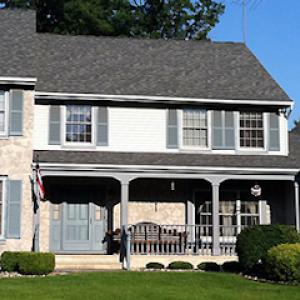
Need roofing in South & West Suburbs of Chicago? Look no further than A-Abel, a professional team with over 20 years experience providing fast and reliable services. From complete one day replacements to reroofs, repairs or insurance claims for hail damage - we do it all! With hundreds of 5 star reviews across the web plus an A+ BBB rating, you can trust us for quality service every time. Need help financing a larger project? We offer flexible payment plans too making sure nothing stands between your home's transformation and you. Gutter repair is also available so don't hesitate to give us a call today!
Stewart Roofing
(773) 264-1754 stewartroofinginc.com
Serving
4.3 from 55 reviews
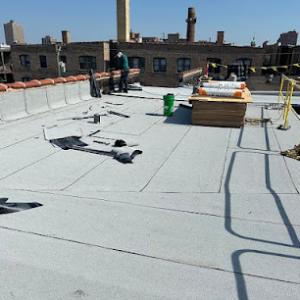
Stewart Roofing, founded in 1927, is a premier roofing and siding contractor in Chicago, IL. Serving the greater Chicago area, we specialize in roofing, siding, and gutter services for commercial and residential projects. Our comprehensive offerings also encompass tuck pointing, soffit and fascia installations, new roof construction, and more. With decades of experience, our team is dedicated to delivering exceptional craftsmanship and superior customer satisfaction. Trust Stewart Roofing for all your roofing and siding needs. Contact Us For Free Estimates!

Nombach Roofing & Tuckpointing
Serving
4.6 from 209 reviews
For over 50 years, Nombach Home Exteriors has been dedicated to serving Chicago and surrounding communities. As a family-owned and operated business since 1969, Nombach takes pride in providing quality home exterior services. From roofing and siding to brickwork, gutters, concrete and windows, Nombach offers comprehensive solutions to enhance and protect your home. Discover the Nombach difference and experience the care and craftsmanship that have been their hallmark for generations.
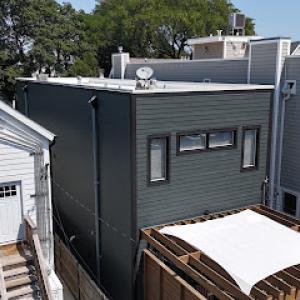
Windy City Roofing & Restoration
(708) 640-5251 windycityroofingin.com
Serving
4.9 from 19 reviews
Windy City Roofing and Restoration is a well-known roofing contractor in Hammond, IN. Call us and we will provide you with a reliable service that will exceed your expectations!
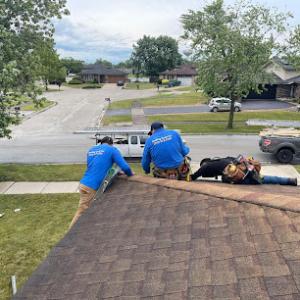
Roofing Coats Inc | Siding & Gutters Pros
(312) 973-9703 www.roofingcoats.com
Serving
5.0 from 40 reviews
A recognized Fully Licensed, Insured leader in the commercial, residential and roofing industry, Roofing Coats offers a complete line of roofing ,Siding and Gutter systems in Chicago, Illinois and Surrounding areas.
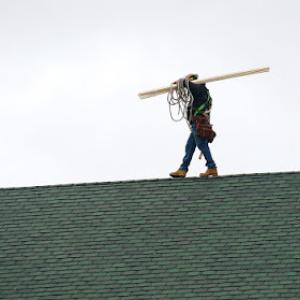
Heritage Contractors
(773) 887-0268 www.heritagecontractors.net
Serving
5.0 from 112 reviews
Heritage Contractors is a family owned business, servicing the Chicagoland area. We specialize in roofing, gutter, siding, and window replacement. Heritage Contractors incorporated 20+ years ago and at the time focused on building new homes and additions as well as interior remodeling. After a decade, our focus shifted to exterior construction when we saw a need for homeowners to work with an honest and fair company to help maintain the exterior of their homes. Our team strives to make the process of maintaining your home stress free and affordable. Please feel free to ask us for references of previous clients we have worked with. Take a look at our website which includes Google reviews to see what past clients have stated about our service
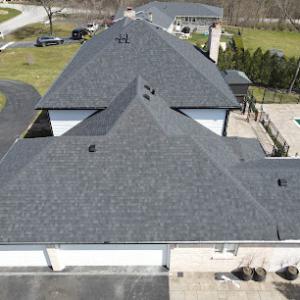
Extreme Storm Solutions
(708) 371-9000 www.extremestormsolutions.com
Serving
4.7 from 106 reviews
Roofing
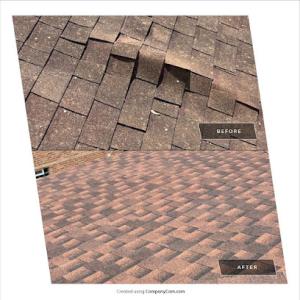
Odin’s Construction Group Roofing Siding Gutters
(708) 261-1634 www.odinsconstruction.com
Serving
5.0 from 170 reviews
We are a family owned company, Specializing in roofing siding and gutters. Chicagoland suburbs and entire Illinois we are dedicated to delivering results that stand the test of time. We work with all insurance companies also when you have sustained storm damage. Unmatched Attention to Detail: From the initial comprehensive inspection to the final nail and clean-up, every step of our process is executed with meticulous precision. We believe true quality is found in the details others overlook.Superior Materials Only: We partner with industry-leading manufacturers GAF, Owens Corning, CertainTeed, James Hardie) to source and install the highest-grade material. We have a proven track record of satisfied customers just look at our reviews.
Sanchez Roofing & Construction
(219) 937-7727 sanchezroof.com
Serving
4.7 from 160 reviews
Sanchez Roofing & Construction in Hammond, IN, is your go-to source for reliable roofing services, gutter cleaning, and construction needs. With our skilled team and dedication to quality workmanship, we ensure your home is protected and looking its best. Trust us for all your roofing and construction projects!
Asphalt shingles are the dominant practical choice in this market, with local pricing typically landing between 350 and 550 USD per square. That range reflects the mix of aging homes in the south suburbs and the heavy impact of spring hail that often drives quick demand for replacements after storms. In a typical Riverdale roof, asphalt can be a straightforward cut-and-replace job, but cost bumps happen if the old roof has multiple layers or a complicated layout. When hail storms hit, labor demand can push prices higher as crews book up quickly and scheduling tightens.
Metal roofing and tile options sit noticeably higher on the price ladder. Metal generally runs from about 700 to 1300 USD per square, while clay tile can start around 1000 and climb over 2300 USD per square depending on profile and fasteners. In this area, those higher-end materials are most common in newer, glare-free addresses or homes with distinct architectural features. After a major hail event, weathered pricing can surge as supply tightens and crews shift to back-to-back reroofs across multiple homes spanning the Calumet corridor. If choosing metal or tile, plan for potential longer lead times and tighter scheduling windows.
Costs in Riverdale can shift based on whether the home has a simple shingle roof or a low-slope section. A straightforward two- or three-tab asphalt roof without a low-slope area tends to stay near the lower end of the asphalt range. Add a low-slope portion, or a roof with extensive chimney flashing work and skylight tie-ins, and the project quickly climbs. Tear-off layers-common on older homes-also push price upward due to disposal and safety requirements. In practice, an older, multi-layered roof will push overall square-foot costs closer to the higher end of the asphalt bracket or beyond, depending on access and removal difficulty.
Storm damage and insurance-driven timing matter here. After hail events, coordinating with a few reputable local crews becomes crucial, since Chicago-area labor demand can elevate pricing and lead to scheduling bottlenecks. If a claim is underway, anticipate not just the material costs but the extra attention needed for flashing, skylight tie-ins, and any necessary tear-off work. In Riverdale, the most cost-effective path often starts with solid asphalt if the roof's condition allows, reserving metal or tile for homes with specific architectural needs or longer-term durability goals.
In this town, replacing the entire roof is treated as a building project rather than a simple maintenance task. A permit is generally required for a full roof replacement, and that requirement is not something you can charcoal out of the picture after a storm. The village expects you to follow the process, get the proper approvals, and have the project documented from day one. Skipping or rushing permit steps can lead to delays, fines, and trouble when you next seek a certificate of occupancy or a future refinance. This isn't about red tape for its own sake; it's about ensuring the work meets the local codes for wind load, ice dam protection, and fire safety, all of which are especially relevant during the Chicago-area freeze-thaw cycles.
The local building department schedules inspections at key milestones and again after completion, so coordination with the contractor matters. A typical flow involves an initial inspection before any shingles go on, to confirm roof structure, ventilation, and underlayment meet code. A mid-point check can verify that flashing, drainage, and penetrations align with plan expectations. Finally, a post-construction inspection confirms that the finished roof complies with the approved plan and town standards. If inspections are missed or delayed, the village may require exposing work already completed or pulling back materials to re-inspect, which can extend the project timeline and create unnecessary friction with an insurer or lender.
If the project includes non-standard work-things like unusual skylight configurations, solar integrations, or custom venting-the permit issuance may involve plan review. That review can require proof of contractor licensing before approval. In practice, that means your contractor should be prepared with stamped drawings, energy calculations, and any specialty equipment specifications before submission. Without those documents, approvals can stall, and you may face rework or substitutions that complicate timelines after a storm. The more you align your plans with the village's expectations up front, the smoother the process.
Storm damage often triggers rapid scheduling, but village inspections won't bend for an urgent claim if the paperwork isn't in place. If you're navigating an insurance-driven replacement, communicate clearly with both the insurer and the contractor about permit milestones. Insurers frequently require a permit to be pulled before ordering material replacements or issuing substantial claim payouts. Delays in permit acquisition can inadvertently slow the overall recovery, even if the roof itself is ready to go. Having a clear line of communication and a documented permit timeline helps prevent gaps between claim approval, material delivery, and actual installation.
Ask the contractor to obtain and post the village permit number, and request copies of plan review approvals as soon as they're issued. Schedule the pre-installation inspection promptly after the project scope is finalized, and set up a calendar reminder for the milestone inspections. If any non-standard elements are planned, request a feasibility check with the building department early in the process to avoid last-minute surprises. Keep a dedicated file with permit, plan, and inspection documents so when questions arise from the village or the insurer, you can provide solid, organized proof of compliance.
Flat and low-slope sections are a meaningful part of the local housing mix, especially on additions, porches, and garage rooflines that show up across older Chicago-area stock. These surfaces behave differently from traditional steep roofs, so the approach to maintenance and repairs must account for standing water, membrane wear, and edge details. When inspecting, focus on drainage paths, transitions to steeper sections, and any evidence of membrane edge uplift. In practice, plan for more frequent maintenance checks after heavy rains or rapid thaws, and treat any pooling as a potential leak hotspot rather than a cosmetic issue.
Riverdale's winter cycle pushes low-slope membranes through repeated freeze-thaw cycles. Water that sits near drains or along transitions freezes, expands, and can crack seams or loosen fasteners. Pay particular attention to areas where the flat roof meets parapets, skylights, or vent flashings. A small crack or micro-blister can grow into a larger leak over a season. Inspect after the first major thaw and after ice dam events on adjacent steeper sections; observe any changes around the drain outlets and edge metal. Addressing edge seams and drain terminations promptly helps limit recurrent leaks.
Many leak complaints in this market involve attached garages, rear additions, and tie-ins where different roof types meet. The garage roof may be a separate low-slope surface with its own drainage and flashing details, yet it shares walls with the main house. Transitions between roof sections, curb-mounted equipment, and vent penetrations often become failure points. Look for signs of staining along joint lines, vent collars, and underlayment margins where a garage roof meets the house. A leak trace can start at one roof but show up several feet away on a different plane, so inspect the entire connected roof system as a single drainage ecosystem.
When a leak is suspected, start by keeping interior damage to a minimum: place a bucket under the drip, catchment around penetrations, and move valuables away from exposed areas. Then inspect the exterior with daylight, focusing on seals around drains, edges, and transitions. If staining or bubbling appears at a seam, consider temporary measures to divert water away from the area while arranging a professional assessment. For flat and low-slope sections, ensure the membrane is intact at all drains and that flashing dries are clean and continuous. Document visible issues with photos from multiple angles to speed insurance conversations and contractor evaluations.
In this market, decisions about full or partial re-roofing often hinge on storm damage and the cost-benefit assessment of reestablishing reliable drainage. If a low-slope area shows recurring leaks despite patching, or if multiple adjacent sections exhibit edge fragility, a comprehensive evaluation is warranted. The goal is to restore a coherent, watertight envelope where transitions between roof planes are solid and flashings are continuous. Even when only one garage or rear addition roof shows wear, it is common to consider coordinated replacements to reduce future call-backs and ensure consistent performance across all connected roof lines.
Find specialists in TPO, EPDM, and built-up flat roofing systems for residential and commercial properties.
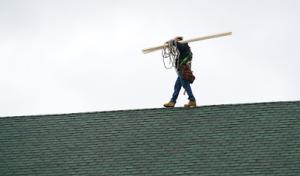

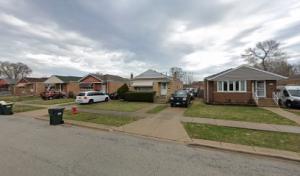
In this part of the Calumet corridor, asphalt shingles stand as the steady workhorse for Riverdale roofs. The combination of freezing winters and heat in the peak summer months tests every roof, and asphalt remains a practical choice because it balances performance with familiar maintenance needs. You'll notice that most local homes use these shingles because they resist rapid temperature swings, shed snow more predictably, and are easier to patch after spring hail. With regular inspection for edge gaps, lift along the valleys, and fasteners that hold through icy nights, asphalt can deliver steady protection across decades when kept dry and free of excess debris. This material also tends to be forgiving if your roof experiences occasional minor leaks during thaw cycles, giving you a window to address issues before they escalate.
Clay and concrete tile are available in the market but are far less common locally, making them more specialized choices than standard Riverdale replacements. If you're considering tile to maximize long-term weather resistance or to achieve a distinct curb appeal, plan for a heavier roof structure and a compatible underlayment system. Tiles handle heat well and can provide excellent insulation when properly installed, yet their weight and the need for precise slope and ventilation mean you're coordinating with experienced installers who understand the balance between subzero periods and late-spring storms. In practice, tile installations tend to be reserved for homes with the appropriate roof framing and for those seeking a replacement that stands out while still performing under freeze-thaw cycles and periodic hail exposure.
Wood shingles and shakes appear in the broader market but require more careful moisture management in a region where snow, humidity, and leaf debris all affect roof performance. Wood goods respond poorly to prolonged dampness and can absorb moisture from melting snow or spring rains, which increases the risk of warping, cupping, or mold if ventilation and drainage aren't managed. If choosing wood, focus on a high-quality, water-shedding finish, thorough underlayment, and a maintenance routine that includes annual clearing of debris and prompt treatment for any signs of moisture intrusion. The local climate makes wood a more hands-on option, best suited for homeowners who want natural aesthetics and are prepared to commit to proactive upkeep.
Among the common options, asphalt retains its edge by offering reliable performance with manageable maintenance in Riverdale's temperature swings. Clay and concrete tile provide a premium pathway for those prioritizing durability and curb appeal, while wood shingles demand vigilant moisture control to preserve performance. Regardless of pick, the seasonal rhythm-winter freeze-thaw, spring hail, and humidity-driven moisture-should shape your inspection cadence and long-term plan.
In this part of the Calumet corridor, older masonry homes with heavy brick and chimney stacks are common, and that combination makes chimney-related roof work a recurring need for local contractors. If you notice a damp spot near a chimney chase, around a skylight curb, or within a valley, it's often not just the shingles failing. Flashing, step details, and the way flashing meets block and mortar can be the real source of trouble, especially after a long season of spring hail and autumn leaf buildup.
Skylight repair in this market reflects what you'll see across Riverdale: leak tracing tends to involve flashing details more than shingle wear alone. A visible leak from a skylight often travels along the curb or through the interior trim where the curb meets the roof deck. Check the surrounding shingles for broken granules, but pay particular attention to the sealant line around the skylight flange and any ice dam risk that forms along the bottom edge in late fall.
Chimneys amplify the leakage risk because their masonry penetrations require precise flashing and counterflashing, plus reliable sealant around brick mortar joints. The most stubborn leaks show up where the chimney meets the roof deck, where flashing can fail as mortar erodes or as temperature swings push and pull materials. If a leak is slow and worsens after strong winds or freezes, look closely at the intersection where the chimney flashing steps onto the valley and around any chimney cricket or saddle.
Autumn leaves retain moisture and can keep water lingering at critical points before winter. Leaves clog valleys, dampen flashing, and create small reservoirs that feed into hidden gaps. The combination of leaf debris and moisture around a valley, chimney, or skylight curb is a setup for persistent leakage once freeze-thaw cycles begin. Regular autumn cleanup and targeted flashing inspection are practical steps to prevent winter surprises.
Find contractors experienced in skylight installation, flashing, and leak repairs to bring natural light into your home.
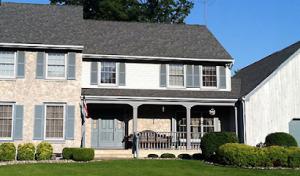

Riverdale sits in a Chicago metro insurance environment where hail and wind claims are common enough that documentation quality can affect whether damage is approved as repair or replacement. A fast-growing storm season means adjusters regularly see older roof lines with prior patches, making the outcome depend on clear evidence and professional judgment.
Adjusters in this market often ask for roof age, inspection reports, and date-stamped photos, so homeowners benefit from documenting damage before temporary repairs hide evidence. Take wide-angle and close-up shots after each storm, noting wind directions, hail size, and any shingle granule loss. Keep a dated log of incidents and contractor observations.
Most carriers still write standard homeowner coverage in this area, but seasonal market conditions can affect pricing and make claim timing more consequential after major storms. Begin with a written notice of loss, then request a professional roof inspection to establish baseline condition and identify unseen damage such as attic leaks or sheathing wear.
Provide the adjuster with a concise summary of storm events, photos, and any previous repairs. If a full replacement is recommended, ensure the inspector notes any age-related deterioration that could influence an approval for replacement rather than a repair. Keep all correspondence organized in case follow-up is needed.
Given the Corollary effects of hail and wind in this market, coordinate temporary repairs to prevent further leaks without masking damage. Confirm repair scopes in writing, and ask for a written timeline from the carrier or contractor to avoid delays during peak storm season.
You'll find that spring is a practical window for roof work after the harsh winter but before the peak heat and storms. In this city, the transition from freezing nights to milder days reduces the risk of ice dams forming again and helps shingles seat properly without overheating. If you can schedule after the thaw, you also avoid the soggy ground that complicates material handling and tarp setup. Early-season crews tend to have steadier schedules before the midsummer rush, which helps preserve the integrity of underlayment and flashing as you move from inspection to repair or replacement.
Fall offers another ideal stretch for replacement projects. The cooler days decrease heat-related wear on adhesives and sealants, while the absence of frigid temps keeps installation days reliable. Fall typically aligns with a lull in rainfall for this area, giving crews longer, safer days to complete a full roof without weather-driven pauses. This season also coincides with a time when homeowners finish outdoor projects and can coordinate inspections, material deliveries, and temporary protections before winter sets in.
Winter projects in this climate are more likely to face delays from freezing temperatures, snow cover, and limited safe installation days. When temperatures dip, shingles can become brittle, nails can back out of metal fasteners, and certain underlayment products lose pliability. If a winter replacement is unavoidable, expect shorter work days and potential postponements after each snowfall. Protecting your home from wind-driven rain during freeze-thaw cycles is essential, so consider prioritizing critical sections first and staging materials in a dry, sheltered area to minimize weather exposure.
Summer heat and humidity in the Chicago area can affect shingle handling and crew productivity, which is one reason many local homeowners try to schedule before peak heat. Prolonged sun exposure can soften asphalt and slow installation, while heat can increase the risk of worker fatigue. On hot days, crews may start earlier and pace the work to maintain quality, particularly on roofs with multiple elevations or complex penetrations. If a summer replacement is needed, plan for shaded staging and consistent hydration to keep the project progressing safely.