Last updated: Apr 19, 2026
Clementon sits in Camden County within the South Jersey storm corridor where wind and hail claim activity is active enough that insurers often ask for prior-condition photos and proof of compliant installation. When a storm hits, every dented shingle, loosened flashing, or damaged vent boot matters. The goal is to document damage quickly, verify that flashing and underlayment remain intact, and avoid a slow downgrade in your claim due to delayed mitigation. If you notice shingle damage, granule loss, or lifted edges, treat it as imminent risk of water intrusion and start triage without delay.
Spring and summer bring frequent thunderstorms that can strip granules, nick edges, and stress valleys. Fall wind events then turn good-weather days into urgent repair windows as shingles shed under wind gusts and pipe collars fail under pressure. In this climate, leak triage and a planned replacement schedule become a bigger issue than in markets where snow load is the dominant factor. Act quickly on even small leaks after spring storms, because wind-driven rain can track under shingles and find an unseen path into the attic.
Winter in this area accelerates hidden damage. Freeze-thaw cycles can turn small flashing or shingle failures into interior leaks and ice-dam problems before full replacement crews are available. A single freeze-thaw cycle can push a modest roof issue into a costly interior repair later, and delays can mean you're fighting water damage while crews are booked up or weather-limited. If ice dams form, or if you notice staining along ceilings after a cold snap, treat it as a damage signal rather than a cosmetic concern.
First, perform a rapid exterior assessment from the ground with a flashlight after dark, focusing on lifted shingles, torn flashing, and obvious granule loss. Do not go up on the roof in wet or windy conditions; instead, photograph from the safest possible stance and call a local roofer for a temporary tarping if you detect active dripping inside. Next, capture dated, dated-condition photos of the roof, vents, and flashing before any temporary repairs. Insurance adjusters in this town expect a well-documented narrative: what failed, when it failed, and what immediate mitigations were performed.
Because Clementon's weather can turn small problems into larger ones quickly, a damaged roof should be considered for replacement when multiple criteria align: persistent leaks after remediation, widespread shingle damage, or compromised underlayment visible in attic spaces. In such cases, scheduling a full replacement with proper ventilation and underlayment is essential to prevent recurring leaks and to pass the city's inspection emphasis on ventilation and underlayment quality. If a claim is filed, prompt repair of flashing and edge damage helps protect interior spaces while the replacement crew coordinates with the insurer to minimize downtime and exposure.
Secure an emergency tarping if interior leaks are active, then contact a local roofer who has experience with storm-damaged claims and documented improvements to ventilation and underlayment. Prepare a simple damage log with dates, photos, and a brief description of what failed, including whether attic condensation or ice dams have appeared. Keep a copy of any correspondence with the insurer and any prior-condition photos you can provide. The goal is to accelerate a compliant installation path that protects the home through the remainder of this season's weather and into the next cycle of storms.
Asphalt shingles remain the dominant practical choice in this area thanks to compatibility with the typical pitched roofs found on older South Jersey homes. Metal roofing, while a meaningful upgrade path, is best seen as a targeted improvement for wind resistance and fewer repeat storm repairs. If your home has standard framing and a conventional pitch, asphalt shingles align with the neighborhood look and the existing roof structure without overloading rafters or altering the roofline.
Warm, humid summers in this region affect shingle handling and sealing during installation. Asphalt shingles benefit when the crew can work in dry conditions and avoid prolonged heat exposure that can cause premature curing of sealants. In winter, cold snaps tighten fasteners and can slow up crews, so scheduling around forecasted cold spells matters. Metal roofs aren't as sensitive to heat in installation, but installation timing still matters: proper thermal expansion considerations and fastener placement are essential to prevent panel oil-canning and gasket gaps as temperatures swing between humid summers and chilly nights.
Clementon-area wind gusts can drive increased stress on the roofing system after a storm. Metal roofs generally provide superior wind resistance and can shed impact-related damage more cleanly, reducing the chance of repeated repairs after successive storms. Asphalt, if installed with modern high-wind-rated shingles and a rigorous underlayment, can still perform well, but a true wind-prone upgrade tends to lean toward metal, especially on homes that already endure frequent wind-driven debris.
Material choice is often constrained by the existing roof structure and the local neighborhood style. Heavier tile assemblies tend to require beefier framing and can clash with houses that have shallow attic spaces or limited fascia depth. In many Clementon neighborhoods, standard pitched asphalt systems preserve a cohesive look and avoid additional load or appearance mismatches that could draw questions during inspections or neighbor reviews. If a home already has substantial rafters and a broader roof deck, metal can be a smoother upgrade without altering the roof silhouette.
When evaluating a switch to metal, assess current ridge lines, soffit ventilation, and underlayment quality. If the goal is better wind resilience and fewer repeated storm repairs, metal becomes a compelling option, but ensure the chosen system is designed for the region's freeze-thaw cycle and that installation teams follow a meticulous fastener pattern and sealant strategy. For asphalt, prioritize a full-coverage underlayment, proper attic ventilation, and accurate shingle alignment to maximize lifespan through Clementon's seasonal shifts.
In this market, the local ballpark for asphalt shingles is 350 to 650 USD per square, with metal roofs typically landing 700 to 1200 USD per square. For heavier, more durable options, clay tile runs about 900 to 1800 USD per square, and concrete tile sits in roughly 900 to 1600 USD per square. If wood shingles or shakes are your choice, plan on 600 to 1100 USD per square, while synthetic or composite shingles fall in the 500 to 900 USD per square range. These figures reflect that Clementon housing stock often pairs standard shingle layers with older felt or underlayment, so customers frequently see a cost closer to the midpoints when product upgrades are paired with better underlayment and ventilation considerations. When budgeting, your square size and roof pitch strongly influence the final number, so don't rely on a single price quote from a salesman.
Storm activity in South Jersey drives noticeable spikes in labor, tear-off crews, tarping, and disposal expenses. After a regional wind or hail event, expect prices to rise beyond the typical ranges as crews are in higher demand and supply chains tighten. In Clementon, a simple shingle swap can become a larger project if insulation or inner roofing components were compromised by moisture during a storm, which pushes the project toward mid- to high-range figures for the chosen material. If your roof shows widespread granule loss, lifted shingles, or damaged decking, the replacement scope expands quickly, and so does the price. It's wise to anticipate potential cost pressure for any job that lands in the wake of a regional weather event.
Ventilation and underlayment quality are a bigger focus in this area because the climate exposes roofs to freeze-thaw cycles. If the existing roof shows inadequate soffit intake, ridge venting, or aged underlayment, a full replacement project will almost always include upgrades to these components. That means the final cost can exceed a bare shingle swap by a meaningful amount, especially for higher-end materials like clay or concrete tile that require careful installation and longer crews. Budget for improved ventilation, upgraded underlayment, and precise attic sealing, not just the visible shingles. In the end, a well-executed upgrade here yields a more durable roof that tolerates Clementon's winters and seasonal humidity, aligning cost with lasting performance.
Level Roofing Company
Serving
5.0 from 30 reviews
Level Roofing, located in the heart of New Jersey, is your go-to source for exceptional roofing services across South Jersey and the Jersey Shore. All services are tailored with your roof’s unique requirements in mind. Every nail and every tile are finely fitted to perfection.

ACC Roofing & Siding
(856) 986-3605 accroofingllc.com
Serving
4.8 from 28 reviews
ACC Roofing & Siding is proud to provide their expertise and quality workmanship towards your next roofing project. Whether you are putting a new home addition or you need an old roof removed to make way for a new one, we can help. Our team is fully licensed and insured and we offer 100% satisfactory guarantee!
Sun Roofing
Serving
4.8 from 108 reviews
Sun Roofing provides roofing, siding, gutter and window services and 24/7 emergency services to the Gloucester County, NJ area.
Viking Roofing New Jersey
(856) 636-3246 www.vikingroofingnewjersey.com
Serving
4.9 from 155 reviews
Viking Roofing & Restoration New Jersey is a trusted name in the roofing industry, offering over 30 years of expertise to homeowners and businesses across New Jersey. As leading New Jersey roofing contractors, they provide a full range of services, including residential and commercial roof repair, roof replacement, and new roof installations, using high-quality materials such as asphalt, metal, EPDM, TPO, and torch-down roofing systems. Their residential services include storm damage repairs, emergency roofing, and roof replacement, while their commercial expertise ensures durable solutions for various roofing needs, minimizing disruptions to business operations. Viking is your go-to choice for exceptional roof repair & roof replacement.
M&J Roofing
(856) 725-5759 www.mjroofingllc.com
Serving
4.8 from 200 reviews
Nestled in the heart of Blackwood, New Jersey, M&J Roofing boasts a team of highly skilled roofing contractors in South Jersey for residential and commercial roofing, our roofers specialize in installing new roofs, performing meticulous roof repairs, and going above and beyond to deliver superior craftsmanship and exceptional customer satisfaction in Camden, Gloucester, and surrounding areas. Experience the difference with M&J Roofing and elevate your property's protection and aesthetic appeal. We provide new roofs, roof replacements, roof repairs in the South Jersey, Camden County, Gloucester County, Cape May County, Burlington County, Atlantic County areas. Get a Free Roof Inspection and Free Estimate, Call our Roofers in South Jersey
Duane Mainardi Roofing
Serving
5.0 from 151 reviews
Roofing Siding Windows Doors and More
Bibbo Builders
(856) 354-1639 bibbobuildersllc.com
Serving
5.0 from 140 reviews
Since 1978, Bibbo Builders has delivered impeccable home improvement and remodeling services to Gloucester, Camden, and Burlington counties. As a licensed roofing contractor led by an expert craftsman and master carpenter, Joe Bibbo, we've earned a flawless reputation for roof replacement, siding installation, and new gutters for residential/commercial customers!
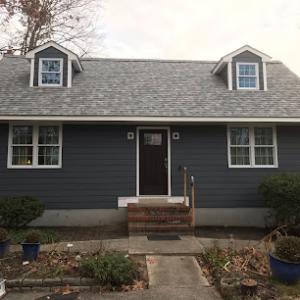
Only The Best Builder
(609) 654-1698 www.onlythebestbuilder.com
Serving
4.5 from 44 reviews
Family-owned with 40 years of experience. Our team has over 150 years of combined experience
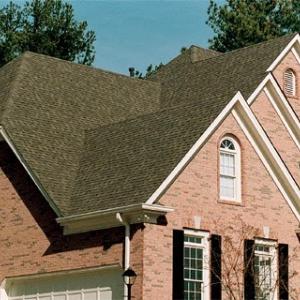
Stanley & Sons Roofing
(856) 227-9555 www.stanleyandsonsroofingnj.com
Serving
4.9 from 74 reviews
Stanley & Sons Roofing is a trusted, family-owned roofing contractor serving Washington Township, Turnersville, and surrounding South Jersey communities. We specialize in residential roof replacement, roof repairs, gutters, leaf guards, and skylight services. With over 40 years of experience, our team is known for quality workmanship, honest communication, and reliable roofing solutions for homeowners. We proudly serve Gloucester and Camden Counties and offer free estimates for all roofing projects.
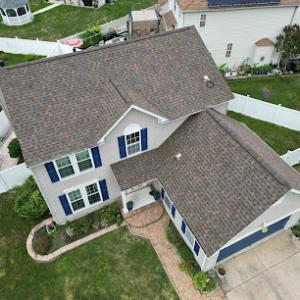
Grand View Roofing & Exteriors
(856) 305-9883 www.gvexteriors.com
Serving
4.9 from 290 reviews
Grand View Roofing & Exteriors is a professional construction company providing services for roofing, siding, windows, and gutters. As a family owned and operated company, we treat every customer as if they were our own family and each job as if it was our own home. We want to earn your trust through superior work and craftmanship. Whether your overall goal is to replace a failing roof, change your home’s curb appeal, increase your property value, and / or save money by improving the energy efficiency, Grand View Roofing & Exteriors has got you covered. We offer a variety of products to fit any budget and need, all professionally installed by our kind, skilled, and experienced employees.
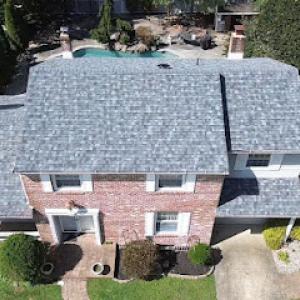
William Brooks Roofing
(856) 383-0055 www.wmbrooksroofing.com
Serving
4.9 from 109 reviews
Full service residential, small business, commercial, and industrial roofing and sheet metal contractor. Small repairs to full replacement, handling all types of roofing and sheet metal work.
AJecks Roofing
(609) 502-7054 ajecksroofing.com
Serving
4.9 from 108 reviews
AJecks Roofing is proud to be the leading roofing contractor serving Marlton, NJ and the surrounding region. We specialize in shingle roofing, flat roofing, commercial roofing, repairs, gutters, fascia, soffits, and a full range of exterior home services. With years of proven expertise, our workmanship and results speak for themselves. Customer satisfaction is at the heart of everything we do. Our commitment to quality has earned us the trust and repeat business of nearly every homeowner and business we’ve served. We understand that every roofing project is unique, and we tailor our approach to meet each client’s specific needs—ensuring reliable, long-lasting results on every job.
A full roof replacement in Clementon typically requires a permit submitted to the Clementon Township Building Department rather than being handled as informal maintenance. Before any tear-off begins, you or your contractor should file the permit application with the township and provide the proposed scope of work, including materials, roof area, and any structural changes. The process ensures that the project aligns with local codes and the unique climate exposure of South Jersey's pine-barren environment. Expect the plan review to focus on ventilation, underlayment, and proper drainage details that affect long-term performance against freeze-thaw cycles.
The contractor generally submits plans and coordinates inspections during tear-off and again after installation, so scheduling matters if weather is closing in. In Clementon, inspections are typically staged: one set during the removal of old roofing and flashing components, and a final walkthrough after new roofing is installed. Weather delays can compress or shift inspection timing, so it helps to have a clear window with the Building Department and your contractor. If a storm interrupts work, confirm whether the inspector will reschedule or require interim progress photos to keep the permit active.
Clementon reviewers can require ventilation and underlayment compliance as part of approval. Expect inspectors to verify ridge/soffit venting adequacy and that the underlayment meets current codes for moisture control and wind uplift resistance. Pay attention to city-specific expectations for underlayment materials, especially in older housing stock where attic spacing and insulation levels vary. Your contractor should be prepared to demonstrate how ventilation paths remain clear and how the chosen underlayment ties into the overall roof assembly for long-term durability.
Inspection fees vary with project value, and the township may assess additional charges for plan review, re-inspection, or adjustments if the scope changes. Prepare complete documentation: permit numbers, contractor licenses, material specifications, and a clear sequencing plan for tear-off, installation, and final inspection. Keeping precise records helps avoid delays when Clementon reviewers request clarifications or additional details during the process.
New Jersey sees active wind and hail activity, and Clementon homeowners know how quickly a roof can go from quiet to questionable after a storm. If a hail or wind event hits, your first priority is safety, then a careful visual check from ground level: curling shingles, granule loss, lifted edges, or dented metal flashing. Take dated photos from multiple angles as soon as possible, and note any interior signs of trouble-stains on ceilings, damp attic insulation, or frost on the underside of sheathing after a freeze. The sooner you document, the clearer your claim path becomes when adjusters review post-storm conditions alongside the roof's pre-storm state.
In this market, adjusters frequently look for proof that a roof was installed with the right sequence and materials, and that the work followed a sound installation plan. That means more than a quick patch: a complete replacement or repair must align with the roof's original design and the home's structure. If the damage is severe enough to justify replacement, a clean, well-documented transition reduces the chance of gaps in coverage. Keep every sign-off, every invoice, and every step of the process organized so the claim has a straightforward trail from damage to final installation.
Because prior-condition documentation matters locally, homeowners should assemble a quiet, organized archive. This collection should include permit records, inspection sign-offs, invoices, and dated photos that capture the roof in its pre-damage state, the post-storm condition, and the completed repair. In Clementon, this triad helps an adjuster see what existed before the event, what was affected, and how the replacement was completed to restore the home's envelope. Without a coherent record, the path from claim to payout can stall as investigators chase missing details or uncertain workmanship history.
Create a simple timeline that pairs weather events with your photos, notes, and receipts. When you hire a contractor, ask for a written scope that outlines the exact materials and installation steps used to bring the roof back to full function. After repairs, secure a final inspection or sticker from the authority that confirms the work met the expected standards. This careful, city-specific approach helps you advocate for a fair outcome while keeping the process grounded in what Clementon homeowners routinely face after wind and hail.
Connect with contractors who help homeowners navigate the claims process from damage assessment to final approval.

Clementon's cold snaps and freeze-thaw cycling create recurring risk at eaves, valleys, and poorly ventilated attic transitions even though this is not a heavy-snow mountain market. If you notice any moisture staining, peeling paint, or sudden attic frost buildup, treat it as a leak risk now. Ice dams form when heat escapes from the attic and refreezes at the eave, pushing water under shingles and into living spaces. Don't wait for a drip to appear-inspect attic hatches, soffit vents, and ridge vents after each cold snap.
Snow and winter freezes can delay replacement crews in Clementon, so temporary repairs and tarping are often part of the real homeowner decision process. If you see active leakage, deploy a tarp secured over the affected area to channel water to a safe outlet. Keep interior rooms dry with towels and plastic sheeting, and reduce attic heat loss by closing off attic air leaks temporarily if you can access them safely. Schedule work for the first workable window after a thaw, and document damage with photos for your insurer so the claim process goes smoothly once the weather cooperates.
The township's attention to ventilation and underlayment on replacement projects directly connects to reducing repeat winter leak problems. A properly vented attic paired with a trustworthy underlayment system slows meltwater intrusion and minimizes new ice dam formation. If a repair plan includes attic work, insist on sealing gaps, upgrading underlayment, and ensuring the ventilation path is continuous from soffits to ridge. This approach matters most when your roof endures repeated freeze-thaw cycles.
When you can't wait, these contractors offer fast response times to stop leaks and prevent further damage.
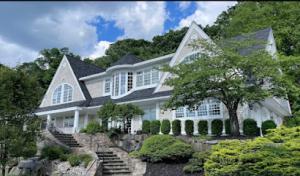
Viking Roofing New Jersey
(856) 636-3246 www.vikingroofingnewjersey.com
Serving
4.9 from 155 reviews
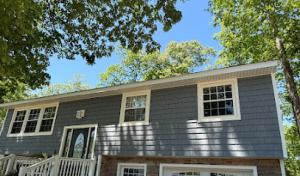
In the older residential neighborhoods of Clementon, leak complaints often center on roof transitions rather than the main field shingles. Skylights, chimneys, porch tie-ins, and low-slope rear additions are the usual culprits. When a storm hits, flashing at these joints tends to show defects first, so focus your initial inspection there.
Skylights should sit on solid decking with proper underlayment and continuous sealant at the curb or curb-and-flash system. In single-story homes or buildings with shallow pitches, extra attention to the skylight flange and curb flashing is crucial. During installation, ensure there is a continuous peel-and-stick underlayment up the sidewalls and that end seals are mocked with high-quality counterflashing to resist South Jersey moisture.
Low-slope rear additions and porch tie-ins demand meticulous drainage planning. The slope should direct water toward appropriate outlets, not toward vulnerable edges or fasteners. In practice, that means properly sized edge drains, robust layering of underlayment, and tested heat-welded seams. A common trouble spot is where the low-slope roof meets a vertical wall; confirm that flashing is continuous and integrated with the wall flashing to prevent capillary wicking.
Heavy spring rains in South Jersey tend to expose flashing and low-slope drainage defects quickly during installation season. If weather windows are tight, prioritize flashing integrity before securing shingles or membranes. Plan for a thorough check of all transitions after the first heavy rain event, and keep an eye on any new condensation or damp stains around skylights within the first 48 hours.
After a replacement or repair, perform a seasonal walk-around focusing on skylight seals, chimney flashing, and low-slope joints. Look for light gaps, loose flashing, or damp staining at the edges where transitions meet the main roof. If a leak is suspected, document the date, location, and any accompanying sounds (drips, hail impact, or wind-driven rain) to share with a contractor for a targeted inspection.
Find contractors experienced in skylight installation, flashing, and leak repairs to bring natural light into your home.