
Last updated: Apr 19, 2026
Haledon sits in inland North Jersey where cold winter snow is regularly followed by freeze-thaw swings that stress flashing and encourage ice dam formation. When the temperature swings, meltwater refreezes at the eaves, backing up under shingles and flashing. On older sloped rooflines, particularly those with chimneys and dormers, that dam buildup can force water into attic spaces and along interior ceilings. The risk isn't theoretical here-winter weather patterns routinely push roofs beyond their comfort zones, and every thaw can become a small, costly leak if the system isn't prepared.
Many homes in and around this area have older sloped roof systems with chimneys, valleys, and dormer transitions that create common leak entry points during snowmelt. Valleys are especially unforgiving when ice forms at the intersection of roof planes, while chimneys act like stubborn bottlenecks where heat leakage can melt snow unevenly across the surface. Dormer flares and stepped rooflines introduce extra seams and flashing details that, once compromised, give water a direct path toward ceilings and wall cavities. In short, those classic Haledon roof profiles-favored for character-double as prime ice dam troublemakers when winter gives you a freeze-thaw cycle.
In this market, contractor signals heavily favor emergency response. Leak calls after snow and wind events are a major real-world homeowner concern here. That urgency means waiting for a drip to start the clock is a losing game. If you notice consistent meltwater pooling near eaves, gutter ice buildup, or darker stains along interior ceilings after a storm, that's a red flag. The fastest path to minimizing damage is to address the root causes now: ensure proper insulation and ventilation, verify flashing seals around chimneys and dormers, and review valley conditions before the next big thaw.
Start with a focused exterior inspection after a stormy period when temperatures are fluctuating. Look for obvious gaps in chimney flashing, loose ridge venting, and signs of ice buildup along eaves or in gutters. Clear gutters and downspouts of debris, but avoid raking ice off the roof itself; instead, assess the roof surface for sagging or lifting shingles that could allow meltwater to penetrate beneath. If you have a dormer or valley intersection, pay close attention to the flashing where metal meets roofing material-sealed joints should be intact and free of corrosion. Inside the attic, check for pinpoint signs of moisture near the eaves, such as staining or a musty odor, and note any changes in insulation thickness near hatch doors or adjacent walls, which can indicate heat loss feeding the dam cycle.
If meltwater continues to back up at the eaves after a thaw, or if you see persistent ice dam bands forming along roof edges, bring in a local roofer who understands Haledon's climate quirks and these older roof configurations. Ask about targeted fixes that address flashing integrity, attic ventilation balance, and the sealing of joints at chimneys and dormers. Quick, proactive repairs can save substantial interior damage by interrupting the dam cascade before water finds its way into ceilings and walls. In this neighborhood, the fastest defense is a vigilant, seasonally timed maintenance plan that treats the house as a system-not just a surface.
Haledon homeowners face a New Jersey insurance environment shaped by wind, hail, and hurricane-season claim activity even though the borough is inland. In the age of big weather swings, a single storm can push a claim from routine to scrutinized, especially on older, sloped homes with chimneys, skylights, and mixed rooflines. The spring and fall storm bands in North Jersey can bring wind-driven rain that damages shingles, ridge caps, flashing, and skylight perimeters. That combination-wind, rain, and aging roofing-creates weak points that insurers will flag if not prepared.
Insurers in this region commonly ask for roof age, dated photos, and contractor estimates when evaluating storm-related roof claims. If your roof shows signs of wear from the last few winters, or if your photos are vague or missing a clear timeline, the claim can stall or be reduced. Having precise documentation up front makes a difference: clear images of damaged areas (shingles curling, missing granules, compromised ridge caps, dented flashing around chimneys and skylights) and a professional assessment that notes wind-driven damage will help the process. It's not just about what failed, but when it failed relative to the storm window being claimed.
The moment after a wind event or hail, you should walk the roof from the ground with binoculars if safe, focusing on shingles near edges, ridge lines, and around chimneys and skylights. Patch temporary leaks with sturdy tarps or boards to limit interior damage, then arrange a same-season assessment from a trusted local roofer who understands North Jersey's winter-to-spring transition. Keep all damaged-material photos dated, and hold onto any temporary repair receipts. If there is visible water intrusion, photograph interior ceiling and wall staining quickly, since insulator and drywall damage can escalate fast in the colder months.
Prepare a concise roof-age record and a recent contractor estimate that reflects current material and installation standards for this climate. Include a simple timeline of storm events that affected your roof, with dates and observed outcomes. For chimneys and skylight perimeters, note any prior leaks or flashing issues, since insurers will probe pre-existing conditions. In Haledon, where older structures meet modern weather patterns, having a ready-to-share dossier of roof condition, storm timing, and professional assessments can tighten the claim's trajectory and reduce back-and-forth during a critical window.
Find local contractors experienced in assessing and restoring roofs after hail, wind, and severe weather events.
Ultra Pro Roofing, Siding & Chimneys
(201) 554-4159 chimneycompanynearme.com
Serving
5.0 from 444 reviews

Titan Exterior Solutions
Serving
5.0 from 60 reviews
Titan Exterior Solutions is a locally owned and operated roofing and exterior remodeling company proudly serving Wyckoff, Ridgewood, Franklin Lakes, North Haledon, and surrounding Bergen and Passaic County communities. We specialize in residential roof replacement, roof repairs, and complete exterior solutions built to protect and enhance New Jersey homes. Our roofing services include architectural asphalt shingle roofing, 50-year rated shingle systems, ice and water shield installation, aluminum drip edge and rake edge, ridge vent ventilation systems, and heavy-duty synthetic underlayment. Every roof is installed using proven methods designed for New Jersey’s climate, wind, and winter conditions. In addition to roofing, Titan Exteri
Frank Conforti Contracting
(973) 519-2126 confortiroofingnj.com
Serving
5.0 from 138 reviews
Frank Conforti Contracting is a family-owned and operated business that has been serving the Northern New Jersey community for over 40 years. We specialize in roofing, siding, windows, decks, additions, basement conversions, kitchens, and bathrooms. We are licensed and insured, and we offer free estimates. Contact us today to learn more about our services!
One Call Construction
Serving
5.0 from 103 reviews
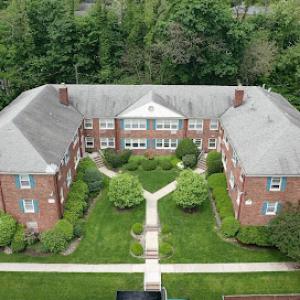
One Call Construction provides residential and commercial roofing and construction services across New Jersey, Pennsylvania, New York, and Florida.
Nick Roofing Contractor | nickroofing.com
(973) 207-0689 www.nickroofing.com
Serving
5.0 from 162 reviews
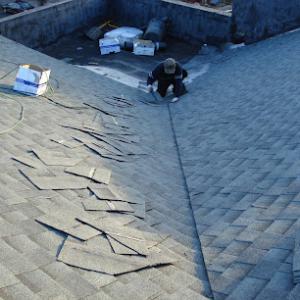
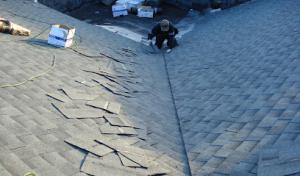
At Nick Roofing, we take pride in delivering high-quality roofing and exterior solutions to homeowners and businesses across New Jersey. Specializing in Roof Repair Hawthorne NJ, Emergency Roof Repair NJ, and Flat Roof Repair Experts NJ, our team ensures your home is always protected. We also offer expert Skylight Installation NJ, reliable Gutter Installation Services NJ, and long-lasting Waterproofing Services Hawthorne NJ. Whether you need a quick fix or a full roof replacement, our Residential Roofing Contractors NJ and Commercial Roof Repair NJ teams are here to help. Additionally, we handle Siding Installation NJ projects with precision, all backed by a trusted and experienced Local Roofing Company NJ.
GenSun Roofing
(973) 310-6445 gensunroofingnj.com
Serving
4.9 from 66 reviews
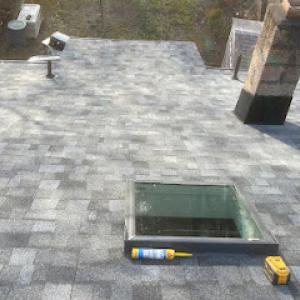
GenSun Roofing, located at 129 4th Ave, is your go-to roofing contractor offering top-notch roof repair and new roof services. Recognized as the best roofing company in the country with 35 offices, we provide affordable roof replacement and expert solutions for both commercial and residential roofing needs. Our local roofing contractors are licensed and specialize in flat roofing solutions, delivering high-quality work at competitive rates. We offer free roofing estimates and quotes, ensuring transparency and customer satisfaction. With over 30 years of experience, our dedication to customer service and sustainable options, like our solar program, make us the preferred choice for all roofing needs.
Ultra Pro Roofing, Siding & Chimneys
(201) 554-4159 chimneycompanynearme.com
Serving
5.0 from 444 reviews
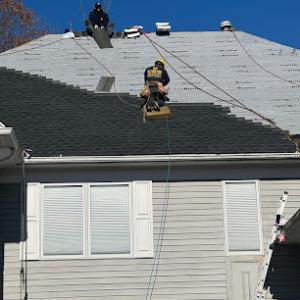
We are a Family Owned Company in New Jersey with more than 24 years experience working with Roofing, Siding and Chimney. Ultra Pro was built on quality work and customer service. We use the highest quality chimney products to ensure that our certified chimney services in New Jersey are built to last. We listen to our customers, provide them with the most reliable and long-lasting roofing services. We provide our customers with a detailed estimate for the roofing work required. We guarantee on all our roofing installations and even provide a manufacturer warranty so that our customers receive the maximum value for the money they invest into their chimney. |Fully insured and licensed Construction Company. LIC#: 13VH11344600
Ultra Professional Roofing & Chimneys
(973) 390-4084 www.bergencountryroofing.com
Serving
5.0 from 34 reviews
We are a Family Owned Company in New Jersey with more than 24 years experience working with roofing and chimney. Ultra Pro was built on quality work and customer service. We use the highest quality roofing products to ensure that our certified roofing services in New Jersey are built to last. We listen to our customers, provide them with the most reliable and long-lasting roofing services. We provide our customers with a detailed estimate for the roofing work required. We guarantee on all our roofing installations and even provide a manufacturer warranty so that our customers receive the maximum value for the money they invest into their roof.
Integrity Roofing & Construction
(201) 509-9991 www.integrityroofingconstruction.com
Serving
5.0 from 36 reviews
We are a fully licensed & insured Roofing Contractor serving the Passaic, Bergen, and Essex County NJ areas. We also provide Chimney, Siding & Gutter services, as well as 24/7 Emergency Roofing Services.
Bergen Roofing Services
(201) 299-7919 www.bergenroofing.com
Serving
5.0 from 29 reviews
Bergen Roofing, a full-service, residential, commercial & industrial Roofing contractor, proudly serving the New Jersey region. As a results of paying special attention to our customer service, we are one of highest rated establishments within the business, in customer satisfaction. No matter the size of your project, we are always dedicated to exceeding your expectations in every way. We guarantee honest prices, while not compromising on quality and doing the best to fit your budget.
Elite Work & Roofing
Serving
4.9 from 46 reviews
Since 2021, Elite Work & Roofing has been the go-to specialist for exceptional home exterior services in Hawthorne and beyond. Our team of experts offers a comprehensive suite of solutions to elevate your home's curb appeal and functionality. From durable roofing and expert siding installation to custom deck builds and professional chimney services, we are committed to providing top-tier craftsmanship. We also offer window installation services to enhance your home's energy efficiency. Trust Elite Work & Roofing for reliable and skilled improvements that stand the test of time. Call us now for a FREE Estimate!
Homestead Roofing Company
(201) 322-5043 homesteadroofing.com
Serving
4.6 from 168 reviews
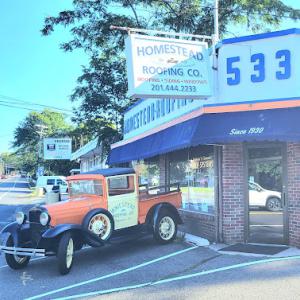
For over 90 years, Homestead Roofing Company has provided high-quality, affordable residential and commercial roofing in Bergen County NJ, Morris County NJ, and Passaic County NJ areas. We remained focused on customer satisfaction and delivering the highest quality finished product available which is why we are continually designated by GAF as a GAF Master Elite roofing company. Whether it is a roof repair for a leak or a new roof installation or replacement, our highly experience in-house roof technicians will ensure that your roof is safe and secure for years to come. Contact your reliable Ridgewood and North Jersey roofing contractor for a free estimate!
Planet Roofing & Exteriors S-Corp.
(201) 694-8141 planetroofingcompany.com
Serving
5.0 from 115 reviews
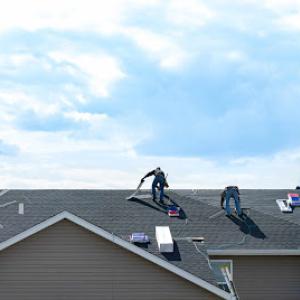
Planet Roofing is a trusted roofing contractor serving homeowners and businesses throughout North Jersey. We specialize in roof replacements, roof repairs, asphalt shingle roofs, flat roofing, leak repairs, and storm damage restoration. Our experienced team delivers high-quality workmanship using durable materials designed to withstand New Jersey weather. From small roof repairs to full roof replacements, we handle every project with professionalism, clear communication, and attention to detail. We proudly serve Bergen, Essex, Morris, Passaic, Union, and surrounding counties. Planet Roofing is committed to reliable service, competitive pricing, and on-time project completion. Free inspections and estimates available for residential and comm
Asphalt shingles dominate the local market because they align with the borough's common residential stock and the familiar contractor base. For most older, sloped homes, this material offers straightforward installation, reliable winter performance, and compatible ventilation needs when paired with standard attic baffles and properly sized soffit vents. In practice, you'll find asphalt shingles install quickly on standard rafters and triangular rooflines, with minimal structural modification required to handle typical snow loads in this area's winter cycles. When you choose asphalt, focus on a mid- to heavy-weight shingle and ensure the ridge line is adequately sealed to reduce the risk of ice dams forming at valleys and along eaves during cold snaps.
Metal roofing is present in the market, but it sits as a smaller specialty segment compared to asphalt. Installer selection becomes more important here, especially for detailing near chimneys, skylights, and retrofitted dormers common to older homes. Metal excels for long-term durability and fast shedding of snow, which can help with ice dam prevention when installed with proper underlayment and adequate ventilation. However, choose a roofer who has experience with the local roof geometry and a plan for ventilation that keeps attic temperatures balanced during winter. In practice, metal is worth considering on homes with steeper pitches or where a reroofing project is paired with chimney or skylight work, but avoid overcomplicating a straightforward slope if the roof structure isn't already optimized for metal's edge detailing.
Tile (clay or concrete) and wood shakes exist locally but are less common on the mix of older, hillside homes found here. Structural load becomes a primary concern; many older frames were not built to carry heavy tile or thick shakes without reinforcement. Roof geometry and existing chimneys or skylights can complicate tile integration. If a tile or shake option is pursued, anticipate careful assessment of rafter span, underlayment, and potential need for added support. In most cases, these materials perform well in dry months but require vigilant maintenance to prevent leakage from freeze-thaw cycles in winter. Synthetic composites offer a lighter alternative, yet still require compatible support and detailing to handle snow lift and edge protection along steep sections.
Older, sloped homes with varied rooflines benefit from a material that tolerates irregular valleys and chimney penetrations. Asphalt shingles remain the easiest, most economical, and most forgiving choice for these configurations. When the project demands extended longevity or specific aesthetic goals, metal provides a compelling option with careful detailing. Tile, wood, and synthetic products should be pursued only after a thorough structural review and with a plan for winter performance, especially around potential ice dam zones and near protrusions. Prioritize a roof system that maintains continuous ventilation and effective ice dam prevention strategies across the ridge, eaves, and valleys.
In this town, winter ice dams and fluctuating weather put extra strain on older, sloped homes. When you're budgeting a re-roof, expect North Jersey labor costs to show up in the bid, and be prepared for decking, flashing, and ventilation corrections to be needed during tear-off. That mix of aging structure and more complex roof lines is a common driver of not-quite-base pricing.
Base per-square costs vary by material, and in practice in this area those numbers can creep upward once you add the extras locals routinely need. Asphalt shingles typically run around 350 to 700 USD per square, while metal roofs can sit between 650 and 1,200 USD per square. If clay or concrete tiles are chosen, plan for 1,100 to 2,100 USD per square (clay) or 900 to 1,500 USD per square (concrete). Wood shingles or shakes generally land in the 600 to 1,400 USD per square range, with synthetic or composite shingles often between 500 and 900 USD per square. Those are base ranges; real bids in older neighborhoods with steep pitches or attic penetrations can push costs higher.
Steeper roof sections common on hillside homes slow work and raise crew labor time, which increases labor line items on the estimate. Chimney intersections and skylight penetrations add flashing detail and potential trial-and-error to ensure watertight junctions, especially after snow and rapid thaw cycles in winter. If a roof includes multiple dormers or irregular valleys, expect additional materials for waterproofing and extra scuppers or ventilation channels. All of these realities are typical around the borough's older housing stock and should be reflected in your quotes.
Storm-driven demand spikes across Passaic County can tighten scheduling and raise pricing after major weather events. If you're aiming for spring or late fall installs, book early to lock a preferred crew and avoid last-minute surcharge windows triggered by storms. Weather windows also matter for tear-off and disposal logistics, which can influence both timing and total cost.
Start with a page-by-page debris and deck assessment to identify potential decking replacements or repairs. Ask for a line-item breakdown that separates deck, flashing, and ventilation corrections from the main roofing material. Compare bids from two or three local contractors, and factor in the likelihood of needing additional ventilation or insulation improvements as part of the project scope.
Get a clear picture of your project costs upfront - no commitment required.
Ultra Pro Roofing, Siding & Chimneys
(201) 554-4159 chimneycompanynearme.com
Serving
5.0 from 444 reviews
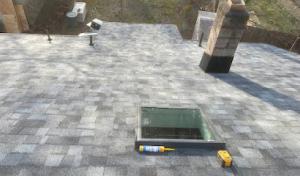
A full re-roof in this hillside borough typically requires a local building permit reviewed through the borough's code enforcement process. Before any shingle color choices or roof venting details are finalized, you should plan on submitting plans that clearly show roof dimensions, vent locations, and any chimney or skylight penetrations. The process tends to move more smoothly when the contractor provides complete documentation, including a stamped set of drawings if applicable and a description of the ventilation strategy that aligns with local climate realities-winter ice dams, summer humidity, and the way the slope interacts with nearby trees. Missing or incomplete paperwork can stall the project and create delays that complicate weather windows for an older home.
The borough conducts a final inspection after completion to verify installation details and roof venting. Expect the inspector to check that the shingles or other roofing material are installed in accordance with the manufacturer's guidelines and with the borough's code requirements for slope, underlayment, and access for snow and ice management. In older homes with steep pitches, the inspector may pay particular attention to flashing around chimneys, skylights, and any dormers to ensure no latent leaks exist once snow sits on the ridge. If the ventilation plan isn't evident from the finished look, the inspector may request adjustments or an add-on to the venting arrangement to guarantee proper air flow and moisture control year-round.
Homeowners should expect local administrative requirements such as permit posting and, in some cases, contractor licensing documentation. The permit posting is typically visible on or near the front of the property for the duration of the project, serving as a reminder for neighbors and a transparent record for the borough. Licensing documentation may be requested to verify that the contractor holds the appropriate credentials to work on a slope and to handle older, mixed rooflines characteristic of this area. If a contractor cannot provide ready access to these documents, delays can occur and accountability may be harder to enforce. Keeping a copy of the permit and the final inspection report can help resolve any questions from future owners or code officials who review the work years later.
In this town, flat or low-slope additions such as porches, garages, and small multi-family sections sit against older pitched roofs, creating common transition problems. Start by confirming that the low-slope section is actually sloped enough to drain and that any parapets or edge details are integrated with the main roof. This minimizes mismatches where water can back up at the joint.
Heavy rain in humid summer weather makes drainage and seam integrity especially important on low-slope areas in this region. Ensure the flat roof has a clearly defined drainage path, with gutters sized for the catchment and downspouts positioned to move water away from corners and overhangs. Sealant joints should be continuous along the membrane and around any penetrations, with particular attention to counterflashing at transitions to the main roof.
Flat-roof details often fail at transitions where low-slope sections meet older main roof structures on North Jersey homes. Pay close attention to how the flat roof meets the existing slope at parapets, skylight backs, and chimney bases. Use integrated flashing that can bridge the gap without relying on excessive sealant, and consider a stepped flashing approach to accommodate the rise of the main roof while preserving a watertight seam.
Choose flat-roof materials that balance durability with the local climate, ensuring compatibility with surrounding pitched roofing. Consider reinforced membranes or weatherproof covers that resist ice damming in winter and expansion under summer heat. Because this area experiences variable seasons, specify edge details and flashings that remain flexible across temperature swings to prevent brittleness at the joints.
Implement a seasonal inspection routine focusing on drainage paths, seam integrity, and flashing at all transitions. After winter, recheck for ice-related damage or deflection that could indicate a developing leak. A well-planned inspection cadence helps catch issues before they become interior leaks, especially where a flat section abuts an older roof.
Find specialists in TPO, EPDM, and built-up flat roofing systems for residential and commercial properties.
Nick Roofing Contractor | nickroofing.com
(973) 207-0689 www.nickroofing.com
Serving
5.0 from 162 reviews
summers in North Jersey push attic temperatures high and humidity levels up, and older homes in this borough often show weak attic ventilation. That combination accelerates shingle aging and invites condensation on roof decks during damp spells. If your attic is cramped or has a single vent, consider adding a balanced intake-exhaust system that works with the roofline's slope and chimney placements. Ensure soffit vents aren't blocked by insulation or debris, and verify that ridge or turbine vents sit free of obstructions for consistent air flow.
Poor venting can worsen winter ice dam formation while magnifying interior leaks when snow melts and refreezes along eaves. In Haledon, where steep hillside roofs are common, the risk compounds if attic insulation is lacking or uneven. A venting upgrade paired with sealing gaps around penetrations-chimneys, skylights, and vent stacks-reduces warm attic air that melts snow, then refreezes at the eaves. Plan upgrades so heat loss is minimal, and vent corridors remain clear even after storms.
Hot, humid summers accelerate aging of shingles, especially on older rooflines with mixed materials. Inadequate ventilation traps heat, drying out asphalt and loosening fasteners, which can hasten leaks after summer downpours. A well-vented attic helps maintain cooler decking, improves the performance of underlayment, and supports longer shingle life. When diagnosing a roof, check for signs of heat stress around flashings, chimneys, and skylights that echo through the attic.
When upgrading, prioritize restoring balanced airflow: add soffit intake if blocked, install ridge or gable-end exhaust where permissible, and ensure baffles keep ventilation channels open above insulation. For homes with existing skylights or chimneys, tailor vent paths to avoid short-circuiting airflow. Consider sealing known gaps in the attic envelope before or during venting work to maximize the impact of every vent.
The borough's final inspection focus on venting makes a thoughtful upgrade plan practical for many local re-roofs. Map the roof's slope, chest-high attic access points, and any chimney or skylight clutter. Create a phased plan: first improve intake and sealing, then add or restore ridge ventilation, and finally test with a warm-air test to confirm balanced circulation. Regular checks after heavy snows and humid summers keep the system performing year-round.