
Last updated: Apr 19, 2026
Winters bring repeated freeze-thaw cycling that can widen small shingle, flashing, and masonry-adjacent roof defects into active leaks. In this market, the pattern isn't just about cold days-the edges of your roof pulse with moisture and wind, and every cycle can push tiny gaps toward failure. The risk is amplified on older homes where blankets of snow and rain press against mixed roof-and-wall interfaces, making a small crack a path for water after a few hours of freezing and thawing.
Fall and winter nor'easters in North Jersey drive rain under lifted shingles and loosen exposed ridge, edge, and flashing components. When wind drives rain, shingle laps that were barely watertight can suddenly spill water into the attic or between decking and walls. Flashings around chimneys, dormers, and vent pipes are especially vulnerable as cold air sneaks in and expands the issue with each freeze. The combination of wind-driven rain and aging sealants often turns a quiet drip into a steady leak that travels along roof edges and into ceiling joists before you notice a stain.
The city's older housing stock often combines roof systems with chimneys and wall intersections, making leak tracing more complex after wind-driven rain events. A single compromised flashing bend at a chimney can lead to moisture creeping into the masonry-adjacent roof planes, then following studs and wall cavities. When multiple intersections share damp pathways, the symptom you notice on a ceiling might be far from the actual source. This complexity demands a methodical inspection rather than a quick patch.
Start with the obvious: inspect edges, ridges, and flashing where shingles meet the chimney or a wall. Look for lifted shingles after storms and for gaps where sealant has cracked or peeled away. Check interior ceilings for brown stains that travel along joints and corners, which often indicate moisture following masonary-adjacent planes rather than a straightforward leak line. If a ridge vent shows gaps or the vent cap is loose, treat that as an urgent fix rather than a cosmetic concern. Listen for dripping sounds that don't align with a nearby rain event, which can signal hidden leaks traveling through attic spaces or soffits.
If a storm has just passed, keep an eye on exposed wood, fascia, and soffits for fresh water staining over the next 24 to 48 hours. For active drips, place temporary containment to protect ceilings and valuables while you arrange professional assessment. A roofing expert should map potential leak routes by following the water's travel from the suspect flashing joints and masonry connections, then prioritize resealing or replacing the compromised components to prevent further freeze-thaw damage. Real improvement comes from addressing both the flashing and the adjacent roof planes, not just the visible drip.
Asphalt shingles are the dominant practical choice for Hackensack's pitched residential roofs, especially on the dense, older housing stock that lines the riverside streets. They pair well with the common roof angles found on mid-century bungalows and colonials, offering straightforward replacement when storms push through with wind-driven rain. In an area prone to freeze-thaw cycles, you'll notice asphalt shingles handle moisture and temperature shifts with a familiar resilience, and their lighter weight helps keep structural stress in check on aging framing. For most mid-sized Hackensack homes, this material balances performance with a straightforward, time-tested installation that local crews know well. If a roof is showing its age but retains solid decking, asphalt shingles typically provide a reliable, repair-friendly option that minimizes disruption to the home's interior while keeping the exterior visually in line with surrounding houses.
On select older or higher-end Bergen County homes, you'll occasionally see clay tile, concrete tile, or slate. These materials signal a more formal architectural statement or a historical restoration mindset. They also add flashing and deck-structure considerations during replacement, which can complicate a project if the existing supports or chimneys aren't prepared for increased live loads. For a home with brick detailing, tall dormers, or a high gable, clay or concrete tile can complement the overall massing and line work, but the installer needs to verify that the roof can bear the extra weight and that openings for plumbing vents, chimneys, and skylights are carefully flashed to resist seasonal rain intrusion. Slate represents the premium end of the spectrum: its natural beauty comes with a substantial weight and more intricate maintenance needs. If a roof with slate or tile exists in the neighborhood, expect a longer project window and closer attention to edge detailing where wind-driven storms can threaten flashing at rake edges and valleys.
Fiber cement and synthetic or composite shingles offer a more architectural appearance without the full weight or cost profile of natural slate or tile. For homes that aim for a distinct roofline-bold asymmetry, sharper cuts, or deeper shadow lines-these materials can deliver a refined silhouette that still performs well in Hackensack's climate. They respond effectively to freeze-thaw cycles and can mimic the texture of traditional materials while staying easier to install and maintain on older framing. When choosing this path, focus on verifying compatibility with existing vents, overhangs, and gutters, so the selected product integrates cleanly with flashing details around dormers, valleys, and chimney chase wraps. This option makes sense on houses where the roof geometry supports a more modern or crafted look without demanding the structural heft of tile or slate.
When you're planning a roof replacement in this dense Bergen County neighborhood, you'll be looking at per-square pricing that aligns with the local market realities. Asphalt shingles run from $350 to $800 per square, clay tile from $1100 to $1900, concrete tile from $1000 to $1700, synthetic/composite shingles from $500 to $900, slate from $1800 to $3200, and fiber cement shingles from $550 to $900. Those ranges reflect typical material choices homeowners lean on after a storm season and during a tightly scheduled replacement window. In practice, the material you choose sets the floor for the project, but the real driver is how the existing roof is perched over older homes.
On older houses, costs can climb quickly once tear-off reveals deteriorated decking or chimney flashing issues. If the deck boards are rotten or delaminated, you're not just paying for new shingles; you're paying for replacement of structurally compromised sections and potential repairs to the eaves and fascia. Heavier systems, like slate or concrete tiles, demand more substantial structural support. In those cases, reinforcement or even partial reroofing of the underlying structure may be necessary to satisfy performance expectations. Expect a higher price tag when the project uncovers these issues, and plan contingencies for deck repair or replacement as part of the overall scope.
The local landscape-dense neighborhoods with limited staging space-makes logistics a meaningful portion of the quote. Material deliveries, waste staging, and equipment maneuvering all factor into labor time and access. After regional storms, seasonal demand spikes push scheduling and crew availability upward. If your home is in a row of closely spaced houses, you'll likely see tighter crew coordination, increased nuisance factors, and a premium for efficient, careful work to avoid damage to neighboring properties.
Begin with your strongest baseline: pick a material category and confirm the square footage you must cover. Convert your roof size into a precise number of squares and apply the local per-square ranges. Then add a cushion for tear-off, decking repair, and flashing updates-those are the most common cost escalators on older homes. If you're weighing slate or clay, build in a buffer for potential structural adjustments and heavier installation requirements. Finally, align timing with seasonality and storm recovery periods; a longer lead time can sometimes secure better crew availability and pricing, whereas rushing post-storm can drive prices higher.
In this market, asphalt shingles remain a cost-conservative, reliable option with broad availability and quicker installation, while synthetic/composite shingles offer a middle ground for performance without the heft of natural stone. Clay and concrete tiles bring distinct durability and aesthetics but require structural considerations. Slate delivers longevity but at a premium, often only justifiable on specific homes with the needed framing. Fiber cement shingles provide a balance between cost and performance, serving as a practical compromise in many older homes where a full tile system isn't warranted.
Prestige Works Roofing & Siding
(201) 801-3616 prestigeworksroofing.com
131 Main St, Hackensack, New Jersey
4.9 from 337 reviews
Prestige Works Roofing & Siding is a top roofing and siding company based in Hackensack, New Jersey. Licensed, insured, with a lifetime warranty and highly rated by their customers with over 250 5-Star reviews. We offer high-quality services for residential properties, including roof repairs, replacements, and installations, as well as siding repairs and installations. We offer 0% interest for 12 months and 100% financing options. Our experienced team is dedicated to providing exceptional craftsmanship and customer service, ensuring that your property is protected and looking its best. Contact us for all your roofing and siding needs.

Elezi Construction NJ
(201) 989-3845 eleziconstructionnj.com
586 Main St, Hackensack, New Jersey
4.7 from 58 reviews
At Elezi Construction NJ, we take pride in offering comprehensive services as a trusted roofing contractor and general contractor in Hackensack, NJ, and surrounding areas. From chimney repairs to roof installations, our skilled team ensures your property remains protected and structurally sound. We are committed to delivering exceptional craftsmanship and reliable solutions tailored to your needs. When you choose Elezi Construction, you can trust us to enhance the durability and value of your home with unmatched professionalism.
Top Pro Roofing & Construction
(551) 248-2579 www.topproconstructionllc.com
160 Johnson Ave, Hackensack, New Jersey
4.5 from 139 reviews
Top Pro Construction has an experienced team with a cumulative experience of over 17 years in Roof Repair, Siding Repair, Gutter Work, Chimney Repair, Masonry Repair, and Sidewalk Repair in New Jersey. Top Pro Construction is well-known for providing 24/7 construction services at competitive rates. If you're looking for the best and experienced contractors in NJ for Roofing Services, Siding Services, Gutter Installation Services, Masonry Repair and Maintenance Services, Chimney Services, then you are at the right path. We have extensive experience in handling a wide range of construction projects, including Residential and Commercial. We also offer same-day emergency services and free consultation for an estimated quote. Call Now!

1Call Restore
(201) 875-2700 1callrestore.com
Serving
5.0 from 58 reviews
1Call Restore, is a team of dedicated, certified professional commercial roofing and exterior contractors servicing Northern and Central NJ, with over 33 years of industry experience and excellence. We specialize in the repair, maintenance and restoration of commercial, multi-family, industrial, institutional, church, synagogue and residential properties. We show our clients ways they can restore their property's exteriors, including but not limited to flat roofs, shingle roofs, slate roofs, tile roofs, stucco, masonry, brick, facades, siding, etc. We will meet with you to evaluate your situation and design a customized proposal to fit your budget. When working with 1Call Restore, you're partnering with industry experts who care!

All Elite Construction — Roofing, Siding & Exteriors
(551) 335-9235 www.alleliteconstructioncorpnj.com
Serving
5.0 from 86 reviews
All Elite Construction is a fully licensed & insured exterior remodeling company serving all of New Jersey. We specialize in roofing, siding, gutters, windows, and masonry. Our team is GAF-Certified and James Hardie-trained, providing top-quality materials, expert craftsmanship, and 5-star service backed by industry-leading warranties.
Glover & Sons Roofing
(551) 218-4401 gloverandsonsroofing.com
Serving
5.0 from 50 reviews
Glover & Sons Roofing delivers expert roofing services to homeowners and commercial clients throughout Teaneck, NJ. Our experienced team specializes in roof inspections, leak detection, shingle and tile repairs, full roof replacements, and preventative maintenance. We partner with trusted material suppliers and apply proven installation methods to ensure long-lasting, weather-resistant results. Whether you’re dealing with storm-related damage, aging roofing components, or planning a new installation, you’ll receive a clear assessment and transparent pricing. With prompt scheduling and a dedication to customer satisfaction, property owners in Teaneck trust Glover & Sons Roofing for professional, reliable roof care.
Golden Hammer Roofing & Chimney
(201) 364-2084 goldenhammernjco.com
Serving
5.0 from 78 reviews
Golden Hammer Roofing & Chimney offers professional, affordable roofing services across New Jersey. With over 15 years of experience, our licensed and insured team specializes in roof repair, installation, replacement, damage repair, inspections, attic venting, and gutter services. We are a GAF Certified Contractor with an A+ BBB rating, committed to quality and customer satisfaction. Serving towns statewide—including Newark, Jersey City, Edison, Paterson, and more—we are your trusted partner for all roofing needs in New Jersey.
Impressive Pro Roofing , Chimney & Siding
(862) 571-6653 www.roofingcontractornewjersey.com
Serving
5.0 from 166 reviews
We started working in 2010 and now with 15 years of experience we are on top of the construction works in New Jersey. Family owned and operated company, we are pleased to offer great service with competitive pricing.
Pro Touch Construction
(201) 727-3777 protouchroofing.net
Serving
5.0 from 149 reviews
Pro Touch is dedicated to providing high quality services. Over 20 years of experience we pride ourselves on quality , professionalism and attention to detail . We’re here to meet your needs and find a solution to every problem while being professional and affordable. Roofing , Roofing contractor , Roofing Company , Roof Repair ,Gutters ,Masonry-Concrete ,steps ,Chimney, Decks, Siding , ect
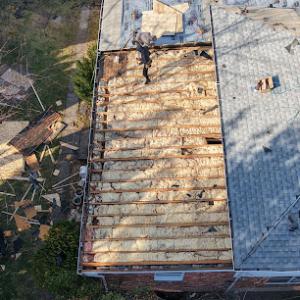
PRestige , Roofing & Constructions
(201) 757-3945 prestigeroofingconstruction.com
Serving
5.0 from 92 reviews
At Prestige Roofing & Construction, we specialize in roof replacement, roof repair, shingle roofing, flat roof services, and emergency roof repair throughout Bergen County and surrounding NJ areas. Our licensed and insured team delivers quality craftsmanship, fast response, and reliable solutions for all your residential and commercial roofing needs. We also provide roof inspections, leak detection, and gutter installation. Customer satisfaction is our top priority, and we take pride in every job, big or small.
UE Construction & Roofing
(551) 300-9611 www.ueconstruction.us
Serving
5.0 from 82 reviews
Welcome to UE Construction, your premier home improvement and roofing contractor in New Jersey. From roofing Ridgefield Park NJ and chimney repairs to deck construction and gutter maintenance, we're your one-stop solution for all your home enhancement needs. With a focus on quality craftsmanship and customer satisfaction, trust UE Construction to transform your house into the home of your dreams. Call us today for a Free Estimate!
Omega Roofing
(201) 893-7596 omegaroofingnj.com
Serving
5.0 from 104 reviews
Omega Roofing Bergen County’s Trusted Roofing Company At Omega Roofing, we make roof repair and replacement in Bergen County, NJ, simple. Serving Teaneck, Fort Lee, Paramus, Hackensack, Englewood, and surrounding towns, our skilled roofers deliver dependable results that last. Homeowners searching for roofing companies in Bergen County NJ, roofers near me, or roof repair Bergen County NJ trust us for roof replacements, roof repairs, and free roofing estimates. We know roofing projects can feel overwhelming, so we guide you step by step and explain your options clearly. As a leading Bergen County roofing company, Omega Roofing combines expert craftsmanship, quality materials, and fair pricing to protect your home and give you peace of mind.
In this city, a full roof replacement is typically handled through the Building Department rather than treated as informal maintenance. That means you should approach the project as a regulated job from the outset, with approvals tied to the structure's safety and long-term performance against Nor'easter winds, heavy rain, and the freeze-thaw cycles that can stress older homes along the river corridor. Your local authority will expect a documented plan that demonstrates how the chosen materials and installation will protect the home's framing and weatherproofing over time. Treat the permit as part of the project's foundation, not an afterthought.
Homeowners should expect permit issuance first, followed by a rough inspection only if the project includes structural changes or framing modifications. If the roofing work is limited to overlaying or replacing the sheathing and shingles without altering the framing, the rough inspection may be minimal or guided by the written plan already approved. If changes to the structure are proposed-such as adding or resizing decking, altering the roof pitch, or upgrading the load path-you will encounter a more detailed plan check and a rough review to ensure the framing can safely carry the new materials and meets local wind- and load-resistance requirements. After the roofing work is completed, a final inspection is conducted to confirm everything is installed to code and that the work matches the approved plans. Expect the inspector to check attic ventilation, flashing details around hips and dormers, and proper drainage to prevent ice dams and leaks.
Projects that change framing or involve heavier replacement materials can trigger closer review during plan check and inspection. In dense older housing stock near the river, many homes have quirks-asymmetrical roofs, limited attic access, and nonstandard rafters or decking-that require precise detailing. If the plan calls for heavier materials such as concrete or clay tiles, slate, or synthetic options with extra weight, the Building Department will scrutinize temporary support, loading paths, and compatibility with existing structural members. Expect additional engineering notes or stamped drawings if the proposed configuration shifts how loads are transferred to bearing walls or supports.
Begin by selecting a licensed contractor who understands Bergen County's permit process and has a track record with local inspectors. Have the contractor prepare a clear scope of work, including a materials list, decking condition, and ventilation strategy, so the Building Department can review quickly. Schedule the permit intake early in the project to avoid delays during storm seasons when emergency leak responses are most common. Keep copies of approval letters, inspection reports, and any amendments handy on site, so a contractor and inspector can reference them during visits.
During a rough inspection, expect questions about structural changes, new fastener schedules, and whether the roof's framing can support heavier assemblies under future weather events. The final inspection will focus on finished workmanship, flashing integrity around roof penetrations, and the overall integration with drainage and insulation. In Hackensack, adhering to these steps not only satisfies code requirements but also helps ensure that the roof continues to perform through harsh winters and windy Nor'easter spells, reducing the chances of costly leaks after a brisk storm.
New Jersey remains an active wind- and storm-claim environment, and Hackensack homeowners should expect insurers to scrutinize photos, prior roof condition, and the exact repair scope. In dense, older housing stock near the river, a photo set that shows shingles lifted by gusts, granule loss from hail, and any interior signs of water intrusion helps a claim move forward rather than stall. The adjuster will compare a recent storm's damage with the roof's historical state, so documenting what the roof looked like before the event matters.
Claims tied to nor'easter wind, heavy rain intrusion, or sudden storm damage are more likely to move smoothly when documentation starts immediately after the event. In Hackensack, a swift response shows the insurer you are attentive and organized, not searching for a later excuse. Take timestamped photos from multiple angles, including attic signs of leakage, soggy decking, and any temporary tarps or covers applied in the days after the storm. A contemporaneous note detailing dates, wind speeds, and affected areas helps establish a credible timeline.
Because adjusters often ask whether damage is storm-created or long-term deterioration, Hackensack owners of older roofs should document maintenance history and pre-loss condition when possible. Collect receipts, contractor notes, and prior inspection reports that reflect the roof's age and any known issues such as flashing wear, vent leaks, or sealant failures. If a prior leak occurred, show how it was addressed and when. This context helps the claim respond accurately to questions about whether damage is new or preexisting.
Prepare a simple, current inventory of roof components visible from the ground, plus any attic indicators of moisture. Keep weather data from the day of the event and note any rapid temperature shifts that contribute to freeze-thaw stress. After the storm, limit further exposure by temporarily protecting vulnerable areas with clear tarps and secure fastenings, ensuring that the insurance file reflects proactive steps to mitigate ongoing damage. Finally, contact the insurer promptly to initiate the documentation trail and align expectations for the repair scope.
Connect with contractors who help homeowners navigate the claims process from damage assessment to final approval.
Prestige Works Roofing & Siding
(201) 801-3616 prestigeworksroofing.com
131 Main St, Hackensack, New Jersey
4.9 from 337 reviews
Top Pro Roofing & Construction
(551) 248-2579 www.topproconstructionllc.com
160 Johnson Ave, Hackensack, New Jersey
4.5 from 139 reviews
In Hackensack, heavy spring rain and winter freeze cycles stress low-slope roofs more than you'd expect. Drainage performance is not optional on these systems; it directly affects leak risk around parapets, scuppers, and edge details. Pay close attention to gutter and downspout connections, deck coatings, and any ponding areas after a storm. If water lingers for more than 48 hours on a flat roof, plan for a targeted inspection to verify seam integrity and flashing is undamaged.
Low-slope sections over porches, additions, and rear extensions can fail differently from the main pitched roof. Treat these as separate systems with their own drainage paths and flashing contours. Look for misaligned flashing where a newer addition meets an older roof, and verify that seals around skylights or vents on these areas remain watertight. Because these zones can conceal leaks, perform a proactive check during mild weather rather than waiting for visible moisture.
Flat and low-slope assemblies in this market often incorporate modified bitumen, EPDM, or TPO membranes, each with distinct vulnerability patterns. Edge details take the brunt of wind-driven rain, so inspect parapets, corner seams, and termination bars for gaps or lifted edges after storms. Freeze-thaw cycles stress membrane laps and underlayment seams; if you detect hairline cracking or bubbled patches, schedule a focused repair before further deterioration occurs.
Establish a regular inspection cadence that coincides with seasonal transitions. After harsh Nor'easter events, document any new pooled water, membrane blisters, or flashing distortion with photos and notes. Keep a simple map of each low-slope zone, listing maintenance tasks and their dates, so preventive work doesn't slip through the cracks.
Find specialists in TPO, EPDM, and built-up flat roofing systems for residential and commercial properties.
Elezi Construction NJ
(201) 989-3845 eleziconstructionnj.com
586 Main St, Hackensack, New Jersey
4.7 from 58 reviews
Top Pro Roofing & Construction
(551) 248-2579 www.topproconstructionllc.com
160 Johnson Ave, Hackensack, New Jersey
4.5 from 139 reviews

Old masonry penetrations near the river are a common source of leaks after freeze-thaw cycles. The chimney-to-roof transition, flashing, and mortar joints are frequent failure points on aging Hackensack homes, where brick and stone meet shingle life. When moisture moves through cracked mortar or deteriorating sealant, water can creep into attic spaces or under the roof deck. Expect leaks to show first along the chimney line rather than far out on the field, especially where coping or flashing has weakened over years of wind-driven spray and snowmelt.
Skylights are a local specialty, and flashing around openings bears the brunt of weather exposure after storms. Counter-flashing, boot seals, and alignment can degrade, channeling water into the attic or along interior corners. Repair or replacement coordination is essential to keep the opening secure, because even small gaps can repeat after each storm. When planning repairs, prioritize the flashing details around the skylight and where it meets the surrounding shingles and roof deck.
Leaks often run along sidewalls where roof planes meet vertical surfaces, then drop through vent pipes or brackets. In older homes, sidewall flashings may split or loosen, allowing wind-driven rain to penetrate. Check that step flashing remains continuous at transitions to walls and that vent boots are intact and sealed against ice buildup. Small penetrations-furnace vents, attic vents, or antenna brackets-tend to leak after storms if not properly sealed.
After a storm, inspect chimney bases, skylight edges, and near transitions for moisture or staining. If new attic dampness appears following a wind-driven rain, focus on flashing details at penetrations, because those points are the most frequent contributors to persistent leaks on older roofs.
Find contractors experienced in skylight installation, flashing, and leak repairs to bring natural light into your home.
Elezi Construction NJ
(201) 989-3845 eleziconstructionnj.com
586 Main St, Hackensack, New Jersey
4.7 from 58 reviews
Spring and fall are typically the best replacement windows in Hackensack because they avoid peak summer heat and winter snow complications. These shoulder seasons provide moderate temperatures that help shingles set properly, underlayment to dry before rain, and crews to work without the extremes that slow progress. Older homes in denser neighborhoods benefit from those steady days when utilities are not strained by heat or cold, reducing the risk of edge buckling or prematurely dried sealants.
Spring scheduling must account for heavy rainfall, which can interrupt tear-off and underlayment dry-in if crews do not weather-seal carefully. In practice, crews plan approximately around frequent showers and prioritize securing the roof quickly after a storm to prevent leaks while the deck is exposed. Have a clear plan for tarp or temporary cover during any forecasted downpours, and expect occasional delays when a nor'easter rolls through. The goal is to keep the inner structure dry during the install window so longer-term wind and rain resistance are achieved.
Summer heat can affect material handling and installation conditions, especially on older Hackensack homes with attic heat buildup and limited ventilation. Heat slows the curing of sealants and can make synthetic underlayment more prone to tearing if not managed carefully. Schedule high-sun days with early starts to keep crews productive before afternoon heat spikes, and ensure proper staging of bundles to prevent overheating or misalignment on steeper slopes common to rowhouse streets.
Winter snow and ice increase the risk of delays and temporary leak exposure. Freeze-thaw cycles can challenge underlayment if water penetrates and then refreezes, so protection during the cold is critical. If a project runs into winter, plan for shorter daily goals, frequent inspections for ice dam buildup, and contingencies to cover exposed sections during breaks in snowfall to minimize water intrusion.