Last updated: Apr 19, 2026
In this inner-ring Camden County belt, many homes still wear older roof penetrations and flashing details that were never designed for modern, battering storms. The risk isn't just a missing shingle; it's the fundamental joints where roof meets vent pipes, chimneys, and skylight boxes. Freeze-thaw cycles every winter push and pull at sealants, mortar joints, and step flashing, and heavy rains push water into the smallest gaps. If you live in a house with a steep roof and show signs of aging around chimneys or at wall flashings, treat any wet patching or noticeable moisture in the attic as a literal warning signal-these aren't cosmetic issues, they're evidence of a compromised barrier.
Chimneys loom large on older homes, and in this market the flashing where the brick or stone meets the roof is a frequent leak point. Masonry intersections absorb water from wind-driven rain and snowmelt, then push it into the roof deck if the flashing and sealants have degraded. If you notice dampness along the intersection, brown staining on ceiling rafters, or musty odors near the chimney chase, act quickly. A small failure at the chimney can cascade into widespread interior damage, especially after a nor'easter or a heavy downpour. The priority is to inspect the base flashing, step flashing, and counter-flashing for corrosion, lifting, or missing sealant and to verify sealant compatibility with masonry bond coats.
Many South Jersey homes built decades ago feature low-slope porch roofs and rear additions that were never fully integrated with the main roof line. These transitions create natural water-backed zones during heavy rain, where wall flashings and tie-ins can fail first. Water sitting at a low-slope surface has a shorter path to the interior, so even modest pooling translates into attic moisture, ceiling stains, or downstream drywall damage. If the porch roof looks low and flat, or if the rear addition uses a different roofing substrate, treat the flashing as a critical junction to inspect with a keen eye for compromised termination bar, ripped underlayment, or mismatched drip edge. In storms, this becomes a chokepoint for leaks.
Storm-driven leaks reveal themselves in the most local, concentrated spots: a single roof penetration, a step-flashing seam, or a corner where two planes meet. Do not rely on routine, "seasonal" resealing. The terrain of an older home requires a targeted, condition-based approach: test the integrity of every flashing joint with a moisture meter and, if possible, infrared imaging after a rain event to identify hidden dampness behind the shingles or underlayment. Pay special attention to the intersections around dormers, skylights, and exhaust vents, which often accumulate debris and moss that retain moisture and accelerate deterioration.
Older homes are not built to outlast one storm; they demand robust, continuous protection. When flashing shows rust at the metal edge, when mortar around the chimney shows cracks widening with each freeze, or when wall flashings exhibit lifting, it is time to plan a coordinated flashing and flashing-into-wall system upgrade. The goal is a continuous, weather-tight barrier that negotiates wind-driven rain and backflow at joints, rather than a patchwork of temporary fixes. If you suspect compromised transitions, arrange a targeted inspection of the chimney stack, masonry intersections, porch-to-wall connections, and rear addition tie-ins before the next storm season.
The pattern of autumn wind-driven rain from South Jersey nor'easters often exposes flashing failures that stubbornly linger on older roofs. Heavy gusts slam against chimneys and valleys, pushing water under shingle edges where flashing has aged. In Merchantville, the real risk isn't a dramatic roof blow-off but gradual leaks that show up first along gutters, fascia, and low-slope porch roofs. The spring profile adds heavy downpours and hail, which bruises shingles, lifts tabs, and shears weak points where ice dams once formed. That combination-wind-driven rain plus post-winter wear-means small gaps become big leaks fast, especially on homes with steep residential roofs and mixed roof ages.
After a bout of heavy rain or hail, inspect the most vulnerable spots first. Look along chimney flashing, dormers, vent pipes, and step flashing at roof-to-wall transitions. A quick interior sign is staining near ceiling corners or along wall studs where water traveled behind a gutter edge or under loose shingles. On the exterior, pay close attention to the edges of the gutter line, where bruised shingles or lifted tabs can allow water to back up and travel toward the soffit. In addition, older homes often reveal minor flashing failures first at low-slope additions or porch roofs, where rain can pool and find a seam. If a close visual shows dark streaks or granular loss in the shingles, treat that as a warning flag-that area will need protection before the next storm.
Key actions hinge on rapid assessment and timely mitigation. First, clear debris from gutters and downspouts so that a sudden rainstorm can drain away from the roof line rather than back toward the fascia. Second, seal any obvious gaps around penetrations with temporary, roof-safe material until a professional can reflash or reseal properly. Third, cover vulnerable patches with a sturdy storm tarp if a ceiling leak is present, but ensure the tarp is secured so wind cannot lift it and create a bigger problem. Finally, arrange a prompt inspection by a qualified roofer who can verify flashing integrity, resecure loose shakes, and replace any compromised shingles before next week's weather. Quick, targeted fixes now prevent cascading damage when the next storm hits.
Focusing on aging flashing and visible shingle damage aligns with the local pattern of storm-driven leaks. Schedule preventive checks after winter and before the peak spring rain and hail window. Prioritize homes with added low-slope roof areas or older chimney flashings, where minor flaws are most likely to become active leaks during wind-driven downpours. In practice, a targeted, seasonal inspection plan keeps a homeowner ahead of the storm season and minimizes emergency repairs triggered by the next nor'easter.
Find local contractors experienced in assessing and restoring roofs after hail, wind, and severe weather events.
Gasper Roofing
(856) 786-9333 www.gasperroofing.com
59 W Maple Ave, Merchantville, New Jersey
4.8 from 507 reviews
Gasper Roofing
(856) 786-9333 www.gasperroofing.com
59 W Maple Ave, Merchantville, New Jersey
4.8 from 507 reviews
When you need commercial or residential roofing services, turn to the highly trained team at Gasper Roofing. Founded in 1972, we are a local, family-owned business that has the experience you deserve. Your satisfaction is guaranteed. We're Select Shingle Master Roofing Contractor,5 Star Siding Contractor by Certainteed and Mule Hide Legacy Contractors. Gasper Roofing is your choice for an easy and hadache-free roofing experience for your home or business. With our simple process for your installation or repair needs, we show you exactly what needs to be done and what your options are. We are your highly trained, family and locally owned roofing professionals in South Jersey!
Warner Exteriors & Solar
(856) 685-6264 www.warnerexteriors.com
Serving
4.9 from 437 reviews
Warner Exteriors & Solar is your trusted roofing contractor in Pennsauken Township, NJ, and Southeast Pennsylvania, offering exterior remodeling services since 2016. We specialize in roofing, siding, windows, doors, gutters, and custom builds to protect and enhance your property. As an Owens Corning Platinum Preferred Contractor and Andersen-Certified Contractor, we use top-quality materials from brands like GAF, CertainTeed, and James Hardie. Our solar solutions provide energy-efficient options to reduce energy costs and your carbon footprint. With over 1,000 completed projects and an A+ BBB rating, we are committed to exceptional service. Contact us today for a free estimate!

Apex Commercial Roofing
(856) 203-6108 www.apexcommercialroofing.net
Serving
5.0 from 54 reviews
Apex Commercial Roofing is a trusted provider of commercial and industrial roofing services based in Cherry Hill, New Jersey. We offer durable, cost-effective solutions tailored to meet the needs of businesses of all sizes. Our specialties include TPO roofing, EPDM roofing, flat roofs, silicone coatings, metal roofs, and protective roof coatings. Certified by VERSICO and Armour Proof Coatings, our experienced team delivers high-quality workmanship backed by strong warranties for lasting peace of mind. Available 24/7, Apex Commercial Roofing is committed to being the go-to choice for reliable, long-lasting roofing systems throughout the region.

Bell Roofing Company
(609) 300-3909 bellroofingservices.com
Serving
4.3 from 132 reviews
Bell Roofing Company, LLC has been proudly serving the South Jersey and Philadelphia regions for 42 years. As a trusted roofing contractor in Pennsauken, New Jersey, we offer exceptional roofing services, including 24-hour emergency services and roof installation. Our team of skilled professionals is dedicated to delivering high-quality results that exceed our clients' expectations. Our vision is to provide our clients with the highest level of customer service and quality workmanship. We believe that by delivering exceptional work, we can build long-term relationships with our clients. If you're looking for a reliable and trustworthy roofing contractor in Pennsauken, New Jersey, look no further than Bell Roofing Company, LLC.
Hammond Roofing
(609) 923-2527 www.richardhammondroofing.com
Serving
5.0 from 127 reviews
Hammond Roofing is the trusted local, licensed, and insured Southern New Jersey roofing contractor near you. In business since 1994, we are dedicated to helping property owners find the exterior solutions they’re looking for. As one of the top rated South Jersey contractors, we offer professional residential roofing, commercial roofing, roof repair, gutter, gutter repair services, and much more! You can depend on our team to finish your job professionally and efficiently at a great price."
Done Right Roofing
(856) 254-2122 www.doneright-roofing.com
Serving
4.9 from 105 reviews
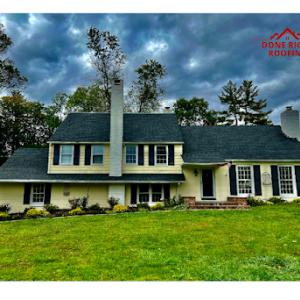
Done Right Roofing is a family-owned company and have been in the business since 2000. We do our best to make the customer feel comfortable and get the best deal from us. We have many crew members and will always get back to you as soon as possible, so you don't have to wait weeks and months to complete your job. Remember, doing it right costs less than doing it over!
Ricci Brothers Roofing
(609) 381-4173 www.riccibrothersroofing.com
Serving
4.8 from 73 reviews
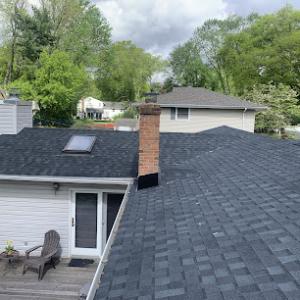
We are a locally family owned roofing contractor proudly serving South Jersey & Philadelphia homeowners and businesses. We specialize in roof replacement, roof repair, leak detection, storm damage repair, and emergency roofing services. Our experienced team works with asphalt shingles and flat roofing systems, delivering quality workmanship, honest pricing, and dependable service on every job. Whether you need a full roof replacement or fast repairs after severe weather, we’re here to help. We proudly serve Camden County, Gloucester County, Burlington County, and surrounding South Jersey communities including Cherry Hill, Moorestown, Haddonfield, & Cinnaminson. Contact us today for a free roofing inspection and estimate.
Big Country Exteriors
(856) 702-3546 bigcountryexteriors.com
Serving
5.0 from 78 reviews
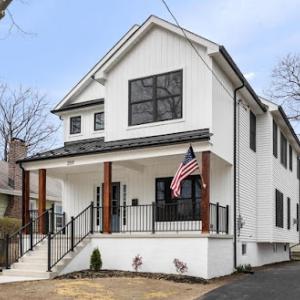
Discover the ultimate home improvement experience with Big Country Exteriors, a premier provider for your roofing, siding, window, and door needs. Since 2019, they have consistently delivered outstanding customer service, top-notch workmanship, and the highest quality materials to every project. As a respected member of the Haddon Township community, they take pride in their commitment to providing homeowners with a seamless home transformation experience.
JMC Contractors
(856) 397-6984 jmc-contractorsinc.com
Serving
5.0 from 23 reviews
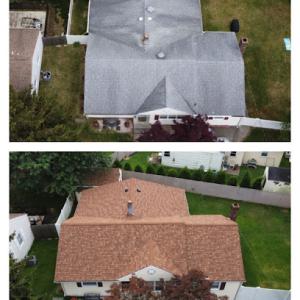
JMC Contractors is a licensed and insured roofing contractor providing professional roof replacement, roof repairs, storm damage restoration, and exterior services for residential and commercial properties. We specialize in asphalt shingle and flat roofing systems, flashing repairs, gutters, and downspouts. Our team is committed to honest inspections, clear communication, and quality workmanship on every project. Whether you’re dealing with roof leaks, aging materials, or wind and storm damage, we guide you through the process from inspection to completion. We use high-quality materials and follow manufacturer and local code requirements to deliver long-lasting results. Serving Maple Shade and surrounding New Jersey areas
Discounted Roofing
(215) 431-2343 www.discountedroofingllc.com
Serving
4.9 from 372 reviews
Trusted & Serving Philadelphia For Over A Decade, We Are Philly's Certified Premier Roofing Team,Offering All Types of Roofing, Rubber Roofs Roof Leak Repair, Roof maintenance Resealing, & Fiberized UV Aluminum/Silver Coatings, Gutters, And downspouts Skylights & More No Job is Too Big or Too Small Call Today For A Free Estimate! Fully licensed, Insured, & Certified.
Dream Home Roofers
(856) 565-3859 www.dreamhomeroofers.com
Serving
4.6 from 406 reviews
We are a residential roof replacement company. We replace asphalt shingle roofs and install new gutters and fascia. Give us a call to discuss your roofing needs.

Pace Roofing
(267) 548-4147 www.paceroofingphilly.com
Serving
4.9 from 242 reviews
Pace Roofing is a trusted, family-owned company serving Philadelphia, Bucks County, and nearby areas with expert roof repairs, installations, and certified roof inspections. We handle both residential and commercial projects, including new construction, using the latest technology to ensure precision and quality. Need emergency service? We offer FREE 24/7 storm damage and urgent roof repairs to keep your property protected. With free estimates and dependable service, we make it easy to know what to expect and get the job done right. We offer straightforward pricing, so you know exactly what to expect for slate tile roofing, skylight repairs, metal roofing (metal capping), and all services. Give us a call when you need help with your roof!
Cold winters here come with repeated freeze-thaw cycles that punish aging flashing, sealants, and shingle edges. On older roofs with minor water entry already present, those cycles accelerate wear and micro-leaks. The same roofs that handled a handful of seasons years ago now face more stress as moisture moves in and out of small gaps. When a shingle edge begins to curl or a flashing seam is barely sealed, even a modest freeze-thaw sequence can widen that weakness over time. The result is a roof that looks fine in dry spells and only shows its strain after a winter storm or a heavy thaw.
Winter ice damming is a named seasonal risk in this area, and it becomes more likely on older homes where attic insulation and ventilation may not meet current expectations. When warm air travels to the attic and melts bottom-edge snow, the meltwater runs toward the eaves and refreezes, creating a dam that pushes water under shingles and into the roof deck. That cycle can sit quietly at the soffits, chimneys, or along valleys until a larger storm or rapid melt brings visible leaks. If the attic is drafty or under-ventilated, the problem compounds, feeding moisture into rafters and fascia boards and accelerating deterioration of sealants and edge details.
South Jersey winter thaw-refreeze patterns can open small pathways around chimneys, valleys, and eaves that may stay hidden until spring rain arrives. Those micro-sutures collect ice and meltwater, then broaden during a melt cycle, only to reveal themselves when a heavy rain hits. In practice, this means a roof can be structurally sound yet harbor subtle leakage routes that manifest as damp spots in the living space or staining on interior ceilings long after the snow has gone. The longer those pathways exist, the more likely rot or corrosion can take hold in wooden voids and metal flashings.
During cold snaps, inspect shingles along edges for lift or crusted ice near flashing, and listen for soft spots after thaw events. If attic access is possible, peek for warm spots or excessive condensation that signals ventilation gaps. Address small leaks promptly before a season's next freeze, because every cycle compounds risk. In preparation for winter, ensure vents are clear, insulation is adequate around penetrations, and any suspect flashing where a chimney or valley meets the roof has a professional eye. The goal is to interrupt the routine wear and minimize the chance that a spring rain reveals a larger problem.
When you can't wait, these contractors offer fast response times to stop leaks and prevent further damage.

Asphalt shingles are the dominant practical choice for the typical pitched roof common in Merchantville's stock of older homes. They pair well with existing framing and the long-standing look of traditional neighborhoods. When storms roll in, a well-sealed asphalt roof with quality underlayment and accurate flashing around chimneys and dormers can handle wind-driven rain and freeze-thaw cycles without demanding complex maintenance. Choose architectural or thicker tabs for a bit more durability and longer life in the humid summers and Nor'easter rain episodes that define this area.
Metal roofing is active locally and makes sense on replacement projects where wind performance is a priority and maintenance needs to be minimized through humid summers and winter cycles. A metal roof can shed wind-driven rain more predictably and offers strong resistance to impact from hail common along coastal weather patterns. In Merchantville, metal often pairs well with existing steep pitches and historic sightlines, provided flashing and edge details respect the home's traditional character. If a storm rattles the neighborhood frequently, metal can be a practical upgrade, especially on modernized dormers or additions.
Tile, wood shake, and synthetic products exist in this market but are more specialized choices that require careful planning on older homes. Clay and concrete tiles carry weight and require structural assessment, especially on vintage framing. Wood shakes bring a classic texture, but their vulnerability to moisture and decay means precise maintenance and timely repairs around flashing and chimneys are essential. Synthetic shingles can mimic these looks while offering improved durability, yet still demand thoughtful integration with existing roof geometry and flashing details. For storm-driven leak prevention, these options should be pursued only after a thorough on-site evaluation of roof slope, support, and water flow around penetrations.
When planning a storm-ready upgrade, prioritize robust underlayment, well-sealed penetrations, and matching flashings for chimneys and vents. For older homes with complex rooflines, ensure any chosen material is compatible with existing framing and drainage paths, and schedule a professional inspection to confirm the integration of all storm water controls before committing to a replacement.
In Merchantville, the housing stock often features low-slope sections on porches, bays, and additions that sit adjacent to masonry or siding. While the market remains dominated by pitched roofs, contractor data shows meaningful flat-roof specialization that addresses these common low-slope spaces. These areas are more vulnerable during heavy spring rain because drainage is slower and tie-ins to siding or masonry walls tend to be more failure-prone than open field shingle areas. On older homes, flat or low-slope sections age differently from the main roof, so partial replacement decisions are common and practical when leaks appear.
Begin with a careful walk around the structure after a rainstorm or during a dry afternoon following one. Look for pooled water on the porch or addition roof, especially near transitions to siding, brick, or stucco. Check the flashing at wall penetrations, vent piping, and where the roof meets a parapet or higher roof plane. Pay attention to the condition of a roof membrane, if present, and any ridges or seams that show signs of movement or splitting. Gutters and scuppers should be free of debris that could back up drainage and worsen standing water. On exposed flat sections, small cracks in the membrane or flashing joints can become primary leak paths during a nor'easter or heavy spring rainfall.
If a flat or low-slope area is past its prime, plan targeted repairs rather than replacing the entire roof. Focus on the critical tie-ins where the roof meets siding or masonry, addressing any gaps or loose flashing first. When replacing, consider a material choice that handles standing water well, and ensure the new system includes robust edge detailing and a proven drainage solution. For ongoing protection, install an easily accessible inspection point at the lowest corner of the flat section to monitor seepage after storms. Sealants and patches should be compatible with the chosen membrane or sheet material and applied during dry, mild weather to maximize adhesion.
Create a simple seasonal rhythm: inspect after the wet season, re-check after heavy wind-driven rain, and perform a quick border walk quarterly. Keep a log of any re-patching, flashing replacements, or membrane repairs so you can time a full assessment before the next major storm season. In older homes, these low-slope sections age differently; treat them as separate from the main roof for inspection and maintenance planning to prevent storm-driven leaks from creeping into siding or interior spaces.
Find specialists in TPO, EPDM, and built-up flat roofing systems for residential and commercial properties.
Gasper Roofing
(856) 786-9333 www.gasperroofing.com
59 W Maple Ave, Merchantville, New Jersey
4.8 from 507 reviews

Provided local pricing ranges run from about $350 to $650 per square for asphalt shingles, $600 to $1200 for metal, $900 to $1800 for clay tile, $800 to $1500 for concrete tile, $450 to $900 for wood shingles or shakes, and $500 to $900 for synthetic or composite shingles. Those figures reflect the mix you'll encounter on older Camden County-style homes with steep pitches, chimneys, and occasional low-slope porch or addition roofs. In practice, your project likely falls toward the higher end when the roof has multiple penetrations or requires extra weatherproofing due to storm impact.
Costs in Merchantville can rise on older homes because tear-offs often uncover multiple flashing transitions, chimney work, and decking repairs rather than simple one-layer replacements. A straightforward shingle swap rarely applies when you find rotten decking, failed underlayment, or flashings that tie into a history of storms and freeze-thaw cycles. This means you should expect a thorough assessment to map out decking repairs, chimney counterflashing, and durable sealants that hold up during Nor'easter winds.
Spring and fall are favored installation windows locally, so storm-driven demand spikes after winter damage or spring hail can tighten scheduling and affect pricing. If a leak-prone period hits right after a harsh winter, you may see quicker turnarounds but tighter bids as contractors balance rainfall and arctic snaps. Planning ahead helps; booking before peak demand reduces the risk of paying a premium during a sudden repair push after a storm.
Start with a detailed roof inspection focusing on flashings, chimney surrounds, and any porch or addition transitions. Request a written scope that separates decking repair, underlayment, and flashing work so you can compare apples to apples across bids. For older homes, insist on confirming decking condition and the compatibility of underlayment with the chosen material. Finally, consider a mid-range synthetic or composite option if you're aiming for durable performance with reasonable cost, especially in areas with repeated wind-driven rain.
Get a clear picture of your project costs upfront - no commitment required.
In this town, a full re-roof is treated as more than cosmetic work and requires a permit through the township building department. The contractor usually handles the permit application, since they're the ones who will submit the project details and coordinate the inspection timeline. The township may ask for minor plan details or venting adjustments before releasing the permit, especially on older homes with chimneys or low-slope porch roofs where wind-driven rain and freeze-thaw cycles create more exposure. Having the contractor manage this step helps avoid delays and ensures the documentation aligns with the actual installation plan.
Expect a straightforward review focused on safety and drainage. The building department may request a simple venting or underlayment note and a basic framing or attic access detail if the project touches venting paths or attic insulation. On steeper Merchantville roofs with chimneys or dormers, the plan check may also note flashing transitions around these features. Providing a clear sequence of roof replacement, underlayment installation, flashing integration, and venting adjustments helps the process move smoothly. While the town's questions are usually minor, responding promptly keeps the permit on track.
After installation, a final inspection is scheduled to verify that underlayment, flashing, and venting meet code before the job is closed out. The inspector will look for proper shingle overhang at eave lines, correct flashing around chimneys and vent stacks, and venting provision that maintains attic air flow without creating condensation risks in the winter. On older homes, the inspector may pay particular attention to transitions at skylights, dormers, and low-slope portions to ensure there are no hidden leak paths. Prepare to show that venting and drainage are configured to handle storm-driven rain events typical of nor'easters and seasonal freezes. If anything needs adjustment, the contractor will address it promptly to keep the project moving toward a clean, code-compliant finish.
In New Jersey, roof claims lean heavily on wind and hail documentation, and you should expect adjusters to want photos, dates, and clear evidence distinguishing new storm damage from older wear. The goal is to prove a live, storm-driven leak rather than preexisting conditions that merely worsen after a weather event. In Merchantville, that means keeping a tidy record: timestamped photos taken from multiple angles after a storm, notes on what roof area was affected, and any visible changes to shingles, flashing, or coping. If a chimney or dormer exists, capture the surrounding flashing and roof-to-wall transitions as storm-driven leaks can appear there first. Without precise, date-stamped evidence, carriers can struggle to separate fresh damage from the ongoing wear of decades-old roofs.
The local market's robust storm-damage and insurance-claims contractor presence means homeowners here often need help packaging estimates and inspection findings for carriers. If you bring in a trusted, locally familiar contractor or public adjuster to assemble your package, you improve the odds of a fair evaluation. Expect the carrier to request third-party notes: a concise summary of what failed, when it failed, and why the failure is tied to a specific storm event. Be ready to cross-check the contractor's findings against the roof's age, previous repairs, and the overall condition of flashing, gutters, and valleys. Clear, correlated documentation reduces back-and-forth and helps prevent underpayment or dispute about what constitutes storm-related damage.
Coverage remains generally available statewide, but premiums can reflect regional storm activity, so repeated claims or poorly documented prior damage can affect future costs and underwriting. That reality underscores the importance of thorough, organized records from the first storm to the last. In this town, a careful homeowner who keeps a steady file of weather-driven leaks, accompanying photos, and expert assessments stands a better chance of a smoother claim process and a more accurate repair scope. Be prepared to explain, with concrete evidence, how a specific event accelerated roof deterioration and where the leaks originate.
Connect with contractors who help homeowners navigate the claims process from damage assessment to final approval.
Gasper Roofing
(856) 786-9333 www.gasperroofing.com
59 W Maple Ave, Merchantville, New Jersey
4.8 from 507 reviews