
Last updated: Apr 19, 2026
Coastal exposure shapes every roof in this stretch. Long Beach sits on a barrier island directly exposed to Atlantic storm tracks, so roofs face stronger coastal wind and salt exposure than inland Nassau County homes. The ocean breeze isn't just loud at night; it's a stress test for every seam, edge, and fastener. Hurricanes aren't the only concern-day-to-day Nor'easter thrash is what keeps roofing crews busy, especially when the wind shifts and rain drives horizontally across the deck. In practical terms, this means your roof must resist blowing rain that can force water behind flashing and into roof-wall transitions even when shingles look intact.
Nor'easters arrive in spring and fall with a stubborn, wind-driven rain that can penetrate where you'd expect a barrier to hold. Think of your roof as a shield that's constantly assaulted from two directions: wind from the ocean and moisture from hard, fast-forwarded rain. When these systems hit, the vulnerable points are often the transitions between roof and wall, along eaves and rakes, and around any penetrations. Shingles may still appear sound, but water can wedge behind flashing and saturate fascia and sheathing if the edge details aren't reinforced or properly flashed. The risk is not just leakage-it's hidden rot, faster wear on underlayment, and compromised attic ventilation that magnifies damage over time.
Salt-laden air accelerates corrosion at metal flashing, fasteners, and rooftop accessories, making edge details and penetrations especially important near the oceanfront. Every rust-streak from a vent flashing or pipe boot is a warning sign of creeping material fatigue. Corrosion isn't always audible or obvious until a storm test reveals a leak, but the damage accumulates in fasteners, screws, and haunches where salt creep concentrates. Even stainless components can suffer when exposed to relentless coastal spray and humidity. When the wind shifts, those salt-stressed components become entry points for water and debris, so your edge details, vent collars, chimney flashing, and rooftop accessories require extra attention and maintenance.
Edge details deserve special precision. The drip edge, fascia, and drip trays must be secured so wind cannot peel them free, especially along the ocean-facing side. Where two planes meet-roof and wall-flashings must be continuous, with sealant beds reinforced to resist wind-driven moisture. Penetrations for vents, skylights, and plumbing should feature reinforced step flashing and counterflashing that extend above the momentum of sea spray. And when upgrades happen, prioritize materials that resist corrosion, with coatings and coatings-reinforced fasteners chosen for prolonged coastal performance.
Practical safeguards center on proactive, frequent checks. After Nor'easters or any storm with heavy spray, walk the roof edge to verify flashing seams are tight and seals intact. Look for loose or corroded fasteners, compromised edge hardware, and any staining along the eave line that signals moisture intrusion. If you notice granule loss on shingles near coastal edges, or rust on metal components, schedule a targeted inspection focused on the windward side and any high-stress transitions. Consider upgrading edge and flashing details, and ensure that all penetrations are sealed with corrosion-resistant materials designed to endure the salt-air environment. Regular maintenance saves longer-term trouble by catching vulnerabilities before they become leaks.
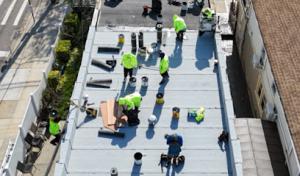
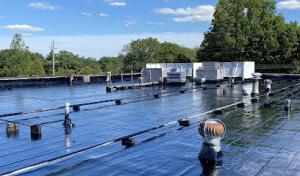
Flat and low-slope roofing is a meaningful local need in Long Beach, reflecting the city's mix of attached housing, multifamily buildings, and coastal commercial properties. The barrier-island context means salt air, Nor'easters, and windy conditions repeatedly test roof assemblies. On these roofs, water control and resilience aren't optional extras-they're the first line of defense against leaks. A flat roof here must assume wind-driven rain, frequent spray, and limited margin for error in flashing or drainage details.
On a barrier island with frequent wind-driven rain, ponding and drainage performance matter more because low-slope roofs have less margin for flashing or scupper defects. Start with the deck slope and perimeter drainage plan. Ensure there is a clear, intentional fall to the primary drainage path, with secondary drains or overflow routes in place. Scuppers and internal gutters should be sized to handle typical storm volumes without backing up, and they must remain free of debris. In practice, that means regular cleanouts, accessible maintenance points, and a layout that avoids dead-end water pockets along the low edges. When you're evaluating an existing flat roof, inspect for soft spots where ponding collects and for any signs of membrane wrinkles or blisters near flashings-that combination often signals a drainage shortfall.
The local exposure makes flashing a perennial weak point. Pay close attention to terminations where the roof meets walls, parapets, and penetrations. Every vent, curb, or HVAC unit must have a fully integrated, durable boot or curb flashing and a weather-tight seal around its base. Parapet detailing should include a continuous, corrosion-resistant metal drip edge, with sealant joints that can tolerate salt air without drying out and cracking. For longshore winds, ensure that edge metal is securely fastened with corrosion-resistant fasteners and that any sealant joints have a flexible, UV-resistant compound suitable for coastal environments. A practical check: run a quick water test after heavy rain to verify that all flashings shed water toward the drainage path rather than pooling against a perimeter wall.
Ventilation aligns with failure points common on Long Beach low-slope roofs. An inadequately vented roof space can create heat and moisture buildup that degrades membrane life and invites condensation-related leaks. Plan for an opened or strategically placed venting scheme that suits the roof's orientation and attic geometry. Insulation should minimize the risk of dew formation on the underside of the membrane, especially in shoulder seasons when temperature contrasts are pronounced. The goal is a balanced assembly that keeps the deck warmer in winter and drier in summer, without inviting ice dam concerns in colder spells.
A practical maintenance cadence keeps coastal roofs performing. Schedule semiannual inspections-preferably after storm season and before the humid peak months-to verify drainage, scuppers, and edge details. Look for membrane punctures, rust on edge trim, and any signs of salt spray intrusion at fasteners. Keep a clean perimeter free of overhanging vegetation and debris that can block drains. Document and address issues promptly; on a barrier island, small problems can escalate quickly when wind-driven rain returns.
Find specialists in TPO, EPDM, and built-up flat roofing systems for residential and commercial properties.
Integrity Remodeling Roofing & Siding
(516) 373-0095 integrityremodelingny.com
564 E Hudson St, Long Beach, New York
5.0 from 99 reviews
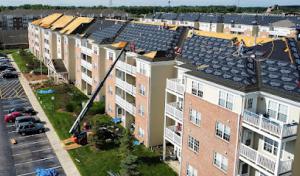
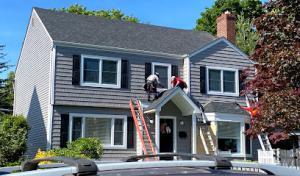
Integrity Remodeling Roofing & Siding in Long Beach, NY specializes in roof and siding replacement, residential roofing and siding services designed to protect homes from coastal weather and heavy winds common to the area. Our experienced team provides durable roofing and siding solutions that address salt air exposure, storm damage, and aging shingles while enhancing curb appeal and energy efficiency. From tear-offs to complete replacements, we ensure every roof and siding project is built for lasting performance and local conditions. Homeowners across Nassau rely on our trusted roofing and siding expertise for quality workmanship, honest communication, and professional results that stand the test of time.
Rapid Roofing
(631) 801-4827 www.rapidrestoreny.com
Serving
5.0 from 81 reviews
Getting a new roof or roof repair shouldn’t be a headache – that’s why at Rapid Roofing, we make it easy. As a roofing company built on trust, our expert roofer contractors deliver seamless roofing services with zero hassle and no shortcuts. Whether it’s routine maintenance or emergency roof repair, our residential and local roofers get the job done right – every time. We don’t just claim to be the best roofers, we prove it! From affordable roofing solutions to BBB-accredited roofing contractors, we’re the good roofing company homeowners rely on. A roofing business that stands behind its work, delivers results, and redefines what it means to hire top-rated roofers.
Roof Eval
Serving
5.0 from 23 reviews
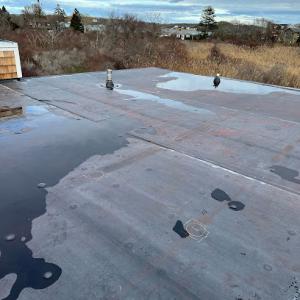
Roof Eval delivers professional roof inspection services based in East Rockaway and serving the whole of Long Island. With a focus on Nassau County, Specially East Rockaway and other neighborhood areas such as Bay Park, Oceanside, Hewlett, Hewlett Harbor, and Lynbrook. We are Infrared Certified, NRCIA, and CCPIA certified, bringing top expertise to residential and commercial properties. Our inspections cover forensic analysis, leak-free assurance, installation oversight, building condition checks, leak detection, and solar panel evaluation. We also offer HVAC mapping, thermal imaging, and moisture scanning for complete roof health assessments. Scheduled your virtual or in person consultations now to insure your roofing safety with us.
Citywide Roofing & Gutters
(516) 726-3212 www.citywideroofingny.com
Serving
4.8 from 46 reviews
We are a full-service roofing contractor specializing in residential and commercial roofing solutions. Our scope of work includes complete roof replacements, repairs, leak investigations, preventative maintenance, and roof inspections. We work with a variety of roofing systems such as modified bitumen, EPDM, asphalt shingles, and other flat and low-slope applications. Our team is committed to quality craftsmanship, safety, and project efficiency. We take pride in providing honest assessments, durable roofing solutions, and professional service from project planning through completion. Our goal is to protect our clients’ properties while delivering long-term value and peace of mind.
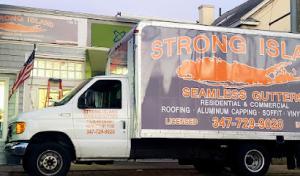
Strong Island Seamless Gutters
(347) 729-9020 strongislandexteriors.com
Serving
4.9 from 43 reviews
Strong Island Seamless Gutters is Long Island’s trusted contractor for roofing, siding, and seamless gutter systems. With over 20 years of hands-on experience, we deliver high-quality craftsmanship, durable materials, and dependable service on every project. We specialize in roof replacements and repairs, vinyl siding installation, and 5” & 6” seamless aluminum gutters, including soffit, fascia, and custom trim work. From small repairs to full exterior upgrades, we work directly with homeowners to ensure every job is completed on time, on budget, and built to last. Proudly serving Nassau and Suffolk County, Strong Island Seamless Gutters is built on strong work, strong values, and long-lasting results. 📞 Call for a free estimate.
Island Roofing
(516) 303-7663 www.islandroofingus.com
Serving
5.0 from 190 reviews
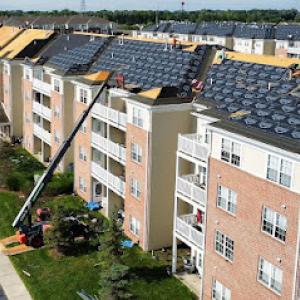
With over 25 years of proven expertise, Island Roofing is a roofing company delivering top-tier solutions for commercial, industrial, and residential projects. We serve Long Island, New York, and 30 other states in the Eastern U.S. As a reliable roofing contractor, we’re known for our use of top-grade materials, expert craftsmanship, and honest service. We handle it all, from residential roofing, commercial roofing, multi-family roofing, and preventative roof maintenance to leak repairs and emergency service. We also provide gutter installation, gutter cleaning, and gutter maintenance, all with precision and care. What sets us apart is our commitment to customer satisfaction and our relentless focus on excellence in everything we do.
Abraham Roofing
(516) 990-6548 www.abrahamroofing.com
Serving
4.7 from 112 reviews
Located at 23 Blake Ave in Lynbrook, Abraham Roofing serves Nassau County and Queens with over two decades of expert roofing and siding services. Specializing in roof replacement, repair, installation, and more, our certified team provides top-notch solutions for "roofing and siding companies near me" searches. From tackling "roof leak repair long island" to "vinyl siding installation," we emphasize quality, safety, and customer satisfaction. As a GAF Master Elite® Contractor, we offer exceptional roof service repair and leader system installations. For prompt and professional "roofing in New York," choose Abraham Roofing—where your needs always come first.
Responsible Remodeling
(516) 481-1723 www.responsibleremodeling.com
Serving
4.7 from 62 reviews
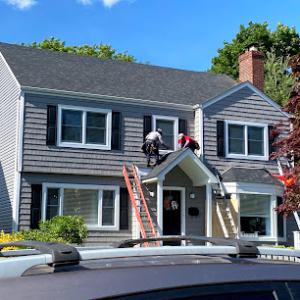
Responsible Remodeling provides roofing, siding, gutters, windows, doors, and decks to Baldwin, NY and surrounding areas.
John G Hubler & Sons
(516) 764-6437 johnghubler.com
Serving
4.8 from 68 reviews
Founded by John G. Hubler Sr. in 1973, we have over 45 years of experience. Our family is from Rockville Centre and we proudly operate our home office on North Park Avenue We strive to run a business that does truly care for our customers by offering professional service throughout every step of every project. Our team’s experience makes us the right choice for your home makeover. From full roof replacements to roof repairs, we are your local GAF Master Elite Roofer. Our family and roots are based in Rockville Centre, New York but our service area extends beyond the village. We are licensed in Nassau County, Suffolk County, Queens, and the Hamptons.
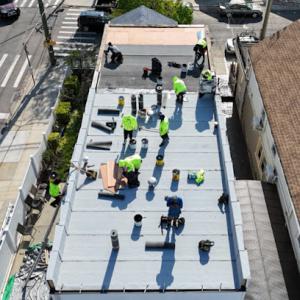
Power Roofing & Exteriors Far Rockaway
(516) 995-4007 powerroofingnyc.com
Serving
5.0 from 33 reviews
Welcome to Power Roofing & Exteriors Far Rockaway, your trusted partner for premium roofing services in New York City. We specialize in high-quality repairs, installations, and maintenance, using top-grade materials for lasting results. Experience expert craftsmanship and reliable service with Power Roofing & Exteriors Far Rockaway. Contact us today for all your roofing needs.
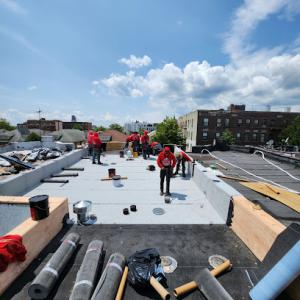
Royal Roofing & Siding - Long Island
(516) 252-3001 www.gafroofinglongisland.com
Serving
5.0 from 26 reviews
Royal Roofing Long Island, a division of Royal Renovators, provides reliable roofing and exterior services to homeowners and businesses across Nassau and Suffolk County. Our licensed and insured team specializes in roof replacement, flat and shingle roofing, leak repair, siding, gutters, and 24/7 emergency roof service. Backed by one of NYC’s most respected roofing companies, we bring trusted craftsmanship, transparent pricing, and lasting results to Long Island properties. Our mission is to protect homes and businesses with quality roofing built to last. Trust Royal to ensure complete customer satisfaction. Call Royal today for a free estimate!
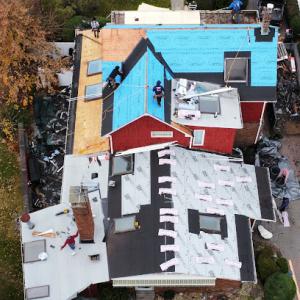
All Island Renovators
(516) 232-5116 www.allislandrenovators.com
Serving
4.8 from 24 reviews
All Island Renovators is a family owned roofing and siding business. We have over 10+ years of experience. we specialize in residential roofs as well as flat roofs. Using only the best roofing brands there is on the market. We also do small roof leak repairs. Siding is also key to a beautiful house renovation. We use everything from vinyl siding, to azek trim and Hardie boards. Servicing all of Long Island NY.
Coastal barrier-island homes sit on a narrow strip facing the Atlantic, so wind-driven spray and Nor'easter gusts aren't theoretical concerns - they're part of daily reality during storms. In this environment, installation quality at starter strips, ridge caps, and flashing matters more than in sheltered inland areas. When choosing roofing, prioritize systems and crews that emphasize proper nailing patterns, exactly seat starter courses, and a continuous, well-sealed valley and rake flashing. This is where a seemingly small gap can become a major leak path after a heavy wind event. Look for evidence of careful waterproofing at transitions around chimneys and vents, and insist on on-site inspection of the drip edge and underlayment details before shingles go down. In addition, verify that the roof deck is sound and dry before coverings are installed; even a perfect shingle job can be compromised if the substrate holds moisture or rot.
Asphalt shingles remain a common, practical choice locally because they balance cost, repairability, and ease of installation. In this market, you'll want an installer who uses impact-resistant options and guarantees to seal properly at the edges and high-stress areas. For metal roofing, the appeal in durability is clear, but coastal salt exposure demands close attention to corrosion resistance at panels, fasteners, and trim. Specify corrosion-resistant fasteners with compatible finishes, and consider color and coating choices that reduce thermal pumping during hot coastal days. The best metal installations also include careful sealing around field joints and penetrations to deter salt-laden spray from creeping into seams during storms. No matter the material, insist on a roofing system that includes a robust sealant strategy at all penetrations, with attention to how the system behaves under the pressure changes created by sea breezes.
Heavier materials such as clay tile, concrete tile, and slate can perform very well when installed properly, but barrier-island homes present unique challenges. Access during installation can be tight, and traditional roof geometry or limited staging space may complicate the process. Structural load is another factor to weigh, especially for older or smaller homes where the roof framing isn't designed for heavy tile or slate. Replacement planning should include a careful assessment of the structure's ability to carry the weight, plus the cost of additional reinforcement if needed. Although these materials offer long service life and strong wind resistance, they tend to be less common in this market due to access, installation complexity, and retrofit considerations.
When evaluating options, prioritize roofs that emphasize wind-resilient detailing and comprehensive flashing strategies. For asphalt, choose high-quality, wind-resistant shingles with a proven track record in storm sequences, and confirm that the starter course is installed with precision to prevent uplift. If metal is on the table, demand attention to corrosion protection, sealants, and fastener compatibility. If exploring heavier materials, ensure the supporting structure can handle the added weight and that installation crews have experience with coastal projects. In all cases, the goal is a system that behaves predictably under salt, wind, and moisture exposure, with a continuous, well-sealed envelope that stands up to the next coastal storm. For Long Beach homeowners, this combination of wind-focused detailing, corrosion-aware metal choices, and realistic weight considerations is the key to a roof that endures.
In this barrier island climate, a full reroof typically requires a city permit rather than being treated as purely over-the-counter maintenance. The permitting process is designed to ensure that storm-resilient details-especially around flashing, venting, and drainage-are addressed before work begins. This involves a formal review that looks beyond the shingles and into how the roof ties into the home's barriers against salt air and wind-driven spray. The permit is not a mere formality; it anchors the project in a concrete plan that contractors must follow.
Before the city issues the permit, the usual submittal includes a clear project description, a materials list, and contractor license information. The project description should spell out the scope ( reroof vs. patching vs. complete tear-off), the roof-to-wall transitions, and any upgrade to flashing or underlayment to combat coastal exposure. The materials list should specify the chosen roofing system, underlayment type, flashing details, and venting strategy. Ensure the contractor's license is current and that the submittal reflects adherence to local building codes and coastal wind requirements. Having these elements neatly documented speeds up the review and reduces the chance of back-and-forth delays.
After the work is finished, the building department expects an inspection with particular attention to flashing, ventilation, and proper drainage. In a close-to-the-ocean setting, improper flashing or skipped intake vents can lead to water intrusion that mirrors Nor'easter effects even on calmer days. Expect the inspector to verify that step flashing at walls and chimneys is continuous, that roof vents are unobstructed and properly sealed, and that drainage planes carry water away from the eaves and into the gutters or downspouts without pooling. If any deficiencies are found, plan for prompt corrections so the project remains compliant and protected against coastal moisture and wind-driven water intrusion.
As a barrier-island community, the roof you replace in this area faces salt air, Nor'easters, and frequent coastal wind events. Material choices matter not only for curb appeal but for long-term resilience against wind-driven water intrusion. Local cost ranges run from about $350 to $650 per square for asphalt shingles, $750 to $1200 for metal, $900 to $1700 for clay tile, $850 to $1500 for concrete tile, $450 to $750 for synthetic/composite shingles, and $1200 to $2500 for slate. Those numbers reflect the realities of working on the coast where components must endure harsher conditions and staging logistics can extend timelines.
Barrier-island logistics can raise roofing costs in Long Beach because access, staging, debris handling, and weather interruptions are often tougher than on mainland jobs. Vendors may need to shuttle materials over the beach access routes and contend with tighter space for tarps, dumpsters, and equipment. Expect crews to dedicate extra time to protect vehicles and landscaping, and plan for longer project windows when sea spray or high tides complicate material drops. A practical approach is to reserve a dedicated staging area with clear access for a small, organized crew; this minimizes drive-bys and protects new materials from coastal exposure during the install.
Storm-driven demand spikes after Nor'easters or severe coastal weather can tighten contractor availability and push pricing upward during busy recovery periods. When a big coastal storm hits, you may see peak season pricing even if the project starts in what would normally be a calm window. If timing matches a post-storm rush, expect longer lead times for scheduling, tighter crew rotations, and potential increases in disposal or wrap-up costs due to accelerated debris management constraints. Planning ahead, locking a project window before the peak season, and securing a trusted local crew can help mitigate price surges.
Material choice has a clear impact on price and performance in this setting. Asphalt shingles sit at the lower end of the cost spectrum and generally withstand coastal exposure well when installed with upgraded underlayment and proper flashing details. Metal roofs skew higher but offer excellent wind resistance and longer service life, which can be valuable given coastal wear. Clay and concrete tiles carry substantial weight and installation complexity; their durability against wind must be matched with a capable substructure and precise flashing. Synthetic/composite shingles provide coastal resilience at a mid-range cost, while slate remains a premium option with extraordinary longevity but steep installation demands.
In planning, reserve budget cushions for barrier-island logistics, expect occasional weather-driven delays, and weigh long-term performance against upfront cost. When comparing bids, request explicit notes on corrosion-resistant flashings, sealants, and fasteners, plus a clear plan for debris staging and material protection against salt spray. A well-coordinated schedule that accounts for sea-side exposure can keep your roof repair or replacement on track without letting coastal realities blow out the budget.
Get a clear picture of your project costs upfront - no commitment required.
Power Roofing & Exteriors Far Rockaway
(516) 995-4007 powerroofingnyc.com
Serving
5.0 from 33 reviews
In this barrier-island strip, wind, salt air, and Nor'easters create a climate where roof damage can mimic wear and tear rather than a single storm event. Insurance claims in this area are routinely examined with a finer comb, and Long Beach homeowners should expect insurers to scrutinize storm-related roof damage closely after severe weather. The combination of coastal exposure and repeated exposure to salt spray means a claim may hinge on how clearly the damage connects to a specific event rather than to cumulative aging.
Insurers commonly ask for photos, roof age, and contractor estimates, and adjusters may verify whether damage is storm-related before approving replacement or applying depreciation-based settlements. The documentation should be precise and contemporaneous, not reconstructed later. In practice, this means organizing a chronological record of the roof's condition, the moment a storm passed, and the visible impacts that followed. Failing to establish a direct link between damage and the storm can slow, or even deny, a claim.
Because Long Beach roofs are exposed to repeated coastal weather, documenting conditions immediately after Nor'easters or major wind events is especially important before temporary repairs alter the evidence. Quick photos from multiple angles, dated notes from neighbors or passersby, and a dated diary of visible changes help preserve the link to the storm. Temporary tarps or patchwork can mask underlying failures, so keep a clear trail of what was observed and when.
Coordinate with a reputable local contractor who understands coastal framing and flashing corrosion issues typical to the area. When storms hit, focus on capturing the earliest, clearest signs of leaks and wind-driven damage. Preserve raw materials, boards, and flashing remnants if available, and communicate promptly with the insurer, aligning your documentation with the storm timeline to avoid misinterpretation or depreciation surprises.
Connect with contractors who help homeowners navigate the claims process from damage assessment to final approval.
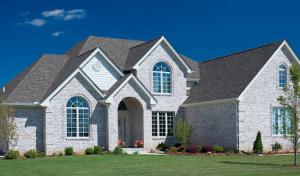
The barrier-island setting means wind-driven rain can slam against skylights and chimney bases with sideways force, pushing water under aging or poorly integrated flashing. Local contractor signals show frequent work around skylights and chimneys, which are common leak points when coastal wind drives rain sideways under aging flashing. In Long Beach's salt-air environment, metal flashing around skylights, chimneys, and roof penetrations can deteriorate faster than homeowners expect. These realities make a proactive approach to detailing and sealing penetrations essential, not optional.
Flashing exposed to salt air loses its protective coatings sooner, and small gaps become big leaks once Nor'easter winds pick up. The combination of hot sun, salt mist, and repeated wind gusts accelerates oxidation and metal fatigue, so the risk isn't just cosmetic. The city's emphasis on flashing during inspections isn't arbitrary: failed or undersized flashing is a primary driver of interior damage after storms. On reroofs in this area, those flashing details deserve front-line attention and precision, not afterthought repairs.
When a roof is being replaced, expect heightened scrutiny of skylight-to-roof transitions and chimney bases. The city's inspection emphasis on flashing makes these details especially important on reroof projects in Long Beach. Expect contractors to evaluate step and counter-flashing, sealants compatible with salt spray, and the integration of flashing into shingle courses or metal roofs. A substandard install here often shows up as a slow, creeping leak after the first winter storm or a strong wind event.
Maintenance should target joints around skylights and chimneys first, especially after storms. Clean and reseal any visible seams, check for loose fasteners, and verify that flashing laps are properly overlapped and tucked under roofing material with no gaps. If aging or corrosion is visible, re-flashing with corrosion-resistant metal and improving the drain paths around penetrations minimizes the chance of water tracking under shingles during sideways rain.
Find contractors experienced in skylight installation, flashing, and leak repairs to bring natural light into your home.
Integrity Remodeling Roofing & Siding
(516) 373-0095 integrityremodelingny.com
564 E Hudson St, Long Beach, New York
5.0 from 99 reviews
Roofing work in Long Beach is often planned for milder, drier parts of the year because Long Island winters, humid summers, and coastal storms all complicate installation. The goal is to align tear-offs, underlayment, and flashing installation with days that minimize exposure to salt air and wind-driven spray. The timing you target should favor long stretches of dry weather and manageable humidity, so crews can complete critical tasks without rework from sudden seas breezes or sudden downpours. If a project hinges on a precise sequence-remove old materials, seal, lay underlayment, then install flashing-the calendar matters as much as the forecast.
Winter storms and freezing temperatures can delay tear-offs and make material handling harder on exposed barrier-island sites. Prolonged cold snaps cause shingles to become brittle and adhesive products to lose effectiveness, while high winds complicate safety and staging. If you must schedule work in the colder months, plan for shorter, more frequent sessions rather than long, uninterrupted pushes. Have a clear contingency plan for insulation and interior protection in case nighttime freezing events coincide with a roof opening. For projects that span the winter, ensure you build in extra days for material acclimation and temporary weatherproofing between stages.
Summer heat and humidity can slow crews and affect adhesive performance, especially for underlayment, tape, and sealants. Afternoon heat can make ventilation and ladder staging more challenging, increasing the risk of heat-related fatigue and material handling errors. Concrete and metal components expand with heat, so allowance for expansion during fastening becomes important. If a long span of dry, moderate days exists, aim to concentrate critical steps-like flashing and ventilation integration-during cooler mornings to protect long-term performance.
Spring and fall Nor'easters can interrupt open-roof work with little margin for error near the coast. Around coastal exposure, a few days of calm, steady weather suffice to advance work, but back-to-back storms can undo progress and expose the roof to wind-driven water intrusion. Build buffers in the schedule to absorb weather interruptions, and coordinate with the crew on shade, wind direction, and staging areas to protect delicate flashing details and fasteners. The rhythm of these shoulder seasons benefits planning accuracy and reduces the chance of rework when seas are rough.
In this barrier-island setting, the best choice is a contractor known for rapid response, thorough cleanup, and reroofing know-how. Leaks and wind-driven water intrusion demand a crew that can be on site quickly after a storm and finish without leaving debris or exposed edges. A contractor with steady, nearby crews tends to handle coastal nuances-like tying into ventilation properly and detailing seams-more reliably than a purely mobile operation.
Long-established, family-owned firms are a common sight, and their longevity often translates to stability for homeowners. When you narrow your list, verify licensing and insurance as part of the permit submission process. This protects you from gaps in coverage and ensures the contractor carries protection for both employees and your property. Look for contractors with clear references from local neighbors who faced similar coastal conditions and know how to prioritize leak control during storms.
Coastal detailing matters more than any single shingle brand. Ask specifically about flashing replacement, not just the roofing material. Confirm the ventilation strategy-how attic or roof venting will be maintained or improved to prevent moisture buildup in salty air. Inquire about post-job cleanup: how fast the site will be cleared, how tarps or containment will be used during work, and how nail-downs and debris will be removed from your yard and curbside. A trustworthy bidder will provide a concrete plan for securing long-term performance against Nor'easters and wind-driven rain.
Beyond price, compare each contractor's proposed scope for leak control, flashing details, and storm-ready installation steps. Favor crews that show a documented process for flashing replacement, attic ventilation assessment, and a completion checklist focused on cleanup and site protection. If a contractor hesitates on any of these coastal specifics, keep looking. The right choice aligns fast response, thorough coastal detailing, and dependable cleanup with your goal of a durable, low-disruption reroof.