Last updated: Apr 19, 2026
In blocks where a neat front pitched roof meets a low-slope rear addition or porch, leaks almost always start at the transition points. Those seams and shift points are where rainwater has to change direction, and when winter ice blocks eaves or backs up at joints, moisture finds the path of least resistance-often along a roof-to-wall joint or a mechanical flash where the two roof styles meet. Pay close attention to the rear decks and covered porches, where the slope change is most abrupt and drainage is weakest after a heavy rain or thaw. If you notice staining or damp spots first on the ceiling of a rear bedroom or in a narrow hall ceiling beneath the addition, treat that area as a red flag that a hidden leak is siphoning water in from a neighboring transition.
Queens winters punch hard at the edges of the roof, and Saint Albans homes with marginal drainage are especially vulnerable. Freeze-thaw cycles push water up and under shingles and around eaves, then release it with meltwater that can migrate toward joints and fasteners. Older homes with aging soffits, clogged gutters, or sagging fascia pieces compound this risk. The most common trouble occurs where that water is forced to back up at eaves or at roof-to-wall joints, right where the low-slope section abuts a steeper, front-end roof. When the water doesn't shed quickly, it penetrates through minor gaps, then travels along rafter tails and into the attic or interior wall cavities. The result is often delayed, manifesting as ceiling stains in upper-floor rooms or at the rear extension where access is tight and leaks aren't discovered until they've already caused damage.
Closely spaced homes in Saint Albans mean side-yard access is frequently tight, so small leaks are often left untreated until staining appears inside upper-floor bedrooms or around rear additions. This delay lets moisture creep along hidden channels, sometimes traveling along flashing, nail heads, or under shingle laps before showing up as interior damage. The most reliable early clues include: damp patches around the wall sheds adjacent to the rear structure, darkened ceiling areas beneath the low-slope roof lines, and a musty odor in attic spaces after a heavy rain. Because access is limited, you should inspect from the attic during a dry test or enlist a fellow homeowner for a careful exterior check after a storm. If you notice even a trace of staining or a soft, moldy patch near the transition zones, treat it as a priority repair candidate rather than waiting for a larger failure. Acting quickly on these early signs helps prevent widespread interior damage and longer, more invasive fixes.
Storms bring wind-driven rain bands and thunderstorm activity that hit roofs in this area hard, especially on low-slope rear sections and attached homes with dense lot patterns. After a winter of freeze-thaw cycles, those roofs may look fine from the ground but show up with missing shingles, displaced flashing, or new leaks after a heavy rain or strong gust. The variability on older homes, with patched patches and previous repairs, makes the roof more vulnerable to these post-winter events. When a storm shifts direction quickly or storms roll through backyards and alleys, you may see shingles curl or lift in spots that never faced a direct wind before.
Documentation is your strongest ally when storms cause roof damage. New York carriers often want photo documentation, date-stamped damage records, and evidence that multiple shingles or roof areas were affected before approving larger repairs or replacement. The goal is to demonstrate a pattern of damage across the roof rather than a single isolated blemish. Start with a clear, well-lit photo set that captures the overall roof face, the attic or ceiling interior as appropriate, and close-ups of any missing shingles, lifted flashing, or staining from leaks. Date-stamped photos are ideal, so use a camera or phone that records the time and date, and keep a running log of when you first noticed issues and after each heavy rain event.
In practice, gathering evidence means more than snapshots. Take a few panoramic shots from different vantage points to show your roof's exposure to wind and rain, then zoom in on any irregularities. If there is interior water intrusion, photograph water stains on ceilings or walls, check for signs of mold or musty odors, and note the location in relation to the roof line. For Saint Albans, where many homes have mixed-pitch roofs, flashing seams, valleys, and transitions between sections are common leak sources after storms. Document these transition zones specifically: ridge lines, chimney flashing, skylight flanges, vent boot installations, and where a low-slope section meets a steeper pitch. The more areas you show as affected, the stronger your case for necessary repairs.
Communicating with the carrier requires a concise narrative alongside your visuals. Start with the date of the most significant storm event and describe typical wind direction and rainfall intensity if known. Note any existing damage from prior patch work, especially where patch history is visible on the roof or fascia. Explain how the storm seems to have caused or exposed the latest issues, but avoid implying guarantee of preexisting conditions. If multiple sections show damage, map them to help the adjuster visualize how widespread the impact is. In older homes, adjusters may separate sudden storm damage from long-term wear; your documentation should emphasize sudden changes attributable to the event, while still acknowledging the roof's age-related vulnerabilities on the underside if relevant.
Practical staging for the claim process helps reduce back-and-forth. Keep the original, unedited photos in a dated folder and provide a secondary set of annotated images highlighting key problem areas. If you can, obtain a note from a credible third party-such as a trusted contractor or a neighbor who observed the storm impact-that corroborates the timing and extent of the damage. Because many roofs in this area have low-slope sections that blend with steeper pitches, you should also document any irregular drainage concerns that followed the storm, like pooled water on low-slope areas or gutter overflow, which may compound leak issues.
Finally, plan ahead for a timely follow-up after the initial inspection. If the adjuster flags long-standing wear, request a written explanation that connects the observed storm-related changes to the specific roof sections identified in your documentation. In Saint Albans, where missing shingles and flashing displacement commonly appear after non-hurricane events, a clear, organized record now can prevent delays and help align expectations for repairs or replacement.
Find local contractors experienced in assessing and restoring roofs after hail, wind, and severe weather events.

Paragon Chimney & Roofing of Queens
(347) 544-9554 paragonchimneyandroofing.com
Serving
5.0 from 482 reviews

Royal Roofing & Siding - Long Island
(516) 252-3001 www.gafroofinglongisland.com
Serving
5.0 from 26 reviews
Power Roofing & Siding Queens NY
(718) 908-8851 powerroofingnyc.com
Serving
5.0 from 20 reviews
Power Roofing & Siding Queens NY delivers top-quality roofing and siding solutions to homeowners throughout the Queens region. We handle everything from minor repairs to complete roof replacements and siding installations, ensuring lasting protection and curb appeal. Choose us for our commitment to reliable service, transparent pricing, and exceptional workmanship backed by years of experience. What sets us apart is our dedication to exceeding customer expectations and using only premium materials for durable, long-lasting results. Contact us today for a free quote and let us enhance your home's safety and value.

Reliable Seamless Gutters
(347) 416-0771 reliableguttersroofers.com
Serving
4.9 from 94 reviews
Reliable Seamless Gutters is your trusted partner for professional roofing and gutter services that not only enhance the overall aesthetics of your home but also provide essential protection against the most challenging weather elements. Our team consists of highly trained contractors who take pride in their workmanship and go the extra mile to ensure your satisfaction. We specialize in installing quality gutters and roofing systems tailored to your needs. When you choose us, you can expect a thorough consultation to assess your home and discuss the best options. Our meticulous installation ensures every component fits perfectly for optimal effectiveness and durability. Trust us to provide a reliable roofing and gutter system for years.
EA Chimney & Roofing
(718) 480-8350 eachimneyroofing.com
Serving
5.0 from 106 reviews
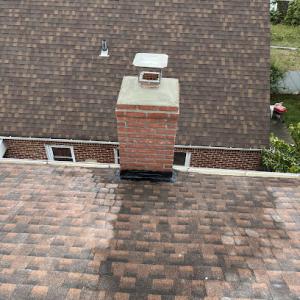
EA Chimney And Roofing has been safeguarding homes since 2009. Specializing in roofing services, we bring expertise and dedication to every project. Located in Jamaica, NY, we're committed to providing reliable solutions, ensuring the safety and beauty of your home's essential structures. Trust EA Chimney And Roofing to protect what matters most.

Santamaria Roofing
(516) 808-7872 santamariaroofingservices.com
Serving
5.0 from 34 reviews
We haves the best materials

Paragon Chimney & Roofing of Queens
(347) 544-9554 paragonchimneyandroofing.com
Serving
5.0 from 482 reviews
Paragon Chimney & Roofing is dedicated to providing top-quality chimney and roofing services. Our team ensures safety, reliability, and customer satisfaction. Serving New York, we pride ourselves on expert craftsmanship and prompt service. Trust Paragon for all your chimney and roofing needs.
Island Roofing
(516) 303-7663 www.islandroofingus.com
Serving
5.0 from 190 reviews
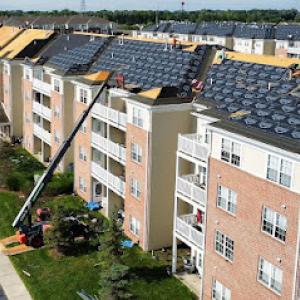
With over 25 years of proven expertise, Island Roofing is a roofing company delivering top-tier solutions for commercial, industrial, and residential projects. We serve Long Island, New York, and 30 other states in the Eastern U.S. As a reliable roofing contractor, we’re known for our use of top-grade materials, expert craftsmanship, and honest service. We handle it all, from residential roofing, commercial roofing, multi-family roofing, and preventative roof maintenance to leak repairs and emergency service. We also provide gutter installation, gutter cleaning, and gutter maintenance, all with precision and care. What sets us apart is our commitment to customer satisfaction and our relentless focus on excellence in everything we do.
Royal Roofing & Siding - Long Island
(516) 252-3001 www.gafroofinglongisland.com
Serving
5.0 from 26 reviews
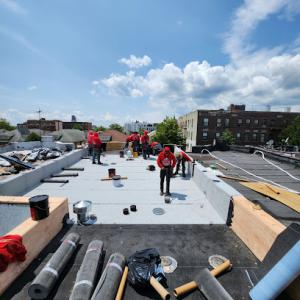
Royal Roofing Long Island, a division of Royal Renovators, provides reliable roofing and exterior services to homeowners and businesses across Nassau and Suffolk County. Our licensed and insured team specializes in roof replacement, flat and shingle roofing, leak repair, siding, gutters, and 24/7 emergency roof service. Backed by one of NYC’s most respected roofing companies, we bring trusted craftsmanship, transparent pricing, and lasting results to Long Island properties. Our mission is to protect homes and businesses with quality roofing built to last. Trust Royal to ensure complete customer satisfaction. Call Royal today for a free estimate!
Prodigy Contracting
(516) 318-0105 www.prodigycontracting.net
Serving
4.9 from 38 reviews
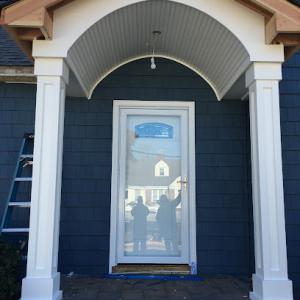
Prodigy Contracting is a Veteran owned business servicing Long Island, New York since 2005. As a GAF Presidential Master Elite Roofer, we offer our clients exceptional quality and a lifetime warranty. Our siding designs feature innovative looks, with rustic contemporary touches and attention to detail service. We use Drone Technology to provide a 360 degree rendering of your project before and highlight your beautiful results after. We look forward to meeting you. Let us transform your home into you Dream Home
HK Builders: Best Roofing Company in Flushing
(718) 479-8888 hkbuilderscorp.com
Serving
4.8 from 119 reviews
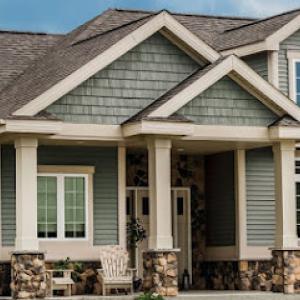
HK Builders corporation is well known name in queens for their guaranteed work. We are a top rated in roofing & siding work. From the first nail to the final creative touches our crew will turn your home into a modern, unique, and comfortable place to live. We proudly offer roofing services and siding installation. Give us a call to Schedule appointment. we provide free estimate.
Skyward
(718) 878-6748 www.skywardroofing.com
Serving
5.0 from 82 reviews
Skyward Roofing - Queens is a professional and trusted roofing company catering to the roofing needs of commercial and residential clients. With vast experience, our team of skilled experts offers quality roofing services customized to meet the special needs of every client. From new installations and repairs to inspections and maintenance, we deliver excellent artistry using quality materials and modern techniques. Dedicated to client satisfaction, we ensure timely project completion, moderate pricing, and a commitment to surpassing client expectations. Reliable, trustworthy, and efficient, we are the most sought-after company for roofing needs. Call us or visit our site for more information.
Royal Renovators
(718) 414-6067 www.nycrenovators.com
Serving
4.8 from 262 reviews
Royal Renovators is a trusted roofing contractor in Queens, serving homeowners and businesses throughout Queens, Brooklyn, Manhattan, the Bronx, and Long Island. We specialize in flat roof repairs and roof replacements for both residential and commercial properties. Since 1988, our licensed and insured team is BBB A+ Accredited and GAF Master Elite certified, working with flat and shingle roofing systems built to last. We also provide professional siding, masonry, and gutter services. From Brooklyn’s historic brownstones to Queens residential properties, clients choose us for honest, reliable roofing that withstands New York’s toughest weather. We offer emergency services for urgent leaks and storm damage. Call for Free Estimate today.
Strong Island Seamless Gutters
(347) 729-9020 strongislandexteriors.com
Serving
4.9 from 43 reviews
Strong Island Seamless Gutters is Long Island’s trusted contractor for roofing, siding, and seamless gutter systems. With over 20 years of hands-on experience, we deliver high-quality craftsmanship, durable materials, and dependable service on every project. We specialize in roof replacements and repairs, vinyl siding installation, and 5” & 6” seamless aluminum gutters, including soffit, fascia, and custom trim work. From small repairs to full exterior upgrades, we work directly with homeowners to ensure every job is completed on time, on budget, and built to last. Proudly serving Nassau and Suffolk County, Strong Island Seamless Gutters is built on strong work, strong values, and long-lasting results. 📞 Call for a free estimate.
A full re-roof here generally flows through the New York City Department of Buildings rather than a stand-alone village or town office because the neighborhood is part of Queens. That means the permit path mirrors the city's expectations for drainage, wind uplift, and overall safety, not just local convenience. The timing and sequence are not optional add-ons; they are built into the project from day one. If the plan looks hurried, the city will likely smell it in the paperwork and on-site evaluations. Expect reviews to align with the logical progression of work, from materials staging to final signoff, and prepare for possible plan clarifications that slow a smooth start.
Inspections are typically tied to stages of the job and final signoff. This structure protects both you and the house, especially after a long winter and heavy rains that stress roof systems. Contractors must demonstrate proper drainage considerations-pitch, scuppers, and downspout compatibility-with city expectations clearly in view. Wind uplift compliance is another non-negotiable checkpoint, particularly on low-slope or mixed-pitch roofs common in this area. If drainage isn't validated at the first inspection, expect a restart or costly revisions, which can extend the project timeline and complicate insurance and tax documentation. The final signoff confirms the work meets the city's safety and performance standards, so rushing the last steps can lead to disputes or post-completion calls from the inspection office.
On Saint Albans lots with limited frontage and narrow driveways, material delivery, debris handling, and sidewalk protection planning can affect how smoothly the permit and inspection process goes. Access constraints mean the contractor must stage materials with minimal disruption to neighbors and street use. This can require precise scheduling, protective decking over sidewalks, and secure containment for debris. Plan for temporary storage near the property line rather than pulling materials through living spaces or neighboring yards. If street conditions or tree roots complicate access, communicate early with the permit office and the inspection team about workable delivery windows and waste management strategies to avoid hold-ups at critical inspection points.
Failing to align the project with city drainage and wind standards is one of the most common sources of delays and rework. Another frequent pitfall is underestimating the coordination needed for staged inspections-ignoring them can leave crews idle or require rebooking with the city. Weather-affected timing after a harsh winter increases the risk of moisture intrusion if sequences slip. Remember that the city's rules apply regardless of the contractor's familiarity with the neighborhood; a plan that looks good on paper but lacks city-validated drainage calculations or wind uplift design will be stalled.
To reduce friction, ensure the project plan explicitly notes drainage strategy, roof scope, and staging logistics for narrow lots. Share a realistic ventilation and insulation plan that aligns with city expectations and the project's range of pitches. Clear, proactive communication with the contractor about inspection milestones helps keep the permit path steady and minimizes the chance of surprise hold-ups during critical review moments. Maintaining this disciplined approach is especially vital after winter's freeze-thaw cycles and the frequent storm-driven leak calls that characterize the area.
In this neighborhood, roofing pricing reflects New York City labor rates, disposal logistics, and the realities of dense lot patterns. When a roof ties into low-slope sections or sits behind chimneys and dormers, crews spend extra time detailing edges, flashing, and drainage connections. That additional labor shows up even if the house footprint is modest. Materials may be the same per-square, but the final bill often carries a premium for the complexity of the build and the urban logistics of moving equipment and debris through tight spaces.
Asphalt shingles remain the most common choice for cost-conscious repairs and replacements, typically ranging from 350 to 800 per square. Metal roofing, with its longer life and better ice-damming resistance, tends to run 800 to 1,800 per square in this market. For the look and durability of clay or concrete, budget 1,100 to 2,600 per square for clay and 900 to 2,000 for concrete. Wood shingles or shakes usually land in the 700 to 1,400 range, while slate climbs significantly to 1,800 to 3,500 per square. In Saint Albans, the price gaps between materials blur if the roof has multiple pitches, low-slope tie-ins, or a crowded layout; each factor adds crew time and potential specialty flashing.
Storm-driven demand spikes in Queens tighten scheduling windows, especially for emergency dry-ins, tear-offs, and mid-season replacements. After a harsh winter with ice damming and a heavy rain sequence, leaks often appear at mixed-pitch joints and low-slope transitions. When planning, expect potential price increases during busy weather periods and be prepared for longer lead times if your roof requires additional inspections, ventilation checks, or custom flashing details to block future leaks.
Get a written material-and-detail scope that includes edge metal, flashing at chimneys, and low-slope tie-ins. Ask for a couple of bid options that explicitly cover debris removal and site protection in tight yards. If replacement is being weighed against repair, compare the long-term value of each option-especially with metal or tile-given Saint Albans' freeze-thaw cycles and storm exposure.
Asphalt shingles fit much of Saint Albans' housing stock because many detached and semi-detached Queens homes were built with conventional pitched roof forms and are cost-sensitive on replacement. They are familiar to local contractors, relatively quick to install, and deliver dependable performance when paired with a solid underlayment and proper attic ventilation. For homeowners facing typical Queens weather, a 30-year or better shingle with alkaline resistance and good granule retention can provide a straightforward, durable roof that keeps the budget predictable while preserving curb appeal.
Low-slope sections common on rear additions may need a different roofing system than the main shingle roof, so homeowners should not assume one material works across the entire house. In Saint Albans, those rear or secondary slopes are more prone to ice damming and leakage after heavy winter freeze-thaw cycles and spring storms. A dedicated approach-such as a low-slope membrane or a metal cladding system installed over the existing deck-can dramatically reduce seam vulnerabilities and standing water. When considering upgrades, assess how water flows from the main roof onto any flat or low-slope surface and ensure proper edge detailing, flashing transitions, and drainage paths to the gutter system.
Heavier materials such as slate, clay tile, and concrete tile appear in the broader local market but can be a structural and cost decision on older Queens framing rather than a simple style upgrade. If the home's framing lacks the strength or attic clearance for heavier systems, installation challenges will be persistent and could require reinforcing structural members or reconfiguring ceiling heights to maintain living space. For some homes, traditional asphalt or a mid-weight metal roof offers a practical balance: improved durability and wind resistance without placing undue stress on older framing. Evaluate attic insulation, rafter spacing, and existing drainage to determine whether a heavier system can be supported long-term.
Mixed-pitch designs are common in densely packed blocks where additions modify the roofline without a full overbuild. In Saint Albans, attention to flashing continuity where pitched sections meet low-slope areas is essential. Choose materials that can integrate with both a visually cohesive appearance and reliable weather protection. For homes with a legacy roofline, coordinating fasteners, underlayment, and thermal expansion tolerance across different roof pitches helps prevent leaks after heavy rain events. A thoughtful plan that accounts for seasonal shifts and storm-driven leaks will keep the roof resilient season after season.
The most popular roofing material in the US. Find pros who install, repair, and replace asphalt shingles.
Paragon Chimney & Roofing of Queens
(347) 544-9554 paragonchimneyandroofing.com
Serving
5.0 from 482 reviews
Saint Albans homes frequently have masonry chimneys and multiple roof planes, and those intersections are recurring leak points in Queens service calls. Where two roof slopes meet or where the chimney pierces the roof line, flashing can fail or pull away after winter ice and spring's heavy rain. If mortar joints crumble or the chimney cap loosens, water finds easy paths into the attic and along interior ceilings. Inspect around chimney bases each spring and after strong storms; look for hairline cracks in grout, rust on flashings, or tan discoloration on roofing felt near the chimney step-flashing. Small weep holes or gaps left unaddressed can turn into large leaks once heavy runoff arrives.
Skylights were added to some older roof systems, and flashing details often age differently than the surrounding roofing. In Saint Albans, those weak points become vulnerable during heavy rain because the surrounding roof may still shed water normally while the skylight flashing has settled or shifted. Check for bubbling on interior ceilings near skylights after storms, and pay attention to dried sealant lines on the exterior. If flashing shows fish-mouths, loose fasteners, or visible daylight around the perimeter, plan for targeted resealing or flashing replacement rather than a full roof refresh. Consistency matters: mismatched flashing ages faster and invites leaks where least expected.
Rear dormers, porch roofs, and addition tie-ins are especially important in Saint Albans because many homes have been altered over time, leaving multiple generations of flashing in one roof system. Where old transitions meet newer materials, construction gaps can trap water and corrode underlayment. On walk-arounds after ice melt, look for inconsistent shingle lines, rising granule loss, or staining where older sections butt against new ones. Addressing these seams promptly can prevent cascading leaks into living spaces.
In late winter and early spring, run a visual sweep across all transitions: chimneys, skylights, dormers, and porch roofs. Tap gently along flashing edges to feel for loose sections, and keep a close eye on valleys where multiple planes meet. A small misalignment here often proves far more costly if ignored through another freeze-thaw cycle. Maintain clear drainage paths by removing debris from scuppers and gutters, ensuring water moves away from joints rather than pooling near vulnerable flashing. If any flashing shows corrosion, cracking, or displacement, prioritize repair before the next heavy rain. For many people in the neighborhood, timely, targeted fixes save more moisture than a full-scale roof overhaul.
Find contractors experienced in skylight installation, flashing, and leak repairs to bring natural light into your home.
Paragon Chimney & Roofing of Queens
(347) 544-9554 paragonchimneyandroofing.com
Serving
5.0 from 482 reviews
In New York, standard homeowners policies usually cover documented wind and hail damage, but Saint Albans owners should expect close review of maintenance history on older roofs. Insurance opinions increasingly hinge on the roof's age, prior claims, and visible wear, even before a loss occurs. When a storm hits, a clean record of overall upkeep can help avoid surprises at renewal. If a roof shows patchy repairs or widespread granule loss, underwriting may tighten terms or request proof of recent maintenance.
Tighter underwriting in parts of the New York market means roof age, prior claims, and visible wear can affect renewals or replacement-cost terms even before a loss occurs. After a storm, gather exterior damage photos, note dates, and collect any contractor findings promptly. Interior signs of leakage, such as stained ceilings or warped plywood, should be logged with dates and locations. A simple, organized file that traces maintenance, roof-replaceable components, and a timeline of repairs helps clarify the condition when an underwriter reviews a claim. Delays in reporting can complicate the process and potentially weaken a claim.
Keep a dated record of storm dates and ensuing leaks, even if repairs are quick. Have a trusted local roofer assess visible wear on low-slope and mixed-pitch roofs common in the area, and request written assessments after each major weather event. When filing, attach exterior damage photos, interior leak evidence, and the contractor's findings. A clear, timely report supports a smoother underwriting review and helps ensure that any legitimate claim is evaluated on the merits of the roof's current condition, not past neglect.
Connect with contractors who help homeowners navigate the claims process from damage assessment to final approval.
HK Builders: Best Roofing Company in Flushing
(718) 479-8888 hkbuilderscorp.com
Serving
4.8 from 119 reviews