
Last updated: Apr 19, 2026
Lake Erie's pull on Lorain's weather means your roof faces a relentless cycle: lake-effect snow piling up, wind-driven moisture slamming into the eaves, and dramatic temperature swings that turn a small leak into a winter emergency. The constant freeze-thaw rhythm gnaws at flashing, vents, and edge details long before the thaw of spring. When a homeowner sees snow piled high along the gutters, the risk is not just a surface issue-it's a signal that every vulnerable seam and penetration is under pressure. In this climate, a cold snap can turn a damp attic into an ice dam disaster in days, or even hours, if the roof isn't prepared.
Freeze-thaw cycling in Lorain commonly opens vulnerable areas around flashing, plumbing penetrations, valleys, and chimney intersections after winter weather. When meltwater refreezes at the eaves, it creates a dam that pushes water back under shingles and into the attic or ceiling. This is not a minor nuisance here; it's a common pathway to interior damage, stained ceilings, and mold-concerned insulation. The phenomenon is intensified by shallow roof pitches on many older homes and by the way lake-effect storms deliver bursts of wet snow that melts and refreezes in a tight corridor along the roof edge. The result is a slow, creeping leak that shows up only after a heavy weekend thaw or a sudden deep freeze.
Anywhere two roof planes meet-valleys, around vents, stacks, chimneys, and skylight interfaces-are the most vulnerable during Lorain winters. Expand-and-contract cycles widen gaps, and old sealants crack under repeated stress. In practical terms, this means you should inspect and protect these junctions before the first snow arrives, and monitor them as new ice forms slide or as roof loads shift with the wind. The problem compounds if gutters or downspouts are clogged, directing water toward vulnerable corners rather than away from the house. Proactive sealing, flashing upgrades, and proper backup measures at these hot spots are not optional in this climate; they're essential to slowing the winter assault.
Winter snow and ice accumulation in Lorain can delay tear-offs and emergency access, making leak containment and temporary protection especially important during active weather. When a storm is rolling in and a leak starts to scream for attention, it's critical to have tarps, plastic sheeting, and a plan to divert water away from living areas. A quick, temporary cover over the most vulnerable valleys and penetrations can buy precious hours to arrange a proper repair. If you notice moisture pooling on ceilings or heat escaping from attic hatches after a melt, treat it as an urgent signal rather than a cosmetic issue. The strategy is to create a barrier that buys you time while you coordinate a professional assessment and a more permanent fix.
Begin with a focused inspection of flashing around chimneys, vents, and transitions where the roof meets wall lines. Look for loose or cracked sealants, missing metal shoes, or corroded fasteners. Clear gutters and ensure downspouts direct water away from the foundation. Check attic insulation and ventilation, because poor airflow accelerates ice dam formation; a balanced ventilation system reduces interior heat buildup that fuels uprisings along the eaves. Schedule a winter-ready roof check with a contractor who understands lake-effect conditions, and insist on a plan that strengthens flashing, improves drainage at key corners, and provides a robust temporary protection strategy for potential ice dam events. In Lorain, preparedness is the difference between a minor repair and a traumatic winter leak.
When a summer storm rips through the lake breeze, you won't get a clean, single-damage picture on most rooftops. In this city, you'll often find a mix: missing shingles where hail or wind ripped them away, lifted tab shingles that reveal underlayers, dented metal flashing along valleys and edges, and flashing that shows scuffing or separation from the roof deck. The combination matters because insurers and adjusters read it as a storm event with possible secondary issues-like compromised ventilation or ice dam risk-that can grow if ignored. The moment you notice missing shingles or lifted tabs, treat it as urgent. A quick, targeted assessment helps you map exactly where water can intrude and where gaps can form along valleys, chimney flashing, and vent boot penetrations.
In this Ohio insurance climate, a large regional hail event can tighten underwriting quickly. Carriers may push for more stringent documentation before approving a claim or releasing funds for repairs. The ask is specific: detailed roof photos that show all surface wear and damage, precise inspection notes that pin down the roof's condition, and steady, thorough records of permits and contractor activity. In practice, this means you should prepare a clear, dated photo log that captures every visible flaw-from loose granules and dented metal to torn flashing and signs of water staining inside attic spaces. When you're coordinating with a contractor, insist on a written narrative that ties each exterior finding to a likely water leak path. Without that, a claim can stall or be disputed, especially when the storm's damage blends with seasonal wear.
The challenge in this area is telling fresh damage from older wear that winter freeze-thaw cycles have worsened. Older shingles may show curling, granule loss, or small cracks, but recent wind and hail often produce crisp impacts, torn edges, and displaced components. Your documentation should explicitly separate these timelines: date-stamped photos of new dents or lifted tabs vs. wear patterns that appear consistently across multiple seasons. A careful contractor's note should map seasonal contrasts-how freeze-thaw cycles may have expanded preexisting gaps in step flashing or penetrations around vents. That distinction matters when an adjuster assesses depreciation, replacement needs, or potential preexisting conditions that aren't part of the storm's impact. Keep a simple diary of weather events and any basement leaks or attic staining you notice after rainstorms.
Act with urgency on signs of visible damage. Start by staging clear, high-resolution photos from multiple angles-especially along hips, ridges, valleys, and around all penetrations. Have a trusted contractor conduct a concise interior check for signs of moisture intrusion, such as staining around vents or in attic spaces. If you suspect compromised flashing, don't delay-temporary measures that isolate vulnerable roof sections can prevent further water entry while you gather documentation. As you document, keep contractor correspondence tight and consistent: dates, names, scope descriptions, and agreed-upon next steps. This disciplined approach minimizes the risk of misinterpretation by an adjuster and keeps the claim process moving in a storm-rough city where rapid weather changes are the norm.
Storms often affect blocks similarly, and contrasting your roof with nearby homes can reveal patterns-shared hail impact zones, widespread flashing wear, or gaps that appear after heavy winds. Talk to neighbors to confirm if they're seeing the same problem areas, especially along ridge lines and chimney walls. A collective photo set and a unified notes packet can help a local contractor present a coherent picture to the insurer, reducing the chance of fragmented or contested claims. In Lorain, that collaborative approach streamlines both the assessment and the path to a durable, weather-ready repair, especially when winter's freeze-thaw cycle is right around the corner.
Connect with contractors who help homeowners navigate the claims process from damage assessment to final approval.
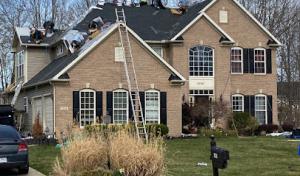

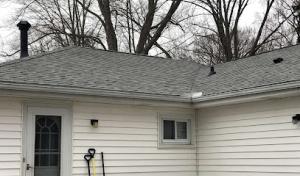
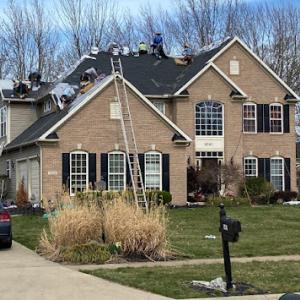
Journey Home Restoration
1820 Iowa Ave, Lorain, Ohio
4.7 from 99 reviews
We specialize in storm restoration work and help clients navigate the complexities of insurance restoration. Roof, siding and gutters plus interior restoration from water damage.
Ideal Roofing & Sheet Metal
(216) 631-0080 www.idealroofingclevelandoh.com
1136 W 37th St, Lorain, Ohio
3.4 from 12 reviews
Ideal Roofing & Sheet Metal has been serving Cleveland, Ohio and surrounding areas for over 115 years. With decades of experience, you can be confident that we will provide exceptional roofing services to each and every customer that we serve. Our team is experienced in the business and trained to complete the job following all safety regulations.
Bill Jackson Roofing
(440) 577-5082 billjacksonroofing.com
Serving
4.9 from 41 reviews
Bill Jackson Roofing is a roofing contractor in Elyria, OH serving Avon, Sheffield Lake, Amherst, North Olmsted, Bay Village, and nearby areas. Our roofing company offers residential roofing, asphalt shingle roofing, metal roofing, residential roof repair, residential roof replacement, commercial roofing, and more. Customers love us because of our comprehensive roof warranties and our affordable roof financing options. We also have industry affiliations and certifications such as Owens Corning Platinum Preferred Contractor and many more. If you want to experience how your most trusted Elyria, OH roofing company embraces our motto "Protect Your Home or Business With Expert Roof Installation Services", call us now for a free estimate!
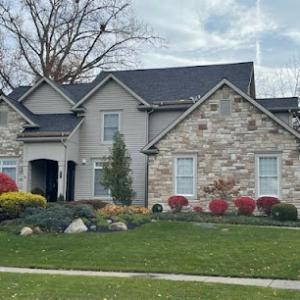
Farley's Roofing
(440) 322-1142 www.roofinglorain.com
Serving
5.0 from 33 reviews
Farley's Roofing, Inc., based in Elyria, OH, is the leading roofing specialist in the region, serving Lorain, Amherst, Oberlin, Elyria, and neighboring areas since 1994. We offer expertise in commercial and residential roofing, including re-roofs, tear-offs, flat roofs, and metal roofs. For all your roofing requirements, reach out to Farley's Roofing, Inc. in Elyria.
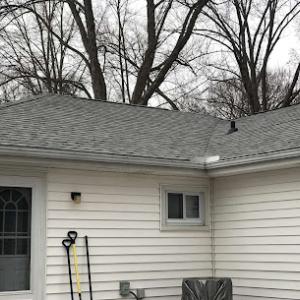
LuBucks Roofing Company
(440) 371-9981 www.lubucksroofingcompany.com
Serving
5.0 from 12 reviews
LICENSED. BONDED. INSURED. Residential Roofing Professionals. New Roofs, Re Roofs, Flashing, Gutters, Storm Damage, Insurance Claims, Shingle Repair. Fascia, Leaks, Wood replacement, Venting, Ridge Venting.
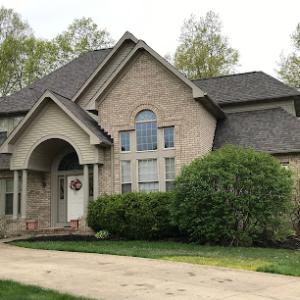
Coates Bros Roofing
(440) 595-4675 www.coatesbrosroofing.com
Serving
4.9 from 60 reviews
Coates Bros. Roofing is located in Lorain County and serves the Cleveland area. We specialize in commercial and residential roofing and gutters. We have built our reputation on quality workmanship and look forward to helping you with all of your roofing needs. Whether you are in need of a small repair or a complete tear-off, we are here to assist you from the beginning phase through completion with professionalism and integrity!
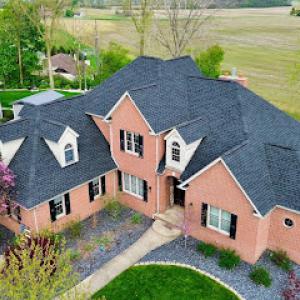
M&T Roofing & Restoration
(440) 201-4341 mtroofingandrestoration.com
Serving
5.0 from 75 reviews
M&T Roofing and Restoration is a trusted, family-owned roofing company based in Elyria, OH, proudly serving Northeast Ohio. As a GAF Master Elite® certified contractor, we specialize in residential and commercial roofing, siding, and storm damage restoration. From full roof replacements to emergency repairs, we deliver expert craftsmanship, premium materials, and industry-leading warranties. Our team services Elyria, Avon, Strongsville, Lakewood, Cleveland, and surrounding areas. We offer free estimates, fast response times, and a strong commitment to customer satisfaction—reflected in our 5-star reviews. Whether you need asphalt shingles, metal roofing, or siding work, M&T Roofing and Restoration is here to protect your home or business.
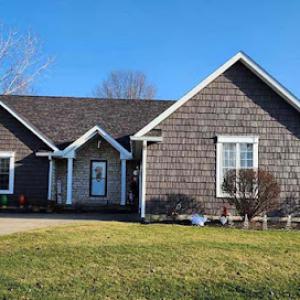
Martin's Home Improvements
(440) 522-8913 www.martinshomeimprovementsoh.com
Serving
5.0 from 32 reviews
Whether you need to fix some worn-out features or upgrade to a more modern style, you'll need to find a home improvement company that can bring your vision to life. For all your exterior renovation needs in North Ridgeville, Elyria, OH and the surrounding areas, count on Martin's Home Improvements. We've been the go-to for exterior property improvements in our community for over two decades.
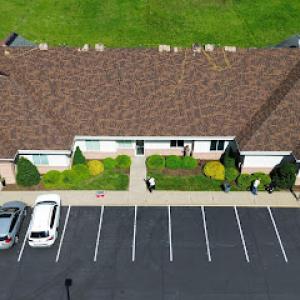
Dan Williams Roofing
(440) 282-6006 www.danwilliamsroofing.com
Serving
4.1 from 9 reviews
If you need roof repair after a storm or a complete roof replacement, Dan Williams Roofing in Lorain, OH can get your property back in shape. These roofing contractors have been providing expert roofing services since 2000, and they have the skills, experience, and knowledge to complete any project—large or small—safely and properly. When you need roofing services from a contractor who works hard and will get the job done right then contact Dan Williams Roofing. In addition to roof installation and repair, they also provide gutter replacement and skylight installation. To request a free estimate, call (440) 282-6006 or go online.
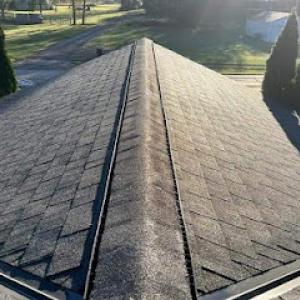
AllPro Exteriors
Serving
5.0 from 16 reviews
AllPro Exteriors, LLC is the roofing company to call for quality roof repair, replacement, and 24/7 Emergency services. We work with materials like Spanish tile and wood shake, to make your home the pride of the neighborhood.
Upper Level Roofing & Construction
(330) 410-5320 www.gotheupperlevel.com
Serving
4.9 from 29 reviews
The experts at Upper Level Roofing and Construction, Inc have decades of combined experience providing superior roofing, siding and construction repairs and installation. Our professional, reliable exterior service experts have your complete satisfaction in mind. From new roof installation and repairs through replacement windows and premium siding and additions, our team has real world experience servicing countless customers.
Roofs Reimagined
(216) 622-5859 www.reimaginedroofs.com
Serving
5.0 from 18 reviews
Roofs Reimagined is a premier roofing company committed to delivering exceptional roofing, storm repair and gutter solutions for both residential and commercial properties in Ohio. We pride ourselves on our dedication to quality, craftsmanship, and customer satisfaction. Our team is passionate about redefining the roofing experience and ensuring that every client receives the highest level of service and expertise. We work throughout the Ohio area and are based in Lorain and Cuyahoga county.
Asphalt shingles remain the dominant practical choice in Lorain because they fit the area's common residential re-roofing market and are widely used on older homes throughout the county. The snowy winters and spring melt put extra demand on seals and flashing, so look for shingles with good granule adhesion and a sturdy dimpling underlayment. In practice, choosing a higher-rated asphalt shingle with a reinforced image helps resist wind uplift and reduces early granule loss after repeated freeze-thaw cycles. Prioritize proper attic ventilation and a solid drip edge to keep meltwater moving smoothly to the gutters, reducing the risk of ice dams along eaves and rakes.
Metal roofing has local relevance in Lorain because snow shedding, wind resistance, and moisture performance appeal to homeowners dealing with repeated winter weather exposure near Lake Erie. If considering metal, look for standing-seam profiles or premium composite panels that minimize seams where ice can form. Metal's natural resilience to wind and moisture helps with long-term durability, but installation details matter: accurate attic ventilation, correct fastener spacing, and edge flashings designed for snow buildup prevent slow leaks tied to freeze-thaw expansion. In snow-prone months, a properly engineered snow guard plan helps control shedding while preserving a tight seal against wind-driven rain.
Tile and wood options exist in the market but require careful structural and moisture planning in Lorain's freeze-thaw conditions, where water intrusion and repeated expansion-contraction can shorten service life if detailing is weak. Clay and concrete tiles demand a strong roof deck and precise nailing patterns to prevent cracking when ice forms behind the tiles. Wood shingles or shakes can deliver classic curb appeal, but they are vulnerable to moisture swelling and shrinkage in cycles of thaw and refreeze; they also require meticulous sealing and ventilation to slow deterioration. If these materials are on the table, ensure the roof framing is up to the load and that flashing around chimneys and skylights is doubled down with high-grade sealants and continuous underlayment.
The lake-effect winter environment makes ice dam formation a common concern. A robust underlayment, continuous eave-to-peak air flow, and well-sealed penetrations help prevent water from backing up under the shingles or panels. In practice, prioritize ensuring gutter efficiency, heat cables only where needed, and properly vented attic space to keep roof temperatures even. Snow buildup near eaves can overwhelm poorly flashed valleys or step flashing; double-check that all flashing transitions-around chimneys, vent stacks, and roof-to-wall junctions-are continuous and corrosion-resistant. For any roof type, a moisture-aware approach during installation reduces the risk of premature failure from repeated expansion and contraction in inevitable freeze-thaw cycles.
In Lorain, roof replacement pricing is anchored by local market realities and the region's demanding winter weather. Use these local ranges per square in Lorain: asphalt shingles 350 to 600, metal 700 to 1100, clay tile 900 to 1800, concrete tile 900 to 1700, wood shingles or shakes 450 to 900, and synthetic or composite shingles 500 to 900. Those are the starting bands you'll see from local contractors, with variations tied to square footage, roof pitch, and existing roof condition. For a typical 30-by-40-foot roof, the per-square measurement (a roofing square) translates to meaningful dollars once tear-off and disposal are added.
Costs in Lorain can rise after regional storm events when demand surges for re-roofing and emergency work across the county's residential neighborhoods. If a neighborhood loses multiple roofs in a short window, crews, materials, and even disposal quotas can tighten, pushing bids higher. Plan for several weeks of lead time after a big thaw or blizzard, and expect wrap-up charges if crews need to extend work into harsher weather windows.
Pricing is also affected locally by tear-off complexity on older homes, winter scheduling constraints, and the need to correct ventilation, flashing, and drainage issues that inspectors commonly review. Older houses often require careful removal to avoid damage to interior trim or historic accents, plus extra attention to ice dam prevention. Ventilation upgrades, properly sealed flashing, and drainage reconfiguration can add cost but reduce future repair calls. Expect these elements to be explicitly itemized in bids, especially when the current roof has failed under freeze-thaw cycles.
When evaluating bids, compare not just the per-square price but also what is included in the scope: tear-off, disposal, underlayment, flashing, ice-guard or vented insulation, and attic ventilation improvements. If a roof is severely aged or has inconsistent decking, anticipate higher material and labor costs. For Lorain homeowners, setting aside a contingency for winter-related delays is prudent, since cold snaps can stall work and extend the project timeline.
Get a clear picture of your project costs upfront - no commitment required.
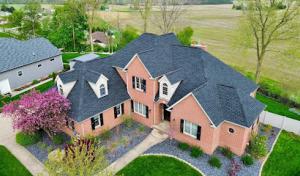
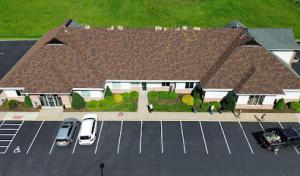
A full roof replacement in the area typically requires a permit issued by the local building department, but the exact process can vary by city or township within Lorain County. Before tearing off shingles, you should identify whether the project falls under the city building office or the township office that governs your property. That distinction matters for required forms, plan review, and any neighborhood or historic district considerations. Start by calling the local building department or checking its website to confirm the correct office and the specific steps you must follow.
Inspections in Lorain commonly occur during installation and again after completion. The emphasis is not solely on the appearance of shingles but on the roof's functional details that keep your home dry in lake-effect winters. Expect inspectors to verify that attic venting is properly sized and installed, that flashing around chimneys, skylights, valleys, and wall/edge intersections is continuous and correctly sealed, and that drainage provisions - including gutter and downspout connections and proper slope at eaves and ridges - meet code. In practical terms, this means you should be prepared to show that venting clears frost-prone areas and that flashing is integrated with new underlayment and the decking to resist ice dam development during freeze-thaw cycles.
Because procedures vary across Lorain County jurisdictions, homeowners should confirm whether their property is handled by the city or township building office before scheduling tear-off. If you're dealing with winter conditions, plan for inspections around forecasted milder days to minimize delays from ice and snow. Make sure you have all required documentation ready before the crew begins, including any permit packets, structural calculations if required, and contractor certifications. Keep in close contact with your contractor about the inspection timeline so you don't miss a required post-install check, which is crucial for a long-lasting, weather-resilient roof in lake-effect environments.
The Ohio homeowners insurance market tends to stay stable, but Lorain-area hail activity can trigger stricter roof-condition scrutiny and more detailed requests from adjusters. Leaving gaps in documentation can slow a claim or invite coverage questions after a winter, spring thaw, or summer storm that seems to fit multiple loss events. This is a place where a thorough record saves you future headaches.
Adjusters serving Lorain commonly expect date-stamped photos, a written roof assessment, and consistency between the contractor scope, any permit activity, and the claimed storm timeline. Prepare a clear narrative that ties the damage you document to a specific storm or sequence of events. Keep the timeline tight: when a satellite image or local weather report aligns with visible damage, include that, so the claim isn't questioned later.
For homeowners, documenting both exterior damage and interior leak evidence is especially important when winter ice, spring thaw, and summer storms may all contribute to the same loss history. Take wide-angle and close-up photos of shingles, flashing, vents, and valleys, then capture any staining, staining patterns, or ceiling bulges inside. Note any affected attic insulation or roof deck spots that feel soft or damp. A cohesive set of exterior and interior photos helps confirm a single, traceable cause for the loss.
Create a simple, consistent file for every claim: dated photos, a written description of the observed condition, and a summary of the repair needs from the contractor. If you have prior inspections or previous claim notes, include them to show a pattern over time. Store digital copies in the cloud and keep printed backups in a hard copy binder. The goal is to project a clear, honest history of damage that aligns with the storm timeline and the scope of work proposed.
You're likely dealing with roofs where aging chimney flashing, roof-wall transitions, and ventilation layouts have seen better winters. When Lake Erie's lake-effect snow and rapid freeze-thaw cycles hit, those aging interfaces become weak points for moisture intrusion. Reroofing over stubborn flashing and reconfiguring transitions can prevent slow leaks that sneak in during thaw events or when wind-driven rain drives beneath the edge of the roof. In homes with long, frost-tight winters, the joints that once worked well can now produce recurring drips along valleys, chimneys, and corners where vent stacks meet the roof line. A proactive update to these connections can stop small leaks from turning into larger interior issues.
Skylights and their surrounding flashing often emerge as local service signals, especially where glazing units meet snow-exposed roof planes. In Lorain, where winter moisture reversals are frequent, glazing rubbers and flashing can fail prematurely, allowing seepage right at the seam where glass meets roof deck. The pattern to watch is staining or dampness along the skylight curb after a cold snap followed by a thaw. If the flashing is aged or the skylight frame shows swelling from repeated freeze-thaw cycles, a careful reseal or targeted flashing replacement can forestall costly interior damage and protect attic insulation from moisture migration.
Contractors in this market frequently advertise chimney-related work because masonry intersections on older homes become persistent leak points during freeze-thaw seasons. Brick or stone chimneys can develop hairline cracks, mortar deterioration, or misaligned flashing that invites water migration as ice forms and expands. Even a small crack at the chase or along the flue apron can lead to attic staining, mold risk, and warped ceiling materials. Regular inspection of the chimney base, crown, and step flashing is essential, and timely repairs can preserve the roof's overall integrity when winter pressure rises.
Find contractors experienced in skylight installation, flashing, and leak repairs to bring natural light into your home.
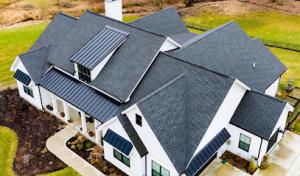
Flat and low-slope roofing is an active local specialty in Lorain, indicating recurring homeowner demand for repairs on porches, additions, garages, and mixed-roofline homes. The frequent precipitation and winter ponding risk make drainage details more critical on low-slope sections than on the main steep-slope roof alone. Pay close attention to how water exits the roof edge, transitions to higher pitches, and carries off toward internal or external scuppers and gutters. If a low-slope area sits above a living space or occupied addition, ensure the deck or interior ceiling remains dry through mid-winter thaws and late-season storms.
When low-slope sections tie into older steep-slope roofs, leak tracing often requires checking transitions, edge metal, and drainage paths rather than replacing only the visible field material. Inspect the edge metal for peeling paint, corrosion, or loose fasteners that can channel water into the roof deck. Verify that drip edges, counterflashing, and terminations sit properly against the parapet or fascia, and that sealant joints are intact without rind-like cracking. In mixed-roofline homes, keep a sharp eye on where parapets meet the low-slope surface; a small misalignment here can become a recurring leak source after freeze-thaw cycles.
Ice dam formation is a frequent Lorain concern, especially where additions widen the roof footprint. Ensure the low-slope area has adequate ventilation to limit warm roof buildup that melts snow and refreezes at the eave. Consider a continuous insulation approach if practical, and verify that any existing vents or soffit intakes are clear of snow and debris before liquids-heavy winter months arrive.
Schedule seasonal checks focusing on drainage paths, scuppers, and flashing transitions. Remove debris from gutters connected to low-slope sections, test that interior ceilings show no signs of moisture, and re-seal questionable joints after major storms. If a low-slope porch or garage roof shows consistent staining or dampness after a thaw, investigate the interior deck or ceiling toward the corresponding room to locate hidden leaks early.
Find specialists in TPO, EPDM, and built-up flat roofing systems for residential and commercial properties.
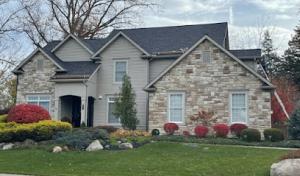
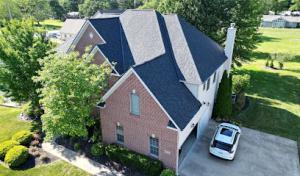
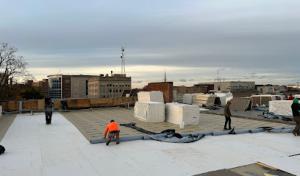
The Lorain market is dominated by residential re-roofing rather than niche luxury work, so homeowners are often comparing responsiveness, cleanup practices, and value on standard replacement jobs. When a contractor can show up promptly after a storm, assess wind-driven damage quickly, and outline a practical plan for immediate leak containment, that speed signals reliability. In this setting, a straightforward proposal that clearly explains steps, timelines, and surface preparation tends to win trust more than glossy branding.
Quick response is a strong local hiring signal, which fits a market where storm follow-up and winter leak containment matter as much as the final replacement proposal. The first call matters just as much as the first inspection. Documented communication about what to expect during a storm, how the crew will stage tarps, and where to point long-term attention (valleys, flashing, and ventilation) helps homeowners feel secure while problems are being diagnosed. A contractor's ability to coordinate rapid scheduling with weather windows is a practical competitive edge.
Cleanup included and affordable pricing appear more often than premium branding signals in Lorain, showing that practical execution is a major local decision factor. Homeowners value crews that leave no debris, protect landscaping, and address roofing dock areas so winter grit doesn't create extra problems inside. Expect a clear post-job cleanup checklist: removal of old shingles or debris, proper disposal, and a final walk-through to confirm no residual leaks or loose materials remain. The emphasis is on reliable, repeatable results that withstand lake-effect snow and freeze-thaw cycles.
In this climate, ice dams and freeze-thaw damage drive many decisions. Prioritize systems that reduce standing ice, improve attic ventilation, and ensure flashing remains secure under repeated cold snaps. Proposals should emphasize practical fixes-proper underlayment where needed, ice-dield barriers at eaves, and durable fasteners-that address the root causes of winter leaks without overcomplicating the project. A homeowner-friendly plan should pair solid workmanship with transparent, step-by-step expectations for long-term performance.