Last updated: Apr 19, 2026
You face both hot summers and cold winters, and the local freeze-thaw cycle is a primary reason flashing, shingle seals, and older roof penetrations fail. In practice, the cycle pushes moisture in small cracks and joints to expand when temperatures dip below freezing and contract as they warm. This repeated movement loosens sealants and accelerates wear around vents, skylights, and chimney flashings. If your roof already shows signs of aging-curling edges, lifted shingles, or missing granules-the freeze-thaw pattern will speed up failure unless addressed promptly after any notable freeze event or spring thaws. In older neighborhoods with dense, multi-story configurations, flashing around dormers and valleys is particularly vulnerable because valleys funnel the worst moisture and temperature swings directly onto the underlayment.
Spring and fall are typically the most practical replacement windows. During spring, you avoid the peak heat that can soften mats and shingles and complicate adhesive performance, while still catching a stretch of milder days suitable for roof work. In fall, the weather is cooler and more predictable, reducing the risk of heat buildup or sudden rainstorms interrupting installation. For homes with long-standing penetrations or older flashing, aiming for these shoulder seasons helps crews finish the job with a stable seal before the harsh winter settles in. If a storm has created urgent damage in late summer or early autumn, treat the period as a compressed window rather than waiting a full season; rotor and inspection timing should align with the forecasted lull in severe weather.
Spring storms and hail arrive first, potentially denting metal flashings, cracking shingles, and loosening sealants around vents and chimneys. After the hail season, the ensuing weeks often reveal water intrusion that wasn't obvious at first inspection. This means you should plan an early-season inspection that focuses on shingles near valleys, ridge lines, and roof edges, plus flashings around vents and skylights. Then, as autumn winds pick up and leaves accumulate, that debris can trap moisture, abrade surfaces, and push additional stress onto sealants and penetrations. The second wave of damage-driven by wind-driven debris and leaf blockages-can create hidden moisture paths that show up once the first frosts hit. Scheduling a two-step inspection approach helps you catch both waves, reducing the risk of moisture reaching the attic or interior spaces.
After winter thaws, perform a thorough exterior inspection focusing on lift at shingle edges, loose flashing, and signs of leakage around penetrations. If winter freeze-thaw cycles were severe, re-inspection in early spring is wise to confirm that seals remain intact after the first warm-up. As the calendar shifts to autumn, recheck for wind damage, fallen branches, and any granule loss from summer exposure. In neighborhoods with older roofs, a proactive mid-season check during spring storms is valuable; see if flashing around dormers or chimneys requires resealing or re-flashing before summer heat intensifies issues. These checks are most effective when performed from a safe vantage point and paired with a practical plan for minor repairs versus full replacement.
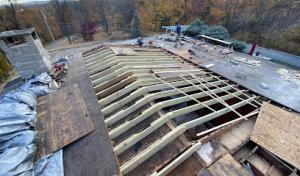
If your roof is approaching the end of its life or shows multiple failure signals, align your replacement strategy with the spring or fall windows. Ensure the chosen contractor can complete the project within the selected season, minimizing exposure to peak summer heat or winter cold. Confirm that the project plan prioritizes secure flashing around vents, chimneys, and skylights, as these areas tend to fail first under freeze-thaw stress. For homes with complex rooflines or numerous penetrations, ask about sequencing the work to address high-risk areas early in the project, followed by the remaining sections once initial seals have proven durable. The goal is to finish during a stable period, with time to cure seals and underlayment before the next winter set in.
The winter cycle here hits roofs with repeated freeze-thaw events that can push and pull at joints, flashing, and edge details. When water seeps into small gaps and then freezes, it expands and widens those cracks, slowly gnawing away at the seal you rely on every storm. In older homes, those small weaknesses compound quickly because transitions between roof planes, chimneys, and vents often weren't originally designed to handle the modern loads of repeated freezing and melting. You'll notice hairline cracks in sealant, loose shingles near the eaves, and occasional damp spots that appear after a thaw followed by another cold snap. If left unchecked, those micro-failures escalate into active leaks, especially around corners, valley intersections, and near boxed chimneys where two roof planes meet.
Roselle's housing stock carries a lot of multi-plane roofs, and many homes still rely on aging flashing details that once did the job but now struggle under years of weather. The problem isn't just a single bad flashing kick-out or a worn-upturned seam; it's the cumulative effect of multiple small failures around roof transitions. Chimneys add another layer of risk: they cast shadows, trap moisture, and create irregular nailing surfaces that can separate over time. You'll see rusting or loose step flashing, dried-out sealant, or stained lines along chimney bases that hint at hidden leaks. The consequence isn't always a full-on roof replacement; often, targeted repairs or re-flashing can stop the drip if caught early. The lesson is clear: check every transition after storms and at least once a season for displaced shingles or lifted metal edging.
Autumn in this area brings a steady fall of leaves, pine needles, and other debris that clog gutters and downspouts. When drainage is blocked, water sits at the edges and at flashing joints, where it slowly accelerates deterioration. Edge deterioration isn't glamorous, but it's dangerous: lifted shingles, loose drip edges, and corroded galvanic metal paths can become leak points long before the first snowpack of winter forms. The key is proactive cleaning and ensuring that downspouts direct water away from fascia and soffits. If you notice rainwater backing up into gutters or overflowing from the edge during a heavy downpour, that's a concrete nudge to clear the drainage and inspect the edge flashing for wear.
In this market, many homes have already weathered one roof and are seeing the end of life on the second layer or the original deck. That reality changes everything about repairs: a simple patch may not hold if the underlayment has aged, the deck shows signs of moisture, or the old fasteners have corroded. When a second layer exists, wind uplift on stormy days can become a more complex problem, and insulation and ventilation performance may suffer as the roof stack ages. If the roof has reached or surpassed its expected life with visible granule loss, curling shingles, or widespread flashing wear, consider a full assessment to determine whether a complete re-roofing solution is the most durable, long-term fix rather than piecemeal repairs.
Deal with leaks when they appear rather than waiting for a deluge. Track any new staining on ceilings, especially after heavy rain combined with freezing nights. Listen for tapping or creaking at night as ice and water move in the attic or attic vents. Pay close attention to flashing around dormers, skylights, and vent pipes; these are common leak paths that deteriorate fast in freeze-thaw conditions. In neighborhoods with older homes and multiple roof transitions, a disciplined, proactive maintenance habit saves the stress and damage of surprise storms.
Find contractors experienced in skylight installation, flashing, and leak repairs to bring natural light into your home.
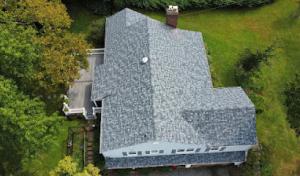
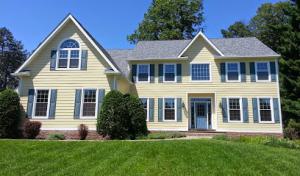
Asphalt shingles remain the dominant practical choice in this market because they fit the area's common residential roof forms and the market's affordability focus. In Roselle, you'll frequently see asphalt shingle roofs on 20-30 year homes with simple to moderately complex layouts. When the roof is older, or the deck needs repairs, the project can shift from a simple replacement to a more involved job that affects the final price. If you're weighing options, expect asphalt shingles to stay the most economical path while still delivering solid weather protection for winter freeze-thaw cycles and spring storm bursts.
Material costs in this area reflect both material price and the extra work that often comes with aging homes. Asphalt shingles are commonly priced in the low to mid range, roughly 350 to 700 USD per square, depending on shingle quality and any decking prep needed. Metal roofing commands a higher price, typically 600 to 1100 USD per square, but can yield longer service life and better wind resistance, which matters in storm-driven periods. Clay or concrete tile products rise further, from about 900 to 2000 USD per square for clay and 900 to 1800 USD per square for concrete, with weight and structural considerations more likely to influence the project. Wood shingles or shakes run in the 600 to 1200 USD per square range, offering aesthetics and insulation benefits but requiring maintenance in freeze-thaw conditions. Synthetic or composite shingles sit around 650 to 1000 USD per square, providing a durable, lower-maintenance option that still respects the local budget realities. In practice, most Roselle homes land in the asphalt or synthetic range unless the roof is significantly ornate or requires specialty installation.
Costs can rise locally when older Roselle homes require decking repairs, chimney flashing work, ventilation corrections, or tear-off of aging roof layers before replacement. Each of these tasks adds labor time and material needs, and the price for a full tear-off can be notably higher than a layover replacement. If the roof carries multiple penetrations or complicated venting, expect additional flashing and sealing work to protect the interior from winter moisture and spring storms.
Storm-driven demand spikes in Union County can affect scheduling and pricing after spring or wind events, especially for fast-turn repair and replacement work. If a severe storm hits, you may face quicker timelines but higher urgent pricing, a faster pace that can include emergency deck verification and rapid flashing adjustments. Planning ahead can help you avoid peak-rate windows: consider dry-season estimates with contingencies for potential spring surges, and keep communication lines open with your roofer to navigate weather-related delays without compromising safety or quality.
1) Assess deck and flashing needs early, especially around chimneys and roof-to-wall transitions. 2) Compare asphalt and synthetic options for cost-to-life-cycle value in the context of local freeze-thaw stress. 3) Build a weather contingency into your schedule, recognizing that spring storms can tighten timelines and inflate prices for urgent work. 4) When a replacement is likely, factor in potential tear-off costs and any needed ventilation or ridge vent updates as part of the plan. 5) Verify that the chosen contractor can manage both the structural prep and the storm-ready seal that helps resist moisture intrusion during thaw cycles.

Herts Roofing & Construction
(908) 206-4240 hertsroofingnj.com
Serving
4.9 from 114 reviews
Located at 20 Commerce Drive Suite 135, Herts Roofing & Construction is your trusted local roofing contractor, specializing in comprehensive roofing services. Whether you need expert roof repair, seamless roof replacement, or efficient new roof installation, our skilled team ensures exceptional quality for every project. We cater to both residential roofing needs, offering affordable new roof costs and detailed roof inspections. Our experience extends to various materials, including durable metal roofing and versatile flat roofing, adeptly addressing any roofing challenge. For urgent needs, our emergency roof repair services are always ready. Choose Herts Roofing & Construction for unrivaled craftsmanship and reliability.
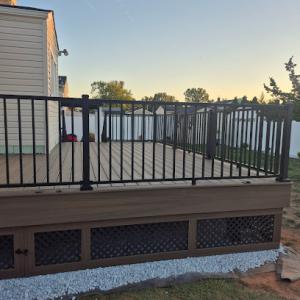
Nunez Home Improvement
(908) 992-9261 www.nunezhomepro.com
Serving
4.9 from 142 reviews
Nunez Home Improvement is a licensed and insured roofing contractor serving Elizabeth, Union County, and surrounding areas in New Jersey. We specialize in roof replacement, roof repair, storm damage roofing, and emergency roof repairs. Our team provides free roof inspections, honest estimates, and high-quality workmanship using top-grade materials. Whether your roof has leaks, wind damage, or needs a full replacement, we deliver reliable and professional service every time. Call today for a free roof inspection and También atendemos en español. Ofrecemos inspecciones gratuitas de techos, reparaciones, reemplazo de techos y trabajos por daños de tormenta en Elizabeth y Union County
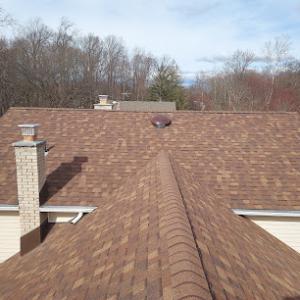
Alpha Home Roofing
Serving
5.0 from 94 reviews
Alpha Home Roofing We have over 16 years of experience in the roofing business. We love what we do and always pay close attention to everything we do. Making sure that the Customer is always satisfied with the finished work.
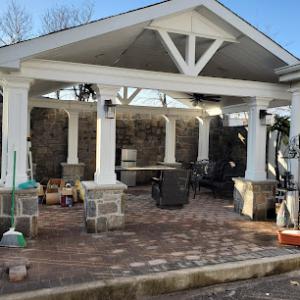
RSB Construction & Roofing
(908) 402-1835 www.rsbconstructionllc.com
Serving
4.9 from 79 reviews
RSB Construction, located on 420 Maple Ave, is the premier roofing contractor in Elizabeth, NJ, with over 35 years of experience under owner Alvaro's expert leadership. Serving Hudson, Union, Bergen, and beyond, our certified team specializes in roof repair, residential and commercial roofing, roof replacement, and installation. Whether you need asphalt, metal, or shingle roofing, we offer customized, affordable solutions backed by lifetime labor warranties and stellar customer service. Trust RSB Construction for top-quality workmanship, from roof leak repairs to complete installations. Contact us today for reliable, precision roofing services tailored to your needs.
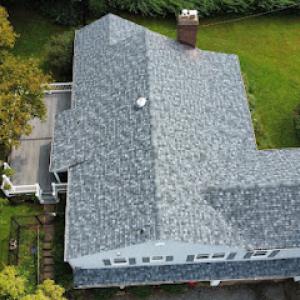
Argyle Roofing
Serving
4.9 from 57 reviews
We are a full service, licensed and insured roofing company serving NJ for over 49 years. We are certified installers for GAF, the largest roof shingle manufacturer in North America, and pride ourselves on using only high-quality roofing materials but also highly skilled workmanship for your roof replacement and any of your other roofing needs.
FX Home Remodeling
(908) 967-8850 fxhomeremodeling.com
Serving
4.9 from 116 reviews
FX Home Remodeling – Roofing Contractor in Union, NJ FX Home Remodeling is a family-owned roofing company proudly serving Union County and surrounding New Jersey areas for over 20 years. We specialize in roof repairs, roof replacements, and new roof installations for both residential and commercial. Our team values honesty, quality, and craftsmanship, treating your home as if it were our own. We use only the best roofing materials, including GAF, Owens Corning, and CertainTeed, to ensure lasting protection and curb appeal. Services include: Roof Repair & Leak Detection New Roof Installation Roof Replacement Solutions Aluminum Seamless Gutters Gutter Cleaning & Maintenance Free Roof Inspections
Midpoint Roofing
(973) 834-7570 midpointroofing.com
Serving
5.0 from 111 reviews
Midpoint Roofing is a premier roofing contractor in Union, NJ. We specialize in roof replacement, roof repair, and a wide range of roofing services. We are located at 2204 Morris Ave Suite 302b, Union, NJ 07083 and service clients in many different areas of New Jersey, including Union County, North and Central NJ. Our team of experienced professionals has lead the roofing industry for 10+ years. We are fully dedicated to providing top-notch workmanship and exceptional customer service. We offer the best prices on roof repairs and roof replacement around and work with insurance and do all the work for you! Trust Midpoint Roofing to handle all your roofing needs with integrity and quality. Contact us today for a free estimate or inspection!
Global Home Improvement
(908) 987-3147 www.globalhomeinc.com
Serving
4.8 from 127 reviews
Global Home Improvement services offers the best home improvements throughout Atlantic County, Bergen County, Burlington County, and the surrounding areas of North and Central NJ. We feature high quality products such as James Hardie Siding, Marvin Windows and Metal Roofing. Our lifetime exterior home improvements come with a lifetime material and labor warranty giving homeowners piece of mind with every install. If you're looking for Roof Replacements, Replacement Windows, Replacement Doors, Gutter Installation, and or Siding give us a call for a free no-obligation estimate of our services.
Peter Contractor
(347) 992-4144 petercontractor-llc.com
Serving
5.0 from 445 reviews
At Peter Contractor, we offer expert construction, remodeling, and roofing services across New Jersey and New York. With over 21 years of experience, we specialize in new roofs, repairs, and full exterior and interior renovations for residential, commercial, and industrial clients. As a GAF Certified, fully licensed and insured contractor, we provide top warranties and reliable, high-quality work. From roofing and siding to concrete and brickwork—we do it all, at the best price and with care.
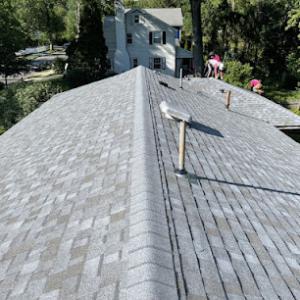
TS Roofing Contractor
(732) 201-6799 tsroofingcontractor.com
Serving
5.0 from 52 reviews
For quality residential roofing services and affordable roof replacement and roof repair near Avenel, NJ, call the most preferred provider - TS Roofing Contractor which has 20+ years of experience. Call us and get quality roofing service beyond your expectations.
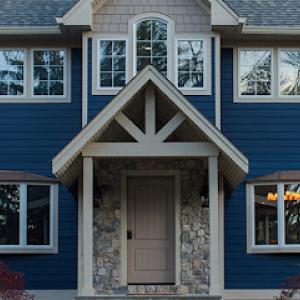
Above & Beyond Exterior Remodelers
Serving
4.9 from 146 reviews
We pride ourselves in being a family-owned and operated business. We only partner with top manufacturers to ensure you have access to the industry’s best performance and warranties. True kindness and compassion fuels our client communication. We actually care about you — our customers. This is demonstrated in our large portfolio of quality projects. We always answer our phone when you call — even if there are challenges on the project. We’re not finished unless you are thrilled with the results of your home remodeling project.
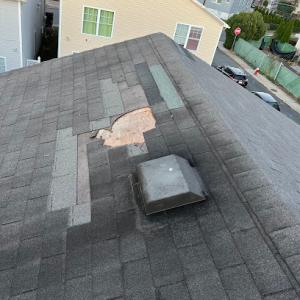
Raidex construction
(973) 380-4652 www.raidexconstructionllc.com
Serving
4.8 from 116 reviews
Raidex Construction is a family-owned roofing and exterior services company with over 15 years of experience. We specialize in roof replacements through insurance claims, affordable roof repairs, siding repair, and gutter services. Locally based and highly rated with 4.5-star reviews, we focus on quality over quantity and offer easy financing options to help homeowners improve and protect their homes with confidence.
A full roof replacement in this town is treated as a formal project rather than casual maintenance. The local building department requires a permit through the proper channels, and the contractor is typically the one who handles the paperwork up front. Before any shingle tear-off begins, verify with the contractor that plans have been submitted and permit fees are accounted for. This is not a step to skip, because missing permits can stall work and complicate your insurance and warranty protections. Ask for a copy of the permit confirmation and the project number so you can reference it during the job.
The inspection process here is practical and predictable if you prepare in advance. After the tear-off is complete and new materials are in place, an inspection is usually scheduled to verify that the roof deck is sound and that the installation meets state code requirements. A second inspection typically occurs at project completion to confirm proper ventilation, flashing, and overall compliance. It helps to keep access clear for inspectors and to have any required documentation, such as venting calculations or product approvals, ready on inspection day. If your roof involves unusual details-stair-step dormers, valley intersections, or skylight work-coordinate these specifics with the contractor so the inspector can review them without delays.
Ventilation is a common sticking point in this climate, where freeze-thaw cycles and seasonal storms stress older homes. Expect inspectors to confirm that ridge, soffit, and eave ventilation is properly addressed and that the chosen venting strategy aligns with the state code. Wind resistance matters as well, especially on exposed ridge lines and areas with oak or maple shade nearby. The installation should demonstrate continuous underlayment, properly secured fasteners, and correct flashing around chimneys, vents, and skylights. If the attic space has limited ventilation or unusual insulation, discuss enhancements with the installer so the plan aligns with code expectations and long-term roof performance.
Communicate clearly with the contractor about permit timing and inspection windows, and keep a copy of all correspondence. Before work starts, confirm who schedules the inspections and how weather delays are handled, since storm timing can affect the sequence. For older homes, request a pre-installation review of the deck condition and any necessary repairs, so the roof system has a solid base. Finally, if a storm-related repair becomes necessary, document the scope thoroughly and ensure temporary protection is in place to safeguard interior spaces while waiting for the permit and inspection cycle to unfold.
Get a clear picture of your project costs upfront - no commitment required.
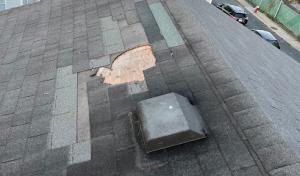
When coverage is underwritten or renewed, insurers in this area frequently request roof age records and proof of prior work. The older housing stock in these neighborhoods means a lot of repairs have happened over time, and carriers want to know what was done and when. Having those records ready can prevent delays or misunderstandings when a claim is filed after a storm.
Wind and hail events are common enough around these streets to trigger prompt review. Adjusters may specifically ask for dated photos, condition reports, and evidence of timely mitigation after damage. In practical terms, that means you should keep a simple, organized file: dated photos taken from multiple angles, notes about the visible condition, and any receipts or contractor notes for prior work. If you had a temporary tarp or cover, save a quick note showing when it was installed and by whom.
Documenting storm damage quickly matters. If a claim is filed days or weeks after a storm, questions can arise about whether damage existed before the event or worsened over time. In this market, faster documentation helps establish that the damage was sudden and tied to a specific incident. A homeowner who can provide a clear trail-photos with timestamps, repair summaries, and proof of timely mitigation-may experience smoother claim processing and fewer disputes about causation or deterioration.
Set up a simple photo routine for the roof and attic after storms: take consecutive shots from the ground and from ladders where safe, focusing on shingles, flashing, and gutters. Keep a log of weather events and any contractor visits, including dates and what was found or repaired. When you initiate a claim, gather correspondence from your insurer or agent, the storm date, and any prior work records to present a concise history. Being proactive in keeping organized, clearly dated materials can reduce back-and-forth and help the claim move through the system with less friction.
Connect with contractors who help homeowners navigate the claims process from damage assessment to final approval.

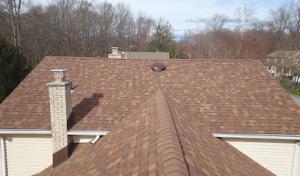
For the dense, older housing stock typical of Roselle, asphalt shingles remain the most practical fit because they balance durability with the climate's hot summers and cold winters. Their ability to handle freeze-thaw cycles without adding excessive weight helps keep roof repair timelines reasonable after winter storms. When selecting asphalt, look for a higher NDL (durable enough to resist wind and hail) and a good albedo option to reduce heat gain on attic spaces, which matters in the steamy summer months. Maintenance is straightforward: keep gutters clear and address cupping or curling early, especially on homes with long roof spans or shallow pitches.
Metal has a clear niche for homeowners prioritizing longevity and snow-shedding performance. In this climate, metal can shed winter moisture rapidly and resist ice buildup that creates damaging thaw-refreeze cycles near eaves. The upfront effort and cost are higher than asphalt, but the installation tends to yield fewer mid-life repairs. If choosing metal, consider a color and profile that complements the home's style to preserve curb appeal, particularly on older properties where mismatched materials are noticeable.
Clay and concrete tiles bring distinctive curb appeal and excellent longevity, but their heavier mass requires a structural check before installation. Wood shingles or shakes offer a traditional look but demand rigorous maintenance to prevent moisture-related issues and insect damage in damp seasons. Synthetic products provide a middle ground, combining lighter weight with improved impact and moisture resistance. Ultimately, suitability hinges on structural load capacity, the maintenance tolerance, and how the roof style aligns with the overall home aesthetic in Roselle's neighborhoods.
Extend the life of your existing roof with reflective or waterproof coatings that protect against UV and moisture.
Garcia & Sons Roofing Company
(908) 460-8333 garciasonsleakdetection.com
Serving
4.8 from 75 reviews
Aaron Blake Commercial Roofing
(732) 669-7545 aaronblakecommercialroofing.com
Serving
5.0 from 52 reviews