
Last updated: Apr 19, 2026
In this neighborhood, roofs rarely behave like a single-plane system. The front slope often carries the main weather load, while a low-slope or flat rear section handles utility lines and additions. That transition zone is where leaks tend to start, especially after a harsh winter or a summer thunderstorm. Pay close attention to any sign of moisture along the ridge line where the front plane meets the rear. Look for hairline cracks in sealant, misfired flashing at the transition, and granular loss where shingles meet the flat area. If you notice dark staining, peeling exterior paint near the eaves, or damp insulation in the attic around the transition, treat it as a red flag: water is finding a path through the seam and pooling below.
Chimneys are a common feature in this part of Queens, and their bases are regular fault lines for leaks. Flashing at the chimney base, along saddle flashings, and where corrugations or shingles butt up against brick require regular attention. In mixed roofs, the chimney often sits near a transition or at a corner where two roof planes meet. Winds and freeze-thaw cycles loosen roofing cement and bend metal pieces over time, creating gaps that let water seep into the interior walls. Inspect the joint around the flue, the kick-out along the roof edge, and the mortar joints for cracks or spalling. If you detect staining on interior ceilings below the chimney or a musty attic odor after rain, act quickly to reseal and reflash before a small leak escalates into structural damage.
The dense, attached housing pattern in Queens means side-yard access can be tight or non-existent. That limitation complicates tear-off logistics, debris handling, and staging during a roof replacement. In Richmond Hill, you should expect crews to need careful sequence planning: staged material drops, precise debris containment, and protection for neighboring properties. If an attempt to remove old decking or underlayment cannot be made safely from the eave line due to tight spacing, it signals a higher potential for concealed damage behind the fascia. Prepare for flexible scheduling and clear communication with neighbors about staging areas. A professional crew will use tight containment and run-off controls to keep the street clean and minimize disruption.
Rear low-slope sections are notorious for hiding moisture both above and behind the visible surface. Water can travel laterally under flat or low-slope decks before it reveals itself at a ceiling joint or vent penetrations. Inspect around any skylights, roof penetrations, or vent boots that crest into the low-slope zone. When a leak appears, tracing it to its source requires tracing deck-to-underlayment transitions and checking for ponding, improper pitch, or failed sealant seams. In this area, even minor pooling or surface staining deserves prompt attention, because the heat of summer and subfreezing winter cycles will amplify small defects into larger leaks within a single storm cycle.
At least twice a year, perform a focused walk-around after a heavy rain or wind event. Check all transition lines: from the sloped front to the low-slope rear, around chimney flashings, and along any saddle or step-flash details. Look for lifted shingles, loose nails, or gaps in sealant around vent pipes. If a leak is suspected in the transition zone or near the chimney, schedule a targeted inspection quickly. A local roofer will often implement enhanced flashing details and reinforced underlayment in these trouble spots to prevent recurrence, rather than chasing symptoms after the next storm.
J C Master Inc Roofing & siding
(347) 400-2611 jcmasterinc.net
Serving
4.0 from 92 reviews
JC Master is a licensed, insured roofing & siding contractor serving New York City—Brooklyn, Queens & Long Island—since 1997. We specialize in roof repairs & full replacements (shingle, flat/TPO/EPDM), gutters, leak detection, storm-damage assessments and insurance-claim support. Most of our work comes from referrals because we show up fast, document the damage, and handle the paperwork with your carrier. Free same-day inspections, clear pricing, and crews you can trust for family homes and multi-family buildings. Call for a visit today.

Metro roofing
(347) 748-2500 themetroroofingcompany.com
Serving
4.8 from 52 reviews
Our company strives for quality and reasonable pricing . We pride our selves on our reputation and continue to work up to it
Five Star Roofing
(718) 795-6640 fivestarroofingny.net
Serving
4.8 from 443 reviews
Five Star Roofing is a fully licensed and insured commercial and residential roofing company located in Queens, NY. Since 2008, we have provided top-quality roofing services to Queens, Brooklyn, and Long Island homeowners. Our team of experienced and certified roofing professionals specializes in flat, shingle, tile, and metal roofs, as well as urgent repairs. Whether you need roof repairs, replacements, or installations, we have you covered! With a strong emphasis on excellent customer service and premium craftsmanship, we have built a reputation as one of the most trusted roofing companies in the area.
Royal Renovators
(718) 414-6067 www.nycrenovators.com
Serving
4.8 from 262 reviews
Royal Renovators is a trusted roofing contractor in Queens, serving homeowners and businesses throughout Queens, Brooklyn, Manhattan, the Bronx, and Long Island. We specialize in flat roof repairs and roof replacements for both residential and commercial properties. Since 1988, our licensed and insured team is BBB A+ Accredited and GAF Master Elite certified, working with flat and shingle roofing systems built to last. We also provide professional siding, masonry, and gutter services. From Brooklyn’s historic brownstones to Queens residential properties, clients choose us for honest, reliable roofing that withstands New York’s toughest weather. We offer emergency services for urgent leaks and storm damage. Call for Free Estimate today.
SRT roofing services
(917) 459-8918 www.srtroofingny.com
Serving
4.7 from 92 reviews
srt roofing is a full service roofing company specializing in the installation and repairs of flat roof and shingle roof systems
Paragon Chimney & Roofing of Queens
(347) 544-9554 paragonchimneyandroofing.com
Serving
5.0 from 482 reviews
Paragon Chimney & Roofing is dedicated to providing top-quality chimney and roofing services. Our team ensures safety, reliability, and customer satisfaction. Serving New York, we pride ourselves on expert craftsmanship and prompt service. Trust Paragon for all your chimney and roofing needs.
Daniel's Roofing:Best roofing contractor Queens/Brooklyn Ny
(917) 204-2906 danielsroofingnyc.com
Serving
5.0 from 78 reviews
Fourth-generation roofing contractor that does the job right! Serving New York and surrounding areas since 1987. I have developed a fantastic reputation in customer service and fast but neat quality work at a price that won’t break the bank. When you call for a free estimate or just to ask some questions, you get to talk right to me, the owner. I’ll repair your home like it’s MINE!
Thomas James Roofing & Waterproofing
(718) 416-5255 www.thomasjamesroofing.com
Serving
4.9 from 52 reviews
Since 1999, Thomas James Roofing and Waterproofing has been a trusted name in roofing, siding, and waterproofing. With a dedicated team of experienced professionals, they are committed to delivering high-quality, long-lasting results. Specializing in making each project as seamless and stress-free as possible, Thomas James Roofing and Waterproofing offers expert service with a focus on durability and customer satisfaction. Their skilled craftsmanship ensures that every home is treated with the care and attention it deserves, providing peace of mind and protection for years to come.
Guaman Roofing Services
(917) 891-4164 guamanroofing.com
Serving
4.9 from 65 reviews
Guaman Roofing Services has provided quality services to residential and commercial owners in New York City. We know that you deserve the best quality service, that’s why our team executes precise and safe projects, always guaranteeing a professional service.
Power Roofing & Stucco Queens
(516) 995-8006 powerroofingnyc.com
Serving
5.0 from 30 reviews
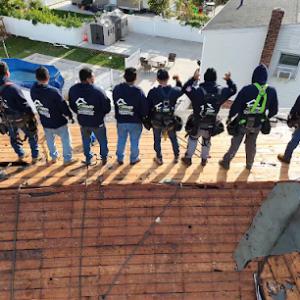
Discover Power Roofing & Stucco Queens, the ultimate destination for your roofing and stucco needs. Based at 111-32 147th St, Jamaica, NY, our team of expert craftsmen are committed to delivering exceptional craftsmanship and customized solutions. With a focus on both roofing and stucco services, we empower homeowners and businesses alike to achieve their desired aesthetic and structural integrity. Trust Power Roofing & Stucco Queens for unparalleled quality and service, promising a safe and stunning exterior for your property.
Master Roofing
(718) 957-0313 www.master-roofers.com
Serving
4.5 from 55 reviews
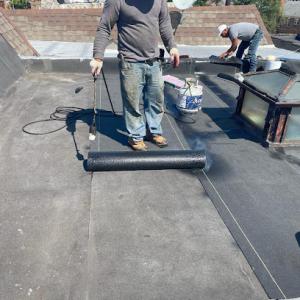
Looking for a reliable roofing company in NYC? Look no further than Master Roofing With years of experience, we offer high-quality roofing services for residential, commercial, and industrial properties. Our team of skilled roofers uses top-quality materials and the latest techniques to ensure your roof is strong and durable. We provide personalized service and attention to every client, ensuring that your unique needs and budget are met. Contact us today for competitive pricing and efficient service. Our Services: Roof installation, Roof repair, Roof maintenance, Gutter installation, Gutter repair, Roof insulation installation, Roof cleaning, Emergency roof repair services, Roofing inspections, Roof replacement & more
Skyward
(718) 878-6748 www.skywardroofing.com
Serving
5.0 from 82 reviews
Skyward Roofing - Queens is a professional and trusted roofing company catering to the roofing needs of commercial and residential clients. With vast experience, our team of skilled experts offers quality roofing services customized to meet the special needs of every client. From new installations and repairs to inspections and maintenance, we deliver excellent artistry using quality materials and modern techniques. Dedicated to client satisfaction, we ensure timely project completion, moderate pricing, and a commitment to surpassing client expectations. Reliable, trustworthy, and efficient, we are the most sought-after company for roofing needs. Call us or visit our site for more information.
Spring and fall bring gusts that can lift shingles along edges and ridge lines, especially on homes with mixed roof types and vented attic spaces. In these moments, the most vulnerable areas are the overhangs and any flashing that isn't fully integrated with the surrounding material. A loose edge isn't just a cosmetic issue-the gap invites water and debris to intrude during the next rainstorm, which can set up a slow leak that worsens with each windy storm. Inspect after high-wind events, not days later, and focus on edge courses, shingle tabs near vents, and the condition of sealant lines around pipe penetrations. If edges look curled or separated, plan for a targeted reseal or re-seaming before the next season's weather swing.
The humid months in this area don't just stress the roof during downpours; they keep roof assemblies damp for longer periods after rain. That lingering moisture can degrade fasteners, reduce the effectiveness of underlayment, and encourage mold growth on visible interior ceilings where attic ventilation is inadequate. Pay attention to attic vent balance and look for condensate on underside of decking after hot, humid afternoons. A well-ventilated attic helps the roof system dry out more quickly and reduces the risk of wood rot and deteriorating sealants around valleys and low-slope sections that are common on additions and rear ROOF areas.
Freeze-thaw cycling is especially hard on flashing laps, sealants, and ponding-prone low-slope sections. When water sits in a low spot, it freezes and expands, prying apart laps and loosening fasteners. In Queens-style rear roof areas, those low-slope pockets are common, and any standing water during the melt can repeatedly stress the same seams. After a thaw, inspect for dampness around flashings and check for hairline gaps at laps where ice dams might form. If a leak appears during a thaw cycle, the most likely culprit is compromised flashing or a compromised sealant line that has failed from prior cycles.
The local insurance environment is shaped by frequent New York wind and hail claims, so homeowners benefit from date-stamped photos taken immediately after storms. Photos that show roof edges, flashing, penetrations, and any new patches help build a clear narrative for the insurer. Keep a simple storm diary: note date, wind speed if available, hail exposure, and visible damage with time-stamped images. This practice reduces ambiguity when discussing claims and helps you track patterns that may indicate a broader vulnerability in the roof assembly.
In practice, this means proactive edge stabilization, timely resealing of flashing laps, and concerted attention to any signs of moisture intrusion after storms. If a rear or low-slope section shows signs of staining, dampness, or failing sealant, address it promptly before spring winds arrive again. A careful, routine check after major wind events and after heavy rain in the humid season helps catch issues before they escalate, preserving the roof's integrity across Queens' mixed roofscape.
Find local contractors experienced in assessing and restoring roofs after hail, wind, and severe weather events.
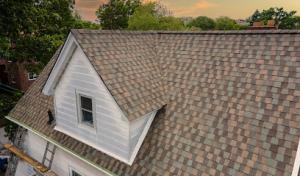
Asphalt shingles fit much of Richmond Hill's pitched housing stock, but prolonged summer heat and humidity can accelerate granule loss and sealant aging. If a roof in good condition needs replacement, shingles remain the most straightforward option for tight lots and close neighbors where quick swaps minimize disruption. When choosing asphalt, look for self-sealing tabs, a sturdy underlayment, and granule retention features that hold up under heat. In densely built blocks, matching neighbor aesthetics helps with curb appeal and may simplify future resale conversations. Pay attention to ventilation and attic insulation, since heat buildup increases shingle wear and the risk of premature failure in humid summers.
Heavier materials such as clay tile, concrete tile, and slate may trigger added structural review in NYC when replacing lighter systems on older Queens homes. In Richmond Hill, where some structures lean toward lighter framing, a heavier roof means confirming the existing deck, rafters, and load paths can carry the weight. Before committing to a heavy system, arrange a structural check with a licensed contractor or a local roofing pro who understands Queens' typical construction practices. If the roof line or parapets are shared with neighbors or span multiple units, anticipate possible additional planning steps. In practice, plan for reinforcing the roof structure if a switch from asphalt or a light metal is on the table, and coordinate all work with the contractor to avoid surprises during the replacement window.
Metal roofing is less common locally than asphalt and low-slope systems, so homeowners considering it should account for detailing around attached-house parapets, chimneys, and neighboring structures. Metal can offer long life and resilience to humid summers, but matching the profile of adjacent roofs matters for visual harmony and drainage. When considering metal, inspect the flashings at roof-to-wall interfaces, chimney crickets, and the edge details where metal panels meet parapets. If the home sits tightly against a neighbor, plan for the potential for wind-driven debris to impact edge trim and the need for precise weather sealing around joints. Local crews with experience in tight Queens blocks can ensure the flashing networks integrate cleanly with surrounding brick and siding, reducing the chance of corrosion or leaks at critical seams.
Many Richmond Hill homes feature a mix of pitched shingles and low-slope rear sections. In such cases, a planned approach to replacement should stage materials so the most exposed portions are addressed first, while ensuring seamless transitions where different roof types meet. Pay special attention to transition flashing, drip edges, and valley areas where water flow concentrates. When a rear low-slope section is involved, confirm the underlayment specification and confirm that a roof-to-wall transition remains protected from water intrusion during any work window. A consistent color and texture across the main and rear sections helps prevent a patchwork appearance that can detract from curb appeal in a tightly clustered urban street.
For all roof types, proactive maintenance matters in this climate. Clean gutters to prevent ice damming and ensure proper drainage during freeze-thaw cycles. Schedule a midseason inspection after heavy summer storms to spot loose granules, sealant wear, or flashing gaps before small leaks expand. Keep an eye on seals around vents, skylights, and chimney bases, which often become pressure points in humid summers. On taller or multi-unit attached homes, coordinate with neighbors for access and shared protections, ensuring that a small issue does not evolve into a neighbor-disputed repair that slows the entire project. In the end, the right choice balances long-term durability with the realities of dense blocks, heat, and the seasonal stress that shapes Richmond Hill roofs.
For most Richmond Hill homes, replacement cost is driven by material choice. Asphalt shingles remain the most budget-friendly option, typically from 350 to 750 USD per square. Metal roofing commands a higher ceiling, roughly 700 to 1,500 USD per square. Clay and concrete tiles sit at the upper end, with clay from about 1,200 to 3,600 and concrete from 900 to 2,600 USD per square. Wood shingles or shakes fall in the mid-range, about 500 to 1,100 USD per square, while slate lands well above at 1,800 to 4,500 USD per square. In practice, your choice should balance long-term curb appeal, durability in freeze-thaw cycles, and bite-size budgeting for storm seasons.
Tight urban access in this area frequently pushes labor time and disposal costs higher. Crews often have limited room for dumpsters, staging material, and tear-off debris, so you may see longer crew days and scheduling challenges reflected in the bottom line. If your roof has multiple planes, a rear low-slope section, or protruding features like chimneys and skylights, expect the project to take longer and to incur higher labor fees. For heavier replacement materials, structural considerations can add a layer of engineering work and potential cost if a rafter or truss reinforcement is needed.
If your roof has more than one plane or a rearranged geometry, the contractor will quote per square and may add a complexity premium. Low-slope rear sections require careful sealing and drainage planning, which can extend labor hours and material costs. The presence of chimneys or skylights adds require sealant work, flashing details, and potential temporary protective measures during reroofing, all contributing to incremental costs. For slate or tile options, weight and specialty installation considerations can significantly raise labor rates and disposal fees, compared with asphalt or metal.
Start with a clear scope that lists all roof areas, slopes, and features to be replaced, including any flashings, vent penetrations, or vent hoods. Obtain at least three written bids and ask for a materials-and-labor breakdown rather than a single lump sum. Ask about waste disposal and whether the contractor can stage materials on-site without blocking driveways or sidewalks for extended periods. If you're considering heavier materials, budget a preliminary structural review cost estimate and factor potential reinforcement work into the overall plan. Keeping a contingency of 10 to 15 percent is prudent to cover weather delays and scheduling shifts.
Get a clear picture of your project costs upfront - no commitment required.
Daniel's Roofing:Best roofing contractor Queens/Brooklyn Ny
(917) 204-2906 danielsroofingnyc.com
Serving
5.0 from 78 reviews
A full roof replacement in Richmond Hill typically requires filing through the New York City Department of Buildings rather than a village or town building office. The DOB process governs every stage from initial plan submission to final approvals, and it is tailored to NYC's block-by-block enforcement style. Applications expect detailed drawings, material specifications, and confirmation that the work complies with the NYC Building Code and local environmental conditions. In practice, this means anticipating a careful review that can take time, and recognizing that permits are not merely a formality but a shared responsibility between you, your contractor, and the city.
Work is subject to multiple inspections and final sign-off, which means homeowners should expect paperwork, scheduling, and closeout to matter as much as installation itself. Typical practice involves interim site inspections during key milestones, such as structural reinforcement checks, flashing and drainage reviews, and weatherproofing verification. The schedule can hinge on weather windows and coordination with the contractor, so plan for possible pauses. If any step is missed or delayed, the inspector's office will require corrections before moving forward, which can impact project duration as much as the actual replacement work.
If the project changes structure or introduces certain heavier materials, additional review or reinforcement may be required before approval in Queens. That could mean extra framing calculations, updated roof-to-wall connections, or revised deck and chimney details. When heavier options like concrete or clay tiles are involved, provide the structural notes early to minimize back-and-forth with the DOB. The neighborhood's typical housing stock-dense attached-row homes with varying rear slope configurations-often prompts inspectors to look closely at load paths and support details.
Effective coordination with both the DOB and the chosen contractor reduces frustration. Before starting, have the permit application, project plans, and any required surveys ready for submission. Keep a dedicated calendar for inspection appointments and expected sign-off dates, and communicate promptly about any weather-related delays that could affect inspection timing. If a change occurs mid-project-such as a shift from shingles to a heavier tile-revisit the permit package promptly to avoid hold-ups. A well-documented, proactive approach helps ensure that the permit process supports a durable, weather-ready roof without unnecessary delays.
New York carriers commonly ask for roof age, prior claim history, and clear damage photos, which matters in this market where storm-related roof claims are frequent. When a two-story attached home has a pitched front and a low-slope rear, the insurer wants a clear picture of what failed and when. Keeping precise records helps separate what is wear from age versus what is storm-driven, reducing the chance of surprises down the line.
Older roofs and higher-risk materials can face tighter underwriting, so homeowners should keep installation records, permit closeout documents, and maintenance photos. A tidy file with dates, contractor names, and material specs makes a big difference if a claim is filed after a windy or hail event. Store scans or photos in a cloud folder labeled by year and address, with the original receipts or invoices for replacements or major repairs.
Because adjusters may distinguish between storm damage and wear from age, documenting conditions before and after Queens wind or hail events is especially important. Take wide-angle exterior shots, then close-ups of fascia, shingles, flashing, and gutters. Include a dated photo of the entire roof line from multiple angles, plus interior photos of attic spray foam or insulation where visible. Label each image with date, location, and a concise note describing the issue.
Create a simple timeline that pairs weather events with any roof work, even minor repairs. Note how different roof sections (typical mixed types in Richmond Hill) may react to storms, and keep contact details for previous contractors handy. A ready, well-documented file helps prevent disputes and smooths the path through the claim process after severe wind or hail.
In this tight urban fabric, the local market rewards roofers who answer promptly and finish with a thorough cleanup. When you reach out, ask how quickly a crew can assess the roof after a storm and whether a site foreman will be on site during the job. Expect crews to dedicate a foreman to supervise material handling, protect curb appeal, and coordinate debris removal daily. A clear plan for trash bags, tarps, and magnet sweeps around driveways and sidewalks matters in dense blocks where clutter can become a neighborhood eyesore if left untreated.
Because many homes share walls or sit close to common alleys, you should verify how crews protect adjacent siding, windows, and landscaping. Ask whether tarps and edge protection will extend beyond your property line, and how ladders and scaffolding will be positioned to avoid striking neighboring facades. Request a written plan for equipment staging in narrow yards or between attached units, including how materials will be hoisted without shattering nearby windows or gutter/downspout systems.
Given the prevalence of chimney work among local contractors, confirm early whether flashing and chimney-related repairs are handled in-house or subcontracted. If subcontracted, ask for the subcontractor's safety and licensing details and a dedicated contact for chimney-specific questions. Ensure the scope includes flashing seals, step and counter-flashing integration with roof planes, and a plan for rain-prone seams that harmonizes with existing masonry joints.
Local projects stress reliability; seek at least two recent Richmond Hill references with similar roof types. Request a written timeline, a breakdown of tasks, and a guarantee on workmanship that covers flashing and leak prevention. Confirm material deliveries align with weather forecasts to minimize exposure to freeze-thaw cycles.
A reputable crew will walk you through the plan before lifting the first shingle, noting venting, attic access, and any potential dampness in the attic cavity. Expect a short, staged walkthrough at completion to confirm tidy work and a clear path for any future maintenance needs.