Last updated: Apr 19, 2026
Torrington's cold winters and repeated freeze-thaw cycles make ice dam formation and shingle edge deterioration a primary roof concern. When temperatures swing above and below freezing, melted snow refreezes at the eave, creating ice dams that back up water under shingles. The result is slow leaks, wood rot at fascia and rafter tails, and accelerated edge wear on shingles or shakes. In neighborhoods with older slate-era roofs and newer asphalt re-roofing, that edge wear often starts small but compounds quickly through another season of freezing nights and thawing days. The pattern is predictable: a heavy snowfall followed by a few days of sun and a rapid freeze at night means water sits at the edge, teeth into the underlayment, and pushes motorized venting and flashing toward failure. Pay attention to any staining near eaves, or granule loss at the lower edge of shingles, as early signs of trouble.
Late spring through early fall is the most favorable replacement window in Torrington because winter conditions can interfere with sealing, decking evaluation, and safe installation. Frozen surfaces, brittle decking, and dim winter daylight hinder proper underlayment installation and adhesive curing. If a roof shows persistent ice dam damage or widespread edge deterioration, plan for dry, moderate-weather months when crews can work uninterrupted by snow and cold. A well-timed replacement not only improves waterproofing but also allows for correct attic-to-roof ventilation setup before another winter cycle. When scheduling, align a project with a stretch of several warm, dry days in a row to ensure flashing, underlayment, and shingles can seat fully and seal properly.
Homes in this part of northwestern Connecticut often need close attention to attic ventilation, eave protection, and flashing details to reduce winter backup at roof edges and around penetrations. Ensure soffit vents are clear and that there is a balanced intake-to-exhaust ratio to keep attic temperatures near ambient, which reduces snowmelt-driven dam formation. Eave protection should extend behind the drip edge to catch any meltwater before it reaches the underlayment. Flashings around chimneys, vents, and dormers must be mechanically fastened and sealed with premium sealant at all joints; frozen joints are the weak link that invites leaks when thaw cycles resume. Consider upgrading ridge and soffit vents to a continuous vent assembly that suits a colder climate, and install ice-and-water shield well up the slope to address long eaves and valleys where meltwater travels fastest.
Start with a no-nonsense attic heat check: confirm insulation levels meet practical limits so warm air doesn't drive unnecessary melt at the roof plane. Inspect the attic for gaps around penetrations, then seal with foam or gasket materials, focusing on pipe collars and vent stacks. Clean gutters and downspouts so meltwater moves cleanly away from the fascia; clogged runs push water toward vulnerable edges. If you notice consistent moisture staining near the eaves or damp rafters after a thaw, don't delay: the sooner the edge is reinforced with proper ventilation and edge protection, the less likely a small problem becomes a costly, widespread repair. In harsh winters, proactive upkeep is not optional-it's the first line of defense against ice dam damage and edge deterioration.
Spring hail and strong winds are a stated seasonal damage risk in Torrington and can create sudden surges in repair demand and scheduling delays. After a heavy rain or a cold snap, shingles can lift, granules can wear away, and flashing around chimneys and skylights can fail. The combination of freeze-thaw cycles during winter and a quick swing to warm, windy days means small breaches can become water intrusions fast. If your roof is older or has had previous repairs, the risk multiplies: pockets where ice damming formed last winter can reopen with a harsh spring, and loose or damaged sections are vulnerable to further damage from wind-driven rain.
Connecticut insurers reviewing Torrington-area roof claims often want photos, documentation of pre-existing conditions, and a detailed contractor scope before approving work. The clearer your record, the quicker the process moves. Photograph all visible damage, including interior water marks on ceilings, damp attic insulation, and any sagging or displaced shingles. Keep a dated log of storm events and spot repairs you've done in the past year. Gather receipts for any temporary tarping or emergency measures you've taken to limit further water intrusion. A precise, itemized scope that outlines materials, fasteners, flashing replacements, and underlayment can shorten review times. If you've had prior claims or weather events in the last few seasons, expect insurers to scrutinize renewal discussions more closely, and to compare the current storm with recent history when assessing depreciation and repair eligibility.
Recent storm history, roof age, and current condition can affect both claim handling and premium discussions at renewal in this market. Homes near mature neighborhoods with slate-era hardware or once-popular cedar features are particularly sensitive to wind-driven shingle loss and hail impact, which accelerates wear on softer substrates. Even newer asphalt systems can suffer from hidden damage: granule loss, micro-cracking, and compromised underlayment that won't show until a heavy rain. A spring inspection should focus on the most exposed facets: roof edges, valleys, garage overhangs, and around any dormers or skylights where wind pressures concentrate. If damage is found, prioritize timely, documented repairs to minimize further leakage and to keep the roof in a repairable state through the rest of spring. On older homes, consider a closer look at attic ventilation-poor ventilation compounds ice dam risk and can worsen interior moisture issues after a hail event.
Before the next forecasted storm, perform a rapid exterior check: look for raised or missing shingles, curling edges, loose flashing, or damaged gutters that can funnel water toward vulnerable seams. After a storm, inspect from the ground with binoculars, and schedule a professional assessment if anything looks compromised. When choosing a contractor, insist on a photos-and-scope-based proposal, a written timeline, and a clear plan for temporary protection if rain is forecasted during the repair window. For homeowners facing insurance questions, prepare your documentation in advance: storm date, damages observed, photos, and a detailed contractor estimate. Acting quickly-not delaying until leaks become visible-saves both damage risk and the hassles of a rushed, emergency repair cycle.
Find local contractors experienced in assessing and restoring roofs after hail, wind, and severe weather events.
Costa Construction Company
(860) 387-1711 costaroofingct.com
15 Hardy St, Torrington, Connecticut
4.9 from 29 reviews
TC Roofing
(860) 485-1336 www.tcroofing.net
348 Migeon Ave, Torrington, Connecticut
4.8 from 28 reviews
Dreamweaver Restoration
(860) 996-1852 dreamweaverrestoration.com
160 Mt Pleasant Terrace, Torrington, Connecticut
5.0 from 1 review
Costa Construction Company
(860) 387-1711 costaroofingct.com
15 Hardy St, Torrington, Connecticut
4.9 from 29 reviews
Costa Construction Company is a Licensed & Insured company specializing in roof replacement, roof repair, leak repair, emergency roof services, gutters, siding, and storm damage throughout Connecticut. We offer free inspections, quick response, high-quality materials, and professional workmanship. We work with insurance (insurance claim assistance) and guarantee honest, safe, and long-lasting service. We serve customers throughout the state with excellence and commitment.
TC Roofing
(860) 485-1336 www.tcroofing.net
348 Migeon Ave, Torrington, Connecticut
4.8 from 28 reviews
TC Roofing is your trusted local roofing contractor located in Harwinton, CT, and serving Litchfield County, CT since 1998. With over 30 years of experience, TC Roofing delivers top-quality roof repair, roof replacement, and roof installation services. Fully licensed, insured, and BBB Accredited, we proudly serve homeowners and businesses across Northwest Connecticut. Looking for expert roofing contractors in Harwinton, CT? TC Roofing specializes in durable, high-quality roofing solutions, including emergency roof repair, residential roofing services, and commercial roofing solutions. We also offer free roofing inspections to protect your property. Contact TC Roofing Harwinton, CT, today for professional, reliable service!
DJ Hall Roofing & Siding - Torrington
(860) 485-5887 djhallroofing.com
Torrington, Connecticut
5.0 from 4 reviews
DJ Hall Roofing & Siding - Torrington, established in 1987, sets the standard for high-quality craftsmanship and customer satisfaction in roofing, gutter, siding, snow removal, and gutter cleaning services. Trust their team of experienced professionals to deliver customized solutions and maintain the beauty and longevity of your home's exterior, ensuring a lifetime of protection. The roof on your home should last a lifetime, so it’s vital to find a reliable, experienced, and trustworthy company to complete any roofing work. DJ Hall Roofing serves Torrington, CT, Litchfield, CT, Winchester Center, CT, Winsted, CT, and several other nearby towns. DJ Hall Roofing can ensure that your home has a durable, attractive roof at a great price.
River Valley Roofers
(860) 795-7996 rivervalleyroofers.com
Serving
5.0 from 135 reviews
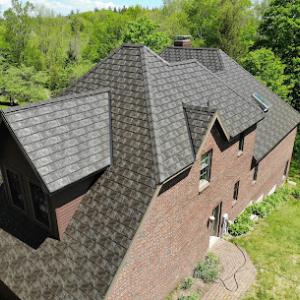
For over 17 years now, River Valley Roofers has been Northwest Connecticut's trusted repair and replacement source for all your roofing needs. We offer manufacturer backed warranties for not only traditional asphalt shingle roofs, but also for standing seam metal roofing, EPDM (rubber), cedar, and silicone roof coatings as well. We are licensed and insured to do residential and commercial roof work in Connecticut, and we pull permits for every job. Our insurance agents provide our current coverage for every job, helping you feel confident that RVR will get your job done right without worries. We're small batch, high-quality, and personal. If thats what you're looking for, give us a call.
Dreamweaver Restoration
(860) 996-1852 dreamweaverrestoration.com
160 Mt Pleasant Terrace, Torrington, Connecticut
5.0 from 1 review
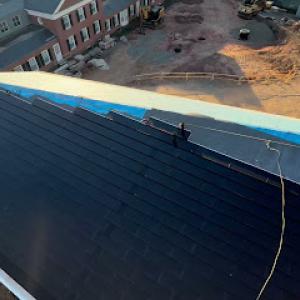
Free Roof Inspection Claim Specialist Storm Expert Call for appointment (860)-996-1852
Elite Roofing CT
(860) 309-0493 eliteroofingct.com
Serving
5.0 from 62 reviews
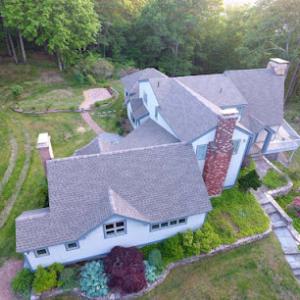
Elite Roofing CT, a locally trusted roofing contractor since 2002, specializes in residential roofing. With over two decades of expertise and commitment, their skilled professionals strive for impeccable execution in every project using the highest quality materials. Elite Roofing CT is dedicated to finding the ideal roofing solution that aligns with each customer's needs and budget, ensuring a tailored experience with guaranteed satisfaction. As a testament to their confidence in service, all projects are backed by their best-price guarantee.
SJ Winn Construction
(860) 431-2728 sjwinnconstruction.com
Serving
5.0 from 60 reviews
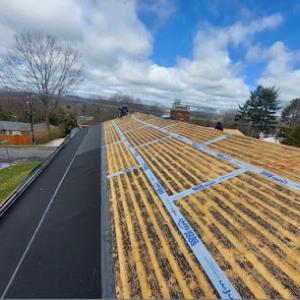
Headquartered in Winsted and Torrington Connecticut, SJ Winn Construction offers roofing services to our local neighborhood and beyond. Whatever your roof's needs, wants, and desires, we are the team for the job. Our customers become more like family. We believe in the vitality of honesty, responsiveness, experience, and craftsmanship quality, and we consistently uphold these values. Because of that, we're the top choice for many homeowners in the community. No matter which service you need–roof replacements, storm damage repair, or roof inspections–the work will be carried out accurately, expertly, and with as little disruption to your life as possible.
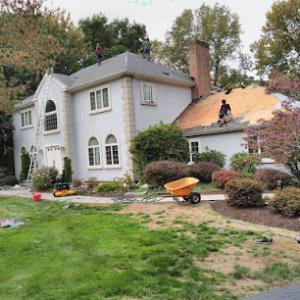
Arnoldo Roofing
(860) 940-4720 arnoldoroofing-ct.com
Serving
5.0 from 16 reviews
Nestled in the heart of Torrington, Connecticut, since 2017, Arnoldo Roofing has been redefining roofing excellence. Known throughout the region for their unwavering commitment to quality, they proudly offer a full range of roofing services, from roof repairs to replacements. Their esteemed team, led by Arnoldo himself, approaches every project with a dedication to delivering exemplary craftsmanship and unparalleled customer service. Their reputation for reliability, transparent pricing, and enduring results sets them apart as a trusted choice in the roofing industry. Choose Arnoldo Roofing for a partnership that delivers both protection and peace of mind for your home.
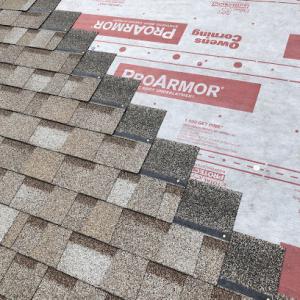
Henry's Roofing
(860) 693-1791 henrysroofingct.com
Serving
5.0 from 95 reviews
Henry's Roofing Inc offers roof cleaning, roof repair, roof replacement, gutter cleaning, power washing, and skylight services to Canton, MA and the Farmington Valley area.
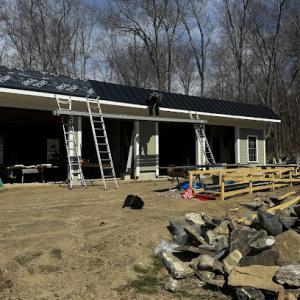
AA roofing
(959) 901-2096 www.aaroofingnow.com
Serving
5.0 from 7 reviews
AA roofing With a deep-rooted commitment to excellence in every project we undertake, our family-owned roofing business in Connecticut, and surrounding areas is dedicated to providing top-notch services that exceed expectations. We take pride in delivering same-day services to address your roofing needs promptly and efficiently. Customer satisfaction is at the core of everything we do, which is why we offer a satisfaction guarantee on all our work. Our team of skilled professionals is here to ensure that your roofing project is completed with precision and care, leaving you with peace of mind knowing your home is in good hands.
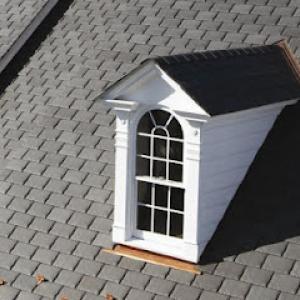
Paramount Professional Roofing
(860) 459-9921 paramountproroofing.com
Serving
4.8 from 5 reviews
Paramount Professional Roofing is a GAF Certified Roofing Contractor, meaning that we’re ranked among the top 3% of all roofers in the country. Our company has been fully vetted and background-checked for quality workmanship, excellent business practices and customer satisfaction. You can rest easy that you’re hiring the best.

CT Construction Group
(860) 869-7375 myctroofing.com
Serving
5.0 from 14 reviews
Roofing & siding contractor family owned and operated 14 years in the field.
Asphalt shingles are the dominant practical choice here, set up to handle the freeze-thaw cycles and the snow that sit on top of a roof for days. The housing stock supports a broader range, including metal, slate, cedar shake, clay tile, and EPDM on low-slope sections, but the daily reality is that most roofs in Torrington benefit from a straightforward shingle system with solid flashing and proper attic ventilation. The choice hinges on how the roof will interact with winter snow load, summer heat, and the way flashing expands and contracts across seasonal cycles.
For most homeowners, asphalt shingles deliver predictable performance in our climate. They handle freeze-thaw stress reasonably well when installed with a solid underlayment and correctly sized drip edge. If a house has a shallow-pitch section or a small addition, asphalt remains easy to retrofit without major structural changes. In neighborhoods with older slate-era or cedar-era histories, asphalt can be a respectful upgrade that preserves curb appeal while delivering dependable protection against ice dam formation when paired with a robust water-shed design and improved attic insulation.
Metal can be a strong choice on homes facing heavy snow months or on newer rebuilds where weight is already accounted for. It sheds snow more efficiently than shingles, which can reduce ice dam risk, but requires careful attention to flashing around chimneys, vents, and skylights. In Torrington's mixed stock, a standing-seam metal roof can align with certain architectural styles while offering long-term durability. The key is confirming that all fasteners and joints are designed to handle repeated expansion and contraction through winter cycles and summer heat.
Slate-era neighborhoods still push homeowners toward slate or cedar shakes, where repairability and matching the existing look matter as much as performance. Slate offers excellent longevity but comes with substantial weight and requires a reinforced structure. Cedar shakes provide a distinctive texture and historic feel, yet they need meticulous maintenance to prevent moisture intrusion and decay, especially where flashing and gutters are less than perfect. If the home was built to accommodate these materials, the payoff is long-lasting protection with a roof that visually fits the neighborhood's character.
Clay tile can be appropriate on certain older builds or contemporary substitutions where the roof line and structure tolerate the extra weight. It responds well to heat but can be challenging in cold snaps without proper underlayment and drainage. EPDM on low-slope sections addresses flat or near-flat areas, offering a resilient, weather-tight option where other materials would be overkill or impractical. Any low-slope decision should pair with careful edge detailing and reliable drainage to prevent winter moisture buildup.
Material choice should be evaluated against how well flashing systems handle repeated seasonal expansion and contraction. Think about corners, valleys, and transitions where ice dams tend to form; these are not places to cut corners. A thoughtful roof plan in this climate uses a combination of solid underlayment, continuous flashing, and proper ventilation to minimize condensation and ice dam risk across the roof's most vulnerable points.
In this market, the typical costs to replace a roof reflect a mix of old slate-era neighborhoods and newer asphalt upgrading. Asphalt Shingles run roughly 350 to 650 USD per square. Metal Roofing lands higher, about 600 to 1100 USD per square. Clay Tile typically sits at 800 to 1500 USD per square, while Slate can range from 1500 to 3200 USD per square. Cedar Shakes are commonly 700 to 1500 USD per square. These figures assume standard roof geometry and mid-range decking; steeper pitches or more complex layouts push the price up. For a quick planning aim, use the midpoint of each range for a rough estimate and adjust for your home's specifics.
EPDM Rubber Roofing is listed at 400 to 900 USD per square-foot in the provided market data, but that figure is primarily for low-slope sections. In Torrington, low-slope areas are often priced differently from steep-slope roofing, especially when you factor in flashing, edge details, and transitions. When estimating, verify the slope category of the section being replaced and confirm whether the price is per square or per square-foot for your project. A common misread is assuming uniform pricing across slope types; confirm with the contractor before signing.
In the area's freeze-thaw climate, winter damage can reveal wet decking and hidden rot once the snow melts. That typically adds costs for decking repair or replacement and can push up overall project totals. When the home is older and requires chimney and flashing corrections, materials and labor bills rise accordingly. Storm-driven demand in late winter through spring also compresses contractor availability and can elevate bidding. Plan for an extra contingency to cover these contingencies, especially if the attic shows signs of ice dam activity or if moisture damage is suspected after the snow season.
Start with a precise roof assessment: measure square footage, note slope, and identify any problem areas (chimney flashing, vent boots, valley lines). Get at least three written estimates that itemize decking checks, underlayment, flashing, and waste removal. For materials, lock in the exact product type and warranty terms, and confirm whether the quoted price includes up-charges for steep pitches. If a contractor recommends EPDM, request a per-square price and verify whether the 400-900 USD range applies to the exact portion of the roof being replaced.
Begin by identifying hours of heavy snow and ice dam potential in the prior season to gauge moisture intrusion risk. If advising on a reroof soon, prioritize improving underlayment and proper insulation details to mitigate future freeze-thaw damage. When scheduling, anticipate a tighter window in warm-weather months; book early and confirm delivery timelines for materials with the chosen product line. Maintain a clear line of communication with the contractor about any wet decking findings and how they affect the overall project scope and price.
Get a clear picture of your project costs upfront - no commitment required.
Enterprise Home Improvement
(203) 518-2010 www.enterpriseroofingsiding.com
Serving
4.9 from 86 reviews
For a full roof replacement, a building permit is typically required in Torrington. This isn't just a formality: it ensures that the work meets local code, performs well under the Litchfield Hills freeze-thaw cycles, and reduces long-term risk from ice dam development. The permit process also helps confirm that underlayment, ventilation, and decking are coordinated with any existing attic or crawlspace conditions. If a contractor handles the project, the permit will still bind the work to code requirements,, but homeowners who start the project themselves should be prepared to shoulder the same responsibilities.
The permit application is submitted to the Torrington Building Department by the contractor or by the homeowner, depending on who is driving the project. In practice, most homeowners work through a licensed roofer who handles the submission and keeps the project aligned with local standards. When submitting, expect to provide project scope, a setback and roof-line plan, and any changes to ventilation or skylight configurations. Having ready access to the home's existing roof structure and attic ventilation details will smooth the process.
Inspections are scheduled during and after the project to verify decking, flashing, ventilation, and shingle installation meet code. In Torrington's climate, the inspector will pay close attention to how the deck is prepared, whether flashing around chimneys and dormers is continuous and properly sealed, and whether gaps are properly addressed to prevent water intrusion during freeze-thaw cycles. Ventilation is checked to ensure attic air is not trapped, which helps prevent condensation and ice dam risk. After completion, a final inspection confirms the shingles are properly aligned and nailed, with adequate overhang and adequate attic exhaust. Having the contractor present for each inspection streamlines any adjustments the inspector notes and helps keep the project on track.
Start with a pre-project check of your attic ventilation and any existing flashing details. Document any prior ice dam issues and whether gutters or leaders show signs of stress. When the permit is submitted, keep a clear line of communication with the Building Department and the contractor so scheduling inspections does not delay the work. If a hiccup arises-such as a frost delay or a needed modification-address it early to avoid rework near the coldest months. A well-coordinated permit and inspection plan reduces surprises and supports a durable, code-compliant roof through many winters.
When a homeowner files or renews coverage, Connecticut insurers commonly evaluate roof age, condition, and recent storm history for Torrington homes. The assessment weighs how freeze-thaw cycles, snow load, and ice dam risk have affected the roof surface and structural deck. If the roof is older or shows signs of repeated leaks, insurers may view it as higher risk. That risk translates into tighter underwriting or narrower coverage choices, so understanding the roof's current state matters more than after-the-fact repairs.
Documentation of pre-existing damage and contractor warranty information is often requested in this market. Gather recent inspection reports, photos of prior repairs, and any warranty paperwork that covers workmanship or materials. A clear record helps an adjuster see what was present before a storm and what was addressed since. This is especially true after a harsh winter or a heavy snow season, when lingering concerns about freeze-thaw damage can bounce back into a claim decision. Having organized files reduces surprises when the claim moves through the system.
Adjusters may require photo evidence and a detailed scope of work before approving roof-related claims in Torrington. Be prepared with a sequence of images showing the affected area, the extent of damage, and the planned repair steps. A contractor's scope of work should spell out materials, overlay details, and expected timelines. If gaps appear between photos and the described work, a delay or partial denial can follow. Clear, prior documentation helps ensure the claim process proceeds without unnecessary friction and aligns expectations with the repair plan.
Chimneys are a common leak path on Torrington roofs, especially where masonry meets shingles. Counterflashing and the transition from brick to roofing sit at a tense junction in winter when ice builds up. Inspect areas where metal flashing steps onto the chimney crown and where mortar joints show cracking or spalling. If flashing looks blistered or loose, plan a careful re-flash with steel or aluminum counterflashing that sits below the shingles and above the masonry, and seal joints with a flexible masonry caulk rated for exterior use. Look for smeared or missing sealant at the base of the chimney and at step-flashing along the sides; these spots are frequent failure points after freeze-thaw cycles. When information is gathered on a suspected leak, tracing water paths inside to the chimney line helps distinguish roof from chimney issues before any repair.
Skylight service is meaningfully represented locally, with leaks often tracing to curb flashings or aging assemblies. Focus on the curb flashing where the skylight frame meets the roof deck. If the curb has settled or the sealant has cracked, water will track around the flange and into the interior. Check the sealant bead along the perimeter and replace aging, shrunk caulk with a compatible, long-lasting sealant. Pay attention to the plastic or metal curb itself: warped or corroded edges admit moisture infiltration that travels under shingles. If a skylight is original and shows condensation pooling in the glass or between panes, assess the unit for failed glazing or seals; a refreshed seal or panel replacement can restore watertight performance without full removal.
On older Torrington houses, leak tracing often needs to distinguish between roofing failure, flashing failure, and adjacent chimney or penetration deterioration. Start at the path closest to the interior stain and work outward: is the water origin at the roof plane, the chimney junction, or a penetrant such as vent pipes? Remove a short section of shingles near suspect edges to inspect underlayment and roof deck for rot or delamination. If flashing around a chimney or skylight shows corrosion, lift, or gaps, plan targeted flashing repair rather than a full roof replacement. Document any masonry cracks or loose mortar, as those issues can worsen with freeze-thaw stress and require separate masonry restoration alongside roofing work.
Find contractors experienced in skylight installation, flashing, and leak repairs to bring natural light into your home.
Costa Construction Company
(860) 387-1711 costaroofingct.com
15 Hardy St, Torrington, Connecticut
4.9 from 29 reviews