
Last updated: Apr 19, 2026
Argyle sits in the Dallas-Fort Worth hail corridor, where spring storms can create highly localized damage from one subdivision to the next. That means two homes side by side can look fine on day one and show significant, storm-driven damage the very next week. The quick shift from protection to exposure is real here, and roofs that look intact from the ground may be harboring hidden hail bruising, accelerated wear, or wind-blown debris that compromises critical layers. In practice, that means timing matters: the longer a roof sits without a thorough inspection after a storm, the more risk there is of moisture intrusion and accelerated shingle or tile failure.
The local insurance environment is shaped by frequent Texas hail and wind claims, so adjusters often require detailed photo documentation and close review before approving full roof system replacement. After a hail event, a basic before-and-after photo set is no longer sufficient; every elevation, roof plane, and vent detail needs to be visible with clear context. Prepare to document both the visible surface condition and potential hidden damage at penetrations, valleys, and transitions. Because Argyle homes frequently feature steep and high-value roof systems, insurer scrutiny tends to be stricter, and a comprehensive record can shorten the path to replacement approvals. Timelines tighten quickly when multiple neighboring communities file claims simultaneously, so proactive documentation and early engagement with the adjuster can protect your scheduling window.
Act promptly after a hail event, even if the damage isn't obvious from the street. Schedule a professional roof inspection within 7-10 days to identify hidden bruising, delamination risk, and moisture intrusion potential. When meeting the adjuster, provide a detailed narrative of observed damage, backed by high-resolution photographs that show shingles, tiles, fasteners, and flashing up close, plus wide-angle shots of the entire roof and any interior signs of leakage. The sooner the claim is opened with robust documentation, the better the odds of securing a full replacement if the roof is beyond repair. With regional demand spikes, be prepared for possible scheduling delays; having a ready replacement plan and contractor on standby can prevent extended exposure to weather and further damage.
In Argyle, storm-driven demand spikes after regional hail events can quickly tighten scheduling for homeowners, especially when many nearby DFW communities are filing claims at the same time. The best path is to align with a contractor who understands the local hail history, has established relationships with adjusters, and can articulate a clear replacement scope tied to observed hail damage and remaining roof life. If a full replacement is warranted, insist on a break-down of components that address hail-prone vulnerabilities: impact-resistant underlayment where applicable, robust flashing details around chimneys and vents, and a roofing system designed to withstand the typical wind-driven debris characteristic of spring storms here. Stay proactive: once a determination for replacement is approved, schedule the work promptly to minimize the risk of secondary damage during the Texas shoulder seasons.
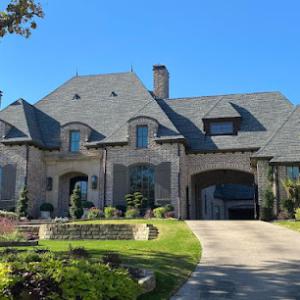
Sellars Construction & Roofing
213 Birdcall Ln, Argyle, Texas
5.0 from 50 reviews
As an experienced roofing contractor, we understand the stress of storm damages and insurance repairs. Our mission is to ease this confusion, allowing you to focus on your family. We prioritize transparency, clear communication, and exceptional roofing services. As your trusted local contractor, we specialize in storm-related property restoration and repair. Contact Sellars Construction today for a free consultation and let us restore your home with care and precision!
Mac's Roofing Contractor & Repairs
(940) 289-6019 macsroofingllc.com
4006 Brooks Ct, Argyle, Texas
5.0 from 21 reviews
Mac's Roofing Contractor & Repairs is a family-owned company providing top-quality roofing & water restoration services. We want your home to be restored to the best possible! We work with insurance companies to achieve this goal!

Vantage General Contractors
(469) 536-2040 vantageroofings.com
7107 Doe Creek Ln, Argyle, Texas
5.0 from 15 reviews
Vantage General Contractors is the best roofing company in Denton . We focus on offering residential and commercial properties quality roofing solutions, including metal roofing, roof repairs, and full roof renovations. We also provide plumbing, painting, flooring, home transformation, and modernization services. As seasoned roofers in Denton , our goal is to deliver long-lasting, weatherproof, and energy-efficient roofing systems. We provide services in Dallas, Fort Worth, Tarrant, Grayson, Denton, Kaufman, and Collin counties. Our knowledgeable staff guarantees excellent workmanship and client satisfaction, whether you need storm damage restoration, emergency roof repairs, or the construction of a new metal roof.
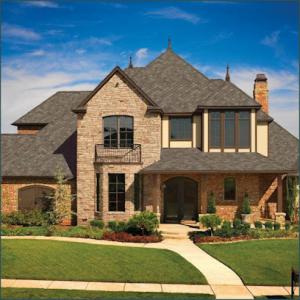
Williams & Sons Roofing & Remodeling
(940) 280-0222 williamsroofing.pro
Serving
4.8 from 68 reviews
Our Roofing Services for Denton Emergency Hail Damage Repair: Restoring areas impacted by hail. Structural Repair: Mending compromised roof structures. Storm Damage Repair: Mending roofs affected by severe weather. Shingle Replacement: Substituting broken or lost shingles.
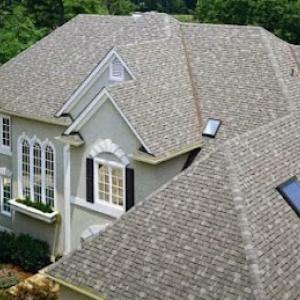
TCR Roofing
(940) 594-6515 www.tcr-roofing.com
Serving
4.7 from 34 reviews
With years of experience and a working relationship with many insurance carriers, TCR Roofing, LLC is qualified and available to assist any home or business with insurance claims. Call us now (888) 878-2477. info@tcr-roofing.com
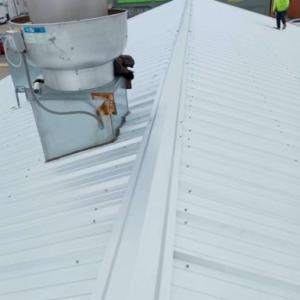
Infinity Roofing Solutions
(972) 365-3693 infinityroofingsolutions.com
Serving
4.8 from 64 reviews
Infinity Roofing Solutions Is Your Trusted Source for High-Quality Roofing in Texas. Our Team Of Expert Roofers are Insurance Your Claims Specialists! Our customer service and attention to detail stands head and shoulders above the rest. Serving the vibrant communities of Dallas, Fort Worth, the Austin/Georgetown Area, Houston, San Antonio, and extending our reach to neighboring states, we are your go-to roofing experts for unparalleled craftsmanship and exceptional service. You can trust Infinity Roofing Solutions to deliver the best experience in installing and repairing: - Asphalt Shingles - TPO Roofing - Metal Roofing - Standing Seam - R Panel - Elastomeric - Mod Bit - Torch Down - Tar and Gravel Call us today for a free inspection!
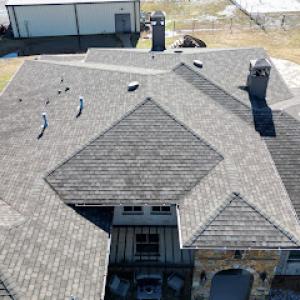

Trophy Roofing & Construction
(682) 438-2151 www.trophyroofingdfw.com
Serving
5.0 from 47 reviews
Trophy Roofing & Construction proudly serves the greater DFW area with top-quality residential & commercial roofing, gutters, fencing, painting, patio covers, and concrete services. As a family-owned business, we value honesty, transparency, and comfort throughout your project. No high-pressure sales—just clear inspections, honest recommendations, and reliable service. Whether you need a roof repair or a complete exterior makeover, our experienced team is here to help. Call today for your free estimate or ask about our flexible financing options. If you are still stuck between contractors, feel free to give us a “Comfort Call”... Don’t forget about our financing options.
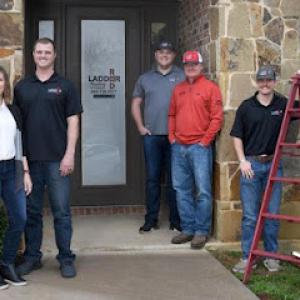
Red Ladder Roofing & Construction
(940) 736-8577 www.redladderroofing.com
Serving
5.0 from 129 reviews
We are a roofing company dedicated to providing only quality products and excellent customer service to North Texas. We perform roof installations, replacements, repairs, and exterior storm restoration for residential and commercial composition, metal, and flat roofing in Denton and beyond. A background in real estate means we can help keep a purchase or sale smooth, even with a major project like a roof replacement thrown in the mix. Should you need any follow up, you’ll know right where to find us because we stand behind our work. Improve your home or business while supporting a local, family, and firefighter owned business! We are insured, GAF & Certainteed certified installers, and members of the NTRCA & RCAT.
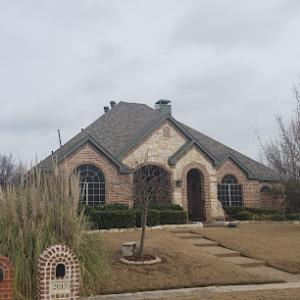
C & F Discount Roofing
(940) 808-0289 www.cfdiscountroofing.com
Serving
5.0 from 33 reviews
Welcome to C & F Discount Roofing, your trusted provider of commercial and residential roofing services. We specialize in handling insurance claims, ensuring a smooth and hassle-free process for our valued customers. Whether you have a large-scale project or a smaller roofing need, our team is equipped to handle it all. As a proud member of the Better Business Bureau, we maintain an outstanding A+ record, reflecting our commitment to excellence and customer satisfaction. Trust us to deliver top-notch roofing solutions that meet your needs and exceed your expectations.
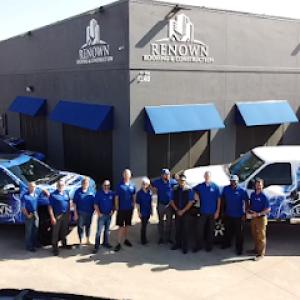
Renown Roofing & Construction
(972) 782-5489 www.renownconstruction.com
Serving
4.8 from 339 reviews
Renown Roofing and Construction, epitomizes reliability in DFW's roofing industry. Their skilled professionals provide top-notch residential and commercial roofing solutions, along with unparalleled expertise in gutter installation and storm damage restoration. Our commitment to quality and customer trust has made us a leading choice for discerning homeowners and businesses seeking the utmost reliability in their roofing needs.
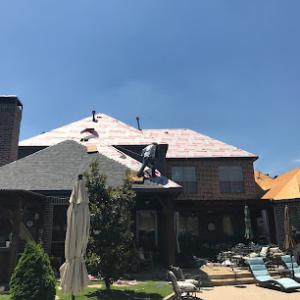
Inside & Out Roofing, Painting & Gutters
(214) 449-4306 insideandoutroofing.com
Serving
4.9 from 79 reviews
Based in Denton, TX, Inside & Out Roofing, Painting & Gutters is a local home improvement company that has maintained a reputation for providing personalized service and value since 2012. Our roots in North Texas stretch back much further. Our owner, Ben Chartrand, and his family have been in Denton for generations. With Inside & Out, you’re more than just a customer; you’re an extension of our family and community. We take pride in delivering a level of service and workmanship that matches the pride you take in your home. We specialize in roofing, gutters, house painting, and storm restoration. No other home improvement company provides a better value. We care about the details and delivering results that leave our customers impressed!
Argyle's dominant roof mix spans asphalt shingles, metal, clay tile, concrete tile, synthetic/composite, and slate, reflecting the town's blend of standard subdivisions and larger custom homes. This mix means choices aren't one-size-fits-all; each material brings its own balance of hail resistance, heat handling, and how it ages under North Texas summers. When considering a roof replacement or major repair, the decision hinges on how the system will perform under frequent hail strikes and long, hot days, not just how it looks from the curb.
In the local climate, hail damage isn't limited to obvious dents. Shingles can sustain granule loss that accelerates aging, while tiles and metal panels may suffer denting or panel loosening after a big storm. Asphalt shingles often recover well from a moderate hit, but repeated incidents can shorten their life and complicate repairs. Metal roofs resist impact better in many cases, but the fast-moving Texan sun also drives thermal expansion and contraction, which matters for roof-to-wall transitions and fasteners. Clay and concrete tiles bring excellent impact resistance when properly installed, yet they add substantial weight and can crack from heavy hail if struck on the edges. Synthetic/composite shingles try to mimic the best attributes of multiple systems while maintaining lighter weight and easier repairability; they can be durable in heat and hail but vary by formula. Slate offers superb longevity and a high hail resistance profile but carries a steep weight burden and a higher risk of crack under impact if the hail trajectory is sharp or large. The bottom line: in Argyle, performance under hail and heat is about how the material handles hits, how fast it sheds heat, and how forgiving it is to patchwork after a storm.
Clay tile, concrete tile, and slate stand out as heavy options that demand attention beyond aesthetics. When a hillside or high-pitch roof is designed with upscale geometry, the structure needs to carry that load with a margin for safety. Replacement planning must account for structural reinforcement if the existing framing or sheathing isn't already upgraded. Heavy tiles can deliver long-term weather resistance, but if the underlying deck or trusses aren't up to the load, the project becomes more complex and more costly. Metal is less demanding on the structure in terms of weight, but the fast-moving heat of North Texas sun means pay attention to underlayment compatibility and the way panels are fastened at ridges and eaves. Synthetic and slate-like composites can offer a practical middle ground, balancing some weight concerns with easier handling and repair options, yet still requiring proper attachment and wind/impact-resistant detailing for the local climate.
Maintenance in this climate should prioritize visual inspection after storms and timely restoration of granule loss, loose fasteners, or displaced shingles. Asphalt shingle roofs need regular checks for curl or edge damage after a hail event, with attention to the attic space to catch hidden moisture that heat can exaggerate. Metal roofs benefit from venting checks and coating renewal where applicable, to preserve reflective properties and prevent panel corrosion at joints. Clay and concrete tile roofs demand careful inspection for cracked tiles, especially on lower slopes or shaded areas where moisture can linger and freeze-thaw cycles aren't as common but sun exposure remains intense. Slate requires monitoring for edge cracks or broken pieces after hail, with a plan for selective replacement that matches the existing profile. Synthetic/composite roofs call for a careful match of warranty terms and repair methods, as some formulations tolerate impact scars differently and may respond to patchwork more predictably in the long run.
In Argyle, replacement timing often intertwines with the goal of preserving curb appeal while keeping future resilience in view. Upscale roof designs benefit from discussing not only current impact resistance but how the system will perform under fast-moving weather patterns and how easy it will be to repair after the next hail season. A thoughtful approach looks at how the chosen material balances initial impact resistance with long-term maintenance needs, and how the roof's weight, durability, and attachment details align with the home's structural design. This practical balance helps ensure that a new roof remains reliable through the region's typical hail cycles and heat waves, while maintaining the distinctive character of the town's varied architecture.
When hail storms sweep through the Dallas-Fort Worth corridor, Argyle typically sees shifts in pricing as crews and materials move between nearby cities. Asphalt shingles range from about 350 to 680 USD per square, while metal roofs sit roughly 900 to 1600 USD per square. For more premium options, clay tile runs 1200 to 2400 USD per square, concrete tile 1100 to 2100 USD per square, synthetic/composite 600 to 1100 USD per square, and slate 1800 to 3500 USD per square. In practice, a storm-season replacement in Argyle often lands in the middle to upper end of these bands due to steep roofs, complex ridges, and larger homes that dominate the town.
Argyle homes tend to feature steep pitches and high-value, custom roof systems. That geometry adds to tear-off and disposal loads, especially when tile or slate assemblies are involved. Steeper sections require longer safety windows for crews, more equipment setup, and additional ladder or scaffold work. Expect higher per-square costs when the home has multiple ridges, valleys, and transitions, or when the existing roof EPA-rated underlayment and flashing need complete replacement alongside the surface.
During major DFW hail events, regional demand pulls crews and materials across several cities, including Argyle. That surge can elevate lead times and surge pricing, particularly for premium materials and specialty installations. In practical terms, a homeowner may see tighter scheduling, slightly higher bids, and more frequent material substitutions as crews juggle back-to-back replacements.
Asphalt shingles remain the most cost-effective baseline in this market, but steep, high-value roofs sometimes justify upgrading to metal or tile systems for long-term durability in hail zones. Clay and concrete tiles offer impact resistance but add weight and require structural confirmation. Synthetic/composite shingles provide a middle ground between cost and resilience, while slate delivers durability at the high end of the spectrum. For homes with significant roof complexity, consider crews with experience in arching ridges and interlocking valleys to minimize future leak paths.
When documenting damage, photograph wide shots of roof planes, along with close-ups of impact points, flashing, and gutters. Request written scope and itemized bids from several local roofers who regularly service Argyle and nearby towns, focusing on companies with experience in steep, premium roof systems. If a replacement is warranted, weigh the value of upgrading to a more durable material now versus the incremental cost, keeping in mind the typical ranges and the town's propensity for larger, custom builds that push bid amounts upward. Plan for a staged project if the crew's schedule is tight post-storm, ensuring debris containment and disposal are clearly addressed in the contract.
Don't let upfront costs delay a critical repair - these contractors offer payment plans to fit your budget.
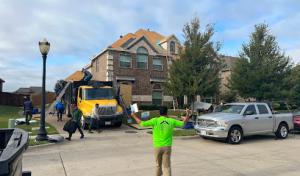
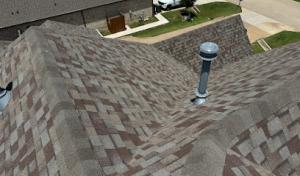
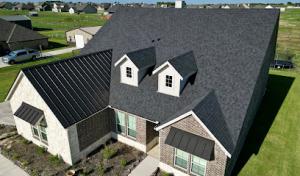
For a full roof replacement, a building permit is generally required and is not handled as a casual over-the-counter repair. The process is managed through the local building department, and intent to replace the entire roof typically triggers more formal review than a simple patch or maintenance job. When you apply, you should expect a review that confirms project scope, material choices, and workmanship standards align with town codes and the specific neighborhood protections that come with higher-value, steep-slope homes common in this area. The permit path is designed to document the change in roof structure and to ensure that installation practices meet current safety and performance expectations.
Inspections in the Argyle area follow the progression of the build, with reviewers focusing on key quality and safety elements. The early stage often centers on underlayment installation, correctness of venting and attic insulation, and adherence to manufacturer requirements for roof assemblies. Mid-project inspections may verify fastener patterns, starter courses, and integration of flashing around penetrations, valleys, and chimneys. A final inspection confirms that the completed roof installation meets code, including any town-specific amendments, and that the sheathing and nailing patterns reflect the weather conditions that the home typically endures. Plan to coordinate inspection times with your contractor, as scheduling windows can depend on weather and the availability of inspectors.
Wind mitigation requirements or energy code considerations may apply depending on project scope and any local amendments, which matters more in a town where many replacements follow hail-related or storm damage rather than simple age-related wear. If wind-rated underlayment or specific venting strategies are mandated, those components must be documented and verified during inspections. Some projects may also trigger enhancements to attic ventilation, radiant barrier requirements, or insulation upgrades to align with energy-efficiency goals or to reflect the climate profile of North Texas. Understanding these potential requirements early helps prevent delays at the inspection stage and supports smoother permit closure.
Engage with the building department early to confirm required forms, plan sets, and any neighborhood covenants that could influence material choices or color, especially on steep and high-value roofs common in this area. Your contractor should provide a clear inspection calendar aligned with the permit timeline and can help prepare the documentation package that inspectors will review. If hail damage is involved, be prepared for documentation that substantiates the claim and supports the project scope in line with permitting and approvals, since the town's approach emphasizes accountability and long-term performance of the reroof.
Spring hail storms in this area can turn a smooth project into a scramble overnight. When a sudden hail event hits, crews rotate from one damaged home to the next, and inspection crews follow the same pattern. That means you might wake up to a blocked driveway, notes from the insurer, and a scheduled window that suddenly shifts by a day or two. In Argyle, where steep and high-value roofs are common, even small delays can cascade into extended coverage gaps and longer drying-out periods for underlayment and attic ventilation work. You should prepare for a potential sprint of activity right after a storm, then an abrupt lull as other homeowners pursue quicker approvals or replacements. Have your storm documentation ready and expect a few shifts in timing as the backlog clears.
The summer furnace that sweeps across the DFW area doesn't just raise attic heat; it also expands roofing materials and slows crews on hot days. In Argyle, that means shorter safe working windows and more breaks, especially on metal and clay tile installations where expansion can influence alignment and sealing. If you're planning a full replacement, you may notice slower progress in the peak heat of July and August, with crews choosing early morning or late afternoon slots to avoid the worst of the sun. This is the season where poor ventilation during installation can lead to higher interior temperatures for longer than expected, so managing indoor-outdoor airflow becomes a practical part of scheduling. Expect a comfortable but decisive pace that respects heat safety rules.
Autumn wind events and passing storm fronts in North Texas can throw a wrench into the best-laid plans. Short delays outside peak hail season aren't rare, especially when a front carries gusts that threaten loose edges or require re-securing sections of the roof deck. In Argyle, that means flexibility matters more than a fixed, week-by-week plan. If a storm edge slams through, be prepared for a quick recalibration of crew availability and material delivery timelines. The most reliable approach is to build a buffer into your scheduling and maintain open lines with your contractor to adjust for sudden weather-driven pauses without sacrificing overall project integrity.
Because replacements follow hail claims, you need a clear split between manufacturer material coverage and workmanship coverage for storm-restored roof systems. Asphalt shingles, metal, tile, synthetic, and slate each carry distinct warranty language, and the terms can shift once a damaged component must be replaced or matched after a storm. In practice, a single storm can trigger a patchwork of coverages across different roof areas, making it essential to map which pieces are purely material and which are tied to the installer's workmanship. This separation helps prevent gaps if a future leak appears in a repaired zone or if matching materials become unavailable.
Detailed insurer review in the Texas hail market makes supplement documentation and scope matching especially important when repairs involve vents, flashing, underlayment, or partial slope replacement. Gather before-and-after photos of every affected detail, including penetrations and transitions, and keep record of color and profile for roof segments that require matching. A precise scope helps the adjuster see exactly what was replaced and what remains, reducing the chance of disputes over whether a repair constitutes a full replacement or a partial restoration.
Argyle's mix of asphalt, metal, tile, synthetic, and slate roofs means warranty terms can vary widely by system and by whether damaged components can be matched after a storm. Plan for potential adjustments if the hail-damaged area cannot be perfectly matched to the existing roof. In such cases, clarity on whether the insurer or the manufacturer covers a matching material or a compatible alternative is critical to avoid a later claim gap, especially when flashing, vents, and underlayment are involved.