Last updated: Apr 19, 2026
Dorchester Center homeowners deal with winter ice dams and heavy snow loads that are specifically called out as major seasonal roof risks in this Boston neighborhood context. When temperatures swing above and below freezing, meltwater on the roof runs toward the eaves and refreezes at the colder edges. In older homes here, rooflines spike with complex transitions, valleys, and irregular eaves, which creates dozens of micro-gutters where that water can back up under shingles. The result is slow, creeping leaks that show up late in the season-often during a stubborn mid-winter thaw or a late-winter warm spell followed by a cold night. The pattern is predictable in this market: snow piles on the upper roof, heat from the attic pushes meltwater to the lower edge, and a moment of refreeze drives water under the shingles and into attic spaces and ceiling planes below.
Older Dorchester housing stock commonly creates complex rooflines, eaves, and transitions where melt-freeze cycles can back water under shingles. In homes with multiple dormers, flat transitions, or nearly flat rear sections, ice dams form not just at the attic edge but at the junctions where different planes meet. The risk isn't just about the big snowstorm; it's about the way heat leaks unevenly through the attic, especially in long, shallow pitches that are common on rear additions. When water sits at the edge, it finds nail penetrations, cracked flashing, or worn underlayment, and those openings become channels for latent leaks into ceilings and wall cavities. The pattern is cumulative: a marginal seal here, a tiny crack there, and a slow drip that can take days to surface after a heavy thaw.
Late winter and early spring leak calls are especially relevant here because spring rains can worsen moisture problems when attic ventilation is inadequate. If the attic space cooks on sunny days and ices up on cold nights, the resulting condensation concentrates around roof joints and inside eaves. In Dorchester Center's older homes, insulation and vent pathways are frequently compromised by age, remodels, or blocked soffit vents. The practical defense is simple but high-stakes: ensure a clear, continuous vent channel from soffits to the ridge, with properly sized baffles to keep insulation off the underside of the roof deck. Without that, warm air lingers, snow melts unevenly, and you start to see damp patches even between storms.
This neighborhood-specific pattern demands proactive monitoring. Look for glossy wet spots along interior ceilings after warm days, especially where a dormer or complex roofline meets a valley. Inside, listen for the occasional drip during a thaw when it's not actively raining outside. Outside, inspect for ice dams along eaves after a heavy snowfall and note any new icicles that extend well beyond the drip line. The most effective approach is targeted mitigation: reinforce problem flashing at valleys and transitions, upgrade underlayment where it has aged, and seal obvious gaps around flue penetrations and vent pipes. If a ceiling reveals moisture with a consistent stain in late winter or early spring, treat it as a warning sign rather than a surprise leak.
You cannot separate a roof leak from attic health in this climate. Keep ventilation robust, stop heat leaks from fixtures and wiring, and ensure the attic remains dry, especially where a roofline changes direction. In Dorchester Center, a small adjustment made now can prevent a much larger leak later, given how winter storms and coastal weather can pressurize the roof with weight and moisture. By acting on the pattern-ice, damming, and slow seepage-you reduce exposure to more expensive repairs once spring rain begins to fall.
Older residential stock in this area often pairs a tall, steep front roof with a lower-slope rear addition or porch. That combination drives planning decisions differently than in newer subdivisions, where roofs tend to be more uniform. When evaluating a roof, look for how the front plane drains toward a gutter system and where the rear section feeds into a low-slope or flat portion. The result is a need for transition strategies that protect interior spaces from both wind-driven moisture and snow buildup. In practice, that means prioritizing secure, well-sealed junctions where the steep and low-slope sections meet, as well as robust edge detailing to handle a wider variation in sun exposure and freeze-thaw cycles.
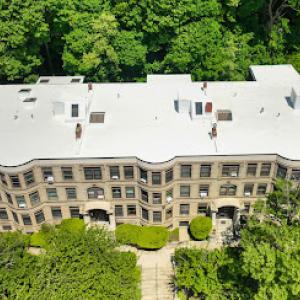
Low-slope sections are a meaningful local service category, reflected by strong flat-roof contractor activity in this market. If the rear of the roof includes a porch or an extended addition, expect periodic maintenance that targets surface integrity, drainage channels, and edge flashing. In Dorchester Center, ice and snow can linger on flatter planes, so an integrated plan that couples insulation, underlayment, and a reliable drainage path becomes essential. Practical steps include ensuring the rear low-slope area has continuous edge protection, a thoughtfully pitched drainage plane, and tailored fastener patterns that minimize penetrations through vulnerable substrates. Aligning materials and detailing across the mixed roof areas reduces the chance of failure at transitions, especially after winter storms.
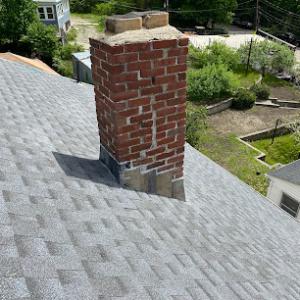
Transitions around chimneys and intersecting roof sections are a practical concern in Dorchester because chimney-related exterior work is a common contractor offering locally. Chimney flashings must be paired with the surrounding roof planes in a way that accommodates both the steep front and the low-slope rear. Pay particular attention to step and counter-flashings where the chimney penetrates different roof pitches, and verify that sealants are compatible with seasonal temperature swings. A common pitfall is underestimating the impact of stack height and wind exposure on flashing performance. Slope-appropriate flashing details and properly sealed bedding around masonry joints help prevent water migration through most winters.
When planning a roof with both steep and low-slope sections, consider materials that tolerate joint movement and differential drainage. In older houses, asphalt shingles can be paired with a compatible low-slope membrane at the rear, especially where a porch roof meets a main elevation. Metal options can provide robust edge performance and durable transitions, though fastening patterns and insulation compatibility must be evaluated to prevent thermal bridging and ice dam risk at the interface. The goal is a cohesive system where each layer supports the next, rather than a mismatch that creates moisture traps or unsealed joints at transition zones.
A practical maintenance routine targets both the high and low sections without neglecting transitions. After heavy snow events, inspect for debris buildup in gutters and along the edge lines of the rear flat areas. In spring, check for + thaw cycles that push moisture toward flashings around chimneys and intersecting planes. A proactive approach includes periodic inspections of underlayment continuity beneath the low-slope sections and confirming that insulation remains intact in the attic to minimize warm roof contact with cold exterior surfaces. Regular attention to the junctions between roof planes, especially where the front steep roof meets the rear low-slope portion, helps reduce leak risk and preserve the overall integrity of the system.
Find specialists in TPO, EPDM, and built-up flat roofing systems for residential and commercial properties.
Duffy Roofing
(617) 296-0300 duffyroofing.com
2281 Dorchester Ave, Dorchester Center, Massachusetts
4.8 from 84 reviews
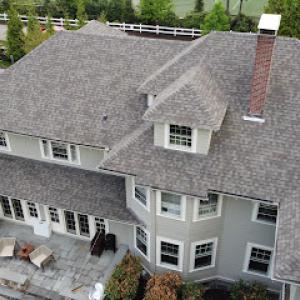
Duffy Roofing
(617) 296-0300 duffyroofing.com
2281 Dorchester Ave, Dorchester Center, Massachusetts
4.8 from 84 reviews
Duffy Roofing, Inc provides residential roofing services in the Dorchester, MA area.
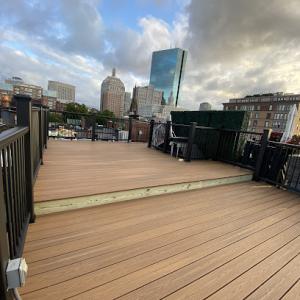
Roof Hub
Serving
4.8 from 99 reviews
Boston roofing contractor Roof Hub makes it easy for you to get an affordable new roof. Whether architectural asphalt shingles with a 50-year warranty or flat roof replacement, get your online quote by email in under 24 hours. We're roofers in Boston with a proven history tackling Boston's complex construction industry, handling permits and new roof installs in tough-to-roof neighborhoods like the Financial District, Back Bay, North End, South End, West End, Fenway-Kenmore Our process-oriented, customer first approach to roof replacement in Boston is why customers keep passing our name along to friends + family. Hundreds of roofs installed in Dorchester Boston, Roxbury, West Roxbury, Hyde Park, Roslindale, Cambridge. All of Greater Boston

Secure Roofing
(617) 770-9323 quincyroofing.com
Serving
4.9 from 38 reviews
Secure Roofing: Your trusted experts for residential & commercial roofing. Specializing in asphalt, slate, shingle & rubber installations/repairs. Quality craftsmanship & affordable prices guaranteed.
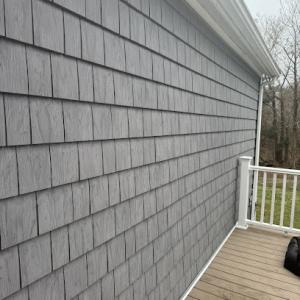
Boston Gutters & Roofing
(508) 322-1329 www.bostonguttersandroofing.com
Serving
5.0 from 7 reviews
Welcome to Boston Gutters and Roofing, your trusted partner for top-notch roofing and gutter services in the heart of Boston. With a commitment to excellence, our experienced team delivers high-quality craftsmanship and personalized solutions to protect your home. Whether you need a roof repair, replacement, or efficient gutter systems, we've got you covered. Choose Boston Gutters and Roofing for reliable service, durable materials, and unmatched expertise. Your satisfaction is our priority, and your home deserves the best – trust us to keep it safe and secure.
Kyne Roofing & Construction
(617) 293-9583 www.kyneroofing.com
Serving
4.9 from 36 reviews
Kyne Roofing & Construction provides roofing and siding services to the Quincy, MA area.
CAN Roof Construction
(857) 415-7727 canroofconstruction.com
Serving
5.0 from 119 reviews
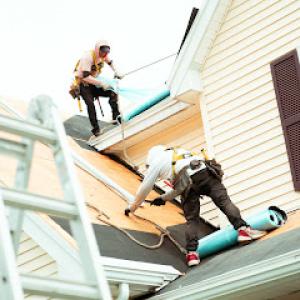
CAN Roof Construction is one of the best Roofing Contractor and Deck Builder in Boston Massachusetts providing Asphalt Roof repair and replacement, Rubber Roof Repair and replacement, Flat Roof Roof repair, Gutter installation, Deck and Porch building and serving Metro West, the Greater Boston area and all surrounding cities. We are the top Roofing Contractor in Boston MA, committed the highest customer service and workmanship quality. We are proper licensed and Insured. If you have roof leak, missing shingle or damage on your roof, get in touch with us, we would love to help you with your roof repair or replacement project. We CAN Roof it!
Boston Roofing & Gutters
(781) 267-3778 www.bostonroofingandgutters.com
Serving
4.5 from 45 reviews
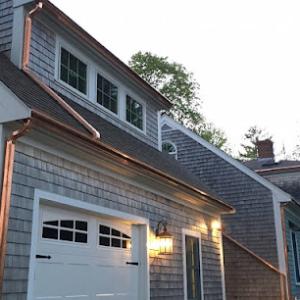
Boston Roofing and Gutters serving Boston and The Greater Boston Area, Metro West, North Shore, South Shore, Hoboken New Jersey and The Heights New Jersey. Boston Roofing and Gutters is the best roofing contractor in Massachusetts and New Jersey, offering a variety of services including: roof installation, roof repairs, chimney cleaning and repair, gutters installation, gutter repairs, gutters cleaning, siding installation, siding repair. Boston Roofing and Gutters primary goal is to provide our valued customers with the highest standard of craftsmanship, while tailoring to their precise needs in a professional and timely manner. Boston Roofing And Gutters is the first company to offer GutterArt to the Boston Market.
The Roof Kings
(617) 302-3191 theroofkings.com
Serving
4.2 from 34 reviews
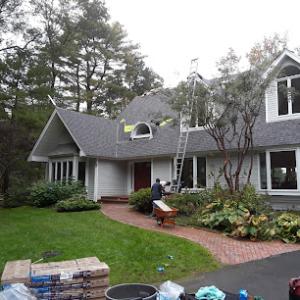
We are located in the Boston Massachusetts area and provide all commercial and residential roofing services. We are committed to the needs of our clients and strive for perfection. Please give us a call for a free roofing estimate for your next project. The Roof Kings has bees in business for almost 30 years and we just love what we do. Making sure that a family is safe and can sleep at night makes it a lot more than just installing a roof. We are the Professional Boston Roofing Contractors that would love to provide your family with the security of having a water tight home with one of our Roof Kings Guarantee! We look forward to hearing from you for a No-Hassle Roofing Estimate 855-210-ROOF (7663)
All For U Roofing & Masonry
(617) 362-8254 allforuroofing.com
Serving
5.0 from 49 reviews
All For U Roofing & Masonry provides carpentry services, gutter services, masonry services, patio services, and more to Boston, MA, and the surrounding areas.
Coyle Construction
(781) 760-4771 www.coyleconstruction.net
Serving
5.0 from 14 reviews
Coyle Construction is your top choice for roofing excellence, providing unparalleled roofing solutions tailored to meet your specific needs. As a leading roofing company near you, our skilled team specializes in roof repair services, ensuring your home remains safe and secure. We are your trusted local roofers, dedicated to delivering superior residential roofing services and expert emergency roof repair. With a focus on quality, we excel in roofing installation and are recognized as metal roofing specialists. Trust us for professional gutter installation that enhances your home's protection and longevity. Choose Coyle Construction for expert craftsmanship and reliable roofing solutions in your area.
ID Flat Roof
Serving
4.7 from 40 reviews
Repair, replacement, and installation of flat roofs, low-pitched roofs, regular roofs, and decks.Residential and Commercial roofs.Rubber roof, asphalt shingles roofs, metal roofs, PVC roofs.Experience More Than 21 Years.Lifetime Warranty.We accept credit cards.We have all insurances and licenses.If you want to make your next roof your last roof, call us today and let us provide you with the final solution to your roof or deck problems.
O'LYN Roofing
(781) 854-5947 www.olynroofing.com
Serving
5.0 from 23 reviews
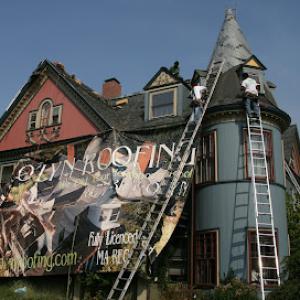
With 51 years of roofing excellence, O’LYN Roofing is Boston's premier choice, specializing in top-tier roof installation, including slate, copper, wood, asphalt, and flat roofs. Our expertise extends to distinctive Victorian roofing, gutters, downspouts, and skylights. Elevate your home with O'LYN Roofing's precision and professionalism. Contact us for a roof inspection and estimate. Join satisfied clients in experiencing the O’LYN difference. Trust your property to the experts at O’LYN Roofing, where excellence meets experience.
For homeowners dealing with the aging, low-slope rear sections common on older houses in this area, a full replacement is most practical from late spring through early fall. The combination of warmer temperatures and dry spells reduces the risk of moisture infiltrating the attic during installation and helps materials cure properly. In practice, plan work for a stretch when the ground is not frozen and crews can move around the property without fighting snow or ice buildup on the roof. This window also aligns with better ventilation around the new roof and less interruption from winter weather patterns.
As autumn approaches, fall nor'easters can disrupt scheduling and roof access in the Boston area. If you wait too long into autumn, you may encounter supply delays, shortened daylight, and crews needing to wrap up before the first cold snap. Start coordinating with a contractor earlier in September if you suspect a winter project could be necessary. A careful calendar helps prevent work stoppages mid-install, which can leave the underlayment exposed to early-season rain and wind.
Spring can be workable, but it comes with its own set of considerations. Seasonal rains and humidity increase the chance of incidental moisture exposure during installation, so measures to manage ventilation and deck dryness before work begins are important. If you choose a spring window, ensure the contractor has a plan for rapid drying and temporary protection of interior spaces during any unexpected showers. Early spring delays can also push work into wetter periods, so have a contingency schedule in mind.
Ice dams are a recurring concern with older rooflines and cold snaps followed by coastal storms. Before any replacement, have a pro evaluate attic ventilation and insulation to minimize warm attic air that melts snow and refreezes at the eaves. During installation, confirm that overhangs, gutters, and downspouts are integrated with a robust underlayment and proper ice-and-water shield at the eaves. After completion, maintain a proactive snow management plan: clear critical areas after heavy snowfall and inspect the roof and flashing after storms to catch leaks early.
Dense housing stock means crew access and staging space matter. Coordinate with neighbors for temporary driveway or walkway protection and ensure bins or debris containment won't block shared access during heavy snow seasons. A well-timed replacement in the right season reduces the likelihood of leaks during the busiest months and keeps winter weather from complicating a necessary upgrade.
Get a clear picture of your project costs upfront - no commitment required.
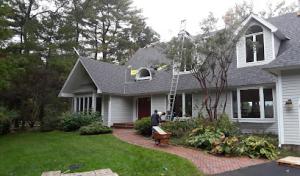
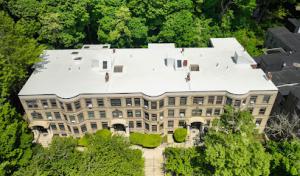
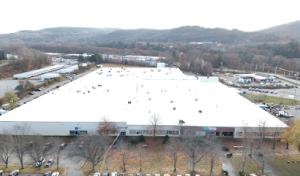
Asphalt shingles are the dominant practical choice in Dorchester Center, aligning with both local housing stock and the strongest material-specific contractor presence. For most traditional capes, colonials, and mid-century homes with low to moderate slopes, asphalt offers a straightforward path to reliable leak resistance, easier maintenance, and a robust service life when paired with proper ice-dam prevention details. The profile choices-from basic 3-tab to architectural varieties-fit existing attic spaces and insulation configurations, making retrofit projects less disruptive to the cold-season workflow that coastal storms can trigger.
The combination of cold snaps followed by rapid warming drives ice-dam risk, so roof assemblies benefit from a solid underlayment and careful venting. Asphalt shingles pair well with a high-quality synthetic underlayment and strategically placed square-foot venting along the eaves and ridges. In practice, this means ensuring adequate attic insulation and continuous air sealing so that warm indoor air does not melt snow along the overhangs. When installed by a crew familiar with older Dorchester rooflines, asphalt systems can also accommodate rain diverters and ice-damming details that are less intrusive to the existing eave lines.
Metal roofing is present but more specialized locally, making it a targeted option for homeowners prioritizing snow shedding and durability rather than the default neighborhood choice. In homes with steeper pitches or rear sections that experience heavier wind-driven snow loads, metal can reduce snow buildup and minimize edge-damage risk. Metal is also advantageous on repairs where continuous metal panels can extend over smaller, exposed dormers or bump-outs, reducing potential leak points. However, metal's weight, fastening details, and compatibility with existing flashing must be evaluated carefully to avoid creating new weak spots on an older roof.
Tile, concrete tile, wood shakes, and synthetic products exist in the market but are more selective fits because many homes were not originally framed or detailed around heavy tile systems. Clay or concrete tiles bring excellent long-term durability but demand a strong structural deck and precise attic clearance; many older Dorchester structures simply aren't built for that load without significant reinforcement. Wood shakes deliver a distinct texture and historical appeal, yet their higher maintenance and fire considerations require frequent upkeep and proper fire-rated detailing. Synthetic shingles can mimic the look of some heavier options with less weight, but their performance under freeze-thaw cycles and coastal salt exposure should be validated by a local contractor. For all non-asphalt options, a thorough structural assessment is essential to ensure the roof can carry the weight without compromising leak resistance or insulation performance.
When planning a roof replacement in this area, you'll use the per-square ranges shown for each material, but expect the final price to be higher if the old roof surface has a lot going on. Older Boston homes in dense neighborhoods often have tear-off complexity driven by multiple penetrations, dormers, and rear low-slope sections. Those features can push the typical square price up from the baseline, because crews must work around chimneys, vents, skylights, and tricky transitions without damaging interior finishes.
Asphalt shingles stay the most common option for long-lasting performance at a manageable price, with a cost spread that reflects roof complexity and hewing to local standards. Metal roofing, while pricier, can offer better ice dam resistance and longevity on cliff-edge slopes, but installation requires careful detailing around dormers and low-slope rear sections. Clay and concrete tiles bring strong durability and a distinct look, though their weight and fastening details demand structural checks and precise installation on older framing. Wood shingles or shakes convey traditional charm but carry higher maintenance in winter conditions. Synthetic or composite shingles provide a middle ground with modern performance. In Dorchester Center, the per-square ranges you'll rely on are the ones listed above, and the actual price will reflect how many penetrations and how steep the roof is, along with the rear low-slope areas that ice and moisture can exploit.
Storm-driven demand spikes after winter damage or nor'easters can tighten contractor availability here, which can in turn influence both start dates and pricing. In Boston, the window from late spring into fall is particularly active, so planning ahead helps secure a contractor who has the right experience with older, complex rooflines. Expect leads times to affect how soon your crew can begin, especially if the job involves tear-off, extensive detailing around dormers, or managing ice-dammed sections that require careful shingle and underlayment transitions.
Begin with a detailed inspection that maps all penetrations, dormer connections, and rear low-slope segments where ice can seep. Use that map to request multiple quotes that itemize tear-off, waste disposal, and any required structural checks. If snow and ice are prominent, consider discussing secondary protection measures during late winter or early spring to minimize disruption and ensure materials arrive ready for a tighter schedule. Align the chosen material with your insulation and ventilation plan to bolster ice-dam resistance in the cold snaps Dorchester experiences.
Don't let upfront costs delay a critical repair - these contractors offer payment plans to fit your budget.

A full roof replacement in Dorchester Center typically requires a permit through the Boston building department rather than being handled as informal maintenance. That means your project is treated like a real construction job, with official review and documentation. Your contractor should not imply this can be done with a simple trip to the hardware store and a quick patch; the city expects proper filing, plan submissions, and compliance checks before any shingle tear-off begins.
The local process generally includes plan review plus rough and final inspections, so contractors need to coordinate inspection timing instead of treating the job as a one-visit replacement. Expect at least two distinct checkpoints: a rough-in stage where structural or ventilation adjustments are verified, and a final inspection after completion. This cadence matters in Dorchester Center, where dense housing and older rooflines can amplify wind and ice-dam risk if modifications aren't carefully documented and approved.
Boston-area permit review commonly takes 1-2 weeks of lead time, and homeowners should confirm the contractor is properly licensed and addressing any wind-resistance and attic-ventilation requirements noted during review. In this climate, where winter ice dams and attic moisture drive many repairs, the permit process becomes part of ensuring the work will stand up to cold snaps and coastal storms. Ask for a copy of the submitted plans and the inspector's expected scope so there are no surprises when the crew arrives.
Coordinate with the contractor to map out inspection windows and ensure all ventilation, insulation, and tie-in details are shown in the plan package. If any changes occur during work, they must be re-submitted and re-approved. Treat the permit timeline as a built-in delay buffer rather than an afterthought, especially as winter approaches and weather windows narrow.
Massachusetts insurers generally cover weather-related roof damage when it is well documented, which matters in Dorchester Center after nor'easters, winter storms, and severe wind events. The claim decision hinges on clear evidence that damage is storm-driven rather than a long pattern of aging wear. In Boston-area claims, there isn't a broad pullback, but severe wind or hail events can bring higher scrutiny and stronger documentation requirements for replacement approval. Your insurer will want to see that the damage is repairable and that the roof's remaining life is insufficient to justify repair rather than full replacement.
Dorchester homeowners should expect claims support to hinge on contractor estimates, date-stamped photos, and clear separation of storm damage from older wear on aging roofs. Start with a licensed local contractor who can identify and quantify wind-damaged components-shingles torn, flashing displaced, or vent flashings lifted. Photograph the roof from ground level and from ladders with a clearly visible date stamp, then capture attic signs of leakage such as staining or mold near the problem areas. Keep a detailed log of weather events, dates of inspections, and any temporary tarping or leak-stop measures you install. Provide the insurer with a line-by-line estimate that matches the observed damage, not generic repair language.
When the adjuster arrives, point out storm-related evidence and separate it from aging-related deterioration. Use the contractor's scope to anchor discussions about replacement versus repair, and request a copy of the adjuster's notes and photos. If the initial assessment excludes storm damage, politely ask for a second review or escalation, supplying the date-stamped documentation again. In colder months, demonstrate how ice dam-related issues contributed to the damage, clarifying that wind-driven shingle loss or flashing failure can exacerbate existing ice dam risk on older rooflines.
Connect with contractors who help homeowners navigate the claims process from damage assessment to final approval.
Clancy Roof & Leak Repairs
(617) 467-2455 clancyroofrepaircharlestown.com
Serving
5.0 from 53 reviews
Storm Works Roofing & Restoration
(844) 786-7696 www.stormworksroofing.com
Serving
4.8 from 143 reviews
Skylight curbs and flashing present real leak-prone spots on many older Dorchester homes. When a leak traces to a skylight, start by inspecting the curb seal and the flashing where the curb meets the roof plane. In these parts, ice and snow build-up near skylights can push against flashing during cold snaps, so check for hairline cracks, lifted shingles, and any pooled water around the base. If the skylight frame shows moisture staining or condensation inside, the issue may be the curb or the sealant rather than the glass itself. Plan a careful reseal or curb flashing replacement with a focus on a continuous, sloped drip edge to direct meltwater away from the skylight.
Chimney-adjacent flashing deserves extra attention because chimney work is commonly paired with roofing in the local contractor market. When moisture appears near a chimney, verify the step and counter-flashing where it meets the siding and the roof. In older homes, masonry joints can crack or settle, allowing water to bypass the roofing underlayment. Look for rust spots on metal flashing, deteriorated tar seams, and gaps at the point where brickwork meets metal. If the chimney crown is cracked or the stucco or mortar around the chimney is spalling, addressing those issues in tandem with flashing repair yields the most reliable leak control.
On older Dorchester houses, leak tracing often requires checking transitions between masonry, flashing, and mixed roof sections rather than assuming the field shingles are the only problem. Pay close attention to the intersection where a flat or low-slope rear section meets a steeper main roof, especially near dormers or skylight skylanes. These transitions can trap ice dam build-up and create hidden voids behind blown-in insulation. A careful hand-scan with a pocket light during daylight and a gentle tap check along the flashing joints can reveal soft or hollow spots that signal underlying failure.
Start with a dry-weather inspection around skylights and chimneys, marking any bubbling or missing sealant. After a snow or ice event, inspect the same areas for active leaks inside the attic, noting any staining that coincides with the skylight curb or chimney flashing. If water shows up during thaw cycles, prioritize resealing or flashing replacement at the curb and chimney joints, and then recheck surrounding transitions for signs of movement or gaps.
Find contractors experienced in skylight installation, flashing, and leak repairs to bring natural light into your home.
Solar-integrated roofing exists in the Dorchester Center market but is still a niche specialty compared with mainstream re-roofing and emergency repair work. If you have a roof with consistent, well-supported sections and a southern exposure without heavy shading, a solar installer can assess whether panels can sit flush with the existing lines or require a distinct mounting system. In older houses with mixed slopes, the benefit of solar may be uneven across the roof, so expect a detailed map of production by section rather than a blanket assumption of all-day wattage. For most homes, solar is a thoughtful add-on after a planned re-roof or major repair rather than a first line upgrade.
Roof coating and restoration are also niche local offerings, suggesting they are best treated as selective solutions for suitable low-slope sections rather than standard recommendations for every home. A modern coating can extend the life of a small flat or low-slope area that collects ice dam pressure or sees repeated minor leaks in shoulder seasons. In Dorchester Center, where ice dam risk spikes after cold snaps followed by coastal storms, coatings may help on rear-angled or low-slope portions that are not easily reached by full replacement. However, coatings lose effectiveness on steeper pitches and mismatched substrate conditions, so treat them as a targeted fix rather than a universal remedy.
Because Dorchester Center has many older roofs with mixed slopes and penetrations, restoration suitability should be evaluated section by section instead of assuming a whole-roof coating approach. Conduct a careful survey of each plane: identify sections with solid decking and minimal penetrations, then test a small area with a breathable, elastomeric coating designed for historic or mixed-frame roofs. For steeper areas, cluttered eaves, or chimney-and-vent clusters, traditional repair or re-roofing often yields more predictable results and better long-term performance. In practice, plan restoration for isolated pockets where ice dam dynamics and drainage patterns are locally improved, rather than expecting a single coating solution to cover a roof with varied slopes and many penetrations.
Find contractors who integrate solar panels or solar shingles into your roof for long-term energy savings.
Storm Works Roofing & Restoration
(844) 786-7696 www.stormworksroofing.com
Serving
4.8 from 143 reviews