
Last updated: Apr 19, 2026
In the densely built eastern Bergen County block, closely spaced homes can hide missing shingles, damaged flashing, or branch impact from the ground after a wind event. Older roofs in these rows often carry multiple penetrations-chimneys, vent pipes, skylights-and masonry transitions that have shifted or degraded over years. A single storm can stress all of these points at once, pushing water through joints you can't easily see from the curb. When wind and rain hit, you're not simply dealing with a handful of shingles; you're addressing a network of compromised details that vent, drain, and seal the roof line. The risk is not only interior staining but hidden moisture that weakens decking and invites mold, making rapid stabilization essential.
First, perform a careful but safe exterior check from ground level. Look for torn edges, lifted shingles, or new gaps around chimneys and vent flashing. If you spot obvious gaps or hear running water inside or see new damp spots, you need urgent tarping to limit further leakage. In these neighborhoods, emergency tarping isn't an optional DIY step; it's a critical shield against ongoing damage while you arrange proper repairs. If you can safely access the roof, place a temporary, weatherproof cover over damaged zones, focusing on flashings around the chimney and any penetrations. Don't delay-quick stabilization buys you time to assess the full scope and prevent wood rot or insulation deterioration that compounds the problem.
Chimneys and step-flashings are frequent disruption points when a storm hits. With many homes already carrying decades of masonry transitions, shifting mortar or degraded counter-flashings create predictable leak paths. Valleys where two roof planes meet and the edge where the roof meets the wall are additional trouble spots, especially if old sealants have dried out. In tight streets, branches and debris pile up against eaves and fascia, allowing water to pool and seep into vulnerable joints. Your focus after a storm should be on these transition areas, then tracing any interior staining back to the likely entry points outside.
Documenting damage promptly is critical. Take clear photos from multiple angles, including close-ups of missing shingles, lifted flashing, and any interior leaks that appear in the attic or ceiling. Keep a dated log of when you noticed each issue and note wind speeds or debris you observed during the storm. If you contact an emergency contractor, request a written assessment outlining exact leak sources and suggested stabilization steps, so your insurer can see the urgency and scope. In this market, fast tarping and leak stabilization are common first moves; having professional notes and photos ready can streamline the claim and get you to a solid repair plan faster.
Chimneys are a recurring leak point in the older housing stock around here because roof-to-masonry intersections are common and often vulnerable to freeze-thaw cycling. Skylights aren't a niche concern in this area; their curb flashing and the way surrounding shingles integrate with the curb are routinely a source of trouble. New Jersey winters push moisture into tiny gaps, so careful detailing at these transitions matters more than the general shingle condition on a low-slope edge or the main roof surface.
When surveying a roof in this neighborhood, start at the chimney chase and any mortar joints visible from the attic or culvert area. Look for spalled brick, loose flashing, or cracked mortar. In the attic, check for light leaks around the chimney stack and for any signs of condensation or staining near the top of the chase. For skylights, inspect the curb flashing where it meets the shingles, plus the shingle-to-curb interface. Any soft spots, lifted shingles, or dark staining near those transitions can be an early sign of a slow leak that will worsen with freeze-thaw cycles.
New Jersey's freeze-thaw cycle is hard on step flashing, counterflashing, and sealant at masonry and skylight transitions. If flashing was not properly embedded into the shingle line or if counterflashing has moved, water will find its way behind the field shingles. In Lodi, the priority is to ensure that the flashing is continuous, properly lapped, and securely fastened with corrosion-resistant materials. Where masonry meets flashing, sealants should be compatible with both masonry and asphalt or metal components, and old sealants should be removed before re-sealing. For skylights, the curb should have a tight seal to the roof deck with flashing that extends up the curb and under the shingles in a weather-tight backstop. Do not rely on caulk alone; use flashing and a proper sealant system designed for curb installations.
1) Start with a careful roof scan focusing on chimneys, the skylight curb, and any metal flashing around those transitions. Note any loose or missing shingles in the vicinity, as that often compounds leaks at flashing points.
2) Remove deteriorated sealant and any compromised flashing at the chimney and skylight. Inspect counterflashing for rust, gaps, or lifts; replace if necessary.
3) Reinstall or patch step flashing where it intersects masonry, ensuring laps shed water toward the exterior and are benched into place. For chimneys, extend flashing up and over the masonry cap, then tie into the counterflashing to create a continuous barrier.
4) Install or renew skylight curb flashing with a waterproof sealant compatible with the curb material. Ensure the joint between curb and shingles is flashed with overlapping layers that shed water away from the seam.
5) Re-shingle the area adjacent to transitions with careful integration, making sure nails are driven in solid, previous nail patterns are preserved to avoid splitting the shingles or creating new leak paths.
6) Finish with a thorough water-test or leak-check after installation, focusing on the chimney and skylight transitions, as well as the surrounding field.
Persistent damp spots at the chimney base in attic spaces, dark streaks down the interior wall where the chimney passes, or a recurring drip from the skylight during rain or after heavy snowmelt. If any of these appear, recheck the flashing laps and the sealant at the transitions, even if the field shingles look sound. In this climate, the problem often remains hidden until a freeze-thaw cycle concentrates the leak at a stressed joint.
Find contractors experienced in skylight installation, flashing, and leak repairs to bring natural light into your home.
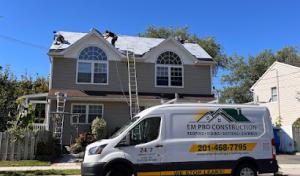
EM Pro Roofing & Siding
(201) 468-7795 emproroofingandsiding.com
157 S Main St, Lodi, New Jersey
5.0 from 160 reviews
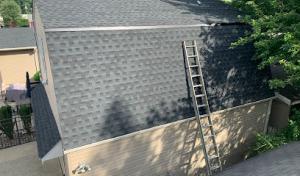
Allied Roofing & Construction
(973) 851-2768 www.alliedconstructionusa.com
116 S Main St Suite 12, Lodi, New Jersey
4.9 from 224 reviews
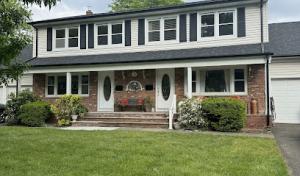
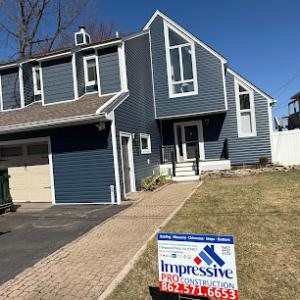
Impressive Pro Roofing , Chimney & Siding
(862) 571-6653 www.roofingcontractornewjersey.com
167 Union St, Lodi, New Jersey
5.0 from 166 reviews
We started working in 2010 and now with 15 years of experience we are on top of the construction works in New Jersey. Family owned and operated company, we are pleased to offer great service with competitive pricing.
EM Pro Roofing & Siding
(201) 468-7795 emproroofingandsiding.com
157 S Main St, Lodi, New Jersey
5.0 from 160 reviews
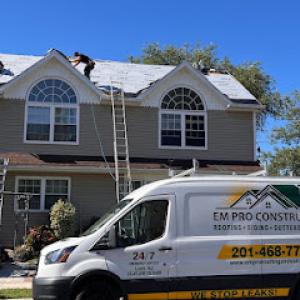
EM Pro Roofing and Siding provides residential and commercial Roofing services including emergency repairs, Siding, and Gutters to Lodi, NJ and surrounding areas.
PRestige , Roofing & Constructions
(201) 757-3945 prestigeroofingconstruction.com
11 Massey St, Lodi, New Jersey
5.0 from 92 reviews
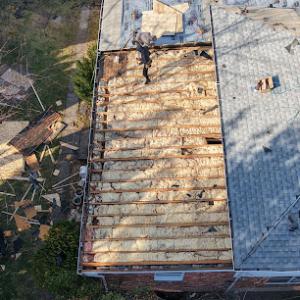
At Prestige Roofing & Construction, we specialize in roof replacement, roof repair, shingle roofing, flat roof services, and emergency roof repair throughout Bergen County and surrounding NJ areas. Our licensed and insured team delivers quality craftsmanship, fast response, and reliable solutions for all your residential and commercial roofing needs. We also provide roof inspections, leak detection, and gutter installation. Customer satisfaction is our top priority, and we take pride in every job, big or small.
Allied Roofing & Construction
(973) 851-2768 www.alliedconstructionusa.com
116 S Main St Suite 12, Lodi, New Jersey
4.9 from 224 reviews
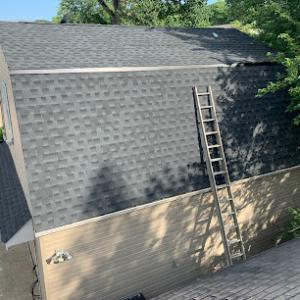
Allied Roofing and Construction provides Roofing, Gutter, Siding, Window, Solar, and Chimney Services as well as renovations additions. 24/7 Emergency Services to Lodi, NJ and surrounding areas.
GRAYSON Roofing & Siding
(201) 310-7147 graysonconstructiongroup.com
Serving
5.0 from 187 reviews
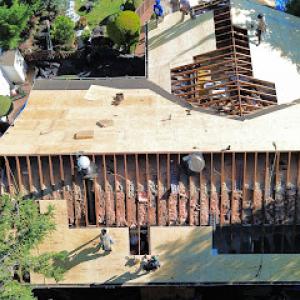
Grayson Roofing & Chimney is a trusted roofing contractor with 22+ Years of experience serving Garfield, NJ and nearby towns. We specialize in roof repairs, full replacements, storm damage restoration, and leak fixes for residential and commercial properties. Our team is fully licensed and insured, with years of experience providing fast, affordable, and reliable roofing services. We offer free estimates, emergency response and more. Contact us today, and we'll work together to bring your vision to life. Our commitment to customer satisfaction, combined with our expertise in roofing, has earned us a reputation as a trusted and reliable roofing company
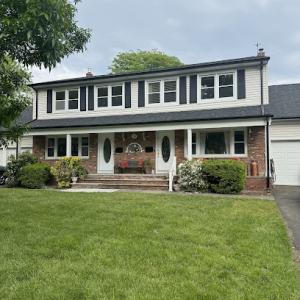
Roof Shark
Serving
4.9 from 216 reviews
Roof Shark is a roofing contractor in Garfield, NJ serving Upper Saddle River, River Vale, Millburn and nearby areas. Our roofing company offers residential roofing, commercial roofing, roof repair, asphalt shingle roofing, and more. We also specialize in gutters, siding, windows and doors. Customers love us because of our comprehensive roof warranties and our affordable roof financing options. We also have industry affiliations and certifications such as CertainTeed Contractor & Owens Corning Preferred Contractor . If you want to experience how your most trusted Elmwood Park roofing company embraces our motto "The Apex of Roofing Excellence ", call us now for a free estimate!
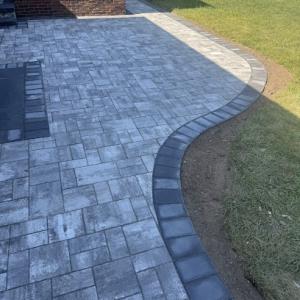
Top NJ Construction & Roofing
(862) 388-9084 topnjconstruction.com
Serving
5.0 from 109 reviews
Top NJ Construction is your local New Jersey Roofing and Chimney Repair, Replacement, and Installation specialist, always available for Free Estimates. Top NJ Construction is a family owned and operated Construction specialized in Roofing, Chimney, Siding, Masonry, and Gutters in New Jersey, proudly servicing in the state for over 20 years. Our certified and experienced crew repairs, replaces, and installs Shingle, Tile, Cedar Shake, Metal, and Flat Roof Systems. Top NJ is also experienced in Prefabricated, Metal, Wood Stove, and Masonry Chimneys. With years of experience in residential and commercial Roofing, Chimney, Gutters, Masonry, and Siding Repair and Installation in New Jersey, you can expect professional service.
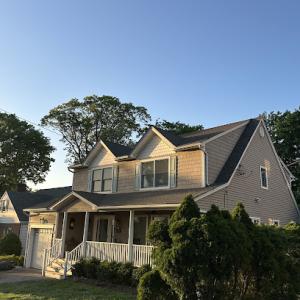
Novabuild Construction
(201) 678-8722 www.novabuildnj.com
Serving
5.0 from 84 reviews
Novabuild team's mission is to provide high-quality roofing services at reasonable prices. We go all-out to make sure that every customer receives excellent service and high-quality materials. We understand the importance of a strong and reliable roof in protecting your home and that is why we pay attention to every detail in each project we complete.
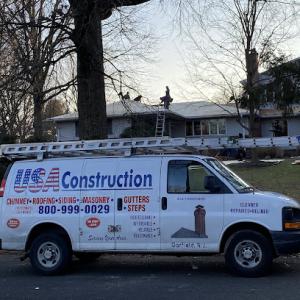
USA Construction
(973) 652-0787 usaconstructionnj.com
Serving
5.0 from 102 reviews
Looking for a reliable and affordable roofing Garfield NJ? Look no further than U.S.A. Construction & Roofing Repairs Garfield! We're a family-owned and US contractor with over 20 years of experience in residential roofing, commercial roofing, chimney repair, and chimney installation. Our certified and experienced USA construction crew and general contractor specializes in roof repair near me, roof replacement, and installing a wide range of roofing systems, including shingle, tile, cedar shake, metal, and flat roofs, as well as metal, and masonry chimneys in New Jersey. We offer free estimates and top-quality service to meet your needs. Call us today for the best construction company in professional service and customer satisfaction!

All Elite Construction — Roofing, Siding & Exteriors
(551) 335-9235 www.alleliteconstructioncorpnj.com
Serving
5.0 from 86 reviews
All Elite Construction is a fully licensed & insured exterior remodeling company serving all of New Jersey. We specialize in roofing, siding, gutters, windows, and masonry. Our team is GAF-Certified and James Hardie-trained, providing top-quality materials, expert craftsmanship, and 5-star service backed by industry-leading warranties.
Pro Touch Construction
(201) 727-3777 protouchroofing.net
Serving
5.0 from 149 reviews
Pro Touch is dedicated to providing high quality services. Over 20 years of experience we pride ourselves on quality , professionalism and attention to detail . We’re here to meet your needs and find a solution to every problem while being professional and affordable. Roofing , Roofing contractor , Roofing Company , Roof Repair ,Gutters ,Masonry-Concrete ,steps ,Chimney, Decks, Siding , ect
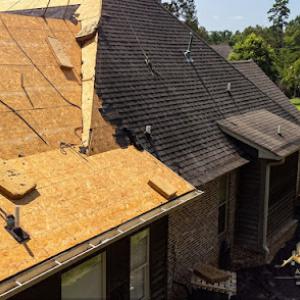
All State Roofing & Chimney
(862) 295-7864 allstateroofingandchimneynj.com
Serving
5.0 from 631 reviews
Operating since 2003 and proud to be a family-owned business, All State Roofing and Chimney is your dependable North Jersey roofing company. Dedicated to providing reliable and affordable residential services, they offer professional roof repairs, leak remedies, chimney restoration, and gutter maintenance. With their vast service areas, you can trust that All State Roofing and Chimney is always ready to serve customers in various counties and cities, providing prompt and top-quality results.
Asphalt shingles remain the dominant practical choice for many homes in this market because they fit the common pitched residential roof forms found among older Bergen County stock. They weather the freeze-thaw cycles, the seasonal weight of snow, and the frequent mid-Atlantic storm patterns typical of this area without the heavier detailing and structural demands that tile systems impose. For most houses, standard shingle reroofing aligns with existing rafters and ceiling joists, reducing the likelihood of needing extensive structural review or complex flashing work. If your home features a traditional peak and simple valley runs, you can expect a straightforward installation path with reliable leak mitigation and longer-term performance when paired with quality underlayment and properly sealed eaves and dormers. In a neighborhood where roof lines vary from straightforward to modestly dormered, asphalt shingles offer a forgiving combination of cost-efficiency, ease of installation, and ease of future maintenance.
Clay and concrete tiles do appear in the local material mix, but on older Bergen County homes they can trigger added structural review, more specialized flashing work, and higher replacement complexity than standard shingle reroofing. Tiles bring durability and a distinctive curb appeal, yet their weight demands careful calculation of framing strength, rafter spacing, and sometimes reinforcement. If the existing structure isn't already equipped to bear tile loads, an upgrade may be needed before installation, along with upgraded ventilation details to manage moisture. For storm-prone seasons, tile roofs can offer excellent longevity, but the installation requires precise flashing at hips, ridges, and penetrations to prevent leaks around vents, chimneys, and skylights. In essence, clay or concrete tile is best matched to homes with compatible structural support and a built-in preference for long-term, low-maintenance aesthetics when the framing can accommodate the weight without compromising attic space or insulation continuity.
Metal roofing is present in the market but remains a smaller specialty locally, making installer experience and trim detailing especially important when homeowners want a longer-life upgrade. Metal can offer superior wind resistance and a lighter profile, which suits some older structures that already balance mass and weight carefully. However, finished trim, transition details at eaves, fascia, roof-to-wall interfaces, and vent penetrations require skilled workmanship to prevent leaks, especially in storm-driven scenarios. If choosing metal, prioritize local installers with a track record on pitched roofs and on projects that involve matching trim lines to preserve the historical or architectural character of an older home. A well-executed metal roof can deliver excellent storm resilience, but the payoff hinges on meticulous flashing, sealing at step-flashings, and careful integration with existing gutters and downspouts.
Storm damage in this area often surfaces as fast-turn emergency repairs, where prompt assessment and documentation can shape insurance outcomes. When a leak is suspected after a nor'easter or sudden downpour, start by locating entry points around chimneys, vents, and transitions between roof surfaces. Photograph damage from multiple angles, including interior water staining and attic signs of moisture intrusion. Keep a diary of weather events, dates, and any temporary repairs performed to control further damage. If shingles or tiles are displaced, note whether underlayment has been exposed and whether flashing around penetrations is compromised. Insurance-focused documentation should capture the extent of visible damage, proposed repairs, and the urgency of temporary fixes. Coordinating with a reputable local contractor who understands typical Bergen County roof lines and the common limitations of older structures will help align the plan with both the roof's material needs and the expected scope of restoration. This approach supports a smoother negotiation, clearer repair scope, and a path that respects the unique balance of form, weight, and weather resilience characteristic of the local housing stock.
Flat and low-slope roofs are a core part of the town's mixed-use streets, where commercial corridors sit above or beside older homes with additions and porches. The frequent storm events bring rapid leakage risks, and the flat portions or low-slope transitions often act as the first line of defense or the first point of failure. Snow holdover and ponding are common concerns after heavy storms or humid stretches, so diagnosis often requires watching for slow drying and moisture lingering on the surface long after rain stops. When planning repairs, target the problematic seams, edge details, and any terminating flashings where the roof line changes or where a porch or garage connects to the main structure.
Diagnosis begins with a careful walk of the roof at mid-day lighting to spot ponding areas and standing water that doesn't dry within a typical cycle. On a low-slope roof, a small leak can travel a long way before showing inside, so trace the path from the suspected ceiling stain back to the nearest joint, penetration, or seam. Look closely at the perimeter drip edge and parapet walls for corrosion or loose termination bars. When a leak appears after a humid period or a warm rain event, check for moisture wicking near penetrations such as vent stacks, HVAC curbs, and skylights. For porches or additions that share a roof with the main house, treat each section as a separate problem area; a single repair crew trained in flat-roof details will yield a more durable result than a general shingle crew.
Because flat-roof service is strongly represented in the local contractor base, it matters who does the work. If a restoration involves a garage roof, an apartment-level addition, or a porch with a low-slope deck, insist on a crew that demonstrates experience with the specific detailing of flat and low-slope systems. Ask for recent, nearby projects with similar configurations, and verify that the crew uses appropriate flashing, edge sealing, and temporary weather protection during repairs. When arranging emergency responses after a storm, communicate clearly about the area of accumulation, the exact penetrations involved, and any updated ice and water shield recommendations for cold snaps. In residential keepsakes or mixed-slope homes, the goal is to restore reliable drainage and resilient joints, not just cover over the surface.
Find specialists in TPO, EPDM, and built-up flat roofing systems for residential and commercial properties.
PRestige , Roofing & Constructions
(201) 757-3945 prestigeroofingconstruction.com
11 Massey St, Lodi, New Jersey
5.0 from 92 reviews
Lodi's costs reflect North Jersey labor pricing, dense-lot logistics, and tear-off/disposal constraints that are tougher than in more spread-out suburban markets. Older homes commonly carry chimneys, dormers, skylights, and layered flashing details that increase labor time even when the roof area is modest. Material ranges you'll see in quotes, per square, are: Asphalt Shingles 420-750, Metal 700-1200, Clay Tile 1000-2100, Concrete Tile 900-1700, Wood Shingles/Shakes 700-1300, Synthetic/Composite Shingles 550-1100. In practice, projects with complex detailing often run toward the higher end of these bands, especially with a careful tear-off and disposal plan.
Storms in Bergen County can tighten scheduling and push prices upward after a major wind or hail event, particularly for emergency dry-in and fast-turn reroofing. Dry-in crews may be in short supply, so anticipate potential delays and a premium for rapid mobilization. If a storm hits, expect shorter lead times and higher quoting activity as local crews reallocate resources.
The typical Lodi roof on an older home often features multiple penetrations and flashing intersections. Even when the main roof area looks modest, extra time is spent on chimney flashings, dormer kickouts, skylights, and careful edge work. Expect longer staging and material-handling time because of dense lots and street parking constraints. This can translate into more labor hours and a higher overall cost compared to a newer, simpler roof.
When reviewing bids, ask for explicit tear-off versus layover distinctions, disposal methods, and any up-charges for complex detailing. Request line items for chimney or dormer work, flashing double-checks, and skylight sealant. Confirm dry-in timing and final roof-covering milestone, plus any guarantees tied to weather-related delays.
Get a clear picture of your project costs upfront - no commitment required.
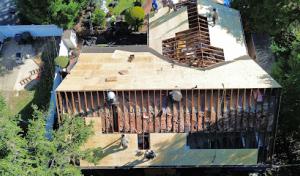
In this town, a full roof replacement typically requires a building permit through the local Building Department, not a no-paperwork job. That means the project must align with official codes and documented plans. Expect the city to take a careful look at the scope, materials, and workmanship before any shingle can be installed. Time spent waiting for approvals can affect the project schedule, especially during busy seasons.
The city commonly reviews the project plan and schedules inspections at milestones such as underlayment installation and final completion. Because of that, contractor timing has to account for municipal signoff. If an inspection window slips, it can stall progress and push back activation of repairs or replacement. Communicate milestone dates clearly with your contractor and leave a buffer for weather or documentation corrections.
Homeowners should expect roughly 1-2 weeks for permit processing depending on workload. To keep things moving, confirm that contractor licensing, required disclosures, and any applicable HOA approvals are lined up before work starts. Missing licenses or missing HOA consent is a common delay that converts a straightforward replacement into a drawn-out process.
Keep a detailed folder of all documents: permits, plan approvals, contractor licenses, and any disclosures required by the city or HOA. If a storm-related or emergency repair is involved, ensure you have the proper paperwork stamped and filed so the project remains compliant throughout. Poor documentation can complicate insurance coordination or future repairs.
Share the inspection timetable with the roofing crew so they can align material orders and labor to expected signoffs. If a milestone is missed, don't assume the next step is automatic-call the Building Department early to understand the hold-up and reschedule promptly. This practical alignment protects your home and reduces risk of noncompliance.
New Jersey remains an active roof-claim environment for storm, wind, and hail losses, and Lodi homeowners should expect adjusters to scrutinize roof age, shingle type, ventilation, and maintenance history. Older roofs bring extra questions about lingering wear and prior repairs, so be prepared for a detailed review that weighs condition against the storm event.
Because local leak calls often involve flashing, chimneys, and mixed old-new repairs, photo documentation should capture not just missing shingles but also moisture staining, interior intrusion, and all roof transitions. Take wide exterior shots of the affected elevation, close-ups of flashing joints, and interior views where stains or dampness appear around ceilings and attic spaces.
Post-event moisture inspection matters in this market because insurers commonly want evidence separating sudden storm damage from long-term seepage or deferred maintenance. Schedule a qualified roofer or an independent inspector promptly after a storm, focusing on roof deck dryness, attic ventilation effectiveness, and any soft spots that could indicate hidden damage.
Be prepared to share maintenance records, attic ventilation upgrades, and previous repair attempts. Clear, dated notes about recent storms and observed leaks help anchor the claim. If disagreements arise, request time-specific documentation and independent assessments to support which areas were directly affected by the event versus preexisting conditions.
Keep a written log of all communications, including dates, who spoke, and what was discussed. Safeguard warranties and service receipts for any repairs tied to the claim. In Lodi, the difference between swift, thorough documentation and delayed reporting can influence the adjustment outcome and repair timeline.